Podcast
FALOH FREQUENCY
Hosted by Olamide Falolu · EN
Faloh Frequency Podcast is where bold, unfiltered conversations meet real-life experiences. Hosted by Faloh Jagaban, this show dives deep into culture, lifestyle, and the everyday realities of Nigerians both in the UK and abroad. From hot social topics and migration stories to entertainment, identity, and success — every episode sparks laughter, truth, and reflection.
It’s raw, witty, and unfiltered — giving guests the freedom to speak their truth while keeping the audience entertained and inspired.
🎙️ Faloh Frequency — where real talk stays in tune with real life.
14episodes
Episodes
Newest firstAll episodes

Doing Business Compliantly in the UK.
Jun 1900:17:43Tap to summarizeDoing Business Compliantly in the UKStarting a business in the UK is exciting, but success is about more than making sales. It is about building a business that is legally compliant, financially sound, and positioned for long term growth. Many entrepreneurs unknowingly make costly mistakes by overlooking key legal and regulatory requirements, exposing themselves to fines, penalties, or even the closure of their businesses.In this episode of the Faloh Frequency Podcast, we break down everything you need to know about running a compliant business in the UK. From registering your business and understanding HMRC obligations to bookkeeping, tax responsibilities, GDPR, insurance, employment laws, and Companies House requirements, we explore the practical steps every business owner should take to stay on the right side of the law.Whether you're planning to launch a new venture, already running a business, or thinking about becoming self employed, this conversation will help you avoid common pitfalls, protect your business, and build with confidence.Don't let compliance become the reason your business fails. Learn how to do business the right way from day one.
Transcribe →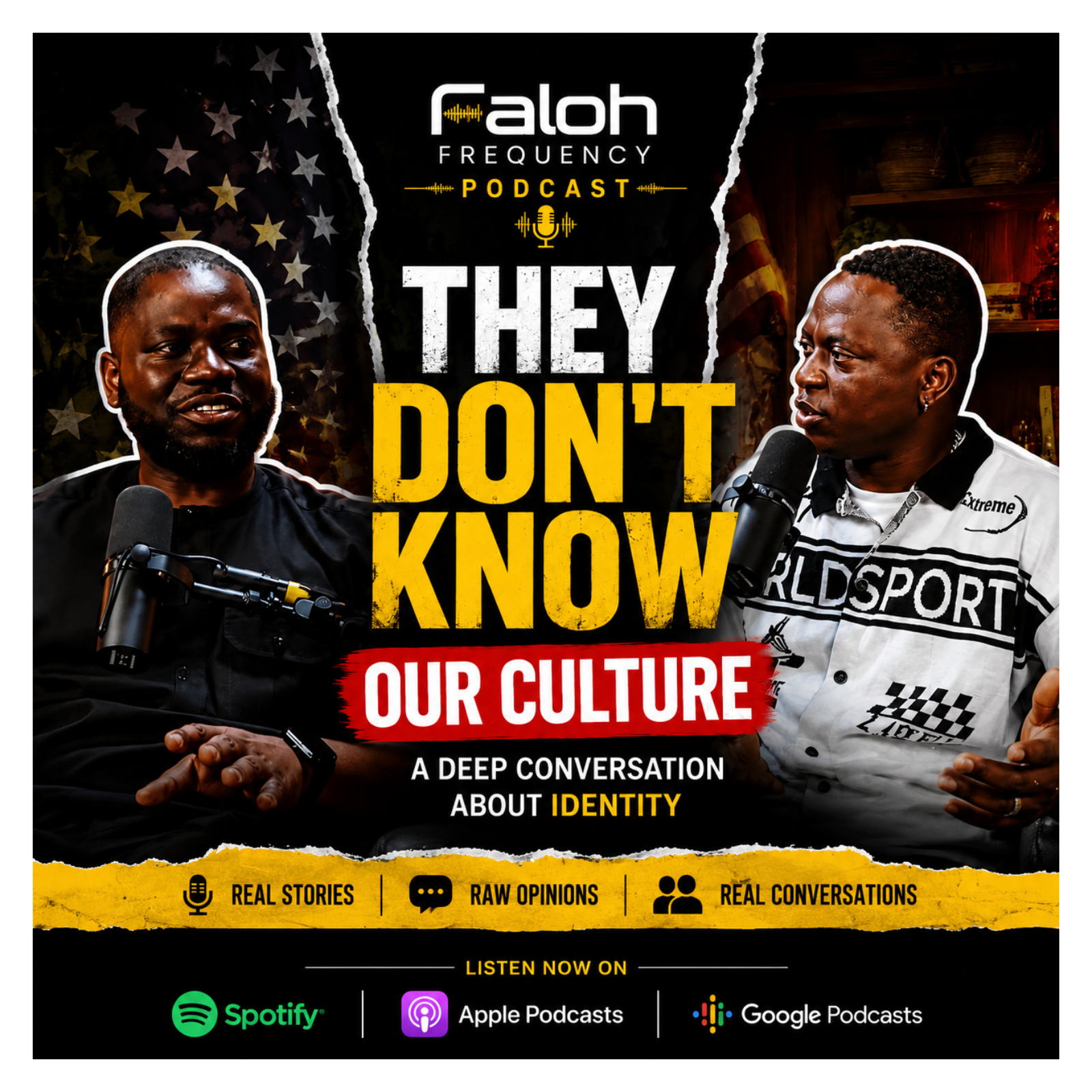
They Don't Know Our Culture | Understanding the Nigerian Culture
Jun 1900:17:54Tap to summarizeThey Don't Know Our Culture | Understanding the Nigerian CultureNigeria is one of the most talked about countries in the world, yet one of the most misunderstood. Beyond the headlines are rich traditions, strong family values, deep respect, resilience, humour, and a culture that has shaped millions of lives across the globe.In this episode of the Faloh Frequency Podcast, we explore what it truly means to be Nigerian. From our way of life and upbringing to respect for elders, food, language, religion, community, relationships, and the realities of living abroad, we unpack the beauty, complexities, and misconceptions surrounding Nigerian culture.Whether you're Nigerian, married to one, have Nigerian friends, or you're simply curious about one of Africa's most vibrant cultures, this conversation offers an honest and insightful perspective on the values, traditions, and identity that make Nigerians who they are.Do people really understand Nigerian culture, or have they only seen the stereotypes? Join us as we set the record straight.
Transcribe →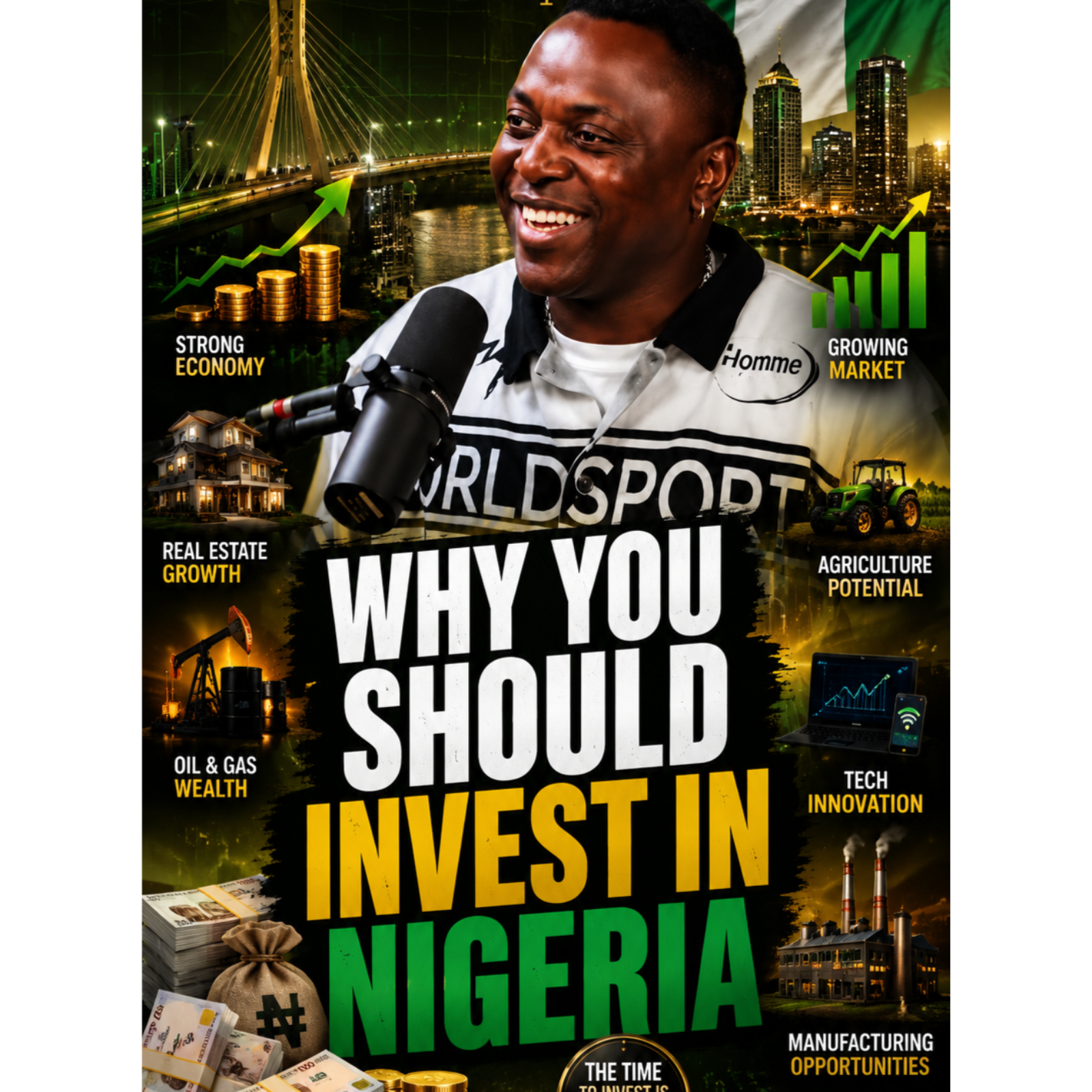
Why invest in the Nigeria economy
Jun 1900:31:31Tap to summarizeWhy should anyone invest in Nigeria despite the economic challenges?Nigeria remains one of Africa's biggest investment destinations, with over 230 million people, a rapidly growing youth population, and enormous untapped potential across sectors like real estate, agriculture, technology, manufacturing, energy, and entertainment. While headlines often focus on inflation, exchange rate fluctuations, and economic uncertainty, many local and international investors continue to commit billions of dollars to the Nigerian economy because they see long term opportunities beyond today's challenges.In this episode of the Faloh Frequency Podcast, we explore why now could be the right time to invest in Nigeria, the sectors with the greatest growth potential, the risks every investor should understand, and how Nigerians in the diaspora can position themselves to build lasting wealth back home. Whether you're considering property, starting a business, or simply looking for where the next big opportunity lies, this conversation offers practical insights to help you make informed investment decisions.Is Nigeria a risky market, or is it one of the greatest investment opportunities of our generation? Tune in and join the conversation.
Transcribe →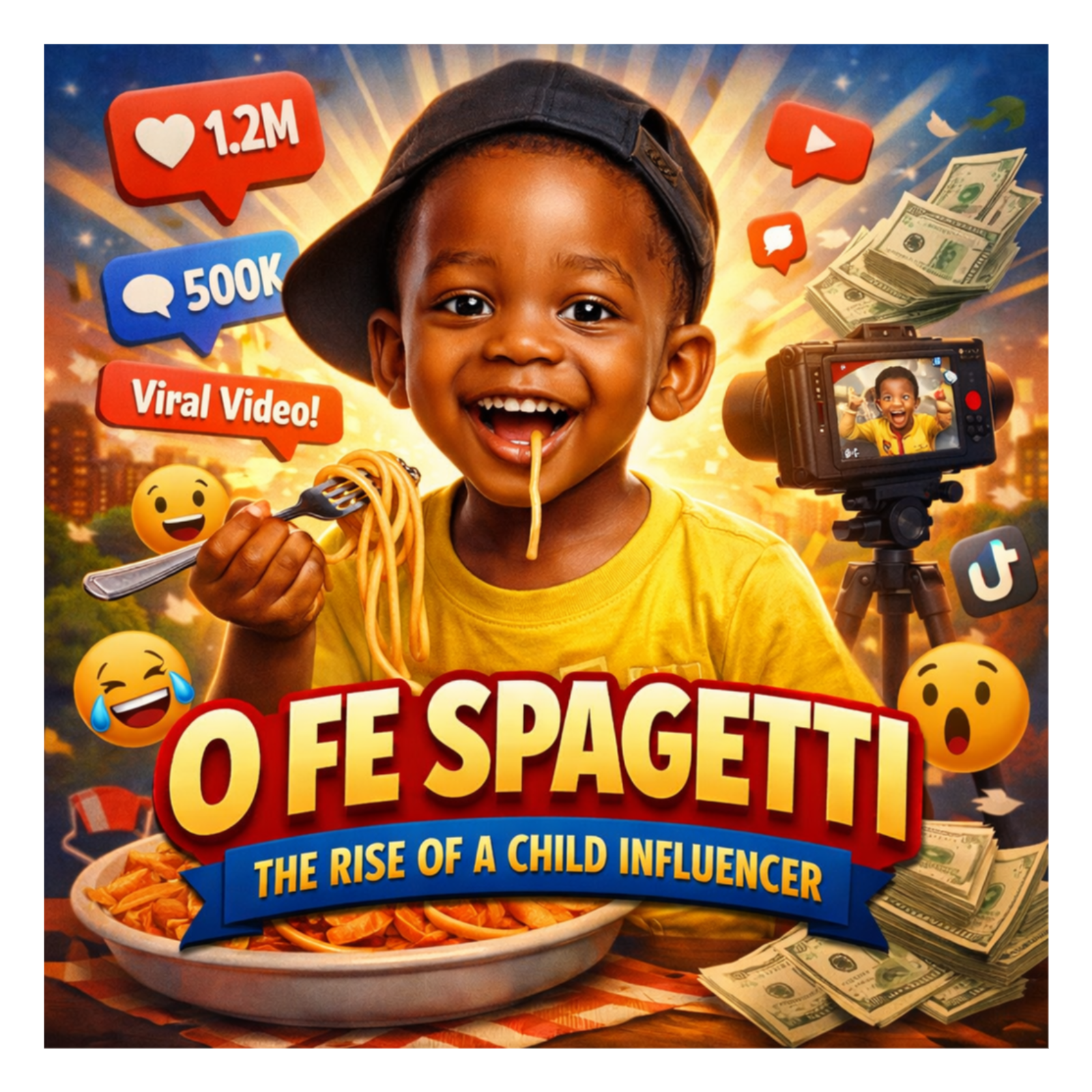
O fe spagetti - The rise of a child influencer
Apr 1500:24:47Tap to summarizeO Fe Spaghetti: The Rise of a Child InfluencerWhat started as a simple, playful moment turned into a viral phrase that captured the internet. In this episode, we unpack the story behind “O fe spaghetti” and how one child’s personality sparked a wave of attention across social media.We talk about how virality works, why moments like this connect so deeply with people, and what it means when a child suddenly becomes a public figure. From content circulation to audience reactions, this episode breaks down the journey from a random clip to a cultural moment.We also touch on the bigger picture, the role of parents, the opportunities that come with visibility, and the responsibility of managing a child’s presence online.This is more than just a viral video. It is a look at how influence can begin, even at the most unexpected age.
Transcribe →
TECH JOBS IN THE UK
Apr 1500:36:16Tap to summarizeTech jobs in the UK are evolving fast, and the demand is no longer what it used to be. In this episode, we break down the current reality of the UK tech job market, where companies are prioritising experienced professionals over entry level talent.We explore the most in demand roles right now, including software engineers, data analysts, cybersecurity specialists, and cloud engineers, and why senior talent continues to dominate hiring decisions. You will also understand why junior roles are becoming harder to secure, despite the growth of the tech industry.This episode highlights what employers are really looking for, from hands on experience and problem solving ability to specialised skills in areas like AI, DevOps, and cloud computing.If you are trying to break into tech, switch careers, or grow within the industry, this conversation gives you a realistic view of the opportunities available and how to position yourself to stand out in a competitive market.
Transcribe →
UK INNOVATOR VISA BREAKDOWN
Apr 1500:28:20Tap to summarizeUK Innovator Founder Visa explained in simple terms for entrepreneurs ready to build in the UK.This episode breaks down the full process from idea to approval. What makes a business idea “innovative, viable and scalable”, how to secure endorsement, the real costs involved, and what your chances look like if you position yourself properly.You will understand who this visa is for, what is required, and how it can lead to permanent residency after three years if your business performs.If you are serious about launching a start-up in the UK or transitioning from employee to founder, this is the clarity you need before making your next move.
Transcribe →
Zeez narrates how he met OLAMIDE BADDO
Mar 2400:23:45Tap to summarizeZeez opens up on the real story behind how he met Olamide Baddo, breaking down the moment that shifted things for him and how that connection came about organically. He shares the environment, the timing, and the energy around that first link up, giving context to how proximity to greatness can change direction.He goes further into what that relationship looks like today, not just as a fan to a legend, but as someone who has observed and learned from Olamide’s consistency, humility, and influence in the culture. There is a clear emphasis on how Olamide creates opportunities and supports emerging talents without noise.Zeez also speaks on his relationship with DJ Chicken, describing the dynamic between them, the shared hustle, and how they both navigate attention, controversy, and growth in the public space. He highlights the importance of understanding virality versus longevity.On Oloba Salo, Zeez touches on street credibility and cultural relevance, explaining how different personalities bring different energies to the ecosystem and how collaboration or association shapes perception.He mentions Peller and others within the scene, reflecting on how each person contributes to the wider movement, whether through entertainment, influence, or grassroots engagement. There is a recurring theme of community, alignment, and knowing how to position yourself within a fast moving industry.The episode closes with Zeez reinforcing lessons around patience, timing, and staying authentic while building relationships that matter.
Transcribe →
Can you start a Business on a COS visa in the UK?
Mar 1200:30:45Tap to summarizeStarting a business in the UK while on a Certificate of Sponsorship visa is a question many migrants ask but very few clearly understand. In this episode of Faloh Frequency, the conversation focuses on the realities, restrictions, and possibilities surrounding entrepreneurship for individuals working in the UK under a COS.The episode explores what the visa actually allows, what the law says about additional income streams, and where the limits exist when it comes to running or owning a business. Listeners gain clarity on the difference between employment obligations tied to sponsorship and the activities that may still be permitted outside their primary job.The discussion also highlights common misconceptions many migrants have about business ownership while sponsored. Practical scenarios are examined, including whether someone can register a company, become a director, run side hustles, or participate in partnerships without violating visa conditions.Beyond the legal side, the episode also encourages strategic thinking for those who have entrepreneurial ambitions but are currently tied to a sponsored role. It provides guidance on how to plan ahead, structure opportunities correctly, and avoid decisions that could jeopardize immigration status.For anyone living or planning to live in the UK on a Certificate of Sponsorship, this episode provides essential insight into how work visas intersect with business ambitions and what pathways may exist for those who want to build something of their own while navigating the system.Podcast: Faloh Frequency Topic: Can You Start a Business on a COS Visa in the UK?
Transcribe →
Making living from content creating in the UK
Mar 1100:33:35Tap to summarizeMaking a living from content creation in the UK is no longer a distant dream. In this episode of Faloh Frequency, Kenny Ojo breaks down the realities of building a sustainable career as a content creator in the UK. The conversation explores how creators can move beyond posting for fun and begin to structure their platforms as profitable ventures.Kenny shares practical insights on how creators can position themselves in the UK digital ecosystem, build an audience that trusts them, and convert that audience into real income streams. From brand partnerships and platform monetization to leveraging personal storytelling and niche positioning, this episode unpacks what it truly takes to survive and thrive as a creator in a competitive market.The discussion also addresses the challenges many creators face, including consistency, visibility, and understanding the business side of content creation. Listeners will learn how strategy, discipline, and authenticity play a critical role in turning creative passion into a reliable source of income.Whether you are an aspiring creator, a growing influencer, or someone curious about the creator economy in the UK, this episode provides valuable perspectives on how digital creativity can become a legitimate livelihood.Guest: Kenny Ojo Podcast: Faloh Frequency Topic: Making a Living from Content Creation in the UK
Transcribe →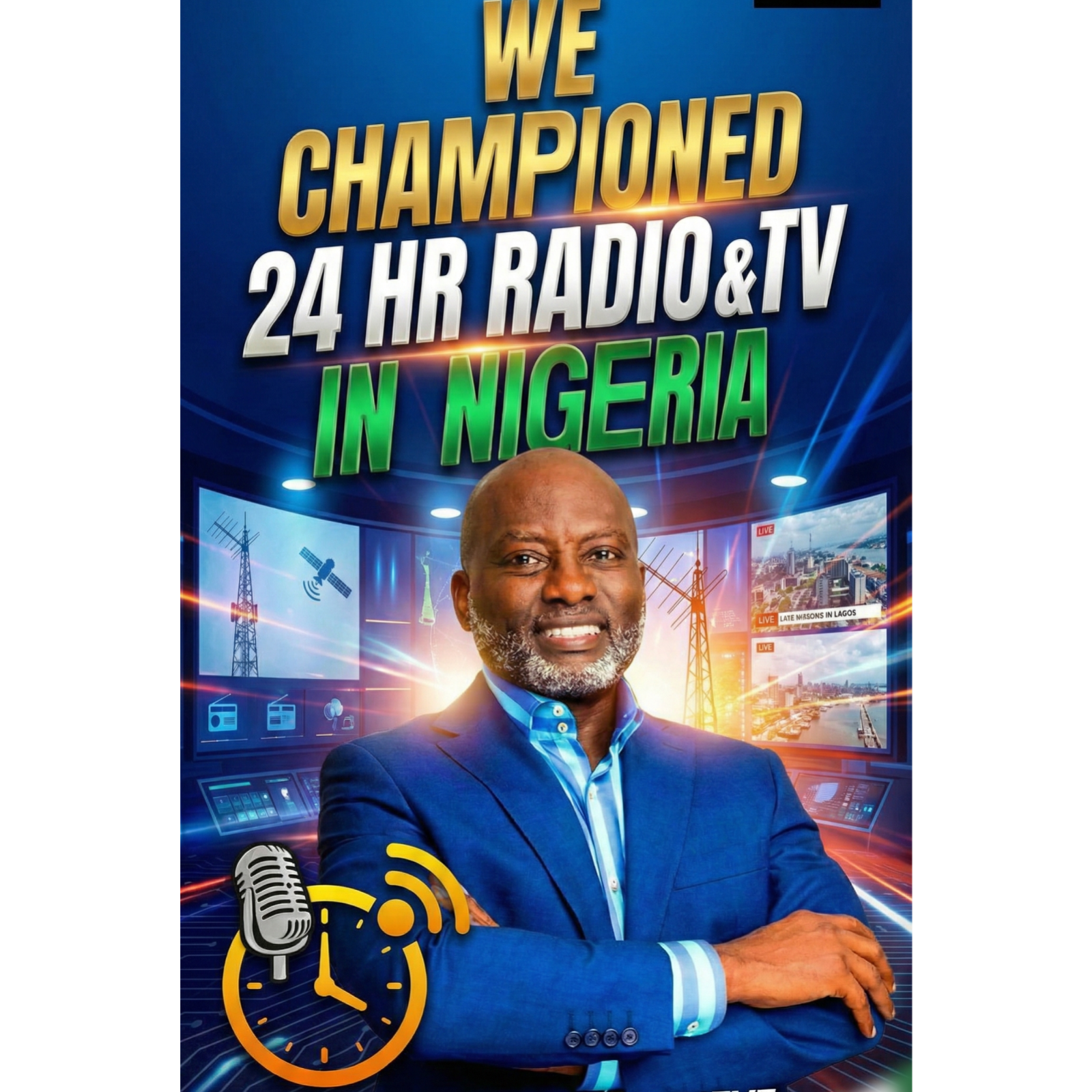
Evolution of Afrobeats
Feb 2400:34:41Tap to summarizeThis episode explores the historical, cultural, and industry forces that shaped Afrobeats into a global movement. From its roots in highlife and Afrobeat to its dominance on international charts, the conversation traces how sound, media, and diaspora networks transformed a regional genre into a worldwide cultural force.The journey begins with the influence of pioneers such as Fela Kuti, whose Afrobeat fused jazz, funk, and traditional rhythms to create politically charged music that defined a generation. While Afrobeat and Afrobeats differ in structure and era, the ideological foundation of cultural pride and sonic experimentation laid the groundwork for contemporary artists.The episode examines the transition from analogue to digital distribution in Nigeria during the late 1990s and early 2000s. The rise of private radio and television platforms, including Raypower FM and African Independent Television, provided crucial exposure for emerging artists and helped normalise local pop sounds. This media expansion coincided with increased studio access, affordable production tools, and a youth-driven appetite for new sounds.Attention is given to the role of early 2000s artists who defined the commercial era of Afrobeats. Figures like D'banj and P-Square helped professionalise the industry through branding, international collaborations, and high-budget music videos that matched global standards. Their success demonstrated that African pop could compete on the world stage.The diaspora’s role is another focal point. Migration patterns carried the sound to the UK, Europe, and North America, where DJs, community radio, and club scenes amplified its reach. Cities such as London became key nodes in the genre’s expansion, with second-generation Africans shaping hybrid sounds that resonated across cultures.The episode also analyses the streaming era and the global breakthrough of artists such as Wizkid, Burna Boy, and Davido. Their chart success, international tours, and collaborations with Western artists repositioned Afrobeats as a mainstream global genre rather than a niche export.Beyond music, the discussion highlights Afrobeats as a cultural ecosystem encompassing fashion, dance, language, and digital content. Social media platforms accelerated virality, enabling dance challenges and user-generated content to drive engagement and discovery at unprecedented scale.The episode concludes by considering the future of Afrobeats: increasing genre fusion, the rise of female and alternative voices, expanding live touring circuits, and the growing influence of African-owned labels and distribution platforms. Afrobeats is positioned not merely as a sound, but as a cultural movement redefining global pop through African creativity and diaspora connectivity.
Transcribe →