
Podcast
Fast Intelligent Care
Hosted by Enable Lifecare · EN
Welcome to Fast Intelligent Care, the podcast that fuels your passion for making a real impact as an Occupational Therapist. This isn’t just another clinical discussion—it’s your inside track to the latest insights, bold ideas, and practical solutions in assistive technology. Step into a world where innovation meets integrity, agility drives action, and every decision is grounded in evidence and expertise. We’re here to help you think faster, act smarter, and embrace continuous growth as you navigate the challenges and successes of your work. Each episode brings fresh perspectives, expert advice, and actionable strategies to help you deliver outstanding outcomes for your clients—all while finding fulfillment and joy in what you do best. Get ready to elevate your practice, spark new ideas, and experience the energy of Fast Intelligent Care. Your journey to smarter, faster, and more impactful care starts now!
16episodes
Episodes
Newest firstAll episodes

Safe Work, Quality Care: Building Better Manual Handling Practices
1w ago00:14:17Tap to summarizeIn this episode, Natasha Nutt from Movementum discusses the core principles of safe work and quality care in the context of physical disability support. She emphasizes the importance of holistic assessments, involving support workers, and practical tips for maintaining safety and quality in care provision.Key topicsThe ethos of Movementum: safe work and quality careThe role of occupational therapists in supporting care teamsHolistic risk assessments including TILE frameworkEngaging support workers in safety and qualityPractical tips for visual documentation and review triggersTakeawaysSafe work and quality care must coexist and be designed as a partnership.OTs have a unique accountability to both clients and support workers.The TILE risk assessment helps identify holistic risks in manual handling.Involving support workers in assessments improves safety and sustainability.Visual documentation aids in understanding and reviewing care routines.
Transcribe →
Single-Handed Care: Challenging Traditional Thinking
2w ago00:21:04Tap to summarizeIn this episode, Chanelle is joined once again by Natasha Nutt, Director of Movementum, Occupational Therapist, and Manual Handling Consultant, to explore the growing role of single-handed care in manual handling. Together, they discuss why safe care is driven by individual assessment, clinical reasoning, and person-centred decision-making, not blanket rules. Natasha shares how the right approach can improve outcomes for clients, support workers, and providers alike.
Transcribe →
More Than Moving People: An OT's Role in Manual Handling
3w ago00:21:29Tap to summarizeIn this episode, Chanelle is joined by Natasha Nutt, Director of Movementum, Occupational Therapist, and Manual Handling Consultant, to explore her journey into occupational therapy and the experiences that led her to specialise in manual handling.Together, they discuss the importance of community-based care, supporting both clients and carers, and why manual handling is about far more than moving people.
Transcribe →
Confidence Through Clinical Reasoning: Advice for Every New OT
Jul 600:10:45Tap to summarizeAs the series concludes, Belinda Dwyer reflects on how pressure care education is evolving and what helps new OTs grow into confident clinicians. Together with Chanelle, they discuss building confidence through experience, using clinical reasoning in resource-limited settings, and why collaboration, continuous learning, and practical application are key to better pressure care outcomes.
Transcribe →
Lessons Beyond Graduation: What New OTs Learn
Jun 2800:09:28Tap to summarizeWhat happens when OT students become new graduates?In this episode, Belinda Dwyer shares the lessons that become clear once students enter clinical practice. Together with Chanelle, they discuss the long-term impact of pressure injuries, the importance of multidisciplinary care, understanding the OT's role, and the clinical reasoning that builds confidence in practice.
Transcribe →
Placement to Practice: Learning Pressure Care in the Real World
Jun 2200:11:05Tap to summarizeHow do OT students turn classroom knowledge into real-world pressure care practice?In this episode, Belinda Dwyer shares insights into student placements, pressure care learning, and the challenges of applying evidence-based knowledge in real-world settings.Chanelle and Belinda discuss clinical reasoning, mentorship, resource limitations, supplier partnerships, and how AI can support learning without replacing professional judgement.
Transcribe →
From Classroom to Clinic: Preparing Future OTs for Pressure Care
Jun 1400:16:01Tap to summarizePressure care education goes beyond learning pressure injury stages and support surfaces. In this episode, Belinda Dwyer, Principal Occupational Therapist and Occupational Therapy Lecturer at Flinders University, joins Chanelle to discuss how students develop pressure care knowledge, clinical reasoning, and confidence as they transition from university into practice. Together they explore the challenges of teaching pressure care, the importance of hands-on learning, navigating funding pathways, and practical advice for students and early-career clinicians who are learning to prescribe with confidence.A valuable conversation for OTs, students, educators, and anyone passionate about improving pressure care outcomes.
Transcribe →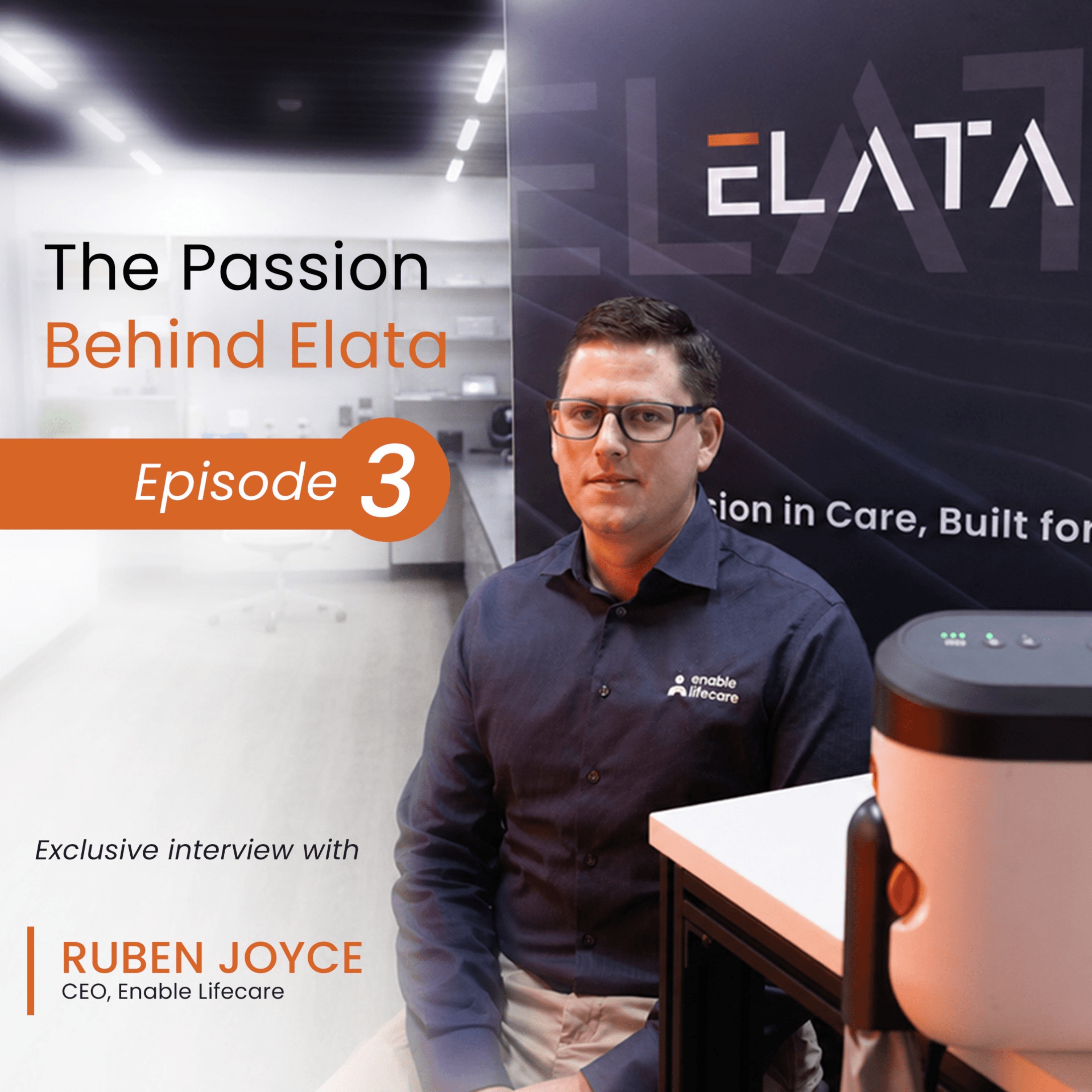
Built from Experience: The Passion Behind Elata
May 1800:15:09Tap to summarizePressure care is not just about managing wounds. It is about comfort, dignity, sleep, communication, and quality of life.In this episode, Ruben Joyce, CEO of Enable Lifecare, shares the deeply personal stories that shaped Elata and the mission behind Enable Lifecare’s approach to pressure care. From palliative care experiences to the importance of comfort-focused prescribing, this conversation explores why better outcomes come from looking beyond the mattress itself.Chanelle and Ruben also unpack the thinking behind the Enable Lifecare app, smarter clinical assessments, and how AI-powered tools are helping therapists simplify complex pressure care decisions.Sign up for the Enable Lifecare App and make your AT assessments, report writing, and clinical justification smarter: https://app.enablelifecare.com.au/register
Transcribe →
Zero Preventable Pressure Injuries: Making Pressure Care Simple
May 1100:10:04Tap to summarizeIn this episode, Chanelle sits down with Ruben Joyce, CEO of Enable Lifecare, to unpack the thinking behind Elata and the mission driving its development: zero preventable pressure injuries.They explore how Enable is simplifying mattress selection through smarter systems, clinician-focused design, intuitive technology, and home-first innovation. From clinician logins and simplified assessments to PowerGuard and SafeHold, this conversation dives into what happens when pressure care is designed around real-world use, not just hospital settings.Sign up for the Enable Lifecare App and make your AT assessments, report writing, and clinical justification smarter: https://app.enablelifecare.com.au/register
Transcribe →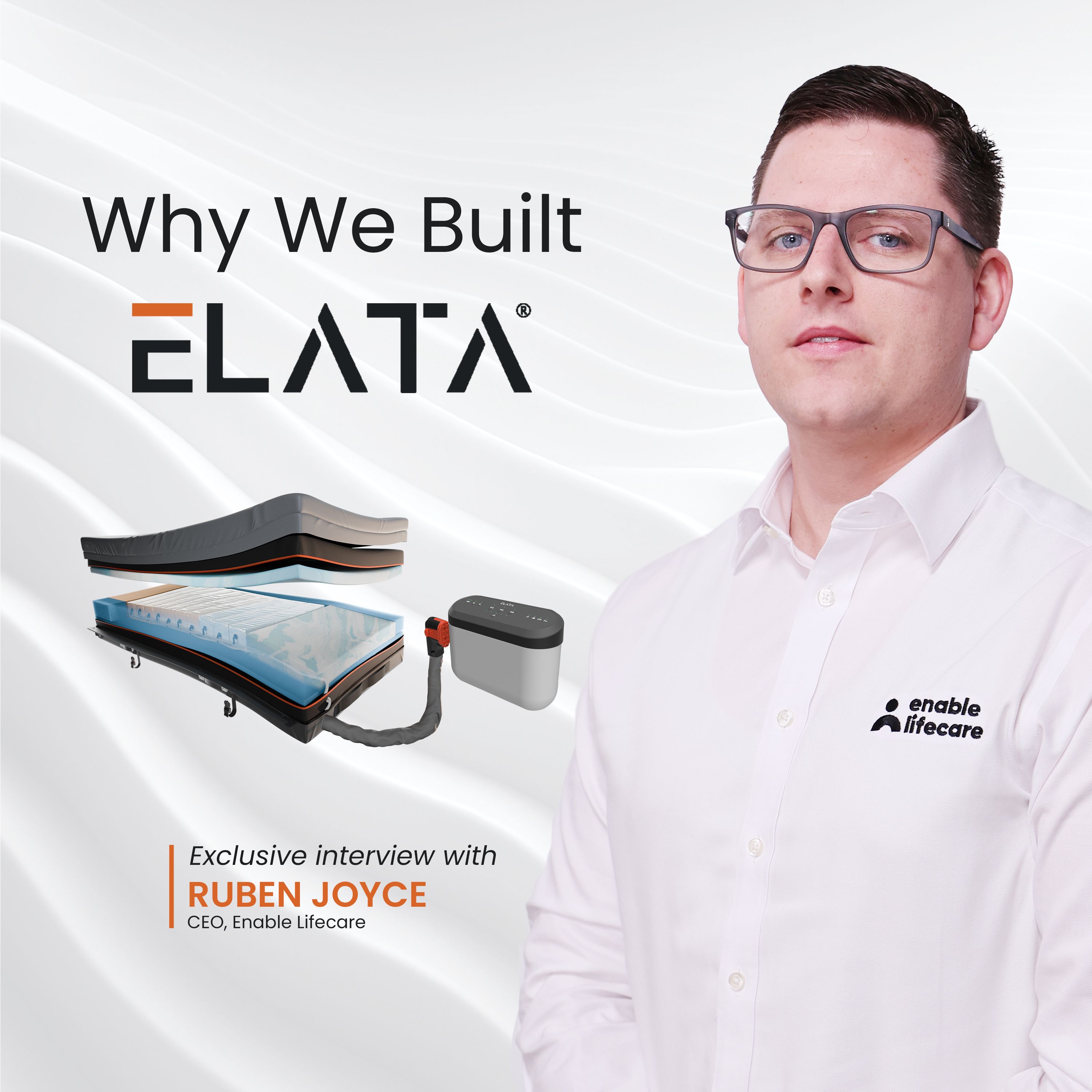
The Enable Lifecare Approach: The Story Behind Elata
May 400:15:23Tap to summarizeIn this episode, we explore the thinking behind Enable Lifecare and the development of the Elata® pressure care range.Chanelle Olivier sits down with Ruben Joyce, CEO and founder of Enable Lifecare, to unpack what sets the business apart, from speed and service to a strong focus on education and clinical support.They discuss the role of systems over products, the importance of consistent clinical reasoning, and how tools like the Enable Lifecare App are designed to support better outcomes.The episode also introduces Elata®, including the meaning behind the name and the philosophy of elevating safety, comfort, and care.Sign up for the Enable Lifecare App and make your AT assessments, report writing, and clinical justification smarter: https://app.enablelifecare.com.au/register
Transcribe →