
Podcast
Fellowship Church Beaumont CA
Hosted by Fellowship Church · EN
Where neighbors become friends and friends become family as we follow Jesus together. Join us Sundays at 10:30 AM. 650 Oak Valley Parkway, Beaumont, CA 92223
38episodes
Episodes
Newest firstAll episodes

Friendship and Finishing Well
3d ago00:39:30Tap to summarizeTranscribe →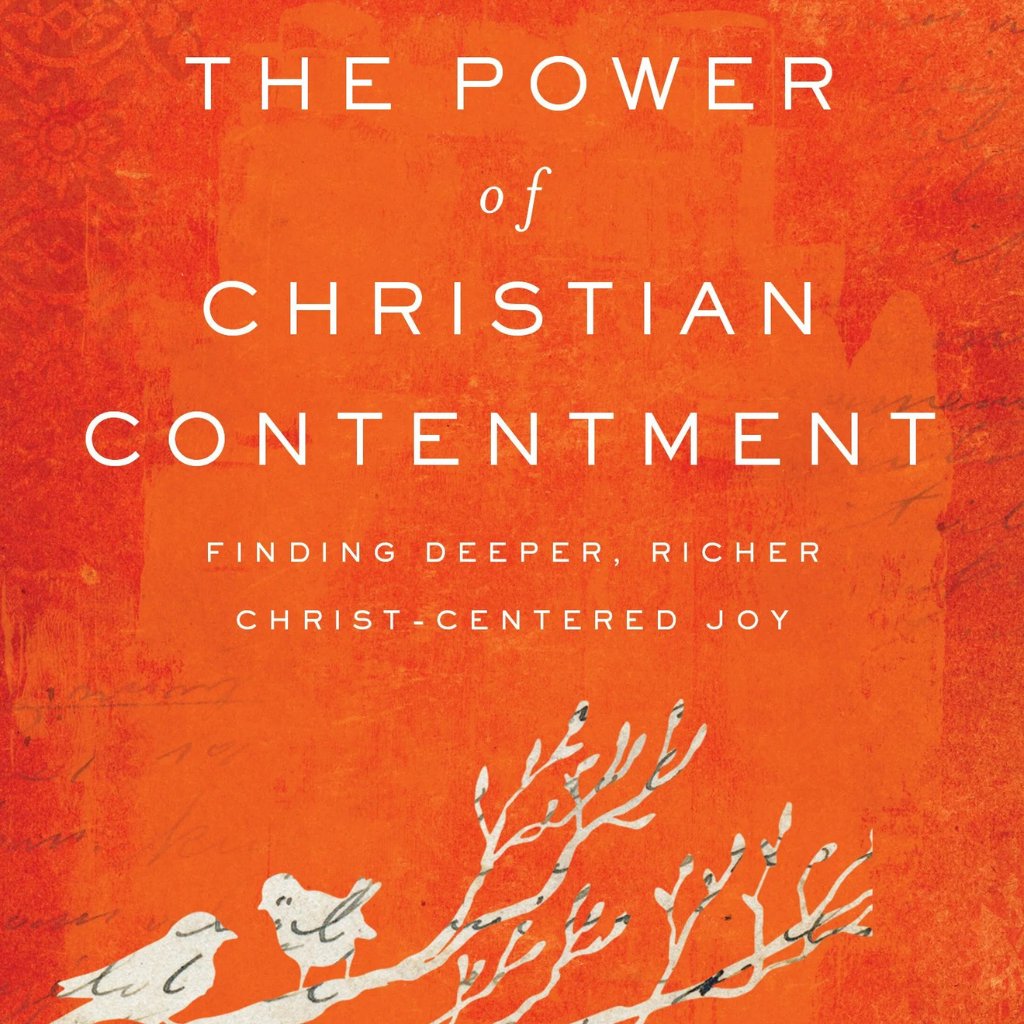
Week 9: Chapter 11 Discussion
1w ago00:14:03Tap to summarize1. When do you find yourself drifting into complacency or discontentment? Are there signsor indicators that you can spot when this is happening or about to happen?2. What can we learn from the different Christian examples (Paul, Baxter, Edwards orBrainard – pg. 174-178) that Davis highlighted about pursuing holiness? Can you think ofother examples that you know in person or from afar that have learned from in how tobe content?3. Davis wrote about the danger of our prosperity in the West and how that could temptus towards complacency and not having zeal for missions. What can we do to increaseour passion to see the Gospel spread to all nations?4. What else did you find noteworthy in the chapter?5. What are some of the main takeaways you’ve been learning by doing the contentmentproject? Which chapter or truth in the book did you find most helpful?
Transcribe →Passing the Baton
1w ago00:39:33Tap to summarizeTranscribe →Week 8: Chapter 10 Discussion
2w ago00:18:15Tap to summarize· The author, Davis, asserts that in some ways wealth can present a greater risk to contentment than poverty. Discuss some of the problems that wealth can present for our hearts and our walk with Jesus.· How do you maintain the balance between greed and giving it all away? In other words, between hoarding for self, and taking a vow of poverty?· Paul “learned to be content.” In your journey with Christ, share some lessons that helped you to be content whether in want or in plenty.· Davis presents three “heart check” questions on page 160. Honestly share your answers to the following?o Have we sinfully spent money on ourselves that God intended us to give away?o What heart condition has caused this choice?o What is the remedy for the way we have used our money?· The author gives us four keys to contentment in plenty. Which of these present the greatest challenge to you and why:o Start with humility - if we enjoy success it is because of God (Deut.8 caution)o Don't set our minds on earthly wealth as it is fleeting (2 Tim. 6).o Trust in God, not money o Use wealth for Kingdom building (2 Tim 6, Matthew 6 treasures in heaven).
Transcribe →The Power of the Scriptures
2w ago00:40:58Tap to summarizeTranscribe →Week 7: Chapter 9 Discussion
3w ago00:14:51Tap to summarize1. What can we learn about God’s purposes and suffering from the story of Joseph (Gen. 50:20-21, pg. 134-36)? 2. Davis mentioned several “heroes of the faith” (pg. 142-47) who are examples in how they endured suffering in their lives with contentment. Which of these examples encourages you and why? Are there other examples of Christians you know who have suffered well? 3. Davis shares “seven prayerful meditations to help sufferers conquer” (pg. 150-55). Which of these do tend or forget or have a hard time believing when you are suffering? Which of these meditations stirs your heart the most? 4. What has God taught you about himself through suffering in your life? Are there any ways you are currently suffering and would like prayer or encouragement for?
Transcribe →Difficult Times and Difficult People
3w ago00:36:30Tap to summarizeTranscribe →Week 6: Chapter 8 Discussion
4w ago00:16:32Tap to summarize1. Davis writes, “Burroughs’s goal was very plain…he wanted his readers to hate the wicked habit of complaining against God during afflictions, to see how vile and corrupt a thing it is…” Is this how you view complaining, as a “wicked habit…vile and corrupt”? Or are you ever tempted to minimize complaining as something that isn’t really a big deal?2. Davis lists out nine different “Evils of Complaining” on pages 110-120. Which of these did you find insightful, challenging or helpful as we seek to have a right understanding of what is happening when we complain?3. Davis gives seven different excuses we often give into when complaining (pg. 121-127). Which of these do you struggle with most? Which of these has God helped you to grow in and what has that looked like?
Transcribe →Serving God When Things Are Hard
Jul 1200:41:29Tap to summarizeTranscribe →Week 5: Chapter 7 Discussion
Jul 800:15:33Tap to summarizeDiscussion Questions 1. Of the seven aspects of contentment the author describes, which is most challenging to you? How can this help motivate you to pursue contentment? 2. On pages 104-105, the author shows how contentment can help you fight temptations. Where in your life do you need to cultivate more contentment in order to resist temptation? 3. How does the author connect contentment and hope (see pages 106-107)? What promises of God can you remind yourself of this week as you seek to be more hope filled and content?
Transcribe →