Podcast
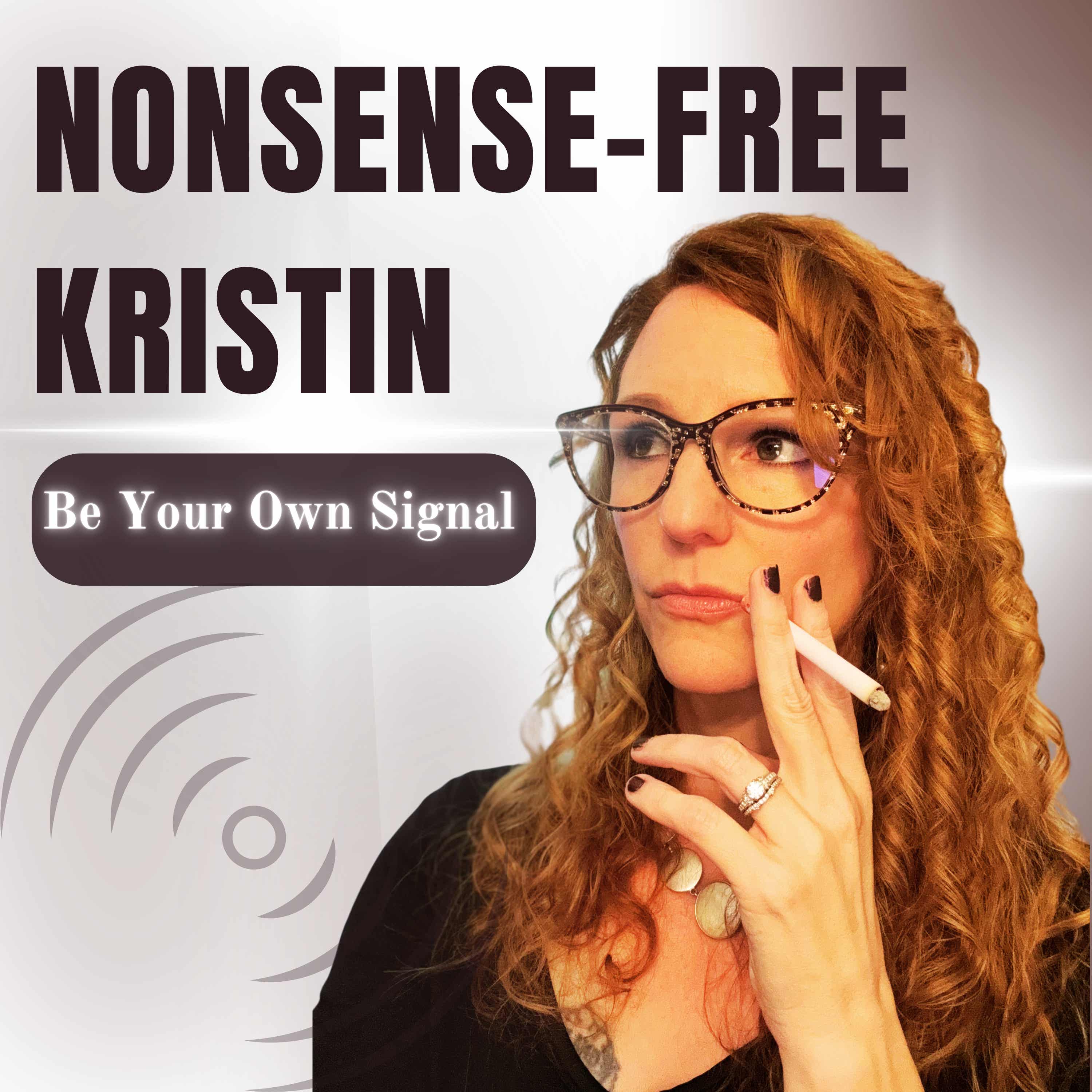
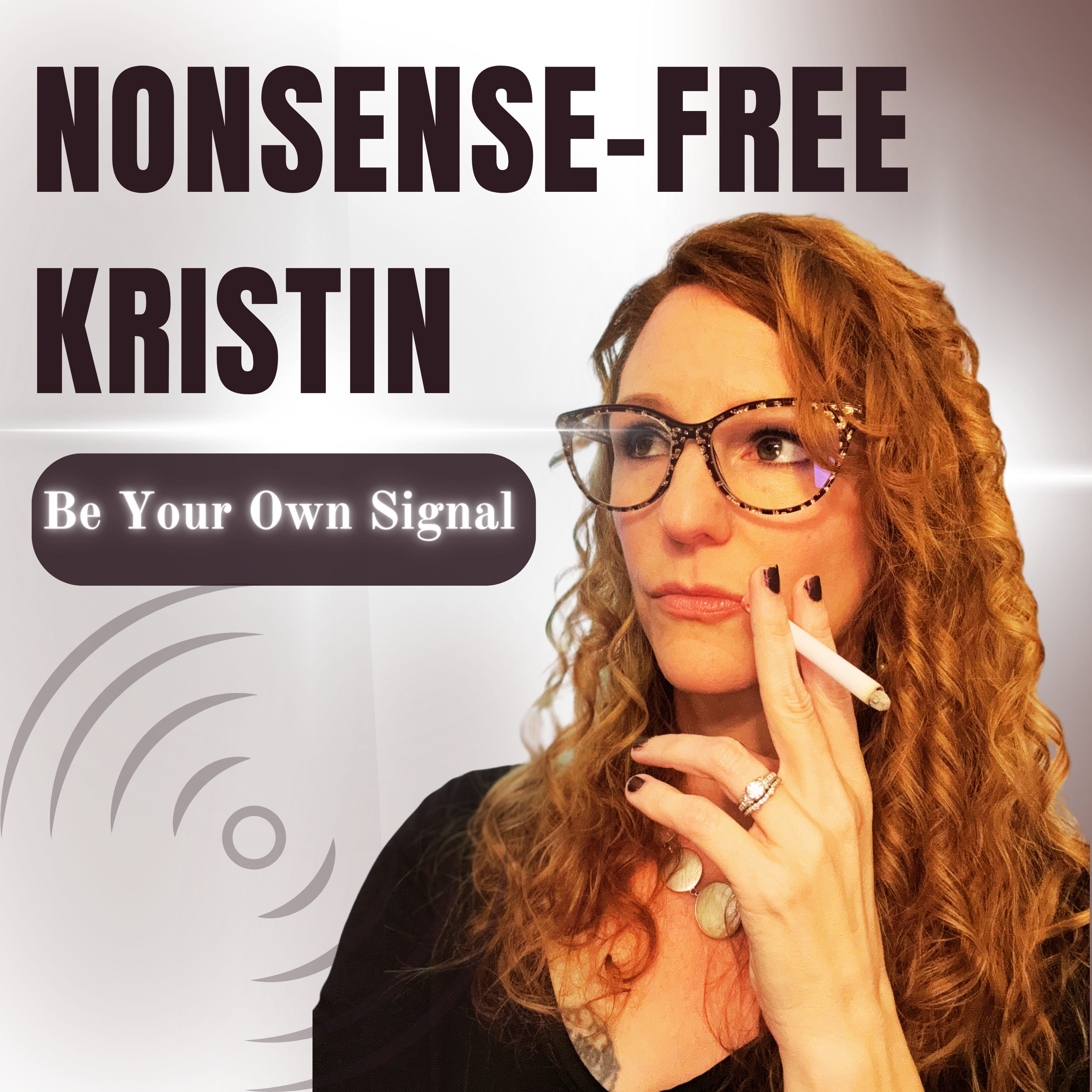
Nonsense-Free Kristin
Hosted by Kristin McTiernan · EN
Nonsense-Free Kristin is where independent authors and creators learn to build their platforms, master their craft, and create on their own terms—without begging for permission from gatekeepers who hate them
kristinmctiernan.substack.com
kristinmctiernan.substack.com
41episodes
Episodes
Newest firstAll episodes
William Miller - Men Never Quit Reading. Publishing Stopped Printing for Them.
3w ago00:47:35Tap to summarizeWilliam Miller left a photography career after 9/11 to enlist in the Army. He now writes the Jake Noble spy thrillers, a paranormal mystery series built around an autistic FBI agent, and a hardboiled crime series for Aethon Books. He also runs Savage Realms, a sword and sorcery magazine he expected to fold after six issues and still puts out every month. In this episode, he joins us to dig into what actually changed in publishing in the early '90s, why a little gatekeeping might be good for a fandom, and what binge-watching did to the thirty-page chapter.In This Episode* William’s love letter to his wife: The Mackenzie and Cole series follows an autistic FBI agent. Miller’s wife is autistic, and he wanted a version of that on the page that includes the hard days, not just the “it’s a superpower” version.* The fashion photographer who writes fight scenes: Years in fashion photography before the Army, and what visual thinking does to prose. Also his flat instruction to authors: you do not know what cover your book needs.* Don’t take writing advice from people who don’t sell books: Miller studied creative writing at Eckerd College, where Dennis Lehane taught. His filter for writing programs is one question long, and it disqualifies most of them.* Men didn’t stop reading, publishing stopped printing: What Miller says changed in trad pub in the late ‘80s and early ‘90s, and why “men don’t read” has the cart in front of the horse. * Choose your own adventure: Delight Games handed Miller the keys and he wrote Jack Jericho and the Bloody Burlesque Show. It sold, and the content nobody would greenlight elsewhere turned out to be beneath the notice of the people who’d object.* Savage Realms Monthly and the paperback problem: Miller started it as a favor to writers with nowhere to publish, expecting six issues and a tax write-off, and now ships one a month. The print edition is the one Amazon fights him on, and it’s also the one that sells better.* “You gotta get rid of all the God stuff”: Trad publishers wanted the faith cut from Noble Man. Faith publishers wanted the guns and the human trafficking cut. He self-published, and the emails started arriving from people who’d done the work for real.* The agent who pitched him at ThrillerFest: The agent that loved his numbers and wanted to represent him. Four years earlier, she told him that the book would never work.* Genre hopping is bad business and he does it anyway: Spy thrillers, paranormal mystery, sword and sorcery, plus an unknown number of upscale literary novels sitting unpublished on a hard drive. His advice and his behavior do not match.* Binge culture broke pacing: Why he thinks the thirty-page chapter is gone, why he has to fight his own instinct to write long, and why he still tells writers to ignore what’s selling. (On the business side, he cites Maxwell Perkins, the editor who shaped raw manuscripts from Hemingway and Fitzgerald into books that sold.)* Where indie publishing goes from here: AI, universal basic income, and Miller’s standing policy of coming back in six months to eat crow when he’s wrong. Plus the argument that stories outlast whatever format is carrying them, delivered via Reign of Fire.Guest Links* Read the Jake Noble series: https://amzn.to/4uhzhB6* Website: https://williammillerauthor.com/* Facebook: AuthorWillMillerKristin’s Links* Editing Services: nonsensefreeeditor.com* Newsletter: https://www.fictionalinfluence.com* YouTube: https://youtube.com/@nonsensefreekristinTimestamps00:00 - Meet William Miller.00:50 - Writing Autism With Care.02:28 - From Photos To Prose.04:34 - Creative Writing Degrees.07:11 - Do Men Read Fiction.09:26 - Interactive Fiction Detour.11:54 - Gatekeeping Geek Culture.13:51 - Magazine Roots And Aethon.16:33 - Building Savage Realms.19:45 - Print Sales And Amazon.21:23 - Cover Art Censorship.22:59 - NSFW Internet Flashback.23:28 - Trad Pub Rejections.25:26 - Choosing Self Publish.27:23 - Agent Comes Crawling Back.28:45 - Genre Hopping Reality.31:42 - Pacing In Streaming Era.34:15 - Write Weird Find Tribe.37:17 - Indie Future With AI.43:21 - Stories Always Survive.44:03 - Buckle Up Advice.45:16 - Where To Find Him.47:09 - Final Thanks And Goodbye.About This PodcastNonsense-Free Kristin is where independent authors and creators learn to build their platforms, master their craft, and create on their own terms—without begging for permission from gatekeepers who hate them.New episodes weekly.Subscribe on: Apple Podcasts, Spotify, and YouTube Music. This is a public episode. If you would like to discuss this with other subscribers or get access to bonus episodes, visit kristinmctiernan.substack.com
Transcribe →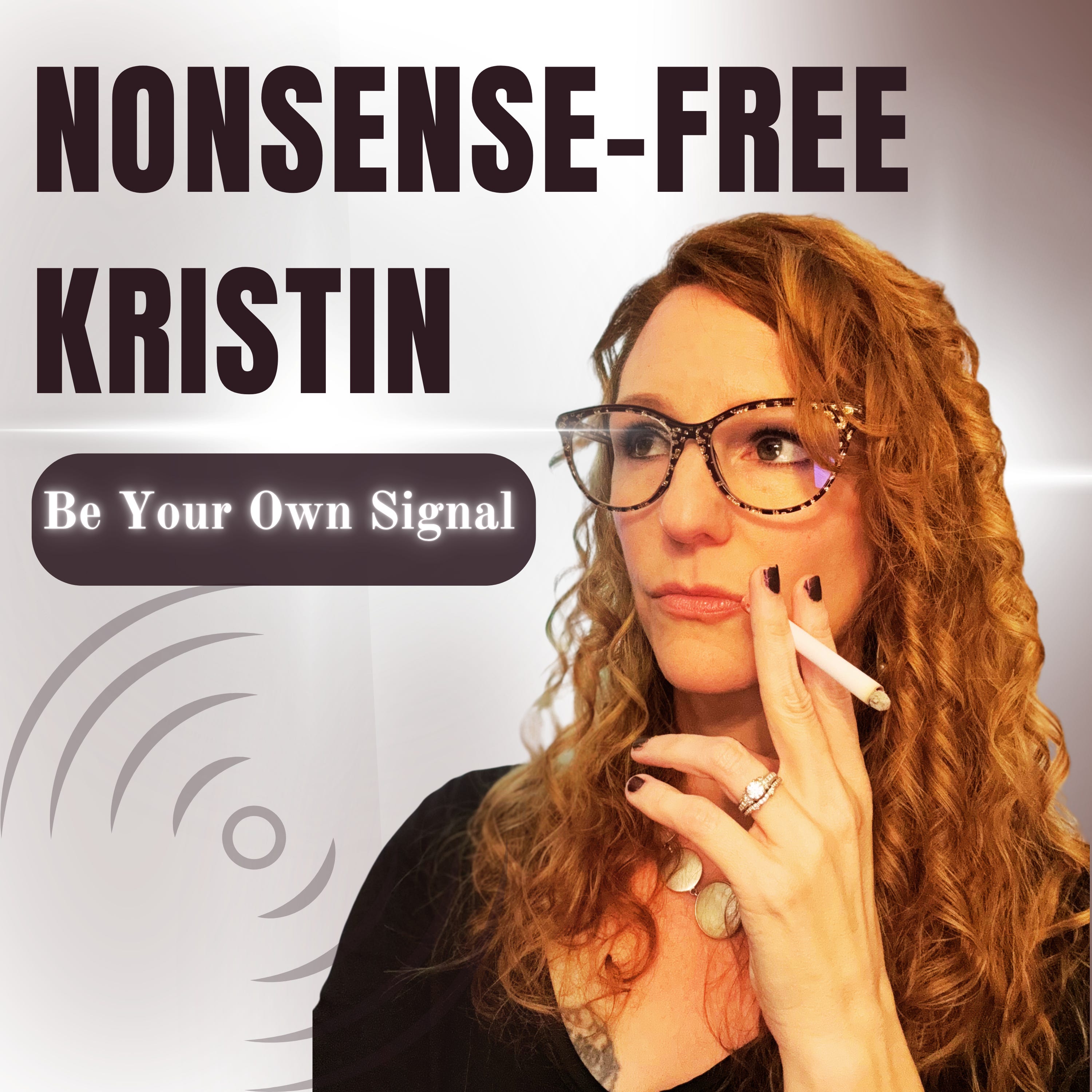
Rebecca Jones - Writing Romance Without Smut
4w ago00:39:38Tap to summarizeRebecca Jones has a hill she'll die on: there are no bad tropes, only poorly written ones. She put out her debut in September 2025 and already has three books in her Jolene series, plus a Gothic romance on the way, so she's earned the right to defend the love triangle. In this episode, we dig into why so many of them collapse, when a cliché becomes a comfort instead of a crutch, and what gets lost when clean YA is treated like a rebellion.In This Episode* There are no bad tropes, only poorly written ones: Rebecca’s whole thesis, and why a love triangle works only when a character actually makes a choice.* How writers botch the love triangle: The most common failure is telling us two people are in love without ever earning it. We talk about the Wednesday dance that should have built a couple and instead just told us one existed.* Insta-love, chemistry, and flirting that isn’t cheesy: Insta-love can work when there’s a real foundation under it, from Phantom’s Raoul and Christine to the sly, layered flirting between Catherine and Henry in Northanger Abbey.* The ultimate love triangle: Rebecca’s pick for the trope done right is Gone With the Wind, and why The Empire Strikes Back borrowed its romantic DNA.* Clichés, killing your darlings, and the one-bed problem: A deliberate cliché can feel like comfort; a lazy one just muddies the book. Plus what “kill your darlings” actually means, and a great story about a scholarly Regency client whose one-bed scene ignored the scandal it would have caused.* The state of clean YA: On-page spice creeping into books aimed at teens, YA quietly written for grown women, and the clean movement Rebecca is glad to be part of. * Meet Jolene: Ballet dancer by day, zombie-slaying gamer by night, with a geeky best friend and a scene-stealing chaos-agent of a sister.* The Gothic turn: Rebecca’s period horror romance: 1899 France, a possessive ghost, and Phantom of the Opera with the opera swapped out for something a lot darker.* The indie author business: An aggressive release pace as a full-time writer, the Kindle Unlimited versus going-wide money question, why the best marketing might just be the next book, and the metadata work that landed her next to Lynn Painter and Rachel Lynn Solomon.* The worst writing advice you keep hearing: How “show, don’t tell” gets weaponized, and the danger of running your slow-burn romance through a chatbot that only knows how to pace a thriller screenplay.* Books for boys, and content warnings: The gap in the market and Rebecca’s idea for a space book written with her son, plus why she came around on content warnings and a love letter to the website Does the Dog Die.Guest Links* Read the Jolene series: https://amzn.to/48NUUQG * Website: rebeccajonesbooks.com* Facebook: Rebecca Jones Author* TikTok: @rebecca.jones776* X: @NovelistRJones Kristin’s Links* Editing Services: nonsensefreeeditor.com* Newsletter: https://www.fictionalinfluence.com* YouTube: https://youtube.com/@nonsensefreekristinTimestamps00:00 - Meet the Rebecca Jones.02:09 - Why Triangles Fail.02:51 - Insta Love Done Right.03:57 - Writing Better Flirting.05:26 - Best Love Triangle Example.06:13 - Tropes vs Cliches.07:17 - Fixing What Fails.08:09 - One Bed Problem Solving.09:30 - Beta Readers Power.10:13 - State of YA Today.12:25 - Gothic Romance Shift.14:18 - Writing Since Fifteen.16:57 - Rapid Release Routine.17:50 - Kindle Unlimited Reality.20:08 - Indie vs Traditional.20:54 - Marketing Mindset Shift.21:43 - Metadata And Keywords.23:34 - Sisterhood On The Page.25:19 - Belle Époque Gothic Romance.26:01 - Bad Writing Advice.27:19 - AI Tips And Nuance.29:41 - Books For Boy Readers.32:57 - Ideal Reader And Comfort.34:10 - Content Warnings Debate.36:21 - New Release Teaser.38:05 - Tropes And Farewell.About This PodcastNonsense-Free Kristin is where independent authors and creators learn to build their platforms, master their craft, and create on their own terms—without begging for permission from gatekeepers who hate them.New episodes weekly.Subscribe on: Apple Podcasts, Spotify, and YouTube Music. This is a public episode. If you would like to discuss this with other subscribers or get access to bonus episodes, visit kristinmctiernan.substack.com
Transcribe →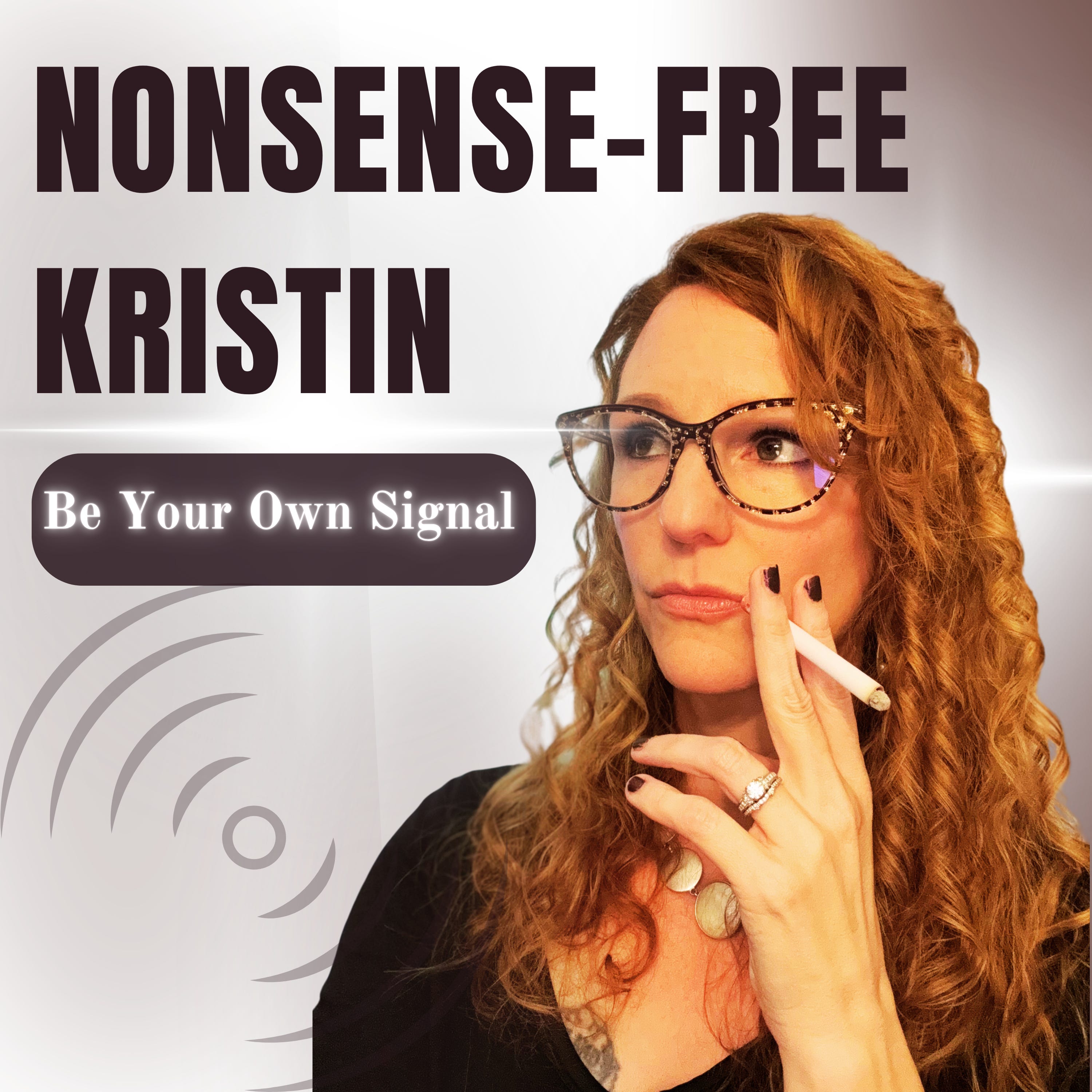
Ryan Flannagan - Canada's Tom Clancy?
Jul 1500:42:10Tap to summarizeR.A. Flannagan calls himself Canada's only geopolitical military fiction author. Four books and 1,800-plus Amazon reviews later, the title is hard to dispute. In this episode, Ryan sits down to explain how the loss of his university career pushed him toward the keyboard, why he built a series aimed at Commonwealth readers and openly at men, and how fast real-world drone warfare and tactical-nuke brinkmanship have caught up to fiction he began drafting back in 2021.In This Episode* A career ends, a writer begins: Ryan describes the devastating loss of the university vocation he expected to keep for life, and how writing (and his wife) gave him a focus when things were at their worst.* The niche nobody was writing: Military thrillers are almost entirely an American genre. Ryan spotted the gap and built CANZUK at War around Canada and its Commonwealth allies as the protagonists, not the sidekicks.* The market that flipped his assumptions: He went in certain the 330-million-person U.S. market was the prize. Instead, UK, Australian, and Canadian readers embraced the books while American sales stayed at “crickets,” and he unpacks why.* Why Americans won’t read a civil war: Ryan connects his U.S. sales problem to the lukewarm reception of A24’s film Civil War, and to how differently foreign readers and American readers read the same story.* Writing for men, without apology: Of the emails and comments he’s received over the years, essentially none come from women, and Ryan makes the case that traditional publishing walked away from an audience that’s still hungry.* When the headlines catch up to the manuscript: Ukraine, tactical nuclear weapons, and the explosion of drone warfare all appeared in his books before they dominated the news, and he talks about writing near-future fiction that reality keeps overtaking.* What three years in the reserves actually taught him: Ryan was infantry, not special operations, and he’s candid about how far listening to hundreds of audiobooks carries him toward writing operators convincingly, and where the research has to take over.* The anti-MVP approach: Before publishing a single word, Ryan spent roughly a year absorbing podcasts on craft and the business, hired a developmental editor and a copy editor, and argues that new authors owe it to themselves to write six to ten books before quitting.Guest Links* Read The CANZUK at War Series: https://amzn.to/3P3ynJ3* Website: https://raflannagan.ca/Kristin’s Links* Editing Services: nonsensefreeeditor.com* Newsletter: https://www.fictionalinfluence.com* YouTube: https://youtube.com/@nonsensefreekristinTimestamps00:00 - Meet Ryan Flannagan.01:24 - Career Upheaval and Writing.03:05 - Learning the Indie Path.04:51 - Momentum and Mindset.07:25 - Finding a Canadian Niche.12:40 - Anglosphere Market Strategy.14:27 - Why Americans Don’t Bite.19:13 - Reserves Lessons for Fiction.20:46 - Military Banter Realism.22:28 - Researching Special Operators.25:09 - When Fiction Meets Reality.27:19 - Drones And Future War.29:20 - Writing For Men.33:56 - Defense Blogging Passion.37:49 - Lessons From Four Books.40:24 - Editing And Craft Standards.40:53 - Where To Find Ryan.41:36 - Amazon Exclusivity Farewell.About This PodcastNonsense-Free Kristin is where independent authors and creators learn to build their platforms, master their craft, and create on their own terms—without begging for permission from gatekeepers who hate them.New episodes weekly.Subscribe on: Apple Podcasts, Spotify, and YouTube Music. This is a public episode. If you would like to discuss this with other subscribers or get access to bonus episodes, visit kristinmctiernan.substack.com
Transcribe →
Cairo Smith - Award-Winning Screenwriter Turned Indie Novelist
Jul 800:44:33Tap to summarizeCairo Smith won one of Hollywood's biggest screenwriting awards, wrote English adaptations for Netflix, Disney, and Paramount, and had the representation and the meetings most writers spend a decade chasing. Then he read a few self-published novels, realized indie fiction was speaking to his life in a way the front table at Barnes & Noble wasn't, and walked toward the door. In this conversation he tells us why he left the industry track, how he ended up at New Ritual Press, and what it actually takes to build a creative life nobody can cancel.In This Episode* From Pokémon Go to the Page: Cairo’s road through Niantic’s experimental GPS games and into fiction, and why the novel is the form he keeps returning to.* The Award That Opened the Door: Winning the PAGE Award with a screwball script about the disastrous making of the first Star Wars, and what representation actually got him: a mountain of unpaid work and meetings with people who don’t read much.* What Localization Really Means: Adapting foreign shows for English audiences, the pastry-that-got-called-a-donut problem, and why serving the studio beats serving the fans when getting hired again is the goal.* Novelize Your Screenplay: His pitch to every contest finalist whose movie will never get made: a screenplay is already novella-length, and Kindle readers love that length even while trad pub pretends nobody does.* Which Contests Are Real: The screenwriting competitions worth your money (Nicholl, PAGE, Big Break), the ones that are basically scams, and why you never wire cash to anyone or answer a cold email from a “producer.”* How He Found New Ritual Press: Indie lit runs on relationships even more than Hollywood does, except the people are approachable and the bar for connecting is a warm reply and a thoughtful essay.* Brand Over Everything: Why a small press wins by going exactly where the majors won’t or can’t, and why copying the mainstream “only different” is a dead end.* The Anatomy of a Cancellation: The two levers anyone actually has over you, and how distributing your income and keeping your people close leaves the mob with nothing but noise.* What Rolling Stone Got Right: The “anti-woke lit scene” feature everyone braced for as a hit piece, why it came off warmer than expected, and what a sales bump really looks like.* New Wave, Alt Lit, and Skating Where the Puck Is Going: Cairo on the labels for this loose movement, why he’s set “new wave” aside for “alt lit,” and the trap of building a personality out of what you’re against.* Running Futurist Letters: How a personal blog became a literary journal with a status-blind reading policy, and why editing other people’s work makes you a sharper writer of your own.* A Cancellation: His new novel about a vlogger’s summer-long implosion, why everyone in it is a terrible person, and what streamer culture looks like with none of the old guardrails.* Writing for Smart Adults: Reading as a hike you take with someone who can keep pace, why looking up words is growth and not embarrassment, and the difference between the narrator and the author.Guest Links* Read Scenebux://amzn.to/4d0GSxL* Website: cairosmith.com* X: @cairoasmithKristin’s Links* Editing Services: nonsensefreeeditor.com* Newsletter: https://www.fictionalinfluence.com* YouTube: https://youtube.com/@nonsensefreekristinTimestamps00:00 - Meet Cairo Smith.01:44 - From Hollywood to Indie.04:42 - Localization and Adaptation.06:51 - Why Novelizations Faded.09:16 - Competitions That Matter.11:10 - Breaking In and Scams.11:43 - Dad’s Advice on Film.13:05 - Getting Representation.15:15 - Finding New Ritual Press.17:39 - Indie Press Brand Voice.18:51 - Ideological Capture in Publishing.20:29 - Cancel Culture Resilience.22:30 - Handling Online Mobs.23:58 - Vibe Shift Politics.25:21 - Rolling Stone Feature.27:54 - Beyond Anti Woke.28:47 - New Wave To Alt Lit.30:52 - Building Futurist Letters.32:56 - Writing And Editing Benefits.33:34 - New Novel A Cancellation.34:40 - Influencer Spiral Satire.39:00 - Reading For Smart Adults.42:21 - Where To Find Cairo.43:11 - Buying And Distribution.44:02 - Closing Thoughts.About This PodcastNonsense-Free Kristin is where independent authors and creators learn to build their platforms, master their craft, and create on their own terms—without begging for permission from gatekeepers who hate them.New episodes weekly.Subscribe on: Apple Podcasts, Spotify, and YouTube Music. This is a public episode. If you would like to discuss this with other subscribers or get access to bonus episodes, visit kristinmctiernan.substack.com
Transcribe →
Brian McCoppin - Writing Christian Fiction Without Sermons
Jul 100:42:59Tap to summarizeBrian McCoppin’s a cloud and AI consultant by day, and a Tang Soo Do instructor and author by night. With books sold in more than 12 countries, he specializes in Christian supernatural action fiction, a corner of the market most people assume doesn't exist, where the demons wear senators' faces and a small-town pastor learns he's been drafted into a war nobody around him believes is real. In this episode, he joins us to talk about building the Record of the Paladins series, why he refuses to let writing stop being a hobby, and how he keeps faith on the page without ever slipping into a sermon.In This Episode* Writing as a hobby, on purpose: Brian McCoppin has no interest in replacing his day-job and explains why that freedom is the whole point. He and Kristin compare notes on the strange pressure authors put on themselves to monetize even when the money isn’t needed.* Why his nonfiction outsells his fiction: His most successful book is the short nonfiction title he wrote to practice the publishing process. Both authors dig into why that happens to the same audience, and why you can’t market the two the same way.* The gap nobody was filling: Walk into the Christian fiction section and you’ll find shelves of bonnets and farms with almost nothing for men. Brian planted his flag in men’s action fiction with explicit faith, and talks about walking the tightrope between biblically sound and genuinely violent.* Demons who look reasonable: His evil doesn’t show up with wings and fangs. It shows up in politics, in institutions, in the polished public figure who suddenly changes. He explains why that version of evil unsettles readers more than any monster.* He thought his readers would be men: More than half turned out to be women walking up at events to tell him which senator is definitely a demon. Brian and Kristin get into who actually reads new fiction right now and why the numbers surprised him.* Profanity, pushback, and his favorite two-star review: Why the F-bombs stayed in, why he’s gotten less heat than expected, and why a critical review from an attentive reader is a gift, not an insult.* In-person selling beats the internet: Most of his sales happen face to face at churches, cons, and book fairs, and he argues the reviews are better too. * Content warnings, reconsidered: Kristin shares how one book changed her hardline stance against content warnings, and Brian explains why he puts them on his audiobooks as a fellow parent trying to filter what reaches his kids.* Writing humans is harder than writing demons: Evil is easy to rationalize on the page. Two people quietly talking about faith is where it gets hard, especially with female leads, which is why he leans on his wife, his daughters, and a female editor.* Tang Soo Do, firearms, and fatherhood: A decade of training alongside his daughters reshaped what he thinks masculinity is for, and that idea, protecting what matters rather than dominating, runs straight through the books.* Media that’s actually healthy: Why Bluey and WALL-E keep coming up in his house, and what both authors think Gen Z is quietly asking for from stories.* What’s next: Book of Turpin, the fourth Paladin novel, is on presale now, plus upcoming events (including a cigar bar in Port Richey), karate tournaments, and his honest take on AI narration for audiobooks.Guest Links* Read Record of the Paladins: https://amzn.to/4u3pZbM * Website: thepaladinbooks.com* Facebook: RecordOfThePaladins* X: @brianmccoppinKristin’s Links* Editing Services: nonsensefreeeditor.com* Newsletter: https://www.fictionalinfluence.com* YouTube: https://youtube.com/@nonsensefreekristinTimestamps00:00 - Meet Brian McCoppin.01:05 - From Fanfic to Publishing.02:46 - Fiction vs Nonfiction Sales.03:29 - Christian Action Niche.05:34 - Peretti and Going Darker.06:54 - Demons in Institutions.08:37 - Who Actually Reads It.10:38 - Profanity and Pushback.12:21 - In Person Sales Wins.14:16 - Why Indie Publishing.16:53 - Content Warnings Matter.19:34 - Writing Humans vs Demons.21:54 - Overwriting Lessons.22:18 - Faith Without Preaching.24:16 - Guns In The Story.25:02 - Writing Hardship And Poverty.26:46 - Building Oliver The Warrior.28:49 - Family Martial Arts Journey.30:16 - Fatherhood And Masculinity.33:06 - Media Picks For Teens.36:00 - New Books And Events.37:09 - Conventions And Book Signings.38:15 - Selling Tips And Swag.39:49 - Audiobooks And AI Narration.41:53 - Where To Find The Author And Final Thanks.About This PodcastNonsense-Free Kristin is where independent authors and creators learn to build their platforms, master their craft, and create on their own terms—without begging for permission from gatekeepers who hate them.New episodes weekly.Subscribe on: Apple Podcasts, Spotify, and YouTube Music. This is a public episode. If you would like to discuss this with other subscribers or get access to bonus episodes, visit kristinmctiernan.substack.com
Transcribe →
Neal Asher | 40 Books. Three Netflix Adaptations. One Brutal Truth About Publishing
Jun 2400:43:23Tap to summarizeNeal Asher has been writing science fiction for Pan Macmillan for 25 years and published 40-plus books, but before any of that he was hauling coal sacks in the rain and fishing typewriters out of skips. In this episode, the man behind Gridlinked and the Love, Death + Robots episodes "Snow in the Desert," "Bad Travelling," and "Mason's Rats" talks about clawing up every rung of the publishing ladder back when distribution was a brick wall, why he thinks indie writers have never had it better, and what's gone wrong with the books the big houses keep putting out. It's a clear-eyed history lesson from someone who lived the old days and isn't romantic about them.In This Episode* The working man who became a writer: Neal walks through the decade of being a machinist, gardener, barman, and skip-lorry jobs that came before the books, including a two-week stint delivering coal.* Rejection, small presses, and the writer’s folio: How he built a career sending sample chapters by post and circulating manuscripts in a literal envelope of writers before email existed.* The £1,000 phone call: The first novella sale that knocked him to the kitchen floor, and the 1999 SFX review of The Engineer that he stuck on top of the slush pile to catch Pan Macmillan’s eye.* Extending Gridlinked in two weeks: Why his first Macmillan book was too short for the British market, and how he rewrote it from 65,000 to 135,000.* From Heavy Metal to Netflix: The cold email to Tim Miller that started 15 years before Love, Death + Robots, the story Tom Cruise reportedly said could carry a film on its own, and working with David Fincher on “Bad Travelling.”* What traditional publishing still does and where it’s failing readers: Neal on the distribution and editing the big houses do well, and his blunt take on “the message,” the reading slump among men, and why he reads by word of mouth now.* Keeping your mouth shut vs. not giving a damn: The cost of being a vocal conservative or libertarian in publishing, the Dark Diamond dedication to Elon Musk and Jeff Bezos that got books returned, and where he’s landed on all of it.* AI governance in fiction and in real life: How the Polity’s AI-run society grew out of his short stories, his dystopian counterweight in the Owner trilogy, and whether a real superintelligence would wipe us out or keep us around like silverbacks.* Indie books worth reading: The titles that pulled him out of a years-long reading hiatus, including Devon Eriksen’s Theft of Fire, Larry Correia’s catalog, and Michael F. Kane’s space western After Moses.* Where to start and what’s next: Neal’s advice for new readers (and the blog post on his site that settles it), plus the Time’s Shadow trilogy: Dark Diamond out now, Dark Agent in May, and Dark Horizon next year.Guest Links* Read the Agent Cormac series: https://amzn.to/3P6xy2c * Website: nealasher.co.uk* X: @nealasherKristin’s Links* Editing Services: nonsensefreeeditor.com* Newsletter: https://www.fictionalinfluence.com* YouTube: https://youtube.com/@nonsensefreekristinTimestamps00:00 - Meet Neal Asher.02:24 - Choosing Writing Seriously.03:10 - Rejections and Small Presses.06:26 - Writers Folio Breakthrough.08:40 - Why Publishing Was Harder.12:12 - Macmillan Calls in 1999.15:14 - Love Death and Robots Origins.20:07 - Traditional vs Indie Today.21:45 - Publishers Without Publicity.22:15 - Sci Fi And The Message.23:59 - Finding Indie Sci Fi Gems.26:17 - Word Of Mouth Wins.28:02 - Politics And Speaking Out.28:37 - Dark Diamond Dedication Fallout.30:41 - AI Rule In The Polity.32:32 - Singularity Fears And Hopes.37:34 - Where To Start Reading.40:04 - Dark Diamond Trilogy Preview.42:25 - Writing More Than Planned.43:01 - Closing Thanks And Wrap Up.About This PodcastNonsense-Free Kristin is where independent authors and creators learn to build their platforms, master their craft, and create on their own terms—without begging for permission from gatekeepers who hate them.New episodes weekly.Subscribe on: Apple Podcasts, Spotify, and YouTube Music. This is a public episode. If you would like to discuss this with other subscribers or get access to bonus episodes, visit kristinmctiernan.substack.com
Transcribe →
Nick Nethery - The Bomb Tech Building Better Mil Sci-Fi
Jun 1700:42:03Tap to summarizeNick Nethery spent a career as an Army Explosive Ordnance Disposal officer before he wrote fiction full-time. His debut started with a working observation that unexploded ordnance looks completely different depending on which country built it, which spiraled into a better question: what would a weapon look like if it came from something that wasn't human? In this episode he argues that technical accuracy has to yield to story, explains why he writes faith into characters without ever climbing into the pulpit, and walks us through Raconteur Press — the "pirate skiff" of a developmental press that gave an unknown writer his shot. Join us for a conversation about craft, faith, authenticity, and why the future of storytelling might not be a book at all.In This Episode* The bomb tech who became a novelist: Nick walks through a military career that ran from maintenance officer to WMD team chief, and explains the leadership philosophy that pulled him toward EOD in the first place.* Alien ordnance and the spark for the debut: Different cultures build weapons with wildly different philosophies — how much they’ll spend to protect their own troops, what they want a device to actually do. Nick took that fascination to its strangest conclusion and asked what humanity would make of ordnance left behind by something that doesn’t share our senses, let alone our intentions.* The crowdfunded airstrike that came true: His US Naval Institute prize-winning story imagined a Marine platoon Kickstarting a JDAM strike they couldn’t get approved through normal channels. Nick explains the real-world signals he and co-writer Mike Burke were watching — drones, 3D printing, soldiers leaking their own base locations through fitness trackers — and why any tech handed to grunts will get gloriously abused.* Detail versus story, and who wins: Every technical writer eventually meets the guy at the back of the panel pointing at one wrong line. Nick makes the case that story has to win, that 99% of your research should never reach the page, and that learning to walk away from hard-won knowledge is what makes the writing feel lived-in instead of like an encyclopedia entry.* A Thirty Years’ War fantasy with the magic dialed low: The Peace Child trades future tech for period-accurate wheel locks, taverns, and travel — an alternate Europe where the church and the nations are recognizable but renamed. Nick explains why he leaned on real historians to keep him honest and why the era fascinates him as a genuine before-and-after in how the West thought about faith and money.* Faith on the page without the sermon: Nick argues that scrubbing belief out of every character is its own kind of unrealistic, especially in the military and law-enforcement worlds he knows. The trick, he says, is that the moment “the moral of the story” is the first line in your outline, you’ve already lost the reader — so he just lets his characters pray, argue, and stay faithful to their spouses the way the people he served with actually did.* Is gaming the next novel: Nick lays out a genuinely provocative thesis: just as epic poetry gave way to the novel, interactive games may become how we primarily live our stories. He points to the emotional gut-punch of certain games as proof, while wondering aloud what we lose when there’s no longer a book or show everyone has read.* Raconteur Press and the return of the pulps: Nick calls Raconteur a “pirate skiff” — a developmental press in the old pulp tradition, taking chances on unknown writers who can tell a good story and are easy to work with. He and Kristin land on the unglamorous truth that answering your emails and learning track changes will do more for your career than being edgy online ever will.Guest Links* Read Relics of the Fallen: https://amzn.to/4uwSwpN * Website: nicknethery.com* X: @nicknetherybroKristin’s Links* Editing Services: nonsensefreeeditor.com* Newsletter: https://www.fictionalinfluence.com* YouTube: https://youtube.com/@nonsensefreekristinTimestamps00:00 - Meet Nick Nethery.01:56 - What EOD Really Does.04:08 - Ordnance Inspires Sci Fi.06:51 - Nonfiction to Fiction Skills.10:02 - Crowdfunded Airstrike Satire.14:14 - Accuracy Versus Story.17:02 - Writing Peace Child.20:31 - Faith Without Preaching.23:35 - Faith Feels Normal.24:22 - Romance and Infidelity Tropes.26:15 - Military Religion Culture Shock.27:35 - Secular Myths and New Religions.28:24 - Gaming as Future Literature.32:11 - Raconteur Press Pulp Revival.36:01 - Editing Lessons for Writers.38:55 - What Nick Writes Next.40:18 - Where to Find Nick.41:27 - Publishing Plans and Farewell.About This PodcastNonsense-Free Kristin is where independent authors and creators learn to build their platforms, master their craft, and create on their own terms—without begging for permission from gatekeepers who hate them.New episodes weekly.Subscribe on: Apple Podcasts, Spotify, and YouTube Music. This is a public episode. If you would like to discuss this with other subscribers or get access to bonus episodes, visit kristinmctiernan.substack.com
Transcribe →
Matthew Bockholt - Why "Writing Rules" Won't Make You Better
Jun 1000:43:10Tap to summarizeMatthew Bockholt spent years in video games and marketing before he ever wrote a novel full-time — and it shows in how he thinks about the work. While most indie authors are great storytellers and shaky prose stylists, he treats writing like a skill you drill, not a gift you're born with. In this episode he makes the case for killing the phrase "rules of writing" entirely, explains why genre stopped serving readers and started bossing authors around, and walks us through Fable Vine — his pitch for a third path that sits between the trad-pub trickle and the Amazon firehose. He also writes YA that refuses to talk down to teenagers, opening his debut novel Bloom at a funeral and meaning it. It's a conversation about craft, death, sincerity, and why "just write every day" might be the worst advice in the business.In This Episode* Rules don’t make you good — technique does: Bockholt’s basketball analogy reframes everything: anyone can follow the rules and still be terrible. Rules let you play; technique determines whether you’re worth watching. The fix is treating prose like free throws — something you practice on purpose, not something that improves by accident.* The crutch words bleeding into your prose: His weekly prompt group writes under 300 words with constraints like “no ‘to be’ verbs” and “no adverbs.” The point isn’t a lower word count — it’s precision, and the discipline of the micro quietly upgrades the macro.* When genre flipped from a favor to a cage: Genre started as a way to shelve books readers would like. Now marketing departments use it to dictate what authors are allowed to write, and the defining classics of any genre, Bockholt argues, are the ones that didn’t fit a shelf in the first place.* “Twilight if Orson Scott Card wrote it”: His comp for Bloom is a masterclass in positioning: everyone knows Twilight, and the people who perk up at Orson Scott Card are exactly the readers he wants. A good comp narrows your audience instead of flattering everyone.* Fable Vine and the third option: Trad pub is a careful drip; Amazon is a waterfall you drown in. Bockholt’s concept puts the author in the gatekeeper’s chair — pay to shelve your book, keep 100% of the return, and let an upfront cost do the quality filtering that readers are desperate for.* Killing the five-star review: Borrowing from Steam’s recommend / don’t-recommend model and element-based ratings (concept, execution, ending), he argues for a system that tells readers what an author is actually good at.* Writing death honestly for young readers: Bloom opens at a funeral, and its narrator tells you up front that he dies. Drawing on his own experience with loss, Bockholt makes the case that kids are smarter than we write for them, and that respecting death is what gives a story weight.Guest Links* Read Bloom: https://www.fablevine.com/ebook/bloom* X: @MatthewBockholtKristin’s Links* Editing Services: nonsensefreeeditor.com* Newsletter: https://www.fictionalinfluence.com* YouTube: https://youtube.com/@nonsensefreekristinTimestamps00:00 - Meet the Matthew Bockholt.01:54 - Sharpening Prose Skills.03:12 - Prompts and Style Challenges.04:31 - How Genre Became a Cage.07:28 - Writing Across Genres.09:54 - Fable Vine Third Path.12:20 - Gatekeeping and Reviews.15:26 - Rethinking Rating Systems.17:59 - Visibility and Silent Launch.20:54 - Rules Versus Techniques.23:15 - Practice Beats Habit.23:54 - Ditch Genre Rules.25:05 - Writing Smart YA.28:40 - Death as Story Engine.30:51 - Respecting Mortality.32:11 - Stories That Face Death.36:08 - Heroes and Sincerity.38:27 - Where to Read Bloom.39:07 - Free Copies Debate.40:52 - Community and Conventions.42:52 - Wrap Up and Thanks.About This PodcastNonsense-Free Kristin is where independent authors and creators learn to build their platforms, master their craft, and create on their own terms—without begging for permission from gatekeepers who hate them.New episodes weekly.Subscribe on: Apple Podcasts, Spotify, and YouTube Music. This is a public episode. If you would like to discuss this with other subscribers or get access to bonus episodes, visit kristinmctiernan.substack.com
Transcribe →
Jason Hunt - Author Habits That Kill Reviews Before They Start
Jun 300:47:49Tap to summarizeJason Hunt founded Sci-Fi4Me in 2009, right after the sci-fi channel became "SyFy," and has spent 17 years covering science fiction, fantasy, and horror through reviews, commentary, and his interview show Live from the Bunker. In this episode, he joins us to break down what makes an author pitch an instant yes, why so many writers sabotage their own marketing, and how the Hugo Awards went from a career-defining honor to a warning label.In This Episode* The Rebrand That Started a Network: When the sci-fi channel became “SyFy” and filled the schedule with wrestling and cooking shows, Jason saw an abandoned audience up for grabs. He started blogging from a basement like everyone else. Seventeen years later it’s become reviews, commentary, and a live show.* Wearing the Franchise Like a Skin Suit: Creators don’t like what they’re making, and they’re gutting beloved properties to use as a platform for message fiction.* The Hugos Are a Mean Girls Sleepover: Sad Puppies, Larry Correia, and the year the whole thing burned to the ground. Now a Hugo sticker tells you to stay away. Locus and the Dragon Awards still carry weight; the Hugos are the Oscars now — a club patting itself on the back.* Baen vs Tor Tells You Everything: Whether a book leads with story or ideology comes down to the imprint, not whether it’s hard or soft sci-fi.* Choosing the Bear: The romantasy wave where the heroine ends up with the monster, and how women becoming the gatekeepers — editors and agents both — shapes what gets greenlit and what never makes it past the slush pile.* What Gets an Indie Book a Yes: Pitches come through PR firms or email, and page count matters more than authors think — a 150-page book beats a 700-page tome on time alone.* The Headshot Nobody Has: The single most common media-kit failure. A blurry, half-lit phone selfie is not a headshot. He walks through what a kit actually needs — bio, blurbs, links to past interviews — and why follow-up is where authors blow it.* Nobody Markets You Anymore: Unless you’re Stephen King or George R.R. Martin, you book your own podcasts, signings, and conventions. A.C. Crispin told him the same thing years ago. Trad or indie, new authors get thrown in the deep end.* What Makes a Guest Worth Having Back: Knowledge of the craft, a list of things you can talk about beyond the plot, and the discipline not to spoil your own book. The James Doohan line he lives by: he may have heard the question a thousand times, but it’s the audience’s first time hearing the answer.* What Actually Drives Traffic: Hating on Star Trek and Kathleen Kennedy news does numbers, but author interviews pull just as well as actor interviews. It’s the conversation, not the name on the marquee. If you’re interesting, people stay for two hours.* The TikTok Press-Tour Problem: Clip-bait reviewers asking vulgar questions they don’t care about the answer to, and why a host who does real research lands as a relief.* When to Push Back: He’ll press on a loaded statistic or something outrageous, but keeps it a conversation, not an ambush. * Step One With Zero Audience: Headshot, a simple website, and active socials with the politics dialed way down.* 800 Words a Chapter, on Purpose: His novella experiment, where every chapter is exactly 800 words and the last one lands on 666. A brutal drill in word choice and cutting the fat. He’s sold maybe 15 copies in 12 years and has no regrets.* Read Outside Your Genre: Write sci-fi, sure, but go read a Western, read some Fenimore Cooper. It freshens your approach and gives you new structures to steal. * Where Sci-Fi 4 Me Goes Next: COVID blew up the live-from-conventions plan, the elections scattered the volunteer crew, and YouTube keeps changing the algorithm. The goal now is getting a few shows back on the air.Guest Links* Youtube: @SciFi4Me* Website: SciFi4Me.com* X: @SciFi4Me* Substack: SciFi4Me * IG: @scifi4meKristin’s Links* Editing Services: nonsensefreeeditor.com* Newsletter: https://www.fictionalinfluence.com* YouTube: https://youtube.com/@nonsensefreekristinTimestamps00:00 - Meet SciFi4Me’s Jason Hunt.03:59 - Hugo Awards Fallout.07:23 - Hard vs Soft SciFi.09:26 - Indie vs Trad Trends.14:13 - Choosing Books to Review.18:17 - PR Pitches and Press Kits.23:18 - Great Author Interviews.25:32 - Tech Angles for Sci-Fi.30:06 - Fresh Questions Beat Clickbait.32:56 - When to Push Back.34:39 - Author Visibility Basics.36:39 - Building an Audience on YouTube.37:41 - Writing with Word Limits.40:35 - Discipline and Reading Habits.42:41 - Future of SciFi4Me.46:41 - Where to Find Them.47:33 - Thanks and Wrap-Up.About This PodcastNonsense-Free Kristin is where independent authors and creators learn to build their platforms, master their craft, and create on their own terms—without begging for permission from gatekeepers who hate them.New episodes weekly.Subscribe on: Apple Podcasts, Spotify, and YouTube Music. This is a public episode. If you would like to discuss this with other subscribers or get access to bonus episodes, visit kristinmctiernan.substack.com
Transcribe →
Spotlight on Indie SFF - A New Home for Based Sci-Fi
May 2700:37:38Tap to summarizeSpotlight on Indie SFF's founder — a Catholic novelist with nearly 50 books across 16 years who keeps her platform persona separate from her author byline — joins Kristin to talk about the curated referral site she launched last summer after the indie sci-fi space made it clear that authors with her convictions weren't welcome. This conversation covers the long road from Kindle's original gold rush, to realizing the publishing industry’s bias, to building the based-fiction home Indie SFF didn't have.In This Episode* “I Could Do Something Better”: A few years back, someone tried to crowdfund a conservative book site and quietly let it die. When she found the abandoned attempt, the decision to create a new home was simple.* The Email That Funded a Website: The straw that broke the camel’s back was the Indie Sale’s narrative announcement saying authors with her convictions weren’t welcome. The funding came together the same week — a paid-off bill, an extra paycheck, and a saddle she wasn’t using anymore that covered exactly what the dev quote required.* Kindle Before the Gold Rush: She published into the original Kindle wave nearly twenty years ago, when readers were hungry and a non-bestseller could comfortably pay off a mortgage. * Why Scammers Made It Harder for Everyone: Every adaptation Amazon makes to clamp down on KU and ratings abuse hits the honest authors first. The page-read economy collapsed, ratings got gated behind a $50/month spend, and the platform keeps contorting around the worst actors.* Author-Rated Content, Not Surprise Content: The site lets authors rate their own books across four categories. Readers can filter on the front end instead of finding the surprise on page eighty. She isn’t pretending to be the content cop — the system runs on author honesty plus a reader-feedback loop.* Based ≠ Christian: True conservatism conserves something, and Western civilization conserves Christianity, so a real Christian will be based, but a based reader isn’t necessarily Christian. The site is built for the overlap and the people standing next to it, not a denominational gate.* The Grimdark Ink “Sisters of Mercy” Mess: A recent contest billed itself as non-discriminatory and then had judges call Christian themes in an incense-punk novella “blatant in-your-face zealotry.” Comments got closed on the response. The pattern keeps repeating.* The Hidden Exorcism Prayer in the Footer: At the bottom of every page on Spotlight sits a small circle of Latin initials — the Saint Benedict exorcism prayer. Anyone offended at being excluded from the site is, in her read, exactly who that footer is addressing.* Author Nation Got Anonymized Selection Right: This year Author Nation anonymized presenter submissions so the committee judges the proposal, not the name behind it. She’d like to see more of the industry do the same.* Free Now, Free Later: She pays for the site out of pocket and runs a Buy Me a Coffee tip jar for upgrades. The early fear among authors was that she’d flip it to a paid model. She won’t. * Don’t Rush a Book Out — The Audra Winter Cautionary Tale: A TikTok-famous fantasy author took pre-orders, raised hype, then refused edits even after a major-press editor offered help. Once a name is tarnished, the climb back is harder than the climb up.* Hire One Editor for One Short Story: The best money she spent on her craft early on was an edit of a single short story she could actually afford. The advice jumped her writing forward by years and is still her highest-leverage recommendation for developing authors.* 50 Books, a Day Job, and a Friend Who Wrote 100: The output looks intimidating until you remember how many were short. Burnout is real — her answer is permission to rest, not the write-every-day catechism. She knows a romance author who has cleared 100 books in the same window.Guest Links* Join Spotlight on Indie SFF: https://spotlightonindiesff.com* Youtube: @Spotlightonindiesff* X: @spotlightficKristin’s Links* Editing Services: nonsensefreeeditor.com* Newsletter: https://www.fictionalinfluence.com* YouTube: https://youtube.com/@nonsensefreekristinTimestamps00:00 - Introducing Spotlight on Indie SFF.01:40 - Early Kindle Gold Rush.02:51 - Scammers KU and AI.05:36 - Building a Better Site.07:22 - Content Ratings System.08:14 - Based vs Christian.09:40 - Submission Rules Lines.11:38 - Curated Sales Backlash.13:08 - Anti Christian Bias.15:19 - Do Awards Matter.16:57 - Fixing Popularity Contests.18:59 - Submitting Books to Indie SFF.20:31 - Trust, Ratings, and Moderation.21:35 - Funding and Future Sales.23:53 - YouTube and Rumble Strategy.27:34 - Writing Pace and Burnout.28:57 - Craft First, Publish Later.32:01 - Avoiding Indie Author Pitfalls.34:41 - Building Sites and Reputation.36:18 - Where to Find Spotlight on Indie SFF.37:03 - Final Thanks and Wrap-Up.About This PodcastNonsense-Free Kristin is where independent authors and creators learn to build their platforms, master their craft, and create on their own terms—without begging for permission from gatekeepers who hate them.New episodes weekly.Subscribe on: Apple Podcasts, Spotify, and YouTube Music. This is a public episode. If you would like to discuss this with other subscribers or get access to bonus episodes, visit kristinmctiernan.substack.com
Transcribe →