Podcast
FINE is a 4-Letter Word
Hosted by Lori Saitz · EN
"Fine" is a lie leaders tell themselves — and it costs them their people, their culture, and their impact.
Every episode, a leader gets honest about what it really takes to lead with empathy, vulnerability, gratitude, and courage… especially when everything isn’t fine. We're sharing how human connection drives innovation, retention, profitability and ultimately, legacy.
I trust something in this conversation will stay with you.
One thing’s for sure… you’ll never hear—or say—the word “fine” in the same way again.
40episodes
Episodes
Newest firstAll episodes
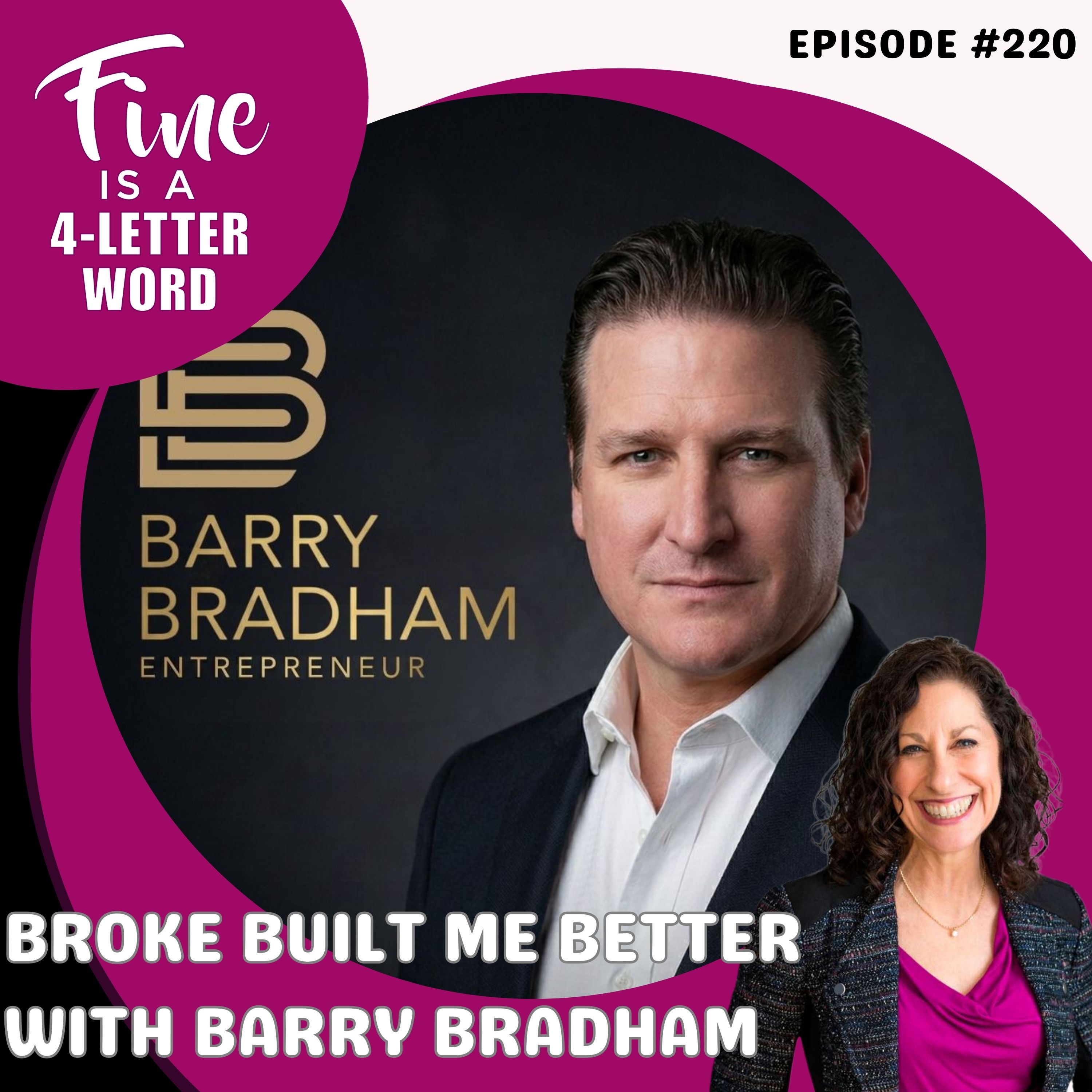
220. Broke Built Me Better with Barry Bradham
Mar 500:40:00Tap to summarizeShaped by a childhood of resourcefulness and grit, Barry Bradham’s story moves beyond your usual rags-to-riches narrative. Raised in a family where money was often scarce, his parents displayed both strong work ethics and unconventional life choices. Barry started honing his sales skills at just eight years old; he was trading toys and selling bubblegum and baseball cards from a table on the corner. These formative experiences not only instilled the value of integrity but also introduced him early to both the highs of self-sufficiency and the lessons that come when the money in play isn’t as innocent as it first appears.From those humble beginnings, Barry followed an untraditional but ambitious route, blending work ethic with curiosity. His adolescence and entry into adulthood were marked by a succession of odd jobs, guided mentorship from community figures, and a constant drive to improve his financial footing. It was this drive, combined with the influence of books like "Rich Dad Poor Dad" and real-life examples of side hustles and entrepreneurship, that sustained his hunger for financial autonomy. But it was also a journey fueled by necessity and wanting a sense of control over his life that he didn’t always see modeled at home.In college, Barry took those scrappy entrepreneurial skills to the next level, helping launch new student organizations and eventually moving into a career in banking and real estate. By outward appearances, things looked, well, fine.He had an expanding portfolio, social credibility, and an impressive track record managing both businesses and teams. And yet, beneath the surface, Barry was making decisions in isolation, he no longer had the mentorship and strategic counsel that are vital when navigating high stakes. This was his first “fine but not fine” phase.It all came to a head during the economic downturn, when his calculated risks unraveled. He lost properties, financial security, his fiancée, and his sense of direction. And still, he kept the front up. Smiling. Positive. “I’ve got this.”But as often happens, those lowest moments became catalyzing ones. One day he was on a bus in the rain in Manhattan Beach, whispering to his sister through the phone that he felt like he was living out the movie The Pursuit of Happyness in real time.He was determined not to stay in that place though. He taught himself graphic design and studied Adobe programs late into the night. Slept on his office floor when he had to. Sold his car. Kept showing up to meetings with a belief that he could still create value.Barry credits his resurgence to humility, learning to ask for help, and embracing community instead of going it alone. His second “fine” season taught him something even bigger. And that story? Tune in to hear him tell it.Resources: Website: https://digilink.global/barrybradham-entrepreneur LinkedIn: https://www.linkedin.com/in/barrybradham/ Facebook: https://www.facebook.com/barrybradham Instagram: https://www.instagram.com/barrybradham_entrepreneur/ Hype Song: Robin Thicke - Blurred Lines ft. T.I., Pharrell https://www.youtube.com/watch?v=yyDUC1LUXSU&list=RDyyDUC1LUXSU&start_radio=1 Invitation from Lori:This episode is sponsored by Zen Rabbit. Smart leaders know trust is the backbone of a thriving workplace, and in today’s hybrid whirlwind, it doesn’t grow from quarterly updates or the occasional Slack ping. It grows from steady, human communication.Plenty of companies think they’re doing great because they host all-staff meetings, keep “open door” policies, and throw the occasional team-building event. Meanwhile, leaders who truly care about culture are choosing better tools.That’s where I come in. Forward-thinking organizations bring me in to create internal podcasts that connect people through real stories, honest conversations, and genuine community—your old printed newsletter reinvented for the way people actually work now.If you run, work for, or know a company ready to upgrade communication and strengthen culture, reach out at Lori@ZenRabbit dot com.Because when people feel heard, they engage. When they engage, they perform. And when they perform, the business succeeds beyond projections.
Transcribe →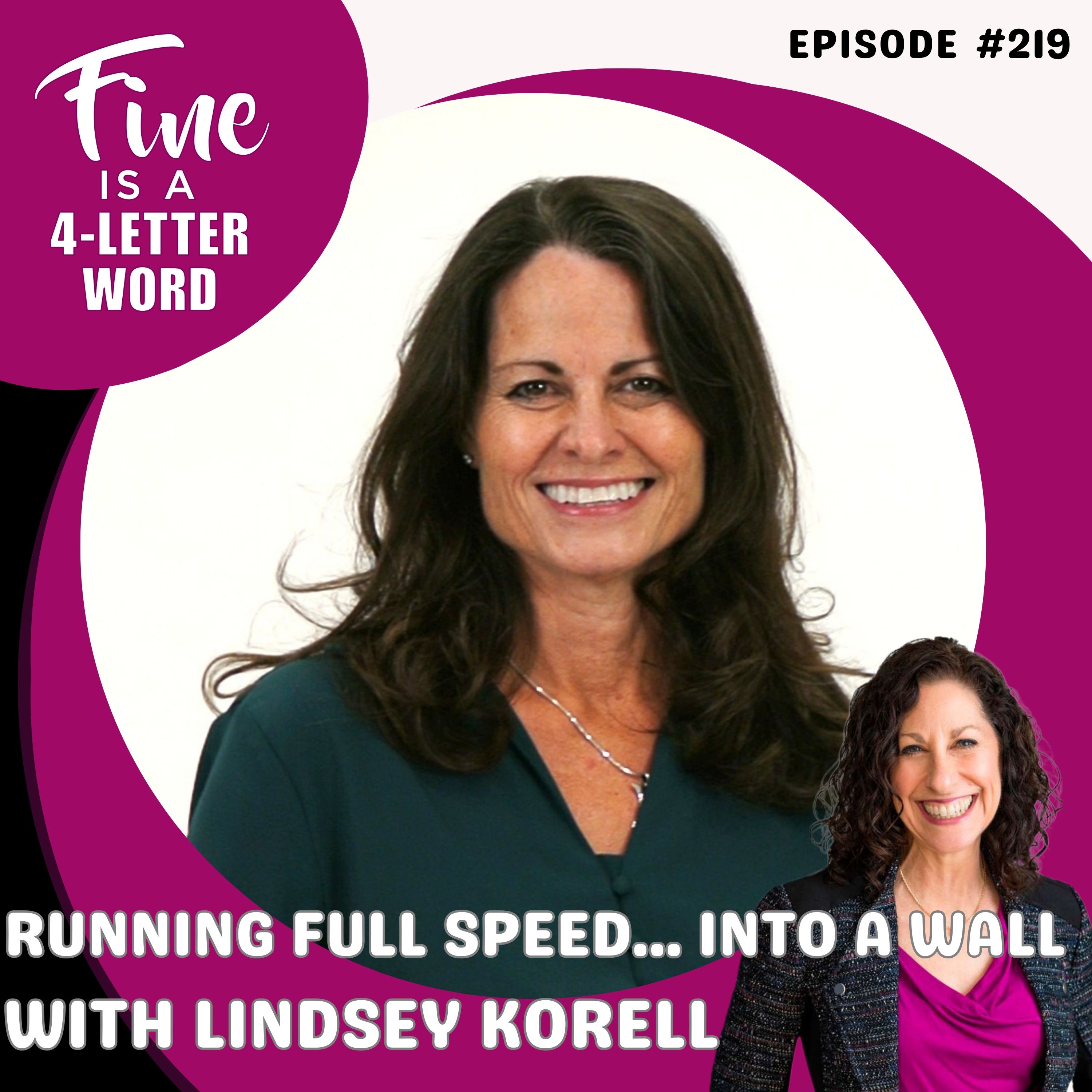
219. Running Full Speed… Into a Wall with Lindsey Korell
Feb 2600:38:48Tap to summarizeIf your body pulled the emergency brake tomorrow, would you wish you’d slowed down sooner?Growing up on a dude ranch in the remote town of Utica, Montana, Lindsey Korell was immersed in a world where hard work, family, and a curious eye toward the wider world set the tone for her upbringing. Surrounded by international guests drawn by her grandfather's innovative marketing and her father's relentless entrepreneurial drive, Lindsey developed a deep-rooted wanderlust and a respect for building success through grit and persistence. Early lessons included watching her dad make cold calls every evening after family dinner—a practice that became both a source of admiration and apprehension, showing Lindsey the realities, and costs, of uncompromising dedication.Curiosity about life outside Montana led Lindsey far from home, first to England on a Rotary Foundation scholarship and later to Turkey, where she wrote her master’s thesis on a bridge-building project. These adventures expanded her worldview, helping her recognize just how small her perspective had been and igniting what would become a lifelong passion for travel and understanding diverse cultures. A stint in the Peace Corps working with banking co-ops in developing countries taught her the profound importance of flexibility and humility. The world looks a lot different when you experience it on the ground and she learned how vital it is to see life through more than one lens.Back in the U.S., Lindsey’s career spanned real estate, launching her own businesses, and high-level operations in the corporate world. For years she thrived on the illusion that she could handle everything herself. Then came the wake-up calls she never expected. First a serious autoimmune diagnosis discovered by chance and, not long after, a heart attack that forced every assumption about work, life, and health into question.Lindsey’s journey is one of repeated reinvention, and one that includes unlearning the myth of invincibility and gradually accepting that genuine success is as much about surrendering control as it is about seizing it. Today, she helps women create more breathing room in their businesses. Through lessons learned in moments of both triumph and adversity, Lindsey embodies a philosophy that true fulfillment is about presence, perspective, and prioritization.Hype Song: Lindsey’s hype song is “Something's Got a Hold On Me” by Christina Aguilera Resources: Lindsey’s website: dailyprincipal.com LinkedIn:linkedin.com/in/lindseykorell Invitation from Lori:This episode is sponsored by Zen Rabbit. Smart leaders know trust is the backbone of a thriving workplace, and in today’s hybrid whirlwind, it doesn’t grow from quarterly updates or the occasional Slack ping. It grows from steady, human communication.Plenty of companies think they’re doing great because they host all-staff meetings, keep “open door” policies, and throw the occasional team-building event. Meanwhile, leaders who truly care about culture are choosing better tools.That’s where I come in. Forward-thinking organizations bring me in to create internal podcasts that connect people through real stories, honest conversations, and genuine community—your old printed newsletter reinvented for the way people actually work now.If you run, work for, or know a company ready to upgrade communication and strengthen culture, reach out at Lori@ZenRabbit dot com.Because when people feel heard, they engage. When they engage, they perform. And when they perform, the business succeeds beyond projections.
Transcribe →
218. The Danger of Handling Everything with Emma Collyer
Feb 1900:36:30Tap to summarizeWhat if the moment you tell yourself “I’m fine” is the exact moment you should be paying closer attention?Rooted in the core values of hard work, family, and emotional restraint, Emma Collyer grew up with the unspoken rule to “just get on with things.” This principle followed her well into adulthood. Raised in the UK and now residing in Canada, she learned early how to be dependable, observant, and low maintenance. The kind of person organizations love. The kind of leader who listens deeply, carries a lot, and rarely asks for help. This early belief of not causing a fuss left Emma wrestling with the tension between being a good listener and risk fading into the background vs speaking up and voicing her ideas.Her tendency to overcommit reached its breaking point during a pivotal leadership assignment. Wanting to prove herself, Emma found herself saying yes to every task. Investigations. Operational work. Emotional labor that wasn’t on any job description.Then one afternoon, she broke down in the middle of a busy city center, unable to maintain the “I’m fine” façade any longer. The emotional moment prompted honest conversations with supportive colleagues and forced her to reconsider the self-imposed pressures behind her relentless hustle.Reflecting on this turning point, Emma candidly admits that old habits sometimes resurface, but now she’s equipped with greater self-awareness and boundaries that keep her from sliding back into overwhelm.A large part of Emma’s work today centers on helping people master difficult conversations in the workplace – the ones most people avoid – the ones about capacity, trust, feedback, and what’s really happening beneath the façade of professionalism. She emphasizes the importance of using frameworks that shift the focus from accusation to collaboration, encouraging leaders to approach issues as shared challenges rather than personal failings. She understands why people disappear in meetings. Why feedback feels threatening. Why managers stop hearing the truth the higher they climb.This episode is about recognizing the quiet patterns that lead smart, well-intentioned people to override themselves and learning how to interrupt them sooner. Let’s shift conversations from transactional to human, from faking it to honesty.Hype Song:Emma’s hype song is “Unstoppable - R3HAB Remix” by Sia, R3HABhttps://open.spotify.com/track/0F3v8p8ZnEGtZDxNcJ5Klq?si=6cHF8iauRkWszhx3gI_mQ&context=spotify%3Aplaylist%3A2fmxVDpboTzLaLAfj5ZaQWResources: Emma’s website: aspireexecutivecoaching.comLinkedIn: https://www.linkedin.com/in/emma-collyer-aspire/Instagram: https://instagram.com/aspireexecutivecoaching/Invitation from Lori:This episode is sponsored by Zen Rabbit. Smart leaders know trust is the backbone of a thriving workplace, and in today’s hybrid whirlwind, it doesn’t grow from quarterly updates or the occasional Slack ping. It grows from steady, human communication.Plenty of companies think they’re doing great because they host all-staff meetings, keep “open door” policies, and throw the occasional team-building event. Meanwhile, leaders who truly care about culture are choosing better tools.That’s where I come in. Forward-thinking organizations bring me in to create internal podcasts that connect people through real stories, honest conversations, and genuine community—your old printed newsletter reinvented for the way people actually work now.If you run, work for, or know a company ready to upgrade communication and strengthen culture, reach out at Lori@ZenRabbit dot com.Because when people feel heard, they engage. When they engage, they perform. And when they perform, the business succeeds beyond projections.
Transcribe →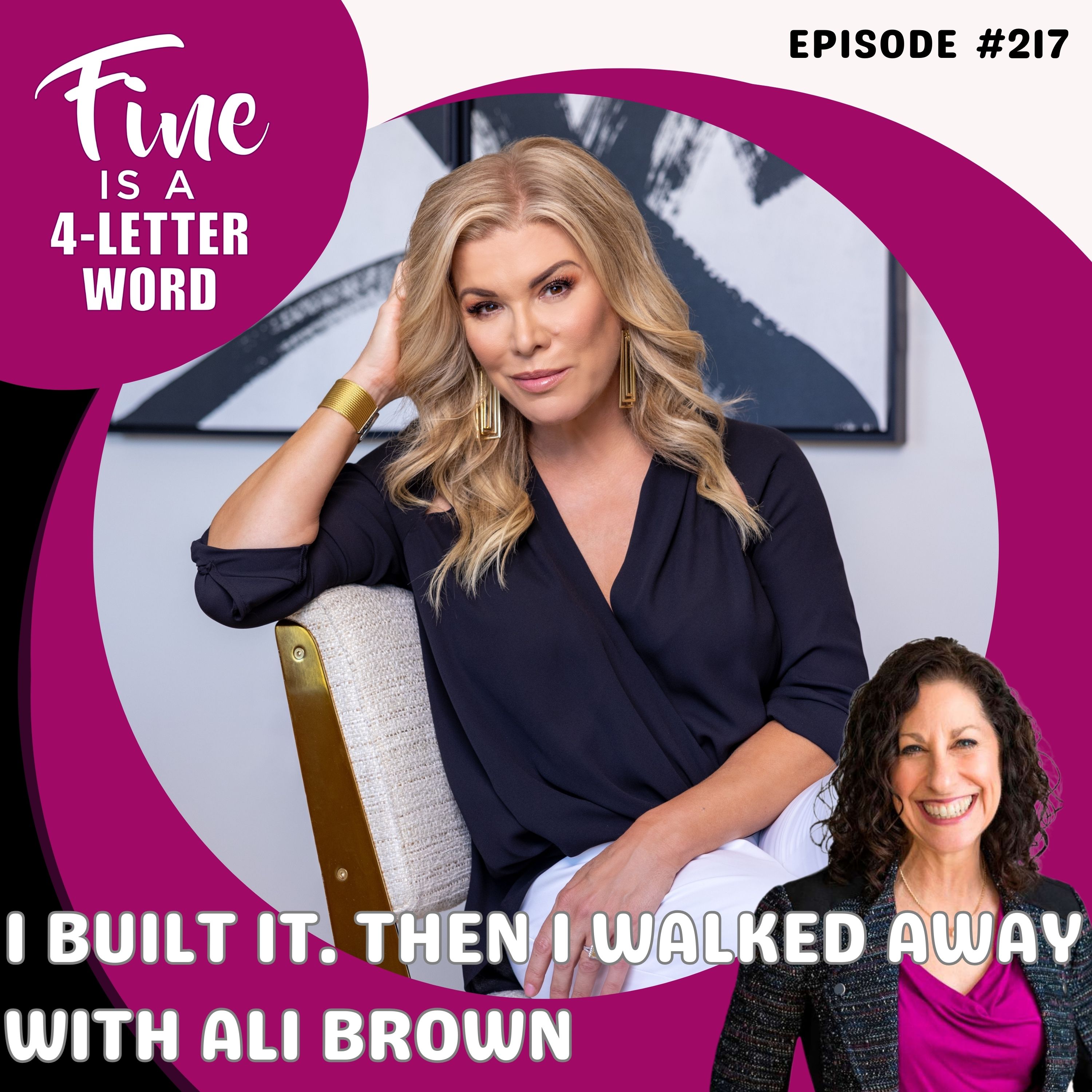
217. I Built It. Then I Walked Away with Ali Brown
Feb 1200:40:27Tap to summarizeWhat happens when the life you worked relentlessly to build suddenly stops feeling like you belong in it?From the outside, Ali Brown had it all. An epic brand. Massive influence. Serious revenue. The kind of success most people spend their lives chasing. But from the inside, something was missing.Growing up, Ali Brown was surrounded by the stability of a working father and a creative, stay-at-home mother who filled her days with books, crafts, and art. She credits her self-sufficiency and drive for entrepreneurship to this blend of independence and encouragement. With no explicit entrepreneurial role models, her path to self-employment emerged almost by necessity and through sheer resourcefulness, with how-to books from Barnes & Noble as her guides. Back in a time without the relentless comparison and distraction of social media, she learned to “do what she could from where she was with what she had.”The journey from being a freelance writer to running a multimillion-dollar coaching empire wasn’t planned. Ali describes a period of explosive growth, fueled by her willingness to share freely, innovate with early email marketing, and cultivate a loyal following of women in a space otherwise dominated by “bro marketing” and big promises. Her signature info products complete with big instruction binders and CDs felt radical at the time. As her brand grew, so did her sense of responsibility, not only to her expanding team and loyal clients, but to her own evolving sense of purpose.Despite the incredible outward success, she found herself pulled in a different direction after a life-changing appearance on ABC’s “Secret Millionaire” and the birth of her twins.She had to figure out what to do after her identity outgrew the model that built it. And have you ever assured yourself that listening to your heart was the right thing to do even though it felt disloyal to everyone else? Motherhood, faith, and finally finding clarity forced Ali to make a hard pivot.This episode is about permission. The kind of permission you give yourself. To change. To disappoint people. To shut things down that still make money. To choose peace over approval. And to stop confusing momentum with meaning.If you’ve ever wondered why the thing you worked so hard to build suddenly feels heavy, keep listening.HYPE SONG:Ali’s hype song is “I Know a Name” by Brandon Lake and “Sure Shot” by the Beastie BoysRESOURCES:Ali Brown’s website: www.alibrown.comAli Brown’s other website: www.JoinTheTrust.orgLinkedIn: https://www.linkedin.com/in/alibrownla/Instagram: instagram.com/alibrownofficialInvitation from Lori:This episode is sponsored by Zen Rabbit. Smart leaders know trust is the backbone of a thriving workplace, and in today’s hybrid whirlwind, it doesn’t grow from quarterly updates or the occasional Slack ping. It grows from steady, human communication.Plenty of companies think they’re doing great because they host all-staff meetings, keep “open door” policies, and throw the occasional team-building event. Meanwhile, leaders who truly care about culture are choosing better tools.That’s where I come in. Forward-thinking organizations bring me in to create internal podcasts that connect people through real stories, honest conversations, and genuine community—your old printed newsletter reinvented for the way people actually work now.If you run, work for, or know a company ready to upgrade communication and strengthen culture, reach out at Lori@ZenRabbit dot com.Because when people feel heard, they engage. When they engage, they perform. And when they perform, the business succeeds beyond projections.
Transcribe →
216. Success Didn’t Fix It with Anthony Spark
Feb 500:39:30Tap to summarizeWhat happens when you get everything you thought would finally make you feel okay… and it doesn’t?Anthony Spark grew up in chaos, learned independence early, and chased financial freedom with relentless focus. He did what so many people are told will fix everything: worked harder, made more money, built businesses, climbed the mountain. And then he discovered something he didn’t expect. Success doesn’t save you from yourself.As a child, Anthony witnessed the challenges of a single-parent household and the consequences of generational dysfunction. From his mother, he learned independence and personal responsibility. She made it clear that actions have consequences. You handle your own stuff. You clean up your own messes. That foundation taught him self-reliance early and shaped his drive to stand on his own two feet rather than wait to be rescued.His father struggled with addiction, incarceration, and emotional instability. But even through that, Anthony heard a consistent message: you’ll be better than me.As Anthony set out on his own path to financial independence, He achieved great success but also discovered that winning the so-called “game” didn’t fill the void he felt inside. He felt so much tension between striving for success and accepting oneself as “enough.” When his business became his mistress, he almost lost his marriage.Through counseling, he learned true success requires presence, vulnerability, and emotional intimacy. And that genuine happiness is cultivated through loving relationships, inner peace, and staying committed to personal values, even as you pursue ambitious goals.This was his reckoning. Then came his reinvention.If you’re leading a team that looks productive on the surface but feels fractured, exhausted, or misaligned underneath, this conversation will hit close to home. It’s for leaders who know that performance problems are rarely about strategy alone and are ready to address the human dynamics that drive trust, clarity, and momentum.HYPE SONG:Anthony’s Playlist https://open.spotify.com/playlist/37i9dQZF1EptZxSk8ZSptt?RESOURCES:Anthony’s websites: https://sparkachangecoaching.com/https://extraordinaryexcellence.com/https://phoenixevolution.co/LinkedIn: https://www.linkedin.com/in/anthonykspark/Facebook: https://www.facebook.com/mr.anthony.sparkInstagram: https://www.instagram.com/a_spark_is_born/Invitation from Lori:This episode is sponsored by Zen Rabbit. Smart leaders know trust is the backbone of a thriving workplace, and in today’s hybrid whirlwind, it doesn’t grow from quarterly updates or the occasional Slack ping. It grows from steady, human communication.Plenty of companies think they’re doing great because they host all-staff meetings, keep “open door” policies, and throw the occasional team-building event. Meanwhile, leaders who truly care about culture are choosing better tools.That’s where I come in. Forward-thinking organizations bring me in to create internal podcasts that connect people through real stories, honest conversations, and genuine community—your old printed newsletter reinvented for the way people actually work now.If you run, work for, or know a company ready to upgrade communication and strengthen culture, reach out at Lori@ZenRabbit dot com.Because when people feel heard, they engage. When they engage, they perform. And when they perform, the business succeeds beyond projections.
Transcribe →
215. Nice is Not Kind with Allie Jones
Jan 2900:43:04Tap to summarizeGrowing up in Iowa, Allie Jones was immersed in a culture of “Iowa nice,” a brand of politeness defined by being helpful, agreeable, and perpetually pleasant. So not surprisingly, niceness became a core value for Allie, one that was reinforced by her community, but also complicated by its shadow: the tendency to avoid hard conversations and uncomfortable truths in favor of small talk and surface-level connections.Early in her career as a third-grade teacher, she poured herself into her students, striving to live up to the expectations of hard work and service. But as she recounts, supportive words from administrators weren’t matched with real action, and the relentless pace of changing curricula and high standards left her burnt out. When she realized that staying in the classroom would be the wrong kind of responsible, she left teaching, took a sabbatical to explore the country, house sat, and dipped her toes into freelance writing and marketing.Navigating this period of uncertainty, Allie was challenged by the perennial question, “Who am I if I’m not what I do?” She realized that so many of our identities are tied up in our job titles and professional achievements, but true fulfillment lay in embracing her transferable skills, resiliency, and capacity for connection.Allie now has an intention to cultivate a new version of “Iowa kind,” because there’s a difference between nice and kind. This version is rooted in authentic connection and courageous conversation, not just politeness.As a business and leadership consultant, Allie is also helping others step into their own authenticity.Listen in to hear her story of moving beyond the safety of “nice” to the richer, more complicated rewards of being kind, in community, conversation, and career. In facing discomfort and embracing change, Allie models what it means to answer the question “How are you?” with truth and intentionality.Allie’s hype song is Honeypie by JAWNY RESOURCESAllie Jones’ website: alliejonesconsulting.comLinkedIn: linkedin.com/in/allie-s-jones/Instagram: instagram.com/alliejonesconsultingInvitation from Lori:This episode is sponsored by Zen Rabbit. Smart leaders know trust is the backbone of a thriving workplace, and in today’s hybrid whirlwind, it doesn’t grow from quarterly updates or the occasional Slack ping. It grows from steady, human communication.Plenty of companies think they’re doing great because they host all-staff meetings, keep “open door” policies, and throw the occasional team-building event. Meanwhile, leaders who truly care about culture are choosing better tools.That’s where I come in. Forward-thinking organizations bring me in to create internal podcasts that connect people through real stories, honest conversations, and genuine community—your old printed newsletter reinvented for the way people actually work now.If you run, work for, or know a company ready to upgrade communication and strengthen culture, reach out at Lori@ZenRabbit dot com.Because when people feel heard, they engage. When they engage, they perform. And when they perform, the business succeeds beyond projections.
Transcribe →
214. I Divorced My Parents with Andrew Quebbemann
Jan 2200:39:20Tap to summarizeRaised in a hardworking, Catholic family that seemed picture-perfect from the outside, Andrew Quebbemann learned early on the value of self-reliance and doing things for yourself. But it was during a pivotal moment at age sixteen—choosing not to get confirmed into the church—that he first exercised the courage to honor his own convictions over societal or familial expectations. That decision, viewed as rebellious by his parents, was also his first bold step toward living authentically and questioning what really worked for him, rather than simply following the script laid out for him.This early demonstration of independent thinking set the stage for a pattern that has defined Andrew's adult life. Whether leaving corporate America after looking around and finding no one he wanted to emulate or choosing to go plant-based overnight simply because it felt right for his body, Andrew developed what he calls psychological agility—the capacity to make swift decisions and take action when something no longer serves him.However, this same strength became a source of deep conflict within his family, where relationships had always been transactional and understanding seemed impossible to achieve. After years of trying to navigate increasingly difficult family dynamics that affected both him and his wife, Andrew made the painful decision to request a three-month break from his parents to reevaluate their relationship as adults. Their response was a brutal phone call filled with insults, which marked the beginning of a three-year estrangement that continues today, despite Andrew's willingness to engage in family therapy.The loss of his parents while they're still alive has required Andrew to mourn a relationship he thought he had. He candidly shares how stepping away from toxic dynamics allowed him to embrace self-care, protect his marriage, and redefine how he wants to show up in the world.Through therapy and a daily meditation practice inspired by Indian mystic Sadhguru, Andrew has learned to find peace within himself rather than seeking validation from those who may never be capable of providing it. His story illustrates the heartbreaking reality that sometimes loving someone means accepting that a healthy relationship with them may not be possible, and making decisions that honor your well-being is necessary for survival.Hype Song:Andrew’s hype song is One Step Closer by Linkin ParkResources: Andrew’s Website: https://goldbookfinancial.com/our-team/andrew-quebbemann/LinkedIn:https://www.linkedin.com/in/andrew-quebbemann/Instagram: https://www.instagram.com/andrewquebbemann/ Invitation from Lori:This episode is sponsored by Zen Rabbit. Smart leaders know trust is the backbone of a thriving workplace, and in today’s hybrid whirlwind, it doesn’t grow from quarterly updates or the occasional Slack ping. It grows from steady, human communication.Plenty of companies think they’re doing great because they host all-staff meetings, keep “open door” policies, and throw the occasional team-building event. Meanwhile, leaders who truly care about culture are choosing better tools.That’s where I come in. Forward-thinking organizations bring me in to create internal podcasts that connect people through real stories, honest conversations, and genuine community—your old printed newsletter reinvented for the way people actually work now.If you run, work for, or know a company ready to upgrade communication and strengthen culture, reach out at Lori@ZenRabbit dot com.Because when people feel heard, they engage. When they engage, they perform. And when they perform, the business succeeds beyond projections.
Transcribe →
213. Change Your Mind About It with Stef Warlick
Jan 1500:40:37Tap to summarizeStef Warlick grew up with the kind of values that leave a lasting imprint. Guided by a mother who came from a strict Catholic upbringing and believed deeply in championing the underdog and showing relentless kindness, Stef was immersed from a young age in principles of empathy, hard work, and accountability. “If you can’t change something, change your mind about it” was a guiding family mantra.Those early teachings became the blueprint for how Stef approached life and work. Stef's career in government contracting and corporate environments taught her invaluable lessons about gathering complete information before making decisions, thanks to a mentor who emphasized that "there are more than two sides to every story." This wisdom became crucial during a devastating personal tragedy involving her beloved pets, which left Stef walking through life in a fog. It was a period of numbness so acute it felt like an out-of-body experience.Worse still was overhearing people, unaware she was within earshot, harshly judging her character based solely on this single, painful event. That incident carved a groove in her understanding of empathy: you never know what someone else is carrying, and judgment without context is more than unfair—it’s destructive.Stef became even more attuned to the stories people keep hidden and the resilience they muster just to keep going.Now focused on building inclusive teams and communities, Stef has learned that diversity isn't just about checking boxes but about creating environments where people feel genuinely seen and valued. Her approach to working with people with disabilities exemplifies this philosophy. Rather than tiptoeing around differences or making assumptions, she advocates for direct, respectful communication that treats everyone as a whole person worthy of authentic connection. Her story illustrates how our most painful experiences can become our greatest teachers if we're willing to learn from them.Hype Song:Stef’s hype song is Girl on Fire by Alicia KeysResources: Stephanie Warlick’s website: https://www.stephaniewarlick.com/LinkedIn: https://www.linkedin.com/in/stephaniewarlick/X: https://x.com/5FTV_ConsultingFacebook: https://www.facebook.com/profile.php?id=61579261754103Invitation from Lori:This episode is sponsored by Zen Rabbit. Smart leaders know trust is the backbone of a thriving workplace, and in today’s hybrid whirlwind, it doesn’t grow from quarterly updates or the occasional Slack ping. It grows from steady, human communication.Plenty of companies think they’re doing great because they host all-staff meetings, keep “open door” policies, and throw the occasional team-building event. Meanwhile, leaders who truly care about culture are choosing better tools.That’s where I come in. Forward-thinking organizations bring me in to create internal podcasts that connect people through real stories, honest conversations, and genuine community—your old printed newsletter reinvented for the way people actually work now.If you run, work for, or know a company ready to upgrade communication and strengthen culture, reach out at Lori@ZenRabbit dot com.Because when people feel heard, they engage. When they engage, they perform. And when they perform, the business succeeds beyond projections.
Transcribe →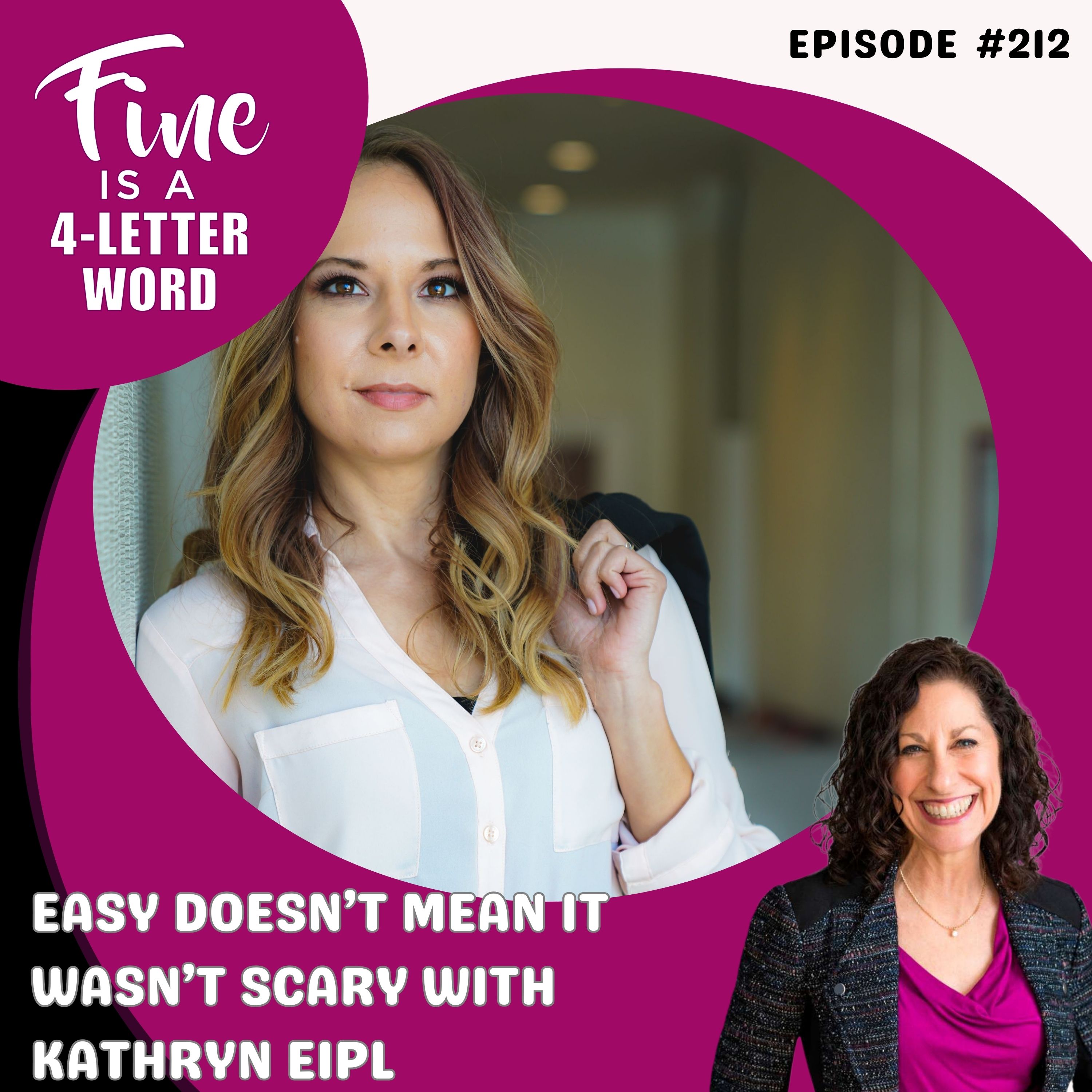
212. Easy Doesn’t Mean It Wasn’t Scary with Kathryn Eipl
Jan 800:44:04Tap to summarizeKathryn Eipl spent much of her professional life doing exactly what she was trained to do: keep everything together, move forward no matter what, don’t feel too much, and definitely don’t let anything fall apart.Raised in a household where emotions were weaponized as jokes and communicating risked having your vulnerabilities shared with the entire extended family, Kathryn learned early to guard her feelings. She joked that she had "a black heart" and simply "didn't feel."This emotional armor served her well in the notoriously cutthroat entertainment industry, where she thrived managing complex projects while navigating an environment that demanded perfection and offered little room for human vulnerability.Not surprisingly, the constant stress and emotional suppression took their toll, leading to burnout and an unhealthy relationship with alcohol as her primary coping mechanism. Despite achieving professional success, Kathryn found herself caught in a cycle of reactivity, letting her emotions run the show while simultaneously denying they existed.The turning point came when friends convinced her to try hot yoga. Despite her initial resistance, the fast-paced vinyasa classes in heated rooms provided the perfect entry point for someone accustomed to constant motion, allowing her mind to finally quiet as she moved through poses too quickly to overthink. This practice became her gateway to emotional awareness and regulation, teaching her the crucial difference between reacting to life's challenges and consciously responding to them.As Kathryn deepened her yoga practice and completed teacher training, suppressed memories and emotions began surfacing during her sessions. She put a journal beside her mat to process the revelations. This journey of emotional archaeology taught her how to respond instead of react. She also learned to advocate for herself. That meant walking away from the entertainment industry completely after promises made for a prestigious overseas project were broken, even though fear, guilt, and old stories tried to talk her out of it.Now as a yoga instructor and wellness coach, she helps others develop the emotional intelligence and self-regulation skills that the entertainment industry—and many other high-stress environments—actively discourage, proving that it's never too late to learn a healthier way of being in the world.Kathryn's Hype Song:Masterpiece by Able HeartResources:https://eiplhealing.com/ (1 Free Neuro-Resonance Strategy Session use code WELCOME at checkout.)LinkedIN: https://www.linkedin.com/in/kathryn-eipl/Facebook: https://www.facebook.com/eiplhealingInstagram: https://www.instagram.com/eiplhealing/# Invitation from Lori:This episode is sponsored by Zen Rabbit. Smart leaders know trust is the backbone of a thriving workplace, and in today’s hybrid whirlwind, it doesn’t grow from quarterly updates or the occasional Slack ping. It grows from steady, human communication.Plenty of companies think they’re doing great because they host all-staff meetings, keep “open door” policies, and throw the occasional team-building event. Meanwhile, leaders who truly care about culture are choosing better tools.That’s where I come in. Forward-thinking organizations bring me in to create internal podcasts that connect people through real stories, honest conversations, and genuine community—your old printed newsletter reinvented for the way people actually work now.If you run, work for, or know a company ready to upgrade communication and strengthen culture, reach out at Lori@ZenRabbit dot com.Because when people feel heard, they engage. When they engage, they perform. And when they perform, the business succeeds beyond projections.
Transcribe →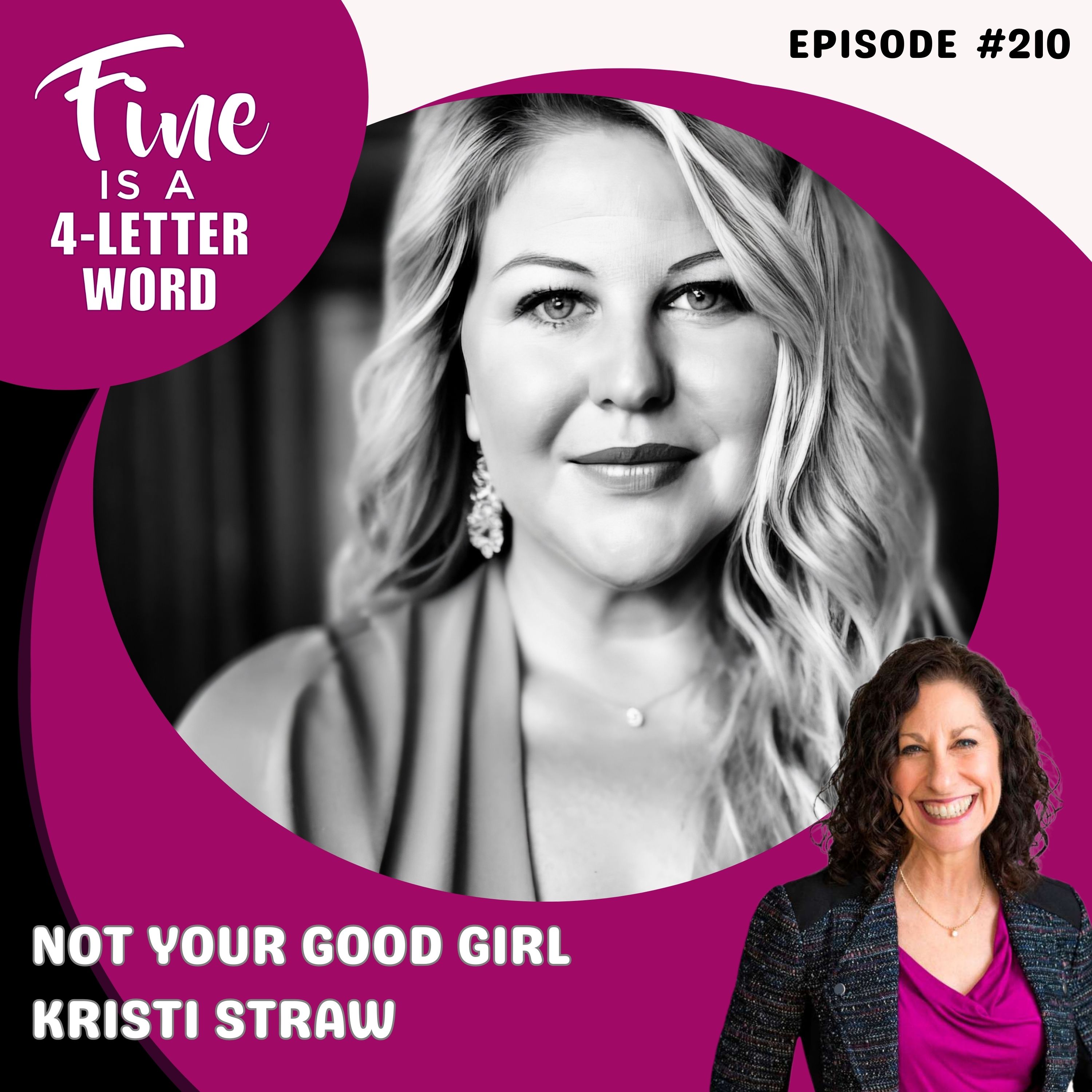
210. Not Your Good Girl with Kristi Straw
Dec 1800:43:27Tap to summarizeGrowing up in the Midwest during the 1980s, Kristi Straw was raised with traditional values of being the quiet, grateful “good girl," don’t speak too boldly, and never outshine others. Alongside this mandate to be humble and accommodating came the classic Midwestern lessons in kindness, like let others go first at an intersection, and cook a pot roast for the new neighbors. But lurking underneath the surface was an undercurrent of self-diminishment. These expectations and beliefs would be both barriers and fuel for Kristi's eventual rise in the corporate world. Leaning into relentless drive and adaptability, she climbed from individual contributor to bank president and C-suite executive in just a few years. But behind the impressive title and substantial paycheck was a steadily growing sense of inauthenticity. She describes years of “chameleonizing” or masking her true self to fit an environment that wasn’t built for her bold ideas, her height, or her emerging leadership voice. Ultimately, her success required constant shape-shifting and sacrificing parts of herself, a survival tactic rooted in childhood messages about what women “should” be. Everything came to a head when, after finally reaching the top, Kristi realized three hours into her dream job that she simply couldn’t conform anymore. She found herself lying on her office floor with the stark realization that this life was no longer "fine." The money, status, and access couldn't mask the fundamental misalignment between who she was becoming and who she wanted to be. That raw acknowledgment sparked her greatest pivot yet. Now, Kristi is fiercely committed to building communities based on authentic connection, collaboration, and high standards of integrity. As a coach and author, she champions what she calls “psychological agility,” aka the ability to adapt, stay open to surprise, and continually learn regardless of the outcome. I suspect you’ll relate to her story of realizing that sometimes the most successful-looking life is in fact the one that's keeping you furthest from your true potential. And that no matter what, you have to find the courage to break the rules that never fit you in the first place. Kristi's Hype Song All I Do is Win https://youtu.be/GGXzlRoNtHU?si=9dwag_ZqVPmTJhgV Resources Website: www.LighthouseLeadershipConsultants.com LinkedIn: https://www.linkedin.com/in/kstrawmba/ Instagram: @LighthouseLeadershipConsultant Invitation from Lori:This episode is sponsored by Zen Rabbit. Smart leaders know trust is the backbone of a thriving workplace, and in today’s hybrid whirlwind, it doesn’t grow from quarterly updates or the occasional Slack ping. It grows from steady, human communication.Plenty of companies think they’re doing great because they host all-staff meetings, keep “open door” policies, and throw the occasional team-building event. Meanwhile, leaders who truly care about culture are choosing better tools.That’s where I come in. Forward-thinking organizations bring me in to create internal podcasts that connect people through real stories, honest conversations, and genuine community—your old printed newsletter reinvented for the way people actually work now.If you run, work for, or know a company ready to upgrade communication and strengthen culture, reach out at Lori@ZenRabbit dot com.Because when people feel heard, they engage. When they engage, they perform. And when they perform, the business succeeds beyond projections.
Transcribe →