Podcast
Fire Branded
Hosted by Fiat Media · EN
Catholic talk that hits — Direct, and unfiltered; talking about the realities Catholics face in ordinary life. News, culture and Catholic thought without outrage journalism or controversy. Faith, without fluff. FIRE, with integrity.
27episodes
Episodes
Newest firstAll episodes
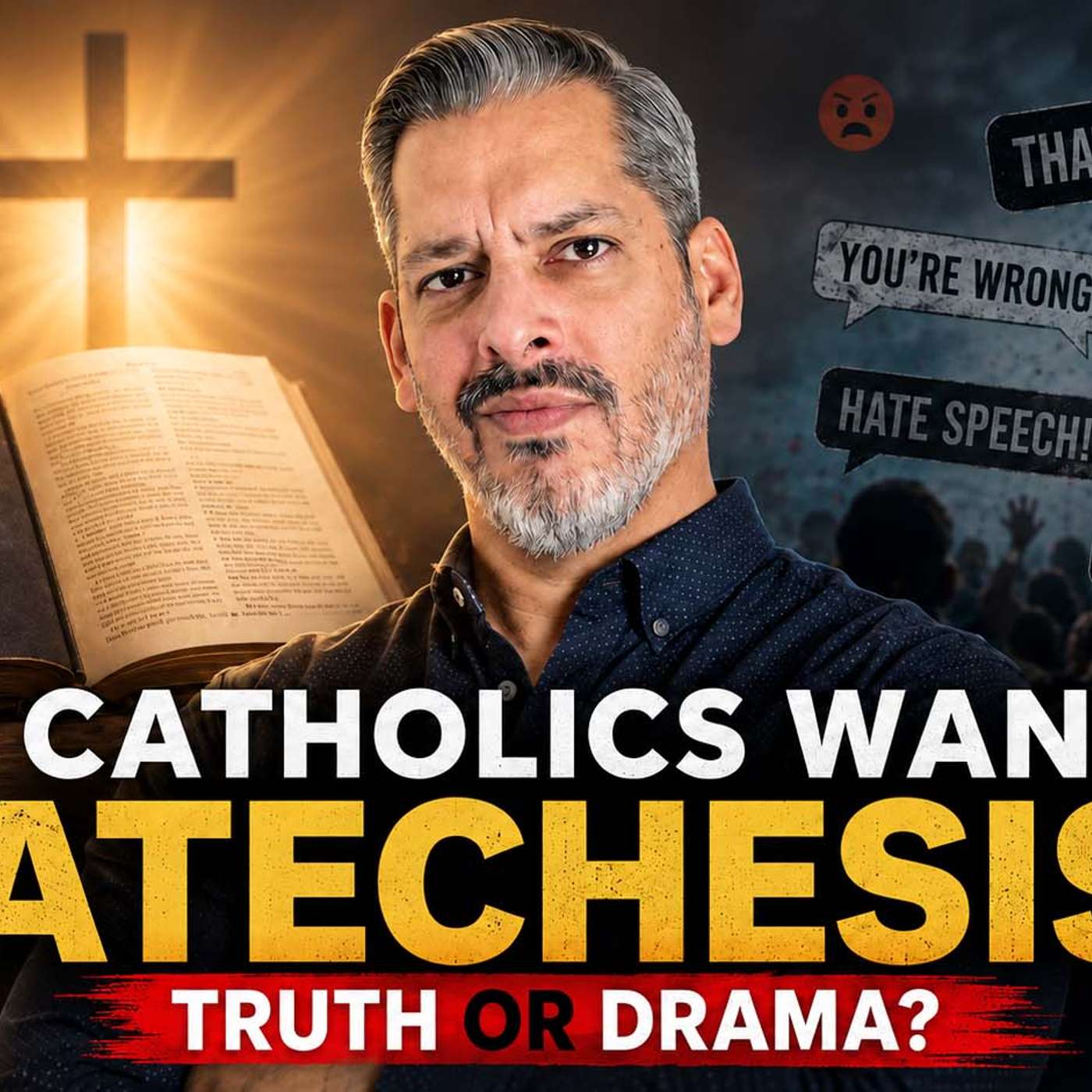
Do Catholics REALLY Want Good Catechesis?
3w ago00:40:20Tap to summarizeWhen catechesis challenges us, do we really want better catechesis in the Church, or do we prefer to call for silence and submission to our opinions?Catholics have spent decades blaming poor catechesis for the crisis in the Church. There's some truth to that. But what happens when clear Catholic teaching challenges those same Catholics to re-think what they think is true about Catholicism, the Church, or the history of Theology behind Catholic teaching?This episode examines that contradiction through the controversy surrounding the SSPX and the consecration of bishops without papal approval. It also addresses distorted claims about the Novus Ordo, liturgical abuse, papal authority, and the selective use of saints such as Robert Bellarmine to justify resistance to the Church.LINKS AND ARTICLES MENTIONED IN THIS EPISODE🚨 Also included: an announcement about new YouTube channel memberships and members-only content.Become a member of my channel— Join The Inner Circle here at my channel----------ARTICLES MENTIONED IN THE LIVE STREAM"How to Spot a Well-Concealed Lie" "CNBC Weighing the Scales" (and a Catholic connection)"The Real Crisis in the Church' (Podcast)
Transcribe →
The Real Crisis in the Catholic Church
4w ago00:42:17Tap to summarizeCatholics have heard the phrase “crisis in the Church” repeated so often that it has become a catchall explanation for nearly everything: weak preaching, poor catechesis, liturgical abuse, corrupt bishops, Vatican II, the Novus Ordo, and every controversy coming out of Rome.But what if those things are not the crisis itself?In this episode, T.J. Haines argues that the deeper crisis is a growing inability among Catholics to recognize, receive, and reason from truth. That loss has left many Catholics vulnerable to sweeping claims, distorted histories, false alternatives, and arguments that sound faithful while leading them further from the Church. (00:00) - Intro and Church Crisis Setup (01:13) - Why the Mantra Misses (13:07) - Lies, Heresy Claims, and The Forge Plug (21:34) - The Forge Newsletter Pitch (23:47) - The Real Church Crisis (37:50) - Antichrist Warning Finale
Transcribe →
Do Aliens Exist? - Angels, Demons, and ALIENS
Jul 1300:54:06Tap to summarizeDrawing from Scripture, theology, and the wisdom of St. Thomas Aquinas, I take on one of the most intriguing questions in our time. I explore why belief in intelligent extraterrestrial life is not only unlikely but also theologically problematic. But this is also a lesson about angels and demons! THIS IS A RE-RELEASE of an old podcast that I think current listeners of Fire Branded will enjoy. DISREGARD any dated references to my social, my web addresses, and so on.It’s a necessary component, not random. I talk about the nature of angels and demons, examine UFO sightings with both logic and faith, and explain why what people often call “aliens” may be better understood as demonic manifestations—or even human technology cloaked in secrecy. (00:00) - Introduction and Tonight's Topic (00:52) - Exploring the Existence of Aliens (02:51) - Scriptural Insights and Human Uniqueness (08:07) - Analyzing UFO Sightings and Theological Implications (25:35) - Debating the Nature of Alien Spacecraft (26:16) - Understanding Angels and Demons (38:54) - Theological Implications of Aliens (48:09) - Engaging with the Community and Final Thoughts
Transcribe →
The SSPX and the Lie of False Fidelity
Jul 800:28:27Tap to summarizeThe SSPX says it is faithful to Rome while rejecting Rome’s judgment. In this episode, T.J. Haines explains why the latest SSPX defiance exposes the deeper problem with radical traditionalist rebellion — and why The Forge exists to form Catholics for truth, clarity, and fidelity.The Society of St. Pius X says it is faithful to Rome. But when Rome warns, pleads, corrects, and finally acts, the SSPX rejects the judgment and continues on its own course.In this episode, T.J. Haines responds to the SSPX’s rejection of the Vatican’s excommunication decree following its unauthorized episcopal consecrations. The issue is not merely liturgical preference, nor is it a simple matter of “traditional Catholics” being mistreated by Rome. The deeper problem is false fidelity: professing loyalty to the Church while refusing the authority of the Church when that authority becomes inconvenient. (00:00) - SSPX Excommunication Fallout (04:25) - Fidelity Claims vs Defiance (07:48) - Rome’s Outreach Timeline (12:55) - What SSPX Gets Right (17:32) - Forge Relaunch and Wrap-Up
Transcribe →
Trust Issues - Catholic Media, and other Bozos in the Church
Jul 100:57:48Tap to summarizeCatholics are losing peace because they’ve learned to trust every panic merchant more than the Church.In this episode, T.J. Haines takes on the growing distrust many Catholics feel toward the Church, especially when bishops, cardinals, priests, and Catholic media figures seem to confirm every fear. Using the latest controversy out of Germany as a starting point, he argues that Catholics need a better rule: accept what comes from the Magisterium, ignore what does not matter, and stop letting the “bozos” rob them of peace.This is a direct, practical Firebrand Brief about obedience, discernment, Catholic media noise, bad shepherds, false alarms, and the need to practice the faith while letting God sort out the rest.
Transcribe →
Why they Leave the Church - And why they should come back
Jun 2100:23:02Tap to summarizeCatholics drift from the faith all the time, but it's like walking away from an oasis in the desert. Here are reasons why Catholics need to come back, and not delay.I also talk about some reasons why Catholics drift away, stop practicing the Catholic Faith, and I directly address those reasons head-on. Sometimes people are hurt by the Church, sometimes they just drift away gradually. But Catholics need to see things in perspective, understand the treasure they've left behind, and find the courage to come home to the Catholic Church
Transcribe →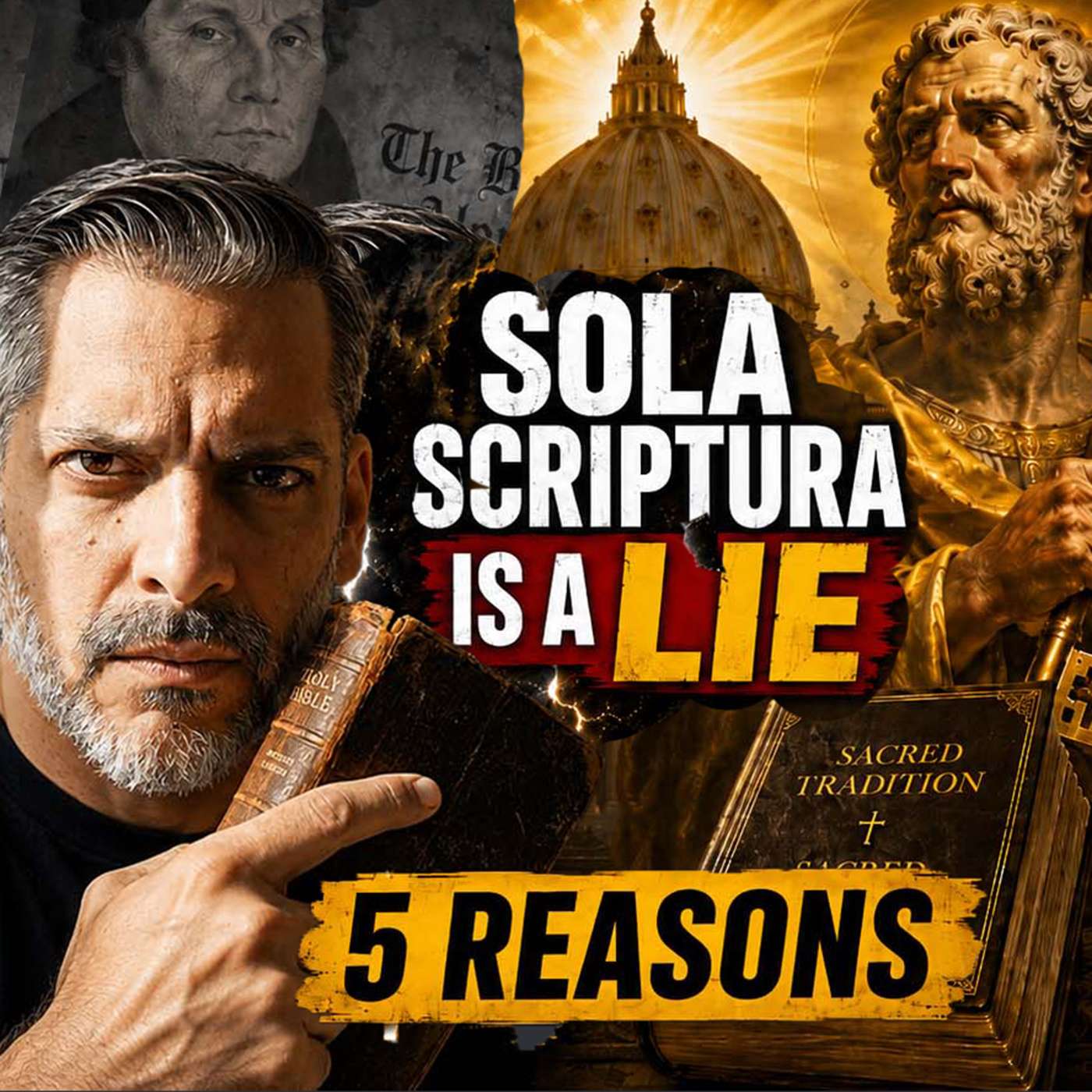
5 Reasons Sola Scriptura is a Lie
Jun 1200:23:29Tap to summarize"The Bible alone" isn't just a lie. It's poisonous fruit that divides Christianity and misguides the Christian faithful.The Bible didn't fall from the sky. The canon you're holding came out of sacred tradition. Christianity didn't come from the Bible; the Bible came from Christianity. In this episode I lay out five reasons sola scriptura doesn't hold up—and I'm not rehashing the same debate you've seen a hundred times on YouTube. I want to come at it from a different angle.I get into why the Bible never actually teaches sola scriptura, what Christians were doing for the centuries before the canon was even settled, how Scripture itself points back to apostolic tradition, and why "scripture alone" can't even tell you which books belong in Scripture in the first place. Then I get to what I think is the real problem: it fractures Christian unity. When you leave interpretation to the individual, you end up with denominations waving the same Bible and landing on opposite answers—with no authority to settle it.In this episode:Why the Bible came out of sacred tradition, not the reverseThe five core flaws of sola scriptura, one at a timeWhat Christians relied on before the canon was finalizedWhy there's no "magisterium" to call balls and strikes in ProtestantismHow "scripture alone" produces contradiction instead of unity
Transcribe →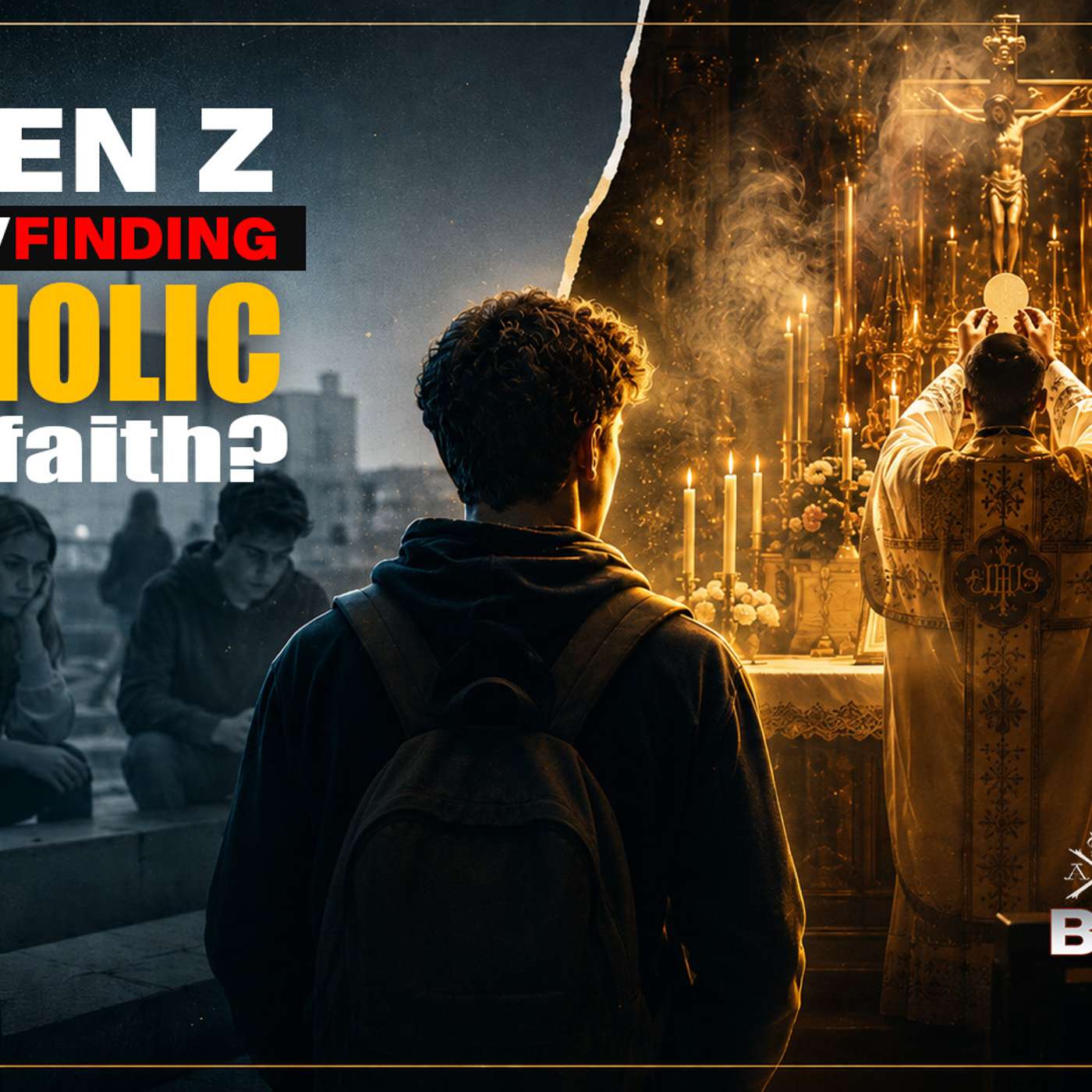
Catholics Losing Religion and Searching for Tradition
Jun 801:06:43Tap to summarizeGen Z isn’t simply “returning to church” the way older generations might imagine. Many are searching for faith, meaning, identity, community, and something with backbone — but they’re not always finding it in the same places, or in the same ways, as their parents and grandparents.Young people are showing renewed interest in religion, but the story is more complicated than a simple “Gen Z is coming back to church” headline. Some are returning to Catholicism. Some are drifting into Protestant communities. Some are exploring alternative spiritualities, Eastern religions, neopaganism, or a personalized version of faith that they assemble for themselves.In this episode, I look at what younger people seem to be searching for: community, authenticity, structure, beauty, identity, and a religion that can stand in contrast to the emptiness of secular life. From there, I get into why some young Catholics are drawn toward traditionalism and the Traditional Latin Mass — not to praise or condemn it as a whole, but to ask what they are finding there that many ordinary Catholic parishes may be failing to signal clearly. (00:00) - Chapter 1 (00:00) - Welcome and Introduction (03:04) - Monsignor Rosetti Controversy (11:05) - Gen Z Returning to Religion (19:54) - Alternative Spiritual Paths (26:59) - Understanding Traditional Latin Mass Appeal (32:27) - Clear Signaling and Culture (35:30) - Sign of Peace Overreach (37:47) - Eucharistic Ministers Debate (42:24) - Our Father Hand Gestures (46:29) - Seeking Authenticity in Liturgy (54:45) - Church Atmosphere and Signaling (01:00:43) - Show Format Changes
Transcribe →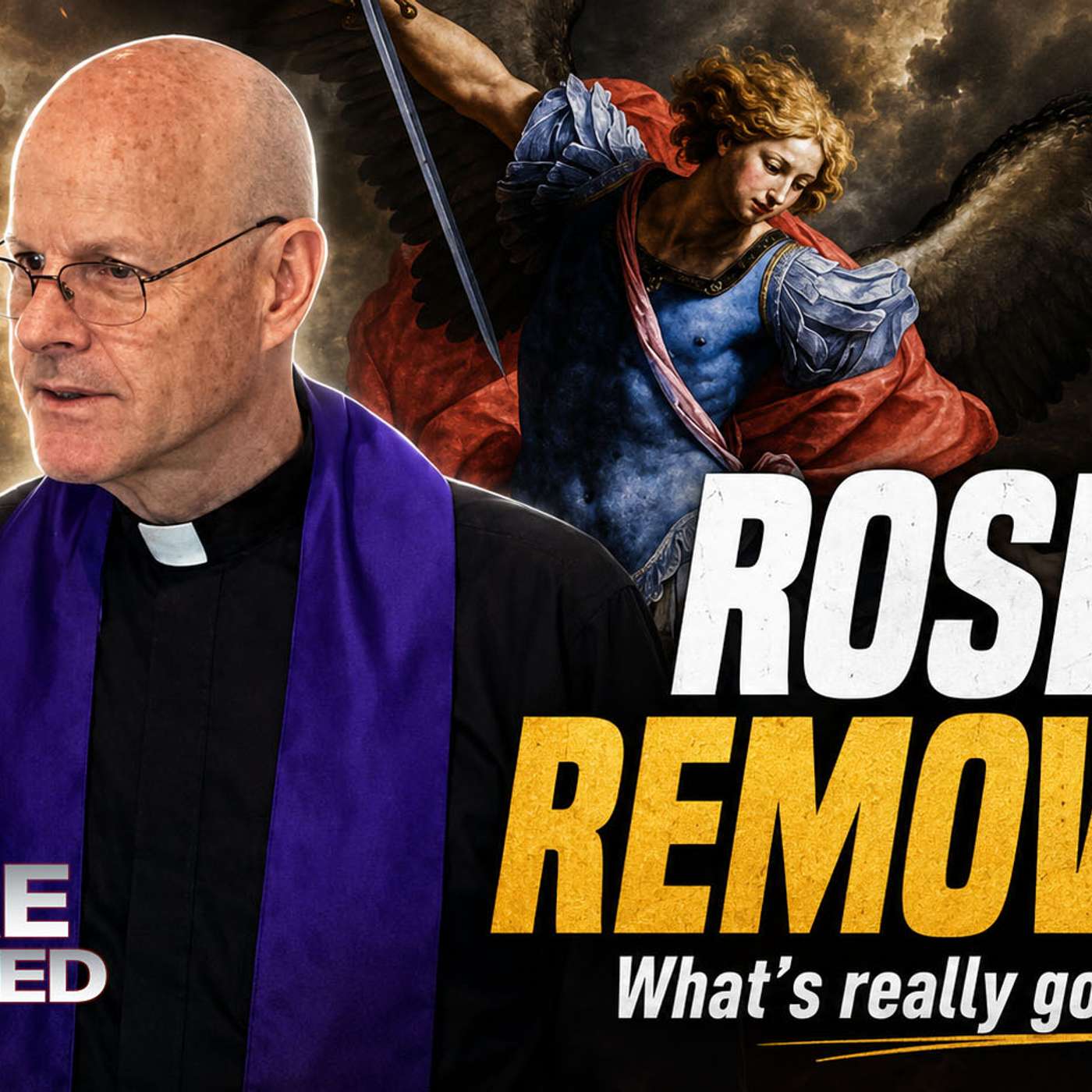
Monsignor Rossetti Removed - I don't buy the "reason"
Jun 600:38:54Tap to summarizeWhy did the Archdiocese remove one of its most trusted exorcists? Dive into the surprising story behind Monsignor Steven Rossetti, social media, and the church’s modern challenges.In this episode of Firebrand Brief, I break down the removal of Monsignor Steven Rossetti as chief exorcist in the Archdiocese of Washington, DC. We explore what really happened behind the headlines, the role of social media in modern Catholic ministry, and why the faithful need discernment when exorcists gain celebrity status. From UFOs to church politics, learn what this episode reveals about leadership, obedience, and the delicate balance between visibility and prudence in today’s Church.🔗 Article at The Forge: "Why Was Rossetti Really Removed as Exorcist?"🔥 If you’re not checking out Firebranded.FM you’re only getting half the force of this “Catholic commentary War Machine”Check it! - https://firebranded.fm (00:00) - Rossetti Removed Explained (00:46) - UFO Comments Fallout (03:48) - Why Social Media Matters (10:03) - Behind the Curtain Theories (19:01) - How Catholics Should Respond (28:11) - Exorcists Clarity and Church Fix
Transcribe →
Catholic Mindset (a Firebrand Brief)
Jun 300:15:43Tap to summarizeWhat if knowing the Catholic faith isn’t enough?In this Firebrand Brief, TJ Haines argues that Catholics do not merely need more religious information — they need a Catholic mindset. Religious education can teach the facts of the faith, but formation goes deeper: humility, reverence, charity, submission to the Church, and the instinct to listen when Mother Church speaks.This episode pushes back on a common failure in Catholic media: forming Catholics into critics, commentators, and amateur theologians while neglecting the deeper work of forming future saints. A truly Catholic mindset does not mean turning off your brain. It means approaching the Church with the posture of a child toward his mother: attentive, humble, open, and ready to be corrected.Because the devil knows Catholic doctrine better than any of us. The difference is whether the faith has transformed us.Listen for: Catholic mindset vs. Catholic education, faith formation, Catholic media, humility, obedience, reverence, the Church as mother, and why “head knowledge” is not enough.
Transcribe →