
Podcast
Fire on the Mountain
Hosted by Fr-David Dodd · EN
Welcome to the Fire on the Mountain Podcast, a show where we talk about how to stir into flame our God-given potential and spread that flame of renewal to those around us, being transformed by the power of the Holy Spirit in order to become agents of transformation in the world around us.
Please like and follow
Email me at firemountainpodcast@gmail.com
12episodes
Episodes
Newest firstAll episodes
Where the Dove Rests: Empire or Kingdom
May 900:28:02Tap to summarizeThe world is being discipled by fear.But Jesus announces another Kingdom.In this final episode of Where the Dove Rests, we explore the last Beatitude:“Blessed are those who are persecuted for righteousness’ sake, for theirs is the kingdom of heaven.”Drawing from Matthew 5, John 17, Acts 5, Revelation 12, and the witness of the early Church, this episode is a call to become people upon whom the Holy Spirit can rest.As fear, compromise, and division rise in the world, the Spirit is raising up surrendered sons and daughters marked by holiness, courage, abiding love, and faithful witness.The Dove does not rest on empire.The Dove rests on surrendered people.In the world, but not of it.Carry the Dove. Live the Kingdom.
Transcribe →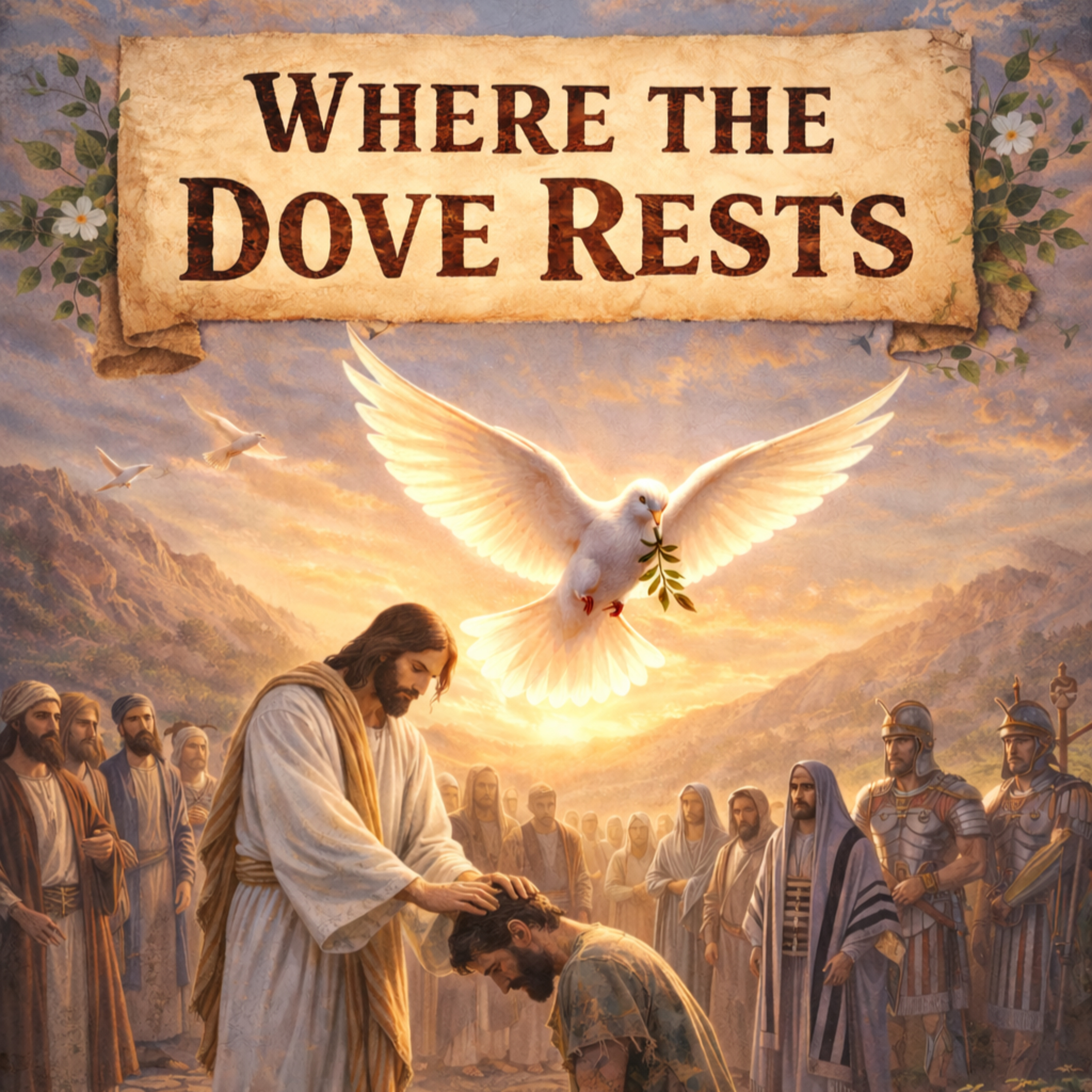
Where the Dove Rests: Peacemakers
Mar 2100:32:00Tap to summarizeJesus said the world would believe when Christians are united—so what does our division say about us?Jesus said something astonishing the night before He died:The world will believe in Him when it sees Christians united.So what does it mean that the world mostly sees the opposite?Division.Suspicion.Christians attacking other Christians.In this episode of Where the Dove Rests, we confront one of the most uncomfortable Beatitudes: “Blessed are the peacemakers.”Peacemaking isn’t about pretending differences don’t exist.It’s about tearing down walls that the world assumes are permanent.Scripture shows a pattern many Christians overlook: the Holy Spirit moves powerfully where unity appears. From Pentecost to the shocking moment when the Spirit falls on Gentiles in Acts of the Apostles 10, God repeatedly disrupts the boundaries His people thought were fixed.Drawing on Scripture, the early Church, and insights we ask a difficult question:What if one of the greatest obstacles to revival isn’t secular culture…but Christian tribalism?The early bishop Cyprian of Carthage once observed that the Holy Spirit appeared as a dove because the dove is peaceful and cannot be divided.If the Spirit comes as a dove…Then where there is division, the dove cannot rest.So here’s the question this episode refuses to avoid:If Jesus said unity would make the world believe, what does our division say about us?
Transcribe →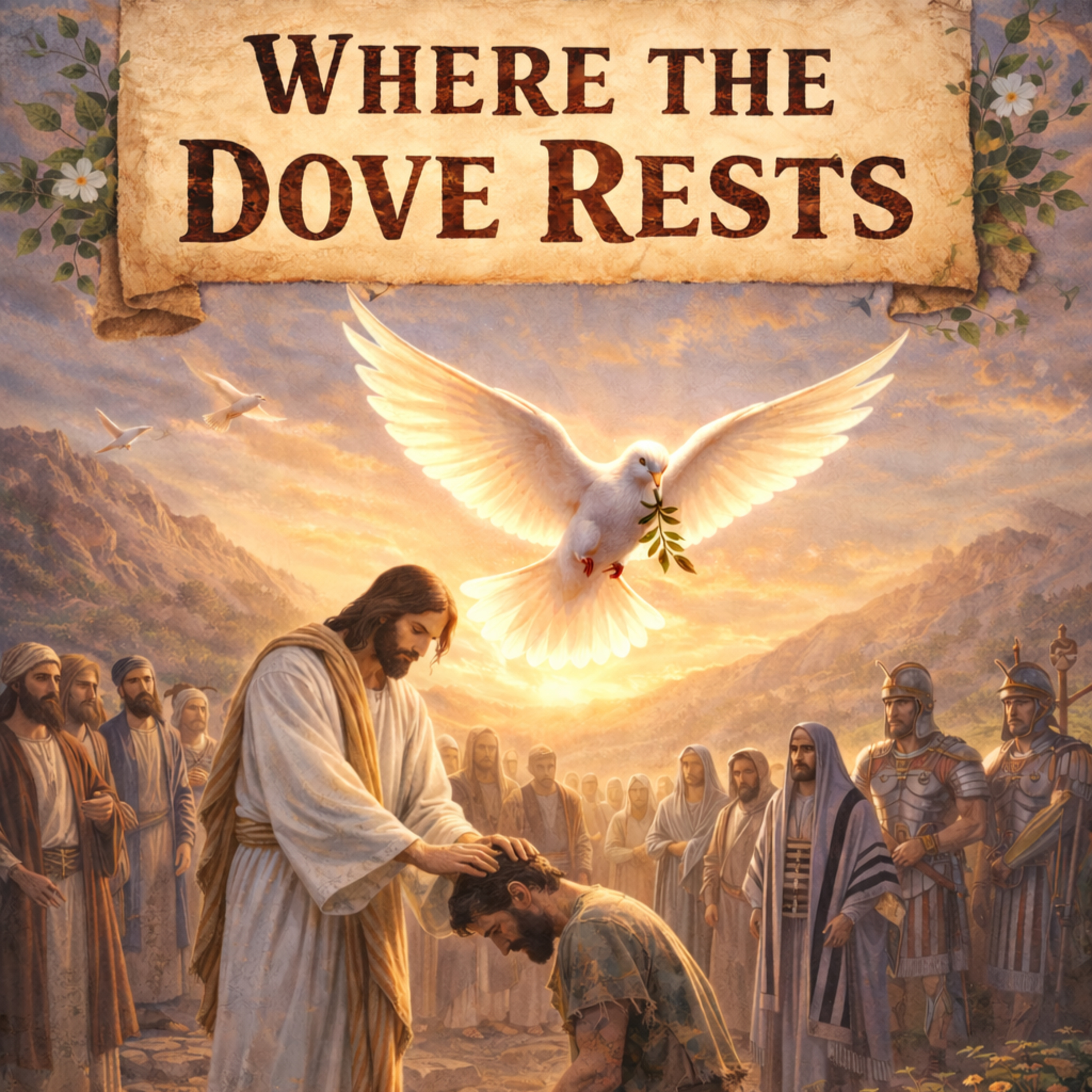
Where the Dove Rests: Purity is Potency
Mar 1400:23:18Tap to summarizeWhat if purity isn’t about behavior modification… but about spiritual voltage?In this episode, we confront one of the most misunderstood words in faith culture. Purity has often been reduced to rule-keeping, image management, or moral anxiety. But what if purity is actually about power? What if the oil that fuels the flame must be undiluted to burn bright?From anointing oil in ancient Scripture to the fire of Pentecost, we explore a disruptive idea: purity is potency. Blended oil smokes. Pure oil ignites. And in the same way, diluted devotion produces burnout—but intimacy with God produces fire.We wrestle with uncomfortable questions:Are we right… or are we radiant?Are we defending truth without carrying presence?Are we burning bright—or just burning out?This episode reframes purity as intimacy. Not striving, but surrender. Not performance, but presence. Because without intimacy, we burn out. With intimacy, we burn bright.If you’ve ever felt exhausted trying to “be good,” or disillusioned by hollow religion, this conversation will challenge and reawaken you.The fire doesn’t fall on mixtures.It rests on surrendered oil.Purity is potency.
Transcribe →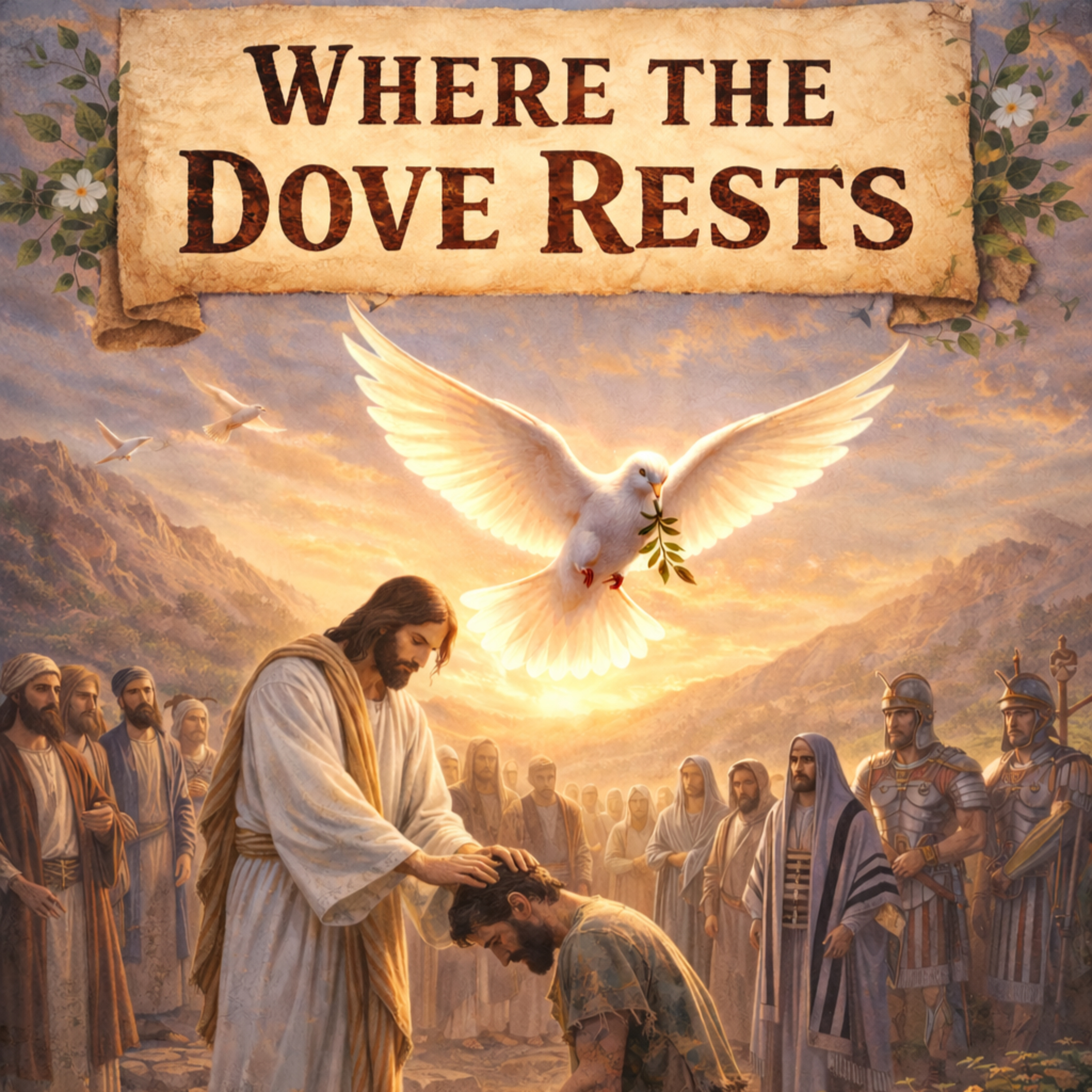
Where the Dove Rests: Mercy
Mar 700:28:42Tap to summarizeHoliness doesn’t withdraw from brokenness — it moves toward it. And where mercy is received, miracles follow.Episode 5 explores how Jesus forms merciful hearts and releases healing, restoration, and resurrection wherever His mercy is welcomed.
Transcribe →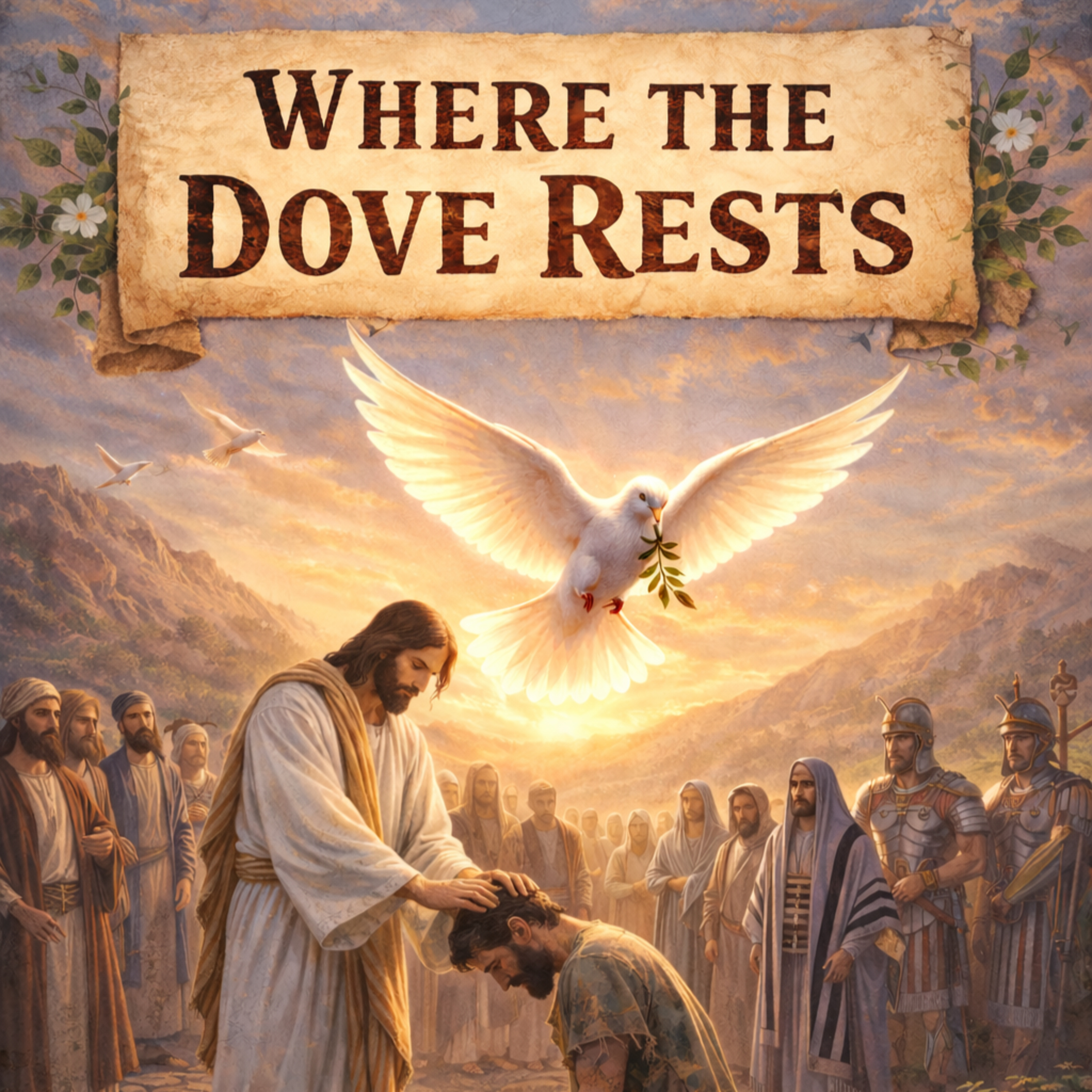
Where the Dove Rests: Righteousness
Feb 2800:27:52Tap to summarizeWhat if the greatest threat to holiness today isn’t sin — but self-righteousness?In Matthew 9 and 12, Jesus clashes with the Pharisees not because they lacked zeal, but because they tried to manage righteousness instead of receive it. What began as a love for holiness slowly turned into judgment, exclusion, and even contempt.This episode explores the difference between hungering for righteousness and replacing that hunger with control. We look at how theological echo chambers, Catholic influencer culture, and online debates can quietly form our consciences — leaving many believers anxious, burdened, and measured rather than free.Drawing on Jesus’ words and insights on contempt, we uncover a clear diagnostic: when righteousness becomes something we possess, mercy disappears.But the Beatitude still stands.Jesus promises satisfaction not to the self-assured, but to the hungry. Because righteousness is not achieved — it’s received.And the dove still rests where hearts remain humble, teachable, and open to mercy.
Transcribe →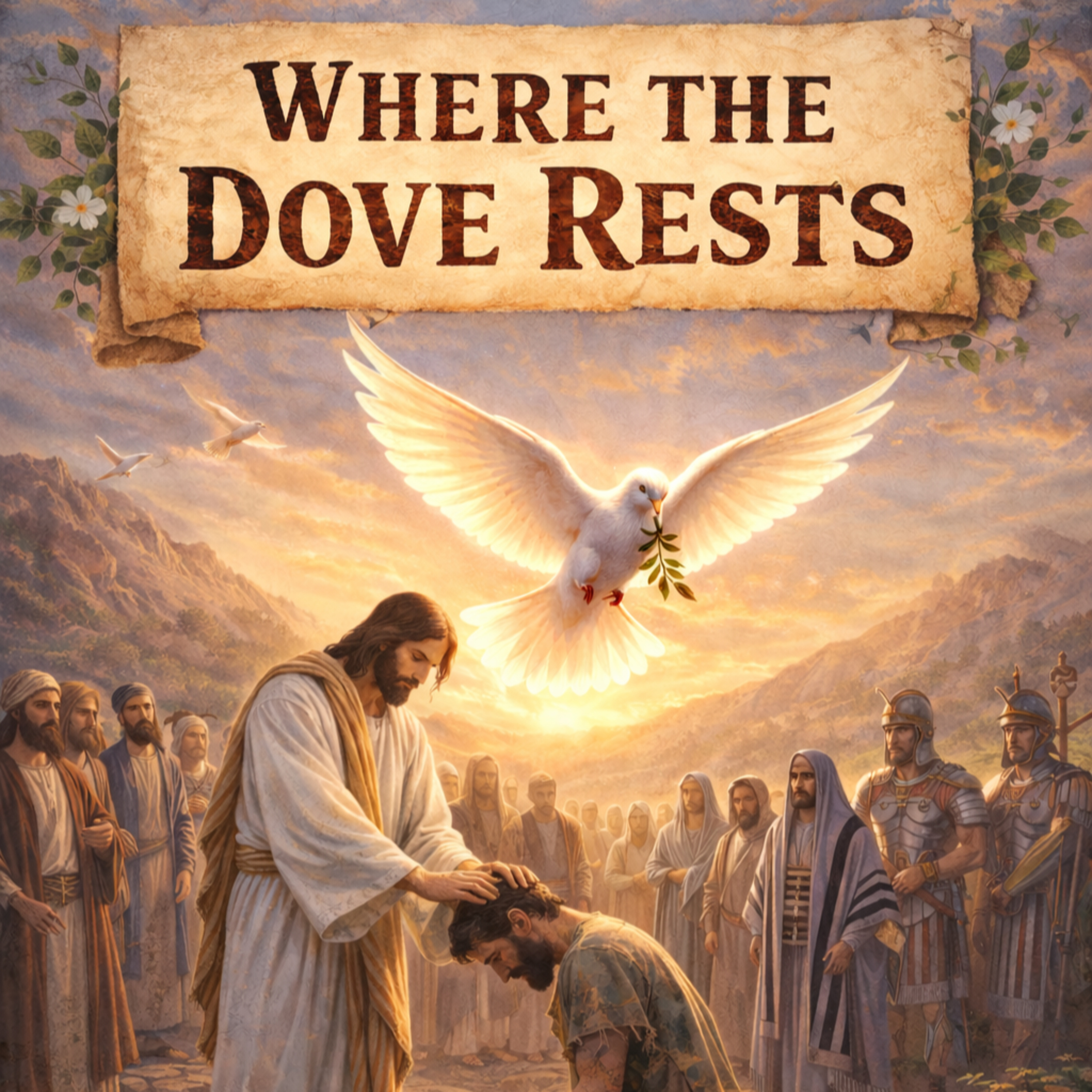
Where the Dove Rests: Meek
Feb 2100:22:19Tap to summarizeWhat if meekness isn’t weakness—but the moment we stop needing to be right?Jesus doesn’t bless those who dominate, out-argue, or control the Church.If He did, He would have come down from the Cross.Instead, He stayed.In this episode of Where the Dove Rests, we explore why meekness is not passivity, but strength that has passed through poverty of spirit, mourning, and trust in the Father. Drawing from Psalm 37, the Passion narrative, and the Beatitudes, we confront how the loss of meekness—through politicking, liturgical tribalism, and the need to win—creates real scandal and quietly blocks access to Jesus.Truth doesn’t need domination to survive.When the Church forgets this, people stop approaching Christ.When meekness returns, the Dove rests—and Jesus becomes visible again.
Transcribe →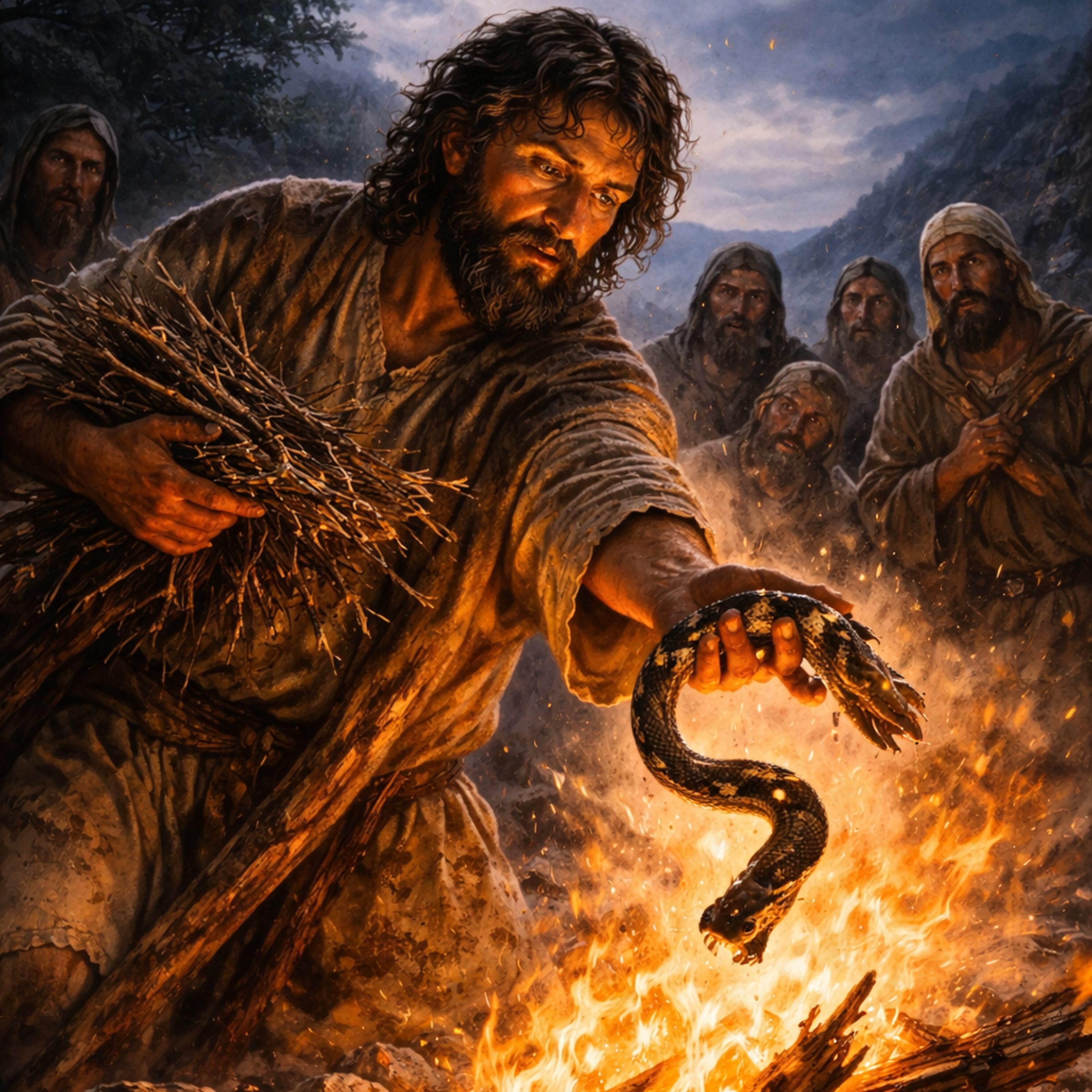
The Tail will Tell: Why Some 'Good' Thoughts are Killing you
Feb 1800:24:20Tap to summarizeWhat if the most dangerous lies in your life didn’t look like lies at all?From the garden of Book of Genesis to the wilderness in Gospel of Matthew, and finally to the fire of Acts of the Apostles 28, Scripture reveals a consistent pattern: the enemy rarely begins with obvious evil. He begins with something reasonable. Attractive. Even spiritual.But as Ignatius of Loyola teaches, you must examine the tail.Where does that thought lead?What does it produce?Peace — or disturbance?Trust — or suspicion?Freedom — or shame?In this episode, we trace the arc of spiritual maturity:In Eden, humanity listens to the whisper.In the wilderness, Jesus answers with the Word.On Malta, Paul shakes the serpent into the fire.You’ll learn how to:Discern the movement of a lie before it forms youRecognize when something that “sounds good” ends in poisonBreak agreement with accusationStand on what is writtenAnd shake off what does not belongYou were formed by breath.Anchored by the Word.Refined by fire.The serpent’s head may look appealing.But the tail will tell.
Transcribe →
Where the Dove Rests: Mourning
Feb 1500:19:17Tap to summarizeYou don’t lack compassion — you’re just emotionally exhausted from feeling it for everyone except the person in front of you.We live in an age of constant exposure to suffering. Headlines, tragedies, outrage, and crisis stream past us all day long. And without realizing it, something happens inside: we go numb. Then indifference grows. Jesus shows us a different way.In Matthew 9:36, He doesn’t carry abstract, global compassion. He has specific compassion for the people in front of Him — the kind that can actually turn into action. This is the heart of the second Beatitude:“Blessed are those who mourn, for they shall be comforted.” (Matt 5:4)Mourning is not mere sadness. It is the soft, contrite, responsive heart that refuses to go numb. It is the interior condition where the Holy Spirit — the dove — can rest.But there’s a key that unlocks this: personal contrition.Drawing from Catechism 1431 and 2 Corinthians 1:3–4, this episode explores how repentance re-sensitizes the heart, how God’s comfort flows through us to others, and why compassion without action turns inward and becomes bitterness.Why constant exposure to suffering creates compassion fatigueThe difference between abstract compassion and actionable mercyJesus’ compassion in Matthew 9:36The Beatitude of mourning as an interior posture, not an emotionCatechism 1431: contrition as a grace that softens the heart2 Corinthians 1: how God comforts us so we can comfort othersHow repentance reopens the heart to both God and peopleWhy the Holy Spirit rests in a contrite, responsive heartMatthew 5:4Matthew 9:362 Corinthians 1:3–4When compassion has nowhere to go, it rots.When it flows toward the person in front of you, it becomes mercy.And mercy is where the Holy Spirit rests.Where have you started to feel numb toward others’ pain?Is your compassion mostly digital and abstract, or personal and actionable?What might God be inviting you to repent of so your heart can soften again?Who is “in front of you” this week that you can show real mercy to?Ask the Lord for the grace of contrition — not shame, but a softened heart — and for the comfort that only He can give, so that His comfort can flow through you to someone else.
Transcribe →
Where the Dove Rests: Poverty
Feb 1000:18:11Tap to summarizeIn this conversation, Fr. David introduces a new series focused on the Beatitudes, exploring their deeper meanings and implications for living a life aligned with the teachings of Jesus. He emphasizes the importance of spiritual poverty and dependence on God, illustrating how these attitudes create a welcoming space for the Holy Spirit in our lives. The discussion includes practical applications of the Beatitudes, encouraging listeners to embrace a mindset of surrender and trust in God's provision.TakeawaysThe Beatitudes are not just moral teachings but attitudes that draw the Holy Spirit.Being poor in spirit means total dependence on the Father.Jesus exemplifies spiritual poverty by choosing to live without control or security.The first Beatitude opens the door to embodying all others.Living out the Beatitudes requires letting go of self-reliance.Heaven supports those who surrender control to God.The upside-down kingdom of God values dependence over control.Obedience often comes before understanding or feeling ready.Practicing surrender can lead to a deeper relationship with God.The Holy Spirit rests where there is trust and surrender. Chapters00:00 Introduction to the Beatitudes04:20 Understanding Spiritual Poverty10:59 Living Out the Beatitudes17:54 Practical Applications of the Beatitudes
Transcribe →“Salty Speech, Squinty Light, and a United Church”
Feb 700:35:25Tap to summarizeIn this episode, we explore the profound teachings of Jesus from the Sermon on the Mount, focusing on the metaphors of salt and light. Jesus emphasizes the transformative power of these elements in the life of a Christian and the responsibility that comes with being a disciple. Through various examples, we will see how Jesus embodies these qualities and challenges us to reflect on our own lives and speech, encouraging unity and forgivenessTakeawaysThe Sermon on the Mount calls us to live a life of discipleship.Salt preserves, purifies, and gives flavor, just as Jesus does in our lives.Our speech should be seasoned with salt, making others thirsty for Jesus.Unity among Christians is essential for attracting others to the faith.The light of Christ exposes our flaws but also offers healing.We must step into the light to be transformed and become light ourselves.Jesus desires mercy over sacrifice, emphasizing compassion over legalism.The world is looking for authentic expressions of faith and unity.Forgiveness is key to maintaining unity in a divided world.Chapters00:00 Introduction: Embracing the Cold and Light02:56 The Salt of the Earth: Understanding Jesus' Teachings05:48 Purification and Preservation: The Role of Salt09:07 The Flavor of Life: Joy and Abundance in Christ12:05 The Light of the World: Our Responsibility as Christians15:01 The Challenge of the Light: Reactions to Jesus17:54 Unity in the Light: The Call to Forgiveness20:55 The Invitation to Step into the Light23:47 Conclusion: Living as Salt and Light in the World
Transcribe →