Podcast
First Time Go
Hosted by Benjamin Duchek · EN
A weekly podcast highlighting the creators of independent film and the business behind it. Hosted by Ben Duchek.
81episodes
Episodes
Newest firstAll episodes
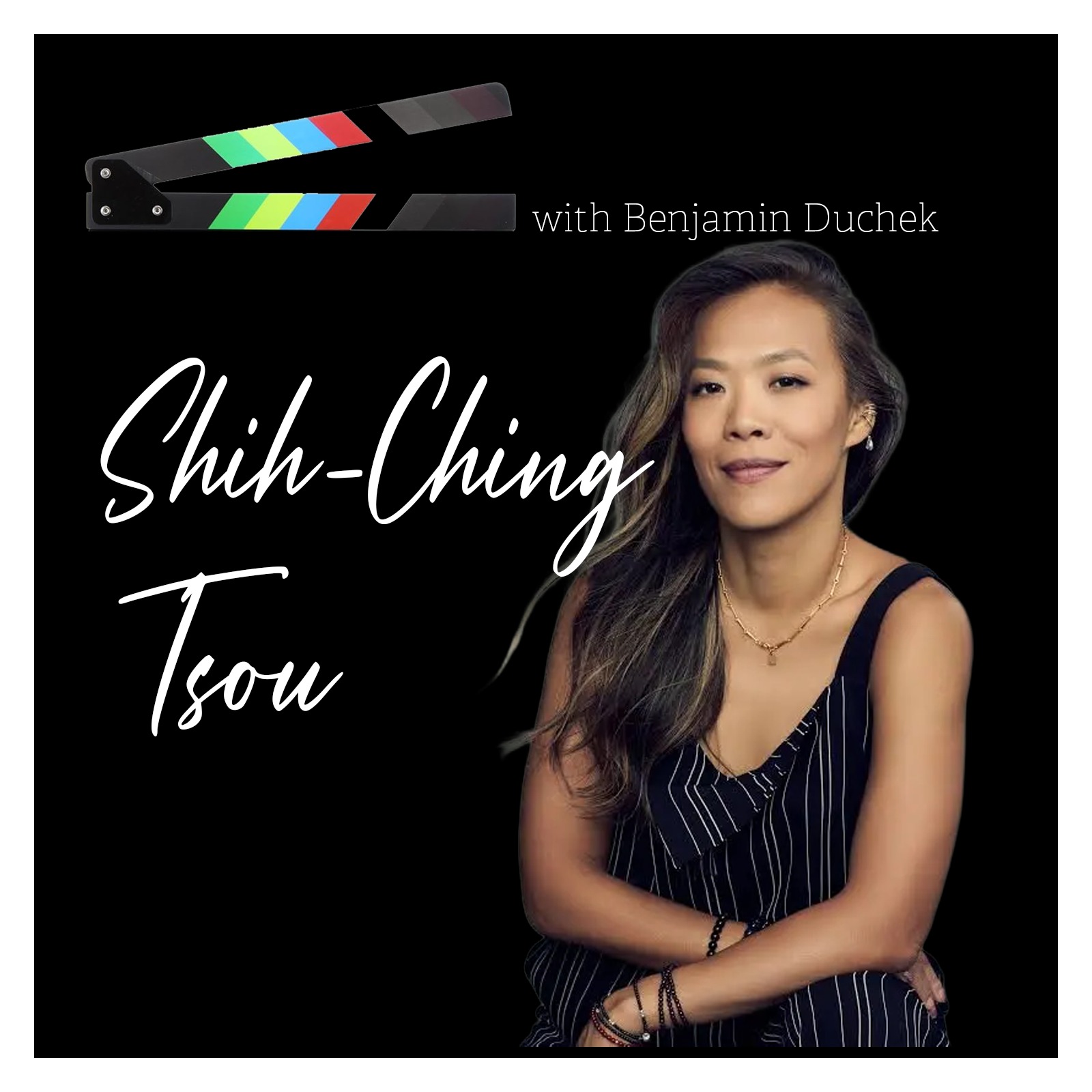
Shih-Ching Tsou, dir. of LEFT-HANDED GIRL (2025)
Yesterday00:29:54Tap to summarizeFrom the looks of it, LEFT-HANDED GIRL (2025) has everything going for it. Fantastic film. Taiwan's 2025 Oscar submission (and widely expected to be a nominee.) Edited and co-written by Sean Baker. A Netflix rollout. But the reality is much more complicated.This was a 20 year labor of love by my guest, director Shih-Ching Tsou, and we talk about everything related to her career, how her perspective of the film changed after its release, the drawbacks of filming this on an iPhone 13, the pros and cons of going with Netflix, and more.Shih-Ching Tsou's story is one of the best in independent film, and I'm so excited for you to hear her perspective about filmmaking and her personal, wholly original, gorgeous film, LEFT-HANDED GIRL.We talk about:Taiwan's role in her filmmaking;how she feels about LEFT-HANDED GIRL now versus when it was released;the challenges making the film, even with a top EP; streaming on Netflix; Taiwan's Oscar entry, etc.;how she got involved in filmmaking;why LEFT-HANDED GIRL trusts the viewer instead of going for quick hits during the film;what it was like directing a six year old;the challenges of filming with an iPhone 13;how she takes lessons from Sean Baker's support as EP and editor and passes it on to other filmmakers;her recommendations on how directors can give back to others;the pros and cons of going with Netflix;opening in Cannes;the differences between audiences in the United States and globally when watching the film;why you should make films in Taiwan;what's next for her.Shih-Ching Tsou's Indie Film Highlight: JAIL TIME RECORDS (2026) dir. by Dione Roach and Steve HappiMemorable Quotes:" When I first made the film, I, I didn't know how people would react to it."" A lot of people told me about their own left-handed stories, about their own mother and daughter stories.""I didn't study film. I met Sean when when he was editing his first feature, Four Letter Words.""The only challenge [with the iPhone 13] is the focus."" With Netflix, I feel like LEFT-HANDED GIRL really reached to every corner of the world."Links:Follow Shih-Ching Tsou On Instagram
Transcribe →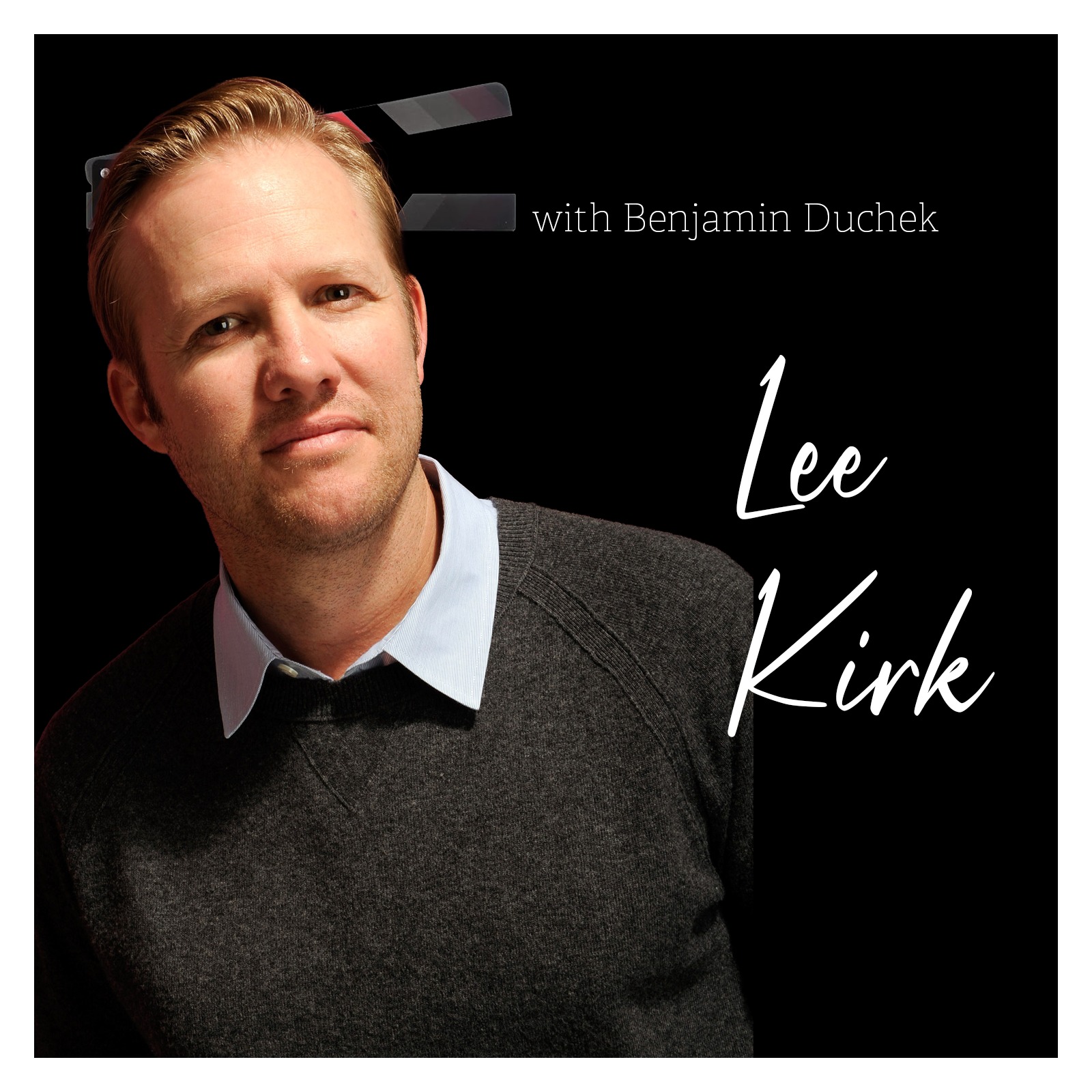
Lee Kirk, dir. of NIMRODS (2025)
4d ago00:21:13Tap to summarizeI talk to filmmakers all the time who say things like, I'm reviving the romcom. Or my film is a homage to 1950s Westerns. The statements encompass so many genres but the truth is, most of the time they don't work. It ends up being a facsimile of something great, which isn't good at all.This is a long way at getting to the point that NIMRODS, opening in theaters on August 14th, is the absolute real deal: a film that will remind you of the GOONIES, as my guest, director Lee Kirk hints at, without trying to remake it. It tells the story of three kids driving cross country to open for Green Day on New Year's Eve, and as you might imagine, complications ensue.I'm so excited to celebrate original art with a director who knows his classics.Lee and I talk about:how he was able to successfully bring back the feelings of 1990s/2000s road trip films;if non-Green Day fans will enjoy the film;how he got started in filmmaking;actors writing parts for themselves and if that's a way in;how new filmmakers can find their voice;what he's learned since his previous features;whether this ever was going to be a biopic and how he feels about the genre;the amazing casting in this film;how he ended up casting himself in the film;the festival strategy for the film and the decision to go theatrical;the luxury of avoiding social media;if being a playwright bleeds over to screenwriting.Memorable Quotes:"We started talking about the movies that we wanted it to feel like, right? So one of the big ones was "Goonies." We talked about "Goonies," but also movies like "Footloose" and "Vacation""It's a film about being a teenager and the struggles that go along with not having all the agency over your life, having these hopes and dreams and beliefs in yourself, and wanting to find something, wanting to build a life, but frustrated with what you got.""Every actor should be [writing their own scripts."" If you like Quentin Tarantino, make your version of "Pulp Fiction," and you're gonna find something in there about what you have to say.""Theatrical was always the goal."Links:Follow NIMRODS On Instagram
Transcribe →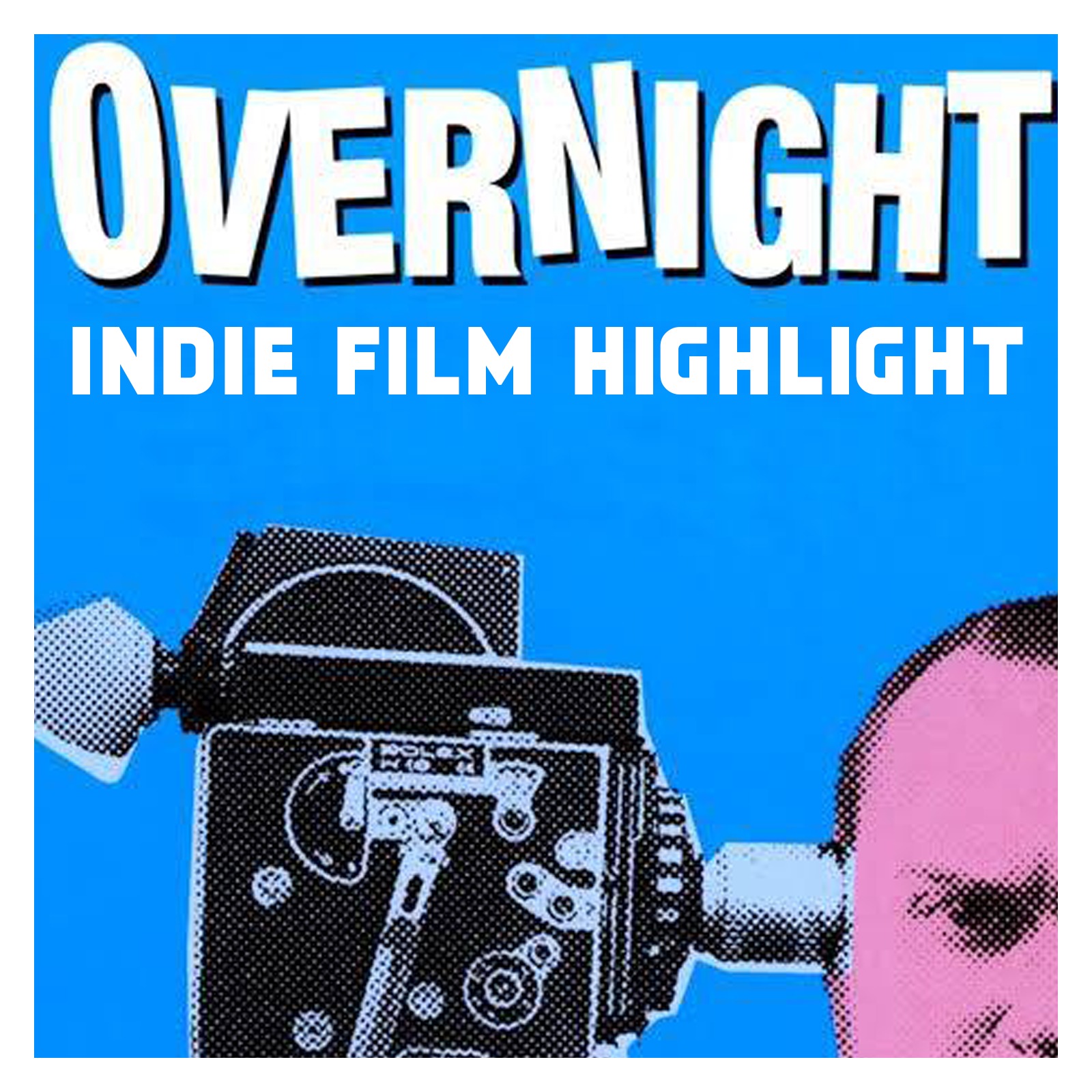
Indie Film Highlight: OVERNIGHT (2003)
6d ago00:01:24Tap to summarizeWatch This Episode On YouTubeEvery Sunday, I'll post a quick video -- and podcast -- about an indie film from at least a year ago. Today's film: OVERNIGHT (2003)Directors: Tony Montana; Mark Brian SmithCast: Troy Duffy; Harvey Weinstein; Chris BrinkerSYNOPSISThis documentary follows Troy Duffy, a brash, foul-mouthed bartender whose screenplay for an action film called "Boondock Saints" scores him a generous contract to write and direct the film for Harvey Weinstein at Miramax Studios. Duffy's band, the Brood, is also in the midst of signing a contract with Madonna's Maverick Records. Duffy's fiery manner is instrumental to his success, but when the deals go sour, no one seems safe from his explosive temper. Subscribe to our YouTube channelFollow us on LetterboxdFollow us on InstagramFollow us on XFollow us on FacebookFollow us on TikTokFollow us on LinkedIn
Transcribe →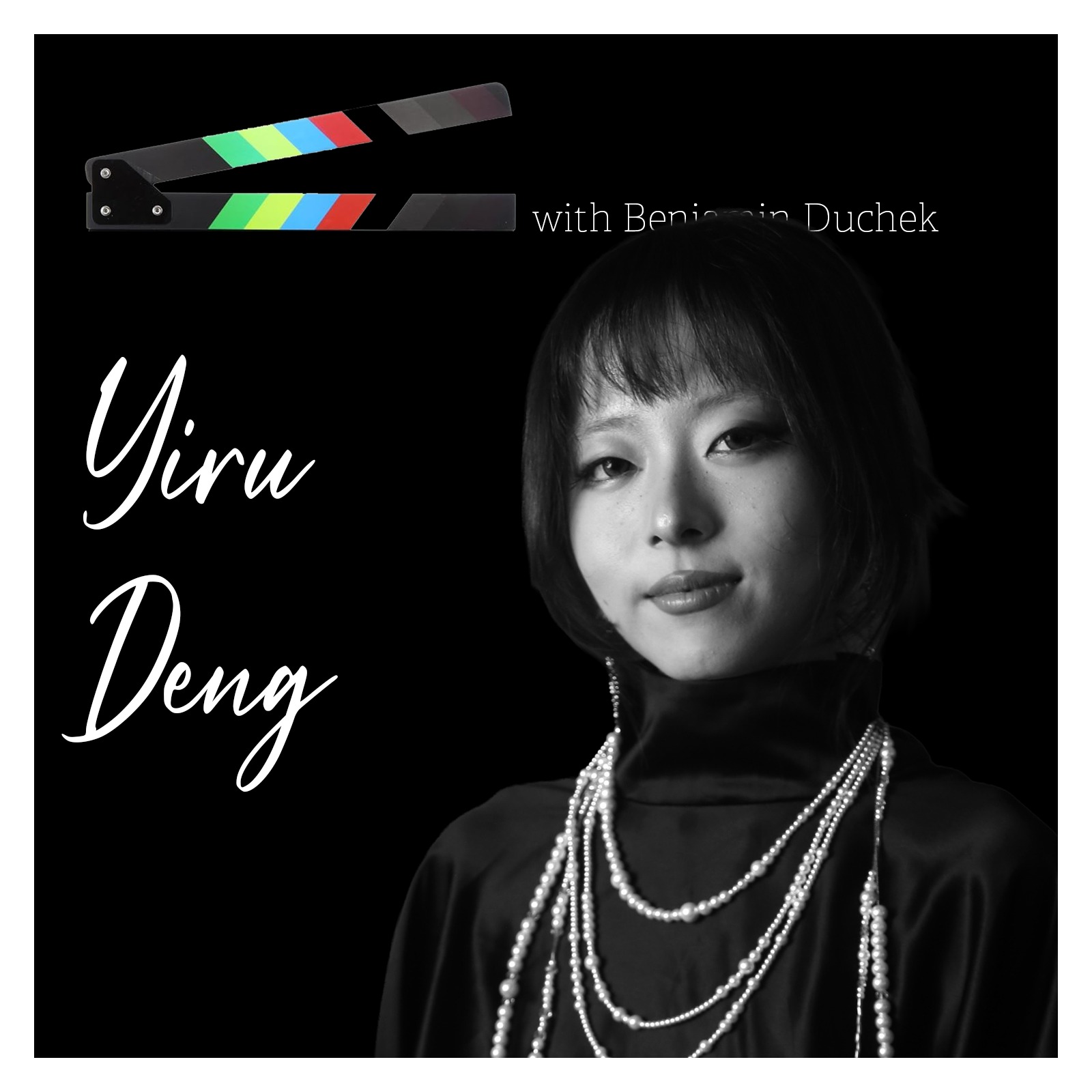
Yiru Deng, dir. of TUNNEL VISION (2026)
1w ago00:21:13Tap to summarizeI'm always on the lookout for original filmmaking to highlight, so if you just look at the objective facts of my guest Yiru Deng's film, TUNNEL VISION (2026), which premiered at LA Shorts International Film Festival on August 4th, 2026, you'll be impressed:4 minute run time.Animation with just killer transitions that we find out were painful to draw.An excitingly original topic that is made to be shown on a screen.By itself, those are amazing. But then when you hear Yiru speak about what it meant for her mother. who is affected by vision loss, it takes the work so much higher, into the best possible use of what we call filmmaking. I feel so lucky to talk with her about her incredible journey.In this episode, Yiru and I talk about:what she wants people to know about the film;what kind of stories are best told through animation;how she got involved in filmmaking;what led her to apply for UCLA's MFA program and who she recommends for the program;the quick runtime and the unique choices she made for the film;why the LA Shorts Film Festival and Los Angeles for this film;what she's looking for in an animated film;what's next for her;the amazing transitions in this film and how she drew them.Yiru's Indie Film Highlight: DON JOSE (2023) dir. by Moshe Ben-Avraham; PILLOWZZZ (2025) dir. by Moshe Ben-AvrahamMemorable Quotes:"The film TUNNEL VISION is about womens' struggles under the expectations and the oppressive love in families."" I feel like if you have a strong passion in the thing that you wanna do and you feel like you have a clear story that you want to talk about, a clear message that you want to express, of course, go for it."" It was stunning to watch, but it was painful to draw."Links:Follow Yiru On InstagramYiru Deng's Website
Transcribe →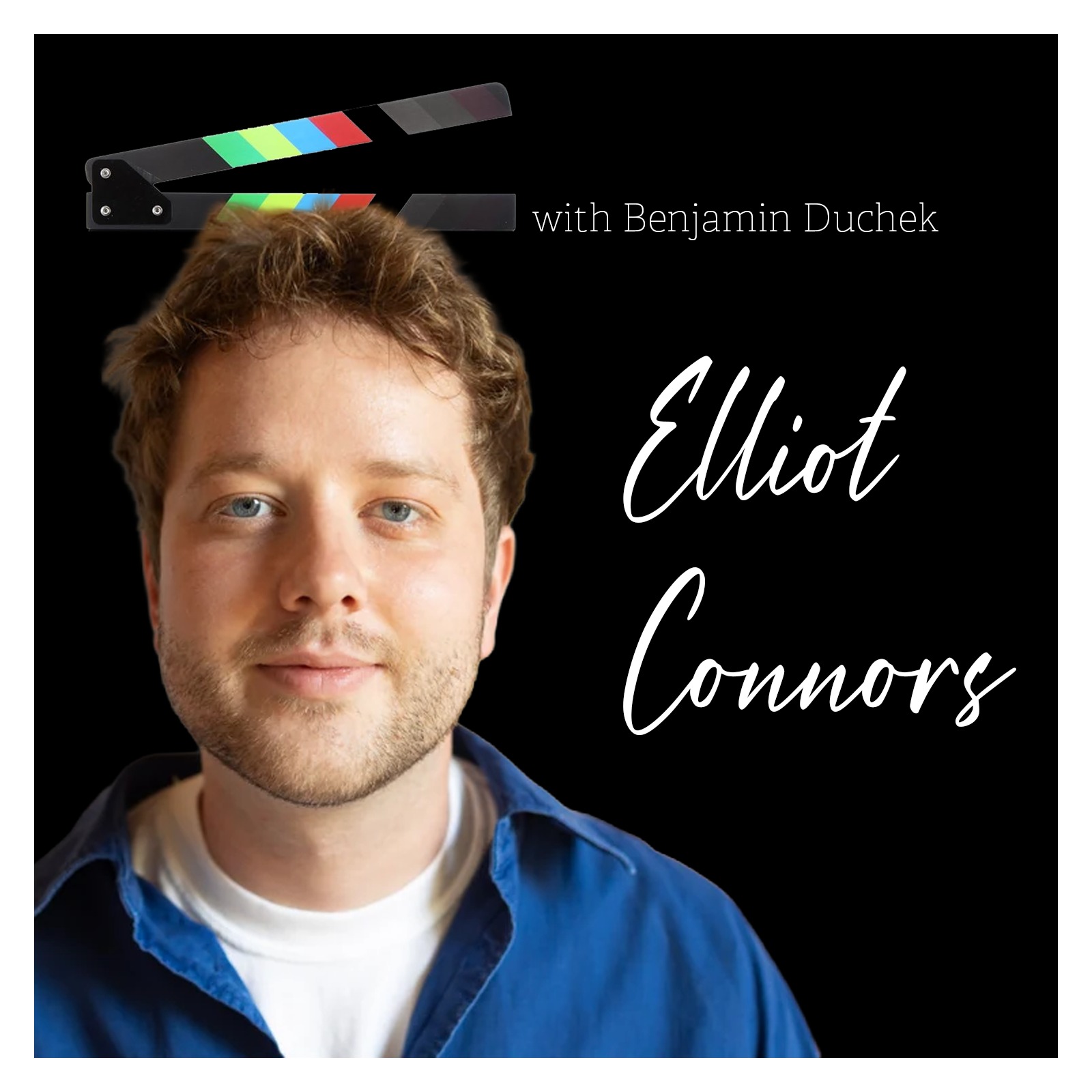
The Funniest (NSFW) Film Of The Year: Elliot Connors of I'M GOING FULL FRONTAL (2026), now on NoBudge
1w ago00:29:32Tap to summarizeWatch This Episode On YouTubeI couldn't stop laughing during the funniest film of the year, directed by my guest, Elliot Connors. It's called FULL FRONTAL, or if you want to use the full title (and you should), it's I’M GOING FULL FRONTAL FOR MY NYU STUDENT SHORT FILM (2026), streaming today, August 4th, 2026 on NoBudge.I'd argue getting laughs is the hardest thing to do in independent film so that's why comedies are so relatively rare. And to do it in a short film -- that's a tough sell.But Elliot has the, um, goods: He is a 2026 Just for Laughs “New Face” for his adult animated series OMNI, about a dystopian virtual reality and the group of lovable curmudgeons trying to change it. BA from Yale, MFA from NYU, just one watch of FULL FRONTAL, you'll see what I mean. It's so, so fucking funny.But seriously: not safe for work. I'm in early on the Elliot Connors rocket ship and can't wait to get to the Moon.Hat tip to the absolute best friend of the pod, Hope Lawson, for making this conversation happen.In this episode, Elliot and I talk about:the insane reaction at NoBudge 50 for this film;how he describes the film and the reaction for people after watching it;how he got involved in filmmaking;the difficulty of making comedy work on screen;the importance of trusted people on what's funny;handling intimate filming and how he made the case and crew feel comfortable;why NoBudge?what NYU's writing program feels about streaming vs. festival rollouts;watching a lot of stuff versus a new perspective;what's next for him;the challenges of getting comedy shows produced nowadays.Elliot's Indie Film Highlights: PAJARITO (2026) dir. by Pilar Garcia-Fernandezsesma; JEFFREY, BAD DAY (2025) dir. by Theo Matza; COUPLES THEFTAPY (2026) dir. by Kiran ArainMemorable Quotes:" Kentucker was saying, "We probably got a good 20 seconds of penis there." And I was joking that I'd used a prosthetic, so it wasn't my real penis, but it was my real penis. And there's plenty of it in the film."" I grew up watching, like binging comedy sitcoms."" If the jokes are working for you on the page, chances are it'll translate."" So I'm always getting notes on my features of "this is not quite working." But when I write a half-hour comedy, I get a lot more positive feedback because I feel like I know the rhythm more."" The director of my program, when I said, "should I really be studying screenwriting at such a tough time for the industry?" He said, "It's always tough."Links:Follow Elliot On InstagramElliot Connors Website
Transcribe →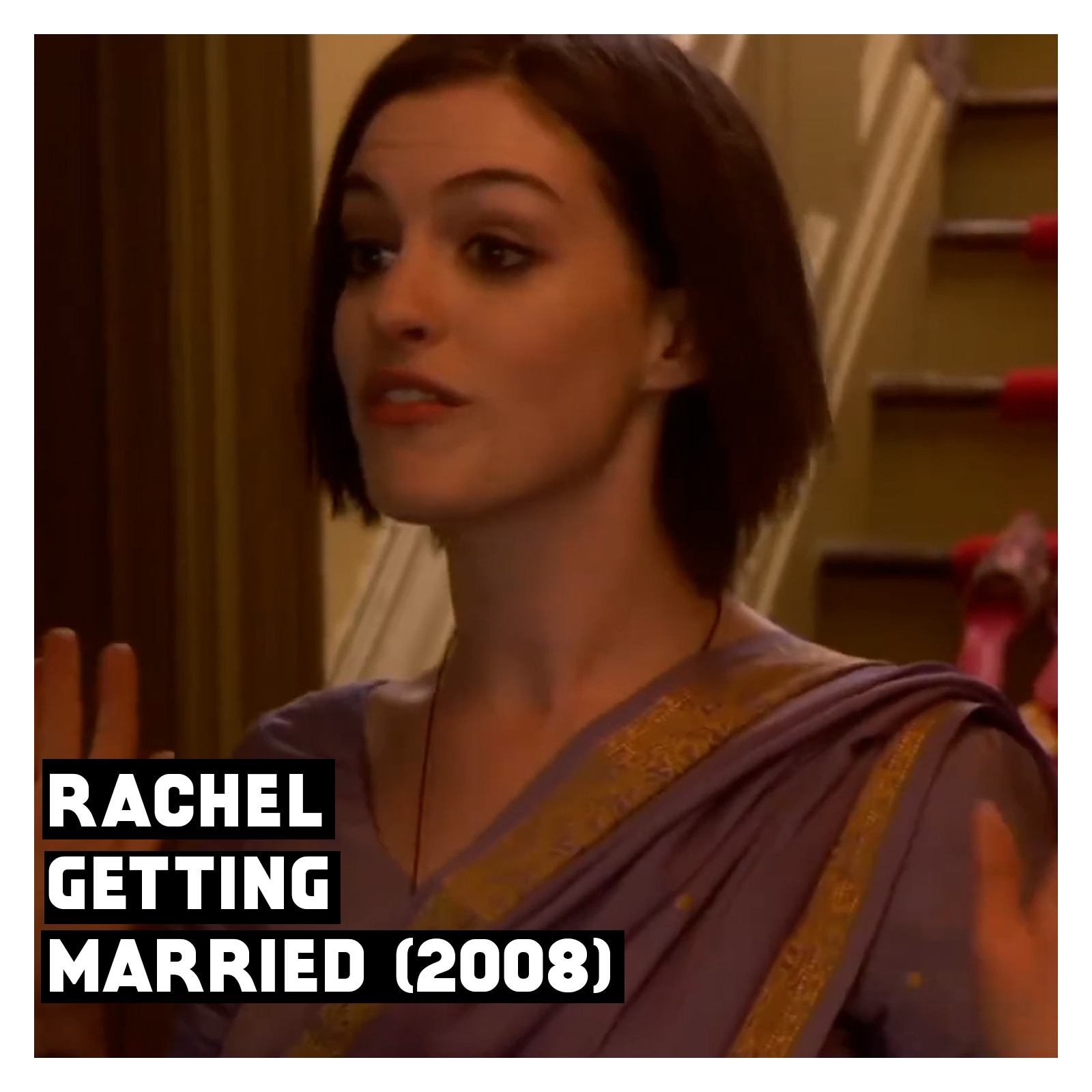
Indie Film Highlight: RACHEL GETTING MARRIED (2008)
2w ago00:01:46Tap to summarizeWatch This Episode On YouTubeEvery Sunday, I'll post a quick video -- and podcast -- about an indie film from at least a year ago. Today's film: RACHEL GETTING MARRIED (2008)Director: Jonathan DemmeScreenplay: Jenny LumetStars: Anne Hathaway; Rosemarie DeWitt; Bill Irwin; Debra WingerSYNOPSISA young woman who has been in and out of rehab for the past ten years returns home for the weekend for her sister's wedding Subscribe to our YouTube channelFollow us on LetterboxdFollow us on InstagramFollow us on XFollow us on FacebookFollow us on TikTokFollow us on LinkedIn
Transcribe →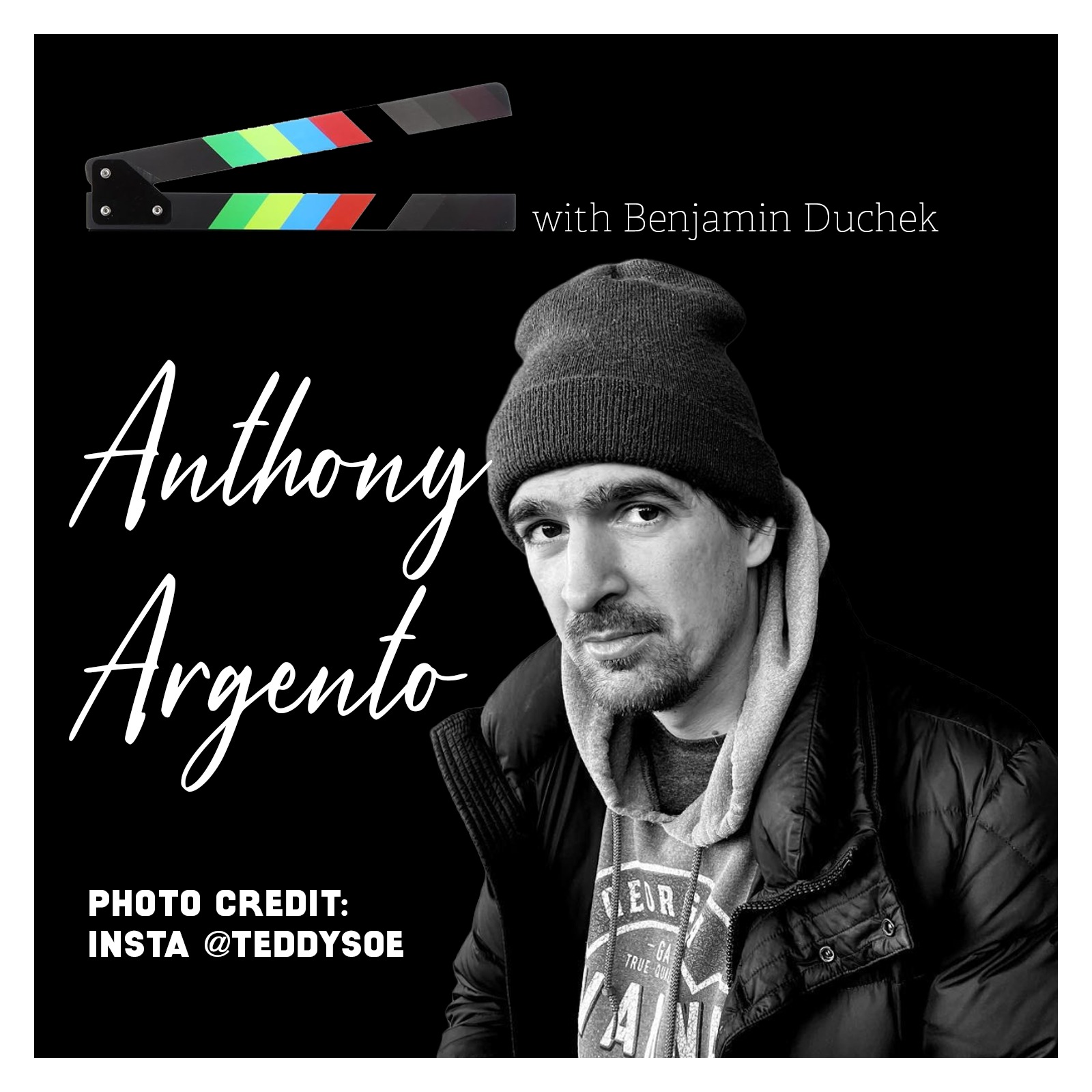
Anthony Argento, Festival Director Of Greenpoint Film Festival
2w ago00:28:27Tap to summarizeWatch This Episode On YouTubeThere's something especially New York about the sentiment of my guest, Anthony Argento, saying, "we're only going to give you what you give us" about film promotion.And in the best possible sense, that kind of New Yorker attitude is at the heart of the Greenpoint Film Festival, now celebrating its 15th year and 7th under the leadership of Mr. Argento, who started officially in 2020 but worked with the festival for a few years beforehand.The Greenpoint Film Festival first came on my radar last year when they accepted the literal second guest of the pod's film, SUNSET SOMEWHERE (2026), directed by Christopher Jarvis, and my interest only grew when I looked at their international, diverse lineup.With the organizing principle "unbound", Greenpoint is making its name as a festival for filmmakers by filmmakers, and I'm excited for it continuing under Anthony's leadership.Make your way to Greenpoint August 5th through the 9th; after listening to this episode, I think you'll realize why it's worth it.Anthony and I talk about:why should audience members and filmmakers attend the Greenpoint Film Festival;the theme of "unbound" and the lineup for the festival;what he's learned directing the festival for six (plus) years;how filmmakers should approach the film festival experience;the festival's place in NYC and nationally;social media's role in accepting films (do you check follower counts?) and what do you ask of filmmakers after accepting their film;what he's learned as a filmmaker running the festival and why he thinks it's important as a way to stay current;the future plans for the festival and what's next for him.Memorable Quotes:About running the festival during the pandemic: " I came up with the drive-in because we were able to be consolidated in their own cars, in their own bubbles, and everyone was safe and enjoying the the artworks, and we really made it happen, and I feel like that was a revolutionary step for us."" If you check on our socials, we're, posting individually for every project.""We're only going to give you what you give us."" I see this a lot...people...hold on to their film and always taking advice and always changing things up and trying to re-edit and that's the hole that you don't want to fall into."Links:Buy Tickets For the Greenpoint Film FestivalFollow Anthony On Instagram
Transcribe →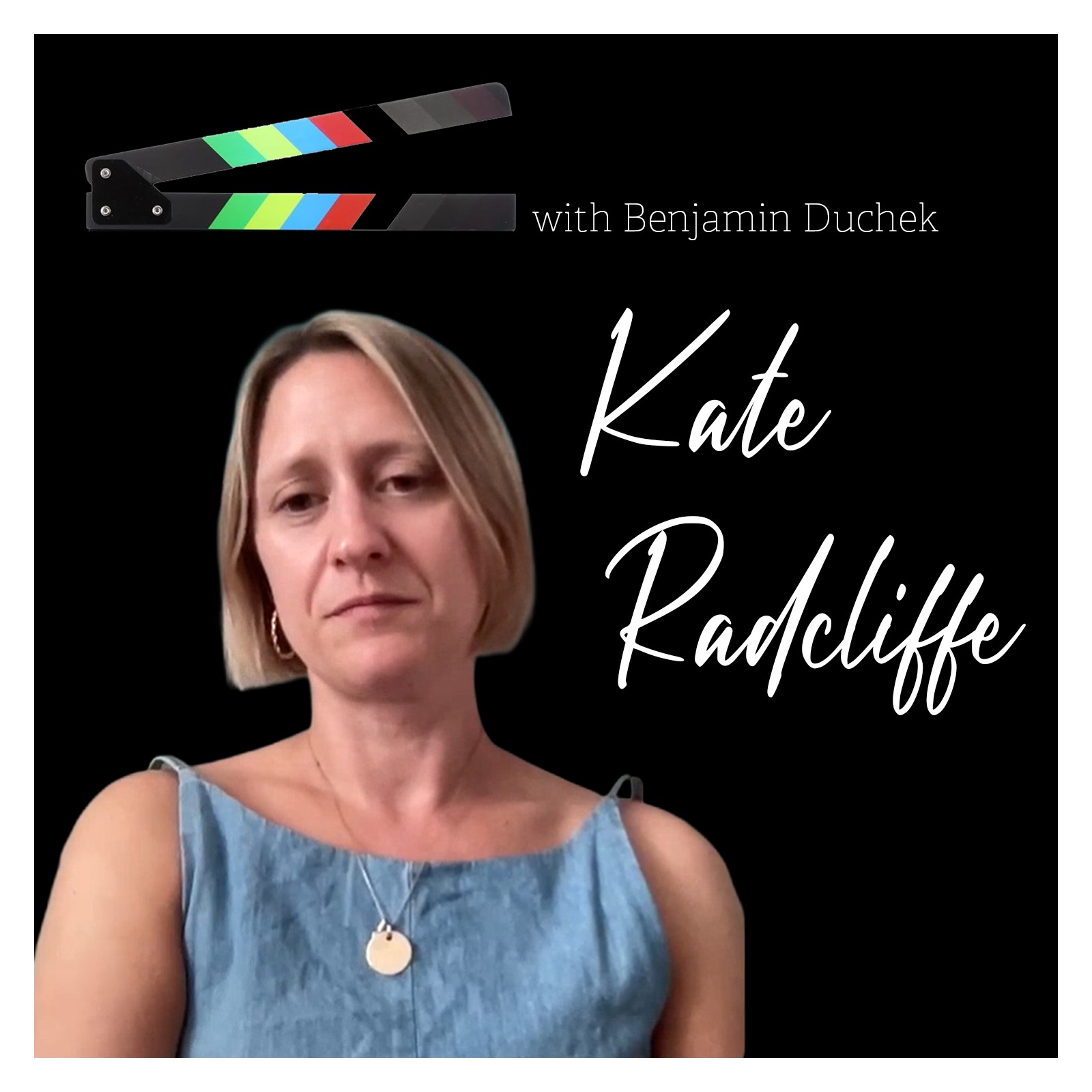
Writer/Producer Kate Radcliffe Of STILL LIFE (2026)
3w ago00:25:16Tap to summarizeWatch This Episode On YouTubeI imagine there's not a lot of debate out there but here's what I believe: there's nothing worse in the human experience than losing a son or daughter. It violates our understanding of the cycle of life and it forces a unyielding loss amongst the living that can never be taken away.Any experience so intense can, in the right hands, be channeled to create great art, so I am drawn to stories like STILL LIFE (2026), which is an official selection this year of the HollyShorts Film Festival.And let me tell you: in the hands of writer/producer Kate Radcliffe and director Sophie King, they deal with the topic of stillbirth with empathy, humor, and understanding. I think this film will forge important new conversations and result in so many people suffering the worst pain that we could all experience to feel a little bit more heard. Bravo, STILL LIFE team, you made brilliant art.In this conversation, Kate and I talk about:what she tells people about STILL LIFE and how to talk about the film afterwards;does a writer need firsthand knowledge of the kind of grief in this film to write about it?how she got involved in filmmaking and why she decided to make this film;why give away so much in the title and the description?;the decision to make the audience rethink STILL LIFE in the middle of the film;what makes a film great and not so great on this topic;why is comedy so hard to write?what's next for her.Memorable Quotes:" That was the actual reason we made the film was to start that conversation about baby loss."" We lost Dexter, and we went into lockdown, and so that was incredibly tough, but it meant I had to sit with my grief."" When I first started writing it, my parents were-- I was like, "Oh, I'm doing a dark comedy about stillbirth." And they were like, "It doesn't sound very funny." Links:Follow STILL LIFE On InstagramFollow Sophie On InstagramThe Straight 8 Super 8 Experience That Sophie King Won An Audience Award in 2022
Transcribe →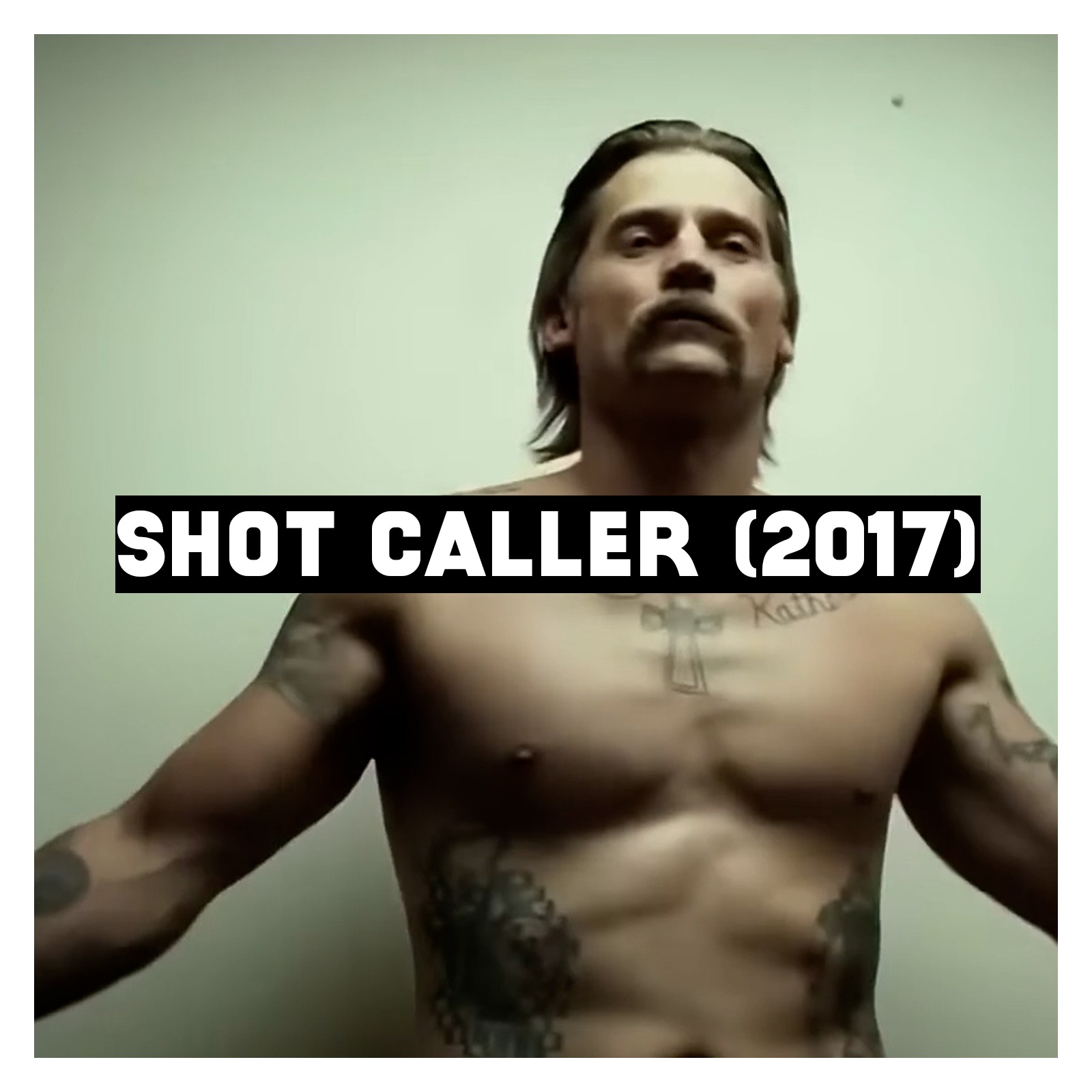
Indie Film Highlight: SHOT CALLER (2017)
3w ago00:01:57Tap to summarizeEvery Sunday, I'll post a quick video -- and podcast -- about an indie film from at least a year ago. Today's film: SHOT CALLER (2017)Director: Ric Roman WaughWritten By: Ric Roman WaughStars: Nikolaj Coster-Waldau; Omari Hardwick; Lake Bell; Jon BernthalSYNOPSISA California stockbroker is arrested and charged for a fatal DUI accident, and on his lawyer's advice, takes a plea deal which sees him sentenced to 16 months in prison. While incarcerated, he becomes involved with a violent white supremacist gang. Subscribe to our YouTube channelFollow us on LetterboxdFollow us on InstagramFollow us on XFollow us on FacebookFollow us on TikTokFollow us on LinkedIn
Transcribe →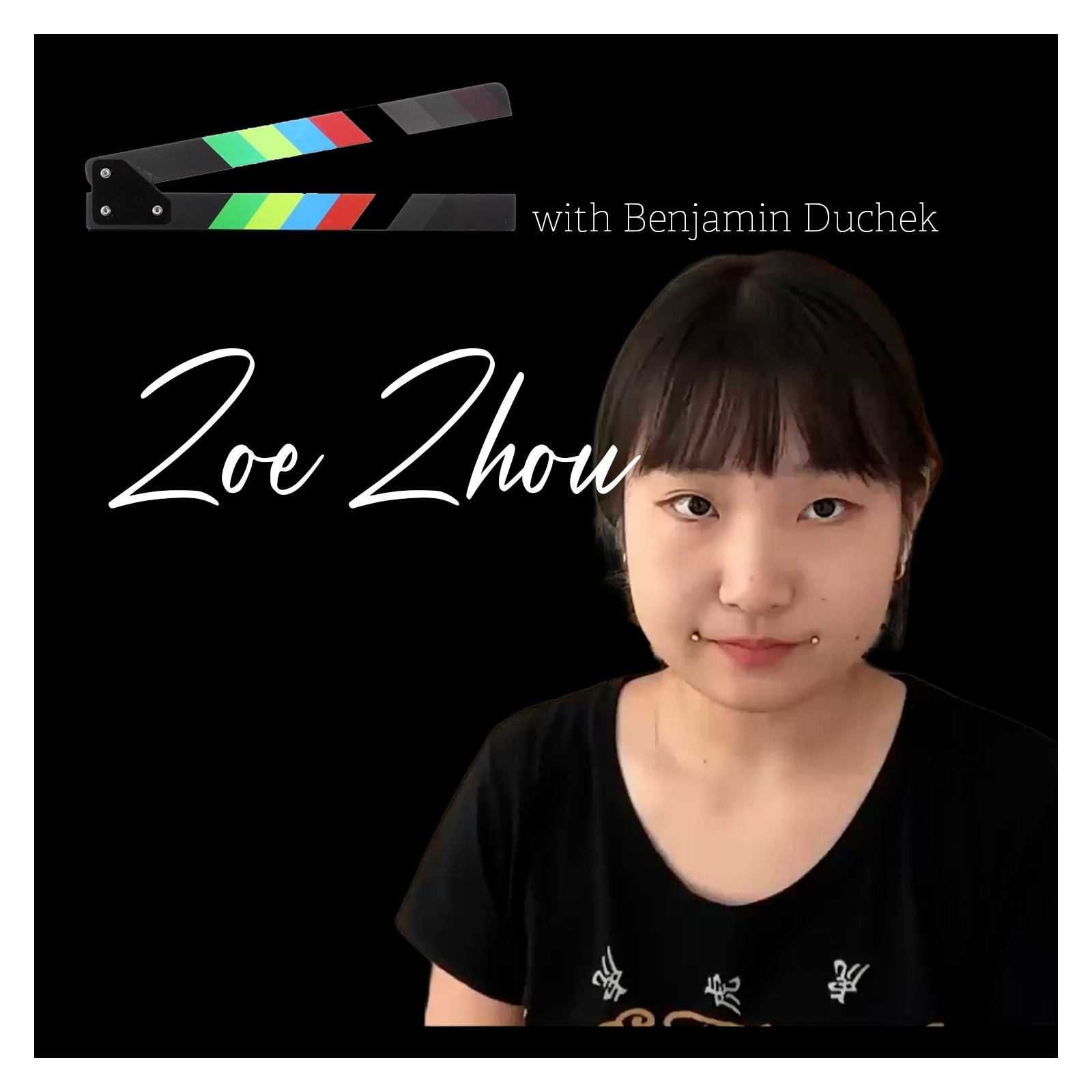
Zoe Zhou of WE ARE HAPPY FISH (2025)
3w ago00:15:35Tap to summarizeDirector Zoe Zhou's film, WE ARE HAPPY FISH (2025), is described as "a nihilistic girl escapes from her family with a robot boy to revive a dead fish", which by itself is interesting and accurate. But it only nibbles at how wild, zany, carefree the film is. Zoe also pushes back at the idea that film school would ever take the edges off her work. In this film, she does an amazing job blending "surrealism, dark humor, and social commentary", as she states for her goal, and I'll be the first person in line to watch whatever is next.In this episode, Zoe and I talk about:was this the same basic story of when it started?why the Toronto Metropolitan University?were the interests of " blending surrealism, body horror, dark humor, and social commentary" shaped by film school?her philosophy on casting;why the Future of Film Showcase and why Toronto?;what's next for her and what draws her to bloody and horror.Zoe's Indie Film Highlight: WE ARE LITTLE ZOMBIES (2019) dir. by Makoto Nagahisa; AND SO WE PUT GOLDFISH IN THE POOL (2017)Memorable Quotes:" For my style, I usually make like very bloody or like Japanese cult kind of stuffs before this short film."" I think school always trying to protect the students from doing dangerous stuff, so I'm always kinda pushing the boundaries from the classes. Links:Follow Zoe On InstagramIMA Film student wins Best Film at MDFF Selects Student Showcase 2025
Transcribe →