Podcast
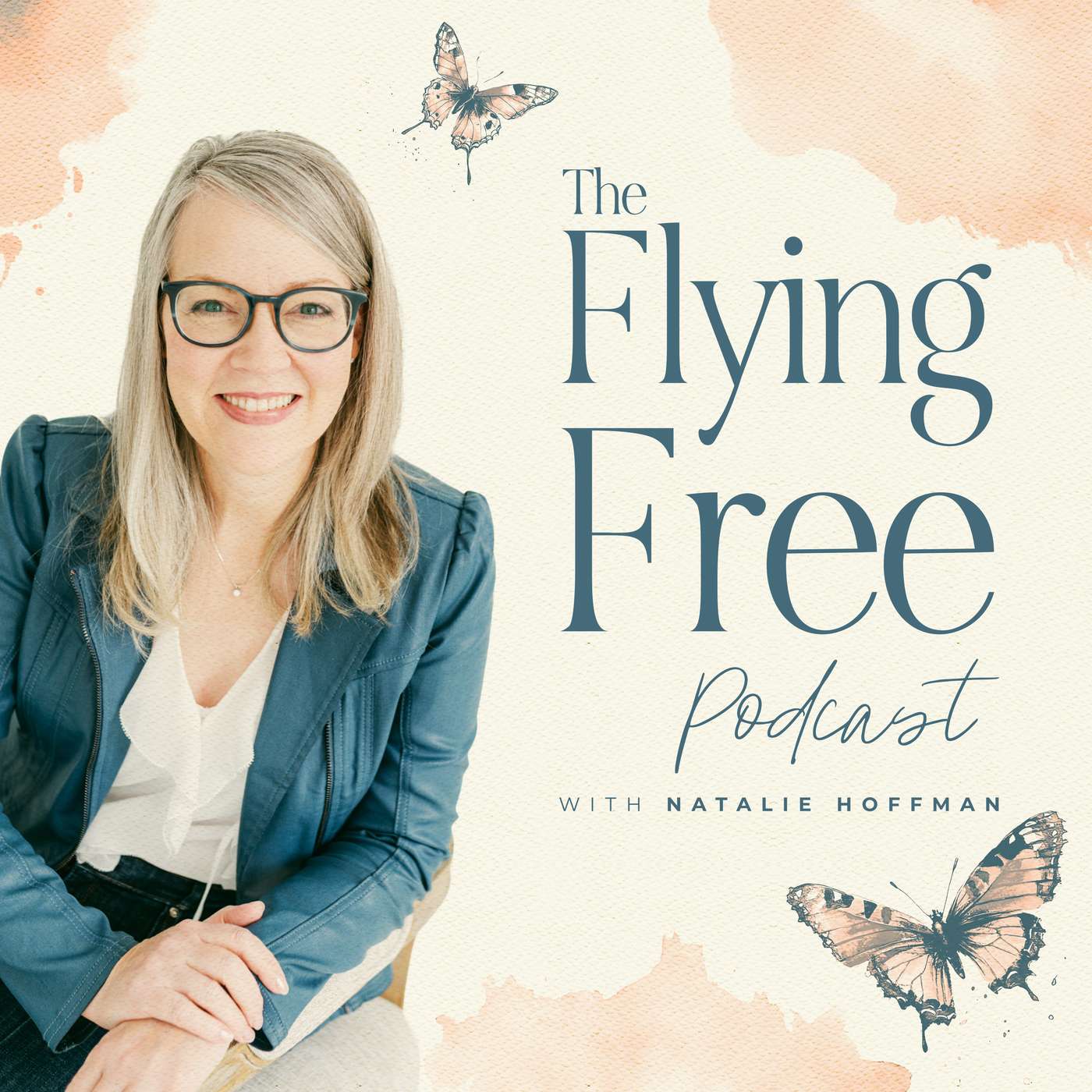
Flying Free
Hosted by Natalie Hoffman · EN
Flying Free is a support resource for women of faith who need hope and healing from hidden emotional abuse, spiritual abuse, and narcissistic abuse. Because of misogynistic theology taught in controlling and spiritually abusive churches, many Christian women find themselves in destructive marriages where there is an uneven power dynamic. Male partners use their status as a husband to gain power and control over a woman’s mind, emotions, body, social life, finances, and more. When she tries to get help from her equally abusive church environment, she is betrayed and re-abused. Flying Free offers a Christ-centered, gospel-oriented perspective on domestic abuse that protects and honors the voices and autonomy of women. Tune in each week to hear conversations with emotional abuse advocates and fellow survivors who will walk with you on your journey up and out. We hear you. You are not alone. Learn more at https://flyingfreenow.com
34episodes
Episodes
Newest firstAll episodes
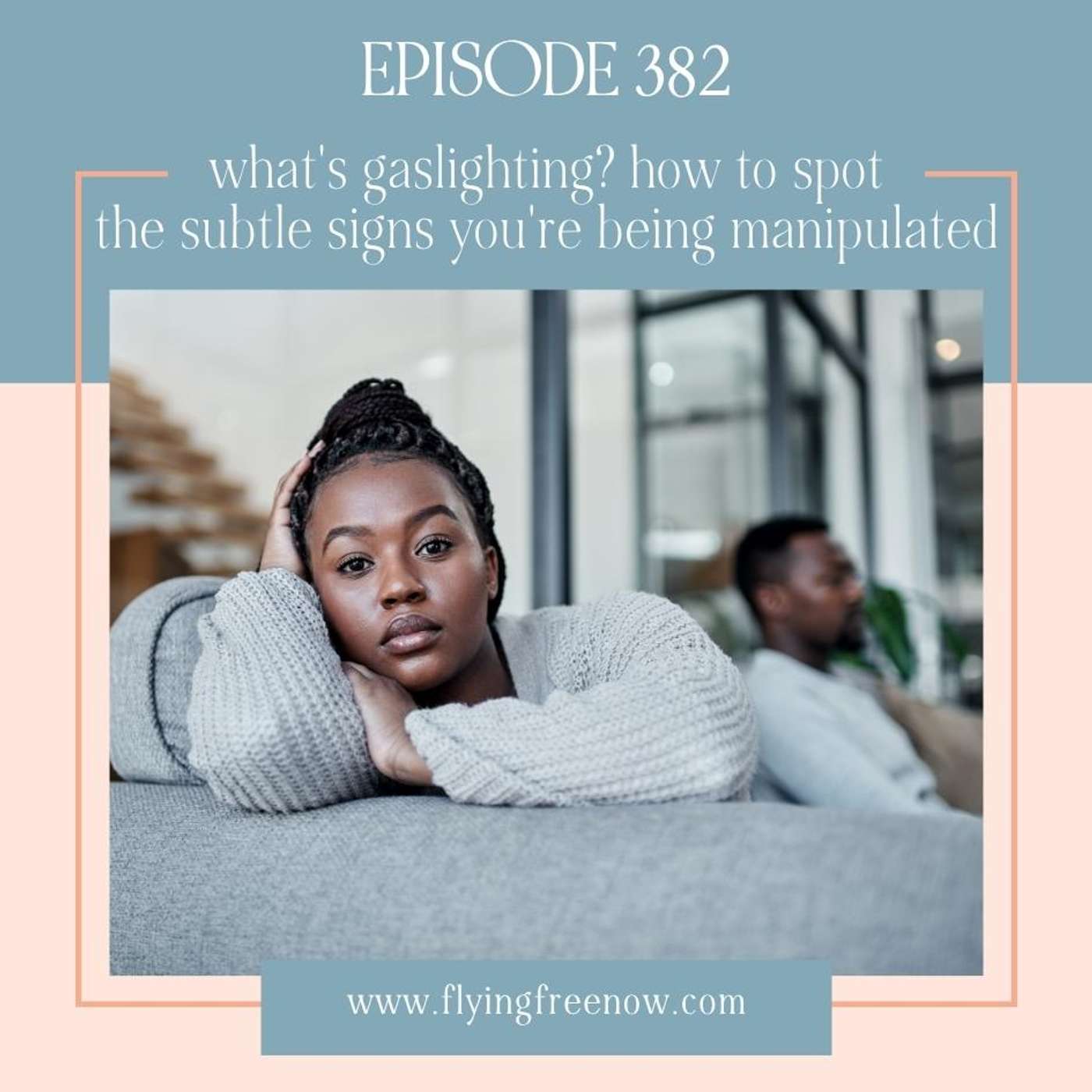
What's Gaslighting? How to Spot the Subtle Signs You're Being Manipulated Part One [382]
2d ago00:41:56Tap to summarizeToday we’ll talk about one of the most disorienting experiences Christian women in emotionally abusive marriages face: gaslighting. But we aren’t going to just define what gaslighting is. I’m going to break it down into all the tiny parts and give you some specific stories so you can see exactly what’s going on and WHY. You’ll learn three specific tactics gaslighters use, why they use them, and what you can do to stay grounded in your own reality when someone is working hard to pull you out of it.Key Takeaways:Why someone can sound completely loving and caring while actually doing something deeply harmful to youThe hidden reason your concerns keep disappearing from conversations before they ever get resolvedWhat a "joke" has to do with control, and why your body's reaction is not a character flawThe psychological mechanism you share with a slot machine, and what it's actually costing youThe one shift that strips a gaslighting tactic of all its power, without you having to win a single argumentGet Today’s Free Resource:🧐 Are you wondering what is happening inside your own painful and confusing marriage? I wrote a book just for you called Is It Me? Making Sense of Your Confusing Marriage. Get a free chapter by going to isitmebook.comI will also send you my weekly Hope Letters for Christian women in emotionally and spiritually abusive marriages.
Transcribe →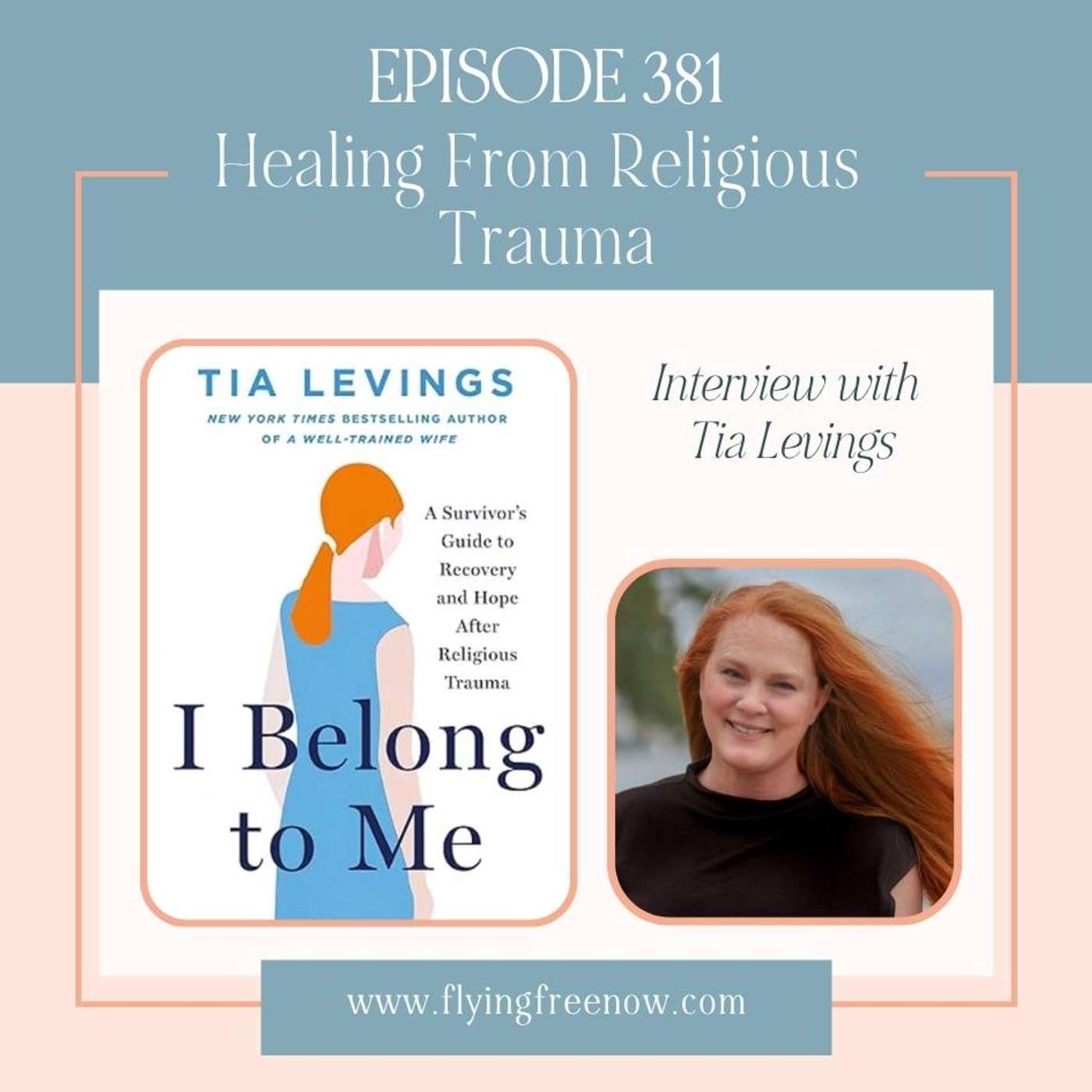
Healing From Religious Trauma: A Survivor's Roadmap with Tia Levings [381]
2w ago00:50:48Tap to summarizeTia Levings is the New York Times bestselling author of A Well-Trained Wife and her newest book, I Belong to Me. She survived a Christian patriarchy cult, escaped a near murder-suicide, was excommunicated for telling her own story, and spent 15 years in intensive trauma therapy doing the work to put herself back together. Now she's handing you the map to healing from religious trauma.In this episode, Tia and I dig into the real mechanics of religious trauma recovery: why your body refuses to believe you're safe even when your brain knows it, what "aftermath" actually means (it's an agricultural word, and it will change how you see your own devastation), why grief work is not optional, and what agency has to do with the entire trajectory of your healing.Key Takeaways:What does it actually mean to "belong to yourself" after religious trauma has dismantled your sense of identity from the inside out?Why trauma survivors often write, speak, and even think about themselves in the passive voice, and what that reveals about the agency that was quietly stolen from themWhat the agricultural origin of the word "aftermath" tells us about why the most painful, raw season of your healing is also the most generativeWhy anger and bitterness after religious trauma aren't signs that something is wrong with you, and what they're actually trying to show youHow complex PTSD can keep a survivor locked in survival mode for years, making life-altering decisions in a state of ongoing shock without ever realizing itGet Tia’s books:A Well Trained WifeI Belong to MeFollow Tia everywhere on social media! Her handle is @tialevingswriter Get Today’s Free Resource:📒 Take a free Emotional Abuse Assessment by going to emotionalabusequiz.comI will also send you my weekly Hope Letters for Christian women in emotionally and spiritually abusive marriages.
Transcribe →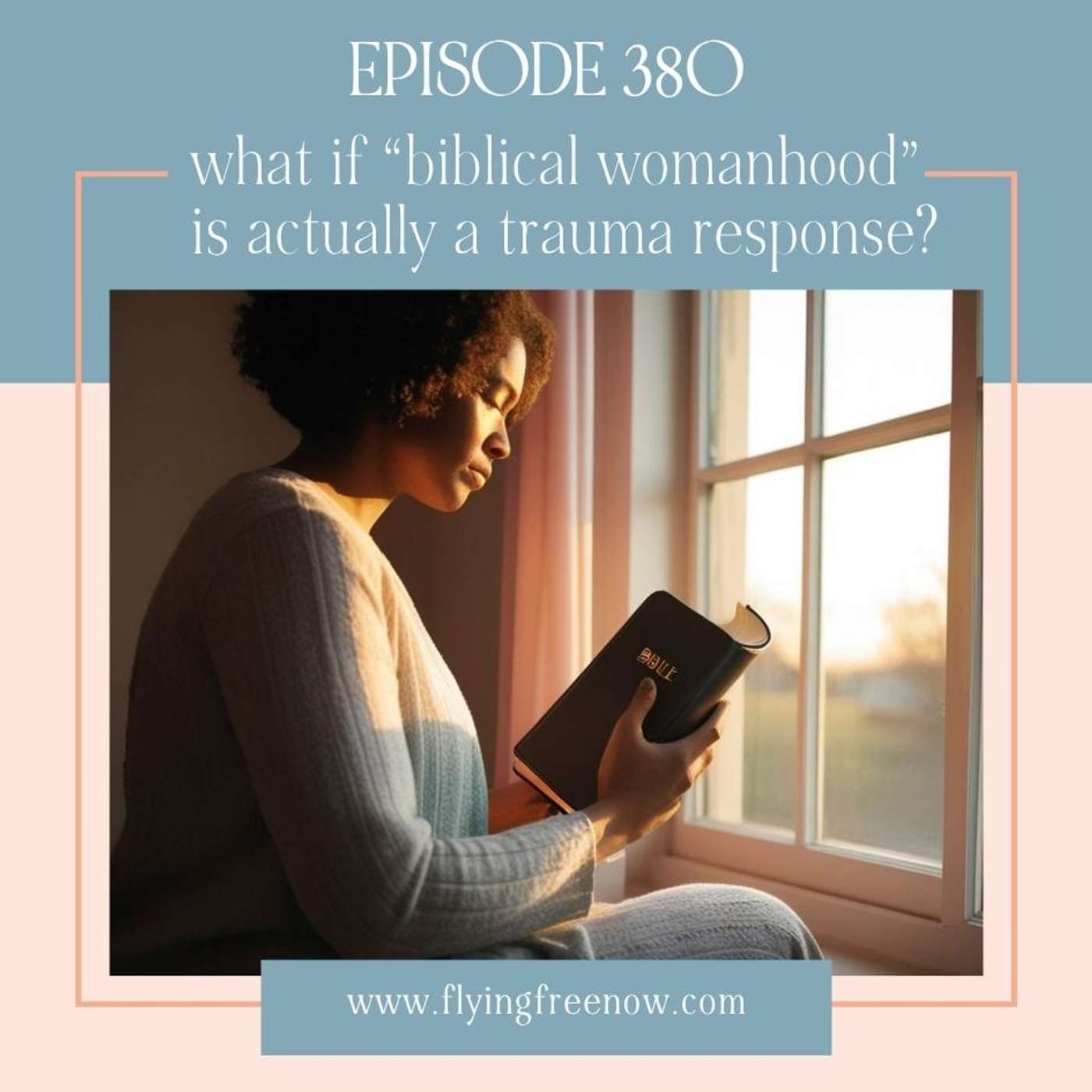
What if “Biblical Womanhood” is Actually a Trauma Response? [380]
Jul 700:40:15Tap to summarizeLet’s talk about something called “the subjugation schema.” It's a clinical pattern that secular psychologists are actively trying to help women heal from, and the conservative Christian church has rebranded the exact same wound as godliness, biblical womanhood, and a high calling.If you've spent your life apologizing for taking up space, smiling when you wanted to scream, or feeling guilty about basic human needs like rest, preferences, and an opinion of your own, this episode is going to feel like someone finally turned the lights on.Key Takeaways:Meet Rachel and Megan: two composite women, two very different engines driving the exact same wound. Find out which one might be running you in the background right now without your permissionThe four specific ways the conservative Christian church installs this pattern in little girls and quietly reinforces it in grown womenWhy "mutual submission," "complementarianism," and "servant leadership" might be the same old subjugation wearing a friendlier nametagThe story of Sapphira in Acts 5 that quietly dismantles the "always submit to your husband" theology you've been handedThe one journal question at the end of the episode that might wake up the woman who has been hiding underneath your schema for decadesGet Today’s Free Resource:🎁 I want to give you a free gift. It’s the audio version of my book, All the Scary Little Gods. It’s a spiritual memoir about healing from religious trauma and toxic programming. You can listen to it FREE by going to scarylittlegods.comI will also send you my weekly Hope Letters for Christian women in emotionally and spiritually abusive marriages.
Transcribe →
Is Your Church Actually Safe for Abuse Survivors? Here's How to Find Out [379]
Jun 2300:18:56Tap to summarizeIn this episode I’m answering a pressing question Christian women in difficult marriages ask: how do you find a church that will actually support you instead of silence you?Because not all churches are created equal, and the difference between a safe church and a harmful one can change everything for a woman trying to find her footing. I’ll break down exactly what to look for, what to ask, and what red flags to run from.🔑 Key Takeaways:There's a question you can ask a pastor before ever setting foot in a pew that will tell you almost everything you need to know about whether that church is safe.What a church puts on its website (and what it leaves off) reveals far more than you might think about how they actually treat abuse survivors.One word in a pastor's answer about couples counseling is a dealbreaker. Do you know what it is?The church's leadership page can disqualify them before you ever walk through the door. There's a theology that sounds biblical and even beautiful to some women, but I make a case that it's actually setting the stage for harm.Get Today’s Free Resource:📒 Take a free Emotional Abuse Assessment by going to emotionalabusequiz.comI will also send you my weekly Hope Letters for Christian women in emotionally and spiritually abusive marriages.
Transcribe →
The Pastor's Wife Nobody Saw: Jessica's Story [378]
Jun 901:19:16Tap to summarizeIn this episode, I sit down with my real-life friend Jessica, a pastor's wife whose story intersects with mine: her husband was a pastor at the very church that excommunicated me. What started as a conversation about her story turned into one of the most layered, honest episodes I think we've ever recorded.Jessica spent decades being told her emotions were idols, her feelings weren't facts, and her needs were sin problems she needed to repent of. In this conversation, she shares what it took to finally see through that, what the long road out of a high-control religious marriage actually looks like, and why freedom sometimes takes many years to arrive even after the divorce papers are signed.Questions we cover:What does it actually take to leave when your abuser is also your pastor husband?Why do so many women choose the familiar over the safe?Is codependency just a fancy way to blame the victim?What does it look like when someone uses scripture as a weapon?What does a pastor's wife do when she can't tell anyone the truth?What actually happens when you let yourself grieve?What does it take to actually push yourself out?Get Today’s Free Resource:🧐 Are you wondering what is happening inside your own painful and confusing marriage? I wrote a book just for you called Is It Me? Making Sense of Your Confusing Marriage. Get a free chapter by going to isitmebook.comI will also send you my weekly Hope Letters for Christian women in emotionally and spiritually abusive marriages.
Transcribe →
Finding Your Freedom, Autonomy, and Independence - High Functioning Women Series Part Four [377]
May 2600:27:43Tap to summarizeThis is part four of the High Functioning Christian Women in Destructive Marriages series, and today we talk about a concept that ties the whole series together: sovereignty. Synonyms for sovereignty include: freedom, autonomy, and independence.If you've spent years managing everyone's needs, shrinking your own, and building an identity around your capacity to give without limit, this episode will challenge a misunderstood theology that was never meant for women who are already pouring out from an empty cup.🔑 Key Takeaways:There's a critical difference between two things that look almost identical from the outside, and which one you're living in changes everything about how you understand your marriage.The "die to self" command you've been handed your whole life? It may have been written for the exact opposite kind of person from you.Why does even asking yourself "what do I need?" feel like a threat to your survival, not just a little uncomfortable?What Jesus actually modeled about rest, limits, and saying no might completely reframe what you think faithful living looks like.The one question you could ask yourself in the mirror every single morning that could quietly begin to change everything.Get Today’s Free Resource:🧐 Are you wondering what is happening inside your own painful and confusing marriage? I wrote a book just for you called Is It Me? Making Sense of Your Confusing Marriage. Get a free chapter by going to isitmebook.comI will also send you my weekly Hope Letters for Christian women in emotionally and spiritually abusive marriages.
Transcribe →
Trusting What You Know is True When Others Gaslight You - High Functioning Women Series Part Three [376]
May 1200:33:52Tap to summarizeThis is Part Three of our series on high-functioning Christian women in destructive marriages. You are the woman people call when something complicated needs solving. You read rooms, spot patterns, and get it right. And yet in this one area of your life, you have been told that your judgment, specifically, cannot be trusted.Key Takeaways:Why the very perceptiveness that makes you exceptional everywhere else has been deliberately turned off in your marriageWhat is actually happening when religious systems tell you to wait, and who is really benefiting from your patienceHow to tell the difference between genuine knowing and fear, and which one you have most likely been carrying all these yearsWhat "blind adherence" has to do with faith, and why the real version of faith might look completely different than what you have been taughtThe one question that changes everything when someone tells you to wait a little longerGet Today’s Free Resource:🎁 I want to give you a free gift. It’s the audio version of my book, All the Scary Little Gods. It’s a spiritual memoir about healing from religious trauma and toxic programming. You can listen to it FREE by going to scarylittlegods.comI will also send you my weekly Hope Letters for Christian women in emotionally and spiritually abusive marriages.
Transcribe →
Why Your Empathy is a Superpower (and a TARGET!) - High Functioning Women Series Part Two [375]
Apr 2800:29:13Tap to summarizeThis is Part Two of my series on high-functioning Christian women in destructive marriages. In Part One, we explored how the very qualities that make these women extraordinary are the same ones that make them exceptionally vulnerable. Today we're going deeper into one of the most specific and targeted of those qualities: empathy.If you've ever felt like your compassion is working against you, like the more you understand him, the more stuck you become, this episode will show you exactly what's happening underneath that cycle. And it will start to give you a way out.🔑 Key Takeaways:Why does understanding his pain seem to pull you closer to danger instead of toward safety? The answer will reframe everything you thought you knew about your own compassion.There's a biological metaphor in this episode that explains precisely how your God-given empathy gets hijacked, and once you see it, you cannot unsee it.What does a "scapegoat" have to do with your marriage? Natalie unpacks a family systems concept that might explain why you always end up holding everyone else's chaos.There's a trap that was specifically designed to make every exit feel impossible. Natalie names it, and then shows you the crack in the wall.What's the difference between empathy and enabling, and why does that distinction change everything about how you move forward? The answer might surprise you.Get Today’s Free Resource:📒 Take a free Emotional Abuse Assessment by going to emotionalabusequiz.comI will also send you my weekly Hope Letters for Christian women in emotionally and spiritually abusive marriages.
Transcribe →
The Loneliness of the "Perfect" High Functioning Woman - High Functioning Women Series Part One [374]
Apr 700:23:21Tap to summarizeSo many capable, gifted Christian women are living a double life that is impressive in public, but diminished in private, and they don't even have words for what's happening to them. This episode will change that.🔑 Key Takeaways:There's a specific kind of loneliness that has nothing to do with being sad, and it's far more common among high-functioning Christian womenThe reason you can run a business, lead a ministry, and hold everything together but still feel like no one actually knows youWhy the very things people praise you for might be the things that are slowly killing youWhat's really happening in your body when you live this way, and why it's not a spiritual problemGet Today’s Free Resource:🧐 I wrote a book just for high functioning Christian women called Is It Me? Making Sense of Your Confusing Marriage. Get a free chapter by going to isitmebook.comI will also send you my weekly Hope Letters for Christian women in emotionally and spiritually abusive marriages.
Transcribe →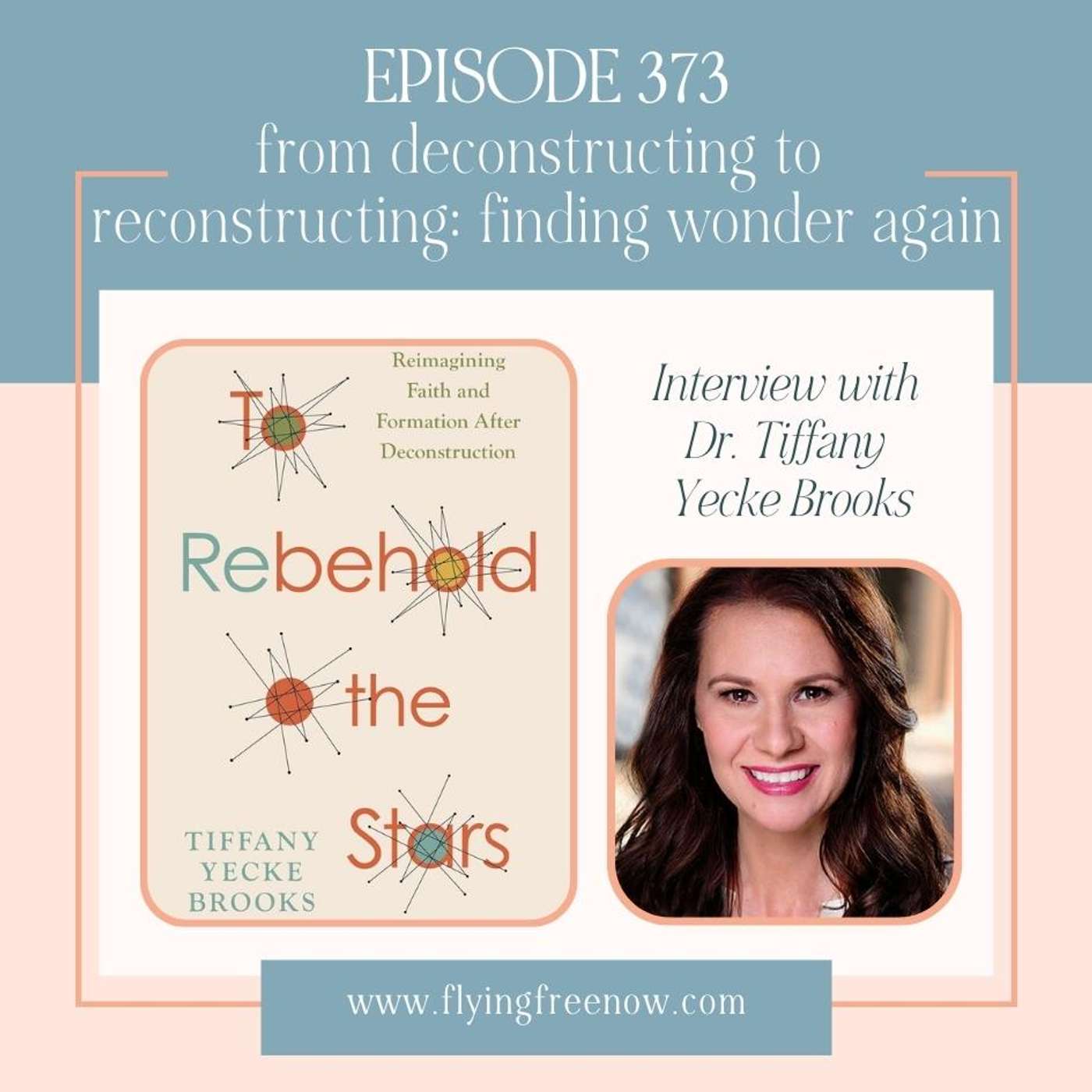
From Deconstructing to Reconstructing: Finding Wonder Again [373]
Mar 3101:02:57Tap to summarizeThis is one of my favorite interviews! Today I’m talking with my friend, Dr. Tiffany Yecke Brooks, author of Gaslighted by God, Holy Ghosted, and her brand-new book, To Rebehold the Stars: Reimagining Faith After Deconstruction.If you've walked through the painful process of deconstructing the toxic theology you inherited, this conversation is going to knock your socks off. Drawing from Dante's Inferno (I know, right?!), classical literature, and deep theological study, Tiffany shows you how to create a new spiritual lexicon that actually reflects the heart of God.(Listen to find out what that even is!)This isn't about burning it all down. It's about holding up each piece to the light and deciding: Does this stay or go?🔑 Key Takeaways:The one thing fundamentalism can't tolerate (and why that's actually your doorway to freedom)What Dante's Inferno has to do with your faith journey, and why the final line matters so muchThe Greek word that completely reframes what forgiveness actually meansWhy the images you were given for God might be keeping you stuck in an outdated scriptWhat happens when you stop trying to be perfect and start focusing on being goodResources mentioned: 📰 Tiffany’s Substack Newsletter (but only if you like to laugh - otherwise stay away)📚 Her new book: To Rebehold the Stars: Reimagining Faith After Deconstruction.🎧 Her OTHER interviews with me (all AMAZEBALLS): Confronting Religious TraumaOvercoming Spiritual Anxiety 👹 The book Dr. Brooks copy-edited for me AND that is a perfect illustration of what her book Holy Ghosted is talking about: All the Scary Little Gods🆓 And hey - listen to my book FREE by going to scarylittlegods.com!Tiffany Yecke Brooks is the lead or contributing writer on more than two dozen books, including multiple New York Times bestsellers. She is the coauthor of Fear Is a Choice: Tackling Life’s Challenges With Dignity, Faith, and Determination (with NFL running back James Conner), Limitless: The Power of Hope and Resilience to Overcome Circumstance (with Paralympic gold-medalist Mallory Weggemann), and the narrative nonfiction historical thriller Espionage and Enslavement in the Revolution: The True Story of Robert Townsend and Elizabeth (with historian Claire Bellerjeau). Her newest book, To Rebehold the Stars: Reimagining Faith After Deconstruction, was released in March 2026 by Eerdmans. She has also published articles in peer-reviewed journals and the Smithsonian. Tiffany holds a PhD from Florida State University, where her dissertation covered, in part, cultural adaptations of stories from the book of Genesis, and an MA from the University of Bristol in the UK, where her thesis examined cultural influences and literary techniques in the Gospel of Luke. A popular speaker for student groups, faith conferences, and academic lectureships, Tiffany has taught literature and writing at Abilene Christian University, McMurry University, and the University of South Carolina – Beaufort.
Transcribe →