Podcast
Freeway Exit
Hosted by KPBS Public Media · EN
Freeways are not free. We pay for them in all kinds of ways — with our tax dollars, our time, our environment and our health. While freeways have enabled huge amounts of economic growth, they've also caused displacement and division. Learn the forgotten history of our urban freeway network, and how decades after that network was finished, some communities are still working to heal the wounds that freeways left behind. As climate change threatens to wreak havoc on our cities, freeways are not just a part of the problem. They can also be part of the solution.
12episodes
Episodes
Newest firstAll episodes
The Finest: The legacy of San Diego's streetcars
Jun 200:28:36Tap to summarizeLong before San Diego became defined by freeways, parking shortages and long commutes, electric streetcars connected the region's urban core to beaches, business districts and growing neighborhoods more than 100 years ago.In this episode, KPBS metro reporter Andrew Bowen talks with The Finest about how the streetcar system helped shape neighborhoods that remain some of the city's most walkable and desirable today. The conversation traces the rise and fall of the rail network, how San Diego became shaped around cars and the lasting impact those decisions still have on the way people move through the city.We also look at why conversations around public transit are shifting again and meet the people trying to bring the streetcar system back to life.
Transcribe →BONUS: "Life After Cars” (w/ The War on Cars)
Nov 2100:57:39Tap to summarizeWhat would society look like if people no longer needed their cars? That's the premise of the new book “Life After Cars,” written by Doug Gordon and Sarah Goodyear. They're the co-hosts of The War on Cars podcast. The book invites readers to consider how weaning ourselves off the automobile can improve our mental and physical health, and even make us more perceptive of the world around us.
Transcribe →BONUS: Abundance in transportation
Aug 1200:24:20Tap to summarizeCalifornia needs better public transit. Trains and buses are critical not just to our economy — they're also a cornerstone of the fight against climate change. But improving transit is difficult and expensive here. A new report says to make it easier, the state needs to get out of its own way. Circulate San Diego CEO Colin Parent joins the podcast to discuss his report "Powerless Brokers: Why California can't build transit."
Transcribe →
BONUS: Freeways and loneliness
Apr 8, 202500:45:39Tap to summarizeUrban highways are preventing us from meeting our neighbors and building community, according to a landmark new study. Luca Aiello, professor of data science at the IT University of Copenhagen, shares his research into the impact of freeways on social networks. The findings are important not just for our right to pursue happiness, but also for our pocketbooks. https://www.pnas.org/doi/10.1073/pnas.2408937122
Transcribe →BONUS: Sizing up California's freeway budget
Aug 13, 202400:45:10Tap to summarizeIn a lean budget year, California has shrunk the size of its climate investments while still spending hundreds of millions of dollars on freeway expansions. Carter Rubin, director of state transportation advocacy at the Natural Resources Defense Council, joins the podcast to talk about his research into the state's mixed priorities in transportation spending. Research on HOV/toll lanes: https://ww2.arb.ca.gov/sites/default/files/2021-04/18RD022.pdf
Transcribe →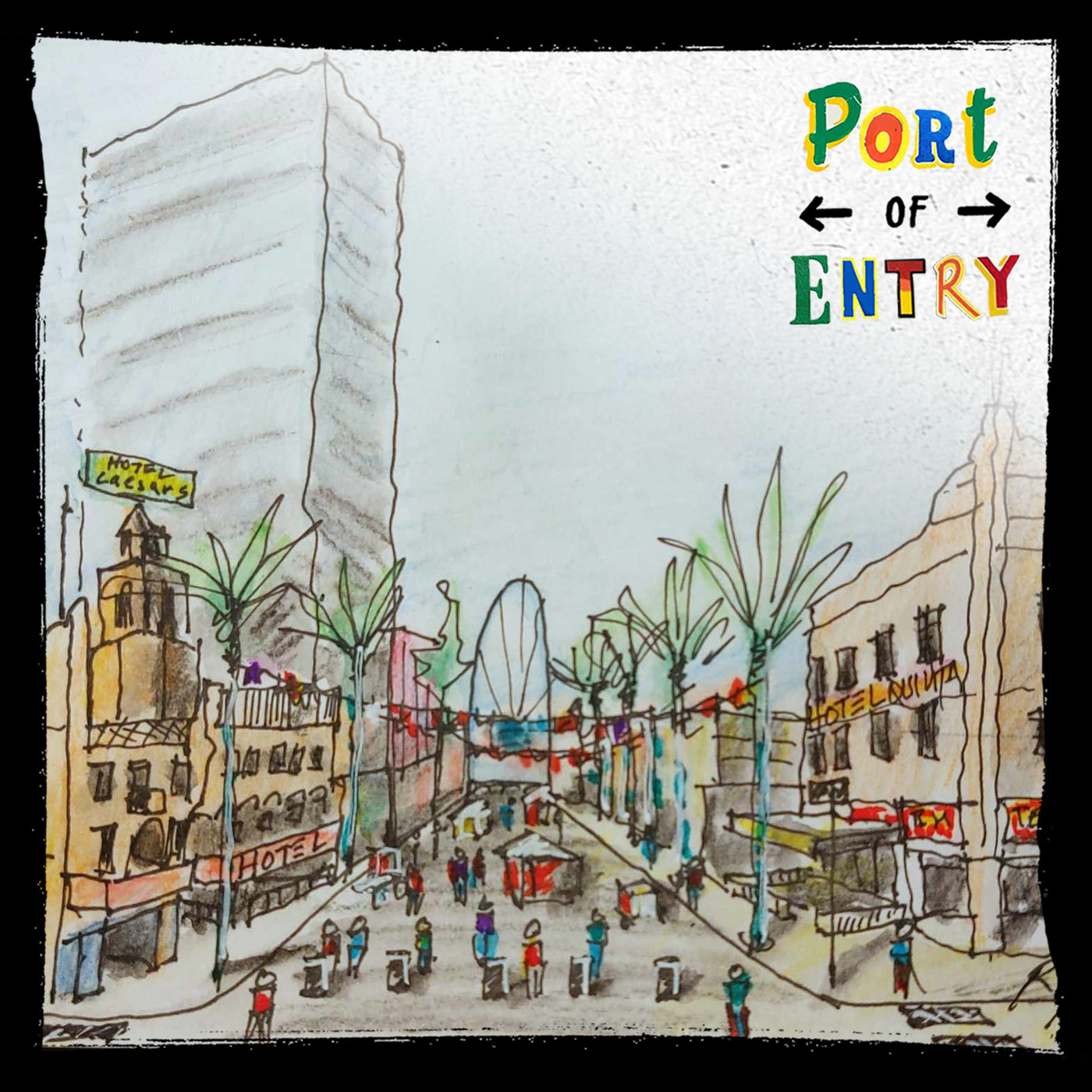
Port of Entry: The Right to The City
Jun 3, 202400:36:10Tap to summarizeTraffic is a huge problem in Tijuana and San Diego. If you drive around during the day, you will most certainly be caught in a traffic jam. So should we build more roads to ease traffic congestion? In this crossover episode with Port of Entry, KPBS' border podcast, we explore what is keeping residents of Tijuana from a better quality of life. The answer took us by surprise. If you enjoyed this episode of Port of Entry, check out their current season on Visionaries and Shapers of the Borderlands. You can check out their catalog for older episodes here or wherever you get your podcasts!
Transcribe →BONUS: Freeways are bigger in Texas
Apr 30, 202400:52:39Tap to summarizeCity Limits, a new book from journalist Megan Kimble, chronicles the emergence of a modern wave of freeway revolts in Texas. As the Texas Department of Transportation seizes more and more land to widen its highways, people who had never considered themselves urbanists or activists are joining the movement. This time they're not just fighting displacement, pollution and segregation — they're also fighting climate catastrophe.
Transcribe →BONUS: Reconnecting Communities (with David Alvarez)
Dec 19, 202300:23:25Tap to summarizeThe California legislature is starting a conversation about how to reunite communities that were divided by freeways. For Assemblymember David Alvarez, the issue is personal. Alvarez grew up in San Diego's Barrio Logan, one of the most polluted communities in California. He's now chair of a special committee dedicated to correcting the kind of racial and environmental injustices his family has faced for decades.
Transcribe →BONUS: Blowing the whistle on widening freeways
Nov 7, 202300:33:07Tap to summarizeFormer Caltrans executive Jeanie Ward-Waller shares her story of getting fired after speaking out against a freeway project near Sacramento. She says Caltrans is driven by a "mindless impulse to add more freeway lanes," and that reform-minded people at the agency are often sidelined and dismissed.
Transcribe →BONUS: In defense of freeways
Oct 17, 202300:26:00Tap to summarizeGustavo Dallarda, director of Caltrans District 11, explains some of the engineering behind freeways and makes the case that they provide an efficient means of travel compared to surface roads. He acknowledges the need to reduce vehicle travel, but says infrastructure doesn't get built overnight and that our transition away from cars and freeways has to be slow and gradual.
Transcribe →