← FroKnowsPhoto Photography Podcasts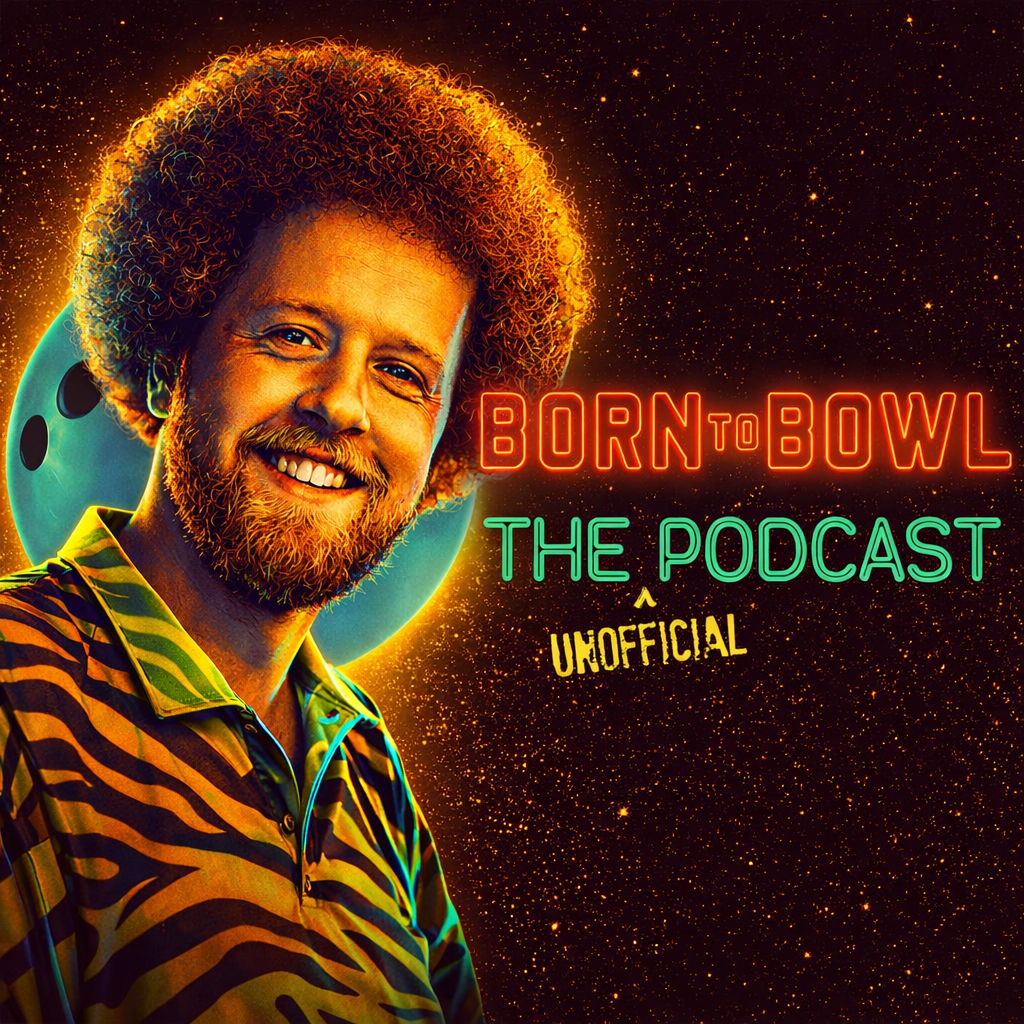
FroKnowsPhoto Photography Podcasts
Episode 1 Recap (Feat. Kyle Troup): The Unofficial Born To Bowl Podcast
00:58:17
Loading summary
Transcript85 lines
- [00:00]
A
Welcome back to the unofficial Born to Bowl podcast. I'm your Host Jared Polin, aka the Fro from Fro knows photo.com I am also a co executive producer on the Born to Bowl show that airs on HBO and HBO Max on Monday. There are five episodes in this season and it's available in the United States and Canada, and we'll have some updates to share with you soon on international markets. So the first episode has aired and that is fantastic. And I'm going to do a slight recap, but also sit down with one of the main stars of our Born to Bowl show, Kyle Troop, for an interview that goes inside Baseball, AKA Inside Bowling. We get to hear what his thoughts are about the series, some of the fears he might have had, what he expects or hopes to come out of this show, and just go into more detail about bowling. I think it is one of the best conversations I've had during an interview, and that's going to come up a little later. But I do want to do a quick recap because after the interview I'm going to go into a little bit more detail about the show. But the very first episode, the premiere episode that happened on HBO really is an introductory to professional bowling and professional bowlers. We get to meet our main characters. We've got Kyle Troop, E.J. tackett, Cameron Crowe, we've got Anthony Simonson, and we have Jason Belmonte. So we have a lot of the best bowlers in bowling in the four that are Kyle, ej, Belmo and Simo. And Cameron Crowe is the newcomer, the rookie sensation, as he's called in the show. And we see how he progresses throughout the episodes in season one. Now, there's a lot that I have to say about this episode. I've never actually made a recap of a show, but being that I am so close to the show, I have a lot of information to share with you that I think you will find fun and informative. But I think it's best to run the interview with Kyle first because that will paint the picture for some of the things that I'm going to talk about after we're done with the interview. So right now, let's have the interview with Kyle Troup, one of our main characters in Born to Bowl.
- [02:21]
B
Hi, Jared. What's up, bud? How you doing?
- [02:23]
A
I'm good. I know you're getting ready to bowl in one of the tournaments. You have to bowl at 11 today, so thank you for taking the time to come on and talk about Born to Bowl episode one.
- [02:35]
B
Of course, man, you know, it's a. It's a busy time right now, but I guess this is how Hollywood maybe works on the. On the beginner scale. So glad that. Glad to chat with you.
- [02:45]
A
I wouldn't know how Hollywood works, to be honest with you, because I'm not Hollywood either.
- [02:48]
B
You know, hey, let's get there together.
- [02:51]
A
What was. What was your first thought after seeing the premiere episode? Because I know you got to see it when we were in New York.
- [02:58]
B
Obviously, the content was great, but whenever I really watched through it and thought about it, and I feel like that is a level of just production and storytelling that bowling has never really had or seen before. And, you know, I was just astonished by that. Obviously, I loved watching the footage, but it was more the way they were telling stories and kind of getting started into it. And obviously I was left wanting more as soon as the episode went off.
- [03:23]
A
Now, did you have a fear going into it because you didn't know what was going to be shown?
- [03:30]
B
No fear at all. That's one thing that I was proud of through all of the footage filming was I kept it real and was myself. And whether that was good or bad, I knew it was going to be authentic. I am kind of looking forward to seeing some of the things that y' all got from me over the last season and a half, so, you know, probably maybe a few more bad things, but I feel like I've already learned a little something from seeing the first episode, so I'm ready for more.
- [04:02]
A
I will say that that might be a little tame because there is stuff coming up in future episodes. Obviously, we're not going to go into spoilers for those, but, I mean, you are mic'd up. And you are. I mean, we have you mic'd up. Are you used to being miked up for the entire time?
- [04:18]
B
No, not really. I mean, that was definitely something new. You know, I've been miked up once or twice before for, like, bowl tv, you know, or something else, but miked up all the time definitely was a little different. But, I mean, hey, I mean, I'm sure y'. All. Y' all heard some things that, you know, who knows, maybe you never heard before, but, you know, that's part of the. Part of the game, part of the journey is, you know, be authentic, be real. And. And maybe I should have apologized in advance.
- [04:45]
A
Well, I mean, there are some choice words. I mean, the crazy thing is that people at home don't know is when we're filming the show, each one of us, like, in the Crew. The sound guy, of course, hears everything. You've got the people that are filming, like Tommy and I, and other people. You have producers and directors. We have in ear monitors that if we have you, EJ and Simo all mic'd up and maybe somebody else, we hear all four feeds in our ears at once.
- [05:13]
B
Oh, Lord.
- [05:14]
A
And, well, the reason we do that is so that we know if something is actually happening, where to point the camera. So if I hear Simo, you know, kick something or going off on something, I know that maybe I should turn the camera to where he is and be ready for it. So that's some of the behind the scenes stuff that you don't. You don't really know because we are. We're locked in listening to you.
- [05:37]
B
I didn't really know all that as well. You know, I would imagine y' all need to listen to each of us, but all at one time. That could be some. Some rough sledding there, Jared. So props to you guys.
- [05:46]
A
I actually like it. I actually like it because it obviously it keeps me more engaged. It's only a little difficult when someone's trying to talk to you in real life and you're like, I'm listen. Sorry, I'm listening to Kyle. I'm listening to Kyle.
- [05:58]
B
Sorry, I got three conversations going on.
- [06:00]
A
Yeah, we're listening to what's going on, but we definitely pick up everything that you're saying. I mean, there's times where I know this comes up later in the episodes where you are, you know, we're there and you're talking about us specifically filming. So it's. It's certainly interesting. But what was it like? Because in the episode, you list the top five bowlers and you're sitting there next to the bowlers you're talking about. What was that like, giving the top five?
- [06:26]
B
You know, that was. There was a little fun, I guess. You know, Belmo had already given me a little. A little bit of heckling about that. You know, obviously I had at least two of the three guys next to me, above me, so, you know, the only guy that had to, you know, I needed to say something to pretty much. Of course I loved how y' all just listed off everything that he did. But, you know, I guess whenever that question was asked, was feeling very, very confident. I mean, I would maybe still keep it the same just because Belmo hasn't really won in a while either, but obviously he's still, you know, the goat of our sport. But all in all, you know, a little bit of still A little proud about it, but. Yeah, you know, I guess I get to talking a little bit shit sometimes,
- [07:10]
A
but that's, that's what we want to hear. I think everybody loves the authenticity of the behind the scenes and not pulling any punches. I mean, that's what, that's what I love when I watch a show.
- [07:20]
B
Yeah, I mean, you know, he told me it was like. Yeah. I mean, the only thing was, you know, I see you have me above your list. And I was like, well, yeah, man. I mean, you've been kind of slow the last couple of years, so, you know, I think that's fair. Like, we don't. We can't just live on forever on what we did in the past. But I'm sure saying this, you know, he's going to come out and I'm waiting for us to get paired up against each other maybe at the Masters or something like that, because that'll be a. That'll be a fun time for sure.
- [07:44]
A
Yeah, it's always. It's always interesting watching you guys go, go head to head to see who says what. I mean, it's. It's very rare that there's. There's verbal spats to each other's faces.
- [07:56]
B
No, most of the time, I guess it'd be in passing, as one's coming off the lane, the other one's going on. You know, let them know a little something, which, you know, that's fun. Like, I used to do that a lot more when I was younger because I guess I was just a hot head and full of myself. But, you know, I ain't afraid to, you know, get down and dirty on the lanes if we have to. But, you know, I kind of enjoy it. Brings me back to the action match days, you know, no cameras, no pba, and just cash on the line.
- [08:25]
A
So talk. Talk about action matches real quick.
- [08:28]
B
I mean, action matches are always a good time. It's pretty much, you know, two guys, they want to bowl for money, whether it be 500 bucks a game, best of three for a thousand, whatever you want, you know. And typically those matches happen afterwards, like after a tournament, late in the evening. So the drinks are flowing and yeah, the shit talking is real. They're like, that's when it gets dirty. And, you know, obviously I'm the pro kind of bowling the amateur. I just want his money. He just wants to say he can beat a pro. And I've lost a few times, but, you know, whenever I win, I make sure to give it to him back quite professionally and, you know, very I don't know, maybe like a smart ass in a sense because I'm like, yeah, we're a little older now, we try and hit them with different knives.
- [09:11]
A
So does that still go on? Is actionable? Like is that still going on?
- [09:15]
B
Yeah, it still happens from time to time. I haven't bowled an action match in probably two years, but Dougie Vision, couple other guys. Actually, I'm sorry. I did bowl an action match in Arizona last year. It was 2500, best of 5 and it was a pretty sick match, you know, went 3:1 and it was late in the evening. We started probably 11pm they live streamed it. So that was actually a good time. There was probably 50, 60 people there afterwards at 12:30, 1 o' clock in the morning watching game five. So it still happens, but definitely not like back in, I guess whenever I was probably 5, 6 years old, late 90s, early 2000s up in the northeast, there was a ton of action bowling apparently.
- [09:53]
A
Yeah, I've read, I've read about it. Did Guppy partake in the, in the action bowling?
- [09:59]
B
He did a little bit, but I feel like he was too busy in the bar most of the time hanging out and just watching the action. So you know, he, I don't think he ever got too deep into the action, but I've heard some great stories about other players doing this. Man, I wish, you know, part, part of me wishes I was alive back then, but I'd say we're pretty happy where we're at now. So.
- [10:19]
A
Yeah, so you, you mentioned not winning in a while because you mentioned it with Belmo. But you did have the biggest money season in PBA history, right? Was it 460 some thousand?
- [10:33]
B
Yeah, it was 2021. It was 496, 500. I remember that number specifically because I wanted to get to the, the 500K mark. And the last event of the year, I needed to make the ladder and didn't even come close. I don't even think I made the cut. So yeah, that was a blessing of a year. Obviously the Players Championship paid a quarter million dollars that year. That was like kind of a one time deal. And so I guess I got lucky in a sense to cash it in because the more sick thing is EJ's almost broken that record twice with nothing paying more than 100,000. So you know, obviously we'll take the cash and take the couple titles that year but you know, we're hopefully it becomes a point where 500k is not even thought about as a record, you know, moving Forward.
- [11:20]
A
What are your hopes for a show like this being on hbo?
- [11:24]
B
I mean, my hopes with this documentary is just to obviously get more eyeballs on bowling, get that reach out there to even more worldwide, but then obviously bring in some bigger potential sponsorships, whether it be individually or even more importantly to me, the PBA tour, you know, because we know there's. We know there's tons of money out there in the world and, you know, tons of marketing and tons of media companies and. And, you know, I think it just takes the right guy to see this or the right person to see this documentary and really get invested into bowling and, you know, help us evolve to the next level. You know, we have a new CEO and Peter Murray. I've got to have a few conversations with him, and I really like his image of where he wants bowling to go. And, you know, obviously we got to see it happen, but feels like he's had great experience in building up some other brands and other sports and companies. So excited for that. And then we have the documentary. I feel like all the stars are kind of aligning, and, you know, the future can be very bright for Boland.
- [12:30]
A
I mean, that was one of my original things. So I talk about the backstory of how we met and, you know, through Instagram and the fro, and I come out and take photos. And when the seed was planted for creating a docu series, you know, in 2022, is when we started doing that. The main idea was bring up and elevate bowling, elevate these guys. These guys are out here struggling, trying to make a living, and there should be more money. This is a professional sport. They're doing things that other people can't do, but they're not getting the accolades that they should, and the sponsorship isn't there. So part of my thinking was if we do this and we're able to be successful, and thankfully, you know, getting to HBO is incredible. To get all the eyeballs there. It. It's putting the stuff in motion because if those big sponsors do. I mean, the thing is, there's no car sponsor, so that's an easy one. What. What kind of. What. Who. What kind of car would you like to. To sponsor the pba?
- [13:28]
B
Well, I guess I currently have a Ford, but, you know, I always had a sweet spot for Kia in my heart, which, you know, they got involved with the playoffs in the past, but honestly. Yeah, I mean, we. We would. Hell, I'll drive around any car they want.
- [13:41]
A
You got that. There could be airlines. There's, you know, of course all different types of food brands. There's so many different things. Not just your beef sticks, which you offered me back in Delaware.
- [13:52]
B
Yeah, I mean, those. Those are pretty good. You know, unfortunately, first form had different plans, so they did not want to keep investing into myself for bowling. So.
- [14:03]
A
So it's tough.
- [14:03]
B
We are lacking. We are lacking on the beef sticks. Yeah.
- [14:06]
A
Oh, so no more beef. So good thing I turned down your beef stick.
- [14:09]
B
It's also why I've lost about £12 from last year, because I'm not eating near as much protein.
- [14:14]
A
Yeah, well, there's that. One of the things I'm. I'm interested in hearing about, and I think people at home are, you have different sponsors on your jerseys. You know, your main sponsor, I believe, is Storm. How does it. How does it work? Because people want to know, like, the show talks about sometimes people have other jobs to try and make it on the tour if they're not making the money.
- [14:36]
B
Yeah. So, I mean, you know, when it comes to those two things, obviously with the other jobs, you know, it is, you know, some players, I would say most of the guys that have a job are involved in a pro shop of some sort, you know, the shop at the bowling alley to purchase and drill your equipment. But, yeah, I mean, there's a lot of guys that have to find supplementary income, but a lot of us are hopeful that we can find sponsorships that pay us monthly, you know, and I have noticed in the last five years, a lot of players have a lot more of these individual sponsorships. You know, get involved with a brand. They can put their. You know, we have different placements on our logo or on our jerseys. For your. Your logo. I added a few new. New ones this year. One on the back, one on the sleeve. So, you know, there's many different opportunities for exposure on our jerseys. But then you get involved with social media engagement, you know, and my hopes would be to get an even bigger sponsor. And, you know, then, hey, you want to do a commercial or, like, you know, get involved on that stage, like Head and Shoulders or Skittles or, you know, like, come at me or Wendy's. Like, I mean, that's been my dream sponsorship, obviously, and I could definitely see me doing a commercial bowling and working at Wendy's, and, you know, so the hopes and dreams are there. But, yeah, I mean, it. I guess that's not really expressed to the public enough. But then again, I guess the players need to do a better job as well of reaching out, because that's one thing a lot of Us don't have is agents. So we do do a lot of the work ourselves. And you know, my wife has started to help out a lot more with some communications through email from time to time. But for the most part I've done a lot of my own negotiations and reaching out, trying to set up things, which is good, but then it's bad in a sense too because we then are the good guy or the bad guy versus, you know, if my agent could do that. And I'm just a professional, so that's kind of the battle we're facing right now. But you know, I've seen a lot more local restaurants or local businesses on players. Like bunch of players have sponsorships and you know, hell, EJ's even got a few spots I didn't even know we were able to offer. So I'm even learning something new myself.
- [16:44]
A
Maybe the pants, maybe you can, you know, put one on the butt. You never know.
- [16:48]
B
Yeah, I mean we did that with dude wipes, you know, but not a, not a full time spot. So yeah, I mean the, pretty much the opportunities are endless. If, if somebody's interested in sponsoring a player, you can work out a deal with that player and get exposure in many different aspects.
- [17:03]
A
Well, that's the crazy thing about the bowling is like you just said, you are, you don't have an agent. None of these. I don't know if there's anybody on the tour that actually has an agent at this point.
- [17:14]
B
Not really. I believe. I mean, I worked with somebody back when I lived in North Carolina for almost a year and it was awful, like nothing really came of it. And I believe EJ may have had some work in the past with somebody. But yeah, I mean, you're correct. None of us really have agents. So we're kind of all kind of learning from each other and you know, trying to help elevate one another in the sport as a whole while we do it.
- [17:36]
A
So one of the things I've always wanted to know about sponsorship, you have the storm sponsorship, do you? If you can talk about this. I don't know if you can, but when you do show up on tv, do bonuses kick in?
- [17:49]
B
Typically, almost all players that have a national staff contract, there are some sort of TV incentives and even with some of the other companies and that, you know, would be structured obviously for the individual player through each brand. But there are TV bonuses, so to speak, because heck, I could tell you back when Guppy was on tour in the 80s, he said you'd walk into the paddock and There'd just be like a wall of incentives. And he was like, oh, I could wear this wrist thing and for an extra fifteen hundred dollars. And so he would just slap it on because it didn't change his game at all. So anytime he made tv, he had like the elbow thing on, the wrist thing on, this thing on because, you know, oh, I need to throw this ball if I win for an extra 5,000. Yeah, sure, like. And he would just go get that ball and use that because they all played pretty, pretty dead straight back in the day. So, you know, it's not quite like that now, but yeah, I mean, there's always kind of been some TV incentives or bonuses.
- [18:43]
A
Well, that's interesting. 5,000 to throw a ball in the 80s.
- [18:47]
B
Like, I mean, yeah, that was pretty juicy back then. I would say that's a, that's a pretty big.
- [18:51]
A
Even today you get $5,000 bonus. It's, it's pretty interesting knowing the, that some guys won't make $5,000 in a tournament. I mean, because you don't make the cut at the US Open, you miss the cut by two pins. In the episode we talk about that. Is there money for the 25th spot?
- [19:10]
B
So if that was during the cashiers, so I can't. No, I believe I didn't even make the cashers round. Or, or maybe there isn't. There wasn't one. So, yeah, last year we just bold qualifying and cut to the top 24. They did, however, pay 25th through 36. They typically pay 1 in 3. So there is, you know, you can profit maybe a little bit after your expenses and whatnot for the week. I mean, I would just pretty much call it a wash of a week. But, you know, now you missed the top one third then. Yeah, I mean, you get zero. All you did was pay pay entry, pay hotel, pay food, pay gas. Right now, pay a lot for gas and go on to the next week. And, you know, that's where bowlers can kind of get in trouble if, if you don't have, you know, why, for somebody that's got a second income or, you know, maybe you're not a bowler that's getting paid a lot of money monthly from your different sponsors. Yeah, you go lose a couple of weeks and then you need to find a job or you need to make some money if the bowling's not working out. And that's some people. I don't know who really has to do it now. But, you know, there's bowlers that are bowling for the check, you know, like, they. They need to make cut. And luckily, I've never felt that kind of pressure throughout my life. You know, been very good with my money throughout and. But yeah, bowling to put food on the table would be a different kind of pressure.
- [20:33]
A
I don't think people understand that it. It's not free to come out here and bowl you. There's an entry fee. You mentioned it.
- [20:41]
B
Yeah. You know, and I guess that's where little different from golf and whatnot and some of these other sports. Like, obviously, yeah, I mean, we're paying 500 bucks a week to bowl, and that's pretty much the flat entry fee for everybody that Bowls World Series is a thousand bucks. But, you know, then, I mean, yes, we're not doing Airbnb, so we got the Airbnb for the week. Obviously, food's a little cheaper since we do go to Walmart and like to cook our own food most of the time, versus just going out to restaurants and, you know, spending 7,500 bucks a day. So it definitely can be a financial grind. But that's where, you know, the goals was to get sponsored, to get more sponsors. That way you don't have to rely on the bowling check, because then whenever you pop off a win or, you know, you make some good money, it's like, hey, all right, this is a little extra money now for the month.
- [21:30]
A
Speaking of, speaking of money, during the premiere episode, they talk about the green jacket. That's not exactly the same green jacket as the. The golf green jacket. Well, the paycheck isn't exactly the same paycheck. I mean, what do you think when they pop up $4.2 million versus the 100,000 for winning the bowling US Open?
- [21:50]
B
Yeah, obviously. Fuck. We think about it from time to time. Like, man, imagine if we were making golfers money. Like, I don't think I'd be sitting on this couch at the Airbnb right now bowling on tour this week or driving in the expedition. But, you know, I feel like that's also why a lot of bowlers, or at least myself, you know, we're very humble. You know, we're at the epitome of our sport. You know, we are the number one guy. And, yeah, I mean, we're not making $4 million. Like, we're making a hundred thousand. A hundred thousand. That's a hell of a nice payday. Like, obviously. But, yeah, it would be nice to have made millions of dollars in the past majors that I bold. But I was kind of battling it both sides of it, whenever they put that in the documentary, you know, like, is that a good thing or is it kind of like a bad thing or like a, you know, like, ah, yeah, look at the difference. And I feel like people need to see that, though. Like, you know, and. Because then that gives us, you know, maybe a sense of respect from these people that, Damn, they bowl 60 games, they're away from their family, you know, they want a US Open they got, because people know what the US Open in the green jacket is. And then they're like, wow, you know, 100,000. Damn, that's. That's pretty cool. Like, you know, Obviously we make 4 million and we turn into a rich snob maybe, but I think it just gives a newfound respect for people that maybe don't really know the life or the grind or the journey of a professional bowler.
- [23:22]
A
And I think that was one of the main things when setting out to make the show and with the directors and producers is to showcase that you guys are not making what other professional sports are making, but to show that you guys are working your asses off trying to make a living doing this and that you are everyday people. And as I said, since day one, you can't walk down the street and get in an F1 car and go around the track, but you can go to the local Lucky Strike or Bolero and roll a game. And the hope is that after watching this series and understanding more about what you guys are doing, that people then decide to go bowling. Instead of once a year, maybe they. They go once a month. And then there's going to be some people who are like, you know what? This is great. And they get into leagues. And then when they get into a league, they realize they want to buy a ball and they know that you throw storm. So, like, well, I'm going to go get a storm ball and then I'm going to get the shoes and I'm going to do what Kyle does. I'm going to pull out a pick even though I am BALD and, and 300, you know, you know, overweight and I'm. I still love it. Right? And that's. That's the hope. The hope is that people, it brings the entire sport up. Because even though some people think it's easy, they realize real quick that it's not correct.
- [24:38]
B
I mean, I think, you know, this documentary does a great job at that. And, you know, like you said, these people get into bowling, and then who knows, you know, maybe that it's a big executive, you know, hospital or medicine, you know, who knows. And they're like, man, you know, I'm really interested in the bowling. They reach out and. And, you know, that kind of elevates the PBA as well, because, you know, what we want is more people bowling, more people watching, more people doing it. And it's very accessible to do the most accessible sport, you know, I guess the most participated sport in the world.
- [25:12]
A
What's going to be interesting is to see, as each one of these episodes comes out, do more people show up at the bowling center to watch you guys in person? Right. And what most people don't realize is that you, during a tournament, are literally walking through a crowd of onlookers as you're walking from lane to lane, because bowling centers don't have a ton of space. And you're rolling 10, 15, you know, three bags behind you, and you're just walking past Johnny or Jimmy or Jennifer just standing there watching. It's in. It's insane.
- [25:47]
B
That is, you know, the beauty and beast, I feel like, of our sport a little bit is that, you know, we are very accessible. I mean, you're never going to get that close and personal to Tiger or to LeBron or to the hockey player, like, you know, and so that's where I feel like the fans of bowling that we have really love the sport. But then I feel like that might hurt the professionals in a sense, because we are so exceeding easily accessible, you know, that, in a sense, decreases the value, you know, just because somebody can just walk in and walk up to me and ask me for an autograph or a picture, and unless I'm competing, I'm not going to say no. And you can't do that in basketball or football and whatnot. But. And I battled about that and had conversations about it, but at the end of the day, that's bowling. And I don't think that's ever going to change.
- [26:42]
A
It's crazy to see you or any. Any of the bowlers lose, be upset, and then walk down back to the paddock through people taking selfies. You know, I saw it back when we were doing the original sizzle reel in Las Vegas, and Belmo gets knocked out of the tournament, but he's like, but I got to go over here and sign some autographs and put on a smile and put on a happy face because these people came all the way here to see me bowl. But that. That's still one of the biggest takeaways, is the access to the bowlers is incredible. So if you're listening and there is a. You can go to the pba.com or and you can see where all the tournaments are coming. You can show up and watch the preliminaries. I think it's the best opportunity to watch professional bowlers do what they do is to go to the early rounds because you see all of the best bowlers in the world from 10ft away. Some guys are going to roll a 300. I mean, I never saw a 300 in person until I showed up to the very first event and. And someone bagged out a 300 as if it was nothing. And it's just incredible. One of the things that I wanted to talk about, the biggest takeaway that I had from friends and family and reading online after episode one is the oil. People were like, I had no idea it was that difficult. They knew there was oil cuz, you know, you see people slip all the time if they run out there. They didn't know to what extent the oil played a part.
- [28:08]
B
Yeah, I mean, that is, you know, we have two big challenges in our game that people probably don't know a whole lot about. And it's about the oil and about the equipment and. Yeah, I mean the, the oil is placed on the lane in multiple, many, many, many different variations. And it could be a higher difficulty. A lower difficulty. I guess one comparison is the slopes of the green in golf, you know, and I don't even know what's a tough rating and what's an easy rating. But you know, you got your easy greens and you got your super, super slick greens that we see on tv. That's one way to kind of compare it is you got your house shot condition, your normal leak condition on Thursday night, where there's not a lot of oil out on the first six boards close to the gutter and then there's a bunch of oil in the middle of the lane. So then if you throw it to the right, it's going to bounce off the gutter because there's no oil. And then if you miss one or two arrows left, it's just going to sit in all that oil.
- [29:11]
A
Let me explain that real quick. When he says bounce off the gutter, he's not talking about bumpers. What he means is when there's less oil on the outside of the lanes, it's more forgiving for league bowlers. So if you roll, there's more of a chance that the way that the pattern is designed for house shot, which is what most people bowl on when they go to a bowling center, is that it's meant to draw your Ball back to the pocket. If you miss too far left and you're off the one board on the, on the, near the gutter, well, it's dry. So your ball hook starts to hook earlier and it's more forgiving and comes back. If you go down the middle, it's going to sit longer because it's oilier and it's going to slide. That's the fundamentals. Go ahead. I wanted to dumb it down even further.
- [29:54]
B
Yep. No, I definitely didn't get that. That far into it. But, yeah, I mean, that's kind of how the. The easy conditions are. And then on tour, yeah, I mean, we see a different oil pattern every week. Obviously, a lot more difficult. The oil is placed in different ratios across the lane. But the other big thing about it is that the oil moves on the lane. Like they were saying on the documentary, there is transition, we like to call. And every time this ball, this bowling ball that's spinning anywhere from 300 rpm to 500 rpm is crossing that oil, it is taking it from where it was sitting in the front part of the lane and moving it down lane. Different bowling balls do that to different extents. And so that transition is changing. That would almost be like a green with every putt then changed and broke more or broke less. You know, greens kind of have the same slope throughout that day. Every time a ball would be put on the green, there maybe be more break left or less break left.
- [30:59]
A
The example would be if. If someone walked in front of, like, someone's line, it would change the line, which is exactly what's happening with the ball. It's changing the path to the pins.
- [31:10]
B
Correct. And, you know, we can't see that either. You know, obviously the oil is invisible. Some people may have seen on TV shows where they do blue oil on the TV shows, but 99% of the time, we can't see that. So the only way to figure out what the oil is doing is by watching our bowling ball go down the lane, seeing how it is reacting, and then making adjustments based off of that. But that also comes down to physically, how did we throw it? Did we throw it the correct speed with the correct rotation? And then the last thing that we don't have to dive too much into is did we throw the correct ball? Did we throw the one that gets further down the lane and saves more energy for the back ends? Or did we use the wrong one that maybe hooked way too early and used up its hook potential or energy?
- [32:02]
A
See what people don't Realize, and when you go to a bowling center and you just throw a plastic ball down the lane, any of the. Those color balls, the. The 10 pound orange or the 12 pound orange ball or the green ball or any of those, they literally have just a solid core in them. And they're plastic. They. They are meant to just slide and roll down a lane straight. And anytime you see someone try to hook it where they rotate their wrist, that's not actually how a ball is meant to hook. Kyle doesn't sit there and. And like, flip it a certain way. It's just how the fingers come out of a ball. That's the nature of how a ball starts to rotate. Yep.
- [32:39]
B
I mean, I guess the simple and quick way to say is, you know, because, yeah, you see a lot of people just ripping their entire arms with these house balls. But to correctly hook a bowling ball, I would say underhand spiral a football. To me, that little bit of wrist motion is pretty much all we're really doing for the most part. And sometimes we're not even trying to rotate our hand that much. It's more just coming straight through it versus trying to, like I said, underhand spiral a football.
- [33:08]
A
Yeah. What? Another thing that one day I hope to show is maybe go to the storm factory and show how the balls are made. Where inside a ball, you have different cores. There's asymmetrical, and there's symmetrical. And as a lefty, I'm a lefty when I bowl. When they drill my ball, they have to drill it a certain way to make sure that the core rotates back to the right as I throw it. And for a righty, they make it rotate back the other. So it's just. There's pin placements. We'll get into pap in later episodes. I didn't know what a pap was, and I think Pap, Right?
- [33:44]
B
Yeah. Positive access point.
- [33:45]
A
Positive access point. We explained that in a future episode comes up, which is fascinating, and I love that people picked up on the science of bowling. But yeah, I mean, in that episode, it talks about the US Open, the premier episode, having four different oil patterns across four days. It's insane, because what everybody does. What you guys don't realize is if Kyle's doing a block of eight, so that means a block is eight games that they bowl where they get pins. And it's a competition. They're basically competing against themselves at the beginning to get the most amount of pinfall. And the. I don't even want to go too. Yeah. Qualify.
- [34:24]
B
Yep.
- [34:24]
A
Don't Want to go too far. And what happens is you bowl one game, say on lane three, then you have to go to lane nine. Well, on lane nine, you don't get practice. You literally have to go out there and start rolling. And depending on how someone. What ball someone threw before you, whether they're a lefty or a righty, that's affecting the oil pattern, and you have to figure it out or talk to a ball rep.
- [34:48]
B
I was going to say, Jared, you sound like you could become a ball rep. You've learned a little bit on tour with us for a couple years. Well, I mean, that's exactly right. You know who. It depends on who we follow and how they change the lane and what they did to the lane. And the only way to figure that out is, yes, to either sneak down and watch a shot or two or have some communication with our ball reps, which each ball company has a few tour reps that are there to relay information and help and, you know, be a resource in any way we need.
- [35:19]
A
One of the most fascinating things that I heard when on tour, and I think Chris Barnes was explaining to me over dinner one night, is that there might be, you know, 80 or 60 lanes at a bowling center, but lane 60 is going to play different than lane 30, meaning lane 60 is closer to the outside wall. If it's hot or cold outside, that might change how the lane plays. Or lane 60 might be the lane that the. The. The. The pro shop has people go bowl on and practice. And that might wear out a certain part of the lane ever so slightly, which will change how the. Because no one. No lane is exactly the same. It's just crazy that.
- [36:01]
B
That's exactly correct. And I think that just shows the amount of variables in this game, especially at the professional level, that a lot of people don't even know or realize. And yeah, I mean, you're. You're spot on with all those things and. And, you know, got a feeling we're probably going to go battle some of those leagues today because that's a. That's a daily grind and, you know, a daily mental focus. And, you know, one of our biggest things that we focus on is transition.
- [36:28]
A
Well, I know you have to get ready to bowl. What do you. What are you bowling today?
- [36:32]
B
We are bowling the first round of qualifying at the Indiana Classic at Dave Small Center. I guess apparently I'm defending champion because they didn't have one last year, and I won the Indiana Classic in 24, so that's pretty cool.
- [36:45]
A
Well, there you go. Defending champion has to go bold today. Thank you for taking the time and thank you for being a part of this entire process from day one.
- [36:55]
B
Thank you, Jared. Thank you for, you know, giving me. Giving me the time today. But more importantly, you know, and being on the documentary, but for all the work that you and. And all the other guys did to make this possible, it's. It's pretty surreal sitting there at the documentary and, you know, I feel like us bowlers, we owe you guys a lot. So thank you.
- [37:14]
A
Have a. Have a good day. Bowling.
- [37:16]
B
All right, brother, we'll talk to you soon.
- [37:18]
A
How fascinating was that? I loved hearing the raw nature of what he thought about the show, as well as sharing information about Guppy, his dad, who's a hall of famer in the PBA and is in episode one hearing about those action games that used to take place. That is some fascinating stuff. But also how he's explaining how the oil patterns work compared to golf and how there's transition and the COVID stocks. There's so much going on. And yeah, I did have to stop him real quick to try and base, you know, dumb it down a little bit more because it is complicated and he's so close to it. Like, if I'm talking at a high level about cameras to somebody, I might have to dial it down if they know nothing about cameras to distill it down to the very basics. But I'm so close to it that I know all there is. I know a lot about it. And, like, Kyle knows so much about bowling, but hearing his take on what it was like to sit next to Belmo while he's saying on the show that he feels that he's higher ranked than Belmo is funny. And to hear that they do talk shit to each other when they're walking off the lanes or in the paddock or somewhere else is awesome. I mean, that's stuff that we hope we capture and are able to show in this series, because that's real. And I loved how he said it's an authentic look. It's an authentic look at what's going on behind the scenes. He didn't want to pull any punches. He didn't want to not share what's going through his mind. And that's what makes these shows so endearing to people and entertaining as well, is that you get to know who they are on a personal level so that it feels like you're their friend. I mean, it's not rocket science if you feel for the players and the bowlers that you're watching. And people. You feel for them as people, well, that's going to resonate. They're going to feel like friends. And you're going to want to watch every single episode and know even more. Speaking about knowing more, let's get into a breakdown of the episode. Cause there's some things that I want to talk about that go much deeper than we're able to go in 28 minutes. I think it was a fantastic episode. I really think it sets the table for the future. And that's what you're trying to do. You have to start somewhere. You have to introduce your characters, you have to introduce the sport. And you have to get into some of the terminology and technology that then leads you to the next step. And that's why the first episode starts off with other sports. It starts off with the glory and the victory and the agony of defeat in some of these sports. And then it cuts to bowling. And by the way, spoilers. If you haven't watched the episode, it's probably best to watch the first episode on HBO Max because you can stream it right now in the United States and Canada, and we'll have more information soon on international listings. But yeah, don't want to spoil too much. Not that it's not like a show where we're going to spoil stuff too much, because unless you just want to know what happens when you watch it the first time and then come here to hear more. But yeah, I mean, we cut right to Kyle doing the. Can you work it? Mer. Mer. Schmer. Schmer, Schmer, Schmer. Right. The point is trying to show the fun that these guys have, but not poke fun. It is a cheeky sport. There are funny things that happen, and that's what the cameras are there and the microphones are there to document. And it's not fake. It's meant to be raw. It's meant to be real. And that's who these guys are. They are driving around in their in right now. In his Expedition, Kyle's doing like 30,000 miles a year of driving. And he talks about that. I mean, one of the things in the interview he talked about was $500 entry fee. In what other professional sport is there an entry fee? And I'm not talking about, like, horse racing, because you got to put the stakes up to. To. To. To race in the. With the horses. But, you know, baseball players aren't enter. I mean, I'm sure in a roundabout way, the teams are paying, but the individual players aren't ponying up $500 or like he said, $1,000 for the world Series of Bowling to participate, to hopefully win some money. It's kind of crazy to think about that because they're not making a ton of money. I mean, they might go a whole week, as Kyle said, and just have a wash, depending on where he finishes. That's interesting. I loved when in the intro it talks about bowling and pop culture. So you see it in movies, you see it in TV shows, you see it in animation, you see it with the dude and nobody fucks with the Jesus. Right? You see how bowling has always been. I know sometimes it's like a trope or a punching bag or a joke, but we're here to show you that it's not a joke. And it's ingrained in the history of the United States because bowling was one of the biggest sports ever. Ever. I mean, everybody participated and went and bowled. I mean, you didn't have TVs, you barely had radios. You went and you bowled. But I'm going to get into more of that after we go through some of the. The history. And yeah, to find out that bowling was actually taking place in ancient times was fascinating. I was at the hall of Fame and Museum, the bowling museum in Dallas a few weeks ago, and they have a whole section of how in ancient Egypt they bowled. Now, it wasn't the same type of bowling that you saw today, but it had to do with like a disc and you had to roll it and throw at something. I mean, there's all different types of bowl. There's duck pin, candle pin. There's. This is ten pin bowling, which is what you're watching in the episodes. But people have always rolled things at things and it's been bowling in one way or another. I mean, you've got shuffleboard, you have all these other sports. You got bocce ball, you've got curling. But then of course, you have bowling. And bowling's heyday in the United States was like the 30s, the 40s, the 50s, the 60s, through the 70s, before it started to taper off. It was a 40s family fun event where you could go to these entertainment centers that were just massive. I mean, hundreds of. You could have a hundred lanes at a bowling center and they'd all be filled and there would be a lot of smoke because smoking was a major thing. And if you think it was what you're used to now, when you go to a bowling center where you throw a ball, the sweeper comes down so you can't like hit the pins because the sweeper comes down, sweeps the pins away, and then the pins are reset. If you think it was like that back in the 1920s and 30s and 40s, you'd be sorely mistaken. Because back in the day, they had what were called pin boys who sat behind the pins right out of the way of the ball that was coming being hurled down the lanes. I don't even know if we got into the type of balls that were used back in the day. The original bowling balls were wood. Yeah, they were carved from wood and had two holes in them. One for the forefinger and one for the thumb. It wasn't until many years later that you started to. That they used two fingers and a thumb. And we didn't even talk with Kyle during the interview about two handed bowling because I didn't think that was necessary there. We cover that in the episode and it's not really a controversy anymore. I know some people are like, well, bowling is a traditional. Traditionally done with one hand. I was like, cool. But things evolve. There's better ways of doing things. And in bowling, the only thing that matters is as long as you don't cross the foul line, no matter how you get the ball down the lanes and knock down more pins than your opponent, that's how you determine a winner. So whether that's throwing between your legs or throwing backwards, or throwing with one finger, no fingers, two fingers, three fingers. As long as you follow certain rules, there's no reason why you can't throw the way that you throw. There's even something called the UFO style of bowling. Yeah, it's big. In Korea, it's called a UFO ball. And it's where the ball doesn't spin end over end. It spins like the world around. Like when you're spinning a basketball on your finger, it's like that, but going down the lane. It's called a UFO throw. It's kind of crazy to think about. All right, so yeah, original balls were wood, then they moved into some rubber, and then they played with the technology for all of time where they keep changing. You'll see this as the series goes on, just how cover stocks change and the different types of balls that you can throw with. But. But pinboys were the mainstay for how fast people could bowl. So they would bowl, and the faster a pin boy could set the pins, the faster they could get more games. The more games that were bowled, the more money the center could make. Because if it takes too long and you only pay one amount of money for a game, you Then don't make money long term. Right? But the faster you could do it, the more people you get through, the more money you can charge. Not the more money you could charge. You make more money because more games are going quicker. And, of course, people think about automatic pin setters. And there were automatic pin setters in, like, the early 1940s. Someone sold a patent to AMF, and by 1946, in the original, there was a bowling congress tournament. They had a automatic pin center in 1946, and it used suction cups to stand up the pins. Now, it wasn't very good, and it wasn't until 1952 when the pinsetter, the electronic automatic pin setter, went into its first bowling center. And I believe it was somewhere in New Jersey. So you had automatic pin setter starting in 1952. And then by 1955, Brunswick was able to come out with their own automatic pin setter. I highly encourage you. Go encourage you to go onto YouTube and type in old AMF and old Brunswick infomercials or commercials for bowling proprietors where they show all of the latest gadgets and things that are gonna make bowling better for 1956 or 1963. It's awesome. I love watching all of those old bowling videos that are up there. I know I'm going off because we didn't really go deep into this in the episode, but I just. I love talking about the science of the sport. And that was one of the major things that happen in this episode, is the oil. Talking about the oil. And we talk about that with Kyle Troup in the interview, how that is one of the biggest takeaways that a lot of my friends and a lot of the comments online had to talk about. Just not understanding that the oil actually plays a role. It's not just meant to be slippery, and it's not an even just oil streak across the lane. I mean, one of the things I made a note but didn't talk to Kyle about was back in the day, they used to take, you know, those old spray cans you would see in animation where it would be like rat poison. I don't know. They would kill bugs. And you had a canister, and then it had a pump, and then you would spray it. That's how they used to spray oil on the lanes in bowling centers. And so it wasn't uniform. It wasn't even. It wasn't repeatable. So it was gonna be different from lane to lane. And then, of course, there's bowling machines, as you can see, lane conditioning Machines that lay down like a printer print the ink or in this case, oil onto the lane, and it creates a pattern, and it helps you or hinders you when you're bowling. And that is one of the things the bowlers talk about at the US Open, having four different patterns being super difficult. It's because though the. Though the pins never move, the path to the pins do, right? And that was an awesome, awesome voiceover by Liev there. I mean, he just. He nailed the voiceover in the episodes. So we get to see or be introduced to most of the characters. You see Kyle, you see, we. We. We go in a little deeper with him about his dad, Guppy Troop, and seeing that Guppy was a partier and spent a lot of time at the bar. And he talks about drinking. Guppy's a prenam predominant figure in bowling because he's just known for those pants and hammering the competition, which I still love that line. I've hammered the competition and the pants, which is always cool. We see Cameron Crowe go to his local bowling center. We hear his dad talk about the game face because Cam is super happy all the time and always smiling and always laughing and joking. And you do see a sub character there. You've got Kevin Williams, who rooms in this case with Cameron Crowe. And you get some of the comedy there. You get some of the bluechew stuff, which I thought which was really funny. And of course, Kevin being a rat, you got to throw in some of that rap that's there. We see some of Anthony Simonson, we see some of E.J. tackett, we see a little bit of Jason Belmonte. And all of these characters play a part throughout the entire bowl. Born to bowl, season one. But of course, we focused on Kyle and Cam mostly in the first one. And let's talk about the US Open real quick, because you don't see a lot of bowling going on in the show just yet. That. That does happen, of course, because we had to introduce everybody. You had to get a feel for who the characters were, give you a little bit of bowling knowledge, give you a little bit of on the lane stuff, give you a little bit of some cursing. And I was kind of surprised when it said brief nudity in the coming attractions. I was like, wait a second. Where's their brief nudity? And that's when I guess Guppy Troupe at his wedding at a bowling alley mooned the camera. So I guess that's the brief nudity, because I just. I'm like, I don't recall anybody being nude and so that was that. So in the episode we get up to the US Open and we're going through the process and you were following Kyle. We're giving a little bit of explainer of what goes on, how many tournaments there are a season, how much these bowlers make. As we know that there's not a lot of money there. When you, when you compare it to other people, you see the green jacket that's basically not the same, but the same as the golfers green jacket. And that if you win the US Open, like Kyle did a few years ago, you win $100,000, which is not the same as the $4.2 million that one of the golfers will take home for winning the green jacket. So you start to see the disparity in professional sports when they make 4.2 million to win, and these guys are making 100,000 if they win. And then second place becomes 50,000 and 30,000 or 25 for third, and it just goes down the line. And that's only for majors, guys. There's five majors in a season. That's $500,000 potential prize money there. But the smaller events only bring in $30,000 right to the winner. And that's just some inside baseball there is that. There's just not a ton of money when it comes to that. So part of the episode, you see that Kyle misses the cut by two pins. His future stepdaughter is crying and he's consoling her, and he's upset about not making the cut. But I want to go a little deeper and explain to you what that two pins actually means and, and why that's important. Because the way that it happens at a tournament, at least in qualifying, is there's a total pinfall is important, but then there's plus and minuses. Let me explain how this works. So when you are at a tournament like the U.S. open or most of the tournaments have the same thing when, when you're building up pins during qualifying, because during qualifying you're bowling maybe with four, three, four or five other people on a lane, but you're not bowling technically against that. Maybe technically you're bowling against them, but you're bowling to get a score to make the cut. And that cut line is formed, which we'll get into in a few seconds. But Kyle missed the cut. He was out of the cut by two pins. This is how scoring works. When it's In a tournament, 200 is considered baseline. Let's take Kyle for an example. If he bowls a 210 in one of his games, being that 200 is baseline, he ends up with a plus 10 because he was 10 over 200. So for game one, he's plus 10. Let's say for game two, he bowls a 190. Well, 190 is 10 pins less than 200. So he gets a minus 10 pins for that second match, putting him at zero, basically even. Right? 200 is considered even. So say you bowl a 250, you get plus 50, and in your next game you bowl a 200 and 20, you get plus 20. And by the time you finish your 24 games of bowling, you could be at plus 560. That means 560 pins over that baseline of 200. And in mixed in there, you could have had a 170 and lost 30 pins. So there's. That's what it means. And he missed by two, so he needed to pick up two pins somewhere else in the plus column. Maybe he bowled a 198 and went minus two in a game and that cost him those two pins. That. That could happen anywhere. He says that in the show that, you know, two pins could happen anywhere. You know, you could usually pick up find two pins anywhere. Well, yeah, but that's true with bowling. You miss a spare, you end up missing out on pins. But that's the same. You're bowling 24 games to get to through qualifying, and then he missed it. But what happens after the qualifying rounds is then you get to heads up bowling. And when you get to heads up bowling, it's two people on a lane. So Kyle verse, whoever else he would be bowling, but in this case, he didn't make the cut. But we'll just use, let's say E.J. and Simonson. Let's say, for example, they made the cut and they bowl head to head, if this is where it gets interesting. Because when you bowl head to head, there's an extra 30 bonus pins per game to the winner. So if you bold a 210 and you won and the other guy bowled a 2, oh 9, you end up with plus 10. Plus 30, you end up with 240. And then the positioning starts to change in the top 24. That's where it jumps around. Because if you bowl a 300, you get plus 100 pins, plus 30. You just scored 130 pins and you move up the ranks. So we end up getting into this more when it comes into future episodes. But I thought it would be interesting to explain that little bit of inside bowling to you, how the plus minus works there because it can be complicated. But when I explain it like that, you get plus over 200, you get minus over minus under 200. And it all adds up to positioning. And if you're that 24th bowler or that 25th bowler and you miss the cut by a pin, well, you miss the cut and you basically go home with not a lot of money. So yeah, so at the end of that episode we see that Kyle goes out and then Liev reminds us that before you get, you know, think that's the last you'll see of Kyle. Don't worry, there's four more majors plus X amount of other tournaments throughout the next four months. And that's what's going to happen. You're going to see what happens over the next few months of the PBA tour from season from 2025. So yeah, don't forget to tune in each week on Mondays at 9pm on HBO and HBO Max so that you can enjoy the series. And then you can come back here and listen to my breakdown and interviews with other bowlers that are either in the show or not in the show. Because I like talking and I like hearing what they have to say about bowling. But that's where I'm going to leave this. I want to thank Kyle for taking the time before he had to go bowl to sit down and have a conversation with us to go into more details. There was one thing I forgot to talk about with him. You saw it in the trailer and you saw it in the show where he goes, you could take that camera and shove it up your ass. I want to hear more about that. So I might have him on again in the future to talk about what was going on in that scene because it will be really cool to hear what he has to say. So the next episode is on Monday, March 23rd at 9pm on HBO and HBO Max in the US and Canada. And we'll have updates to share on other international markets soon. And I plan on putting out the next episode recap and possible interview at 9:31 after the episode airs so that you could come here and get a recap. If you can't get enough of Born to Bowl, remember this is the unofficial Born to Bowl podcast. I'm Jared Poland, aka the Fro from froknowsphoto.com I appreciate you guys listening. Thank you very much for being a part of this. Jared Polinfro knowsphoto.com See ya.