← From Manager to Leader - עם טוני ערד פליק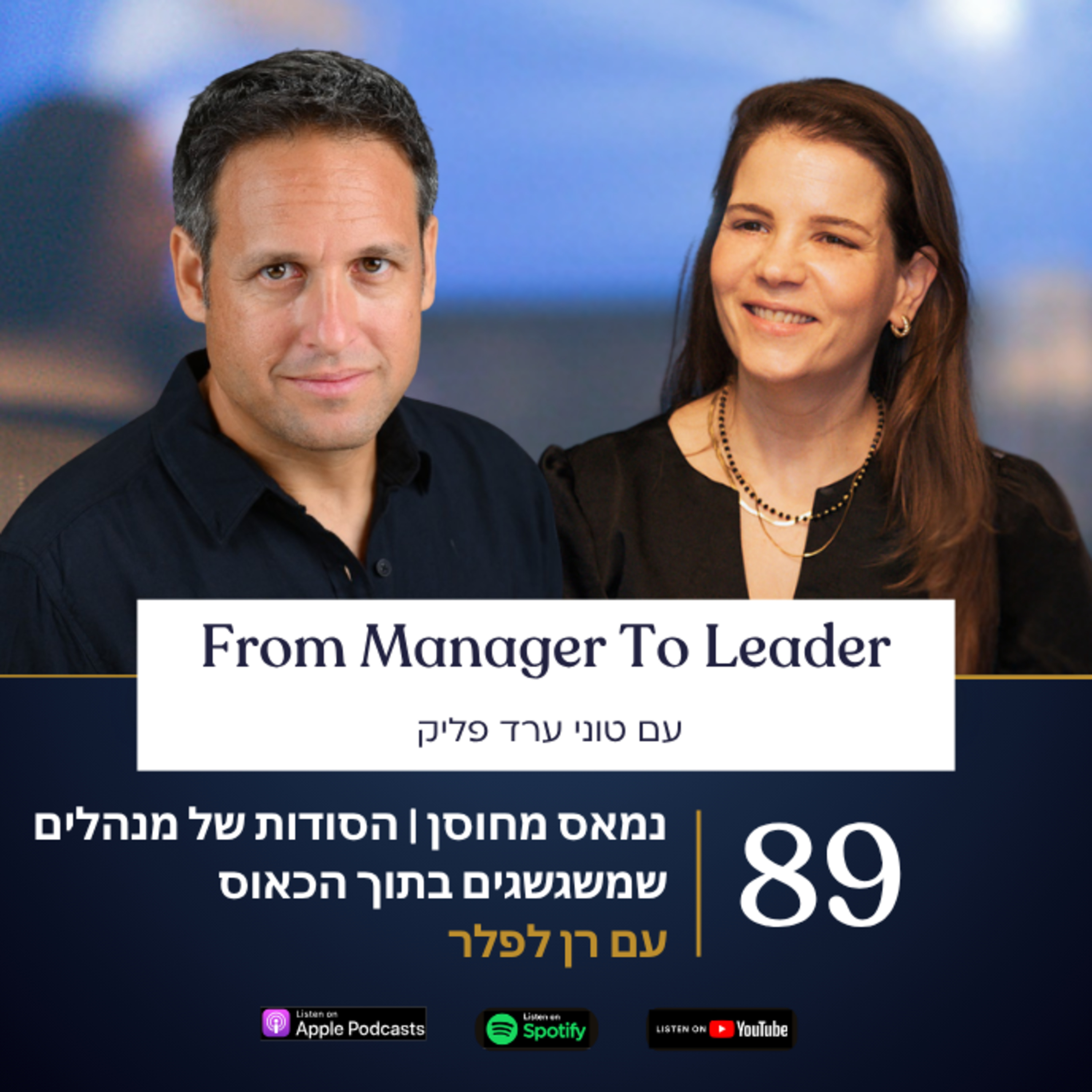
From Manager to Leader - עם טוני ערד פליק
פרק 89 - נמאס מחוסן | הסודות של מנהלים שמשגשגים בתוך הכאוס | עם רן לפלר
00:43:42
Loading summary
Transcript57 lines
- [00:06]
A
היי, אתם מאזינים לפודקאסט From Manager to Leader, הפודקאסט למנהלים שרוצים לעשות את קפיצת המדרגה אל הובלת החיים, הקריירה והאנשים שלהם להצלחה והגשמה בעזרת כלים מעולמות הפיתוח, הפסיכולוגיה והתודעה. אני טוני ארדפליק, מונחת הפודקאסט הזה, מנטורית ומלווה מנהלים, מנהלת פיתוח בכירה עם ניסיון של למעלה משני עשורים בהייטק מרצה ומנחת קבוצות של מכון אדלר ובעיקר סקרנית ולמדנית נצחית. אם אתם מנהלים שרוצים להתקדם, להשפיע ולייצר הצלחות, וגם לחיות את החיים האלה בטוב, למצוא את האיזון וליהנות מהדרך, הגעתם למקום הנכון.
- [00:55]
והיום בתוך התקופה המטורללת שאנחנו נמצאים בה, מקליטים את זה במלחמת איראן 2, אחרי שנתיים וחצי של באמת כל מה שעבר עלינו, אנחנו נדבר על זה שנמאס לנו מחוסן, נמאס מחוסן, אבל יש אלטרנטיבות. אז איך בכל זאת יש אנשים ויש ארגונים שמצליחים לצמוח מתוך החוסן הזה ובאמת לשגשג? איך גם אנחנו יכולים לעשות את זה, זאת תהיה שיחה מאוד מאוד מאוד פרקטית ודאון טרו ארץ כמו תמיד. ואיתי פה בפרק הזה רן לפלר, רן איזה כיף שאתה פה. תודה תמימי, גם לי, תודה על ההזמנה.
- [01:38]
תציגי את עצמך. אז אני רן, בארבע שנים האחרונות בקבוצת נירם גיתן NGG, נשוי ללירון, אבא ליובל, גלי ורועי, ובשנים הקודמות הגעתי מתפקידי ניהול בעיקר במגזר השלישי, ככה שהעבודה הייעוצית מתחברת על היכרות עם אתגרים של הנהלות, מנהלים, מתחים, כמו שגם את יודעת מצוין, מגוף ראשון. העבודה שלי היום היא בעיקר תהליכי פיתוח ארגונים, לקוחות מגוונים, עם איזושהי התמחות במדידה והערכה ועולם העבודה החדש. מדהים. אז אנחנו שיתפנו פעולה לא מזמן בוובינר של NGG, שהיה מאוד מאוד מוצלח על הטמעת AI, גם בוגרי הופמן קופמן, שזה גם מכנה משותף ומאוד ככה עמוק שיש לנו.
- [02:30]
ובפרק הזה באמת בא לי רגע שנדבר על זה שנמאס מחוסן. אולי אתה יכול להסביר מאיפה הדבר הזה מגיע? אנחנו יכולים לנסות ביחד. יאללה. אני חושב שצריך להגיד את המובן מאליו על התקופה שאנחנו נמצאים בה ועל השינוי המתמיד שבעצם עוטף אותנו.
- [02:49]
זה נשמע מאוד טריוויאלי, אבל אם נלך אחורה לעשור האחרון, אין צורך אפילו למנות את חמות האירועים המטורללים יותר ופחות דרך הקורונה, המהפכה המשטרית, חילופי בחירות והלאה והלאה והמצב הביטחוני, וזה בישראל, ויש גם דברים בעולם שהם עצימים מאוד, ומה שאנחנו רואים בעצם זה שהתדירות עולה והעצימות גוברת. אז השינוי המתמיד הזה באקו-סיסטם החיצוני, הוא משפיע על כולנו. ואנחנו, הם שמים את זה במה שאנחנו קוראים לו מערבולת בתוך מערבולת. כל השינויים בסביבה החיצונית מתרגמים גם לשינויים בסביבה הפנימית. שינויים בשוק העבודה, מפיני העובדים, דורות, כמו שאנחנו מכירים, מה שקרה בעקבות הקורונה, על ההתפטרות השקטה וכן הלאה וכן הלאה וכן הלאה, אנחנו בעצם נמצאים בשינוי בשתי רמות, בסביבה החיצונית והפנימית, וזה כל הזמן עוטף אותנו.
- [03:42]
והחופן שאת אומרת שנמאף ממנו הוא הצורך שלנו כמנהלים להגיב, לתת מענה לשיבוש הנוכחי ולשמור על אותה רציפות. נכון, אני גם חושבת שמי שהיה מנהל לפני שבע שנים, כאילו שבע שנים זה נראה לייפטיים באמת מה שעבר עלינו בשבע שנים האחרונות, ואני חושבת שהעולם משתנה בקצב כל כך כל כך מהיר, שגם החרדה עולה וגם מערכת העצבים שלנו לא רגילה ולא... מצליחה להתרגל לתוך הקצבים והשינויים ומה שנדרש מאיתנו. עכשיו אנחנו כבר בתוך, חזק בתוך מהפכת ה-AI, שבאמת משנה סדרי עולם, לא משנה איזה משהו קטן כזה של בסדר, שינוי ארגוני, ממש משנה סדרי עולם, משנה את תפיסת הזהות שלנו כאנשים וכעובדים וכמנהלים בעולם העבודה. ואם אנחנו גם בעמדת השפעה וניהול ומובילים אנשים אחרים, השנים שלנו פה בשוק העבודה, אז איך עושים את זה?
- [04:46]
איך עושים את זה? כי גם רמות השחיקה הן כל כך גבוהות. אני חושב שנגעת בנקודה, למה חוסן זה לא מספיק. אם נוסיף לשיבושים הפנימיים והחיצוניים את הקפיצה הטכנולוגית המשוגעת, שבעצם הקצבים הם ברמה של שבועות, לא של שנים, אז אנחנו מבינים שאם אנחנו חוזרים לנקודת הפתיחה, אבל בזמן שהגבנו וחזרנו, המציאות סביבנו השתנתה, והנקודה שהיינו בה קודם היא כבר לא מספקת כדי לעמוד בתחרות. ולכן חוסן ב-resilience, כמו שאנחנו תופסים אותו, ליפול ולקום פעם אחר פעם, זה כבר לא good enough, ואנחנו צריכים משהו משוכלל יותר.
- [05:26]
נכון, בוא נתחיל עם פרקטיקה וניתן ככה דוגמאות פרקטיות מארגונים שעושים את זה. הרי נגיד מטא, והם שינו את המבנה הארגוני שלהם, זאת אומרת הם הבינו, אני לא יודעת אם הם הבינו נכון, בסדר, לי יש השגות על התוצאה של הדבר הזה של להכפיף 50 אנשים למנהל אחד, אבל המהלך הגדול שהם יצאו איתו הוא מהלך של רידוד שכבות הנהלה, והם הבינו שמהמשבר של ה-AI הם צריכים לצאת אחרת לגמרי, אז הם ממש ממש שינו את המבנה הארגוני שלהם, זה כבר לא שאלה של חוסן, זו לא שאלה של איך אני מתגברת על המשבר, ויוצאת ממנו בצד השני, אחרת לגמרי לגמרי מאיך שנכנסתי. דוגמה נוספת היא דוגמה מגוגל, לגוגל באמת הייתה להם תחרות מאוד קשה מול OpenAI, עם ChatGPT שהיה הדבר הכי חזק בשוק, אנחנו כבר שכחנו את זה כי עכשיו ג'מיני הוא יותר חזק ועכשיו כבר קלוד הוא יותר חזק, אז הקצבים הם מאוד מהירים והכל קורה נורא נורא מהר, אבל אחד המהלכים הכי מדהימים שעשו בגוגל זה לקחת שני ארגונים בתוך החברה שהם שני ארגונים מתחרים בגדול, הם שני ארגונים של אנשים סופר סופר מבריקים, חוקרים סופר מבריקים, אחד קראו לו brain והשני קוראים לו deep mind, והם לקחו את שני הגופים האלה ואיחדו אותם. עכשיו תחשוב איזו תחרות ואיזו מלחמת ניצים, ניצוצות של אגו יצאו מהדבר הזה, ובאמת הרבה טיילנט גם עזב את החברה בגלל הדבר הזה, זאת אומרת אם זה לא היה קורה אז לא היה לנו את ג'מיניי וגוגל באמת הייתה מאבדת את היכולת להמשיך להתחרות אז איזה שני סיפורים קטנים כאלה של איך חברה רגע מסתכלת לגמרי אחרת על המציאות ועושה דברים אחרת ועוד מעט גם נדבר על מה אנחנו יכולים לעשות אחרת בחיים שלנו כי אם אנחנו ממשיכים לעשות more of the same אנחנו פשוט נפסיק להיות רלוונטיים חד משמעית, הדוגמאות שלך כבר מראות איך מסייקל לסייקל אנחנו עושים שינויים בהנחות היסוד ומתארגנים את זה לשינויים בתהליכי עבודה, מבנה, כמו בדוגמאות שהבאת או בהתאם לסיטואציה. אבל זה לגמרי דרוש מאיתנו לעשות מהלכים ברמות האלה ופה אנחנו כבר מרחיבים את המושג חוסן.
- [07:53]
נכון, אז אמרנו שחוסן זה לא מספיק. ואמרנו שגם נמאס לנו מהדבר הזה, כי שוב, אחרי שנופלים על הטוסיק לקום ולעמוד על הרגליים, זה באמת כבר לא מספיק, כי בידי טיים, כשנעמדנו על הרגליים, העולם המשיך להתקדם ואנחנו כבר לא בקצב. יש ארגונים שעושים את זה אחרת, ויש מודל נורא נורא יפה של אנטי שבירות. השם שלו הוא שם שהוא לא מאוד מוצלח בעיניי, בגלל שאני חושבת שאנטי שבירות, יש בו שבירות, ואנחנו רוצים לשרוד ולשגשג ולהצליח בעולם, לא להיות שבירים או להיות פחות שבירים, זה לא מה שאנחנו רוצים. ודרך אגב, זאת אחת הביקורות על המודל הזה, שאין המשגה, אין מילה מספיק טובה בשביל הדבר הזה.
- [08:36]
אבל המודל עצמו הוא מודל ממש מדהים, אז תספר לנו קצת על זה. בשמחה. קודם כל, זה חלק מהגאונות של טלב, שהוא ממציא שפה. ממש. ולכן אין מונח מקביל עם הביקורת.
- [08:48]
ונגיד רגע, נרחיב את הראייה. למי שלא מכיר, נשים ניקולס טלב, הוא המחבר של הברבור השחור, ובעצם בברבור השחור, שזה עוד קודם לאנטי שוויר בכמה שנים טובות, הוא בעצם משקף לנו את העיוות בכך שאנחנו מנסים לחזות את העתיד על בסיס העבר. הוא בעצם מסביר לנו עד כמה הדבר הזה לא עומד בקנה אחד עם המציאות. זאת אומרת, המציאות היא לא ליניארית, אנחנו לא יכולים לצפות שמה שהיה הוא שיהיה. זה מתחבר כמובן למדעי המוח, הנטייה שלנו לנבות בצורה הזאתי, אנחנו קולטים את העולם באמצעות החושים, המוח שלנו בונה סכמות, עושה פרדיקציות ומקל עלינו, אבל בהיבטים האלה יש לזה מחיר מאוד מאוד כבד שאנחנו מנסים להסתמך על זה, ושם הספר, הברבור השחור, שבעצם לא האמינו שיש אופציה שקיימת חיה כזאת, ברבור שחור שהגיעו לאוסטרליה בפעם הראשונה.
- [09:41]
פשוט כי לא ראו את זה קודם. עכשיו נחשוב על כל הפעמים שבהם הגענו לסיטואציה שלא צפינו ולא ידענו על דעתנו, ולא היינו פתוחים מחשבתית ולא נערכנו אליה מתוך זה. לא צריך ללכת רחוק, יש לנו טראמפ, יש לנו כל כך הרבה דברים שקורים סביבנו, שמי יכול היה לדמיין בכלל שזאת המציאות שנחיה בה. יפה. והוא ממשיך את התזה שלו עם אנטי פרייג'ל, שהכותרת משנה היא איך לשגשג בעולם של ברבורים שחורים.
- [10:07]
ושם הוא בעצם מביא טענה שאומרת שיש מערכות אקולוגיות, כלכליות, ארגוניות, אנושיות, שבעצם מצאו את הדרך להשתפר ממשבר למשבר ומאירוע לאירוע, ואי-ודאות לא גורמת להם לקריסה, אלא גורמת להם לשגשוג. ובעצם העיסוק שלי ושלי בחברה שאני עובד במונח הזה, צללנו עמוק פנימה במלחמת איראן הראשונה, באופן אבסורדי אנחנו מקליטים במהלכה של השנייה, ובעצם ניסינו לפרק בדיוק כמו שאנחנו עושים עכשיו, איך לצמוח ממשברים זה לא קלישאה, איך אפשר למדל את האמירה הזאתי צמיחה ממשברים, ואיך אפשר להשתמש בתזה הזאתי כדי לעשות את זה. אז לפני שאנחנו ממשיכים, אני רגע רוצה להגיד, ממש אתמול בארי ושבתי עם חברים מאוד מאוד טובים, סיפרתי להם על ההקלטה הזאת שעומדת להתרחש היום, וזה עורר בהם אנטגוניזם מאוד מאוד גדול. הם אמרו, אנחנו לא מבינים, כאילו, כל כך עייפים, כל כך מותשים, כל כך שחוקים הילדים על הראש שלנו. העסק לא עובד כמו שרצינו שהוא יעבוד בתקופה הזאת.
- [11:19]
יש כל כך הרבה דברים לדאוג מהם, יש התשה, ממש הרגשה של התשה, איך אפשר לדבר על סגסוג מתוך מה? את מדברת כאילו על אנשים ש... שנולדו עם הסופר פאוור הזה של סופר הסתגלות כאילו, איך הדבר הזה עובד, אבל ככל שצללתי לתוך המודל הזה, ואני גם לא בן אדם של מודלים ולא של תיאוריות, אני בן אדם נורא נורא פרקטי, אז שווה לכם להמשיך להקשיב לזה, כי יש פה באמת פרקטיקה ממש ממש ממש אמיתית. נכון, אני מסכים, אני גם מאוד מבין את התגובות, ולכן גם הגישה שלנו הייתה איך לבטל. או איך לתת מענה לאנטגוניזם הטבעי הזה שזאת קלישאה.
- [11:57]
והדרך הזאת מתחילה עוד לפני המודל או ההמשגה שאנחנו מציעים, בעצם בהפנמה של המציאות שאנחנו חיים בה. וההבנה שהשיבושים ימשיכו להגיע ומהר, וזה לא שאלה של אם, אלא של מתי, ו-nobody is coming, אנחנו חייבים לקחת אחריות על עצמנו. ואנחנו חייבים לייצר מיינדסט שרואה בדברים האלה הזדמנות, פשוט כי זה מה יש. ואם אנחנו מתקפלים ומתגוננים ומשתבללים, כשאנחנו מרימים את הראש, המתחרים ברחו לנו, הסביבה ברחה לנו, אנחנו לא רק שלא חוזרים מנקודת המוצא, אלא אנחנו נמצאים בפיגור יחסית לעולם החיצון. ומשם גם יותר קשה להתאושש, כי שוב המשבר הבא דופק בדלת, הוא עוד שנייה מגיע.
- [12:44]
מהר יותר ממה שחשבנו. נכון, איזו הסתכלות ארמגדונית או כזה, אלא פשוט מתוך התבוננות על שבע השנים האחרונות. נכון, נכון מאוד. אז אני אנסה להתחיל ממבט על את המודל, ואז ננסה לראות בפרקטיקה איך אפשר להשתמש בזה. ובעצם ניסינו למדל את זה במודל פשוט עם שלושה שלבים, אבל שננסה לפרק את זה ולראות שהוא גם לא כל כך פשוט, וקראנו לו באנגלית, שזה ראשי תיבות של Bounce, Adapt ו-Grow.
- [13:12]
בעצם אומרים שאנחנו במציאות משברית, אגב, קפיצה טכנולוגית היא מהווה סוג של משבר עבורנו. לגמרי. אז גם יציאה של מודל חדש או תחושת הפומו האינסופית, היא גם לצורך העניין גורם משבש שאנחנו מפעילים באותם עקרונות וזה רלוונטי באותה המידה, לא רק המלחמות הקיומיות האמיתיות שאנחנו, שהן מנת חלקנו בשנים האחרונות. אז באונס זה באונס בק, זה רגע. לראות שאני נמצא בנקודה שאני מספיק יציב, יציבה, כדי לפעול.
- [13:44]
כי אם אני בעוררות פיזיולוגית, אם אני בסטרס, אם אני בדחק, זה לא הזמן עכשיו ללמידה, זה לא הזמן עכשיו להתפתחות, זה זמן רגע לצרכים בסיסיים, להיות ביכולת הכלה ותפקוד כדי לעשות את הקומה הבאה. אוקיי, רגע, שנייה, אני רוצה רגע לעצור במקום הזה. כשאנחנו מסתכלים על עצמנו כבני אדם, על הראש ועם העבודה והצורך לתפקד וכל מה שיש עלינו, שלא לומר אזעקות כל איקס זמן. קשה מאוד שלא להיות בעוררות פיזיולוגית, כמו שאמרת, ובוא נשים את זה במילים פשוטות, זה גם תסכול, וזה גם פחד, וזה גם חרדה, וזה גם עצבים, וזה גם חוסר סבלנות כלפי עצמנו, כלפי הילדים שלנו, כלפי מי שנמצא בסביבה המיידית שלנו, ובטח שכלפי העבודה, אף שבעבודה אנחנו כאילו הכי, כי זה המקום שבו אנחנו הכי פחות יכולים לתת ביטוי לרגשות האלה. השאלה הנשאלת כאן היא איך אני מביאה את עצמי לקו האפס, למקום שבו מערכת העצבים שלי היא מבוסתת ברמה כזאת שאני אוכל להיות מנוהלת, כי כשאני בתסכול, כשאני בעצבים, כשאני בחרדה, אני בטח לא בלמידה וביצירתיות, זה לא בא ביחד.
- [15:02]
לגמרי, אז ללמידה וההתפתחות נגיע בשלבים הבאים, ובאמת יש המון דרכים שקשורות לגוף, שקשורות לעוררות הפיזיולוגית והלחץ. אני יכול לספר משהו שאני גיליתי שמאוד עוזר לי, זה תובנה תרתי משמע מאמבטיית קרח, שאנחנו מכירים שהעולמות האלה של הנשימה, המיינדפולנס, אמבטיית קרח פרקטיקה אולי קיצונית לחלק מהאנשים, אבל היא מלמדת. מה שאני למדתי, שמה שמאוד עוזר לי, זה דיבור פנימי. כי בעצם החוויה היא חוויה של לא טוב לך, לא נעים לך, תפסיק עם זה, אני רוצה שזה ייגמר. וזה חלק בתוכך שמדבר.
- [15:41]
והדיבור הפנימי הוא דיבור מכבד. הוא אומר, תודה, תודה שאתה דואג לי, אני בחרתי בזה, אני לוקח עוד רגע וזה יהיה בסדר, תסמוך עליי. זה נשמע אולי קצת מנותק, אני חושב שהדיבור הפנימי הזה הוא מפתח להמון המון דברים שאנחנו מזהים. את הקול הזה של החרדה. שימי לב שכל הפתיח שלך בנושא הזה, אנחנו מדברים על המלחמה ועל הקפיצה הטכנולוגית והדברים מכונים באותה מידה.
- [16:05]
החרדה שזה מעורר בנו, חוסר השקט, אז שמתעוררות בנו התחושות האלה, היכולת הזאת לבוא ולתת להם מקום, לא לבטל אותם, אבל גם לדעת להגיד לעצמנו, יהיה בסדר. אז אני רוצה להגיד שזה נוגע בפרקטיקות ש... אני חושבת שבמהלך החיים שלנו הרבה פחות מלמדים אותנו, כמו לאבד את הרגשות שלנו, לתת שם לרגש שלנו, רגע לשאול את עצמי איך אני מרגישה עכשיו, למה אני זקוקה. אתם מוזמנים לקפוץ לפרק אחר בפודקאסט עם מתי הרלב על עיבוד של רגשות. היא אמרה שם שכל רגש הוא גל של 90 שניות.
- [16:44]
אז אם משהו עצבן אותי ואני יכולה שנייה לעצור ולאבד את הרגש הזה, ממה אני מרגישה, זה הופך מן עננה ענקית כזאת, מאוד אמורפית, מאוד גדולה כזאת, כאילו שמו נץ קטן בתוך בלון גדול והבלון הזה התפוצץ. זו דרך אחת ופרקטיקה נוספת שאני חושבת שפחות מלמדים אותנו והיום כשאני מאוד טובה בזה, אני חושבת שזה מאוד מאוד מווסת ועוזר, זה הסיפור הזה של חמלה, זה הסיפור הזה של רגע. קודם כל לקבל שזה מה שעובר עליי עכשיו, אני בן אדם בתוך סיטואציה סופר מורכבת. אני נורא רוצה לעלות עכשיו לפגישה עם המנהל שלי והוא מחכה לי בזום, אבל הילדה שלי צורחת כרגע, ואיך מנווטים בתוך הסיטואציה הזאת. ולי עכשיו קשה, לא רק לילדה שלי שצורחת, לי קשה, לי כבן אדם קשה, כי יש פה ציפיות שאני רוצה לעמוד בהן ואני לא עומד בהן כרגע, וכי זה מלחיץ אותי.
- [17:42]
יש את כל הדברים, אז שנייה, אם אני עוצרת לעבד בעין את הרגשות שלי ולהבין רגע מה עובר עליי ולמה אני זקוקה ולקחת שם איזו נשימה טובה, זה מחזיר אותי למקום הרבה יותר מבוסס, וזה לא, יכול להיות שיש מי שישמע את זה ויחשוב שזה נורא רוחני או גבוה או מרוחק, ואני רגע רוצה להגיד, יש כאן פרקטיקה שהיא מאוד מאוד מאוד... מבצעת את מערכת העצבים שלנו, את הפיזיולוגיה שלנו, כי כל מה שהגוף שלנו רוצה זה להרגיש בטוח, זה הכל. כשאנחנו מרגישים בטוחים, אז המוח שלנו יכול להתפנות לשיח שהוא הרבה יותר יצירתי וחדשני ולומד ומתפתח, אבל במקום שבו אנחנו לא מרגישים בטוחים, אנחנו בחרדה, זה לא מקום שבו אפשר להתחיל לדבר על ביצועים קוגניטיביים. נכון, ואם, מאחר שאנחנו מדברים למנהלים ומנהלות, אם ניקח את זה ראייה רחבה יותר, אחרי שהצלחנו להגיע לאיזון עם עצמנו, אנחנו מרימים את הראש ומסתכלים על האנשים סביבנו בצוות, ומבינים שיש לנו פה מערכת מקבילה, שאנשים נמצאים בשונות מאוד גדולה. יש אנשים שאדישים לחלוטין לגורן המשבש, יש אנשים שנמצאים בסטרס 100 מתוך 100, ובעצם ה...
- [18:57]
היכולת שלנו לעלות למרפסת, להתבונן, ולהבין איזו התייחסות כל חבר וחברת צוות דורשים מאיתנו בשלב הזה, כדי לעזור גם להם לעשות את הבאונס הזה, ולהגיע לנקודה שהם פנויים להמשך משימות. ממש, ואצל כל אחד זה מאוד שונה, זאת אומרת, זה באמת דורש התבוננות, וגם אנשים שנראים לנו שהם אדישים לזה, תקשיבו, אנחנו חולקים כאן את אותה טראומה לאומית, כאילו, אין אדם במרחב שהדבר הזה לא משפיע עליו, מעגל קרוב, מעגל רחוק, לא משנה. על כולם זה משפיע, וזה באמת התפקיד שלנו רגע להבין מה רמת ההשפעה של זה ואיך אנחנו עוזרים לאנשים שלנו להמשיך ולמה הם זקוקים בעיקר, כדי שנוכל להמשיך ביחד ולעמוד בתוצאות וביעדים שלנו. לחלוטין, וזה באמת כמו, מסלו זה כבר לא זה, אבל באמת משהו שאומר, יש לנו את הבסיס ואנחנו יכולים לעבור לשלבים הבאים. אחרת אנחנו ננסה לפעול שאין לנו את התשתית אפילו הפיזיולוגית לעשות את זה.
- [19:53]
מעולה, אז אני נורא אוהבת שאמרת את זה, כי באמת אני חושבת שבגלל שהרבה אנשים לא קשובים לגוף שלהם ולא קשובים לרגשות שלהם, הם אפילו לא בהבנה שזה ה-back to basics, בסדר? זה הדבר הראשון שחייבים, חייבים, חייבים לדאוג לו כדי שנוכל להיות אפקטיביים. אז אם אנחנו לא מווסתים את עצמנו, אנחנו לא נצליח לעבור לשלבים הבאים. או שבשלבים הבאים, כשאנחנו נרגיש שאנחנו כבר מצליחים, זה ישפריץ לנו מכל מיני מקומות, ואז אנחנו נצטרך לחזור אחורה ולטפל ברמת הוויסות שלנו. ואפשר להגיד פה ברמה של טיפים למנהלים, על מודל ששוחחנו עליו מקודם, והוא רלוונטי מאוד לשלב הזה, של גישת הרצפים.
- [20:37]
שאירוע משברי בעצם קוטע את הרצפים שלנו, ואנחנו מבקשים לעשות איחוי, במודע, לא במודע, ואנשים מצפים מהמבוגר האחראי, מהדמות ההורית, המנהל, ההורה במשפחה, בעצם שיסייע להם במשימה הזאת של איחוי הרצפים. מתבוננים הרצפים מסגמנטים שונים, מהרצף התפקודי, שזה לחזור לכשירות תפקודית, הקוגניטיבי, של לצמצם חוסר ודאות, הרגשי כמובן, ככל שזה בשליטתנו. חברתי של להיות עם הסביבה המוכרת לנו, מנהיגותי, שאותן דמויות שמובילות אותנו לא יתחלפו בעקבות המשבר. ובעצם ההמשגה הזאת והכלי הזה מאוד עוזר לנו לעשות את הבאונד שאנחנו רגע מסתכלים, האם יש לאנשים את כל המידע. בהנחה שאין להם, אם הסגרנו להם את חוסר הוודאות, אמרנו חברים, זה מה שידוע כרגע, מחר בעשר נעדכן שוב.
- [21:24]
כבר צמצמנו מאוד את הפער הקרוגנטיבי, אם כולם קיבלו משימות, אם המשימות התבטלו, האם קיבלו משימות חדשות. איך אנחנו מייצרים כמה שיותר איחוי, כמה שיותר באונס בק, ואז אנחנו מגיעים לנקודה פתיחה משודרגת שמאפשרת לנו גם להתחיל את תהליך הלמידה והצמיחה. אוקיי, אז בא לי רגע שוב לקחת את התיאוריה אלא איך הדבר הזה נראה ביום-יום בחיים של מנהלים. אחד הדברים שהכי הכי הכי קשים ומכבידים עלינו קוגניטיבית זה הסיפור של קונטקסט סוויץ'. קונטקסט סוויץ' מוציא אותנו מאיזון.
- [21:54]
זאת הסיבה שלי נגיד אין נוטיפיקציות בכלל בטלפון טוב, ויש לי גם הפרת קשב ועוד כמה מתנות, אז לי זה לא מתאים, אבל זאת ממש אסטרטגיה לנהל את הקשב שלי. והרבה שנים כשניהלתי, שמתי לב שאחד הדברים שהכי מחרפנים אנשים, זה להתחיל פרויקט, לאפיין אותו, ואז הוא נגנז, או משתנה. או עובדים עבור לקוח, שהוא לקוח אסטרטגי נורא גדול לזה, ופתאום הלקוח הזה עובר למתחרה או זה, אבל הסיפור הזה של קונטקסט וויצ'ל, בנינו כאן איזושהי מכונה או איזשהו פרוסס או איזשהו משהו שכבר יצרנו אטאצ'מנט רגשי אליו, אנחנו כבר בתוך האירוע ובתוך החוויה, ועכשיו מזיזים לנו את הגבינה וקוטעים לנו את הרצף, בסדר? הקטיעה הזאת של הרצף היא מאוד מאוד מאיימת לנו, שוב, על מערכת העצבים שלנו, זה חוזר לפיזיולוגיה שלנו, כששני חברי צוות פתאום עוזבים, או המנהל עוזב, יש אירוע גדול בחברה שמאוד משפיע עסקית, זה איזושהי קטיעה של רצף, זאת אומרת יש פה איזשהו חזון, איזושהי מציאות שאנחנו נמצאים בתוכה, איזשהו ריטואל שאנחנו רגילים לחשוב שככה החיים מתרחשים, ופתאום הרצף הזה נקטע, וכשהרצף הזה נקטע זה מאוד מכביד עלינו, זה מאוד קשה לנו, תחשבו אתם מה קרה לכם בפעם האחרונה שחבר טוב מהעבודה שלכם עזב או הזיבו אותו, יש פה משהו שהוא באמת רגע דורש מאיתנו הסתגלות מחדש. אז גישת הרצפים מדברת בדיוק על הסיפור הזה של ה-context switch שנדרשת מאיתנו, הסתגלות מחודשת על הדבר הזה, וכמה זה קשה, כמה זה קשה לנו.
- [23:33]
עכשיו, מה התפקיד שלנו כמנהלים? לייצר שוב את הרצף, וכשרן מדבר על איחוי, אז הוא מדבר בדיוק על המקום הזה של איך אני עכשיו מאחה את ה... את השבר הזה בין הרצפים כדי להמשיך את הרצף, כדי שמערכת העצבים של האנשים שאנחנו עובדים איתם, הכל יחזור לתפקוד רגיל. נכון, וצריך לומר באיחוי, אנחנו כבר מבינים, וחברה ישראלית מבינה את זה גם ברמה הלאומית, שזה לא חוזר להיות אותו דבר. יש לזה מחירים ויש השלכות, אבל האיחוי מתוך הסיטואציה, בתוך המשאבים הקיימים, מאפשר לנו להמשיך לנרוא קדימה ולא להישאר בשבר.
- [24:10]
ואני חושב שהמילה הכי חשובה בדברים שלך טוני זה הסתגלות, ולהבין שיכולת הסתגלות זה שריר, כשאת מתארת את אותה עוררות רגשית מהפרויקט שנגנז ומהלקוח שעזב למתחרים, אני יכול לומר שבעולם שלנו זה דבר מאוד מאוד שכיח, ואנחנו מקבלים את זה כמובן, זה לא עובר לידינו, אבל אנחנו כבר פיתחנו את השריר ברמה כזאתי, שזה... זמן באמת זניח ואנחנו כבר ממשיכים לדבר הבא כי אנחנו מסוגלים בזה. והשריר הזה הוא דורש הרבה עבודה תפיסתית ובעיקר הכרה בזה שזה העולם ושאנחנו רואים בכל אירוע הזדמנות ופרואקטיביים ומחפשים את המעגל ההשפעה שלנו בתוך הדברים. אולי זה נשמע קלישאות אבל זה משנה מאוד מאוד את העוררות אפילו הפיזיולוגית שקורית ואת כל היחס שלך לאירועים שאתה... מבין את הקצב ומבין שזה קורה ומנתח את הדברים וזה אולי נגיע בשלב הבא ובודק איזה חלק היה לך בדברים ומה אתה יכול לקחת מזה לפעמים הבאות.
- [25:11]
בסוף אני חושבת שזה לא רק להסתגל, זה גם לעזור לאחרים להסתגל בגלל שאנחנו בעמדת השפעה, אז חשוב שאנחנו נבין איך אנחנו מסתגלים וזה נכון שזה נשמע כמו קלישאות וזה לא פשוט, זה לא פשוט כי... הדיסרפצ'ן רק הולך ועולה בעוצמות שלו. אז עוד מעט אנחנו גם נדבר על איך אנחנו מבינים מי אנחנו בתוך השינוי הזה ואיך אנחנו מוצאים באמת כלים פרקטיים ואמיתיים גם כדי לעבור את השינוי בעצמנו וגם כדי לעזור לאנשים שלנו לעבור אותו. נכון, ואם אני ברשותך אני אתחבר למודל ואני אגיד אוקיי עברנו את הבאונס, עכשיו אנחנו באדאפצ' שזה בדיוק מה שאנחנו מדברים עליו, אותה הסתגרות. פה יש כלים שעוזרים לנו לעשות למידה בראייה של חוזקות, של הצלחות עבר, מה שנקרא תחקיר מוקיר, ולהסתכל גם על משברים קודמים.
- [26:05]
כי יש לנו כבר פרספקטיבה, כנראה שהשיבוש שאנחנו פוגשים, זה לא הפעם הראשונה שפגשנו שיבוש. ובכל זאת אנחנו פה פעילים ומוצלחים יותר או פחות, כל אחד בתחומו. ואז לשאול את עצמנו, פעם קודמת שחווינו את התחושה הזאת שנשמטה לנו הקרקע מתחת לרגליים. מה עשינו? וכמה נורא זה היה בדיעבד?
- [26:23]
ומה הדברים שעבדו ומה הדברים שלא עבדו? ואז אני מתחיל את הלמידה בנקודה משודרגת, יש לי המון ניסיון מצטבר. מעולה. אז אני ממש רוצה לתת לזה דוגמה פרקטית, בסדר? אני אתן דוגמה מהחיים שלי.
- [26:36]
אני גיליתי שיש לי הפרעת קשב בקורונה. הדלת של הממ"ד נסגרה, זה היה חדר העבודה שלי, הייתי מנהלת פיתוח, ישבתי back to back to back בפגישות האלה. ממש הרגשתי את עצמי קמלה, קמלה מול כל הקוביות הזום האלה, ממש המוח שלי הפסיק לעבוד באיזשהו שלב, ובעיקר הרגשתי את האנרגיה שלי הולכת ויורדת ויורדת ויורדת. באיזשהו שלב הבנתי שחוסר התנועתיות, זה שאני יושבת על הכיסא, יושבת על הטוסיק שלי כל כך הרבה שעות, כאילו אין זמן ללכת לשירותים ואין זמן לצאת החוצה ואין זמן ללכת לראות את השמש וכל הדבר הזה. זה לא כמו החיים במשרד, זאת אומרת במשרד גם השירותים רחוקים יותר, אז ללכת את הכמה צעדים האלה, רגע להזיז את הגוף, מסתבר שזה משמעותי, ולראות שנייה שמש, לרדת רגע למטה, זה משמעותי, וכשאני לא עושה את הדבר הזה, אז אני ממש הולכת וקמלה.
- [27:33]
אז הנה משהו שאני הבנתי תוך כדי משבר, ובמשברים הבאים, נגיד עכשיו, עכשיו אנחנו, נכון, אנחנו במין נזקות כאלה, אני יוצאת להליכה של לפחות שבעה קילומטר כל יום, כי אני יודעת שכשאני נמצאת בזום ובחדרים סגורים, אז יש לי סטרס שמצטבר לי בגוף, ובשבעה הקילומטרים האלה אני לא יכולה ללכת מאוד רחוק, כי יש לי עשר דקות לחזור מקסימום, אז אני עושה את זה כזה באזור של הבניין שאני גרה בו, שזה לא כיף, בסדר? זה לא כיף לי, אבל אני יודעת שאני זקוקה לזה. כדי שמחר רמת האנרגיה שלי תהיה גבוהה ואני לא אהיה בדיכאון, בסדר? אז כאילו זה בדיוק מהדברים האלה שאני יכולה ללמוד על עצמי במשברים, וכשאני לומדת את זה על עצמי אז אני יכולה ליישם את זה במשבר הבא ולהבין רגע למה אני זקוקה כדי להיות בטוב. מעולה, הדוגמה שלך משתלבת בול במודל המאוד פשוט הזה, ומראה לנו שכנראה שטוני של הסבבים הנוכחיים...
- [28:33]
טובה יותר או מוכנה יותר מאשר טוני של הקורונה. הרבה יותר אפקטיבית. ובעצם מיישמת פה את מה שטלב כינה אנטי פרג'ייל. ואם נלך להמשגה שלנו, אז נראה את הבאונס שעשית, כי התמודדת עם אותה סיטואציה בקורונה ותפקדת ומצאת את האיזון שלך, וידעת לעשות את הלמידה ולזהות בדיעבד שאותה חוסר תנועה, אותו דבר, זה הפער. ואני מגיע כאן לשלב האחרון במשגה שלנו, שזה ה-Grow, שזה בעצם להפוך את זה לשגרה.
- [29:06]
בעצם מה שעשית, שאת אומרת היום, זה באופן יומיומי, זה לא משהו שהוא ספורדי. ואז בעצם השלמת פה את המהלך, ובעצם התחזקת, כי כברת לאיזון, זיהית מה נותן לך, מה המשתנה המתערב, מה נותן את הערך, מה עושה את הדלתא, ובנית מנגנון קטן פשוט, כזו דוגמה פשוטה. אבל משמעותית. ואת אותם שלושה שלבים אנחנו רוצים לקחת על כל שיבוש טכנולוגי, חירומי, ולמצוא באמת, ושלב האדפט וזיקוק הערך הוא השלב המאתגר כדי לגעת בנקודה המרכזית של מה ייתן לנו ערך מהעושר על החוזקות והיכולות שלנו, איזה מענה אנחנו נותנים לפערים בצורה מדויקת, ומשם הולכים בעצם לבניית המנגנון. בואו ניקח את זה רגע לפרקטיקה, ונשאיר אתכם רגע עם שאלות אמיתיות שאתם יכולים לשאול את עצמכם.
- [29:52]
עכשיו בזמן משבר, למי אתם פונים כשאתם זקוקים לאוזן קשבת? מי זה הבן אדם הזה או האישה הזאת שאתם פונים אליה, שאתם מרגישים שם מאוד מאוד נוח? עם מי נוח לכם לעבוד? עם מי לא נוח לכם לעבוד? זאת אומרת, מי האנשים האלה שנמצאים במעגל הקרוב שלכם, שאתם יודעים שאם אתם המנהלים שלהם, אז אתם תיתנו להם משימה והם...
- [30:19]
והם ירוצו עליה ואתם לא צריכים לשבור על זה את הראש והדברים יתבצעו לעומת אנשים שכרגע הם משקולת מאוד מאוד מאוד גדולה על הצוואר שלכם בתקופה שהיא גם ככה מאוד מאוד מאוד מורכבת. כשאני יודעת לענות על השאלות האלה וזה אותו דבר לגבי המנהל שלי ואותו דבר לגבי הפירים שלי ואותו דבר לגבי התרבות הארגונית של החברה שאני עובדת בה האם זה מתאים לי או לא מתאים לי ואם יש שם הלימה בין הערכים שלי לערכים של הארגון. כשאני יודעת לענות על הדבר הזה, המשבר הבא שבטוח יגיע, יפגוש אותי, הרבה הרבה יותר מוכנה, עם פוטנציאל הרבה יותר טוב להצליח. לגמרי. השאלות שאת שואלת פה את המאזינות והמאזינים, זה בעצם איך נבנה מערכת גם ברמת עיצוב הסביבה.
- [31:06]
איך נסיק, איזה סביבה משרתת אותנו, איזה סביבה נכונה לנו. אגב, השאלות האלה הן טובות לא רק בזמן אירוע משברי. לגמרי. שבעצם מצריך אותנו רגע לעצור ולדייק, אבל אלה שאלות מעולות, כי אנחנו בסוף רוצים לעבוד בסביבה שמטיבה איתנו, עם האנשים שמפרים אותנו, לכן זה שאלות מאוד מאוד חשובות. זה שאלות מעולות למי שמחפש עבודה ולמי שבאמת רוצה לעלות אל ה-next level שלו, כי הדבר היחיד שקבוע לכל אורך כל החיים שלנו זה אנחנו, אז אני יכולה לייצר סביבי את הסביבה שמתאים לי לגדול בתוכה ולהצליח בתוכה.
- [31:42]
דבר היחיד שקבוע זה אנחנו והשינוי. בדיוק, בול. אז אם נעשה סיכום ביניים, נגיד על המודל שהצענו כדי להפוך לאנטי שבירים, להיות מוכנים יותר מסבב לסבב, אז דיברנו על באונס, אדאפט וגרואו, שהרחבנו על באונס, על חזרה לאיזון, בגישת הרצפים, ועל אדאפט, על הסתגלות. נגיד אולי עוד שני משפטים על גרואו, שזה בניית המנגנונים, שזה יכול להיות עם כלים תומכים טכנולוגיים היום ואוטומציות, שבאמת עושה לנו שירות מדהים. וזה יכול להיות גם בבק טו בייסיק של לקחת קולגה שהוא יהיה השותף שלי ושיהיה לי עוד גורם חיצוני ולקבוע שגרות ולקבוע ריטואלים ולייצר איזושהי מערכת שתכריח אותי ליישם את מה שהבנתי שעובד לי.
- [32:27]
צריך להבין שללא המערכת הזאת התובנה לבד לא תמיד מספיקה, זו תמיד אחריות שלי, אבל אם אני רוצה להצליח כדאי שאני אבנה גם מנגנון שיגדיל את הסיכויים שאני אצליח, כי בעולם המשובש, הרצון הטוב שלי והתובנה שלי הם לא מספיקים. זה נורא מתחבר לי לדבר הבא שרצינו לדבר עליו, שזה הסיפור של השינוי הזהותי שאנחנו צריכים לעשות היום. עכשיו, שינוי זהות נשמע כמו עוד פעם תיאוריות ומודלים, אבל זה לא, כי אנחנו ממש ממש רואים שהתפקיד של מנהלים היום בעולם משתנה. ממש ממש ממש משתנה, כי פעם אנחנו היינו האנשים שידענו הכל ובאו אלינו בשביל לקבל תשובות ובשביל לדעת מה הצעד הבא ומה לחקור ולאיזה כיוון ללכת והיום AI יודע הרבה יותר טוב מאיתנו לעשות אססמנט ולאסוף מידע ולעבד ולקבל את הסיגנלים ואת כל שאר הדברים ש-AI, כאילו כל מה שקשור ל-IQ, AI כבר עושה הרבה הרבה יותר טוב מאיתנו, אנחנו רק בהתחלה, זה יגיע עוד מעט. אז המנהלים הם כבר לא הישויות הכי חכמות בחדר, ונשאלות כאן הרבה שאלות שהן שאלות מאוד מאוד בסיסיות ומורכבות של אוקיי, אז מה כן התפקיד שלי?
- [33:43]
ואיפה אני כן משפיעה? וזה שאלות של, זה ממש שאלות של זהות. אלה שאלות של זהות, כי אנחנו תמיד רוצים לשאול איך אני תופס את עצמי כבעל ערך. ואם עד היום תפסתי את הערך שלי בלהיות בעל הידע או המומחיות הטכנית, אז כרגע אני נמצא במציאות מאוד מאוד מאוד מורכבת כמו שאמרת, ואני צריך ללמד את עצמי ולבנות מערכת שתומכת את זה, איזה ערך מוסף אני מביא שלא מבוסס על ידע שכבר לא מבדל אותי, או על מומחיות טכנית, יכולת פיתוח וכו' שכבר לא מבדלת אותי, אלא על ערכים מוספים שיש לי. ולפעמים אני צריך לדלות ולזקק אותם כדי לשגשג בעולם ולפעול גם בתוך הטכנולוגיה שמתפתחת והיא תמשיך להתפתח בקצבים מאוד מאוד מהירים.
- [34:29]
ולפעמים אני אפילו לא יודעת איזה יכולות יש לי ואני אפגוש אותן תוך כדי תנועה. בא לי לספר שממש בשבועות האחרונים הרמתי מערכת אג'נטית די מטורפת לעסק שלי, מערכת שלמה שעושה מלא מלא דברים, היא כותבת הצעות מחיר והיא מעלה את הפרקים של הפודקאסט. והיא באמת עושה המון המון המון דברים, ובתוך הבנייה של המערכת הזאת, פתאום הבנתי כמה אני רגילה להגיד איך דברים ייעשו. ואני מדברת עם קלודקוד, ואני כותבת לו, תעשה ככה וככה וככה, והוא עושה אחרת לגמרי. ואני אומרת לעצמי, אבל מה קורה פה?
- [35:05]
עד שהבנתי שהאיך הוא בכלל כבר לא שלי יותר. הוא יודע, הוא הרבה יותר אפקטיבי ממני, יש לו את המערכות הפנימיות שלו, הוא יודע לחקור, הוא יודע להרים את הסקילים שלו, ואת האייג'נטים שלו, במערכת שלמה שבאמת עובדת נורא נורא יפה ביחד והתפקיד שלי הוא להבין את המה ולהבין את הלמה ורגע להבין מה הכיוון ולאן אני הולכת. אני חושבת רגע על מנהלים שעושים את זה בתוך ארגונים גדולים ולמה הם נדרשים, אז כש-AI בא ולוקח כל כך הרבה מהסקיל סט, כל כך הרבה מהיכולות הבסיסיות שאנחנו עבדנו המון המון המון שנים כדי שיהיה לנו. כי תחשבו שכל השנים הרי, את מי הערכנו? את הארכיטקטים, את האנשים שידעו לצלול לקוד ולמצוא את הבאגים, את מי שהיה לו את הזיכרון הכי טוב וידע לאתר את הבעיות וזכר את הבאג של הלקוח מלפני שנתיים שכמעט הפיל לנו את השרת.
- [35:59]
את כל הדברים האלה AI עושה היום בלי למצמץ, תוך שנייה זה בכלל לא, אין לזה ערך. ופה אם מישהו שהזיל לנו חשב שהגזמתם שהבאנו את המצב הביטחוני ואת מהפכת ה-AI באותה נשימה, אז הדברים שהלכתי פעם מראים, שעבור אנשים מעולם הידע והפיתוח, מדובר בחרדה מאוד מאוד מאוד עוצמתית, שיושבת על הדברים האלה, ויש פה צורך, טוני, בהמון המון המון ענווה, מה שאת מתארת. בעצם להכיר בזה שאני יודע את מה שאני יודע, אבל אני לא יודע מה אני לא יודע. מה שאנחנו מכירים גם מאופמן קופמן. ואנחנו מבינים שהענווה הזאת היום היא נהיית בסיס, היא נהיית בסיס והיא נהיית סקיל שמאפשר לנו בעצם לצאת ולהיות מוכנים לעולם העבודה החדש ולפתח את יכולת ההסתגלות.
- [36:45]
אם אנחנו נאחזים בעבר, אז אנחנו בבעיה. אז אני חושבת שזה נורא טבעי להיאחז בעבר ובמחיאות הכפיים שקיבלנו על היכולות, על המיומנויות, על האיכויות שיש לנו. והמהפכה הזו דורשת מאיתנו לעשות משהו שהוא נורא נורא מורכב, קוראים לזה Unlearning. זה לא ללמוד משהו חדש, ללמוד משהו חדש אנחנו כבר יודעים ללמוד. זה לעשות Undo על הדברים שנמצאים בתוך המערכת שלנו, שהם מערכת ההפעלה שלנו, שהם כבר לא הדברים שנקבל עליהם מחיאות כפיים בהמשך.
- [37:22]
נכון, והמונח הזה אגב, הוא נכתב בשנות ה-70 של המאה הקודמת, על ידי לוין טופלר בספר אלה מעטים. שם הוא אמר שהאנאלפביתים של המאה ה-21 לא יהיו אלו שלא יודעים קרוא וכתוב, אלא אלה שלא יודעים ללמוד, למחוק וללמוד מחדש. מדהים, לא ידעתי את זה, רן, מדהים. הוא הקדים את זמנו. מאוד.
- [37:44]
ובעצם העולם הזה של למחוק וללמוד מחדש, הוא בעצם חוזר לנושא הזהותי שאנחנו צריכים להיפרד. לפעמים זה ברמה של אובדן. זה קשה מאוד. אנחנו צריכים להיפרד מתהליכי העבודה, מההרגלים, מהאגו, שקריירה שלמה ליוו אותנו, להיפרד מהם ולפנות מקום לקצבים חדשים, ליכולות חדשות, לניהול חדש. אנחנו מבינים, ואנחנו רואים את זה בארגונים שכבר נמצאים בתוך הטמעה של מערכות AI אג'נטיות, שתפקיד המנהל השתנה לחלוטין.
- [38:17]
ובעצם לתפוס את תפיסת המנהל ואת ערך המנהל כמו שזה היה לפני 5 ו-10 שנים, זה לא תורם היום, וההיאחזות הזאת היא שהופכת אותך ללא רלוונטי. נכון, וזה אומר הרבה דברים, זה אומר רגע, תו לט גו גם מהפומו שלנו, מכל המיליון כלים האלה ומיליון דברים, וכל עשר שניות מישהו אומר לנו, וואו, ג'מיני יצאו עם זה, והוא יצא, זה לא מספיק, יש לזה אפילו שם, קוראים לזה אשליית האימוץ, מרוב שאנחנו עסוקים בלרדוף אחרי הזנב של עצמנו, אנחנו מרגישים שאנחנו אפקטיביים, אבל אנחנו... לא, בסופו של דבר אנחנו צריכים לשאול את עצמנו בסוף היום מה פרודוקטיבי באמת, זאת אומרת מה באמת קידם אותנו, קידם את התוצאות העסקיות ולא רק אם הצלחנו למלא את היום בהמון משימות וטודו-ליסט כמו פעם, כי זה כבר לא מספיק טוב. נכון, והשליית האימוץ היא בשתי רמות, ברמה האישית וברמה הארגונית. ברמה האישית בדיוק מה שאת אומרת, המרדף הזה אחרי הכלים, בלי לזקק מזה בסוף משהו שמביא ערך מוחלט.
- [39:19]
ברמה הארגונית פורסם דוח של מקנזי שמראה שרק אחוז זניח מהארגונים שעוסקים בהטמעת AI מתארגנים את זה לערך עסקי. שני שליש מהארגונים בעצם נמצאים בשלבים מאוד מאוד בסיסיים של ניסוי, תהייה, פיילוטים למיניהם, אבל זה עדיין לא תורם להם לתוצאות. נכון, כי זה הרבה יותר מורכב, זה הרבה יותר מורכב, ואני חושבת שזה בדיוק המקום שבו אנחנו צריכים להיות עם העיניים על ה... על המטרות שלנו וכל הזמן לראות באמת, להיות בפוקוס על מה באמת אפקטיבי, מה באמת באמת באמת מקדם אותי, לא איזה מגניב זה, אלא מה באמת מקדם אותנו. נכון, ואם אני חוזר למודל ולהמשגה, ואני הולך לשלב האדאפט, ואני אומר, פה אני שואל את עצמי, גם מה החוזקות שלי, מה היתרונות המוודאים שלי, וגם מה בטכנולוגיה המשבשת, מה הדבר האחד...
- [40:12]
שייתן לי יתרון תחרותי כי הטכנולוגיה זמינה לכולם. היא כבר לא יתרון בפני עצמה. והזיקוק הזה, גם ברמה האישית וגם ברמה הארגונית, הוא ה-game changer. כל השאר זה אוויר חם ורעשי רקע והמון המון דברים מאוד נחמדים ומגניבים, אבל אם לא זיקקתי את הדבר האחד שהוא ייתן לי יתרון תחרותי, גם בתוך הארגון כעובד או כמנהל, שהופך אותי לבלתי ניתן להחלפה. וגם כארגון מול המתחרים.
- [40:40]
אז נראה לי שזה ממש מחזיר אותנו לתחילת השיחה שלנו ולשיחה שלי הייתה אתמול בערב עם שני חברים ששאלו אותי איך בתוך המשבר הזה אפשר לצאת ממנו יותר טוב מאיך שנכנסנו. אז דיברנו על הרבה דברים ודיברנו על הרבה כלים, בשורה התחתונה זה חוזר רגע. להרגיע את מערכת העצבים שלנו, להבין רגע איך אני חוזרת לקו האפס, איך אני חוזרת מלהיות בחרדה, בתסכול, בקושי, בזה, איך אני חוזרת רגע למקום שבו אני יכולה להיות פתוחה ללמידה ולידע חדש, איך אני מחזירה את האנשים שלי למקום הזה, ומשם להבין מה באמת אפקטיבי ואיך אני לוקחת את הדברים קדימה מתוך זה שהעיניים שלי על המצוף ולא... שוב עם האוויר חם והפומו וכל הכלים לעיצוב תודעה שיש סביבנו כל הזמן, כי זה פשוט לא משרת אותנו. נכון, ואם נחזור לחברים שלך שעברו בתסכול, שהם כרגע בהישרדות, וענה פתאום צמיחה ממשברים, אז א', אנחנו עכשיו מאוד מזדהים.
- [41:46]
אבל יחד עם זאת צריך להבין שמאחר שגם כשתיגמר המלחמה, יבוא שיבוש אחר, ומי שלא מפנים את זה. ולא מופנים שאנחנו צריכים להיות עם רדאר שרואה במשברים הזדמנות ומחפש איך לפרק אותם ולראות איפה ההזדמנויות עבורנו ואיך אנחנו נצמח מהם, מאוד מאוד קשה לפעול במציאות של ימינו. לכן זה עניין תפיסתי מאוד מאוד עמוק, לא כקלישאה, לא כמסתנן לעודד, אלא פשוט מתוך הבנה שזאת המציאות שלנו, גם הביטחונית, גם הקפיצות הטכנולוגיות, גם עוד אלף ואחת ו... באקו סיסטם גם הישראלי וגם הגלובלי וזה לא הולך לשום מקום. אנחנו מבינים שההזדמנות הזאת היא פתוחה לכולם.
- [42:25]
לגמרי, היא פתוחה לכולם ויש לנו כאן באמת הזדמנות ענקית. רן מלא מלא מלא תודה על הפרק הזה שהוא גם מאוד אופטימי וגם מאוד פרקטי ומחבר אותנו אל הכוחות שלנו בתקופה שהיא... מורכבת. לחלוטין, אני חושב שגם לנו, כמו שאנחנו מלווים ארגונים ביומיום, יש פה בעצם דרך לא סלולה. לא בוצעו תהליכי הטמעה וליווי של מהלכים כאלה קודם, כי לא היו אתגרים כאלה קודם.
- [42:58]
ואנחנו בעצם כותבים את התורה תוך כדי תנועה, ואני חושב שכולנו צריכים לאמץ את הקו המחשבה הזה, שנדרש פה אומץ לעשות את הצעד הראשון בתהום, ולדעת שאנחנו נמצא נקודת... ממש, רן, תודה רבה רבה רבה על הפרק הזה, איזה כיף. תודה רבה, טוענים. איזה כיף, תודה. תודה שהקדשתם את הזמן להזין לפרק הזה.
- [43:22]
אני אשמח לדעת מה חשבתם. מוזמנים לכתוב לי וליצור קשר בכל אחת מהמדיות בתיאור של הפודקאסט. ואם אהבתם, מוזמנים לשתף את מי שהפרק הזה יכול לעזור לה או... להנהיג את החיים שלהם להצלחה ולחיים טובים ומאוזנים יותר. נתראה בפרק הבא.