
Podcast
Fuel Your Strength
Hosted by Steph Gaudreau · EN
Fuel Your Strength is the podcast for athletic women over 40 who lift weights, train in their sport and need to fuel for it. Host Steph Gaudreau, strength coach and performance nutritionist, breaks down exactly how to build real strength through progressive training and eat like the athlete you are. Each week covers the mechanics of getting stronger, the nutrition science that actually fuels performance and recovery, and the value of coaching and support as you train for your next PR or big event.
30episodes
Episodes
Newest firstAll episodes
Women's Fitness Over 40: Cutting Through the Confusion with Nikki Naab-Levy
Dec 201:02:46Tap to summarizeIf you've been feeling like women's fitness over 40 is a nonstop back-and-forth debate - like you're courtside at Wimbledon watching the ball whip from one hot take to another - you're not imagining it. Social media is loud right now, especially when it comes to what women should or shouldn't be doing in midlife. That noise can make it hard to trust your instincts or know what actually matters for building strength and aging athletically. In this episode, I'm joined by strength for hypermobility & nutrition coach Nikki Naab-Levy. Together, we unpack the most confusing fitness narratives floating around right now and give you context that brings you back to center court so you feel confident, grounded, and clear on what works. What you'll learn in this episode: What if "feeling the right muscle" isn't the best way to judge your lift? Are you training for strength… or just training to get tired? Do rest periods actually matter, or is that all overblown? If hypertrophy works across a huge rep range, how do you choose what you should do? What happens when aesthetic fears collide with long-term strength and aging well? Enjoyed this episode and want more? If you want a lifting program that tells you exactly what to do, try 7 days of Strong with Steph here >> https://stephgaudreau.com/workout Share this episode with a friend looking to improve their strength training knowledge. Subscribe to this podcast on your favorite streaming platform for new episodes!
Transcribe →
How to Be More Consistent in the Gym Over 40
Nov 1100:29:25Tap to summarizeLife is life-ing especially in midlife. One day you're fired up, smashing your lifts, and thinking the whole week will be a highlight reel; two days later you're sleep-deprived, stressed, and wondering who parked a bus on your quads. In this episode, you'll learn a structured-yet-flexible strategy to use with your lifting to ride the wave of real-life energy swings so you can keep showing up, build muscle, and actually enjoy the process. We'll break down how to anchor your week with strength, layer in cardio, and use auto-regulation (RPE/RIR) to dial intensity up or down without ditching your plan or your progress. If you're an athletic woman 40+ navigating perimenopause, career, caregiving, and sport hobbies, this practical framework will help you train smarter, recover better, and stay consistent long term. What you'll learn in this episode: Why the "go hard every day" mindset backfires once you hit your 40s and what to focus on instead. The approach that keeps lifters consistent even when life is chaos. How to tell if it's a day to push or pull back without second-guessing your training plan. The simple two-day strength & cardio framework that delivers results without burning you out. The mindset shift that turns "I missed a workout" guilt into sustainable long-term progress. Enjoyed this episode and want more? If you want a lifting program that tells you exactly what to do, try 7 days of Strong with Steph here >> https://stephgaudreau.com/workout Share this episode with a friend looking to improve their strength training knowledge. Subscribe to this podcast on your favorite streaming platform for new episodes!
Transcribe →
The 5 Hard Truths Your Lifting Needs After 40
Oct 2800:34:40Tap to summarizeIf you've ever heard a coach say "it's not wrong, but it's not right either," you'll resonate with this episode. Dive into the nuance that gets lost in punchy social media hot takes – especially for athletic women over 40 who want strength, muscle, and better performance without the fluff. Get insight into why your progress may feel stuck, what to do about it, and how to build muscle with less frustration. Get practical coaching on progressive overload, program hopping, hypertrophy, auto-regulation, and why DIY training isn't actually "free." What you'll learn in this episode: What happens when you've been lifting for a while… but the weights (and results) haven't really changed? Why "switching things up" might be the reason you're stuck in place. The truth behind words like toned, sculpted, and long and lean and what they really mean for your training. How chasing the number on the scale can quietly derail your performance and progress. The real cost of trying to make up your own workouts, and what it's stealing from your gains. Enjoyed this episode and want more? If you want a lifting program that tells you exactly what to do, try 7 days of Strong with Steph here >> https://stephgaudreau.com/workout Share this episode with a friend looking to improve their strength training knowledge. Subscribe to this podcast on your favorite streaming platform for new episodes!
Transcribe →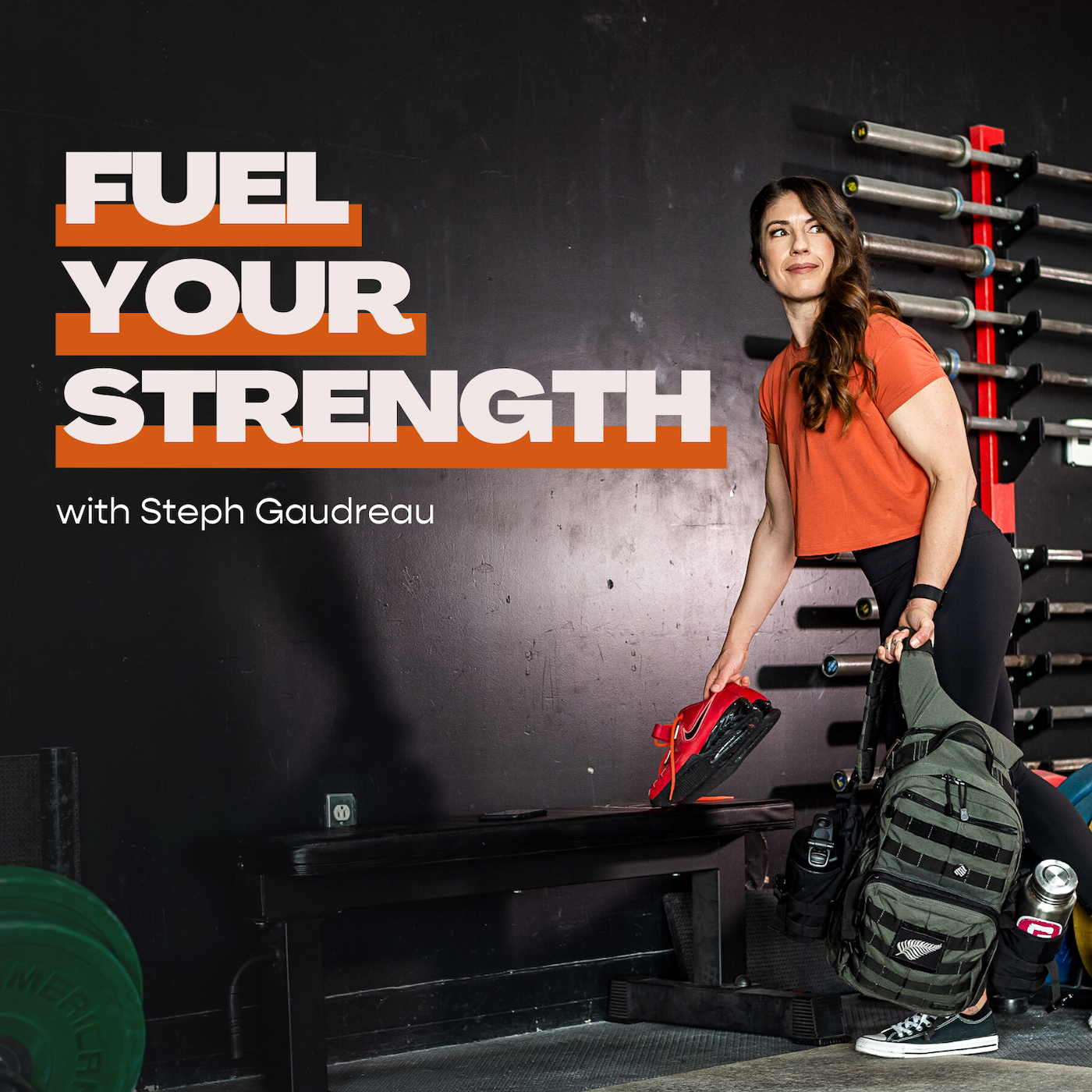
How to Adjust Workouts When You're Short on Time
Oct 700:27:07Tap to summarizeLife doesn't always respect your perfectly planned training week. If you're a woman over 40 following a strength training program, you might be juggling sleep swings, work crunches, hormonal shifts, caretaking, and everything in between. This episode breaks down how to keep your momentum without falling into the all-or-nothing trap so you still get a damn good training stimulus on busy days. Steph explains a simple framework for structured flexibility – keeping the big-picture plan while adapting the day's session. You'll learn three practical ways to modify workouts using RPE / RIR, so you can train smarter, protect progress, and stay consistent in midlife. What you'll learn in this episode: Why "all or nothing" thinking keeps sabotaging your strength progress after 40 The simple shift that lets you keep momentum even when life gets chaotic Three creative ways to make workouts shorter without losing results How to know if you're still training hard enough on those scaled-back days The mindset reframe that makes consistency possible long-term Enjoyed this episode and want more? If you want a lifting program that tells you exactly what to do, try 7 days of Strong with Steph here >> https://stephgaudreau.com/workout Share this episode with a friend looking to improve their strength training knowledge. Subscribe to this podcast on your favorite streaming platform for new episodes!
Transcribe →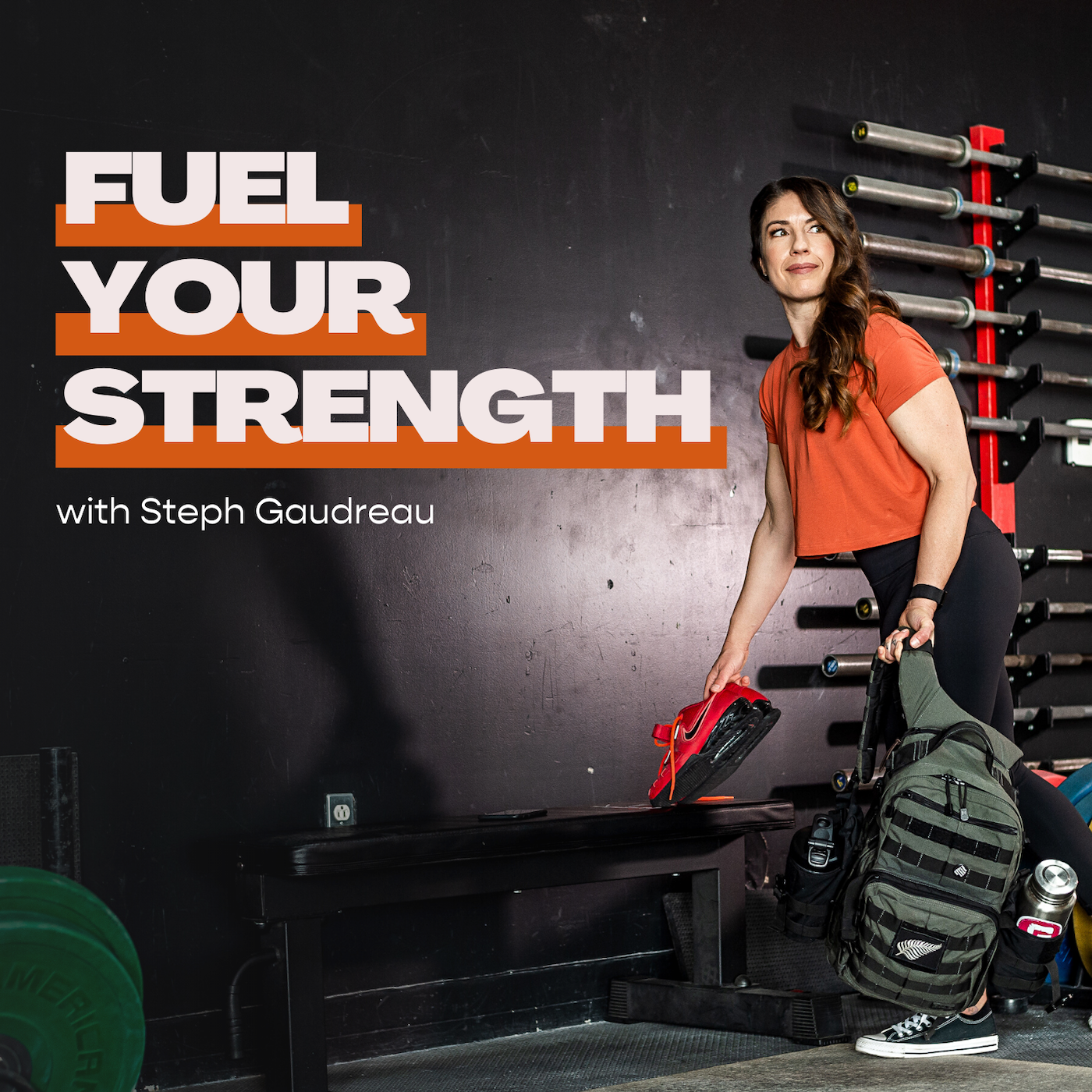
The Over-40 Lifting Formula I'd Follow If I Started Again Tomorrow
Sep 2300:33:08Tap to summarizeFeeling like the Tin Man when your feet hit the floor – and winded on a single flight of stairs – doesn't have to be "just your 40s." In this episode, we call BS on the idea that midlife means inevitable decline and lays out a clear, doable plan for rebuilding strength, muscle, and pep in your step over the next six months. No doom and gloom here – just evidence-informed training that respects your real life. You'll learn exactly how to structure your workouts for results: which compound lifts to prioritize, how to sprinkle in isolation work the smart way, and why adding power and plyometrics helps you feel quick and athletic again. We'll also touch on where cardio fits for women over 40 so you can train wisely without living in the gym. What you'll learn in this episode: The base of your lifting should be this Should you do cardio with your lifting? Why avoiding power work or impact over 40 backfires When to use isolation exercises Why 6 day a week bro splits aren't working for women 40+ Enjoyed this episode and want more? Ready to have the plan done for you – with full-body strength, smart power progressions, and cardio that actually fits your life? Grab a 7-day sample of Strong with Steph at stephgaudreau.com/workout – then join the program and let Steph lay it out so you can just open the app and lift.
Transcribe →Accessory Work for Strength and Hypertrophy in Women Over 40
Jan 7, 202500:51:49Tap to summarizeOne of the greatest rivalries I see in programming strength training for women over 40 is the battle between strength and muscle. My approach to strength training and muscle growth incorporates a cohesive and holistic approach to your programming that will help you reach your goals and incorporate these philosophies into your training program. Key Takeaways If You Want to Leverage Your Strength and Hypertrophy, You Should: You don't have to choose between muscle or strength building; you need them both as a woman over 40, especially Think about your goals and make sure your program is aligned with them Use accessory work to break up the repetition and fill in the weak points of your training Delicious Accessory Additions I like to think of accessory work, supplementary exercises that support your main lifts, like the toppings to your delicious training burger. Accessory work can help you spice things up in your training, address imbalances, or help you understand what you want to work on. It is not just about strength development or muscle growth; the goal is to help you weave these things together to further enhance your strength development and hypertrophy, prevent injuries, and so much more. Building Muscle is a Spectrum Building muscle takes place across a spectrum. By thinking both bilaterally and unilaterally about your accessory work depending on where you are at in your program, you will be able to find your training tempo and add the necessary context it takes to reach your training goals. I want you to be able to understand the ‘why’, the rationale. You don't need to be able to repeat it all back to me, but if you can understand the why behind your programming, you will be more likely to follow through, improve your consistency, and get better results. I want to give you the resources you need to be successful with strength training and reach the goals you are striving for. Are you ready to get your strength training guide for women over 40? Share your hopes and expectations for the next year of training with me in the comments on the episode page. In This Episode Why accessory work is an essential part of a well-rounded strength training program (8:25) How to program accessory work to align with your strength training development goals (14:33) What is hypertrophy, and what do you need to know to build muscle (22:34) The importance of tempo when it comes to hypertrophy (32:20) Examples of what the flow of a workout should look and feel like and common mistakes (35:17) Quotes “I want you to walk away from this podcast feeling more informed, more educated, and like you can understand the program that is being put in front of you.” (4:14) “We want to get in, be focused, make it count.” (24:01) “I can't say this enough, so slow down. You might have to use less weight, but it is going to be more effective.” (32:27) “If you are out in the world and you are looking for a program, Strong with Steph might not be for everyone, and that is totally fine. But know what your goals are.” (41:22) “Having a structured program that is written by somebody who understands programming and all of these concepts is the best bet for saving your brain space.” (49:27) Featured on the Show Get One Week Free of Strong with Steph Here Apply for Strength Nutrition Unlocked Here Full Show Notes Follow Steph on Facebook | Twitter | Instagram | YouTube | Pinterest I'd really love it if you would take 1 min and leave us a rating and review on Apple Podcasts Podcast production & marketing support by the team at Counterweight Creative Rate and review on Apple Podcasts Related Episodes FYS 434: Progressive Overload: How to Keep Getting Stronger FYS 435: RPE & Autoregulation: Smart Tools for Strength Gains Over 40 FYS 436: Why Movement Prep & Balance Matter in Strength Training Over 40 FYS 437: Plyo and Strength Development for Women Over 40
Transcribe →Plyo and Strength Development for Women Over 40
Dec 17, 202401:00:11Tap to summarizeTrue strength development isn't something that should be skipped at any age. However, when you are a woman over 40, these training tools become key assets to your overall training, health, and longevity. When you understand the key components that go into making a proper strength training program, you can better equip yourself to obtain your goals in the best way possible. Key Takeaways If You Want to Harness Strength Development, You Should: Start small and with an approachable amount of jumping in plyometrics Use strength development to keep your strength as you age and reduce strength limitation Get a program that is well-designed and understands the nuances of exercise progressions The Why and The How Understanding why and how I program certain exercises into Strong with Steph is crucial for me to help you understand. The rationale behind these important components will not only help you better understand the training you are doing, but it will also help you pick the program and trainer that aligns with your goals and understands how to help you succeed. If you notice that you are feeling slower, I want to help you improve and make strength training approachable in all aspects. Make Your Programming Work For You As you are evaluating programs, I want you to ensure that your approach to strength training is helping you become more well-rounded regardless of your goals. Strength training plans are meant to help you learn what you need to do. The specific rep, set, and load ranges are designed to work on maximum force development. Plyometric training, lifting appropriately hard weights, starting small, and incorporating unilateral and rotative moments in your training are all key components that can make a huge difference in your overall results. Anyone looking to be athletic, but especially women over 40, needs to be aware of these key aspects so that you can use strength training as a way to understand your strength journey better. How does strength training play into your overall health goals? Share your story with me in the comments on the episode page. In This Episode Why these types of exercises are simply something you cannot skip as you age (4:45) Understanding plyometrics, jumping, and how it can help you improve your overall training (16:34) Specific quality over quantity tips when it comes to power and plyometrics (30:38) How to get over the fear around strength training by understanding the parameters (41:00) What you can do to help your body perform at its best through every stage of life and training (51:30) Quotes “It's not that we are saying there is some magical strength training that only women over 40 will benefit from. Of course not. We know what the parameters of strength training are, and we are going to talk about that in this episode. It's just our ability to skip that and not see those negative impacts because we are aging and going through these hormonal changes, we can't avoid it any longer. Strength training is one thing that we have in our arsenal of tools.” (8:08) “Our tissues adapt, and they don't stop adapting. The problem is we have stopped doing these exercises.” (19:50) “Strong with Steph Programing does include strength development. This is a key aspect for women over 40.” (35:57) “We know this stuff is critical for anyone who wants to build their actual strength, but when you are over 40, it becomes something that will have more negative outcomes if you skip it.” (36:46) “Just like any other kind of training y'all, progressive overload is critical.” (41:01) Featured on the Show Get 7 Free Days of Strong with Steph Apply for Strong with Steph Here Full Show Notes Follow Steph on Facebook | Twitter | Instagram | YouTube | Pinterest I'd really love it if you would take 1 min and leave us a rating and review on Apple Podcasts Podcast production & marketing support by the team at Counterweight Creative Rate and review on Apple Podcasts Related Episodes FYS 434: Progressive Overload: How to Keep Getting Stronger FYS 435: RPE & Autoregulation: Smart Tools for Strength Gains Over 40 FYS 436: Movement Prep & Balance FYS 427: Your Fitness App Calls it Strength Training, But Is It? With Nikki Naab-Levy
Transcribe →Why Movement Prep & Balance Matter in Strength Training Over 40
Dec 3, 202400:41:48Tap to summarizeWhen it comes to creating a progressive overload plan, we have touched on a lot of elements so far. However, when it comes to how to specifically create your program, whether you are creating a program for yourself, finding one online, or looking to work with a trainer in person, there are some nuances that need to be discussed. Key Takeaways If You Want to Improve Your Strength Training, You Should: Give yourself the freedom to warm up and work on balance as a key part of your strength training program Focus on the type of exercises that will help you feel good for longer Challenge yourself with where your current ability level is and up the ante over time Consistency is the Name of the Game When you are doing a deadlift, overhead press, bench press, or squat, you need to familiarize your body with the movement pattern you are going to be doing that day. Movement prep and balance work will help you prepare your body for what is coming next, and create positive changes in how your body and brain relate to each other more effectively when things get heavy. Giving yourself the freedom to warm up, be consistent, and listen to your body, is what is going to get you further in your progressive overload plan. Strength Training for Every Age Movement prep and balance work are two things that I program into every session of Strong with Steph. Especially as we transition from perimenopause to postmenopause, we need to work with the changes happening in our bodies to help ourselves stay strong for longer. The truth is, that our body loses strength, hormones, and energy as we get older, which is why we need to have a strength training plan that helps us combat what we are losing and instead helps us find gains. Implementing a well-planned program takes the burden off of you so that you can focus on feeling great. Are you ready to reevaluate your strength training plan as a woman over 40? Share your thoughts with me in the comments on the episode page. In This Episode A recap of what we have spoken about so far when it comes to strength training over 40 (2:45) The importance of balance work for longevity as we age (6:45) How movement preparation can improve your training program (14:52) Understanding the role of estrogen when it comes to your joints and their needs (20:16) Examples of balance work and movement prep that show up in the Strong with Steph Workout Plan (30:15) Quotes “Having these guide your strength training is super, super important, and not something you want to gloss over when you are either writing a program for yourself, finding one online, or looking to work with a trainer in person.” (2:35) “Movement preparation and balance work create a foundation for building strength and are so important when we are considering longevity in training and safety and mitigating risk to the best of our possible influence, especially as we are aging.” (6:13) “Research strongly supports the idea that warming up with the actual lift you plan to perform but at a lighter load is an effective way to prepare your body for heavier lifting.” (21:20) “Addressing these things through training is very important, and there is something that you can do about it.” (29:08) “Movement prep and balance work are essential, and we know they are going to play an important role in joint health, mitigating the risk of injury and enhancing our experience of progressive overload.” (39:24) Featured on the Show Follow Steph on YouTube Get 7 Free Days of Strong with Steph Apply for Strength Nutrition Unlocked Full Show Notes Follow Steph on Facebook | Twitter | Instagram | YouTube | Pinterest I'd really love it if you would take 1 min and leave us a rating and review on Apple Podcasts Podcast production & marketing support by the team at Counterweight Creative Rate and review on Apple Podcasts Related Episodes FYS 435: RPE & Autoregulation: Smart Tools for Strength Gains Over 40 FYS 434: Progressive Overload: How to Keep Getting Stronger
Transcribe →RPE & Autoregulation: Smart Tools for Strength Gains Over 40
Nov 19, 202400:38:46Tap to summarizeI get a lot of messages about RPE, Reps in Reserve, and Autoregulation. These are powerful tools, that when practiced, can help you as you implement a long-term strength training program, especially as a woman over 40. However, it takes understanding the pieces that go into these tools, and a well-rounded program, to really make the most of their benefits. Key Takeaways If You Are Looking for Trainings Tools, You Should: Use autoregulation as a way to adjust your training plan and allow for more flexibility Remember that you do not have to be perfect or give your all to have a successful training session. Collect your own data about yourself and what your body needs throughout your life changes Learning about Yourself through Strength Having a performance-forward approach when it comes to your workout intensity is great, but it can leave space for injury or overuse. Using the scales of RPE and Reps in Reserve, you can allow yourself a moment to check in and make adjustments to the structure of your program. While working with a coach is great, learning how to observe your body and what it needs is something that you can do yourself. These tools will help you understand your body in a way that will encourage sustainability and longevity in your strength training program. It’s All About Flexibility A good strength training program leaves room for both structure and flexibility. Learning how to adjust your intensity not only helps you learn more about your body, but it can help you tackle those low-energy days without completely giving up and potentially taking a long break. Autoregulation will keep you moving forward with your program even on lower energy days, which can happen especially as we adjust to new demands on our lives and our bodies. Adjusting the plan based on Autoregulation will help you continue to show up and do your best, while also meeting yourself where you are at. Are you ready to adjust your effort in order to gain more sustainability and effectiveness in your program? Share your thoughts on this episode with me in the comments on the episode page. In This Episode Understand the guiding principles of a well-rounded training program (4:35) Learn exactly what RPE and Reps In Reserve are (11:40) Why these tools are so useful for women, especially as they age past 40 (16:06) What is autoregulation and why it is a useful tool for your workouts (17:51) Benefits of RPE and Reps in Reserve for women over 40 (28:02) Simple ways you can learn to make the gauges necessary for autoregulation and more (33:31) Quotes “The value of using something like RPE is that it helps to tailor your workout intensity to match your daily energy level, your daily bandwidth, how much capacity you have today.” (15:01) “This isn't a proprietary way for women over 40 to manage their own strength training. However, it is a validated tool that we can use because it is contextually allowing us more flexibility within the structure of a program.” (16:25) “This is all part of the tapestry of your own unique autoregulation and recovery and getting to know yourself over time.” (20:47) “There is structure, but there is also flexibility. And I think that is a really key take-home message and take-home point of this particular podcast.” (25:50) “We have to keep training if we want to continue to either maintain or see gains over time.” (30:43) Featured on the Show Get 7 Days of Strong with Steph Free Here Apply for Strength Nutrition Unlocked Here Study from the Journal of Strength Conditioning Research Full Show Notes Follow Steph on Facebook | Twitter | Instagram | YouTube | Pinterest I'd really love it if you would take 1 min and leave us a rating and review on Apple Podcasts Podcast production & marketing support by the team at Counterweight Creative Rate and review on Apple Podcasts Related Episodes FYS 434: Progressive Overload: How to Keep Getting Stronger
Transcribe →Progressive Overload: How to Keep Getting Stronger
Nov 4, 202400:48:49Tap to summarizeWhether you are new to strength training or a seasoned lifter, progressive overload is two common words you have probably heard before. But what do they really mean, and how can you apply them both as a lifter and as a coach? If you are feeling stuck because you are not seeing the gains you are hoping for in your programming, progressive overload could be the puzzle piece you still need to include. Key Takeaways If you are interested in progressive overload, you should: Work with a coach or find a strength training plan that is custom to you Gradually build up strength and vary your movements to build your adaptation ability Remember that this is a great investment in your health if you are honest with yourself The Key to Long-Term Strength Gains You see relatively continuous improvement by gradually tweaking the dials of your training and the demands placed on your body over time. If you fail to challenge your body, you will fail to adapt. One of the hardest and most important things you can do is advance your lifting in a way that makes the most of your time and moves you in the right direction. The key is having a plan for your lifting that saves you time and worry when you get into the gym. Know Why It Matters Training, coaching, lifting, and recovering are a science and an art. But to really see results, it takes new challenges and an understanding of one's motivation behind the movements. Increasing weights or adding more reps, paying attention to rest time, and utilizing different exercises and tempos are all key components to seeing the results you are hoping for. Patience and repetition are the basis of long-term strength training; all you need is the right program! What role does progressive overload play in your strength training program? Let me know your thoughts in the comments on the episode page. In This Episode What is progressive overload, and what does it mean (2:25) Breaking down the science of adaptation and general adaptation syndrome (13:20) How to apply progressive overload in your strength training program (20:26) Common pitfalls when learning how to manage your progress over time (32:35) Best practice advice for those who want to integrate progressive overload into their strength training program (43:05) Quotes “When it comes to your strength training, progressive overload is the cornerstone that guides, the guiding principle that steers your training program and training plan.” (2:56) “To put this into common words, we need a stressor, that’s our training, and we need recovery, which is where we finally experience that adaptation.” (15:56) “Training is a science and an art. Coaching is a science and an art. Implementing this is a science and an art, and getting to know yourself and/or your clients is really important. (22:37) “We need to pump the breaks a bit, and find a way to keep you moving forward without accelerating things to the point where you can't recover.” (34:17) “If you have been lifting the same weights for months and months and months on end, it is time, my friend, you have got to move up in weight.” (39:25) Featured on the Show 7-Day Sample of Strong with Steph Apply for Strong with Steph Here Apply for Strength Nutrition Unlocked HereDynamic Dumbells Program Annie Miller Pure Programming Full Show Notes Follow Steph on Facebook | Twitter | Instagram | YouTube | Pinterest I'd really love it if you would take 1 min and leave us a rating and review on Apple Podcasts Podcast production & marketing support by the team at Counterweight Creative Rate and review on Apple Podcasts Related Episodes FYS 427: Your Fitness App Calls It Strength Training, But Is It? With Nikki Naab-Levy
Transcribe →