
Podcast
Full Story
Hosted by The Guardian · EN
Guardian Australia's daily news podcast. Every weekday, join Guardian journalists for a deeper understanding of the news in Australia and beyond. You can support The Guardian at theguardian.com/fullstorysupport
184episodes
Episodes
Newest firstAll episodes
Decoding America: are the Democrats having their own Maga moment?
1w ago00:29:12Tap to summarizeIn this episode of Guardian Australia’s weekly US politics podcast, co-hosts Jonathan Yerushalmy and Reged Ahmad take a look at how the Michigan Senate primaries could decide the future of the Democrats. This is a race that has revealed the civil war raging inside the party, as some seek to take it further to the left, with candidates such as Abdul El-Sayed. But will this schism be the Democrats’ Maga moment, or will it leave the party open to a Republican communist ‘red scare’ campaign that could cost them the midterms? They also look at why the Senate unanimously passed a resolution declaring its opposition to any presidential pardon for Ghislaine Maxwell, the longtime associate of Jeffrey Epstein, as well as the next chapter in the reflecting pool saga and why Donald Trump said US attorney and Maga faithful Jeanine Pirro had ‘folded like an umbrella’
Transcribe →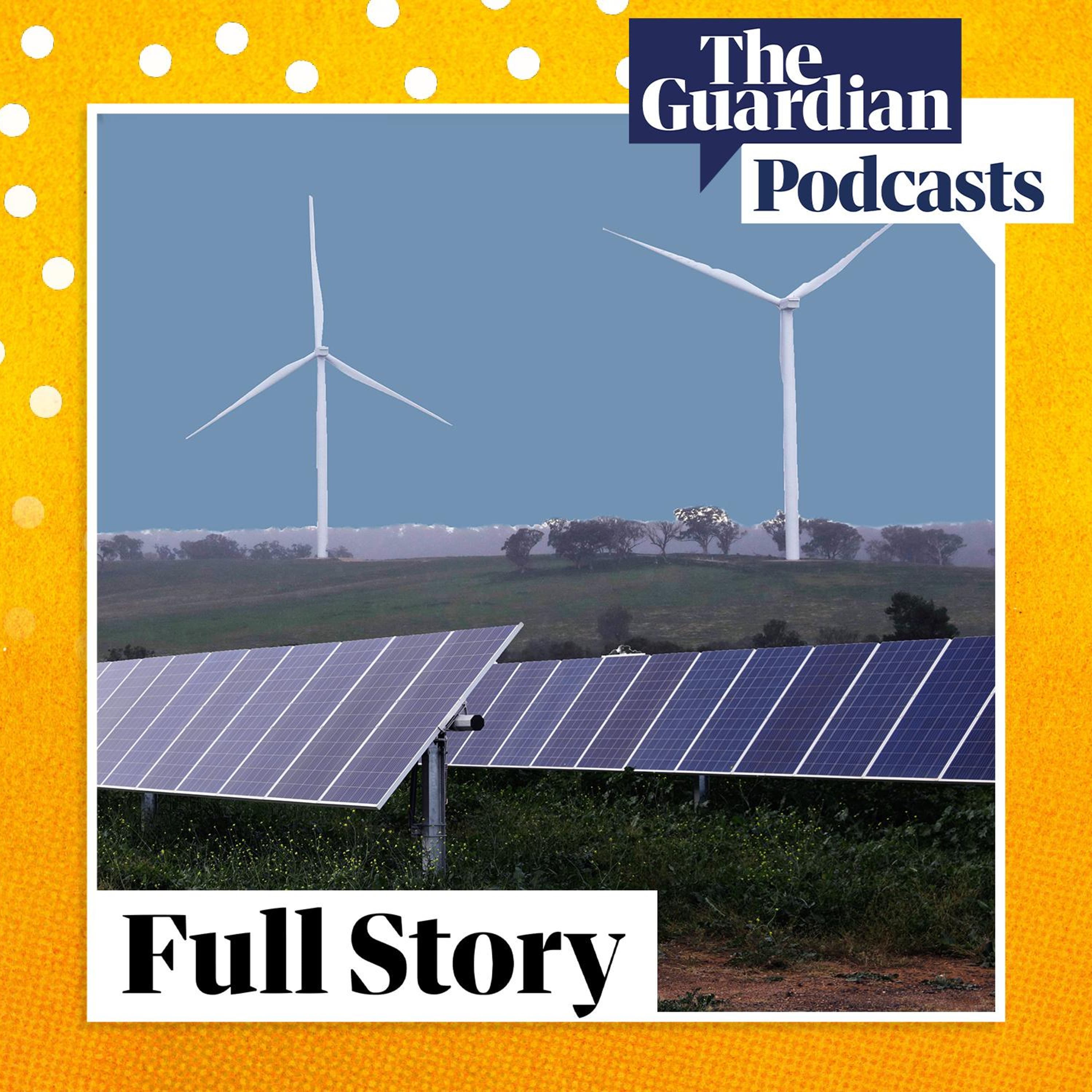
The ‘extremely effective’ campaigns undermining support for renewables
1w ago00:18:26Tap to summarizeDespite most Australians supporting clean technology, the campaign against wind and solar infrastructure has proven to be effective, striking a chord with many of those living in remote and rural areas. So how do we bring everyone along on the transition to a renewable energy-focused future? And who’s putting up roadblocks? The Guardian’s environment and climate correspondent Graham Readfearn joins Reged Ahmad to unpack Australia’s relationship with renewables
Transcribe →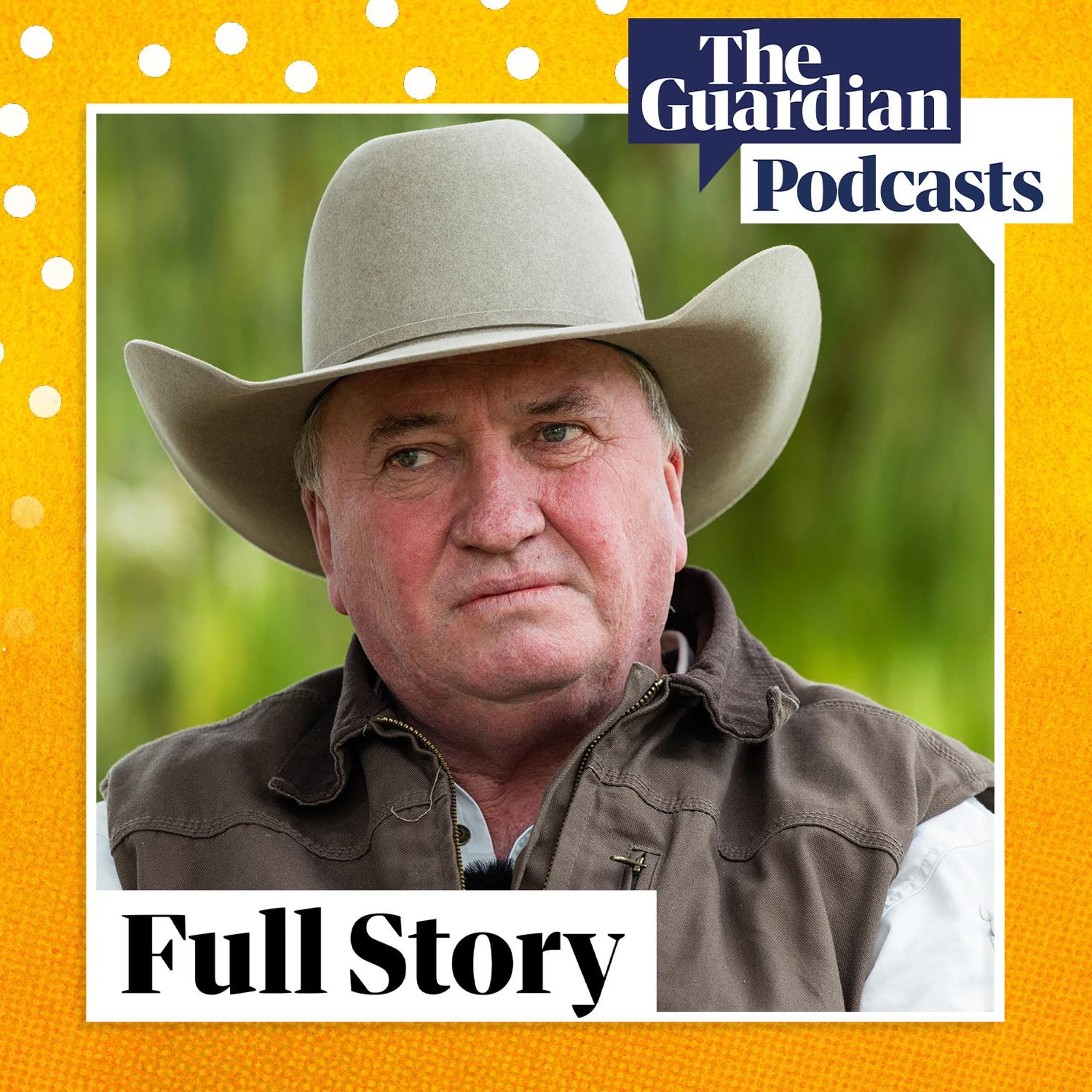
How does Barnaby Joyce’s support for refugees square with One Nation policies?
1w ago00:17:04Tap to summarizeThe One Nation MP Barnaby Joyce has repeatedly declared that he doesn’t ‘believe in multiculturalism’. But the reality on the ground in his New South Wales electorate of New England suggests otherwise. Joyce supported a campaign for the town of Armidale to become a refugee resettlement centre but, as a member of One Nation, his party advocates for a ‘monocultural’ Australia and for restricting migration to those who can speak English. Nour Haydar speaks to the Guardian’s community affairs reporter, Adeshola Ore, about what she learned on the ground from Armidale’s growing refugee community – and from an interview with Joyce himself
Transcribe →
Your guide to Alan Jones’ trial
1w ago00:15:42Tap to summarizeAlan Jones will today front court on 22 indecent assault and sexual touching charges, spanning a nearly two-decade period. He denies all charges. But how did we get here? Once a media giant who enjoyed the height of influence and power, he is now the centre of one of Australia’s highest-profile criminal cases. The Guardian’s media correspondent, Amanda Meade, joins Nour Haydar to get us up to speed on the trial
Transcribe →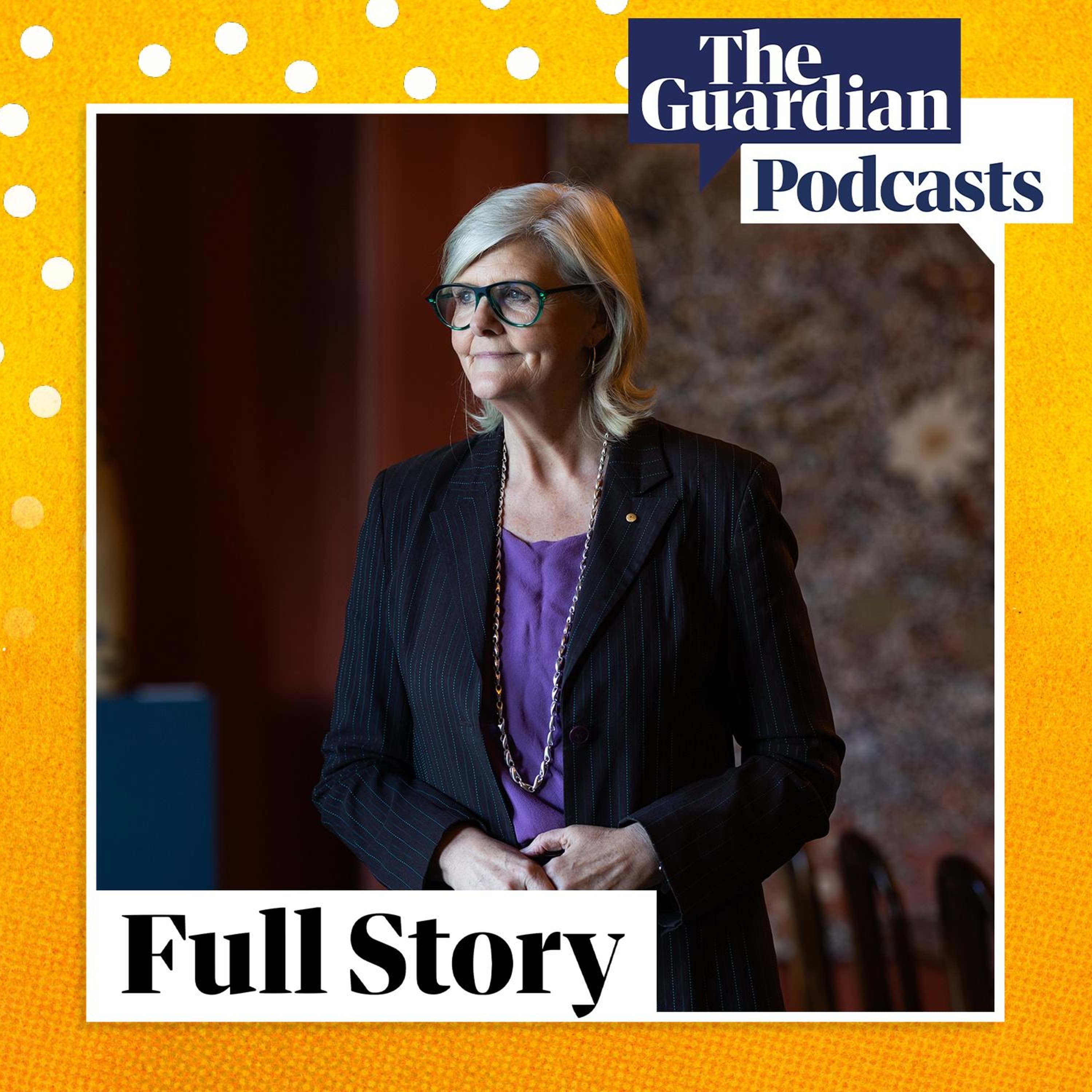
Governor general Sam Mostyn on the ‘growing catastrophe’ in our democracy
2w ago00:36:48Tap to summarizeTwo years into her role representing King Charles, Australia’s head of state, the governor general, Sam Mostyn, says she has observed a “woeful lack of understanding” among the adult population about the civic underpinnings of Australia’s democracy – beginning with the constitution. Mostyn speaks to Guardian Australia political editor, Tom McIlroy, at Admiralty House in Sydney about her decision to focus on a wide-ranging civics education for modern Australia, to address the “growing catastrophe” that undermines democratic participation
Transcribe →
Back to Back Barries: the fallout from a Victorian coup
2w ago00:32:06Tap to summarizeTony Barry and Jon Faine (sitting in for Barrie Cassidy this week) examine the ousting of Jacinta Allan and the anointing of Ben Carroll as the new premier of Victoria. They discuss what it could all mean for the upcoming election and while they say anything can happen, Tony’s tummy compass points to a win for Jess Wilson. And, weeks into the royal commission on antisemitism and social cohesion, Faine gives his take on the hearings so far
Transcribe →
Newsroom Edition: ‘shit sheets’ and political scandals
2w ago00:25:53Tap to summarizeIt has been a messy week in Australian politics. In NSW, the Liberal party faced the corruption watchdog over allegations of branch stacking and illegal donations. In Victoria, the noise around the so-called Big Build brought down a premier and threatens to further alienate already aggrieved voters. Josephine Tovey is joined by Mike Ticher, Patrick Keneally and Anne Davies to talk about a bad week for trust in politics
Transcribe →
Will we ever find Peter Falconio’s body?
2w ago00:19:46Tap to summarizeTwenty-five years ago, on a desolate stretch of Australian highway, Bradley John Murdoch flagged down British backpackers Joanne Lees and Peter Falconio. Falconio was never seen again. Now, as police continue to try to bring closure for his family, one former British government expert says he knows the ‘most likely’ place where Falconio’s body was hidden Queensland correspondent Ben Smee joins Reged Ahmad as police try to finally close the case on the murder of Peter Falconio
Transcribe →Decoding America: has Trump turned on Netanyahu?
2w ago00:29:30Tap to summarizeIn this episode of Guardian Australia’s weekly US politics podcast, co-hosts Jonathan Yerushalmy and Reged Ahmad discuss Donald Trump’s closed-door meeting with Benjamin Netanyahu at the White House. They also examine the president’s escalating attacks on the Smithsonian National Museum of American History as well as his performance at the White House correspondent’s dinner
Transcribe →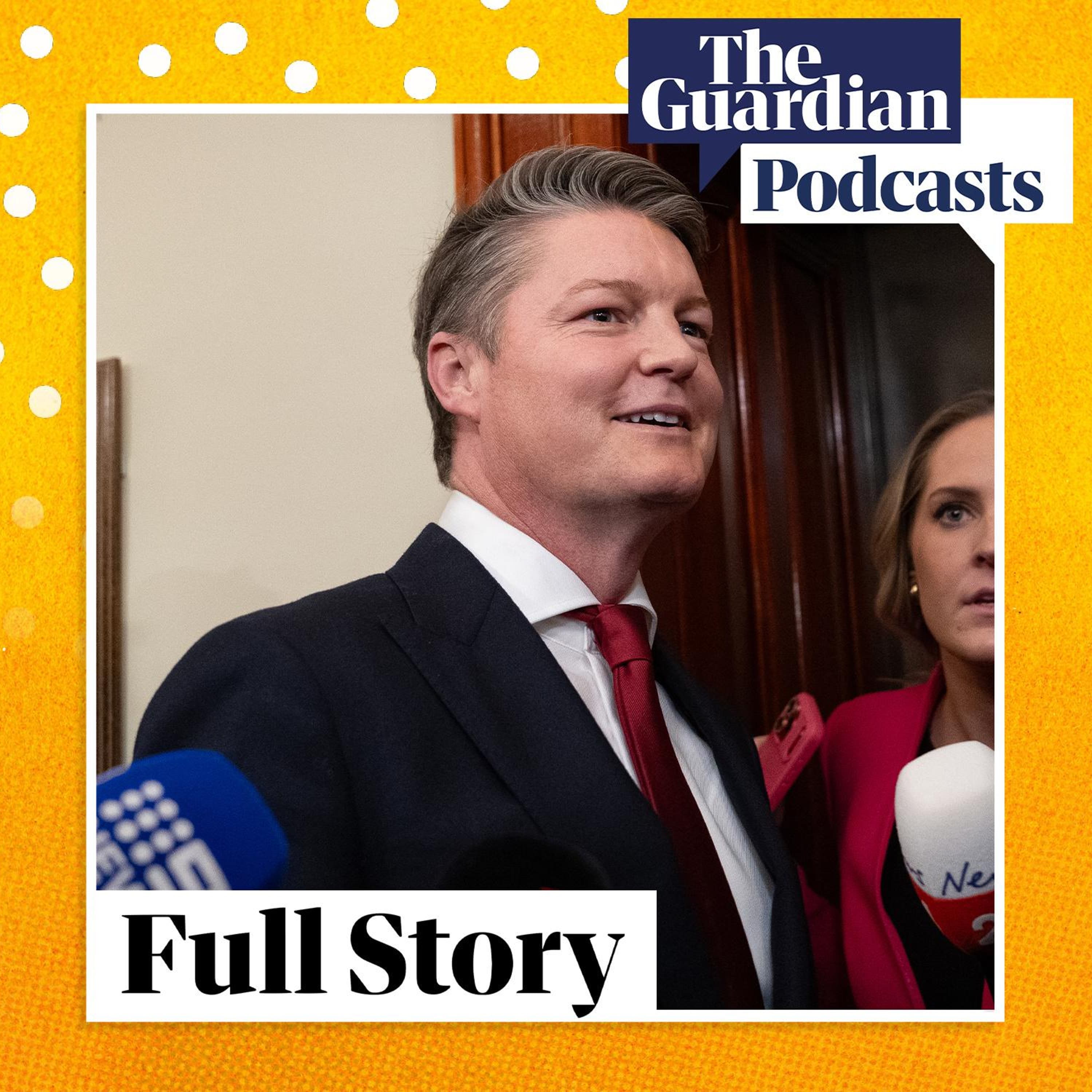
Will a new premier save Victorian Labor?
2w ago00:14:44Tap to summarizeVictoria has a new premier after the education minister, Ben Carroll, was voted in by the Labor party during a chaotic caucus meeting on Tuesday morning. His predecessor, Jacinta Allan, stood down after a tumultuous few months at the helm of a government diving in the polls and struggling to fend off a rising One Nation ahead of November’s state election. Victorian state correspondent Benita Kolovos tells Reged Ahmad how the day unfolded and whether a change in leadership can improve Labor’s chances at the ballot box later this year
Transcribe →