
Podcast
Fun Kids Science Quest
Hosted by Fun Kids · EN
Exploring the coolest and most incredible stuff in science, from way back when dinosaurs roamed the Earth to a future where humans live in space!
Fun Kids Science Quest is hosted by Dan and is the perfect science podcast for kids and families everywhere. Each week, you'll find episodes from series like Deep Space High, Age of the Dinosaurs and Professor Hallux.
There's also a special guest, top experts answering all your science questions and Dangerous Dan - something scientific that’s also a little bit deadly!
You can listen to Dan on Fun Kids (weekdays from 1pm) on DAB Digital Radio across the UK, on the free Fun Kids app and online at funkidslive.com
Plus, when you become a Fun Kids Podcasts Plus subscriber, you get access to hundreds of episodes of the Fun Kids Science Weekly, but able to listen ad-free and get new episodes early! It's out of this world! Not only that you'll get similar benefits on over 30 Fun Kids podcasts plus you'll be safe in the knowledge that you're supporting Fun Kids in bringing high-quality, entertaining, and safe content for your family.
Find out more at FunKidsLive.com/plus
65episodes
Episodes
Newest firstAll episodes
Why Do Whales Explode? 🐋💥
Feb 1800:14:43Tap to summarizeThis Week’s Big Questions! You’ve been sending in your brilliantly curious questions, and this week… 🔥 Griffin wants to know: Why do some materials burn and not others?😴 Livy is wondering: What happens when we fall asleep?🤕 Lucy asks: Why do we get headaches?🐋 Charlie wants to know: Why do whales explode?✈️ Thomas is curious: How do landing gears work? Plus, join Principal Pulsar and his class as they discover how different types of telescopes work, so that we can see planets tens of lightyears away!Join Fun Kids Podcasts+: https://funkidslive.com/plusSee omnystudio.com/listener for privacy information.
Transcribe →
SOLAR ECLIPSE: When The Sun Goes Dark🌞🌑
Feb 1400:27:47Tap to summarizeWe may have a new name but it's still time for another BIG and BRILLIANT adventure into the world of science on this week’s Science Quest! In Science in the News, could a mound in North West England contain the remains of Ivar the Boneless, a lost Viking? We also discover why porpoises go quiet when boats pass by, and hear from Dorota Skowronska-Krawczyk from UC Irvine about how Greenland sharks can live for hundreds of years. It’s time for your questions too. Lydia wants to know why ice cracks when you put it in water, and Joe Williams from Exeter University helps answer a huge question from Thomas: what caused the Big Bang? Dangerous Dan introduces us to the unusual Greeningi Frog, and in Battle of the Sciences, Sam Sedgeman explains the fascinating science behind solar eclipses and why they happen. Plus, join Marina Ventura on her first Ocean Adventure as she explores the exciting world of ocean research. From the birth of the Universe to mysterious Viking kings and shadowy solar events, this episode is packed with big questions and brilliant discoveries! What we learn about: How scientists think the Universe began What might have caused the Big Bang How solar eclipses happen Why porpoises change their behaviour around boats How Greenland sharks live for so long Why ice makes cracking sounds The mysterious greeningi frog How ocean research helps us explore the seas All that and more on this week’s Science Quest!Join Fun Kids Podcasts+: https://funkidslive.com/plusSee omnystudio.com/listener for privacy information.
Transcribe →
Why Are Leaves Green?🍃🌱
Feb 1100:13:06Tap to summarizeThis Week’s Big Questions! You’ve been sending in your brilliantly curious questions, and this week… 🍃 Orla wants to know: Why are leaves green?🍊 Tommy is wondering: What’s the difference between oranges and mandarins?🦴 Alana asks: Why do joints click?🌱 Cooper wants to know: How do we grow?🌍 Ryan is curious: Why does Earth spin on an axis? Plus, join Principal Pulsar and his class! This week they're learning all about music in space!Join Fun Kids Podcasts+: https://funkidslive.com/plusSee omnystudio.com/listener for privacy information.
Transcribe →
OUR PLANET'S STORY: Why Earth Is Called Earth🌍📖
Feb 700:31:13Tap to summarizeWe may have a new name but it's still time for another BIG and BRILLIANT adventure into the world of science on this week’s Science Quest! In Science in the News, scientists discover that Norwegian polar bears are healthier and fatter than ever, old boats are being sunk around the UK to create brand-new habitats for wildlife, and Meganne Christian from the UK Space Agency joins Dan to talk about the importance of women in science ahead of the International Day of Women and Girls in Science. It’s time for your questions too. One listener wants to know why cats meow, and language expert Mercedes Durham from Cardiff University explains why our planet is called Earth. Dangerous Dan is back with a strange and mysterious creature called the olm, and in Battle of the Sciences, things get rocky as Shaunna Morrison from Rutgers University makes the case for geoscience and why understanding the Earth beneath our feet really matters. Plus, in Geology Rocks: Earth’s History, join Finley on a journey through time to explore fossils, volcanoes, and how rocks helped form our planet and even our universe. What we learn about: Why cats meow How polar bears in Norway are doing and why it matters How sinking old boats can help wildlife Why women in science are so important The strange underground creature called the olm How rocks, fossils, and volcanoes reveal Earth’s history All that and more on this week’s Science Quest!Join Fun Kids Podcasts+: https://funkidslive.com/plusSee omnystudio.com/listener for privacy information.
Transcribe →
Why Do We Burp?🤭💨
Feb 400:11:32Tap to summarizeThis Week’s Big Questions! You’ve been sending in your brilliantly curious questions, and this week… 🤭 William wants to know: Why do we burp?🐱 Sam is wondering: Why do cats land on their feet?🎈 PJ asks: How do hot air balloons work?🌊 Ellis wants to know: Is Atlantis real?🤤 Ada is curious: Why do stomachs rumble? Plus, join Principal Pulsar and his class! This week they're learning all about dark matter!Join Fun Kids Podcasts+: https://funkidslive.com/plusSee omnystudio.com/listener for privacy information.
Transcribe →
REAL-LIFE HOGWARTS: Scientists Create a Harry Potter-Style Bag🪄🧙♂️
Oct 2400:25:42Tap to summarizeGet ready for another amazing journey through the world of science with Dan on the Fun Kids Science Weekly! This week, we’re answering your burning questions, digging into the science that shapes our planet, and uncovering some seriously strange discoveries from around the world. In Science in the News, we learn why scientists in the UK are trying to turn part of a desert in Northern India green, mosquitoes have been spotted in Iceland for the very first time, and Dan explores the Nobel Prize-winning chemistry discovery that’s being compared to a real-life version of Harry Potter’s enchanted bag! We’ll also be tackling your questions — 'PodcastGuy14' (not his real name) wants to know why some ticks have Lyme disease, and Ben Rowson from Museum Wales reveals the incredible science behind how snails make their shells! Then, Dangerous Dan is back with a creature that’ll make you squirm — the African eye worm! And in Battle of the Sciences, Dan travels back in time with archaeologist Lucy Shipley to uncover how the secrets of the past are being brought to light. Plus, in Kitchen Chemistry, we discover the secret behind non-stick frying pans — and what makes Teflon so special! What do we learn about?· Snail shells, Lyme disease, and creepy crawlies· Deserts turning green and mosquitoes in icy places· Magical chemistry, ancient archaeology, and the African eye worm All that and more on this week’s Science Weekly!Join Fun Kids Podcasts+: https://funkidslive.com/plusSee omnystudio.com/listener for privacy information.
Transcribe →
MIDWEEKLY: Who Bites Harder... Crocodiles or Sharks?🦈🐊
Oct 2200:12:46Tap to summarizeYou’ve been sending in your questions, and this week… Leo asks how magnetic fields are created, Elijah wants to know why Egyptian mummies don't rot, Audrey's asking who has sharper teeth... crocodiles or sharks? And Daniel's been wondering if our Sun will ever explode! And Professor Pulsar teaches Sam all about the structure of our planet and finds out that the earth’s crust is not made up from jam or cats!Join Fun Kids Podcasts+: https://funkidslive.com/plusSee omnystudio.com/listener for privacy information.
Transcribe →
SHARK ATTACK: How the Ocean’s Ultimate Predator Rules the Seas 🦈🌊
Oct 1800:34:04Tap to summarizeGet ready for another deep dive into the wild, weird, and wonderful world of science on this week’s Fun Kids Science Weekly! This week, we’re answering your burning science questions, uncovering mind-blowing discoveries, and exploring how sharks became the ocean’s ultimate predators. In Science in the News, we discover how stress can actually make your nose colder, celebrate the green turtle’s comeback from the brink of extinction, and meet Dr. Fred Jordan, whose team is creating mini human brains to help power the computers of the future. Then we dive into your questions: Kubi wants to know how chameleons change colour, and David Chappell explains the science behind echoes — those mysterious sounds that bounce right back at you! Dangerous Dan is back too, and this week he’s introducing us to the Blue-tailed skink, a small but speedy reptile with some seriously cool defences. And in Battle of the Sciences, Dan takes a trip beneath the waves with megalodon expert Jack Cooper, who reveals how sharks evolved into the world’s most efficient predators. What do we learn about?· How stress makes your nose colder· The green turtle’s rescue from extinction· Mini human brains that could power computers· How chameleons change colour· What causes echoes· The blue-tailed skink lizard· And the mighty shark, nature’s ultimate ocean hunter! All that and more on this week’s Fun Kids Science Weekly!Join Fun Kids Podcasts+: https://funkidslive.com/plusSee omnystudio.com/listener for privacy information.
Transcribe →
MIDWEEKLY: Why Do Vampire Bats Drink Blood?🦇🩸
Oct 1500:13:13Tap to summarizeYou’ve been sending in your questions, and this week… Arun wants to know how fast you need to go to burn up, Rory asks what white blood cells are made of, Luella asks why vampire bats drink blood , and Ben is fascinated about acid rain! And Professor Pulsar and Sam are exploring Earth and are finding out what radioactive dating is and how it can help us.Join Fun Kids Podcasts+: https://funkidslive.com/plusSee omnystudio.com/listener for privacy information.
Transcribe →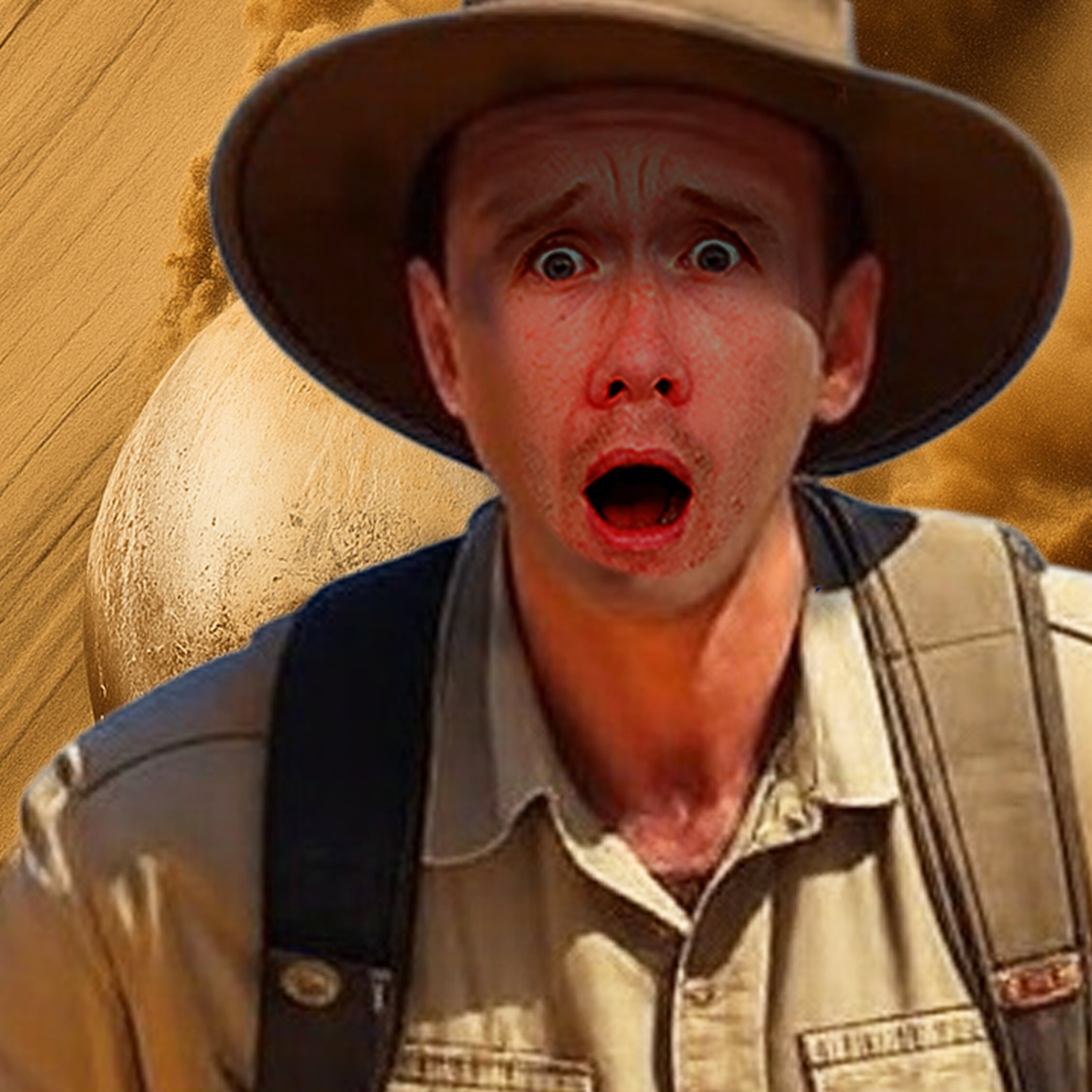
DESERT DUNES: Exploring the Science of Sand Avalanches🏜️🌪️
Oct 1100:34:21Tap to summarizeGet ready for another adventure through space, nature, and the strangest corners of science on the BIGGER and BETTER Science Weekly! This week, we’re answering YOUR questions, have scientists battle it out to decide which science is the best, and uncovering the surprising reason we have nails — and why they’re much more important than you might think! In Science in the News, we’re diving into some earth-shaking discoveries! The world’s brightest minds have been honoured with this year’s Nobel Prize in Chemistry, celebrating breakthroughs that could change our future forever. Then, we look to the skies where renewable energy has officially overtaken coal as the world’s biggest power source, and travel thousands of years back in time with Professor Peter Bellwood, who reveals the world’s earliest evidence of mummification and what it tells us about ancient civilizations. Then we dive into your questions: Evie wants to know why we have nails, and evolutionary biologist Greg Hurst is here to reveal the clever science behind them. Dangerous Dan is back too, with another wild and deadly creature that’ll have you watching your step! And in Battle of the Sciences, Nathalie Vriend joins Dan to explore the fascinating world of granular flows, revealing how sand dunes “talk” to each other and how avalanches made of sand can transform entire landscapes. What do we learn about?· Why we have nails· The winners of this year’s Nobel Prize in Chemistry· How renewables are beating coal· The world’s earliest evidence of mummification· A deadly new creature in Dangerous Dan· And in Battle of the Sciences... how sand dunes “talk” to one another! All on this week’s episode of Science Weekly!Join Fun Kids Podcasts+: https://funkidslive.com/plusSee omnystudio.com/listener for privacy information.
Transcribe →