Podcast
Future of Life Institute Podcast
Hosted by Future of Life Institute · EN
The Future of Life Institute (FLI) is a nonprofit working to reduce global catastrophic and existential risk from powerful technologies. In particular, FLI focuses on risks from artificial intelligence (AI), biotechnology, nuclear weapons and climate change. The Institute's work is made up of three main strands: grantmaking for risk reduction, educational outreach, and advocacy within the United Nations, US government and European Union institutions. FLI has become one of the world's leading voices on the governance of AI having created one of the earliest and most influential sets of governance principles: the Asilomar AI Principles.
38episodes
Episodes
Newest firstAll episodes
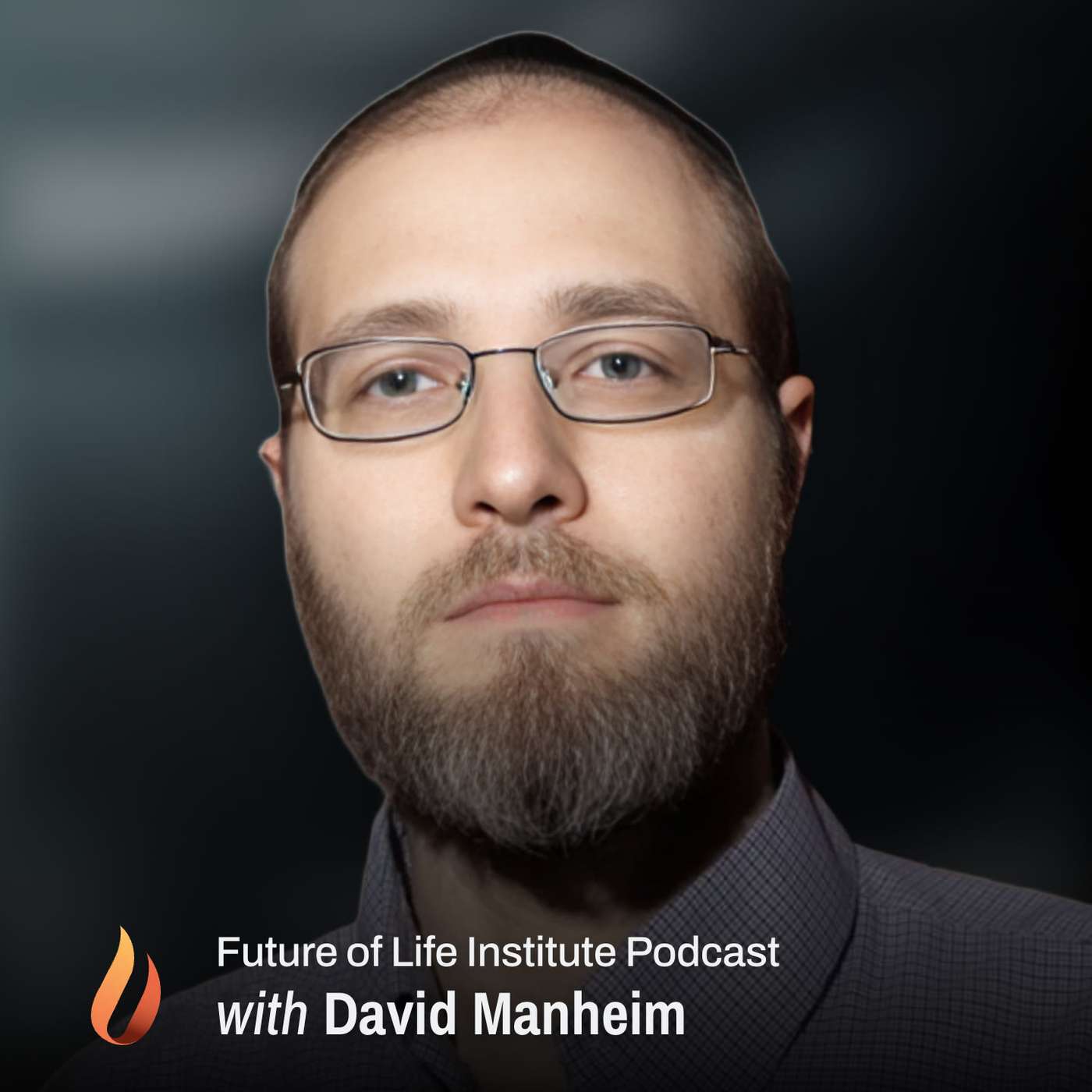
Why AI Evaluations Are Broken and How to Fix Them (with David Manheim)
1w ago01:19:21Summary readyDavid Manheim is head of methodology at AI Evaluation Consensus. He joins the podcast to discuss how AI evaluations can become more reliable, transparent, and useful for decisions. We cover common failures such as unclear reporting, training to the test, benchmark saturation, and models changing behavior when they know they are being tested. The conversation also examines real-world tests, biosecurity, persuasion, forecasting, human oversight, and why even “normal” AI progress could be disruptive.LINKS:David Manheim websiteAI Evaluation Consensus StatementCHAPTERS:(00:00) Episode Preview(01:04) Evaluation consensus project(07:01) Evaluation awareness challenges(12:28) Reporting capabilities clearly(19:38) Benchmarks beyond humans(29:52) Proxies and biosecurity(42:01) Persuasion and democracy(53:59) Forecasting with AI(01:08:44) Oversight and disruption(01:16:42) Supporting better evalsPRODUCED BY:https://aipodcast.ingSOCIAL LINKS:Website: https://podcast.futureoflife.orgTwitter (FLI): https://x.com/FLI_orgTwitter (Gus): https://x.com/gusdockerLinkedIn: https://www.linkedin.com/company/future-of-life-institute/YouTube: https://www.youtube.com/channel/UC-rCCy3FQ-GItDimSR9lhzw/Apple: https://geo.itunes.apple.com/us/podcast/id1170991978Spotify: https://open.spotify.com/show/2Op1WO3gwVwCrYHg4eoGyP
Summary
How AI Is Replacing Children's Ability to Think (with Randi Weingarten)
4w ago00:43:59Summary readyRandi Weingarten is president of the American Federation of Teachers. She joins the podcast to discuss AI in education. The conversation covers how screens and student-facing AI may weaken attention, learning, and trust, why she supports limiting screens for young children and social chatbots for students under 16, and how teachers can use AI without replacing thinking. She also discusses active learning, data privacy, independent research on AI in education, and guardrails for schools.LINKS:Randi Weingarten WikipediaAFT Randi Weingarten ProfileAmerican Federation of TeachersCHAPTERS: (00:00) Episode Preview (01:13) AI education wake-up (07:27) Active learning versus AI (14:42) Preserving thinking habits (20:06) Research and screen limits (26:05) Social chatbot risks (30:20) Data privacy standards (35:58) Classroom AI guardrails (41:13) Companies and future schools PRODUCED BY: https://aipodcast.ing SOCIAL LINKS: Website: https://podcast.futureoflife.org Twitter (FLI): https://x.com/FLI_org Twitter (Gus): https://x.com/gusdocker LinkedIn: https://www.linkedin.com/company/future-of-life-institute/ YouTube: https://www.youtube.com/channel/UC-rCCy3FQ-GItDimSR9lhzw/ Apple: https://geo.itunes.apple.com/us/podcast/id1170991978 Spotify: https://open.spotify.com/show/2Op1WO3gwVwCrYHg4eoGyP
Summary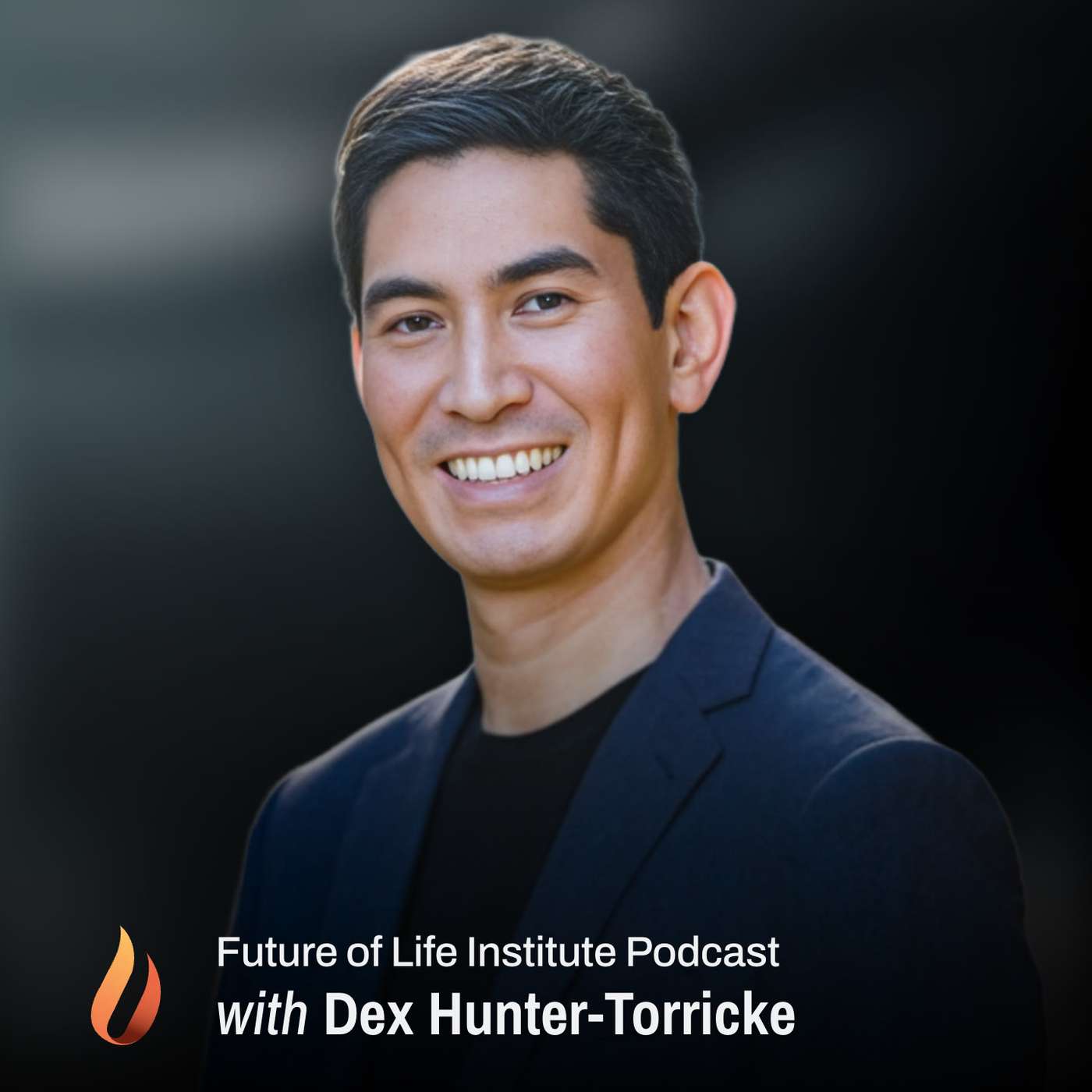
The Gulf Between AI Progress and Political Understanding (with Dex Hunter-Torricke)
Jun 2501:03:39Summary readyDex Hunter-Torricke is founder of the Centre for Tomorrow. He joins the podcast to discuss why AI governance needs to move beyond technical fixes. The conversation covers how AI companies make decisions, why policymakers often misunderstand agents and economic change, and how automation could reshape jobs, welfare, taxation, and global trade. Dex argues that societies need broader political planning before a crisis drives rushed choices.LINKS:Dex Hunter-Torricke WebsiteCenter for Tomorrow WebsiteCHAPTERS: (00:00) Episode Preview (01:09) Dex's technology journey (08:22) Broken AI governance (18:00) Big tech blindspots (27:36) Employee power shifts (37:18) Global views and UBI (48:17) Power and displacement (01:00:54) Reasons for optimism PRODUCED BY: https://aipodcast.ing SOCIAL LINKS: Website: https://podcast.futureoflife.org Twitter (FLI): https://x.com/FLI_org Twitter (Gus): https://x.com/gusdocker LinkedIn: https://www.linkedin.com/company/future-of-life-institute/ YouTube: https://www.youtube.com/channel/UC-rCCy3FQ-GItDimSR9lhzw/ Apple: https://geo.itunes.apple.com/us/podcast/id1170991978 Spotify: https://open.spotify.com/show/2Op1WO3gwVwCrYHg4eoGyP
Summary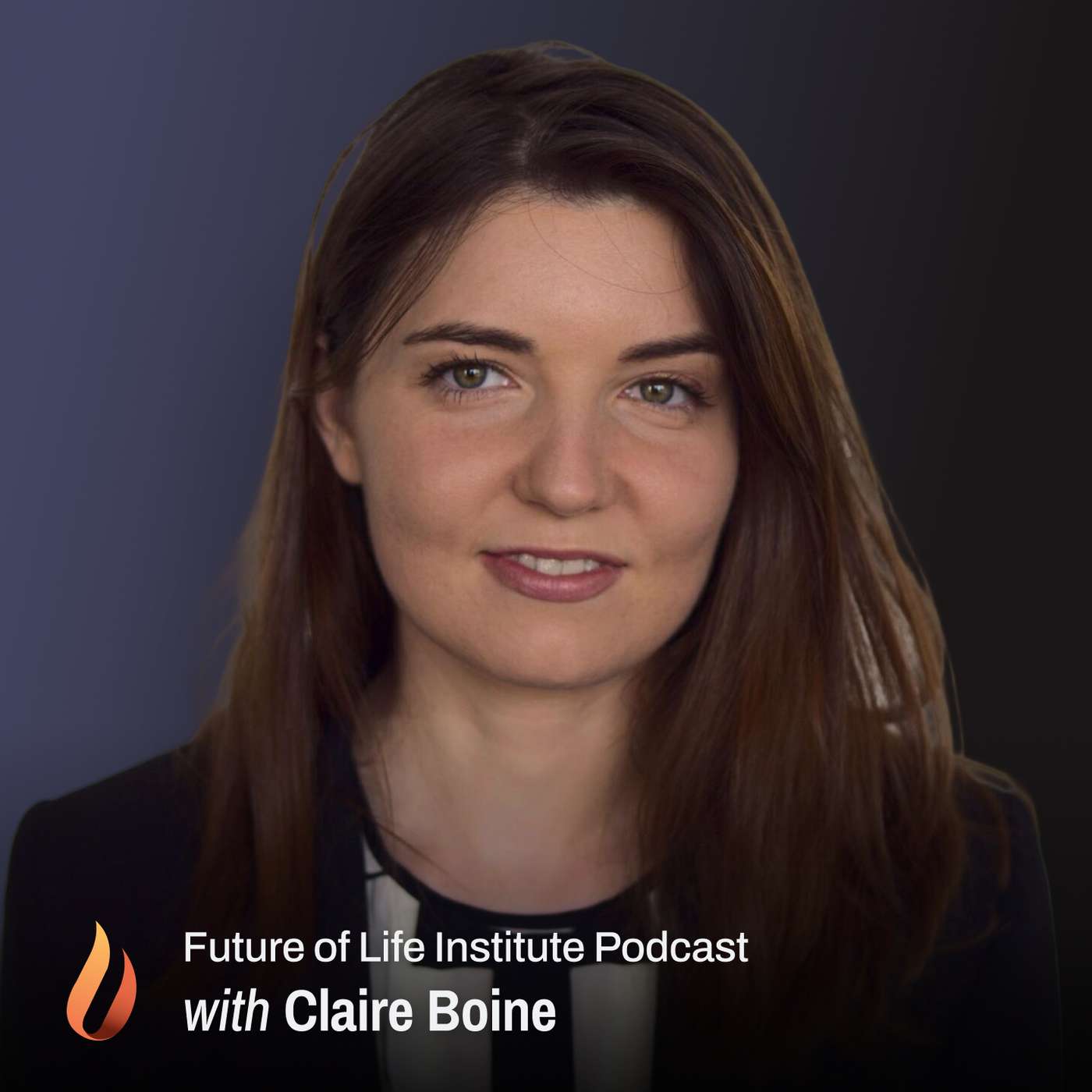
How AI Companions Trap Users Through Addictive Design (with Claire Boine)
Jun 1201:08:29Summary readyClaire Boine is an assistant professor in technology, law, and AI governance at the European University Institute. She joins the podcast to discuss AI companions and human attachment. The conversation examines how design choices and free-to-start business models can foster dependency, expose intimate data, and blur the lines between therapy, romance, and manipulation. We also cover risks for children and teens, gaps in EU and US law, and why AI policy should distinguish technical alignment from incentives and social harms.LINKS:Claire Boine WebsiteSuccessif Organization WebsiteCHAPTERS:(00:00) Episode Preview(01:06) Introducing Claire Boine(02:05) Companion app designs(06:23) Feelings and freemium(14:28) Users, attachment, harms(25:06) Age-based risks(35:18) Future relationship norms(41:05) Legal loopholes today(44:19) Rethinking alignment framing(57:19) Narratives and fiduciaries(01:05:47) Collective policy actionPRODUCED BY:https://aipodcast.ingSOCIAL LINKS:Website: https://podcast.futureoflife.orgTwitter (FLI): https://x.com/FLI_orgTwitter (Gus): https://x.com/gusdockerLinkedIn: https://www.linkedin.com/company/future-of-life-institute/YouTube: https://www.youtube.com/channel/UC-rCCy3FQ-GItDimSR9lhzw/Apple: https://geo.itunes.apple.com/us/podcast/id1170991978Spotify: https://open.spotify.com/show/2Op1WO3gwVwCrYHg4eoGyP
Summary
Why AI Chatbots Are a Rival to the Family (with Michael Toscano)
May 2601:13:43Summary readyMichael Toscano is a Senior Fellow at the Institute for Family Studies and Director of its Family First Technology Initiative. He joins the podcast to discuss family-centered AI policy. The conversation covers AI companions, self-harm risks, sexualized chatbots, education, smartphones in schools, and why "infinite patience" can harm children's growth. Toscano also explains Catholic social teaching, public pushback against rapid AI deployment, and why society-wide governance may be needed to keep technology accountable to families. LINKS:Michael ToscanoCHAPTERS: (00:00) Episode Preview (01:12) Family centered AI (09:54) Companion design harms (17:23) Technology and family (25:48) Society wide governance (33:09) Catholic AI response (39:44) Double movement politics (49:36) Technology mythos challenged (59:48) Competition and control PRODUCED BY: https://aipodcast.ing SOCIAL LINKS: Website: https://podcast.futureoflife.org Twitter (FLI): https://x.com/FLI_org Twitter (Gus): https://x.com/gusdocker LinkedIn: https://www.linkedin.com/company/future-of-life-institute/ YouTube: https://www.youtube.com/channel/UC-rCCy3FQ-GItDimSR9lhzw/ Apple: https://geo.itunes.apple.com/us/podcast/id1170991978 Spotify: https://open.spotify.com/show/2Op1WO3gwVwCrYHg4eoGyP
Summary
Why We Should Build AI Tools, Not AI Replacements (with Anthony Aguirre)
May 1101:36:12Summary readyAnthony Aguirre is the CEO of the Future of Life Institute. He joins the podcast to discuss A Better Path for AI, his essay series on steering AI away from races to replace people. The conversation covers races for attention, attachment, automation, and superintelligence, and how these can concentrate power and undermine human agency. Anthony argues for purpose-built AI tools under meaningful human control, with liability, access limits, external guardrails, and international cooperation.LINKS:A Better Path for AIWhat You Can DoCHAPTERS: (00:00) Episode Preview (01:03) Attention, attachment, automation (13:58) Superintelligence power race (26:39) Escaping replacement dynamics (40:15) Pro-human tool AI (53:30) Guardrails and verification (01:03:24) Defining pro-human AI (01:10:37) Agents and accountability (01:17:28) International AI cooperation (01:25:28) Rethinking AI alignment (01:32:43) Optimism and action PRODUCED BY: https://aipodcast.ing SOCIAL LINKS: Website: https://podcast.futureoflife.org Twitter (FLI): https://x.com/FLI_org Twitter (Gus): https://x.com/gusdocker LinkedIn: https://www.linkedin.com/company/future-of-life-institute/ YouTube: https://www.youtube.com/channel/UC-rCCy3FQ-GItDimSR9lhzw/ Apple: https://geo.itunes.apple.com/us/podcast/id1170991978 Spotify: https://open.spotify.com/show/2Op1WO3gwVwCrYHg4eoGyP
Summary
How to Govern AI When You Can't Predict the Future (with Charlie Bullock)
May 701:07:11Summary readyCharlie Bullock is a Senior Research Fellow at the Institute for Law and AI. He joins the podcast to discuss radical optionality: how governments can prepare for very advanced AI without locking in premature rules. The conversation covers why law often trails technology, and how transparency, reporting, evaluations, cybersecurity standards, and expanded technical hiring could help. We also discuss private oversight, state versus federal rules, and the risk of concentrating power in companies or government.LINKS:Radical Optionality websiteCharlie BullockCHAPTERS: (00:00) Episode Preview (01:04) The pacing problem (06:18) Defining radical optionality (11:03) Assumptions under uncertainty (16:00) Industry convenience concerns (20:41) Political will realities (26:48) Private governance limits (30:28) Government misuse risks (36:29) Balancing institutional power (42:25) Transparency and reporting (49:35) Evaluations, security, talent (58:26) State law preemption (01:04:20) Historical nuclear analogies PRODUCED BY: https://aipodcast.ing SOCIAL LINKS: Website: https://podcast.futureoflife.org Twitter (FLI): https://x.com/FLI_org Twitter (Gus): https://x.com/gusdocker LinkedIn: https://www.linkedin.com/company/future-of-life-institute/ YouTube: https://www.youtube.com/channel/UC-rCCy3FQ-GItDimSR9lhzw/ Apple: https://geo.itunes.apple.com/us/podcast/id1170991978 Spotify: https://open.spotify.com/show/2Op1WO3gwVwCrYHg4eoGyP
Summary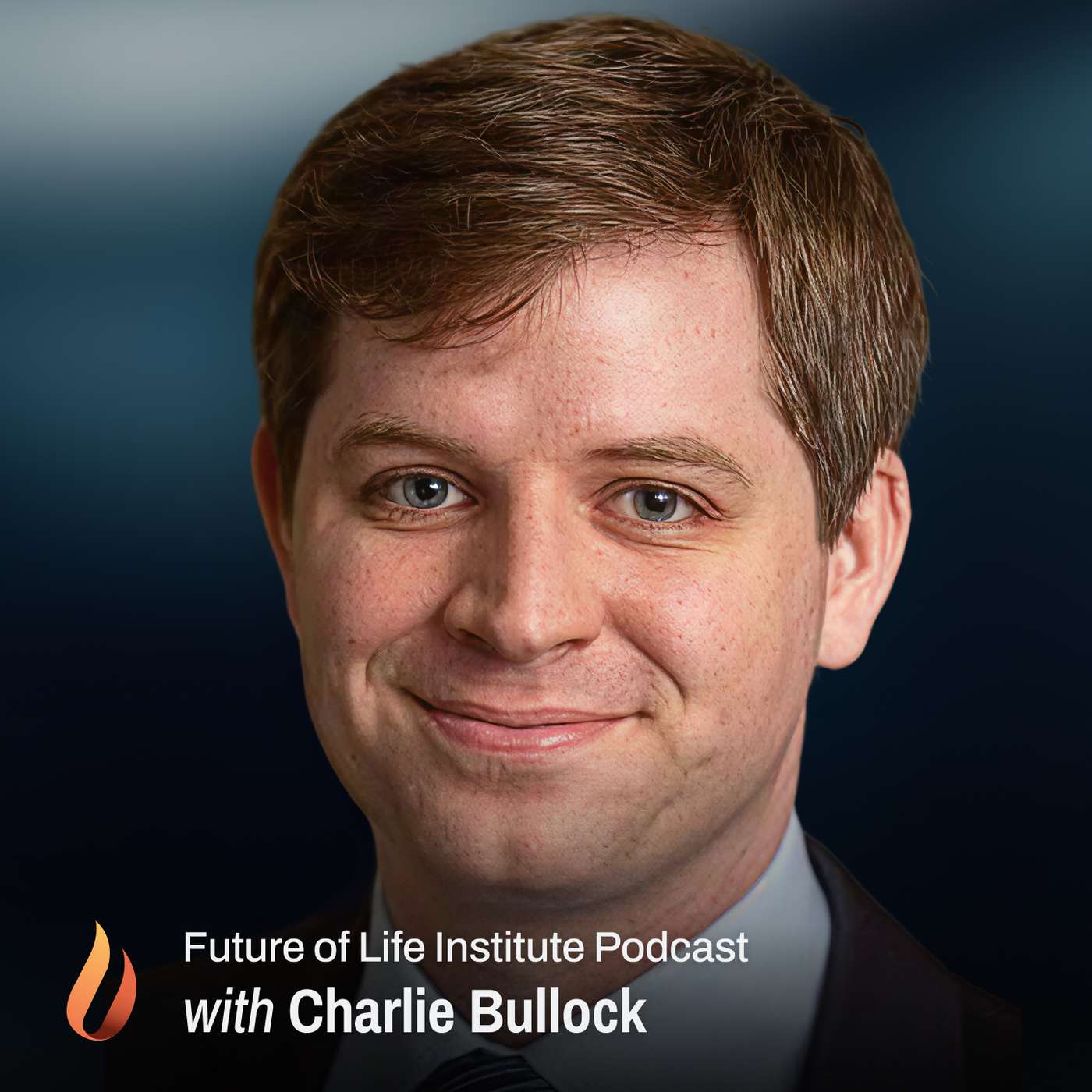
How to Govern AI When You Can't Predict the Future (with Charlie Bullock)
May 701:07:11Summary readyCharlie Bullock is a Senior Research Fellow at the Institute for Law and AI. He joins the podcast to discuss radical optionality: how governments can prepare for very advanced AI without locking in premature rules. The conversation covers why law often trails technology, and how transparency, reporting, evaluations, cybersecurity standards, and expanded technical hiring could help. We also discuss private oversight, state versus federal rules, and the risk of concentrating power in companies or government.LINKS:Radical Optionality websiteCharlie BullockCHAPTERS: (00:00) Episode Preview (01:04) The pacing problem (06:18) Defining radical optionality (11:03) Assumptions under uncertainty (16:00) Industry convenience concerns (20:41) Political will realities (26:48) Private governance limits (30:28) Government misuse risks (36:29) Balancing institutional power (42:25) Transparency and reporting (49:35) Evaluations, security, talent (58:26) State law preemption (01:04:20) Historical nuclear analogies PRODUCED BY: https://aipodcast.ing SOCIAL LINKS: Website: https://podcast.futureoflife.org Twitter (FLI): https://x.com/FLI_org Twitter (Gus): https://x.com/gusdocker LinkedIn: https://www.linkedin.com/company/future-of-life-institute/ YouTube: https://www.youtube.com/channel/UC-rCCy3FQ-GItDimSR9lhzw/ Apple: https://geo.itunes.apple.com/us/podcast/id1170991978 Spotify: https://open.spotify.com/show/2Op1WO3gwVwCrYHg4eoGyP
Summary
Why AI Is Not a Normal Technology (with Peter Wildeford)
Apr 2901:24:00Summary readyPeter Wildeford is Head of Policy at the AI Policy Network, and a top AI forecaster. He joins the podcast to discuss how to forecast AI progress and what current trends imply for the economy and national security. Peter argues AI is neither a bubble nor a normal technology, and we examine benchmark trends, adoption lags, unemployment and productivity effects, and the rise of cyber capabilities. We also cover robotics, export controls, prediction markets, and when AI may surpass human forecasters.LINKS:Peter Wildeford BlogCHAPTERS: (00:00) Episode Preview (01:12) AI bubble debate (06:25) Normal technology question (15:31) Mythos security implications (30:47) Robotics and labor (40:27) Social economic response (48:57) Forecasting methodology (59:49) AGI policy timelines (01:11:13) Forecasting with AI PRODUCED BY: https://aipodcast.ing SOCIAL LINKS: Website: https://podcast.futureoflife.org Twitter (FLI): https://x.com/FLI_org Twitter (Gus): https://x.com/gusdocker LinkedIn: https://www.linkedin.com/company/future-of-life-institute/ YouTube: https://www.youtube.com/channel/UC-rCCy3FQ-GItDimSR9lhzw/ Apple: https://geo.itunes.apple.com/us/podcast/id1170991978 Spotify: https://open.spotify.com/show/2Op1WO3gwVwCrYHg4eoGyP
Summary
Why AI Evaluation Science Can't Keep Up (with Carina Prunkl)
Apr 1700:54:23Summary readyCarina Prunkl is a researcher at Inria. She joins the podcast to discuss how to assess the capabilities and risks of general-purpose AI. We examine why systems can solve hard coding and math problems yet still fail at simple tasks, why pre-deployment tests often miss real-world behavior, and how faster capability gains can increase misuse risks. The conversation also covers de-skilling, red teaming, layered safeguards, and warning signs that AIs might undermine oversight.LINKS:Carina Prunkl personal websiteCHAPTERS: (00:00) Episode Preview (01:04) Introducing the report (02:10) Jagged frontier capabilities (05:29) Formal reasoning progress (12:36) Risks and evaluation science (19:00) Funding evaluation capacity (24:03) Autonomy and de-skilling (31:32) Authenticity and AI companions (41:00) Defense in depth methods (48:34) Loss of control risks (53:16) Where to read report PRODUCED BY: https://aipodcast.ing SOCIAL LINKS: Website: https://podcast.futureoflife.org Twitter (FLI): https://x.com/FLI_org Twitter (Gus): https://x.com/gusdocker LinkedIn: https://www.linkedin.com/company/future-of-life-institute/ YouTube: https://www.youtube.com/channel/UC-rCCy3FQ-GItDimSR9lhzw/ Apple: https://geo.itunes.apple.com/us/podcast/id1170991978 Spotify: https://open.spotify.com/show/2Op1WO3gwVwCrYHg4eoGyP
Summary