
Podcast
GDLC Audio
Hosted by Gloria Dei Lutheran Church · EN
Leading ordinary people to an extraordinary life in Christ!
81episodes
Episodes
Newest firstAll episodes

Power (Dys)functions
3w ago00:24:18Tap to summarizeIt’s easy to judge people in power based on headlines…“What a corrupt leader”...“What an egomaniac”...“I would never act like that.” Comparison can be deceptive. It blinds us to the quieter ways we misuse power in our own lives. In Genesis 16, we see a time when Abraham’s wife, Sarah, dealt with her disappointments by using Hagar as a means to an end. Instead of seeing her as a person to be loved, she became a problem to solve—and then someone to cast aside. We may not see ourselves as powerful, but we do the same in subtle ways: using anger to control our children, dismissing coworkers as lazy, or elevating ourselves by diminishing others. What would it look like to confront the quiet ways we misuse power and begin restoring our view of every person through the humble, self-giving love of Jesus’ cross?
Transcribe →Power (Dys)functions
3w ago00:30:42Tap to summarizeIt’s easy to judge people in power based on headlines…“What a corrupt leader”...“What an egomaniac”...“I would never act like that.” Comparison can be deceptive. It blinds us to the quieter ways we misuse power in our own lives. In Genesis 16, we see a time when Abraham’s wife, Sarah, dealt with her disappointments by using Hagar as a means to an end. Instead of seeing her as a person to be loved, she became a problem to solve—and then someone to cast aside. We may not see ourselves as powerful, but we do the same in subtle ways: using anger to control our children, dismissing coworkers as lazy, or elevating ourselves by diminishing others. What would it look like to confront the quiet ways we misuse power and begin restoring our view of every person through the humble, self-giving love of Jesus’ cross?
Transcribe →
NEXT Ep. 105 - Imitators of God
4w ago00:11:29Tap to summarizeTranscribe →Marital (Dys)functions
4w ago00:31:22Tap to summarizeGod’s design for marriage is stated in wedding ceremonies like this: “The union of husband and wife is intended by God for their mutual joy, for the help and comfort given one another in prosperity and adversity.” While God’s purpose is wonderful, the reality can be painful. In Genesis 12, fear drives Abraham to protect himself at the expense of Sarah. The result is a marriage, not marked by trust, but by self-preservation. We see the same painful patterns today—spouses can too easily choose spats, too spitefully use silence, or too defensively build up walls instead of serving with a compassionate heart. Relationships can’t thrive when fear drives our focus, so how can we open our hearts to fight for love?
Transcribe →NEXT Ep. 104 - Loved and Chosen
Jul 1300:11:53Tap to summarizeTranscribe →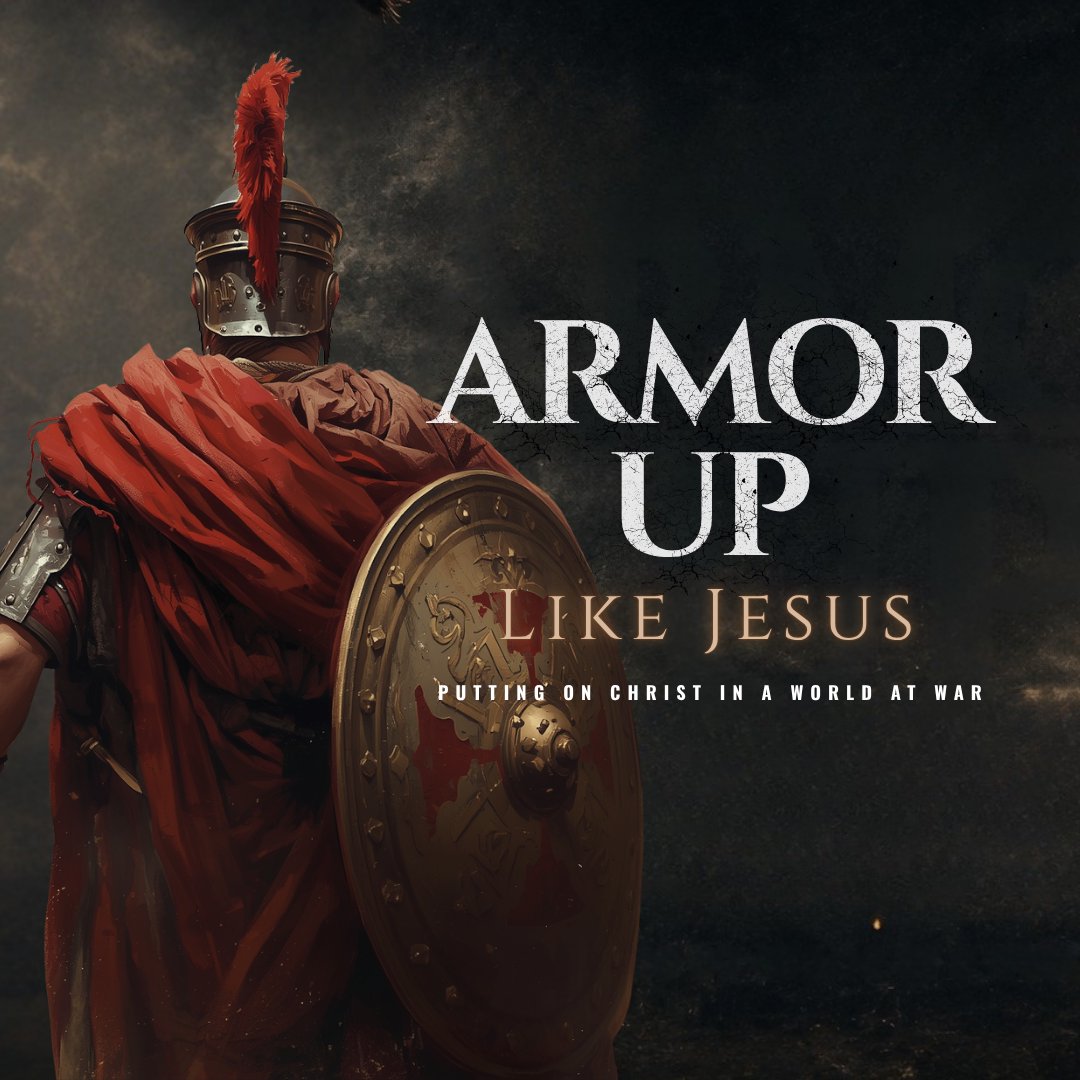
Sword of the Spirit & Prayer
Jul 1200:33:48Tap to summarizeThe only offensive weapons in the armor of God are the Word of God and prayer. Jesus never wields this sword with aggression, but He wields it with love and through prayer. He prays for His disciples and for us. The Sword of the Spirit is Scripture and prayed in dependence on the Father. Prayer is how we talk to God and the Word of God is how God has chosen to talk to us. The offensive weapon we have is the relationship we have with our God, that has been won for us by the death and resurrection of Jesus. Spiritual warfare is ultimately communion with God. To armor up like Jesus is to become a praying people, shaped by the Word, united in love, and confident that the victory has already been secured.
Transcribe →Sword of the Spirit & Prayer
Jul 1200:24:13Tap to summarizeThe only offensive weapons in the armor of God are the Word of God and prayer. Jesus never wields this sword with aggression, but He wields it with love and through prayer. He prays for His disciples and for us. The Sword of the Spirit is Scripture and prayed in dependence on the Father. Prayer is how we talk to God and the Word of God is how God has chosen to talk to us. The offensive weapon we have is the relationship we have with our God, that has been won for us by the death and resurrection of Jesus. Spiritual warfare is ultimately communion with God. To armor up like Jesus is to become a praying people, shaped by the Word, united in love, and confident that the victory has already been secured.
Transcribe →Helmet of Salvation
Jul 500:32:17Tap to summarizeAs Jesus hangs on the cross, being mocked and seemingly defeated, His mind is steady with trust: “Father, into Your hands I commit my spirit.” The Helmet of Salvation guards our thinking with the certainty of what God has done and will complete. In a world that defines freedom as autonomy, Jesus shows us that true freedom is found in surrender to the Father’s saving will. Salvation is not fragile; it is finished. To armor up like Jesus is to let the assurance of God’s victory protect our minds from despair, cynicism, and fear no matter the circumstances we face.
Transcribe →Helmet of Salvation
Jul 500:22:57Tap to summarizeAs Jesus hangs on the cross, being mocked and seemingly defeated, His mind is steady with trust: “Father, into Your hands I commit my spirit.” The Helmet of Salvation guards our thinking with the certainty of what God has done and will complete. In a world that defines freedom as autonomy, Jesus shows us that true freedom is found in surrender to the Father’s saving will. Salvation is not fragile; it is finished. To armor up like Jesus is to let the assurance of God’s victory protect our minds from despair, cynicism, and fear no matter the circumstances we face.
Transcribe →Shield of Faith
Jun 2800:27:58Tap to summarizeIn Gethsemane the faith of Jesus doesn’t look triumphant but appears as trembling trust. Jesus does not deny the coming suffering but brings it honestly before the Father when He says, “Not My will, but yours be done.” The Shield of Faith does not pretend everything will turn out the way we prefer but it is entrusting ourselves to God even when the outcome is costly. Faith extinguishes the flaming arrows of fear and abandonment not by removing the pain but by holding onto the character of God. Our God will never leave us or forsake us & He has promised us that He will be faithful until the end of the age.
Transcribe →