
Podcast
Geopolitical Horizons
Hosted by Geopolitical Horizons · EN
Making sense of the world
14episodes
Episodes
Newest firstAll episodes
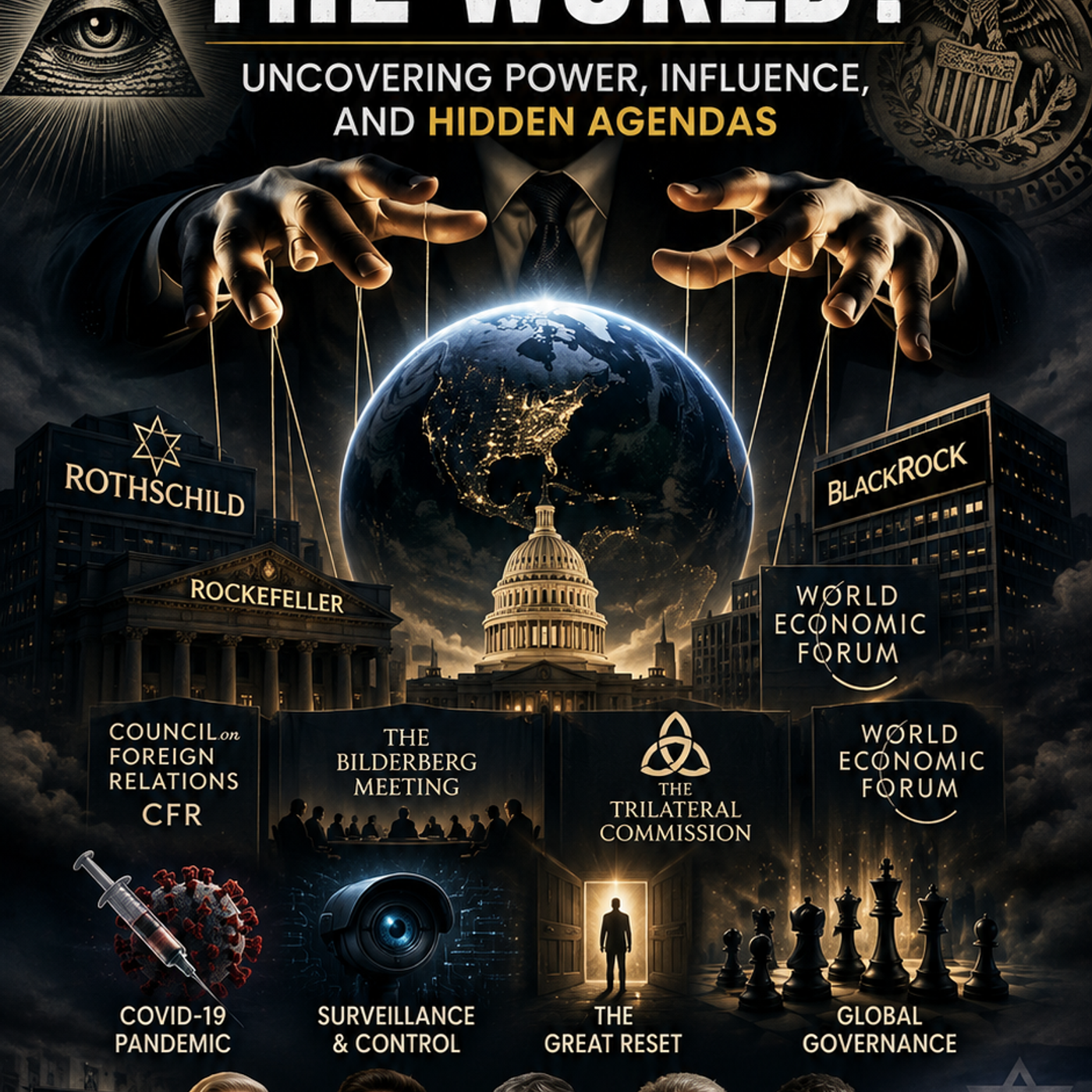
The Power Behind the Throne: Who Really Runs the World?
2w ago01:15:24Tap to summarizeIn this Geopolity podcast, we explore one of the most debated questions in geopolitics by examining power, influence, institutions, finance, technology, and the hidden networks that many believe shape global events. Whether you're interested in geopolitics, history, international relations, political analysis or conspiracies. This discussion aims to provide a structured way to think about some of the world's most controversial subjects.
Transcribe →
Mastering Geopolitics: The Practical Tools of Analysis
Jul 900:52:32Tap to summarizeWhy do some people seem able to make sense of global events while others get lost in the noise?In this Geopolity podcast, we look at practical ways to analyse geopolitics that goes beyond the daily headlines. Instead of chasing every news story, learn how to understand the long-term forces that shape the world
Transcribe →
America at 250: Is the Empire Dying?
Jul 100:33:11Tap to summarizeAs America celebrates its semi-quincentennial, questions are growing about whether its best days are behind it. Rising debt, political polarisation, military overstretch, the emergence of China, and a shifting global balance of power have all raised doubts about the future of the American-led international order. As the United States reaches its 250th birthday, is it witnessing the beginning of a new era of renewal—or the slow decline of an empire?
Transcribe →
Geopolitics 101
Jun 1700:39:54Tap to summarizeWhat is geopolitics, and how can understanding it help make sense of the world?In this Geopolity Podcast, we explore the foundations of geopolitics. From the rise of tribes and kingdoms to the invention of the modern nation-state, this episode examines the forces that shape global affairs and determine why some nations become powerful while others struggle.We discuss the importance of geography, history, foreign policy, technology, military power, economics and national strategy. We also explore how geopolitical analysts approach international events, separate signal from noise, and build a framework for understanding a complex world.Whether you are new to geopolitics or looking to strengthen your analytical skills, this episode provides a practical introduction to the concepts that underpin international relations and global power.
Transcribe →
Three Geopolitical Faultlines
May 1800:28:24Tap to summarizeIn this Geopolity podcast, we unpack three major geopolitical stories shaping the global order—and what they reveal about the deeper strategic forces driving global politics.First, Donald Trump’s visit to China. A trip rich in symbolism, but did it actually produce meaningful strategic gains? We examine what was achieved, why Taiwan remains the most dangerous flashpoint in US-China relations, and what Trump’s diplomacy tells us about the future of great power competition.Next, Britain’s political crisis. Traditional parties are losing trust, populist forces are surging, and voters appear increasingly disillusioned with the political establishment. Is Britain entering a period of structural instability—and what does this mean for the wider West?Finally, the Ukraine war enters its fourth year. Despite dramatic drone strikes and headline-grabbing operations, what does the battlefield reality actually look like? Can Ukraine still alter the strategic trajectory of the war? What does victory look like for Kyiv, Moscow, and Washington?
Transcribe →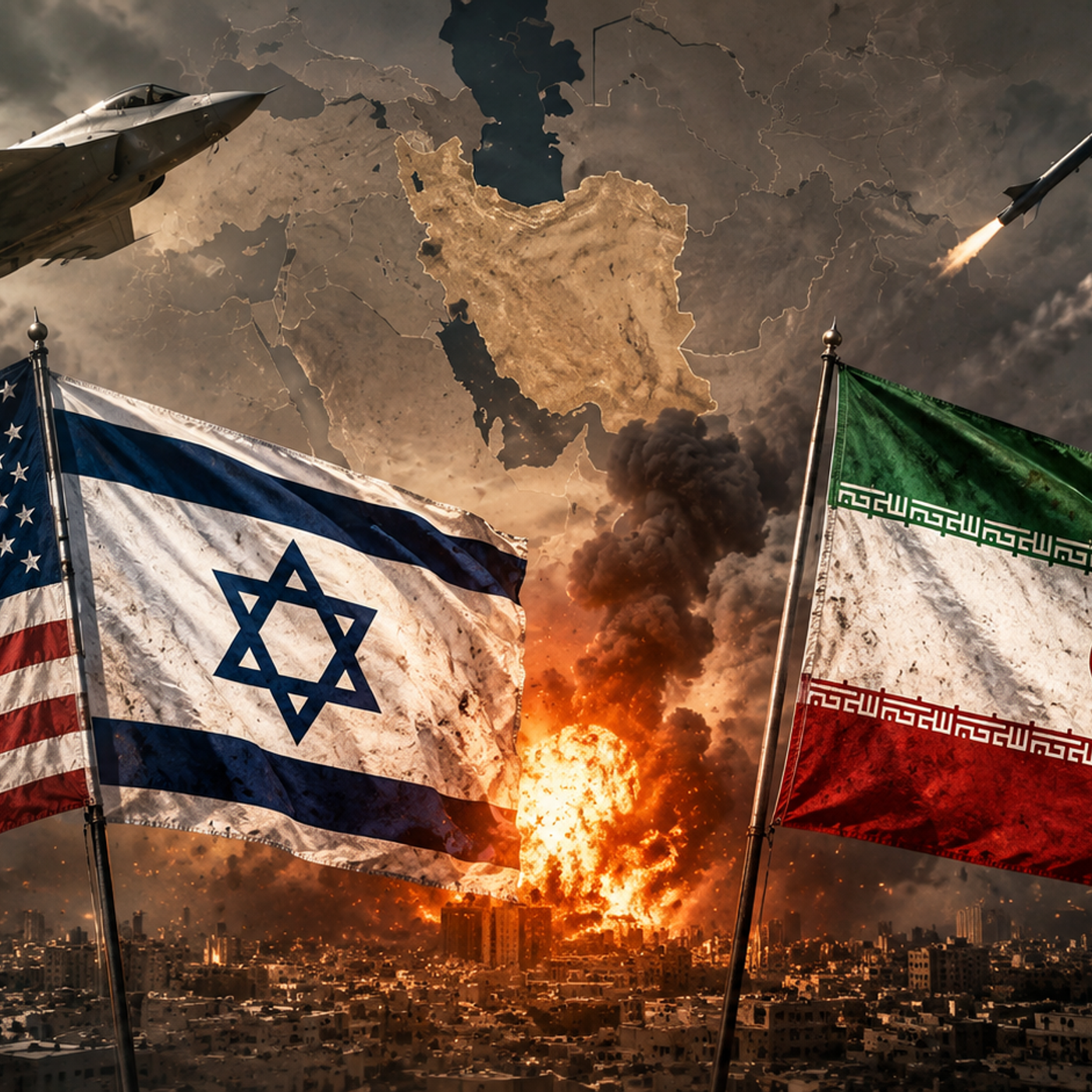
Q&A: US-Israel Alliance War on Iran
May 1101:03:51Tap to summarizeIn this episode of Geopolitical Horizons, we take your questions as the US-Israel alliance war on Iran passes 10 weeks. We break down the reality behind the headlines. Why hasn’t Iran collapsed? Has the US strategy failed? And what does this war reveal about the future of global power? We explore the questions we have received from the failed decapitation strategy to the closure of the Strait of Hormuz, and from Israel’s influence on US policy to the role of China, Russia, and regional powers. This isn’t just a war in the Middle East — it’s a test of the global order.
Transcribe →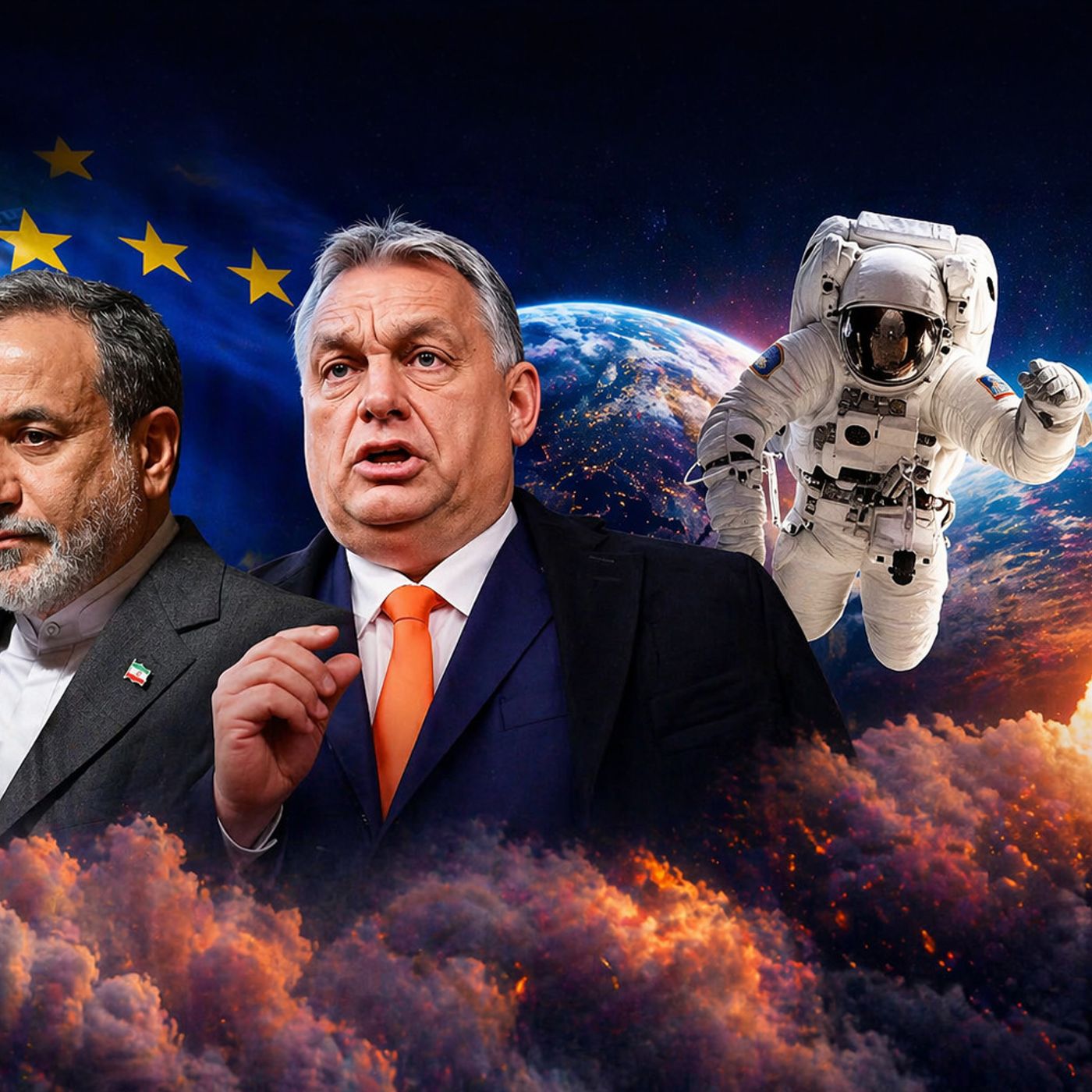
Iran, Europe & Space
Apr 2100:28:16Tap to summarizeThe world is shifting — from the Straits of Hormuz to Brussels to orbit.In this episode of geopolitical horizons, we break down three stories impacting global geopolitics: Rising tensions in the Middle East and the future of the US–Israel alliance The political shockwaves of Viktor Orbán’s defeat and what it means for European populism The return of great power competition — this time in space Is escalation in the Middle East reaching its limits? Is Europe turning away from populism — or just entering a new phase? And is the new space race quietly becoming a military contest?🎙️ Featuring sharp analysis, grounded insights, and big-picture thinking — this is geopolitics beyond the headlines.
Transcribe →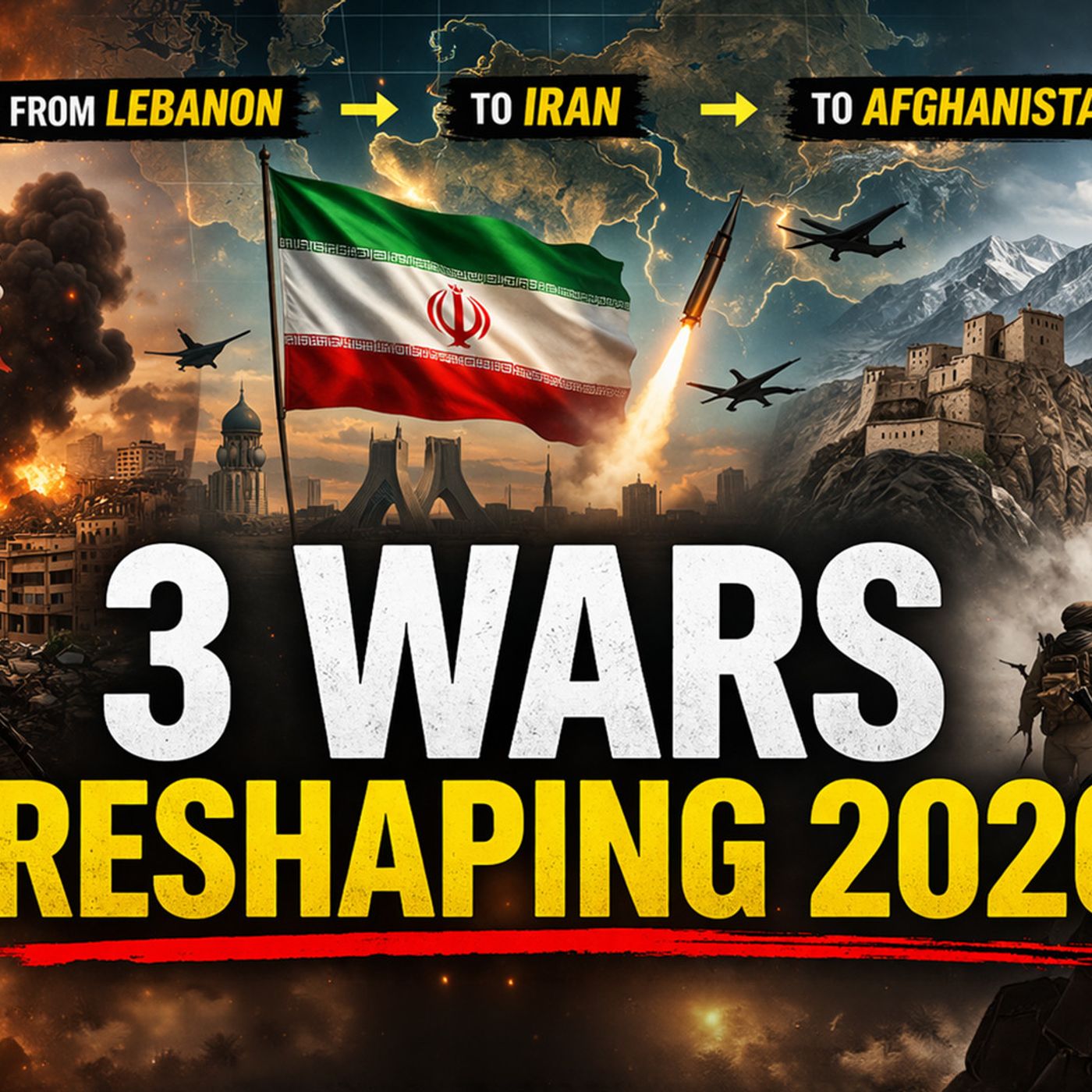
3 Wars Reshaping 2026
Apr 200:36:14Tap to summarizeThree wars. Three regions. One rapidly shifting global order. In this episode of Geopolitical Horizons, we break down three escalating conflicts that are reshaping 2026 in real time—from Lebanon to Iran to Afghanistan
Transcribe →
Iran Edition: How Superpowers Lose Wars
Mar 1901:00:52Tap to summarizeThe conflict between Iran and the United States–Israel alliance is entering a dangerous new phase — and things are not going according to plan.In this Geopolity podcast, we break down how Iran has managed to resist a global superpower, the strategic mistakes shaping the conflict, and why regime change in Tehran is far less likely than many in Washington assume.From the closure of the Strait of Hormuz and its impact on global energy markets, to Iran’s asymmetric warfare strategy and internal political structure, this episode explores the deeper forces shaping the war — including the roles of Russia and China, the fragility of the petrodollar system, and the uncertain future of Israel.
Transcribe →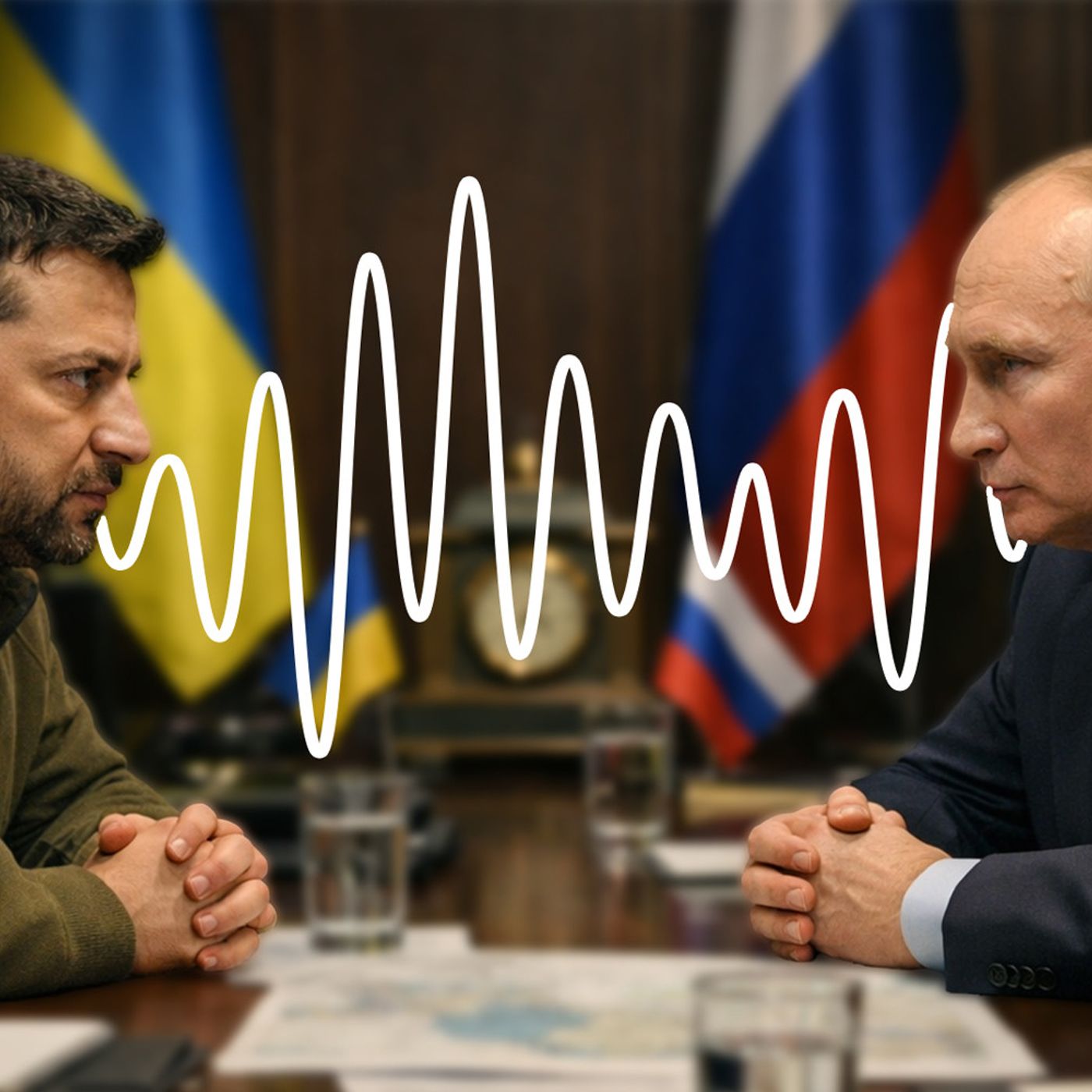
Four Years On: Who’s Really Winning the Ukraine War?
Feb 2000:37:36Tap to summarizeFebruary 24th 2026, marks four years since Russia’s invasion of Ukraine — a war many expected to last days, not years. Instead, Europe has witnessed one of the most destructive conflicts since 1945. Entire cities have been flattened. Hundreds of thousands have been killed, millions displaced. What began with a failed dash on Kyiv has hardened into an 800-mile fortified front line defined by attrition, drones, artillery and endurance. The war has become a test of endurance between Russia and the West — with Ukraine caught in the middle and now it’s all about who can outlast whom.
Transcribe →