← Glamorous Trash: A Celebrity Memoir Podcast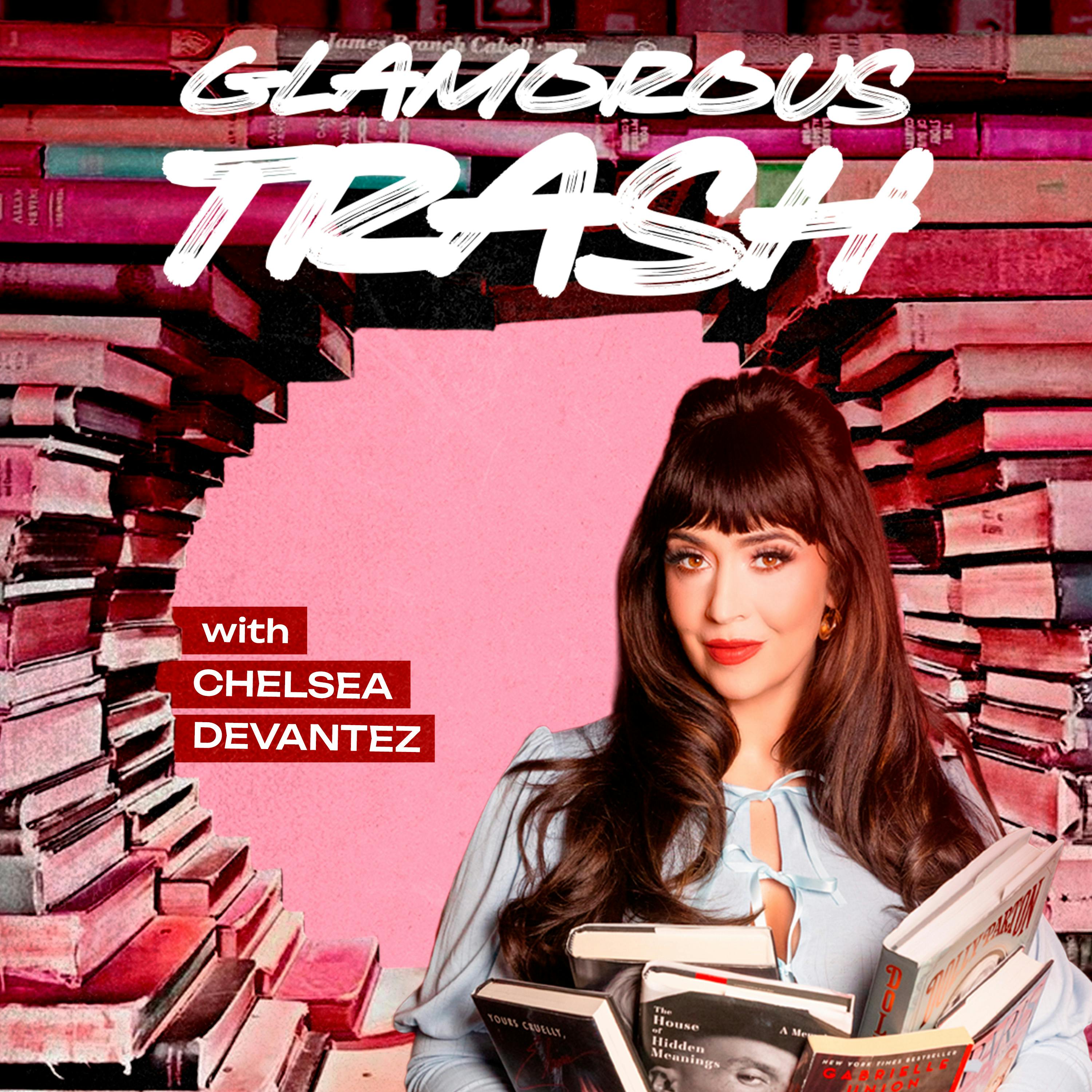
Glamorous Trash: A Celebrity Memoir Podcast
Holly Madison’s Memoir Down The Rabbit Hole (with Wes Perry)
01:26:49
Loading summary
Transcript407 lines
- [00:01]
A
Introducing the perfect companion to your morning listening routine. AG1's clinically backed formula is now flavor packed with three new delicious tropical berry and citrus. Start the day on a high note with probiotics that taste like the tropics. Mix it up with micronutrients that taste like berry or citrus, and take it all the way back with the classic AG1 original with notes of pineapple and vanilla. Do your health a flavor or four with AG1 NextGen, the daily health drink. Learn more@drink ag1.com hey, it's Ryan Reynolds.
- [00:31]
B
Here from Mint Mobile. Now. I was looking for fun ways to tell you that Mint's offer of unlimited premium wireless for $15 a month is back.
- [00:39]
A
So I thought it would be fun.
- [00:41]
B
If we made $15 bills, but it turns out that's very illegal. So there goes my big idea for the commercial.
- [00:49]
A
Give it a try@mintmobile.com Switch upfront payment of $45 for a three month plan equivalent to $15 per month required new customer offer for first three months only. Speed slow after 35 gigabytes of network taxes and fees extra. Cmno. Com hi, it's me, your host Chelsea. I am away from the podcast for a few weeks as I am on set directing my first feature film which I also wrote. Truly, it's it's just a dream come true if you are really into film and stuff like that. I am giving out some updates on the Patreon so go over there to follow along. Also on Patreon and Apple subscriptions is where you will continue to get your bonus episodes for from me every month we have Denise Richards Memoir we have a memoir from the sisters from the band Hearts. That is so good. And if you want brand new stuff while I am gone please head over there. In the meantime, today we are re releasing an episode from Behind Our Paywall. So if you like this episode it's a good sign that you are going to like all of the other episodes that are still behind the Paywall. This one is one of our most beloved episodes we have ever done. It's previously only been available to subscribers, so I hope you enjoy. Welcome to Glamorous Trash. This is a podcast that book clubs, viral articles, celebrity memoirs and trashy discourse to elevate your life. I'm your host Chelsea Devon Ches. I'm your TV writer, comedian, filmmaker, author and sometimes I'm in stuff too. Now this week we are book clubbing Holly Madison's memoir titled down the Rabbit Hole. Curious Adventures and Cautionary Tales of a Former Playboy Bunny. It was published in 2015. This book is so good. It's very dark, which, you know, I love. I read the entire thing in a day. Couldn't put it down. It spills all the secrets of the Playboy Mansion. It revisits the 2000s in a way that will truly make you want to vomit at what we all had to endure as a culture. And it may inspire you to go back and watch every episode of Girls Next Door, which is something I've been doing. And what a ride. Come on in my house and my house I'm gonna give you jigs and dates and the grips and the cakes hey, come on in the house My house has come for Hef's 81st birthday, we are going to have his birthday in Vegas, which is a really big deal because it's the first time he's done that. I better find some cute outfits. Okay, that was the theme song from Girls Next Door and a clip of Holly on the reality show, you know, when she was back in the mans pretending to love it. And we're going to dive into everything Holly Madison and Playboy Bunny today with my amazing guest, Wes Perry. Hi, Wes.
- [03:34]
B
Hi, Chelsea.
- [03:36]
A
I'm so excited to see you and to catch up with you, even though it's being recorded.
- [03:40]
B
Oh, me too. Me too. It's always a pleasure to talk to you.
- [03:43]
A
Okay, so Wes and I, we have been on a book journey, but first I want to introduce Wes. He is a singer, a storyteller, a performer. He's been singing with a symphony in San Diego. He's a music, but I know him from our comedian days and when Wes was doing drag, performing in Chicago, a little thing called I.O. theater and the Second City, and just has performed some of my favorite shows I've ever seen. And your one man shows, normally a genre that's really not done well. And you reinvigorated that genre for me.
- [04:23]
B
Oh, you're so sweet. Thank you so much. I've always thought of you as a genre defier as well.
- [04:27]
A
Oh, wow. Thank you. I'll be adding that to my Instagram bio genre defire. So tell me, what made you inspired to read Holly Madison's memoir, which you had already read before we decided to do this podcast.
- [04:41]
B
I had already read it. It was my dirty little secret that I had fallen head over heels for the Girls Next Door during the pandemic, which I like that you brought up earlier. That it's 2000s. It's the most millennial early 2000s thing I can think of. When I went Back to it. And I'm. So. I'm living in San Diego now, which is where I grew up. I lived in Chicago for 15 years, where I met you and did comedy and drag and all kinds of things. And I was almost. The girls next door represented the California I was literally running away from.
- [05:15]
A
Yes.
- [05:16]
B
This very heterosexual, hypersexual.
- [05:22]
A
Performative.
- [05:23]
B
Performative.
- [05:24]
A
Vapid.
- [05:25]
B
Vapid. Oh, what good words. So, yeah, it represented all of that. And I think when I moved to Chicago, the OC Was big, and the Laguna beach show and all those shows. And to me, all of that was just like nails on a chalkboard. And people would want to talk to me about it. I'd be like, no.
- [05:44]
A
Yeah.
- [05:45]
B
So all these. During the pandemic. Shortly before the pandemic, I had to move home to take care of my. My mother passed away, and so I moved here to take care of my father. So all of a sudden, I'm back in Southern California. I've gone just like Holly. I've gone from a, you know, apartment in the city next to an alleyway to living in a big house in California, you know, that's beautifully landscaped and has, you know.
- [06:12]
A
Do you have peacocks on your land as well?
- [06:15]
B
No peacocks, but we do have a hawk that comes by every once in a while.
- [06:18]
A
That's same thing.
- [06:22]
B
But that really is the California dream, to have a castle with a peacock and stuff. So all of a sudden, I saw that in a different way. And I was spending a lot of time with my father, who we were really bonding over, watching old movies. So we had gone through all of.
- [06:37]
A
Just like Hugh Hefner and Holly.
- [06:39]
B
Yeah. So all of a sudden, this world where you're sort of living in a castle, trying to please an old man, living in a Hollywood fantasy, it all just washed over me.
- [06:54]
A
And you were like, I need a guide through this new life, Holly Madison.
- [07:00]
B
And then. Well, once I binged the show during the lockdown, I said, well, I had so many questions.
- [07:05]
A
Yeah.
- [07:06]
B
Yeah, I binged the show, as a lot of people did. And then I said, I gotta know more. And it was the very first. First audible book I ever bought.
- [07:16]
A
Okay.
- [07:17]
B
And I actually listened to it on the way to get my first vaccine. So I'm listening to all the guys. Yes.
- [07:22]
A
I mean, this is a good timestamp, too, of, like, where. Where your mental brain is at. We're at first vaccine time.
- [07:29]
B
Yeah. So I was at peak, maybe stress, shall we say?
- [07:33]
A
Or.
- [07:33]
B
Yeah, peak quarantine. And I turned to Holly because I really, on Watching it, I kind of looked up to her, but I thought, here's somebody who's very smart, a girl who's very smart and is really making the best of what could be a very bad situation.
- [07:49]
A
Yes. Oh, that is so well said. And I. People had recommended this book to me, and I think for the same reasons. I was like, I don't want to talk about Playboy. And, wow, am I so glad I read it and revisited it. And it just totally reframed everything. And before we fully dive into it, I have to tell the story of how you and I first met, which was in Chicago. In Chicago, Day one of our comedy.
- [08:18]
B
Studies class, Semester Abroad at the Second City.
- [08:22]
A
A semester abroad at the Second City, Chicago, run by Ann Libra, who started the first college program where you can just study comedy. And Wes and I met, and Wes was so fabulous. He already lived in Chicago. And. And I was, like, so grateful. When I was like, will this person be my friend? And then you started to be my friend. I was like, okay. I'm gonna be okay. And then my favorite. I would say, like, the thing I really owe a lot to you, and one of the things I owe most to you is that you are the person who showed me Paris is Burning.
- [09:02]
B
Really? I did.
- [09:03]
A
Yeah. Wes would bring me over to his apartment, and he would play beautiful records. He'd show me. I just feel like you were just, like, Cult. And he would play DVDs. I needed to.
- [09:13]
B
Well, you should mention that this apartment was, like, in the middle of Wrigleyville. Could see, you know, the Cubs stadium. So I sort of. I had to step over vomit to.
- [09:23]
A
Get into the apartment.
- [09:25]
B
Yeah, yeah. We'd have to step over, barf, and people peeing.
- [09:28]
A
Yes, yes.
- [09:28]
B
And then we'd come up and listen to jazz and watch drag queens.
- [09:31]
A
Yes. And, like, I had. I had. I think my relationship to drag was, like, very surface level at that time. And you showed me the deeper side of drag that is now, like, the art form I cling to the most. So thank you.
- [09:42]
B
I didn't even realize. Remember that. Really my. I obviously remember you from the. From Second City. And, I mean, you were like, the star of our little student show.
- [09:52]
A
Person. Student show.
- [09:54]
B
Then when you decided to move to Chicago, you also lived near Wrigley Field.
- [10:00]
A
Oh, yeah.
- [10:01]
B
And we both had these kind of starter apartments, you know, where they've sort of. Everything's been painted over a hundred times.
- [10:06]
A
The apartment was 400 square feet. Feet total. I owned one pot that I used for everything. I would fry an Egg in the pot. I'd boil water in the pot. It was a starter is, like, what's before starter. That's what we had.
- [10:21]
B
And so what I really remember is that you. You know, you've always been. I've loved watching you work and your work ethic and the way you think and put such quality into everything that you do. And so you had just moved to the city. Yeah. You have this apartment with no furniture, and you had this idea of being a waitress. Do you remember this? And so.
- [10:42]
A
Yeah. Thank you.
- [10:44]
B
I hung out with you, like, almost every day as you were applying for this waitressing job at this really fancy restaurant.
- [10:50]
A
That's right.
- [10:51]
B
And I hope you don't mind me telling this.
- [10:54]
A
No, please.
- [10:55]
B
I believe you may have fibbed a little bit.
- [10:58]
A
Yeah, I know. Yeah.
- [10:58]
B
You said that you had a lot more waitressing experience than you had.
- [11:03]
A
You know, I did have a lot of waitressing experience. I fibbed and said I had wine and fine dining experience, which I had. Zero.
- [11:09]
B
That's what I remember.
- [11:10]
A
Yeah.
- [11:11]
B
You made flashcards about each of the different wines, and I went through the flashcards with you about this fancy red and this white, and I just thought, wow, this person is really serious. This person's gonna go far. I remember, ultimately when you got the job. I remember at a. Well, first of all, I remember that you had. Again, maybe another fib was that you'd said that you had worked with this computer system before.
- [11:39]
A
Yeah, yeah, yeah. It was like, do you know, whatever. Bl. To be a waitress. I was like, yeah, sure.
- [11:44]
B
You're like, yeah. And then there was, like, a VIP and you didn't hit the VIP Button.
- [11:49]
A
That's right.
- [11:49]
B
And it caught. Anyway.
- [11:50]
A
It caught in. I was creamed. I will say this. I was desperate for money. I needed money so bad. And I was like, I will get hired at this fine dining place. And I did. But, wow, joke's on me, because I think I was kicked out within, like, a month, and all that wine training was for nothing. Wes. I totally forgot about that.
- [12:12]
B
Well, I feel I'm. I'm sure you used a little bit in your own life. Yeah.
- [12:15]
A
Yeah. I still love a Cobb sauvre blanc. That's not a real wine. Okay.
- [12:20]
B
Those flashcards weren't for nothing.
- [12:22]
A
They weren't for nothing. Thank you, Wes. I can order wine at a restaurant that is. I completely forgot I did that to you. Thank you for being my friend. Okay. Wow. So diving into Holly, I just want to give a little context to this story into who she is. So she was born Holly Sue. She was a small town born in Oregon. Her family moved to Alaska. Her last name was Colin. She changes her last name to Madison's, you know, become a glamorous star. And when she's in her early 20s, she moves to Los Angeles because she wants to be an actress. And she grew up revering Playboy, as a lot of women did, and because, you know, their dads revered Playboy or, you know, Playboy was this idea that if you were in it, you were the most beautiful woman in the world. And Marilyn Monroe was the first Playboy bunny. And so I think a lot of people judge Holly and all women in Playboy as like, well, you chose to participate in this thing that objectifies women. But I think that personally, my personal opinion on that is that that's just very flawed thinking, because these were opportunities given to us as a culture. And on top of that, you know, opportunities given to women. We're like, oh, well, here's this avenue to success and fame. And on top of that, everyone in culture learn to look upon the Playboy beauty standard and the magazine with this reverence. And so, you know, for sexism to be bred into all of us, and then girls want to be a part of that because they see people respecting it. I just. I just get it. I get how she got there and thought, I want this to be a part of my life. Obviously, that's not a choice I've made. But I think Hef also sold us this lie. He sold everyone this lie that Playboy bunnies were wholesome America's sweethearts. They had dignity and respect to it. And it was this. The mansion was this beautiful place, and Hef was just a hopeless romantic. And these were all things he made a part of the brand. So when Holly is making that initial choice to go and see if she can be a part of this world, she's thinking that's what she's buying into, because that's what's being sold. And then once she gets there, we'll slowly realize all the ways that it is actually just the most fucked up, manipulative, awful world, which, you know, is. Obviously, it's obvious to a lot of us, but I think as a young girl in that year, maybe less obvious. And so this is really about making that choice. And then what happens to you afterwards and what happens to someone who tries to make the best out of something that she got, you know, you could say she got herself into that culture, got herself into that Hef made happen, but she's gonna make the best out of Something very, very horrible. And that is really the thrust of this book. Okay, this feels like a good time to take a quick break. This episode is brought to you by State Farm. Checking off the boxes on your to do list is a great feeling. And when it comes to checking off coverage, a State Farm agent can help you choose an option that's right for you. Whether you prefer talking in person on the phone or using the award winning app, it's nice knowing you have help finding coverage that best fits your needs. Like a good neighbor, State Farm is there. Prime delivery is fast. How fast are we talking? We're talking puzzle toys and lit pad delivered so fast you can get this puppy under control fast. We're talking chew toys at your door without really waiting. Fast. Pads, cooling mat, and pet him are fast and fast. And there's training T R E a T s faster than you can say sit fast. And now we can all relax and order these matching hoodies to get cozy and cute. Fast, fast. Free delivery. It's on Prime. Okay, let's dive back into the episode. So I want to start with reading two paragraphs from the preface, which really gives us our. Our memoir base. She said, I've seen both sugar coated and sensationalized accounts of life at the mansion, but nothing I've ever read remotely resembles what I actually experienced. I always thought it would be classy to not kiss and tell, but after a while, you just get sick of having other people trying to tell your story for you. She also said, I'm not stupid. I know how unsavory that whole situation was. You could read it all over my unsmiling face. Cameras often caught me rolling my eyes or looking totally uninterested. As if I didn't feel trapped enough. I'd built up a wall around me. I'd gotten myself into a bad situation. But I became distinctly aware that was not the impression fans walked away with. So she's talking about being a playboy bunny, being girlfriend number one in Hugh Hefner's mansion, and being on the reality show and realizing that if she didn't write this book, everyone would think that she just loved being in the mansion because that's what she said on camera. So.
- [17:24]
B
So I love the story.
- [17:26]
A
Yeah.
- [17:28]
B
And the story that they all have to tell.
- [17:30]
A
Yes. In order to even live there. Like, to keep your. And what's so funny? Because she keeps me. Like, it's like a job. Like, it's the job of Hugh Hefner's girlfriend. Like, you get an allowance, you get housing. Like it felt very much like a shitty comedy show. Like, if you do your comedy, like, you get free chicken wings and you get to stay in this, like, hotel covered in blood, and you're like, I'll do it.
- [17:52]
B
It's one of those starter gigs. Yeah. I mean, that's how she sort of saw it. Right? As a bridge, maybe to something.
- [17:58]
A
Yeah.
- [17:59]
B
And then the bridge becomes a jail of sorts.
- [18:03]
A
Yes. That's exactly what it's like. And I loved seeing in this book the ladder you would climb. So, like, once you're, like a playmate, the idea is that, like, maybe you could be an actress, like Pamela Anderson. And Holly wanted to be an actress. It's why she moves to la. And she. She saw an opportunity. She was a Hawaiian Tropic bikini model. And this is so disgusting. Hugh Hefner's doctor, like, the resident, like, Playboy physician, is at the bikini competition. I'm sure, you know, looking at the human form, doing some physical exams he shouldn't be doing.
- [18:41]
B
Oh, yeah. Oh, yeah.
- [18:43]
A
Eddie is like, hey, you should come to the Sunday pool party at the mansion. And she's like, oh, my God, the Playboy Mansion. And so the ladder you would climb is Sunday pool parties. Then if you were good at the Sunday pool parties, you could get invited to the real parties, Then you could go clubbing. Then you had to fuck Hugh Hefner, and then you could maybe live in the mansion, then you could maybe be his girlfriend, and then you could maybe be a playmate. And the moment you're a playmate, you could then leave. Does that. Was that what you tracked as well?
- [19:15]
B
That seems about right.
- [19:16]
A
Yeah.
- [19:18]
B
But none of these rules are written down.
- [19:20]
A
Yes.
- [19:21]
B
Right. And so girls have to kind of. Yeah. Figure it out for themselves, talk to each other. And maybe the way it was for one girl's not gonna be the way it is for you. And so there's all this, like, you.
- [19:32]
A
Gotta stay on your toes. Yeah.
- [19:34]
B
And, I mean, Holly's big point is that she always thought that the other girls were the problem. Maybe I'm jumping ahead.
- [19:39]
A
No, please.
- [19:40]
B
But, you know, she says that ultimately she saw that half was the problem, that he. He was like this. You know, he liked being like Archie with Betty and Veronica and then a dozen other girls.
- [19:52]
A
Betty and Veronica and Veronica and Veronica.
- [19:54]
B
And Veronica and Veronica and more Veronicas.
- [19:57]
A
Yeah. That's such a. Not so many Bettys, not so many Betties, A lot of Veronicas. Yeah. I mean, she. It was so fascinating reading this, and I feel like you can really see, like, why. Why A woman would be attracted to the Playboy Mansion and why she would choose to stay for so long in a way that I didn't always understand. And so there's a documentary series out now. Have you seen it?
- [20:21]
B
Oh, the A and E. Yes, the A and E. The Secrets of. Yes.
- [20:24]
A
You know it well.
- [20:26]
B
Oh, yeah.
- [20:26]
A
So what I really loved from that documentary is that you learn that Holly is neurodivergent, and she believes she likely has Asperger's syndrome, which I loved because it changes both the perceptions of what you think of when you think of someone who has Asperger's, and it also also changes the perceptions you have of hot women. And, like, it was, like, making me giggle in the way of, like, we've objectified women to the point that, like, no one noticed this about Holly. Like, instead, she was called, like, cold, bitchy, rude, mean, bimbo, an idiot. Like, all things she is not. Because it's, like, adjectives we assign to beautiful women when they're not acting how we want them to act.
- [21:10]
B
And I get. And in Holly's case specifically, it seems that she was treated differently than almost any other girlfriend. Ex girlfriend. Even if you watch, you know, that last season of the Girls Next Door where she's no longer there, they're constantly doing digs at her. And so it seems like she really was. Yeah. Treated extra, extra badly. So it makes sense that she would want to tell her own story.
- [21:36]
A
Yeah.
- [21:36]
B
And also, what's really come across to me in rereading it this week was this time we're talking about the early 2000s. There's very much, like you said, people thought this is a stepping stone to be Pamela Anderson, what have you. But the funny thing is. Well, we're living in this time now where it's all about being unique and about being yourself.
- [21:59]
A
Yeah.
- [22:00]
B
And this was a time not so. In the not so distant past where it was all about becoming the right thing and becoming homogenous. And so you. Part of what songs is that?
- [22:11]
A
The.
- [22:12]
B
From the outside, all these girls look the same because they're all trying to be this idealized woman, blonde, a certain aesthetic.
- [22:20]
A
Size 2, size 0. Yeah.
- [22:23]
B
Yeah. And it's all about them trying to become something and almost nothing about who they are. And I think Holly, she really pushed for everybody to have personalities and be a little different. And I think maybe that, too, is what rubbed people the wrong way.
- [22:40]
A
Yeah. Oh, Wes, that is such a beautiful point. Point. And also, like, I. I don't know if this is the same for you, but Like, I just remember being in so much pain in the early 2000s, obviously for, like, other reasons, but also just culturally, like, not fitting in any way, and how, like, obviously growing up can bring you a lot of happiness. But I think that point you said of, like, now you can, like, also be celebrated for just being who you are is new and is, like, something that allows for a lot of happiness that just, like, wasn't on the table back then.
- [23:13]
B
Yeah. And so, yeah, that's why I really enjoyed the book, you know, to really see what. Cause what you like about Holly is that she kind of. She kind of lets out what she's thinking. You get a little something from a look or a nod or, you know.
- [23:27]
A
Yeah. She is so smart. She's so cool. I, like, hate that she was written off. And she was really written off in the house. And so. So, yeah, like Wes said, like, the big thing is that she basically says that she came in in the time when Hef had the sloppy seven, which is when he had. Which is her term for them. But the sloppy seven is when he kind of made buzz about going about town with seven girlfriends who all had, like, white blonde hair. They were white, white, white people. They were size zero. They all had. They all kind of looked like clones of each other. And I will say this, like, in term, if we're dealing in the terms of beauty standards that Hugh Hefner set up, all of those women from that time did not actually meet those standards because I went and looked them up, and it was really about volume and kind of like, the idea. Kind of like what you said, like, as long as you had white blonde hair and you were skinny, like, that was maybe enough. And, like, that was also what I remember in high school being, like, all you had to do is, like, be those two things and, like, it really didn't matter what else you had. And I think that's. Cause he was, like, setting that up in culture, too.
- [24:39]
B
And Holly, you left Arizona.
- [24:41]
A
Yeah, New Mexico. But, hey, what's the difference? Yeah, I mean. Yeah, exactly. And she. Once she gets into the mansion, actually want to read these pages. So. Okay, so she is. She's living in la. She's trying to be an actress. She's working at Hooters. She gets an invite to the Sunday pool party. She said the guest list for the Sunday pool party was much more selective. So I have to admit, I was flattered to have been included. Only 20 or so girls were invited to these more intimate events, splashing the day away. Yet it was rare to see any of Hef's then seven girlfriends at the pool party for any length of time. I remember it striking me as odd that they chose to hole away in their mansion bedrooms, but I didn't give it much thought beyond that. I would later realize they considered it dues. They no longer needed to pay. Then later, she says the mansion gym was available to any of the girls who wanted to work out for during the party. Perhaps a red flag to the expectations placed on the women of Playboy. Can you imagine, like, first off, you're in your swimsuit and then you're like, I think I'm gonna like, hit the elliptical for a few.
- [25:49]
B
And as you, as you may remember from the show, the gym was not very glamorous.
- [25:53]
A
Yeah, it was like a treadmill in like an old office.
- [25:57]
B
Well, she talks about a lot of the. When she first moved in, a lot of the mansion having really dirty carpet. You know, again, there's this surface illusion of a castle and glamour. But, you know, she shows you right away that it was disgusting.
- [26:10]
A
Well, also, I got some funk. One of the things I loved about. Cause after reading this book, I then went back and watched the reality show, which by the way, like, it made me miss when reality shows could just be like, hey, here's what we did today. You know, it's like, it's just them, like getting ready and like, kind of hanging out. Like, there's no, like. Cause Hef always wanted things to appear like everyone was happy. And so it meant there was no, like, conflict on the reality show. Which it was kind of an enjoyable reality.
- [26:35]
B
Well, that's, that's. Yeah, you. You've hit on something really important. It's the show that could be so raunchy.
- [26:42]
A
Yeah.
- [26:42]
B
So inappropriate, so vulgar. I mean, these three, I mean, again, you have to remember this is the 2000s. This is the Bush era. This is don't ask, don't tell. This is very conservative Christian times. So I think to kind of balance everything. Yeah. Hef had this clear idea of it being almost kind of family friendly.
- [27:05]
A
Yeah. Which is so it's also so important to conservative brands. Like, it's why when Trump has Melania in the White House and she is pose nude, full Bush and all the conservative base doesn't freak out because it is woven into America that things have changed. Yeah, yeah, that like one, things have changed. But also it's in the fabric, though. It's. It's Playboy Mansion and like family friendly entertainment. And like hot women are like four powerful men. And like, that's just culture. So back into this Sunday pool party and, like, where she's at in this time in her life, Holly is about to lose, like, she doesn't have anywhere to live. Her roommate's kicking her out. She doesn't have any money. She's gonna have to move back home. She wants to be an actress.
- [27:50]
B
She's a struggling actress. Yeah, that's the story.
- [27:53]
A
So Vicky is the name of sort of the main mean girl. She's one of the sloppy seven. And. And at first, Holly thinks, like, all the girlfriends are, like, so nice because she tells at this pool party, she's like, I don't have anywhere to live. Talk to Hef. Vicky encouraged. After I confided in her about my housing problems, never did it occur to me to simply approach him myself. It also never occurred to me that the seven girlfriends wanted me around only because my ordinary appearance was non threatening. When I read this, I was like, yeah, all right, ordinary, whatever. And then I looked up photos again. We're following Hef's beauty standards. Holly really was the plain Jane who, like, didn't fully belong at first, which I was like, whoa.
- [28:40]
B
I hate to say this, but I mean, she sort of was. Yeah, maybe the. If not ugly duckling. The, you know, the duckling that then became a swan.
- [28:49]
A
Yeah, the duckling that you put in the back of the photos at first is who. Yes. Which was, I have to say, like, it also goes to show, like, that stays with her. So later she gets some plastic surgeries. Things about her looks change, and she does not only fit Hef's beauty standard, but she becomes the number one girlfriend, which is her official title. Number one girlfriend, yes. Coveted role.
- [29:10]
B
Her job title, so to speak.
- [29:11]
A
Her job title, so to speak, on the resume. And I remember watching the show and being like, this is the highest epitome of beauty because one, she's the number one girlfriend. Two, she has these, like, perfect little bird bones. And I was like, everybody wants bird bones. But in her heart, she was always like the ugly girl who pushed her way into the mansion, which I find.
- [29:29]
B
So isn't that incredible that she was so sad on the inside? You had used the word sad earlier, but you said these were sad times. And I don't know if I'm skipping ahead.
- [29:39]
A
No, please skip ahead.
- [29:40]
B
But, you know, I really circled. You know, she talks about moving in. You know, August 2001, she moves in. Then I was like, oh, I know what's coming up.
- [29:51]
A
Yep.
- [29:51]
B
Then she talks about it, about being in the mansion on September 11th okay.
- [29:57]
A
This feels like a good time to take a quick break.
- [30:04]
B
Labor Day savings are here at the Home Depot with up to 35% off, plus up to an extra $450 off select appliances like LG. Keep your routines running smoothly with an LG refrigerator you can count on from the Home Depot. And with the connected ThinQ app, you'll know if the door is left open and when to replace the filter. Gear up for fall with Labor Day savings on lg, America's most reliable appliance brand, at the Home Depot offer valid August 21st through September 10th, US only. See store online for details. Abercrombie is an official fashion partner of the NFL. And I'm CeeDee Lamb, wide receiver for the Dallas Cowboys. You know, I'm here for Abercrombie's Cowboys gear. That's not a question, but I need a whole wardrobe to go with it. No shade to the guys, but I'm used to having the best tunnel fits. This season, Abercrombie has me covered. Shop NFL by Abercrombie in the app, online and in store.
- [31:05]
A
Okay, let's dive back into the episode.
- [31:10]
B
May I. Am I allowed to quote here? Please, may I quote? She says, I couldn't have been more grateful to be inside this big safe house. So when you talked about scary times. Yeah, they were kind of scary times.
- [31:23]
A
Yeah. Also, we have a new segment on the show after the Ricki Lake episode called the 911 to Purpose Pipeline, where. And in this memoir, she's like, yeah, I wanna live in this mansion forever. Thank you. 9 11. Like, I'm safe in this house, which. Oh, that was the point I meant to say earlier. One of the greatest things about going back and rewatching the reality show is that the mansion is fucking disgusting. It's disgusting and dirty, man. It's so dirty. It's so gross cluttered there. And I love. I love a dog, but, like, the dogs are clean everywhere. Hef's bedroom is. It's a hoarder. It's like hoarders.
- [31:59]
B
That should be an A and E show. Hef's bedroom, 1000%.
- [32:03]
A
And it's so funny because at the time, we were like, the mansion, wow. As they just showed us fucking garbage. And we were like, what a life. And like, now you go back and you're like, they lived in filth. They lived in utter filth, pretending to be wealth. Which, like, again, I can't believe rich people get away with shit like that.
- [32:20]
B
Yeah. When I think about looking back on that time, you know, I feel like what keeps coming up to me is, like, we're in a more high definition. We're living in an HD time where we literally have the technology to see things. Hd.
- [32:35]
A
Yeah.
- [32:35]
B
But also, I think we look at things a little more closely, and I think that's, you know, so we were sort of looking at it through this.
- [32:42]
A
Fuzzy, like, oh, a house millennial. Yes, 100%. Yeah.
- [32:46]
B
We have to remember this is when flip phones were popular. And, you know, so it's a whole different world.
- [32:51]
A
Whole different world. And so this is the thing that happens. Holly gets invited to go clubbing. She genuinely thinks she's going clubbing with Hef and the girls. And if Hef likes her, maybe she can move into the mansion and become one of the girlfriends again, which is a job, it's housing.
- [33:09]
B
And so that she'.
- [33:10]
A
So that she's literally not homeless. Is like, maybe I can be a girlfriend. And she. It never occurs to her that the girlfriends not only sleep with Hef, but would maybe be required to, because Hef, they would do all this press where they'd be like, no, of course not. No, of course not. Like, very wholesome girls would say they'd never slept with Hef. Vicky is like, come on in. No, of course we would never sleep with Hef. He's like our grandpa. It's just like this fun thing for show. So Hollywood, she didn't think it happened.
- [33:39]
B
Cause they said it didn't happen.
- [33:40]
A
Yeah, exactly. A great reason to think it doesn't happen.
- [33:44]
B
But she's very open about being naive and really not understanding what she calls, you know, Hollywood. Fake or ulterior motives.
- [33:53]
A
Yes.
- [33:53]
B
And, you know, and then later talks about, you know, how basically living at the mansion was like, you know, being at the court of Versailles constantly, you know, worrying about your position in this hierarchy and everything. So, yeah, it becomes all about that.
- [34:05]
A
It becomes all about that. And that night, she gets really drunk. She's trying to impress Hef. She has, like, one clubbing outfit, which she's like, it's probably like, a handkerchief that ties in the back. This is the 2000s. Like a von Dutch hat. She goes clubbing. She comes back to the mansion, and like clockwork, they all put on, she says, these, like, giant, matching oversized flannel pajamas. And then they start having the idea of an orgy. But she says if you look closely, like, the girls are kind of just, like, whispering and gossiping. They're. There's porn playing, and they're kind of, like, making it look like they're all being like, oh, you're boo. Let's rub each other's boobs when they.
- [34:42]
B
Like, Can I paint the scene a little bit, please? So the club. This is the height. She talks about this all being the height of Los Angeles nightclubbing. Right. So this is, you know, Paris Hilton.
- [34:54]
A
Yes. Britney Spears in a fedora.
- [34:57]
B
Yes, this is. And she talks about how when they go out to the club, the music that they'd hear is, you know, Justin Timberlake. And, yeah, everybody's wearing fedoras. So there's that going on at the night bottle service, you know, and then they go home and they're in this bedroom that is sort of this blast from the past, from the 70s, where they're probably watching porn on, like, Beta tapes, you know, and for real, I think, you know, so you have this millennial world that they live in, and then this sort of secret, grungy, grungy world.
- [35:31]
A
The Internet's not really popping yet either. Like, this is.
- [35:35]
B
There's a little Perez Hilton, a little bit of go. There's no social media. There's no social media.
- [35:39]
A
There's no social media. Yes. And they all start this sort of sex game. And then Hef comes into the room, and Vicky is like, hey, Hef, don't you want to try the new girl? And later, Holly will realize that the reason they wanted her there is that maybe if he was sleeping with new women, then the girls who lived there wouldn't have to sleep with him as much. And. And so. But she never thinks she's going to sleep with him that night. But not only does she get pressured into doing that, but, like, there's women around. They're watching. She's the first one in. So it's like there's all these women around who, like, know this routine, and they, like, kind of. It's like sacrificing, like the virgin to the volcano. You know, we're like, throw her in.
- [36:26]
B
Yeah. And they're. They're inebriated, and there's the peer pressure. I mean, yeah, it's. It's grooming, right?
- [36:31]
A
Yeah, it's totally grooming. And this decision. She wakes up the next morning and she's like, oh, my God, I feel like I just sort of sold my body for something. And she then spends the next eight years trying to justify that decision. Like, well, like, if she could get something out of it, or if she could be in love with Hef, or if she could be number one girlfriend, then what she did was a degrading thing on her Conscious if she can just make it up.
- [37:01]
B
Like I said, she tries to make the best of a really bad situation. And where other girls, she talks about those sloppy seven, you know, they're off being prostitute, secretly being prostitutes for real.
- [37:15]
A
This is real.
- [37:16]
B
Doing hardcore drugs.
- [37:17]
A
Yes. Prostitution. Actually, Holly does use that word in this book. And just real quick tangent. There is this crazy thing that Hef creates where he has basically said, if you sell your sexuality through my magazine, there's dignity and respect to that. But if you decide to do sex work and use your sexuality in a way that I have not said is okay. That's now degrading and disgusting and all these horrible things. And then all the girls buy into it. Holly buys into it of, like, ooh, we would never do sex work. But, you know, what we're doing over here in Playboy is totally fine and has this respect to it. And it's just, just so crazy that this man was able to draw this line in the sand about how women's sexuality can be used and when it. When to respect it and when it's not. And the line is basically just what makes him money and what doesn't make him money. Okay, that's just my tangent. It's going to come up later. And. Okay, so wait, back to what you were saying.
- [38:10]
B
Yeah. Her idea is, well, maybe I can. Yeah, Charm heth.
- [38:14]
A
Maybe, you know, maybe if I'm really in love with him.
- [38:17]
B
Throws parties, wears costumes.
- [38:19]
A
Yeah. And it really did remind me of when, like, women who are assaulted or abused and continue to either date them or start dating their abuser, which is, like, very common. And it's something I feel like a lot of people don't understand. But in this book, it just breaks it down in such a way of, like, that's what makes it better. Like, that's what makes your assault go away, is if you can pretend it was never a bad position you were in and therefore you can justify it. Yes, you can justify it. And it's like the next decade of her life from this decision. And then I will say so. One thing we haven't talked about is that the book is really following. So down the rabbit hole is a. Yeah.
- [39:03]
B
No, if you're listening to the audiobook. Yeah. She puts on quite the attempt at a British accent.
- [39:09]
A
Oh, no. Also, like, why would the quotes. Why would you have to do a British accent for Alice in Wonderland?
- [39:18]
B
But I think that's the charm of Holly is just that there's always like, a little. You know, it's like she didn't have to get dressed up for the event. But she brought out a special costumer. You know, she always.
- [39:29]
A
So she has a little flair.
- [39:31]
B
A little flair, yeah. Also about her, you know, I feel like she's the perfect example of something I've told people about for a long time. I've talked about for a long time, which is that especially here in California, there is an almost religion of Disney fanatics. And the Disneyland is like a mecca that you go to for special events and your whole world is Disney. And you have the bumper stickers and you have the figurines.
- [40:00]
A
Yes.
- [40:01]
B
And you know, so I mean, I have members in my family, you know.
- [40:05]
A
Who are members of the Disney Club.
- [40:07]
B
Yep. So I've seen it firsthand, the obsession. And she is very much that. It is like a religion to her. So it makes perfect sense that she is constantly talking about Cinderella and Alice in Wonderland and all these things. Cause those are the. That's her gospel.
- [40:24]
A
You are so right. And like, I was not ready for Holly Madison to be an adult who loves Disneyland. But she has her birthdays there and spoiler alert, end of the book. She is gonna get married again at Disneyland. She's a Disneyland bride.
- [40:38]
B
She is the.
- [40:39]
A
She's a Disneyland bride. I can't.
- [40:42]
B
She's the. She's that Disney girl. That's her.
- [40:44]
A
She's that Disney girl. So I mean, that does, you know, it gives you perspective. So she's also on this, you know, she is a homebody. She loves following the rules. She doesn't want to go out. She hef has rules on these girls to trap them in the mansion. If you are a girlfriend, that's what.
- [40:58]
B
People really don't realize is the constriction.
- [41:00]
A
Yes, yes. There's a 9pm curfew on these grown adult sex creature women. Like he has put. He has made them sex objects and then is like. And you stay in the cabinet. They're not allowed.
- [41:12]
B
And not even five minutes late. Not even ten minutes late.
- [41:15]
A
Yeah, it's like a real ass curfew. Like your dad getting mad because he's so. He's an old dad, man.
- [41:21]
B
But unlike your dad, he like says that he's jealous and breaks down and cries.
- [41:26]
A
Yeah, like, how could you do this to me? As if he's like really in a relationship with you. He throws these lame ass events constantly. So literally Wednesday night is old black and white movie night where before the movie he gives a speech. Sir, how of all of his crimes against humanity does that maybe go to the top? Like you're gonna give a speech about fucking Citizen Kane and then make everyone watch it. And then Holly actually likes the movies. So she, like, goes to the movie events.
- [42:00]
B
I think it's. Yeah. So this illustrates the point that even with all these constrictions, that a lot of the other girls, especially, as we said, the trashy seven.
- [42:09]
A
Sloppy seven, Wes.
- [42:11]
B
Sloppy seven. Thank you. Sloppy seven that they hated. But I think she actually liked old movies. She didn't mind maybe staying home so much, you know? And then that really drives a rivalry between her and the sloppy seven.
- [42:25]
A
Yes. I mean, and Hef uses it so he would be like, why can't you girls be like Holly? And then these women who, again, were using this as a job. They had side boyfriends, they wanted to have lives, were then told to be more like Holly and, like, not do all those things. So of course they were mad at her. Hef then loved it. Cause he had, like, these power moves. And I will say there's a couple places where Holly is a little slippery. In the book, I love her. I'll fight for her. But there were a few times where I was like, ooh, Holly's pulling a fast one. And one of them.
- [42:53]
B
Go, tell me.
- [42:55]
A
Okay. So in the book, she generalizes how fast she becomes girlfriend number one. So she moves into the sloppy seven. She is, quote, unquote, the ugly duckling who Hef didn't even choose. She asked him if she could move in, and he says, we'll see.
- [43:08]
B
When she asks if she can move in, he says, we'll see, we'll see.
- [43:12]
A
And she's like, okay, thanks. You definitely, like, pushed me to have sex with you last night. Thank you, sir. And then in the book, she's like, by this time, I had become girlfriend number one. And I was like, well, if you think about it more, and in the doc, it comes out, it actually happened within, like, two or three months. So this. To all these other women, the new girl becomes number one after two or three months. Like, obviously, this was a huge. A huge move and took a lot of effort, probably on Holly's part. And she kind of pretends it didn't.
- [43:46]
B
Well, but I think what she does do is she. Again, like, we're talking about the constrictions that you would think. Girlfriend number one, that really would be the top spot. The way she talks about it, that almost seems like the worst spot. You. You don't get your own room. You don't get. Because you have to live with her privacy. She has a tiny little corner of his hoarder room, of his closet.
- [44:07]
A
Right in his closet. He has a closet that has a walk in closet. And she got to put a little desk in there and she lived in the fucking closet. But I just don't. The part I think she skipped over is like, in two months, this happened. You know what I mean? Like, there's seven women ahead of you who could have had that spot. And in two months, like, you have this spot. I just think there's something there that happened. Even if it was not something, there's an omission. Yeah, there just feels like a little bit of a, like, well, that must have been huge for everyone. And then real quick gossip tangent. She said one of the biggest running jokes among the girls was when a girlfriend, Parentheses, who owned a pet monkey, she liked to tote around for attention, took Jennifer Lopez's ex husband, Chris Judd up to her room to show him her monkey.
- [44:57]
B
You know, just. Just another day at the mansion. Monkeys and celebrities.
- [45:02]
A
I was like, Chris Judd being like, I used to marry jlo. Can I come pee at the mansion? They're like, sure, Chris Judd. And Holly doesn't even like. It's one of the few pieces of gossip she puts in this book about someone at the mansion that's like, not in the house. Which I just found it very fun. But yeah. Then her personality shrinks. She develops a stammer. The girls are horribly mean to her. Hef pits the women against each other. She's getting this allowance that Hef is like making sure you spend every cent so you can't save up money to leave him. So she's pretending to buy nice things, but also trying to save it so she can like leave one day. Hef would lease cars for the women. He wouldn't buy them because you couldn't drive off. So they wouldn't drive off because they wouldn't. Yes. I mean, but then he would take other things of like, he'll pay for any plastic surgery you get as sort of like, isn't he a nice, great guy? But really he wants all the women to change how they look. And so then there would be a plastic surgery competition between the women. And then she eventually gets her nose done. And then Wes, I know there's a lot of. There's a lot of horrible, horrible things in this book, but let's talk. Let's talk about the one that really got me. Holly one day wears red lipstick.
- [46:19]
B
The red lips. I don't think I'll ever look at red lipstick the same way again.
- [46:24]
A
All I own is 97 shades of red lipstick. So this really was a personal affront. She puts on red lipstick, and Hef screams at her. He's like, you look old. You look hard. You look cheap, disgusting and cheap. And never wear red lipstick around me. I fucking hate it. You whore. And she breaks down and cries because she wore red lipstick. And I was like, I'll dig this man's grave up myself just to smear red lipstick all over his body if I have to.
- [46:52]
B
You know, I think too, what. What you left out there is that she also cut her hair. That's awesome. But she had naturally really, really long hair. And she was trying to look like Marilyn, so she got a shorter cut and had the vintage. She always had this thing for me.
- [47:06]
A
Marilyn Monroe, first Play Girl. So it's like, Hef, you created this.
- [47:10]
B
Yeah. So, you know, she's trying to kind of, kind of be fun and funky and vintage. And he's again with the Seven, who are these sort of millennial party girls, you know, and she's trying to offer something different. And his reaction is just fire, Dragon fire. And then I think what's funny is that as the show goes on, you really see them kind of embrace more of her style, of the fun and vintage stuff that she likes.
- [47:41]
A
Yeah.
- [47:42]
B
And that's really the tragedy is that she, I think, brought so much style and brought a lot of things to the Mansion, to the show, to Playboy, that then she just got such a raw deal in the end that she really put in a lot of work designing jewelry, working on shoots.
- [48:00]
A
It's so funny, too. Cause people would make fun of her, like, yeah, right. She, like. As if she does any of these brand opportunities. And she really was the person behind all of them. And. And she understood the Playboy history, and she knew that the brand was losing its glamour, its mystique, and, like. And it was kind of becoming this trashy thing. And she would try and, like, move the brand in ways that you were like, Hef, you were so lucky to have her. And then.
- [48:27]
B
Cause when. Yeah, when she first got on the scene, that was when they were working with Girls Gone Wild and kind of trying to, you know, kind of go in that direction, because the magazine, the print, wasn't making money. Right. But the brand still had value. So they were kind of leaning into the Internet, leaning into these DVDs. And I think the Girls Next door was maybe supposed to be in that vein. But then it gets pushed more in the cutesy kind of vintage Y style, which has so much to do I.
- [48:56]
A
Think with her huge. Huge. You're so right. And, like, so right before. So the kind of big things that happen before the reality show happens. She's living there for three years. She gets a friend, which is Bridget, who's in the garage. Her only friend from the mansion. She writes in the book. Looking back, I often wonder if having a friend like Bridget earlier might have saved my sanity. If I had anyone else to turn to besides Hef, maybe I would have been able to recognize the situation for what it was instead of convincing myself to fall in love with him. I said, yes, I agree. And a female best friend totally could have saved her. And she doesn't get Bridget till, like, three years in.
- [49:36]
B
Shout out to girlfriends.
- [49:37]
A
Shout out to girlfriends. Yes. I love that. And then.
- [49:40]
B
Thank you for being a friend, Bridget.
- [49:41]
A
Thank you for being a friend. That should have been the theme song.
- [49:45]
B
To think that one was taken.
- [49:48]
A
Yeah, that was taken. They probably couldn't afford that. So then another key moment is that Vicky starts running an escort service. Well, really, someone else is running it. But Vicki's the girl in the mansion who.
- [50:01]
B
She's the fixer.
- [50:01]
A
She's a fixer? Yeah.
- [50:02]
B
She's the one that says, you want to earn a little money on the side, you know, so. And so she earns a thousand dollars a night.
- [50:09]
A
Yes.
- [50:09]
B
Meanwhile, again, they're only getting a monthly allowance of a thousand dollars. So if you could make a thousand dollars in one night, I mean, that's huge.
- [50:18]
A
And Vicki, I mean, listen, Vicki sounds like a monster, but I loved her hustle. She was always running scams. She would sell tickets to get into the Playboy party and be like, my cousins. What are my cousins names? Chris, Fred, Hank.
- [50:31]
B
They're.
- [50:31]
A
They coming to the mansion tonight.
- [50:33]
B
Meanwhile, it's just people she sold.
- [50:35]
A
Sold the tickets to. I was like, get it, Vicki?
- [50:38]
B
Well, this is the gossip that I picked up on, talking about the seven using smoking meth.
- [50:44]
A
Yes.
- [50:45]
B
Where they talk about, you know, she goes, why, why. Why'd you cover up the vent? Oh, we've been smoking meth and it smells like rotten egg.
- [50:52]
A
Anyway, she had to cover that meth habit.
- [50:55]
B
That really explains a lot of their behavior, because meth makes people very aggressive.
- [51:03]
A
Yeah.
- [51:03]
B
And they don't sleep and, you know, so I. Can. I really sympathize with Holly that she basically was living with a bunch of meth heads. What's the. What's the tweakers. Bunch of tweakers.
- [51:16]
A
Yeah. I didn't even think of that. And also, like, of course they're doing meth. Like, they have to live in these insane circumstances. They have to dissociate from what Hef is putting them through. And as Delta Burke taught us, crystal meth, a diet for some. For some it is.
- [51:34]
B
Their Paleo keeps people skinny. And you've heard of. Have you ever heard of pnp? This is big in the gay enlightenment community. Unfortunately, if you see PNP run the other way. PNP party and play. That means doing methamphetamines.
- [51:49]
A
That's right.
- [51:51]
B
And playing all day and all night.
- [51:52]
A
You're right, you're right. I have seen pnp, you know. Sure, sure, sure. Well, listen, first, someone just listened to this podcast and said, now I know what to write in my dating ad tonight. Okay? So then she's like, hef, do you think I could be a centerfold one day? Now, this is a man who like. Like, this is. She's his number one girlfriend. He trots her around everywhere. Can I be a centerfold? He said, no, you don't photograph well and you don't have the looks.
- [52:27]
B
It's like Lucy and Ricky here, you know, you can't be in the show.
- [52:31]
A
No, you can't. I mean, I had to, like, do a lap around the room. I was like, I guess I'm gonna start working out because, like, I don't know what to do with, like, the energy inside my body from Hef telling her that, like, after all this, she can't even be a centerfold. Like, what a piece of shit. And she writes in the book how he realized if he let his girlfriends be playmates, they no longer had a reason to suffer through him. And so he stopped making girlfriends playmates because then they would leave him. So he would just dangle it every now and then. Maybe you could be the control.
- [53:01]
B
Yeah.
- [53:03]
A
So then Bridget is in the mansion. Kendra arrives. Now we will have to talk about Kendra in a bit. So much Kendra shade. I mean, she really throws Kendra under the bus and back. And I'm not gonna say it's undeserved, but what happens is, at first, Kendra's nice. And Kendra mostly is not one of the sloppy seven. And she's friends with Bridget. Hol gets a genius idea. And here's what I love. It's gonna sound so dumb, but, like, this was like a chess play. Like, this was like 40 moves ahead, manipulating Hef. Like her level 10 move was for the Easter party. Holly gets her Bridget and Kendra little slutty Easter matching outfit dresses so that the three of them.
- [53:48]
B
Cause Hef is so Visual.
- [53:49]
A
Yes.
- [53:50]
B
And he takes pictures. Anytime anybody's doing anything, there's pictures, there's video, and he's this epic scrapbooker. So, yeah, she realizes that she has to sort of create this image and that maybe if she sees. If Hef sees the three of them together, that maybe he'll realize, oh, that's way better than the trashy seven.
- [54:09]
A
And let's just give a quick shout out to the greatest reveal of a lifetime. Hugh Hefner is a scrapbooking little bitch. He is a scrapbooker. The man scrapbooks for hours a day.
- [54:24]
B
The ants in the Midwest have nothing on.
- [54:28]
A
Also, like, how dare you? I'm sorry. You're not allowed to be the arbiter of beauty for a hundred years in America if your hobby is putting little stickers in your tiny little book. Like, how did we let this man decide things? That being said, they trot out there in their little Easter dresses. Hef is like, oh, my God, they're so. Their keys are so cute, and they match, and, like, all three of them are like a little thing.
- [54:53]
B
It was half bait.
- [54:54]
A
It was half bait. He eats it up. He gets wind of the escort service, of the party tickets. He kicks the sloppy seven out, and he keeps Bridget, Holly, and Kendra for the Girls Next Door reality show, which turns out to be the most genius decision of a lifetime, even though Holly is entirely behind it because she doesn't want to live with these women anymore who are really cruel to her. I mean, what a move.
- [55:19]
B
Power move.
- [55:19]
A
Power move. So then the craziest part about Girl Next Door is that Hef is always like, I'm not paying you. This show's about me. And you're so replaceable by the thousands of women who would die to be in this magazine again. Another. It overlaps with our comedy world, Wes, where it's like, you're just. Like, a thousand people would take your position, and so you think you're so lucky.
- [55:41]
B
Who do you think you are?
- [55:43]
A
Yes, sure.
- [55:43]
B
You're the one on the stage now under the lights. Today, yes. But tomorrow I could have 17 of you.
- [55:51]
A
So you will accept these circumstances, this pay, all of this.
- [55:55]
B
Yeah, that really was what got me kind of in the gut when I would be listening to it is just, wow. Boy, are they wrong.
- [56:06]
A
Yes. Yes.
- [56:08]
B
And they get proven wrong.
- [56:09]
A
I. I mean, one of the greatest things about going back to watch the show is that, like, it's Holly, Bridget, and Kendra. It's their personalities, and they're so different, and they're so unique, and you like, love getting to know them, and they make you laugh. Like, Hef is just like this weird kind of thing in the background that binds them. Like, the show's about people.
- [56:30]
B
He's just like, the cilantro sprinkled on top of the taco.
- [56:33]
A
They're the meat of the taco, man. Like, I don't want.
- [56:35]
B
Yeah, I don't like cilantro. No, thank you.
- [56:38]
A
Yes. And the best part is that later they do five seasons, and we'll go into this later, but when the women leave, and it does come time to replace these women for girls next door to the.
- [56:52]
B
And these producers in Hef who've been telling them for forever, you're nothing, that they're replaceable and who had believed it themselves.
- [56:59]
A
Yes. Saw it, the show. It was incredible. I get to season five, I was like, all right, let's see. Season six, the only season without those three. It's horrible. It's horrible. And you realize, like, not that. Yeah, it's just. And they had to realize it. Like, they weren't replaceable. Like, these women were incredible. And, like, those specific three made the show so great.
- [57:20]
B
I've been places in my life where maybe I've been brought somewhere by somebody or somebody was, you know, there was somebody really cool in the room, let's say, you know, and you go, oh, this place is cool. This is a cool place. Look at this person who's here. And then you go back to that place and that person's not there, and you really see the place for what it is. And you're like, oh, I thought this was. I thought this was the place to hang out.
- [57:44]
A
No, you're so. Yeah, you're so right. You're so right. Because, like, the moment those new girls come in, you're like, this is ins. Like, it's unwatchable. And one thing I loved in these chapters that comes out is that one thing Kendra, Bridget, and Holly have in common is that they're all from working class backgrounds, and not only does that, like, play into their personalities, but makes them relatable. Yeah, yeah, it makes them relatable, but also, like, it's such a reminder that, like, these pipelines were created for women. Like, one of them was like, if you look a certain way, you can achieve something in life. And then when they get on the Playboy pipeline to be like, well, I guess this is an option. Everyone's like, you're a stupid fucking slut.
- [58:28]
B
They say, well, there's the perfect example here where someone says to Holly, she runs into an old friend or a friend after she's moved in. And the guy makes a face and says, you hooked up with an old dude. Gross. And then two seconds later he says, can you get me on the guest list?
- [58:46]
A
Yes.
- [58:47]
B
And that's such the millennial thinking of, like, you know, ooh, oh, you fucking slut.
- [58:54]
A
But cool. Be in a picture with me. But like, you're also worthless whore. Yes. And I'm also. I'm using all of our 2,000 terms in this. In this podcast. In this podcast. I'm saying slut. I'm saying, like, all the words that were, like, so popular.
- [59:08]
B
Yeah. Oh, they really were. Yeah. There was this. Yeah. Paris Hilton dancing on the party table. Yeah. Short skirts. Yeah.
- [59:16]
A
I remember the moment of, Of. Of. Of being called a slut. Thank you. But also, I hadn't earned it. It. But I was like, I'm not, I'm not. And like, now, today, Wes, if someone was like, you're a slut. I'd be like, tight.
- [59:31]
B
If someone tried to slut shame you today. Yeah. I would be like, it would be funny kryptonite.
- [59:36]
A
You'd be like, okay. But like, what a time we were in. And so she, Bridget and Kendra actually become really great friends as they sort of make their way through this show, even though. So stuff with Kendra started rough. Kendra, she throws so much shade at Kendra. She's like half liked college girls. And he hated strippers. Kendra was a stripper, but she said she was a college girl. And. Which also, by the way, like, Kendra, a college girl.
- [60:08]
B
You know, I do remember laughing pretty hard when I saw that. Yeah. Well, that shows you that Hef will see what he wants to see. A young co ed from San Diego.
- [60:16]
A
Yes.
- [60:17]
B
Yeah, sure.
- [60:18]
A
Yes. She is from your world.
- [60:21]
B
She was studying, partying with a minor in play.
- [60:24]
A
Yes, exactly. And Kendra is. She's like. She's very different from them. She was a great character on the show. Holly and her also.
- [60:34]
B
She's the one. She's of all of them. She's, I think, the one that's really not. That's from California. So she brings a little bit more of that entitled California ness where the other girls, Bridget and Holly, they're coming, you know, from other places and Hollywood is magical and where your dreams come true and.
- [60:51]
A
Yeah.
- [60:51]
B
And yeah, Kendra just wants to, you know, make sure, you know, she can bring her dogs.
- [60:55]
A
Kendra's just like, where'd my dog sit? And her dogs would, like, poop and pee all over her room and she wouldn't clean it up. Like, then that. And that's our, like, sex icon of the 2000s. I also say, like, Bridget was slightly older. She was in grad school and she was all natural and she was the. It's devastating to say this because the woman was like a size 2, but she was like the plus size girl of the mansion and she was always trying to overcome it.
- [61:24]
B
We keep talking about the millennial ness. I mean, that was the thing. We have to remember. There really weren't even slightly large people on television and in movies. We've come so far in that aspect. But yeah, it was really that time of the low rise jeans of Britney Spears, of really a body image that is unattainable.
- [61:49]
A
Unattainable. Like flat. Like everything. Like, your butt had to be flat, your stomach had to be flat, your hips had to be flat. Like, everything had to be a straight line.
- [61:57]
B
They wanted women to almost be like boys.
- [62:00]
A
Yes, yes. And I mean, that also goes with like fully, fully waxed vaginas as like, how pubescent and non female can we push women to be? And. And like, I feel very sad about this, but I remember seeing girls next door and thinking, like, I don't wanna be like Bridget. Also laughable. Like, I could hold Bridget in the palm of my hand. So it's like, but who was I to think that? And I. And I did.
- [62:28]
B
Because when you saw. Because on television, you know, people on television looked a certain way and she.
- [62:34]
A
And she was just slightly different. And I remember thinking, like, you don't wanna be like that. You. You want to be a tiny little bird lady. And over here, Holly is the tiny little bird lady. And she's like, I'm too ugly to be a centerfold. Like, we were all losing. Like, we all were losing in a time when they pretended there were winners and there were no winners except for Hugh Hefner and Donald Trump.
- [62:53]
B
Amen.
- [62:53]
A
Amen. Okay, so also in the book, she's like. Kendra seems to have written in her memoir that she went on some dates with Hef and then slept with them. And maybe her memory is like a little not great, so I'll just correct her. Hef made her sleep with him and then he offered her a position in the house. I just wanted to, like, clear that up. And you're like, oh, Holly's burning Kendra to the ground. They are very close in the show. But later on, Kendra is like, you are not my friend. I don't want people to think we're friends. But meanwhile, they're still on the show. We're back in the show, Holly becomes the photo editor, and people are like, oh, it's just for show. But this. She's really doing the photo editing, and she has great ideas. Like, so, like, one of so Hef is finally, like, we need a storyline for the reality show, so now you guys can be playing, but all three of you have to be together. But there it was, all three of their dream. So they're like, oh, my God. Finally, Holly would have these ideas of, like, the front of each of their covers would be a girl in front of the mansion. And we put all three magazines together. It would be a panoramic shot of the entire sprawling mansion. Genius. You turn the magazines over, it's their butts. Genius. That's a great Playboy idea.
- [64:03]
B
I think she almost was prolific, meaning, you know, she had a lot of. I think she would just sort of sit there and things would come to her. And I think, you know, only once she was gone do you realize, oh, that's not. That's not how most people are. That's not how almost anyone is.
- [64:18]
A
Yes. The show really saves Holly's life because people start to see Holly for who she is. They like it. She gets to grow into her personality because of the fans of the show. And. And instead of Hef pinning all the girls against each other, it's these three girls working together against the world to have this show. And that's how she starts to finally realize that Hef has been the problem this whole time, like you said. And there's this one moment where there's some playmate who's having a wedding, and she invites her and Bridget to go, but it's in Mexico, so they would have to.
- [64:55]
B
And they've got that curfew.
- [64:56]
A
They've got that curfew. How do you get to Mexico for a wedding? You know, from LA. It's hard to do when the wedding starts at 5 at a 9pm curfew. So she goes to Hef. She has not had a night away from him in.
- [65:10]
B
In seven years.
- [65:11]
A
Seven years. She's like, can Bridget and I attend this wedding? We will fly back at, like, six in the morning. But, like, we would have to stay overnight in Mexico. Hef here's wedding, and he grants it to them, and they're like, yes, we're gonna get away for once in our lives. They just want to go to the wedding. He then overhears Holly, like, asking Bridget what she's going to wear to the party, meaning the wedding reception. He said, party. You guys aren't Going to that. And he cancels this wedding trip. And she's so devastated because she thought she was going to have one moment in her life for herself that she starts to realize that she can't do this life forever. Even though she's been saying to the cameras, all she wants is to, like, marry Hef and have children, which obviously was not biologically possible either, but that's what she'd been saying to the cameras. And she realizes that's actually not the life she wants.
- [66:00]
B
Right. And that the possessiveness is suffocating and that there's no that she had been trying so hard and being successful at so many things. Right. She designed all this jewelry, and, I don't know, she brought so much to the show and stuff. And yet. Yeah, she couldn't. She was a celebrity. She was a celebrity, and she wasn't allowed at the. Of her own house.
- [66:24]
A
So crazy. Also, one thing she gave to the show is that without Holly, they do not have any context. So Holly would sit there and say, this is what happens in the mansion. Here's how these parties started. And so every year, this thing happens and that. And that would launch the episode. Oh, now they're gonna.
- [66:41]
B
She's a great narrator.
- [66:42]
A
Yes. Because she's the only one who knows what the fuck is going on. Like, and, like, she knows the history of the house. She knows everyone's names. She would introduce you. She would take you through everything. You're like, there is literally no show without Holly. Meanwhile, he's refusing to pay her. They don't get paid. They don't get rights. They're forced to sign contracts. They're doing this reality show for free. And then one day, she has to do a shoot as the photo editor in Vegas, and she texts someone she had met in passing, her good friend Chris Angel. And of course, like, I was like, oh, of course. Holly Madison has to use Criss angel to get away from Hugh Hefner. She literally, like, you need a magician to help a beautiful lady just disappear.
- [67:28]
B
Escape from a mansion. Yeah.
- [67:32]
A
Like, of course he's Criss Angel.
- [67:33]
B
And at first, you think he is an angel, and at first you think he's sweet. And then you realize he's a fallen angel.
- [67:39]
A
He's a fallen. You realize no man who spells his name C, R, I, S, S can be your true savior. And he's just as abusive as Heck Hef. But so what happens is she has one night with Chris Angel. They don't even hook up, but they, like, go out to dinner. And she knows it's bad. Where basically, he is like, I would love for you to be my girlfriend. Please come move to Vegas. She has spent her whole life being like, I wasted my 20s with Hugh Hefner. All men will think I'm disgusting. They will think I am an escort. I'm trash. No one will ever marry me. I can't ever have a family. Like, I should obviously stay with Hef because I don't have any options anymore, and I can't be an actress. And Criss angel, of all people, is like, I would date you. And she's like, that's enough for me. I can. At least there's somewhere to go. Cause again, her money, her job has been this allowance Hef gives her for clothes, and she's been hoarding it away slowly. So season five comes. Bridget is like, yeah, I'm, like, leaving the show. I'm done. Kendra's like, I'm gonna go marry Hank. Hef is like, I'm gonna walk you down the aisle to marry Hank. He says this publicly, and she's like, actually, no. It's like, thank God. Like, literally, a man she slept with was gonna walk her down. The.
- [68:46]
B
That possessiveness, even when the girlfriends have. Have left.
- [68:50]
A
Disgusting. Holly is like, I don't want to be in this mansion alone with Hef with both my friends gone. And she breaks up with Hef. And it is so crazy because her exit in the show is so fast. Isn't it wild when you watch the show back where, like, Holly is the number one woman?
- [69:04]
B
There's a whiplash. What?
- [69:05]
A
Yeah.
- [69:06]
B
Yeah.
- [69:06]
A
She's the love of his life. And then one day she's like, I have to go do a photo shoot. And she walks out the door, and she never comes back to the.
- [69:12]
B
Well, they were setting it up right for her. She was working with Playboy. She wasn't just, you know, the girlfriend anymore. She was also, you know, this photo Becoming, like, a photo editor. And, you know, so they were really gearing up for her to be kind of a boss woman. And I would have loved to see that season. I would have loved that for her, if that's what she wanted.
- [69:34]
A
Yes.
- [69:34]
B
But she really talks about that once Bridget and Kendra left, that's when she really saw Hef for who he truly was.
- [69:41]
A
Yeah. Yeah. And she leaves for Vegas, and she makes. And she starts dating Chris, who turns out to be shitty. She will eventually get away from him, which is so tight, but she has these months with him, and she says, my three goals are to get my own reality show to Get a stage show and be on Dancing with the Star. And I mean, who am I to judge Dancing with the Stars as a goal? But those are her three goals and she gets them. Holly gets her own show called Holly's World. She becomes the star of peep show in Vegas and she is on Dancing with the Stars and like actually, like thought she was gonna be nothing and actually gets this whole life because of Girls Next Door and because she had the courage to leave.
- [70:28]
B
And she talks about that, this misconception that people had a misconception that, wow, you know, don't you miss the mansion? That life in the mansion was glamorous. And not only that, when she was at the Mansion, she must have had a lot of money.
- [70:41]
A
Yes.
- [70:41]
B
And she says, no, it's quite the opposite. That now she has money, now she has freedom, now she's living a glamorous lifestyle.
- [70:49]
A
Yes.
- [70:50]
B
And that's ultimately, yeah, I think, like the biggest takeaway.
- [70:53]
A
Oh, my God. She really was like Cinderella before the ball. Except you also have to sleep on with your dad.
- [71:00]
B
I mean, she does have a. She does compare herself to Cinderella on the last page. So.
- [71:04]
A
You're right. You're right. That's not an original thought. I mean, that's in the book. Here's also what's crazy about the book. When you kind of get indoctrinated into these certain cult like worlds again, Wes, that would take us back to our improv days, like as much as.
- [71:16]
B
Well, let's, let's. I want to point out that the first mansion was in Chicago.
- [71:21]
A
Oh, you're right. The first Playboy mansion.
- [71:23]
B
Playboy started in Chicago.
- [71:24]
A
That's right.
- [71:25]
B
And I, I think that he really brought a kind of Chicago club kind of thing to Hollywood.
- [71:32]
A
You're right.
- [71:32]
B
So the 60s. The 60s is when it's the urban playboy and in downtown the city and the cocktails. Then the 70s, they go out to California and it's the sunshine and the pool. That's when there's the grotto. And then 80s is when AIDS comes in and the party kind of slows down. And Hef gets married. And then in the 90s, he gets divorced, but he's not taking Viagra yet. And then it's the millennium where there's Viagra and nightclubs. That's where our story begins in that chapter of it. But it started as this Chicago club.
- [72:07]
A
You are so right. That was such beautiful storytelling, by the way. I was like, I was in the world. You're right. And you and I started at a little Chicago club and I think you might be free of this. But even me, like, if you tell me a little bit about, like, oh, what's happening at the improv show and who's doing what, Like, I'll be right back there, like, who's doing this and who's doing what? I'll, like, I'll care about this thing. Like, I don't really care about anymore because it was there in my 20s, and it was all the high drama. And Holly is very much like this with the Mansion. Like, she's like, even though she's gone and she's free, Hef brings in this girl Crystal, and the twins, and it's really two twin sisters that he's dating, and people are like, isn't that incestuous? And he's like, look away. Look away. And. But she's, like, in it. Like, then Crystal did this, then the twins did this, and she still can't let go. But in a way that I very much understand of, she lived in that.
- [72:58]
B
Well, like I brought up, she seems to be the only girlfriend that a lot of people are making pot shots at that kind of becomes an enemy of.
- [73:07]
A
Enemy of playoff.
- [73:08]
B
What they call the playboy world. Yes, the playboy world, which is Hugh. The friends, girlfriends, ex girlfriends. And most people want to stay in the good graces. And so I think it just. Again, they're taking social cues. One per. Hef talks badly about Holly. The girlfriends talk badly about Holly, you know.
- [73:24]
A
Yes. And all the girls, despite their experiences, would leave, and to stay in his good graces would be like, it was great. I loved it. Hef is amazing. And Holly was like, that's actually really fucked up and actually pretty abusive. And people. I really don't even think she's getting her comeuppance until now, where you're like, oh, my God, thank you, Holly, for, like, standing strong and doing this. But she, you know. Meanwhile, Crystal's the new girlfriend. She's replacing her in season six. She has the personality of a cotton ball, and she's really mean to Holly. And then Holly. There's one lie in the book. Wes. Tell me if you agree with this.
- [74:02]
B
Okay.
- [74:03]
A
Crystal tells Hef that Holly can't come, like, be on the new season because they're in a Twitter fight.
- [74:11]
B
Twitter fight? Yes.
- [74:12]
A
Hollywood wrote this. Are you serious? We didn't get into a fight. I snapped, exasperated by her immaturity. Someone on Twitter pointed out that she copied my underwater photo shoot. And then later, I made a generic post about hating copycats. That's it. I didn't Even mention her name. I'm like, holly, that's a Twitter fight. That's what a Twitter fight is.
- [74:33]
B
I agree.
- [74:35]
A
But I was like, I didn't.
- [74:37]
B
It's like I didn't add her.
- [74:39]
A
I didn't. Okay, well, well. But whatever, you know, Holly, get yours. The best part about this Crystal storyline is she comes in, she's like, holly wasn't the love of his life. I am. And then she ditches Hugh Hefner at the altar to go and be with Dr. Phil's son. What an ending. I loved it.
- [75:01]
B
Who? Yeah. So you either leave Hef for Criss angel or Dr. Phillips or the son of a television doctor. Yeah, that's a real special world.
- [75:12]
A
They all live in a real special world. And then she writes this at the end, and I loved it. She airs Holly's world. She comes out with her story, and she says, through these wonderful, honest people, I was able to reevaluate how I viewed my own past and maybe give myself a bit of a break. Perhaps sharing my story wasn't such a bad idea. I thought maybe I wasn't defined by the mistakes I had made after all. Maybe those decisions were what allowed me to become the person I was always destined to be. And I was like.
- [75:50]
B
Somebody'S had some therapy.
- [75:51]
A
Yes, yes, yes, we did therapy after the Mansion. And then this. This is. You know what? This is why I forgive the Disney adulting, because this is what she said.
- [76:00]
B
Uh huh.
- [76:02]
A
So she goes, she marries a man named Pasquale, doesn't even write about their love story. I loved it. I was like, keep it for yourself. She has a child. She names her Rainbow. I said, okay, Holly. I was like, this tracks the woman who brought Star wars figurines into her bedroom at the Playboy Mansion as one of her only belongings. She said, this feels like an appropriate place to wrap up this book. Holly found her happily ever after, and I did. I believe Pasquale and Rainbow were always the future intended for me. And without embarking on that remarkable, bizarre, twisted journey down the rabbit hole, who knows if I would have ever found them? But let that not be the moral of the story. True happiness doesn't come from simply getting married. I don't believe a woman's worth should be measured by whether or not she is married. I'm still surprised how many people think that way. Marriage and family are certainly beautiful parts of life, but I believe those things can truly be appreciated only when we find love and respect ourselves first. Pasquale didn't come to me at a time in my life, when I needed rescuing, he came when I didn't need to be rescued at all. And because of that, we developed a true and meaningful partnership. He's my Prince Charming. But I didn't need saving. I saved myself.
- [77:06]
B
Aww.
- [77:07]
A
Now that's the Disney movie I can get behind.
- [77:09]
B
Oh, yeah. You know, she gave herself a happy ending.
- [77:12]
A
Yes. Oh, my gosh. Okay, well, Wes, anything I didn't cover that? You're like, if you don't put this in the episode, you're gonna be mad.
- [77:25]
B
Chels, I wanna go back to the very beginning where you talk about the doctor. Hef's personal doctor. Yes, let's talk about him.
- [77:32]
A
Yes.
- [77:33]
B
Because I. And there's another thing that we've left out. Tell me and that are these little pills called Quaaludes.
- [77:41]
A
The Quaaludes, yes. Hef is a big Hef keeps em in his pocket like Cantu.
- [77:46]
B
Now, here's the thing about Quaaludes. Do you know much about Quaaludes?
- [77:49]
A
Mostly from books and tv, not from personal experience.
- [77:53]
B
So I'll I once somebody's a friend of mine, their mother went on and on to me about Quaaludes, that they were the party drug of the 70s. Everybody was fucked up on Quaaludes. They're like a pain suppressant. They're like a muscle relaxer. Most people, it puts them to sleep. But if you can kind of like push through the sleepiness, you supposedly are in this, like, hazy, beautiful, sparkly world. Okay, so why do I bring this up? Because Quaaludes have been illegal since the 80s. So how do and Cosby have these Quaaludes in the new millennium? Well, it's because of that doctor. That doctor is Hugh Hefner's best friend. And if you watch the new A and E special, you know, the doctor, his daughter is on the A and E. Secret special. And she says that she really believes that that doctor was the love of Hugh's life. That man. And that they were super close. And so all the women.
- [79:07]
A
Yep.
- [79:08]
B
Could come and go and are really ornamental in a lot of ways. Right. I mean, visual world.
- [79:15]
A
Which doesn't mean that they don't even get a love story.
- [79:17]
B
And they don't really have a real bond with him. It's all crocodile tears and Betty and Veronica bullshit. Meanwhile, the love of his life is this Quaalude supplying.
- [79:28]
A
Wow. Have I not made it far enough in the documentary? I can't wait to see that. And it makes so much sense. Like, they really were Treated as like toys you would find in a cereal box. Like, that's how women were treated. And also not only the human beings, but pumped into our culture. Was Hugh Hefner's idea that women are trash objects for men's enjoyment. Perusal that he wouldn't even truly love. One of them is the great. Is absolutely the most trackable ending to this story.
- [80:02]
B
The whole Persona of the Bachelor of the World's.
- [80:07]
A
He's so romantic. The ultimate Playboy. Yeah. What a fucking lie. Also, an important thing you said with Bill Cosby is that Bill Cosby really starts all his. I don't know how to say it. I wanna. Starts all of his raping.
- [80:21]
B
He gets his move from the. He's one of the princes of the Playboy world.
- [80:25]
A
Yes. And he.
- [80:26]
B
And he gets all his moves from Hefner, I imagine.
- [80:28]
A
Yes. So he learns how Bill Cosby goes on to rape over a hundred women comes from a playbook he learned at Playboy Mansion and possibly a quaalude prescription that he started got from the Playboy dog.
- [80:41]
B
Yeah, yeah, he is. The idea of him as a Casanova is.
- [80:45]
A
It's disgusting. I just want his legacy to be reshaped to being like a gross misogynist hoarder. That's what.
- [80:53]
B
Like I said, I think the world is coming into hd, both literally with technology, but also I think in the way that we think of things and see things like this, that we're looking back on it now and seeing it kind of for what it is. That is especially true with the A and E secrets of Playboy.
- [81:10]
A
Got it. Literally. I'm gonna end this podcast and go binge the rest of it. So, Wes, please do.
- [81:14]
B
Then text me.
- [81:15]
A
Yeah, I'm live text you the whole time as we plan our Disney trip.
- [81:18]
B
Please.
- [81:19]
A
Questions. So we end every podcast with the book Dill test. Three questions. First question is, do you think the author shared her truth?
- [81:31]
B
You know, I think she really did. And I. I think Kendra, people still in the Playboy world go on YouTube right now. Endless interviews. That's all made up. She made everything up. I don't think so. I think for the most part, it's exactly what happened.
- [81:49]
A
1,000%. I believe she shared the truth. And it is so crazy to me that anyone would try and go against this one. We literally have video footage. Yes, I agree. Okay, second question. Was the book entertaining?
- [82:03]
B
Absolutely. It put me at ease during the darkest moments of the pandemic. And I enjoyed revisiting it this week in preparation for this.
- [82:15]
A
Thank you. Thank you for the reread. By the way. And, yeah, I loved it. I was riveted. It has a lot of darkness inside it. I like Dark memoirs. I loved this book. I couldn't put it down. I finished it in one sitting. Okay. And last question. Did reading this book elevate your life in some.
- [82:30]
B
Yeah, I think, like, what I'm talking about, I think it helped me have perspective on something that at once was what had been flat, what had been flaccid, maybe it brought it into such color. I appreciate her. And, yeah, it makes me now that I'm back in California after being away from sunny paradise for a long time. Yeah. It really helps me see our sunshine world in a different way.
- [82:58]
A
A little sunnier, Wes.
- [83:00]
B
A little sunnier. And so grateful that we're both here now.
- [83:03]
A
Yes.
- [83:03]
B
And not in 2008, when this whole thing kind of falls apart. It sort of starts with her story at the Playboy mansion. Starts with September 11th, and it ends with the recession.
- [83:16]
A
Wow. You're so right. Yeah. Yeah. Oh, my God.
- [83:19]
B
Because Hef is cutting back all the benefits to being a girlfriend, and that's a big part of, I think, why things were kind of falling apart. The magazine's not making money.
- [83:29]
A
Yes.
- [83:30]
B
It's. All the wheels are coming off.
- [83:31]
A
Yes. Yes. And I will say yes. Reading this book did elevate my life. I have always had a lot of hate for Playboy because my interest into Playboy was Gloria Steinem's essay when she went undercover, and then that was kind of like my foray into it. And I've always had, like, generalized hate for it. And I think because of that, I never really had love for the women either. Like, it wasn't that I was anti. It's just. I was like, that's just not gonna be. I could relate to. And reading this. I absolutely did. And you. Like, it is so crazy when people are like, oh, well, she chose it. She asked for this. She walked into it. It's like, yes. That's what happens when culture is set up like this. Like, you walk into these situations yourself because it's what is offered to you as an opportunity.
- [84:12]
B
She had crippling student debt. She was about to be homeless.
- [84:15]
A
Yes. Yes. And it's like, yeah.
- [84:16]
B
Welcome to Holly.
- [84:17]
A
Yes. This is what makes you live with Hugh Hefner. So I loved it, and I'm so glad she wrote it. And, Wes, I'm so glad we got to hang out. Thank you so much. Coming on the podcast, tell people where they can find you, follow you, support your work.
- [84:31]
B
Oh, I've had such a lovely time. My preferred social media is the Instagram where me and Chelsea talk all the time. So get at me on Instagram. Yes, Harry. Y E S H A I R yes.
- [84:46]
A
And I'll tag you when the episode comes out so you'll be able to hit that link. And Wes, thanks for going down the rabbit hole with me.
- [84:55]
B
My pleasure.
- [84:58]
A
That's all for this week's episode. I adore Wes and he wanted me to tell you guys. Cause we forgot to say it, that Hugh Hefner didn't call Quaaludes Quaaludes. He called them thigh spreaders. So take that into your week. Thank you so much for being a member of the Patreon. This is a patron only episode and these episodes literally keep the lights on at this podcast. So thank you so much for being on the Patreon. If you like it, you know, tell a friend, post it on social, leave us a review. All of those things help us to keep the podcast going and keep diving into these juicy crazy ass memoirs. If you can't tell, I've had a lot of coffee and I'm gonna go drink more. A big thank you to our senior managing producer, Christina Lopez, our executive producer, Jordan Moncada, our sound engineer, Marcus Hamm, and our amazing associate producer, Jaron Padre. I also want to give a huge thank you to our incredible partners over at Thrive Cosmetics and Everyplate. We will link to those brands in the show notes. Go check them out. Everything else we discussed is also linked in the show notes. And if you have questions, thoughts, comments, go to the Patreon sign up. There's a free tier. You can join, leave a comment, chat with your fellow cookies. We will keep the book club continuing over there.