
Podcast
Global Health Matters
Hosted by TDR - Dr Garry Aslanyan, Executive Producer and Host · EN
A podcast on innovative & inspiring actions to achieve health for all
23episodes
Episodes
Newest firstAll episodes

Encore - Risking lives to save lives
3d ago00:39:26Tap to summarizeThe Safeguarding Health in Conflict coalition recently published a report that documented 232 health workers killed, more than 700 incidents where health facilities were damaged and almost 300 health personnel kidnapped in 2022. This episode dives into the circumstances and risks health workers face in conflict settings. Host Garry Aslanyan speaks to a health worker who has been on the frontline of recent conflict in Sudan. Their testimony is discussed with Susannah Sirkin, former Director of Policy at Physicians for Human Rights, and Samer Jabbour, a cardiologist who has worked in the area of conflict in health since war broke out in his home country of Syria.Related episode documents, transcripts and other information can be found on our website.Subscribe to the Global Health Matters podcast newsletter. Follow us for updates:@TDRnews on XTDR on LinkedIn@ghm_podcast on Instagram@ghm-podcast.bsky.social on Bluesky Disclaimer: The views, information, or opinions expressed during the Global Health Matters podcast series are solely those of the individuals involved and do not necessarily represent those of TDR or the World Health Organization. All content © 2026 Global Health Matters.
Transcribe →
Beyond the red ribbon: the new realities of AIDS
3w ago00:49:50Tap to summarizeAcross more than four decades, HIV has driven some of the most remarkable scientific progress — and most powerful activism — that global health has ever seen. Today, ending AIDS is within reach. Yet funding is being cut and political priorities are shifting. As the response shifts from emergency footing toward long-term, chronic care, what risks are being left behind? In this episode, host Garry Aslanyan explores this question and more with two guests who bring deeply complementary perspectives. Magda Robalo is a public health physician and President and co-founder of the Institute for Global Health and Development, who has served as Guinea-Bissau’s Minister of Health and as WHO Director of Communicable Diseases. And joining her is Marina Vergueiro, a Brazilian activist, filmmaker, poet and co-founder of LUSO+, the Lusophone Network of People Living with HIV, who has lived with HIV since 2012 and is one of Brazil's most outspoken voices for dignity and mental health in the HIV response.Related episode documents, transcripts and other information can be found on our website.Subscribe to the Global Health Matters podcast newsletter. Follow us for updates:@TDRnews on XTDR on LinkedIn@ghm_podcast on Instagram@ghm-podcast.bsky.social on Bluesky Disclaimer: The views, information, or opinions expressed during the Global Health Matters podcast series are solely those of the individuals involved and do not necessarily represent those of TDR or the World Health Organization. All content © 2026 Global Health Matters.
Transcribe →
Encore - Decolonization, localization, and WHO: History Matters Part 1
Jul 700:39:50Tap to summarizeIn this episode we explore the multifaceted history of global health and how the narratives borne out of colonization, geopolitical events, and national ownership of public health inform policy and practices today. Among the narratives is that of the World Health Organization, which is celebrating its 75th anniversary this year. Host Garry Aslanyan navigates global health history with two guests. Sanjoy Bhattacharya considers the decolonization of global health and the democratic founding of WHO, which holds great promise for WHO’s future. Anne-Emanuelle Birn speaks about the evolution of global health and the rise of other key players that are shaping the health agenda. This is the first of our history matters episodes that we will bring to you during this season of Global Health Matters.Related episode documents, transcripts and other information can be found on our website.Subscribe to the Global Health Matters podcast newsletter. Follow us for updates:@TDRnews on XTDR on LinkedIn@ghm_podcast on Instagram@ghm-podcast.bsky.social on Bluesky Disclaimer: The views, information, or opinions expressed during the Global Health Matters podcast series are solely those of the individuals involved and do not necessarily represent those of TDR or the World Health Organization. All content © 2026 Global Health Matters.
Transcribe →
Trailblazers with Garry: uma conversa com Marcus Lacerda
Jun 2400:25:20Tap to summarizeNeste episódio, Garry se sentou para uma segunda conversa em português com Marcus Lacerda na sede da OMS, em Genebra. Marcus assumiu a direção do TDR em março de 2026, vindo da Fiocruz Amazônia e da Fundação de Medicina Tropical Doutor Heitor Vieira Dourado, no Brasil. Médico infectologista e pesquisador em medicina tropical, ele tem uma trajetória que influenciou profundamente as estratégias de eliminação da malária e, de forma mais ampla, o campo da saúde global.Nascido em Taguatinga, no entorno de Brasília, Marcus relembra os missionários católicos que o levaram pela primeira vez ao interior da Amazônia, compartilha suas percepções sobre a malária vivax como um “assassino social silencioso”, uma doença que não apenas tira vidas, mas também compromete o desenvolvimento cognitivo de crianças e reflete sobre o que será necessário para reduzir a distância entre inovação científica e impacto real na vida das pessoas.Related episode documents, transcripts and other information can be found on our website.Subscribe to the Global Health Matters podcast newsletter. Follow us for updates:@TDRnews on XTDR on LinkedIn@ghm_podcast on Instagram@ghm-podcast.bsky.social on Bluesky Disclaimer: The views, information, or opinions expressed during the Global Health Matters podcast series are solely those of the individuals involved and do not necessarily represent those of TDR or the World Health Organization. All content © 2026 Global Health Matters.
Transcribe →
The Inside Track: Lemons, 3G and Dreams
Jun 1600:53:13Tap to summarizeCan global health serve an increasingly fragmented world? That’s the question Garry Aslanyan asks co-hosts Catherine Kyobutungi and Ricardo Baptista Leite in the latest installment of “The Inside Track.” And this time, the trio is joined by special guest Tenu Avafia, Deputy Executive Director of Unitaid. Their conversation spans AI governance, geopolitics, and access to health. From the mismatch between how AI is built and who it's built for, to the normalization of hate eroding global solidarity, to the rise of regional institutions like Africa CDC and the African Medicines Agency — this episode maps a global health landscape genuinely at a crossroads. Related episode documents, transcripts and other information can be found on our website.Subscribe to the Global Health Matters podcast newsletter. Follow us for updates:@TDRnews on XTDR on LinkedIn@ghm_podcast on Instagram@ghm-podcast.bsky.social on Bluesky Disclaimer: The views, information, or opinions expressed during the Global Health Matters podcast series are solely those of the individuals involved and do not necessarily represent those of TDR or the World Health Organization. All content © 2026 Global Health Matters.
Transcribe →
Trailblazers with Garry: a conversation with Marcus Lacerda
Jun 900:29:01Tap to summarize"Trailblazers with Garry" is a series from Global Health Matters, where host Garry Aslanyan sits down with trailblazers — thinkers, leaders, and influencers shaping the future of global health — for short face-to-face conversations, available in both audio and video formats. It’s a chance to get to know the people behind the work and hear their perspectives on the current global health landscape. For this episode, Garry sat down with Marcus Lacerda at WHO headquarters in Geneva. Marcus joined TDR as Director in March 2026 from Fiocruz Amazônia and Fundação de Medicina Tropical Doutor Heitor Vieira Dourado in Brazil. He is a Brazilian infectious diseases physician and tropical medicine researcher whose work has profoundly influenced malaria elimination strategies and the broader field of global health. Born in Taguatinga, near Brasília, Brazil, Marcus reflects on the Catholic missionaries who first took him deep into the Amazon, his insights on vivax malaria as a silent social killer — a disease that not only takes lives but also robs children of learning abilities — and what it will take to close the gap between research innovation and real-world impact.Related episode documents, transcripts and other information can be found on our website.Subscribe to the Global Health Matters podcast newsletter. Follow us for updates:@TDRnews on XTDR on LinkedIn@ghm_podcast on Instagram@ghm-podcast.bsky.social on Bluesky Disclaimer: The views, information, or opinions expressed during the Global Health Matters podcast series are solely those of the individuals involved and do not necessarily represent those of TDR or the World Health Organization. All content © 2026 Global Health Matters.
Transcribe →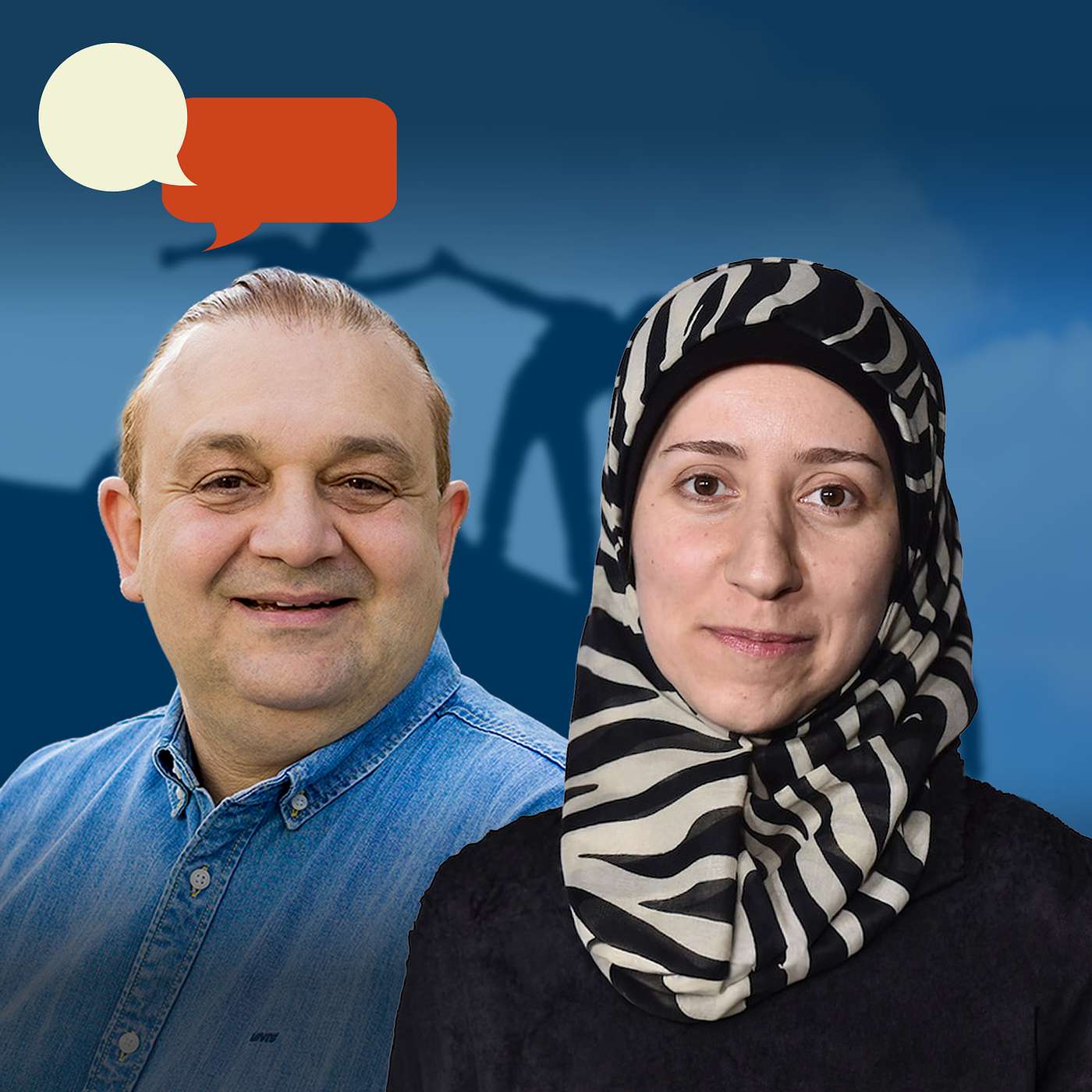
Dialogues: a conversation with Amani Ballour on conflict, courage and accountability
May 2600:37:42Tap to summarizeIn this episode of Dialogues, we learn how courage can turn a hospital basement into a symbol of defiance. Host Garry Aslanyan is joined by Dr Amani Ballour, a Syrian paediatrician and the first female doctor of a hospital in a Syrian war zone. For six years, she worked in an underground hospital, treating the wounded, the starving and the survivors of chemical attacks. She tells her story in her memoir, The Cave. Her story has also been told in an Academy Award-nominated documentary. She currently serves as Programme Advocacy Officer at the Syrian American Medical Society and as an adjunct assistant professor at Columbia University's Mailman School of Public Health. She has also briefed the UN Security Council on the humanitarian crisis in Syria. In this conversation, we hear about her first-hand experiences, explore what it means to keep a hospital functional under siege, and ask what accountability must look like for those who target health workers.Related episode documents, transcripts and other information can be found on our website.Subscribe to the Global Health Matters podcast newsletter. Follow us for updates:@TDRnews on XTDR on LinkedIn@ghm_podcast on Instagram@ghm-podcast.bsky.social on Bluesky Disclaimer: The views, information, or opinions expressed during the Global Health Matters podcast series are solely those of the individuals involved and do not necessarily represent those of TDR or the World Health Organization. All content © 2026 Global Health Matters.
Transcribe →
Encore - Science and diplomacy for global health
May 1900:34:16Tap to summarizeHow can scientists and diplomats work together to advance the global health agenda? Ilona Kickbusch, who founded the Global Health Centre at the Geneva Graduate Institute, reflects on her experiences working within science diplomacy and the importance of having strong evidence to be able to reach a diplomatic consensus. She also urges scientists to initiate dialogue with policy-makers and diplomats. Aída Mencía Ripley, Vice-Chancellor for Research and Innovation at Universidad Iberoamericana in the Dominican Republic, shares an insightful case study of how diplomacy enabled researchers at her university to contribute to the national COVID-19 response.Guests:Ilona Kickbusch: Founder and Chair of the International Advisory Board, Global Health Centre, Geneva Graduate Institute Aída Mencía Ripley: Vice-Chancellor for Research and Innovation, Universidad IberoamericanaRelated episode documents, transcripts and other information can be found on our website.Subscribe to the Global Health Matters podcast newsletter. Follow us for updates:@TDRnews on XTDR on LinkedIn@ghm_podcast on Instagram@ghm-podcast.bsky.social on Bluesky Disclaimer: The views, information, or opinions expressed during the Global Health Matters podcast series are solely those of the individuals involved and do not necessarily represent those of TDR or the World Health Organization. All content © 2026 Global Health Matters.
Transcribe →
The Inside Track: Oxygen, a mixed bag and the woods
May 1200:55:22Tap to summarizeHost Garry Aslanyan poses the question at the heart of the latest Inside Track conversation: in 2026, after everything COVID-19 taught us, are we genuinely better prepared for the next pandemic-like event? It's the question that sets the tone for a frank conversation with Catherine Kyobutungi and Ricardo Baptista Leite — covering vaccine manufacturing in Africa, the politics of preparedness, and why the gap between intent and action remains stubbornly wide. The guests also discuss a recent publication on the carcinogenicity of e-cigarettes.Related episode documents, transcripts and other information can be found on our website.Subscribe to the Global Health Matters podcast newsletter. Follow us for updates:@TDRnews on XTDR on LinkedIn@ghm_podcast on Instagram@ghm-podcast.bsky.social on Bluesky Disclaimer: The views, information, or opinions expressed during the Global Health Matters podcast series are solely those of the individuals involved and do not necessarily represent those of TDR or the World Health Organization. All content © 2026 Global Health Matters.
Transcribe →
Is it the end of the NGO as we know it?
Apr 2100:52:19Tap to summarizeFor decades, international NGOs have been central pillars of global health and humanitarian response efforts. But with aid budgets shrinking, trust eroding and local civil society organizations demonstrating the power of proximity every day, the model is under scrutiny. Who gets to lead? Who gets to decide? And what would more equitable, locally grounded international cooperation actually look like? In this episode, host Garry Aslanyan explores these questions with two guests who bring deeply complementary perspectives. Deborah Doane is a Partner at Rights CoLab and the convener of The Ringo Project, an initiative dedicated to reimagining international NGOs so that civil society everywhere can be more equitable. She is the author of The INGO Problem: Power, Privilege and Renewal. The second half of the episode features Angela Oduor Lungati, Executive Director of Ushahidi, a Nairobi-based nonprofit technology organization and open-source advocate with over a decade of experience advancing inclusive technology for historically marginalized communities.Related episode documents, transcripts and other information can be found on our website.Subscribe to the Global Health Matters podcast newsletter. Follow us for updates:@TDRnews on XTDR on LinkedIn@ghm_podcast on Instagram@ghm-podcast.bsky.social on Bluesky Disclaimer: The views, information, or opinions expressed during the Global Health Matters podcast series are solely those of the individuals involved and do not necessarily represent those of TDR or the World Health Organization. All content © 2026 Global Health Matters.
Transcribe →