← Gloss Angeles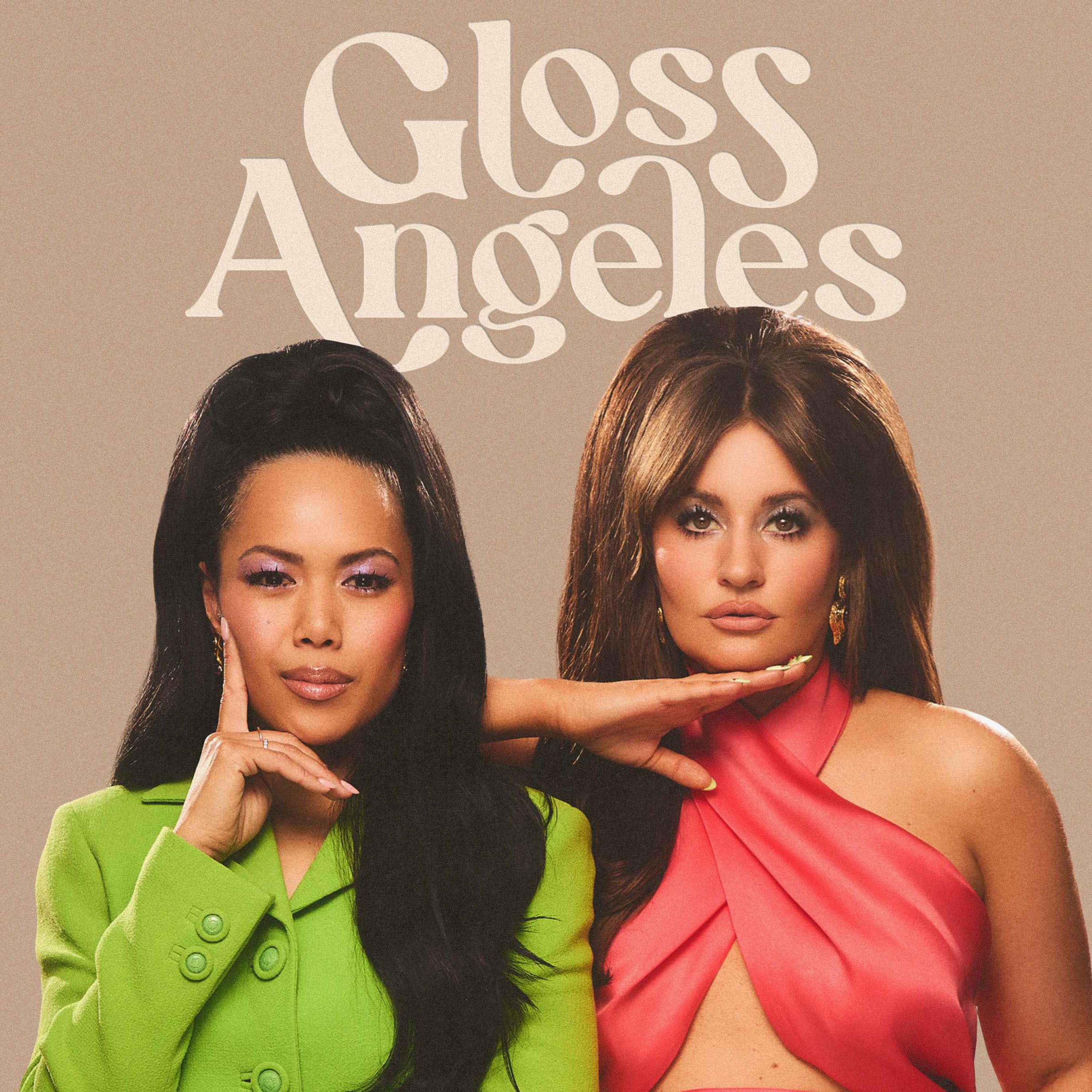
Gloss Angeles
Establishing an Eye Care Routine, Blepharoplasties, and Which Beauty Products and Treatments Can Affect Your Vision
00:40:12
Loading summary
Transcript206 lines
- [00:00]
Rubrik AI Announcer
AI agents are everywhere, automating tasks and making decisions at machine speed. But agents make mistakes. Just one rogue agent can do big damage before you even notice. Rubrik Agent Cloud is the only platform that helps you monitor agents, set guardrails and rewind mistakes so you can unleash agents, not risk. Accelerate your AI transformation@rubrik.com that's R U B R-I K.com.
- [00:34]
Sarah
Okay, I was just looking at my calendar and I realized that the holidays are coming up super fast. I can't believe it. I know I say it every year, but I really do not want to be scrambling last minute this time.
- [00:45]
Glams
You're right. They are approaching extremely quickly. Which is why Macy's big Fall sale could not be better times. We're talking 40 to 60 off fall essentials. Everything you need to carry you from now through the holiday season.
- [00:58]
Sarah
I have been eyeing some Calvin Klein dresses which are perfect for holiday parties and just everyday chic outfits. Plus, I had no idea but Macy's has the most gorgeous cashmere sweaters in every color. I am snagging a few.
- [01:11]
Glams
And don't forget coats. You can shop Michael by Michael Kors, DKNY and Karl Lagerfeld Paris outerwear for 60% off and throw in under $100 designer handbags while you're at it.
- [01:24]
Sarah
Okay, I will. And the sale isn't just for us. There's a 50 to 75% off men's suits from Calvin Klein and Kenneth Cole with which means Matt is getting a refresh before those holiday office parties.
- [01:36]
Glams
Oh, I love our husband. He's gonna look so, so great. Also 50 to 75% off diamond jewelry. Frost yourselves, ladies. I hope our Gen Z and Gen Alphas get that reference.
- [01:47]
Sarah
Do you think they will? I hope they do. They don't.
- [01:50]
Glams
I mean, I hope.
- [01:50]
Sarah
Macy's big fall sale runs Oct. 17 through the 26th.
- [01:55]
Glams
Shop in store or at Macy's.com and get holiday ready now.
- [01:59]
Dr. Ashley Brissette
Foreign Los Angeles.
- [02:12]
Sarah
Hi Kirby.
- [02:13]
Dr. Ashley Brissette
Hi Sarah.
- [02:14]
Sarah
Welcome to Los Angeles.
- [02:20]
Glams
Okay, glams. We have a guest that we are so, so excited about. Dr. Ashley Brissette. She is an award winning New York City based ophthalmologist. She is renowned for her expertise in cataract surgery, lasik, evo, icl, Sarah's fav and dry eye disease which I am very, very invested in. And she's the trusted ophthalmologist at the New York Rangers, which is so crazy.
- [02:46]
Sarah
I was like, matt, is that the baseball team? He's like, no, that's the hockey team.
- [02:49]
Glams
I was like, babe, that's the hockey team.
- [02:51]
Sarah
Can you imagine? I mean, that's a lot.
- [02:52]
Glams
I mean, like, she probably sees a lot. Like, she's won awards, has had recognition. It says here with the New York City super doctor and top doctor. But I'm like, I feel like it's a badge of honor to be the ophthalmologist of the New York Rangers.
- [03:06]
Sarah
Like, people eyeballs flying at their eyes and hockey sticks crazy. She is also the Clinique guiding ophthalmologist.
- [03:14]
Glams
It's very important that your eye products are ophthalmologist.
- [03:18]
Sarah
It wasn't a reg. It's not regulated.
- [03:20]
Glams
Yeah, I'm using everything on my eyeballs, babes. Like, I mean, we have to. We're in there. But Dr. Brissette is not only so knowledgeable, obviously she's a medical doctor and ophthalmologist, but she understands beauty in a way that I think a lot of other professionals may not. Right. Like, she's not like, sorry, you can't wear eye makeup. And she also understands, like, you're going to hear in this interview, she was like, clean is a marketing term.
- [03:45]
Dr. Ashley Brissette
Yeah.
- [03:46]
Glams
I was like, hallelujah. Because there's so many times we talk to derms even that are like, well, you know, you want to make sure your products are clean. And I'm like, right. What the hell are you talking about?
- [03:55]
Sarah
Yeah. I feel like I learned so much from her. Like, how to have an eye routine.
- [04:01]
Glams
Love that I have an eye routine. I felt like an A plus student.
- [04:04]
Sarah
Exactly. Like dry eye disease is super common. Just all of these answers to questions that we have been thinking about. She also answers a lot of listener questions, so it's a really great episode. Very educational.
- [04:14]
Glams
And thank you to Clinique for partnering with us on this episode. So speaking of your contacts, I didn't have eye issues. Well, not in that regard. I could see I wanted glasses so bad growing up, so I like, faked like, astigmatism or whatever. And I remember I got a pair of glasses and I couldn't see with them because I didn't need them. So. Yeah, I just, I thought all the cool kids had glasses.
- [04:39]
Dr. Ashley Brissette
Yeah, we just put my 2 year old into glasses.
- [04:41]
Glams
Oh, my.
- [04:42]
Sarah
There's nothing cuter than a kid in wearing glasses. I agree. Oh, my gosh.
- [04:47]
Dr. Ashley Brissette
But I have like so much sense now for like, I used to, to tell parents all the time, oh, just put them on. Find a way to get the glasses on them. When you have a two year old that's a lot harder to do. But you're right. And it's so important. Eye health is multi generational. Right. It's all the way from we're born to all the way until we die. That vision is so essential and so important. And everybody has an eye story like yours with your evo icl.
- [05:09]
Sarah
Right.
- [05:10]
Glams
And then I was born with congenital ptosis, so the listeners know that. I mean, Sarah's talked about her Evo ICL experience, and we had her doctor on the podcast. Dr. Rani Wu.
- [05:21]
Dr. Ashley Brissette
Yes.
- [05:22]
Glams
And then I've talked about how, you know, as I've gotten older, you know, Sarah and I are approaching 40. My congenital. You're laughing.
- [05:30]
Sarah
No, I'm laughing because we're like, when is a reader's.
- [05:32]
Glams
No, no.
- [05:32]
Sarah
We're literally like, do we need a monocle?
- [05:34]
Glams
Do we need a magnifying glass? We can't read any of the writing on these packages. Like, what shade is that? I was using the Clinique eyeliner today, like, trying to figure out what color it was, and I was like, yeah, black, honey.
- [05:46]
Sarah
Okay.
- [05:47]
Glams
Good thing I knew that that shade existed, otherwise I would be on the ground.
- [05:51]
Dr. Ashley Brissette
A lot of my female patients are like, one thing that's important to me is I want to be able to put on my makeup. And it's like, hard to see in the mirror.
- [05:57]
Sarah
Yeah.
- [05:57]
Dr. Ashley Brissette
As people start to get that age, it's. Yeah, yeah.
- [06:00]
Glams
No, it's crazy. Something just flips once you get to your 30s and you're like, wait a minute, I'm waking up with blurry eyes. Or like, I can't read as well. And I. I went to the ophthalmologist last year because I thought, like, I was losing my vision, like, very rapidly. And we pinpointed that. I think it was like a makeup removing eye product that was just causing me to have blurry eyes. And because I have ptosis remedy surgery, I sleep with my eyes slightly open. So it was dry eye in the morning where, like, I would wake up and just everything's blurry because I wasn't using. I have to, like, use lubricating eye drops all day long at this point, which is kind of crazy to think about. But, like, my mom had to. Because my mom had ptosis, she had a blepharoplasty, actually, to help with that later on in life. But yeah, everybody has an eye story.
- [06:48]
Dr. Ashley Brissette
Everybody does. And it's so important. And what's really interesting, too is it's funny you mentioned dry eye. Cause dry eye disease is just really, really growing in severity for people in just the number of people that it affects. It's pretty incredible how much our understanding of eye health as well has changed over the past few years. And even if you think about it, you said that your dry eye was in part caused from a makeup remover. Like, in the past, we didn't have any understanding about how cosmetics could affect the health of the ocular surface. But over the past few years, there's been a lot of research into this, and we're really finding an important link between the two.
- [07:18]
Glams
Okay, we want to get into that, but before we do, we want to know, how did you get into ophthalmology and why are you passionate about it?
- [07:25]
Dr. Ashley Brissette
Yeah, I mean, it was pretty crazy how it all happened. I went to medical school, and I thought I was going to do emergency medicine just because it seemed cool. And, like, all the cool kids went into emergency medicine, and it was really exciting. But I always say there's nothing better than helping somebody see again. And it is honestly the best job in the world. It's a mix of medicine and surgery. And you can learn so much about somebody's total body health just by looking at their eyes and doing an eye exam. I mean, I can look into the back of someone's eyes and see if they have diabetes, high blood pressure, autoimmune conditions. So there is so much about the total body health that comes from an eye exam. So you get to do a ton of general medicine, but then you also help people see better. So I'm so happy that I found it. It is a little bit of a niche specialty, and the has changed our profession so much over the past handful of years, even since I did my training and I graduated maybe like nine, ten years ago now. Things that I'm doing now we weren't even doing then. And it's just incredible to see the pace of technology and how this has changed the face of medicine, really.
- [08:23]
Glams
And if you're watching this podcast, Dr. Brissette has the most beautiful eyes. Like, I just keep staring into them.
- [08:31]
Sarah
Like, wow, you have to have beautiful eyes to be a successful ophthalmologist like her.
- [08:35]
Glams
Yeah.
- [08:35]
Sarah
So did you mention that your child has to wear glasses? Did you have to wear glasses growing up?
- [08:40]
Dr. Ashley Brissette
I did, and I had LASIK when I was in medical school. And it's so funny because it's such a misnomer. A lot of people online, there is some, like, anti Lasik sentiment that goes around, but actually, eye doctors have vision correction surgery, like Lasik or Evo or there's many different vision correction surgeries. Smile is another form of it. Three times higher than the average population. So a lot of eye doctors actually get these vision correction surgeries. So I had Lasik when I was in med school, so happy I did it. Best decision I've ever made. People say this all the time. Same to you, like the evo icl, there's so many great options to help people see better. Oh my gosh.
- [09:11]
Sarah
I really though my one regret is not getting it done sooner, like when I was like in college or something. But they tell you that you're like, vision is still changing and that you need to wait, but in actuality it's not right. Or like you can get it when you're in your 20s.
- [09:26]
Dr. Ashley Brissette
Yeah.
- [09:27]
Sarah
So last longer.
- [09:28]
Dr. Ashley Brissette
Exactly. People sometimes wait too long to do something or maybe they're a little bit nervous, which I totally understand because I think when it comes to the health of your eyes and your vision, like, you definitely don't want to be going for like, bargain basement prices to be able to get your eye surgery. So a lot of people sometimes wait, but you don't need to wait that long. As soon as your prescription is stable, you're okay to go ahead for it if you're a good candidate. And the first step is always to see if you're a good candidate for a surgery because there's many different ways to fix your vision. And your surgeon or whomever you're seeing should really be customizing a plan for you. It's not just a, okay, everybody gets the exact same thing. Or we're living in an era of medicine where you can have custom care. And that, I think is really going to be the advent of what's going to help people really be able to see better.
- [10:10]
Sarah
What do you think people often get wrong about ophthalmology?
- [10:14]
Dr. Ashley Brissette
Yeah, I think really people sometimes don't understand the importance of taking care of our eyes and our vision. I think a lot of people take it for granted. I think there's a lot of. It's funny, there's a lot of viral trends that go on online as well, especially when it comes to cosmetic and beauty and skin care and what people will do in and around the eye area. And like, I see it all as an ophthalmologist. Like, I see all the infections that come out from this. I've seen, you know, people with issues with like, lash glue getting into their eyes and getting stuck to the eyes, glitter particles trapped underneath the eyelids causing abrasion. So I truly see it all. And I think people don't sometimes understand the importance of taking care of the eyes and the vision and how the products that we're choosing to use around the eyes can really affect the health of our vision.
- [10:56]
Glams
Okay, so in terms of health and makeup, what are some of the things that we're doing that are big red flags for you that you see with your patients?
- [11:07]
Dr. Ashley Brissette
Yeah, I think the one is not using ophthalmologist approved products around the eyes, especially for eye makeup, because it's really interesting. So the old thinking, at least in my profession in ophthalmology, was always just don't wear eye makeup because it's not gonna be good for your eyes. And it's really because we didn't have any safety data behind it. You don't have to have a product approved for use around the eye area. You don't have to do ophthalmology testing. And so you can release like an eyeliner, a mascara, and it's never been tested in and around the eye area, but you can put it to market. And so the old thinking was just abstinence only. So just no makeup. And that doesn't work. Like, we know that people want to wear makeup. That's never the right messaging, right?
- [11:47]
Glams
Never in any regard.
- [11:50]
Dr. Ashley Brissette
So my whole thinking was like, okay, I think the philosophy instead should be like, safe products and, like, informed. Right. And so, you know, companies like Clinique, which I partnered with a couple years ago, and it was such as a natural partnership, because we were talking a lot in my industry about the importance of eye safety and cosmetics. And they, and I didn't even know this, have been doing this safety testing already for years. So that all of their eye makeup has this, what they call the eye safety promise. So they do ophthalmologist testing in all of their eye makeup products, which makes it easy because if it's a mascara and eyeliner, anything ophthalmologist tested safe for sensitive eyes and safe for contact lens wears. So you know that any eye product that you're choosing from their eye makeup line is going to be safe for use in and around the eyes, and that it's been truly studied by an ophthalmologist for use in this area.
- [12:35]
Glams
What does ophthalmologist tested mean?
- [12:38]
Dr. Ashley Brissette
Because I was going to ask that.
- [12:39]
Glams
There's a large contingent of people online right now that make content and they talk about, like, what certain terms actually mean versus, like, their marketing definition. And one of them is like, dermatologist tested. Like, we hear a lot like dermatologist tested means nothing. But ophthalmologists tested. Actually, there's a secret sauce to it.
- [13:01]
Dr. Ashley Brissette
There is?
- [13:01]
Sarah
Yeah.
- [13:02]
Dr. Ashley Brissette
It's a real thing. And this is not industry standard. And I think that is something that surprises a lot of people. So it's not that all mascaras are ophthalmologists tested. Right. It has to have that designation. So what it'll be is often a series of tests for a large group of people. So it'll be anywhere from like 50 to 100 eyes or sometimes even more, where they will study the use of the product around the eye. An ophthalmologist will look under a microscope, which is called a slit lamp, and examine the surface of the eye, looking for things like irritation, redness, swelling. They'll look at the eyelids, the lashes, the skin around the eye, really making sure that there hasn't been a reaction. And if there has been a reaction, then that gets documented and formulas get changed. So it's a really strict guideline and a series of guidelines to get that ophthalmologist testing. So, again, this is not industry standard, which is why I always counsel my patients. It's something that they need to be looking out for in products that they're choosing.
- [13:56]
Glams
Okay.
- [13:57]
Sarah
I imagine this is something that costs a lot of money, which is why a lot of brands maybe don't have the money or they don't want to invest in that way. But is there like a seal? Is there something we should look for?
- [14:07]
Dr. Ashley Brissette
It'll often have that designation of ophthalmologist tested, because that is true claims data. What's interesting, and I think what happens is a lot of people get confused by clean beauty and then it meaning safe. And I think that's a really important distinction to make because just because something is clean doesn't mean it's been safety tested. Right. And clean is more of a marketing term. There will be, like. You guys know this well. There will be standards. It'll be like the Sephora clean standard. Right? So for that company, they will have their own set of standards of some products or some ingredients that they do or don't allow. But it is not truly something that is regulated, like, across the industry. Right. And clean doesn't necessarily mean that it has been safety tested for use around the eyes.
- [14:47]
Glams
Are there any particular types of makeup or skincare products that you. Let's say, like, they can't be ophthalmologist tested in a way, or like, you're just like, please stop using these products around your eyeballs. Please, please, please. I don't care if they are ophthalmologist tested. I just don't want you using them.
- [15:03]
Dr. Ashley Brissette
Well, it's really important to just be choosing products for the appropriate place. Right. So sometimes people will use skincare with active ingredients and then they'll think, well, it's okay for my skin, so I'm just going to put it close to my eyes and, or just spreading it all over the area. And so that's one thing that I caution people a lot of. Also, if you are somebody that has dry eye or sensitive eyes, you have to be careful with the active ingredients in your skin care, because skin care can also affect the health of the ocular surface and the eyes. So especially dry eye patients, blepharitis, allergy patients, Even if you're just someone who's more sensitive eye, again, look at your skin care, look at your cosmetic products, because those are easy things to swap out and to change with products that could be safer for you. Okay.
- [15:42]
Glams
What you mentioned, sensitive eyes, and I feel like we're seeing that term pop up a lot. But what is, is there a formal definition for that?
- [15:49]
Dr. Ashley Brissette
Yeah.
- [15:50]
Sarah
And like, how do you know if you're like just it's allergy season.
- [15:53]
Dr. Ashley Brissette
Yeah.
- [15:54]
Sarah
Or, you know.
- [15:55]
Dr. Ashley Brissette
Yeah.
- [15:56]
Sarah
Or if you truly are using a product that it is causing you, your sensitive eyes to react.
- [16:01]
Dr. Ashley Brissette
Yeah, it can, it can sometimes be so hard to determine that because there are so many things that affect our eyes. I mean, even we are all on screens nowadays and that hugely affects our eyes travel. Even just the air quality can really affect it as well. So sometimes it's really hard to pin down exactly what it is. So I always tell people it's really great to be testing new products as well. So if you haven't tried a product before, test it close to the eye area just to make sure that before you're consistently using it that you're not going to have an issue. So that's one thing that you can do. And so sensitive eyes is more just how somebody would identify and really a symptom of an underlying eye condition. So somebody might have sensitive eyes because they have dry eye disease, or they might have sensitive eyes because they have eye allergies. So sensitive eyes is more of the symptom of something else underlying. And then what's going on, and what's interesting too is a lot of people don't know that they might have dry eye disease or might have these underlying conditions, which is why it's so important if you're having eye symptoms, to see an ophthalmologist, because they might be able to help you really get to the underlying diagnosis as to why your eyes are feeling sensitive.
- [17:03]
Glams
Yeah, I mean, mine helped me last year. She saw that my left eye was starting to get heavier again because of mitosis, and she was like, you may need to have another remedy, surgery, potentially. She was like, you could look into upneek, which is a prescription that I've used in the past and I love, and I only typically use it in my left eye. But she was like, in terms of you waking up with blurry vision, consider these types of eye drops to help to lubricate the eye before you go to sleep. Like, she suggested an ointment for me to use. So I have to, like, put that in my eye at night and then, like, basically be ready to go to bed, which is kind of nice because then I'm forced to stay off my phone before I go to sleep. And then, you know, she was like, if you have a little eye cover, like, use that. And then also if you wake up and you do feel like you have, like, a burning or stinging sensation, because, like, you were sleeping with your eyes open and, like, they got too dry, you can use a little. You can get these compresses at the drugstore to help kind of just like, soothe the eye.
- [18:04]
Dr. Ashley Brissette
I mean, so I love to hear this because it sounds like you've established an eye care routine. And I talk about that a lot with my patients and also just online, because a lot of people understand they have a skincare routine, they have a hair care routine and exercise routine, but not everybody knows that they need to establish an eye care routine. But taking care of your eyes is just as important as your skin, I would argue, and I think a lot of people would feel the same way. But you have a lot of very, very good practices that you're doing to do that. And so usually what I recommend to my patients is also, one, looking at the products that you're using for your eye makeup. So choosing things that are ophthalmologist tested or that have an eye safety promise similar to the Clinique brand for all their eye makeup. And then two, making sure that you're removing your eye makeup before bed, never sleeping in it. That's really, really important. And then three, doing a skin care review to make sure that the products that you're using around the eyes are not harming the surface of the eyes, as well as. And then incorporating some of these other things that are great for eye health, like good nutrition, the Best evidence that we have is for Mediterranean diet. So that's usually what I recommend to patients and then things like lubricating drops. But we also have a lot of therapies now which are more procedural based to help people with their dry eye symptoms.
- [19:11]
Glams
Oh, really?
- [19:12]
Dr. Ashley Brissette
Yeah.
- [19:13]
Sarah
Like what?
- [19:13]
Dr. Ashley Brissette
Yeah, So I mean, we've actually borrowed from dermatology as well. Ipl, which is a laser light, which is for rosacea on the face. We have actually now have FDA approved for use in and around the eyes to decrease eye redness, decrease dry eye and inflammation.
- [19:26]
Glams
Whoa.
- [19:27]
Dr. Ashley Brissette
So that's a great. There's another which is like a heat and massage treatment called lipiflow, which is excellent. And then we have others that are radio frequency muscle stimulation for use in and around the eye area. So again, we're kind of at this advent of being able to treat dry eye disease and other eye health conditions with procedural interventions instead of just saying you have to be using these drops all the time. And drops are effective, especially some of the prescription ones. But for some people it's like a lot. And some people need multiple therapies to be able to feel comfortable again. And it's funny, you know, dry eye disease, people might not think is that big of a deal, but it really affects the quality of your life. And so that's why too, I feel like it's so important for companies to start looking into getting this ophthalmology testing designation for any eye makeup products that they might be creating. Which is why I really stand behind the Clinique products as well and all the work that they've done because the products really can affect, you know, how our eyes feel. And I feel like people don't really understand that. And until something negative happens, sometimes has the perception that it's not that important. Although we know that it is.
- [20:34]
Sarah
Okay. I was just looking at my calendar and I realized that the holidays are coming up super fast. I can't believe it. I know I say it every year, but I really do not want to be scrambling last minute this time.
- [20:45]
Glams
You're right. They are approaching extremely quickly. Which is why Macy's big fall sale could not be better times. We're talking 40 to 60% off fall essentials. Everything you need to carry you from now through the holiday season.
- [20:58]
Sarah
I have been eyeing some Calvin Klein dresses, which are perfect for holiday parties and just everyday chic outfits. Plus, I had no idea, but Macy's has the most gorgeous cashmere sweaters in every color. I am snagging a few.
- [21:11]
Glams
And don't forget Coats. You can shop Michael by Michael Kors, DKNY and Carl Lagerfeld Paris outerwear for 60% off. And throw in under $100 designer handbags while you're at it.
- [21:24]
Sarah
Okay, I will. And the sale isn't just for us. There's 50 to 75% off men's suits from Calvin Klein and Kenneth Cole. Means Matt is getting a refresh before those holiday office parties.
- [21:36]
Glams
Oh, I love our husband. He's gonna look so, so great. Also, 50 to 75% off diamond jewelry. Frost yourselves, ladies. I hope our Gen Z and Gen Alphas get that reference.
- [21:48]
Sarah
Do you think they will? I hope they do.
- [21:49]
Glams
They don't. I know.
- [21:50]
Sarah
Macy's big fall sale runs Oct. 17 through the 26th.
- [21:55]
Glams
Shop in store or at Macy's.com and get holiday ready now. Yeah, it's so funny, too, because I feel like sometimes people think about safety and they think maybe that the products aren't as showy or not as they won't have as much of a payoff. Because they're safe. Yeah, because they're considered safe. So, like, they have to be more. Not clean in terms of, like, the marketing term, but, like, a more clean look. But, like, I'm wearing all Clinique eye makeup today, and I have, like, very voluminous lashes. I have on, like, a whole shadow thing. I have eyeliner underneath. I was very excited to use them today because I was, like. I felt like I was doing something a part of my in. In my eye care routine.
- [22:42]
Dr. Ashley Brissette
Well, and it's so nice knowing that you're not going to suffer because of it.
- [22:45]
Sarah
Right, right. You feel confident.
- [22:47]
Glams
Yeah.
- [22:47]
Dr. Ashley Brissette
And you can get the look that you want without having the trade off of, you know, then having dry and sensitive and irritated eyes afterwards. And a lot of my patients, because I do see people that are probably on the more extreme where they're seeking out help because they say things like, I want to be wearing makeup again. Right. And I haven't been able to do that comfortably in some time. But it's nice knowing that at least we have the safety data behind being able to make these recommendations, and they can get the cosmetic look that they would like without having to sacrifice safety.
- [23:12]
Sarah
Can we go back to. You were talking about the routine. Yes. Do you have a specific routine?
- [23:18]
Dr. Ashley Brissette
Yes. Tell us the routine. I want to hear. Yes. In my routine. Yeah. So for my routine in the pm, I always do a double cleanse for taking off my eye makeup. So I really love a makeup melting balm. So Clinique makes The melt the day away. It is so good. It just melts everything off. And I especially like it because I find you're not having to pull and tug as much on the eyelids and lashes to get everything off. Even if it's like waterproof or anything, it comes and you just like gently rub and everything melts away. And then I do the second part of the cleanse and I use like a formulated cleanser for in and around the eye area to get anything residual off. And then I use like a hydrating cream under the eyes. And that's like so easy. It's just a three step eye care routine. Just like you have like a three step skincare routine or whatever you'd like to do, but it's really, really important. The removal of the eye makeup, almost as important as the makeup that you're choosing.
- [24:06]
Glams
Okay, so Ash K. Holm, a very popular makeup artist. She's incredible.
- [24:11]
Sarah
She's.
- [24:12]
Glams
We love her. She actually got me into eye routine.
- [24:17]
Dr. Ashley Brissette
Yes.
- [24:17]
Glams
Because she was like, I deal with dry eye and so she was saying that she. I believe she talked to her ophthalmologist, but like, she has like this whole situation where she sprays hypochlorous acid on her eyes in the morning. And I've started doing that. So I don't wash my face in the morning, but, like, because I sleep with my eyes open, I get little, like eye crusties or whatever and I grab this little, you know, ophthalmologist approved hypochlorous acid, I spray it on my eyes, and then I just very gently, like, wipe anything, any debris away from my lashes and my eyes to clean, clean up that area. And I feel like it's actually soothing to me.
- [24:50]
Dr. Ashley Brissette
Yeah. I mean, not many people, yeah, people don't know that they should be washing over their closed eyelids or removing some of that buildup that's there. I think morning and evening is a great time to be doing that. Like morning when you're in the shower, like, evening is a part of your skincare routine. Everybody knows to brush their teeth twice a day, but they don't know to wash around their eye area twice a day. But it is so, so important and like, so much stuff loves to live on the surface of our lids and lashes. I mean, the function of the eyelashes is really to trap everything in our environment so it doesn't get into the eye. You need to be washing it off every day, especially if you're someone who suffers from eye allergies because all of the pollen gets trapped in the lashes. So washing it off is something that can really help, especially if you have a lot of eye allergies.
- [25:32]
Glams
Oh, my gosh. That's why during allergy season, I look like my face blew up because, well.
- [25:37]
Dr. Ashley Brissette
I think, too, like, the eyes show so much. Yeah. And I feel like it's honestly, some of the first signs of aging come about in the eye area. Any eye redness is so noticeable. I mean, I have people that will have, like, a stye, and it is, like, devastating for them. Right. Because it, like, just looks bad. It's, like, right on your eye. I mean, when people look at your face, the first thing that they notice about you is your eyes. And so you want the eye area to look good, and then you also want it to feel good, because, again, if you have dryness or irritation in the eyes, it is like, it can really, really impact your quality of life.
- [26:11]
Sarah
Not to toot evo ICL's horn once more, but I will say I used to have such tries because I would wear contacts. Yeah.
- [26:17]
Dr. Ashley Brissette
And the contacts really contribute because I.
- [26:19]
Sarah
Hated wearing my glasses. And, like, my, you know, eye doctor would be like, you have to wear your glasses more. And I'm like, I don't want to wear my glasses. I wore my makeup. You know, my lash extensions would always, like, hit it. Anyways, I now I can't remember the last time I've had to use, like, eye drops. I used to have wear them all the time because my eyes were so dry. So just another.
- [26:38]
Dr. Ashley Brissette
And it's sometimes these, like, simple changes.
- [26:40]
Glams
Right.
- [26:41]
Sarah
You don't even realize, like, that was not the reason I got it, like.
- [26:44]
Dr. Ashley Brissette
You know, but just for my vision.
- [26:45]
Sarah
But now it's, like, changed my life. Question about the AM PM routine. And, you know, you have kids. Are you supposed to. Should we, like, teach our children to do that at an early age?
- [26:56]
Dr. Ashley Brissette
Yeah, I think it's a great thing to do because once it becomes a part of your daily routine, it's really easy to stay on top of it. I think people are always like, well, you have to add more. Like, I already do my skincare routine. I already have this, like, other routine that I'm doing. But I think once it becomes second nature to you and once you realize how much better your eyes will look and feel, then people really get on board with it.
- [27:16]
Sarah
And, like, not even if you don't wear makeup.
- [27:18]
Dr. Ashley Brissette
Even if you don't wear makeup, it's just so important as a part of your routine to be washing the eyes. If you're wearing makeup, definitely taking it off every day. Those are just easy, easy things to be doing. I mean, we all make mistakes. I've done it myself. You know, you've had, like, a night out, and you go to bed and you're like, oh, my gosh, I wake up, my mascara is smeared. It's like, it happens. But as best you can, Taking off the eye makeup every night before you go to bed.
- [27:39]
Glams
I can't remember the last time I didn't take off my makeup.
- [27:42]
Dr. Ashley Brissette
Oh.
- [27:42]
Glams
You know, but I mean, probably decades at this point for you.
- [27:45]
Sarah
I think about. I'm like, I'm so lucky. I should. I can see because, like, in college has fallen out, and I put it back in my eye.
- [27:51]
Dr. Ashley Brissette
Like, just. I know people do the craziest things.
- [27:54]
Glams
You're like, oh.
- [27:55]
Dr. Ashley Brissette
And you're.
- [27:55]
Sarah
And then, you know, you go to sleep. It's literally a miracle. I can see.
- [27:58]
Glams
But anyway, we've seen some insane, Insane.
- [28:00]
Dr. Ashley Brissette
To get it on. And the other thing people do with makeup, like having makeup for years or not switching out their mascara, like, another important conversation to have and to do is to do an inventory of, like, okay, how old is this mascara? How old is this eyeliner? Okay, wait, should it be replaced?
- [28:13]
Glams
So this actually was a question. So we have a bunch of listener questions I would love to hit. How often should we be swapping our mascara, our eyeliners?
- [28:22]
Dr. Ashley Brissette
Yep. I usually say on average, three to six months for your products. And also make sure you're washing your brushes that you're using in and around the eyes as well. So be good about doing that. But it's important, not just for, say, like, infection risk, which we know is a huge risk. There was a research study that came out in 2023, and it showed almost 80% of mascaras are contaminated with bacteria.
- [28:43]
Sarah
Right.
- [28:43]
Dr. Ashley Brissette
And so for decreasing risk of infection, almost 80% of mascaras that they tested. And not just bacteria, viruses are very easily transmitted in makeup. So be very careful not to be sharing makeup with other people. And even these little parasites called Demodex, which can live on the lashes. And again, those are all things that will make your eyes irritated. If anyone's had a bad eye infection, not pleasant. Nobody wants to deal with that. So really important to be replacing the eye makeup regularly.
- [29:08]
Glams
I got a shout out Allure magazine for telling me when I was 12 years old, throw out your mascara after three months.
- [29:13]
Dr. Ashley Brissette
Three months. And it also helps with how the makeup will apply and how it wears and looks. You know, if you think about how you're consistently pumping the wand in and out. After three to six months time, we introduce a lot of air. It's going to be dried. It's not going to apply as well. It'll be rougher on the application for your lashes is, you know, removing it's going to be a lot harder. It might flake off, get into the eyes. So there's so many considerations for doing that.
- [29:35]
Glams
So blepharoplasties. Oh, hot topic here. I think we recently said this was probably like the number one surgery in Los Angeles.
- [29:44]
Dr. Ashley Brissette
I mean, it's exploded.
- [29:45]
Sarah
Yeah, yeah.
- [29:46]
Glams
Everyone's getting one lunchtime surgery.
- [29:49]
Dr. Ashley Brissette
Yeah.
- [29:49]
Glams
Is there someone wanted to know, like in terms of insurance, like, what does it depend on and what specialists would you need to see for a consult?
- [29:58]
Dr. Ashley Brissette
Well, I always recommend what's called an oculoplastic specialist. So they are an ophthalmologist that sent an additional two years of training in eyelid surgery. So if you're going to get your lids done, I would strongly recommend an oculoplastic specialist or someone who's specializing it. You know, again, it's such a delicate area of the body and because the eyes are right there, again, I've seen negative effects from this. If people are too aggressive, it can cause the lids to not close fully and lead to chronic dryness and also some other vision threatening things. And so if you're going to do it, be very cautious. Again, just like anything that you would do with any surgery and who you're seeing and making sure that they're well qualified.
- [30:38]
Glams
Yeah. And in terms of the insurance portion, like you would have to go to your ophthalmologist and they would have to like determine that it actually was impairing your vision.
- [30:46]
Dr. Ashley Brissette
Yeah. They usually do what's called a visual field test. And they'll test it with your eyes naturally as they are. They'll tape up up your eyelids and retest it and see if there's a difference. So if the lids are so droopy that they're impacting your vision, then it could potentially be covered by the insurance.
- [31:01]
Glams
Okay. Yes. So that's the difference between the cosmetic versus a functional.
- [31:05]
Sarah
Got it. Can I throw in a question here?
- [31:07]
Glams
Yeah, of course. Okay.
- [31:08]
Sarah
This is specific to me because I am obsessed with my lash extensions. But also it just like there's a lot of conversation and we know on TikTok and Instagram everyone is using the under lash lashes, you know, stacking them, using specific glues to make them last longer. I know that's a separate thing from lash extensions, but what are your general thoughts? I'm sure you have a lot of patients that come in with both. And, you know, maybe people aren't properly cleansing the way that they need to. What is, like, the biggest kind of, like, red flag around those types of lashes?
- [31:38]
Dr. Ashley Brissette
Yeah. I think one thing is people get addicted to them, which is, like, so true. You kind of lose sense of what you. Right.
- [31:44]
Glams
Like caterpillars and, like, how there you're speaking.
- [31:47]
Dr. Ashley Brissette
I like the honesty.
- [31:49]
Glams
I'm not there yet, but I will be soon.
- [31:51]
Dr. Ashley Brissette
So people start to lose sight of what their normal lashes look like, and then they want to go more and more and heavier and longer. And again, the function of the lashes is to protect the surface of the eye, and it helps with the blink function. And if your lashes are actually too long or if there's too many or they're too way down, it can impair the blinking, and it can lead to dryness, irritation. It also traps all that bacteria and dust and pollen. And often when people have the lash extensions on, they're not as good about cleaning their lids because they don't want to do anything to disrupt them.
- [32:19]
Glams
Right.
- [32:19]
Dr. Ashley Brissette
They've paid all this money to have them put on. So I've seen lots of infections, dyes, you know, all kind of the works from them. But my other thing I will say about it is that people do like to do it. So my attitude is always try it for a special occasion. Like, I'm okay for that, but you don't want to be doing it all the time. And another thing that can happen is you can start to get even some lash loss because of the repeated trauma of applying those lashes to your natural lashes. So I've seen people's natural lashes fall out because of it. We sometimes refer to this as, like, attraction alopecia. So it just, like, pulls on the lashes so much that they start to fall out. So again, you know, for a special occasion, I'm fine. You have, like, your wedding coming up or your honeymoon. You're gonna be away for two weeks and don't want to have to deal with mascara. Great. Give it a try. Go to somebody reputable if you're someone who's more sensitive skin or sensitive eyes. Maybe even do, like, a patch test of the glue first. Make sure you're not gonna react to it, because I've seen that before. And just be careful and cautious.
- [33:11]
Glams
Oh, yeah, I had. I got an allergy to lash extensions. We have to try so many different things for our jobs.
- [33:18]
Sarah
I mean, she doesn't need Them. Look at her real lashes.
- [33:20]
Glams
These are my real lashes. But I tested them and then went to an event and I remember one of my girlfriends was like, you need to get these removed. You look like you are having an allergy attack. It was crazy. My eyes were almost swollen shut. It was bonkers.
- [33:33]
Dr. Ashley Brissette
Yes.
- [33:33]
Sarah
We have a question about eyelash serums. What are your thoughts on those?
- [33:38]
Dr. Ashley Brissette
I think they can be good. So the OG Lash serum was Latisse, which is the only one that's like FDA approved, prescription based. And it has this ingredient called prostaglandin. And that's the ingredient that really gives you that wow of like making them grow and fast. This is an interesting ophthalmology fact that I think is interesting. I don't know if anyone else will, but it used to be a glaucoma medication. So the medication for glaucoma, which is a disease that can cause blindness in people as they grow older and it helps to lower the eye pressures. And one of the side effects is they were like, wow, everybody has these beautiful long lashes. So actually repackaged it, remarketed it, and created Latif.
- [34:12]
Glams
You did it.
- [34:12]
Dr. Ashley Brissette
I did the exact same medication, yes. But the one downside to it is that there are a lot of side effects. Although it is very effective, it can cause darkening of the eyelid skin, darkening of the iris, such as the colored part of your eye. And what I think is the worst side effect is that it can cause atrophy of the fat in and around the eyes. So it gives you a very hollowed out appearance. And I see this a lot in my older patients. Nothing will age you more than having hollowed out eyes. So in the vein of wanting to have longer lashes and maybe look more youthful, you'll then have more hollowed out eyes. You have to be very careful with prostaglandin based serums. I think there's a lot of great peptide based serums and it's a really, really nice alternative. I also think it gives a more natural look to the lashes. They won't probably be as long as one that's prostaglandin or prostaglandin analog, but it'll be a lot safer for you in the long term. So I think that could be a great option.
- [35:03]
Glams
Yeah, we're seeing a lot of marketing around serums that are prostaglandin free.
- [35:06]
Dr. Ashley Brissette
Free, yes. Because I think that messaging finally got out for a long time. People were were so surprised to hear this. But then again, it's like podcasts like this, where people can start to learn about it. And there's now a lot of science, a lot of research being published, especially in cosmetics use around the eyes. There's this big, big publication that came out. It's the tear film and ocular surface publication. Everything dry eye that's been published and there's even a subsection in it which was about cosmetics and the ocular surface. So people are starting to understand there's more and more research going on.
- [35:36]
Glams
Amazing.
- [35:36]
Dr. Ashley Brissette
Love that.
- [35:37]
Glams
So you mentioned screen time earlier.
- [35:40]
Dr. Ashley Brissette
Yeah.
- [35:40]
Glams
Does it really affect our vision? And is blue light actually bad?
- [35:44]
Dr. Ashley Brissette
It's a great question. So screen time can. The reason why is that when we're staring at a screen, we tend to blink less, which can dry out our eyes because we're so focused. It also causes a lot of eye strain because we're focused for up close for so long. So often what we tell patients is to do what's called the 2020, 20 rule. So every 20 minutes, look 20ft away for 20 seconds. That relaxes the eyes muscles which are focused for up close. It allows you to blink and to kind of rehydrate the eyes, lubricate the eyes and then go back to your work. So it's usually what we recommend. The blue light is a little bit more interesting. There's not great evidence for blue light blocking really helping with dry eye symptoms or eye strain symptoms. Some patients have told me that they have found an improvement by wearing blue light blocking glasses. So I always say don't spend a ton of money. If you find it helps, I'm happy for you to do it. There's very little harm, but it is a great marketing kind of term. The anti glare screen covers on the screen can actually be really useful. There's great evidence for that. Taking frequent breaks using lubricating eye drops. Those are things that have been proven to help.
- [36:49]
Glams
Awesome. Okay. Is there an anti aging eye health routine to help preserve our visual health?
- [36:55]
Dr. Ashley Brissette
Yeah. So I would say lubrication around the eyes. So using eye creams, I sometimes get into trouble. I'd say online with dermatologists who say things like, you don't need an eye cream, just use what you use for your face around your eyes. And I obviously feel very different about that because actives that are in face cream should not be going close to the eyes. You want to be choosing an eye cream like Clinique has this great one that I recommend to my patients. The all about eyes. Very safe for use, very easy to apply, very light. So that's Like a great option for people. So using an eye cream for the skin can be useful. Good nutrition is really important. You know, Mediterranean diet, again, is usually what I recommend. It's what we have the best evidence. Omega 3s are included in that. Colorful vegetables, leafy greens. Those are all things that are good for your eyes. And then lastly, and probably the most important is getting regular eye exams, because again, we can tell a lot about your total body health just by looking at your eyes. And there are so many eye diseases that can come up as we grow older that are what we sometimes refer to as silence. So things like glaucoma, which can cause permanent damage to your vision, can be caught early to prevent that. But. But people often don't know that they have that. That's a high eye pressure. So doing things like getting your eye pressure tested, getting your vision tested, usually on average every like, one to two years or so is important.
- [38:08]
Sarah
Okay. Someone wrote in, and this is something that I actually have heard from quite a few people. They said, I got LASIK years ago, but now I can't see. Like, they can see, but like, it didn't, you know, it's reversed and now it doesn't work anymore. What are the options?
- [38:23]
Dr. Ashley Brissette
Yeah, so that's a natural part of growing up. I call it growing up, not getting older. But usually in your mid-40s to fift, vision starts to decline. It's a part of age. So it's a very normal process. And sometimes people worry that something is wrong. But our eyes ability to focus up close starts to deteriorate, usually around 45 to 50. So it's very common that people have had great vision after their LASIK or their vision correction surgery. And then as they get into middle age, things start to change. There are some options. The first would just be using reading glasses. They're inexpensive. You can get them. Cute, cute. If you want, you have a bunch of pairs lying around the house. Put them off and on as needed. That's like the easiest, most straightforward option. Sometimes people can go into contact lenses as well. Some contact lenses have the ability to see far away and up close. So it kind of has everything all in one. There's even some new eye drops on the market, which can help to constrict the pupil to give a little bit more reading vision for up close. So there's drops that you can use so you can talk to your doctor about prescribing that if that's something that interests you. And then if that's not enough, that's when we start to think about other interventions, like surgical procedures. So you can always repeat something like a lasik. What you would do is something called monovision, where you have one eye for distance and one eye for reading. So you get a little bit of everything. Some people love it. Other people's brains do not adapt to that well. So we trial it out and test it out first before doing it in a surgery. And then the last resort would be a lens surgery on the inside of the eye. So using a lens implant, which can fix the vision for far away and up close. So I always think about things in terms of like a spectrum. So you can go like most conservative to least conservative option. And it's really about finding a plan that's going to work well for you based on you, your age, your lifestyle, your wants and desires.
- [40:00]
Glams
My parents have the lens replacement.
- [40:02]
Rubrik AI Announcer
Yeah.
- [40:03]
Glams
Is that something that's genetic that you can get from your parents?
- [40:05]
Dr. Ashley Brissette
Well, everybody will get cataracts in their lifetime if they live long enough. So like every, everybody will. It's a normal part of aging. The lens, which is inside the eye, starts to get thicker and bigger and more cloudy as we grow up. One of my favorite ifacts is if you look at Monet's paintings. His, his earlier paintings are in more blues and vibrant colors, and then they get more brown and yellowed and more abstract. In his later years, because of cataract, he couldn't see as well. That's one of my favorite eye facts. So everybody gets cataract in their lifetime. So at some point in your life, everybody will likely require a cataract surgery or this lens replacement surgery.
- [40:40]
Glams
Got it.
- [40:40]
Sarah
Can you share what your favorite eye drop is? Maybe the brand that you recommend to most of your patients?
- [40:46]
Dr. Ashley Brissette
Yeah, I really love. So the biggest reason why eyes are dry is because of something that's called meibomian gland dysfunction. So the meibomian glands are the glands that are in the eyelids and they produce an oil which lubricates your eyes. And often what can happen is that oil can get a little bit congested, it's not flowing as well, or you're not producing good quality oil. And something that everybody hates to hear is topical retinols and retinoid products can actually prevent those oil glands from functioning. So that's a big contributant to dry eye disease as well. So what I like to tell patients is to supplement that oil will give you really good relief from dry eyes. So one of my favorite over the counter drops is one called Refresh Mega 3. It has an Omega 3 in it. Anything that's like a lipid or more of an oil based drop can be great. Retain is another brand that I frequently recommend that patients really like.
- [41:33]
Glams
And when you say retinol, do you mean like retinol in your normal skincare? Not specifically eye.
- [41:38]
Dr. Ashley Brissette
Exactly.
- [41:39]
Glams
We're seeing it in eye serums and eye moisturizers as well.
- [41:42]
Dr. Ashley Brissette
Exactly. And they're usually at lower concentrations for use around the eyes. But if you're someone who has dry eye or sensitive eyes, you actually have to be very, very careful, especially with these retinol or retinoid containing ingredients. But even in your skin care, especially prescription ones can. And definitely oral forms. So like Accutane, which a lot of people take for acne, which I completely understand. And it's all about a balance. Right. Like nobody wants to have to suffer with acne. And if you need Accutane, I think it's a great medication to be on. But if you develop dry eye, which you might and you likely will, we at least have ways of treating it. But it's just something that people need to be aware of, that it can be a side effect effect.
- [42:14]
Glams
Wow. Okay.
- [42:15]
Sarah
Wow.
- [42:15]
Glams
This was so informative and I love talking to you. Thank you. It's so nice obviously to speak to a true doctor, a medical professional, but also, you know, a medical professional that's like very aware of like what's going on in the beauty industry and how people are talking about beauty in this way. Because sometimes I feel like doctors think specifically about diagnosing and, and it's very black and white. But you obviously have so many different types of patients that come to you and they care about wearing makeup.
- [42:44]
Dr. Ashley Brissette
And I want people to feel comfortable asking their doctor about that. And I think just for the longest time, like, even as a profession in ophthalmology, it was kind of like, well, just don't do anything or I just don't know what the answer is. And like one thing I try to do online as well is to get out to other doctors to let them know about this, to let them know about, say, you know, the Clinique eye safety promise that all of their eye makeup is ophthalmologist tested and see for sensitive eye and people that wear contacts. Right. Just that messaging, I think is really important even to other doctors. So the last thing I want is for somebody to go to their ophthalmologist and say, so can I use this eyeliner on my waterline? And then be like, I don't even know what a waterline is, let alone what eyeliner you're talking about. So I think that messaging, even just from a community, needs to get out a little bit more as well. Yeah. Amazing.
- [43:25]
Glams
Thank you, Dr. Preset. It was so nice to meet you. Thank you for coming on the pod. Where can everybody find you?
- [43:29]
Dr. Ashley Brissette
You can find me online. My practice is in New York City, so come see me in New York if you want. I'm on Instagram and on Tik Tok as well, so you can slide into my DMs, whatever you prefer.
- [43:38]
Sarah
Where is that? How. What is your handle?
- [43:39]
Dr. Ashley Brissette
Oh, it's at Abet md.
- [43:41]
Sarah
Okay.
- [43:41]
Glams
Amazing. Thank you.
- [43:53]
Rubrik AI Announcer
AI agents are everywhere, automating tasks and making decisions at machine speed. But agents make mistakes. Just one rogue agent can do big damage before you even notice. Rubrik Agent Cloud is the only platform that helps you monitor agents, set guardrails, and rewind mistakes so you can unleash agents, not risk. Accelerate your AI transformation@rubrik.com that's R U B R-I K.com.