
Podcast
Greenfluence
Hosted by Greenfluence Team · EN
To educate and equip with skills and understanding on sustainability-related topics
LinkedIn: Greenfluence
Instagram: _greenfluence
14episodes
Episodes
Newest firstAll episodes
S9 EP6: Bamboo, BCorp, Breakthroughs - WGAC
3w ago00:41:27Tap to summarizeToilet paper was never meant to be this sexy - that's until Who Gives A Crap came along! We had the privilege speaking to Bernie Wiley, Director of Sustainability at this iconic Aussie brand. Getting under the hood of the outward cheeky marketing unveiled a social enterprise integrating consumer preferences, transparency, and sustainability for more than a decade. WGAC's open source approach allowed an open discussion with Bernie. How sustainability is integrated into toilet paper production and consumer choice between bamboo or recycled fibres. 50% profit donation model as a non-negotiable and trade-offs in sustainability journeyHow as a CSO Bernie interprets buy-in internal stakeholdersWhat differentiates the &BLOOM team and their importance to WGAC's sustainability progress Bernie gave us a thoughtful and rare insight into life at a successful and fast-growing social enterprise. Don't miss the episode, and grab some WGAC for your bathroom too!
Transcribe →
S9 EP5: Energy, Critical Minerals and Systems
Jun 1000:42:10Tap to summarizeCan critical minerals really help us decarbonise or is theirpurpose far broader? Ian Hiscock, Principal at EnergyShift Institute gave us a deep dive into how they function. Our conversation explores its importance inglobal supply chain and geopolitics, including the ongoing Iran war. Listen on to learn: Why critical minerals are hugely interdependent onthe Strait of HormuzA breakdown of metal value chainsTension between the terminology of green products and low carbon supply chainWhy Ian is a “free markets guy” when it comes to industrial policyChallenge and opportunity of the nickel industryin IndonesiaEnjoy the full episode in the comments below
Transcribe →
S9 EP4: Earth-Centred Governance
May 2800:41:00Tap to summarizeIt is enlightening speaking to practitioners such as Michelle Maloney on Earth-centred governance, given the challenges facing human prosperity from extractive models and short-term thinking. A pioneer in the Earth-laws space, Michelle is the National Convenor and co-founded Australian Earths Laws Alliance (AELA) in 2012. A fundamental belief is better understanding how our living world works then rearranging our systems - bringing the concept of 'rights of nature.' Yet, it involves radical transformation on how we think - decolonising our thinking and incorporating Indigenous thinking.Some of the fascinating work AELA involves community work through their 'Greenprints' program through bioregional governance projects. If you're a curious thinker, or looking at how our societies can grow sustainably- this is a must listen!
Transcribe →
S9 EP3: Human Intelligence in the AI World
May 400:39:35Tap to summarizeAI is not a new phenomenon, but over the last four years, and it’s accessibility has reshaped how we operate. So, it’s not surprising that the processes and design for human interaction are as important as ever. Just ask Myfanwy Wallwork, Head AI Governance, Learning and Development at UTS Human Technology Institute.As a senior leader in AI governance, executive education and organisational transformation, her speciality is in translating AI policy, safety and regulatory frameworks into practical capability.Myfanwy highlighted “control and agency” early in the conversation, which became an important theme. A vital narrative in reframing automation as the warranted doom and gloom, job fearing scenario to one where organisations can capitalise on improved systems and employee support. From a social lens, the causation of improved productivity through AI could be revolutionary but only if organisations improve their workflows. The question around decision making and accountability was also key in the conversation, who becomes responsible for the quality of using AI? A rarely talked about challenge is the gap between understanding how the technology operates and reviewing deliverables evident in interactions between middle management and graduates. Yet, Myfanwy makes it clear human connections are indispensable, the decision making ability when the future becomes difficult to predict. An important and timely conversation, hear more: Four key principles of Human Centred AIConsiderations for AI at the policy level and across bordersWhat is the ‘human’ skill vital for process or decision making?Don’t miss the full episode!
Transcribe →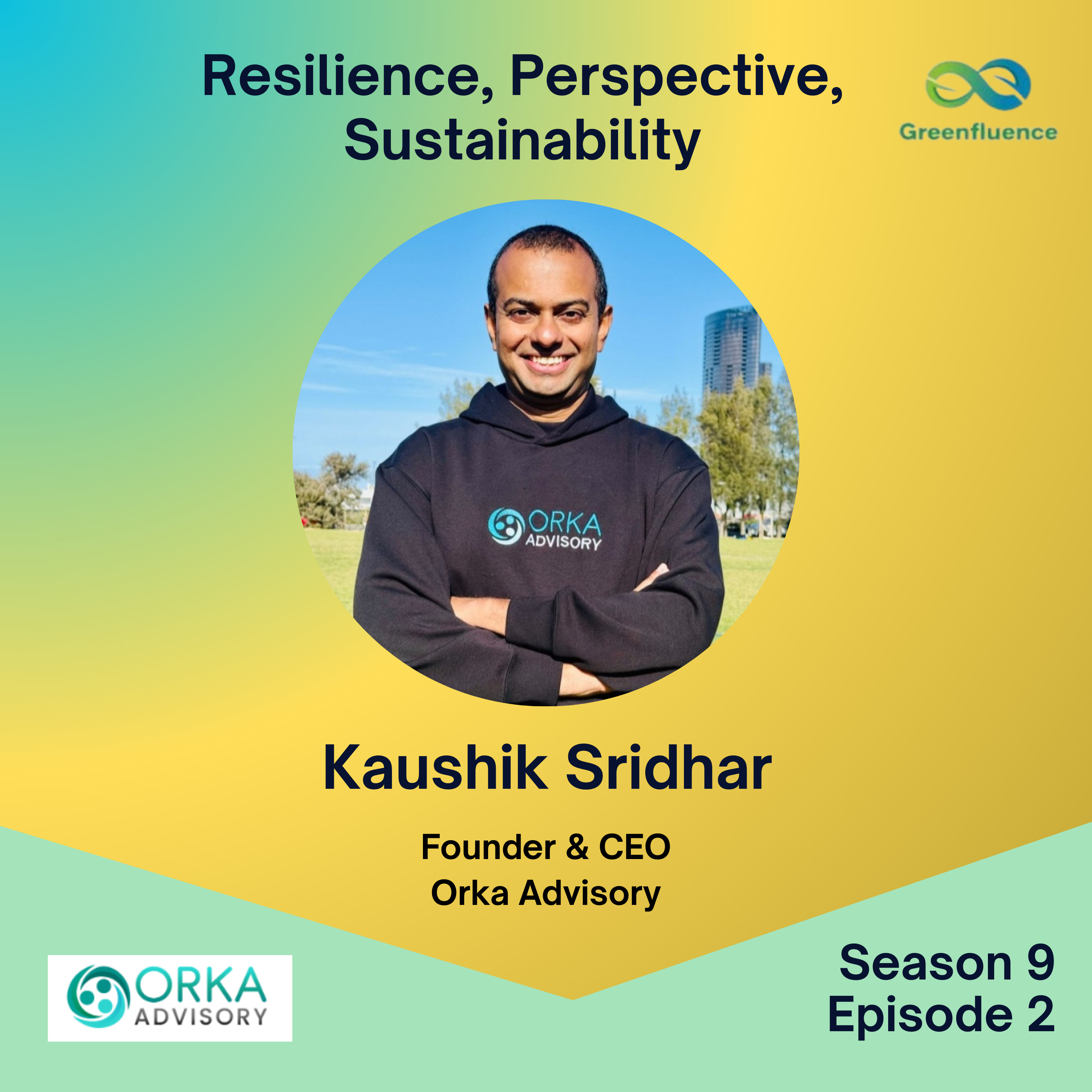
S9 EP2: Resilience, Perspective , Sustainability
Mar 1100:50:05Tap to summarizeKaushik Sridhar is not your typical ESG consultancy founder. From being an ex-tennis pro, kidnapped by Hezbollah and learning an adapting to four distinct cultures - his life experiences have cultivated a genuine resilience and perspective and honesty which is rare in the space. With over 20 years' experience in corporate sustainability, including experience in Evolution Mining, Regis Healthcare and KPMG he took the leap in starting his own consultancy, Orka Advisory, in 2024. "Orka" being the Swedish word for "the will to get things done" is fitting for Kaushik's philosophy incorporating not only advisory work, but coaching, public speaking and teaching. Kaushik's holistic and candid takes and understanding of the sustainability space created an enjoyable conversation: Why Kaushik's ambition in sustainability was to make his job redundantImportance of the KISS principle in ESGFailures in shaping Kaushik's sustainability journeyFour key sustainability skills organisationsmust upskill onDon't miss Kaushik's journey, as he continues to pay it forward - both through sustainability but more importantly life perspective.
Transcribe →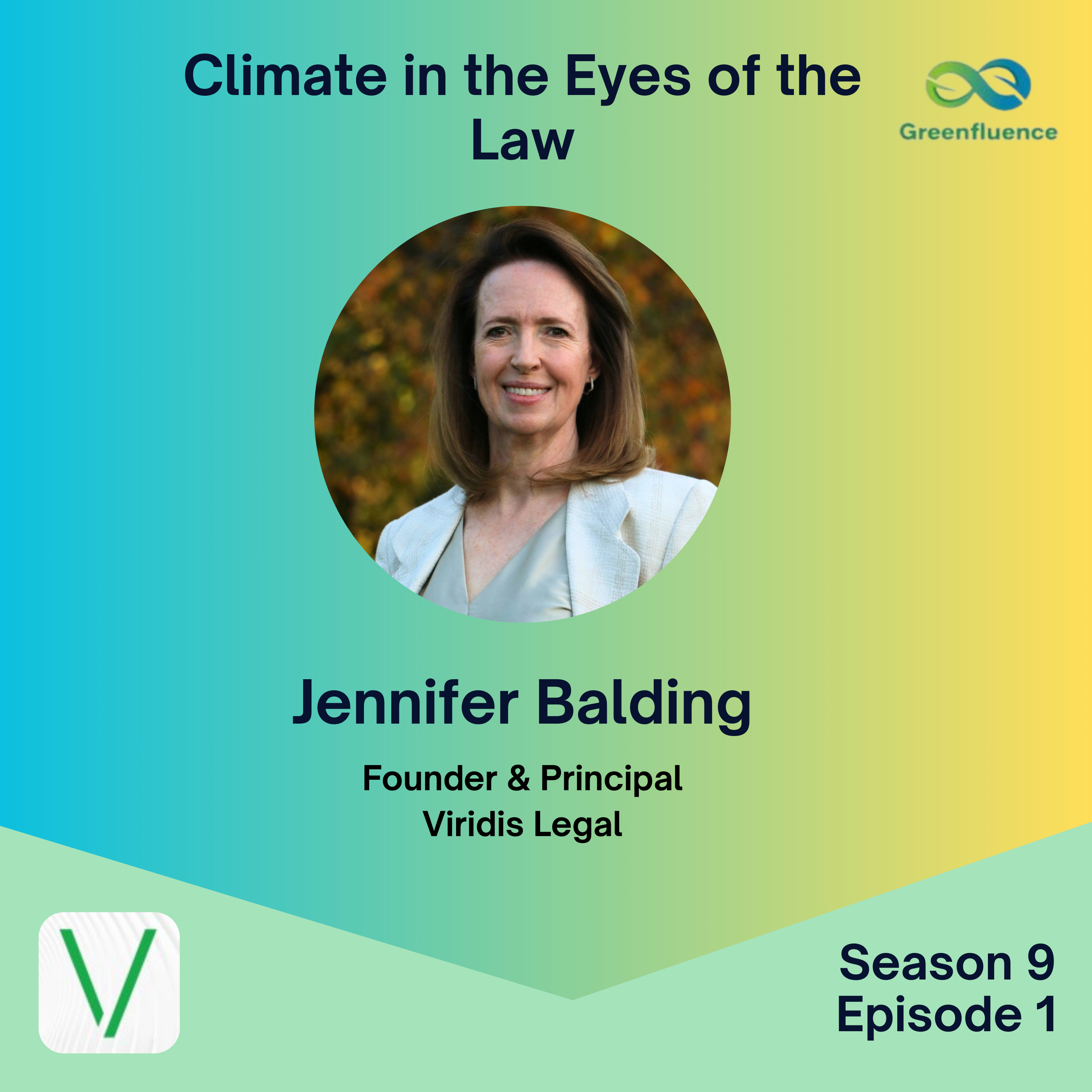
S9 EP1: Climate in the Eyes of the Law
Feb 300:36:53Tap to summarizeThe law and litigation in the climate space is fundamental. Decarbonisation is one aspect, but also as a lever to change behaviour of the most powerful public and private institutions. So, speaking with Jennifer Balding to kick off Season 9 was a privilege. Her work at ASIC to secure the first regulatory enforcement for greenwashing against listed companies in Australia was a game changer, but underpinning her professional work is a strong sense of justice and democracy. Appreciating the challenging state of our climate, Jennifer, using her three decades of legal experience began Viridis Legal. Viridis is a legal and consultancy firm aiming to support civil society to hold corporate Australia accountable for harm to climate and the environment. As a climate observer, she also commits as a grassroots level supporting protests and importantly observing the role of police. Hear more about: A concerning tactic used by fossil fuels to dismiss the advocacy of NGOs Climate litigation trends - including ASIC enforcement of greenwashing and the International Court of Justice rulingCorporations - how they balance the legal implications of net-zero and also green hushing Jennifer's career advice - getting involved in a broad range of things This was an insightful conversation and Jennifer's dedication to honour justice in respect of our planetary boundaries through the eyes of the law is certainly admired. Don't miss it!
Transcribe →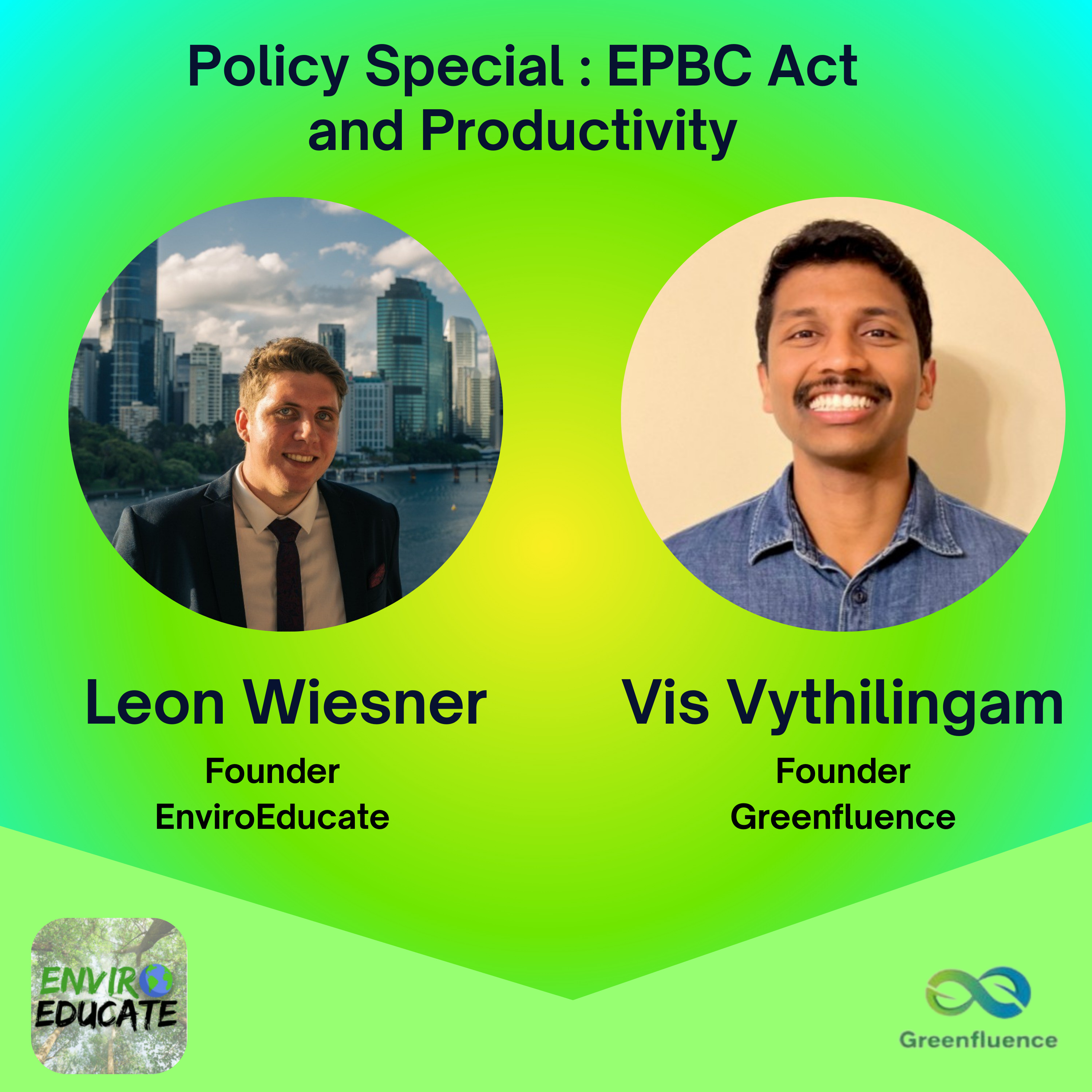
Policy Special : EPBC Act and Productivity
Jan 1400:43:22Tap to summarizeWhat if the most impactful way to boost long-term productivity was nature? For too long Australia it’s been in crisis, we look at labour,interest rates, business efficiency – recently AI, all while exploiting loopholes and complacency with our broken environmental laws. In our first episode for 2026, Greenfluence partnered with Leon Wiesner from EnviroEducate to discuss the Environmental Protection and Biodiversity Conservation (EPBC) Act – Australia’s biggest environmental and nature law reform in decades. This legislation goes a long way in addressing land clearingexemptions, the renewable energy roll-out, approval of fossil fuel projects, governance mechanisms between the state and federal powers and the Matters of NationalEnvironmental Significance standard. These robust laws reduce adverse environmental impacts while increasing the speed of the renewable transition, improving private-public funding mechanisms, creating market opportunities (biodiversity markets) and creatingsignificant employment opportunities. An important episode to record and dig into a huge policyreform. Hope you enjoy it. (Disclaimer: Views expressed in the podcast and snippets are that of the individuals and are not spoken on behalf of any Australian government entities)
Transcribe →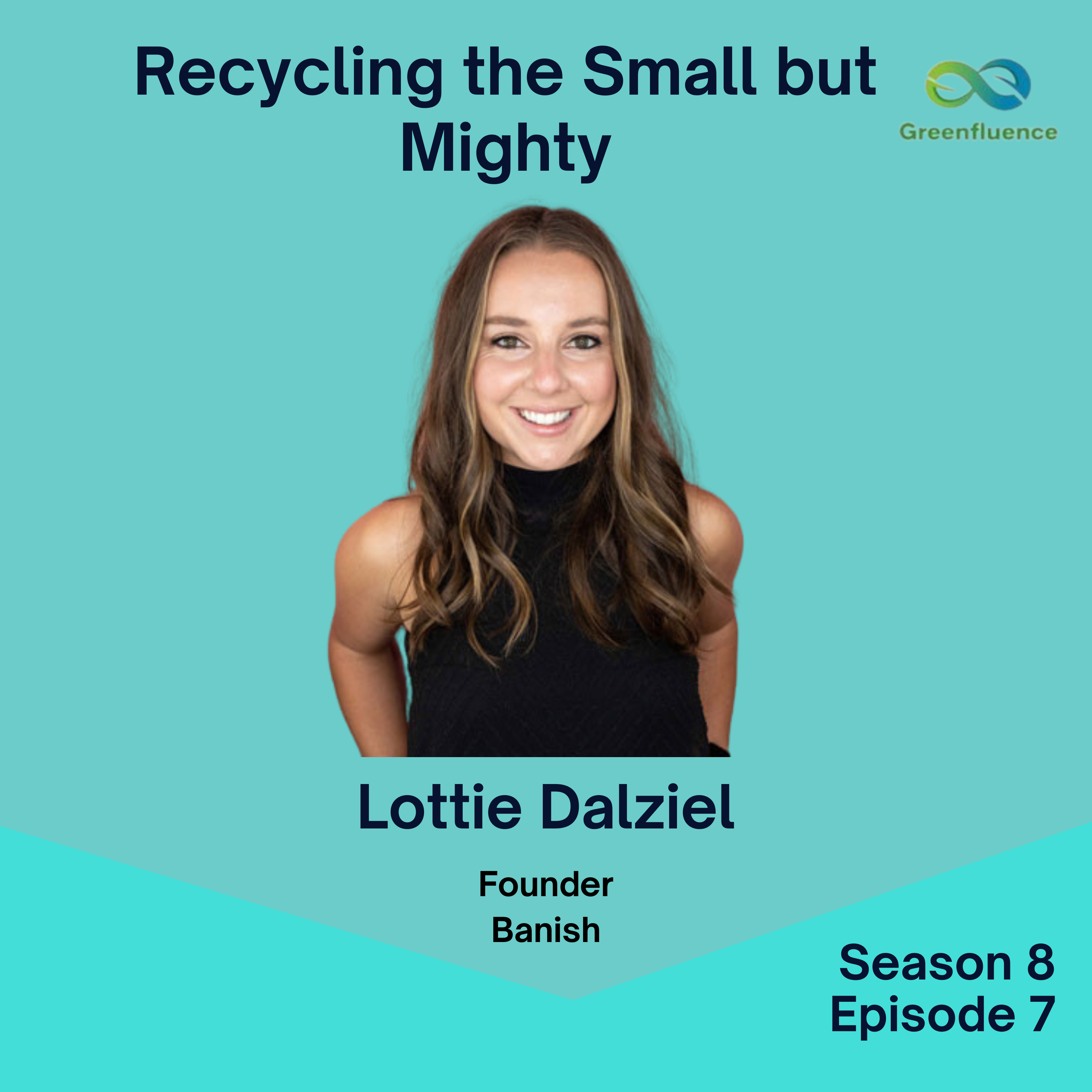
S8 EP7: Recycling the Small but Mighty
Dec 1700:37:03Tap to summarizeOur final episode release for 2025, saw us speak to a passionate changemaker and leader in circular and sustainability education, Lottie Dalziel, founder of Banish.Her inspiration actually started from a 2018 New Years Resolution (it clearly worked!) on doing better for the planet. Following this, Banish has established their Banish Recycling and Diversion Program (BRAD) helping diverting hard-to-abate waste from reaching landfill, creating recycled gifts, run corporate workshops and done community collaboration. In fact, in FY24 Banish kept 7.8T tonnes out of landfill. Her contributions to sustainability and entrepreneurship saw her receive NSW Young Australian Award (2023) and Forbes' 30 Under 30. But Lottie's journey is not just about numbers and awards, but empowering community with personal action and to create systemic change. Hear about: How the BRAD program came to be and product innovationChallenges in Australia's waste sectorA big myth of recycling in Australia Lottie's book to help you take action and save moneyHeading to the holiday season, don't miss this inspiring conversation with Lottie and get on board with Banish! _________________________________________________________Banish: https://banish.com.au/
Transcribe →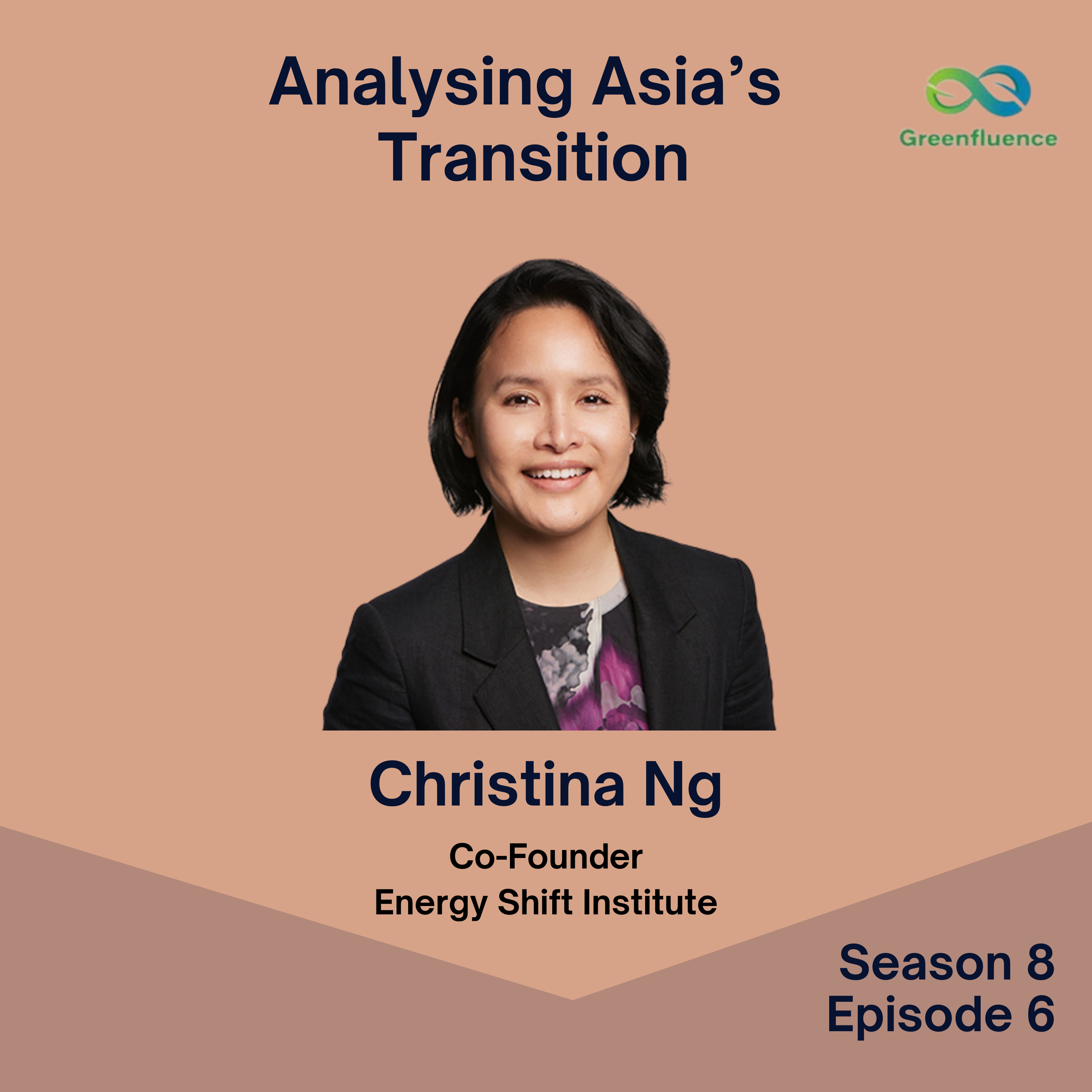
S8 EP6: Analysing Asia's Transition
Dec 200:33:22Tap to summarizeThere are many moving parts in the energy transition, more so from the Asian region. We spoke to Christina Ng, Co-Founder of Energy Shift Institute to help us understand the lay of the land, from the context of relevance of 1.5C and the role the Global South can play. As an experienced standard-setter, Christina also emphasises the importance of science-based standards and a rules-based approach in Asia. We also discussed: Use of Coal in IndonesiaComparison on Indonesia's and Australia's taxonomiesThe role of think tanks in the climate ecosystemsHow we need to interpret the 1.5C targetOur climate transition is full of all nuances and regional challenges all ideally working towards a common goal. Don't miss this episode about a region who will shape it.
Transcribe →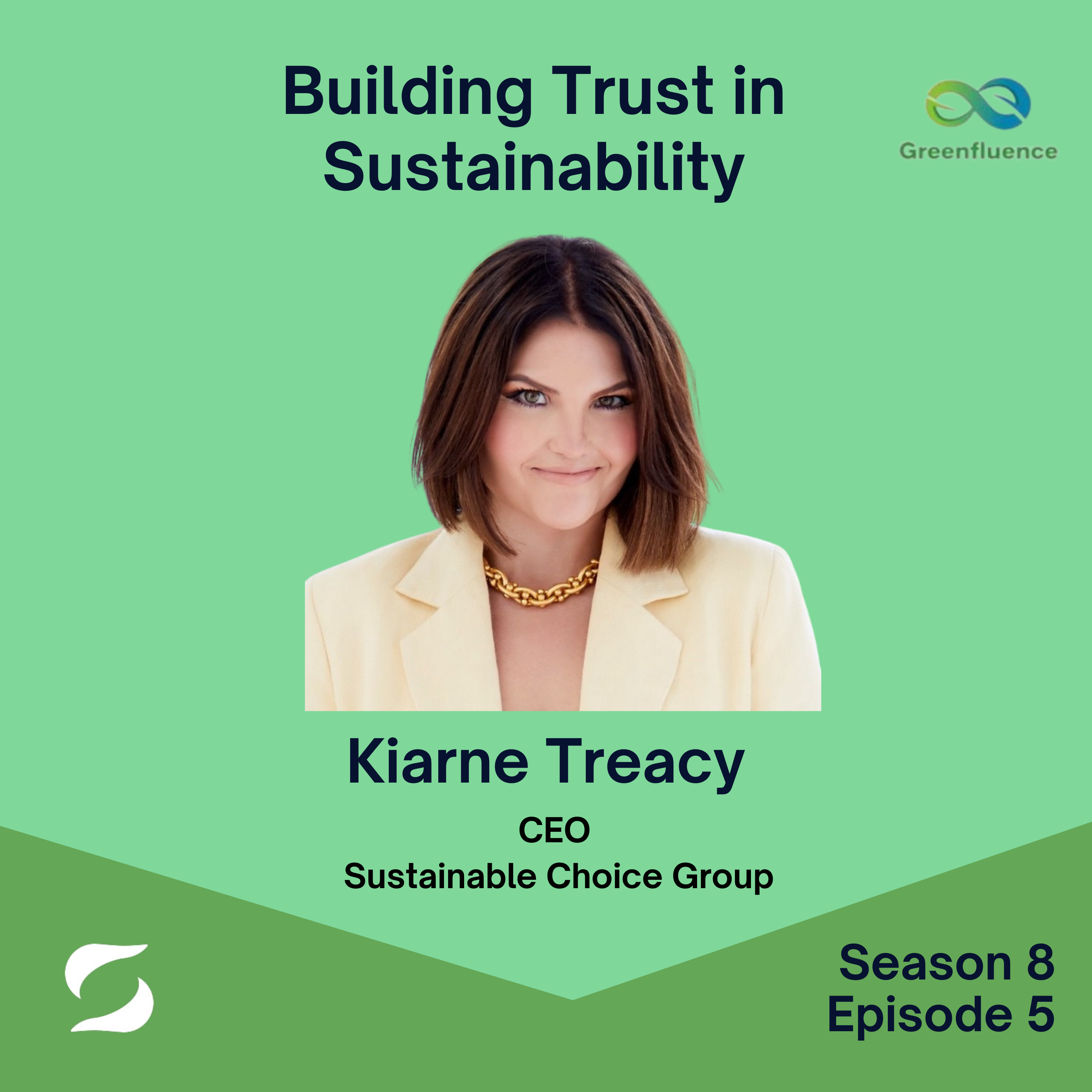
S8 EP5: Building Trust in Sustainability
Nov 1800:42:12Tap to summarizeWe live in an ecosystem where there is strong distrust in sustainability while demand is stronger than ever. As CEO of Sustainable Choice Group, Kiarne Treacy knows this space better than most. Kiarne is passionate about authentic sustainability marketing, and leads initiatives that combat greenwashing and promote transparency. Sustainable Choice Group, a B Corp and ESG leader, helps businesses upskill, track and publish their sustainability progress and consumers understand the sustainability of brands. As a LinkedIn Top Voice, Kiarne has been vocal on challenges in the sustainability industry and better business practice in the space. Enjoy our first in-person convo in Melbourne: Red flags in sustainability commsGreenwashing and the cost of going silentMarketing challenges from different organisation typesHer founder journey - building Sustainable Choice GroupA candid and enjoyable journey from someone shaping both the consumer and business landscape in Australia.
Transcribe →