Podcast
HCPLive Dermatology Podcasts
Hosted by HCPLive · ENGLISH
HCPLive Dermatology Podcasts is a platform dedicated to dermatology podcasts brought to you by HCPLive, including The Medical Sisterhood, hosted by Mona Shahriari, MD, and ABCs in Dermatology, hosted by Lindsay Ackerman, MD, and Chris Bunick, MD, PhD.
26episodes
Episodes
Newest firstAll episodes
The Medical Sisterhood: The Strength Nobody Talks About, with Saakshi Khattri, MD
Jun 2500:25:34Tap to summarizeIn the latest episode of The Medical Sisterhood podcast, host Mona Shahriari, MD, associate clinical professor of dermatology at Yale University and practicing dermatologist in Connecticut, sat down with Saakshi Khattri, MD. Khattri is a triple board-certified physician in dermatology, rheumatology, and internal medicine, associate professor at the Icahn School of Medicine at Mount Sinai, and director of Mount Sinai’s Dermatology/Rheumatology service. Together, the pair of physicians explored themes of reinvention, contentment, boundaries, and redefining success for women in medicine.For full video and summary, click here.
Transcribe →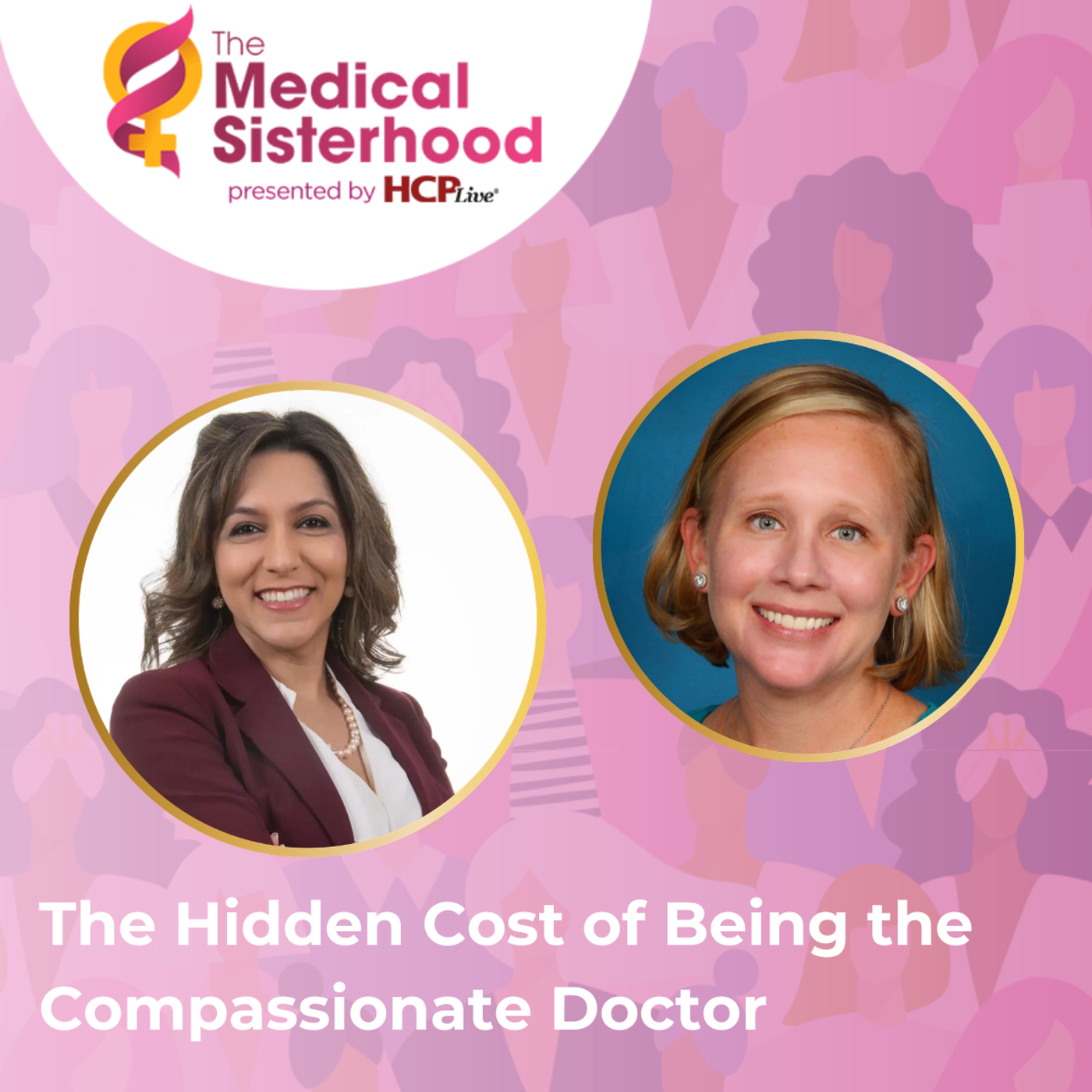
The Medical Sisterhood: The Hidden Cost of Being the Compassionate Doctor, With Lisa Swanson MD
May 1500:27:14Tap to summarizeIn this new episode of The Medical Sisterhood podcast, host Mona Shahriari, MD, is joined by dual board-certified dermatologist and pediatric dermatologist Lisa Swanson, MD, for a thoughtful discussion on the emotional labor of medicine, the pressures women physicians face, and the profound impact pediatric dermatologists can have on children and families.From representation and mentorship to burnout, empathy, and balancing professional ambition with personal identity, this episode offers an honest look at the realities of practicing medicine today.Want to join The Medical Sisterhood community? Click here to join our LinkedIn Group!
Transcribe →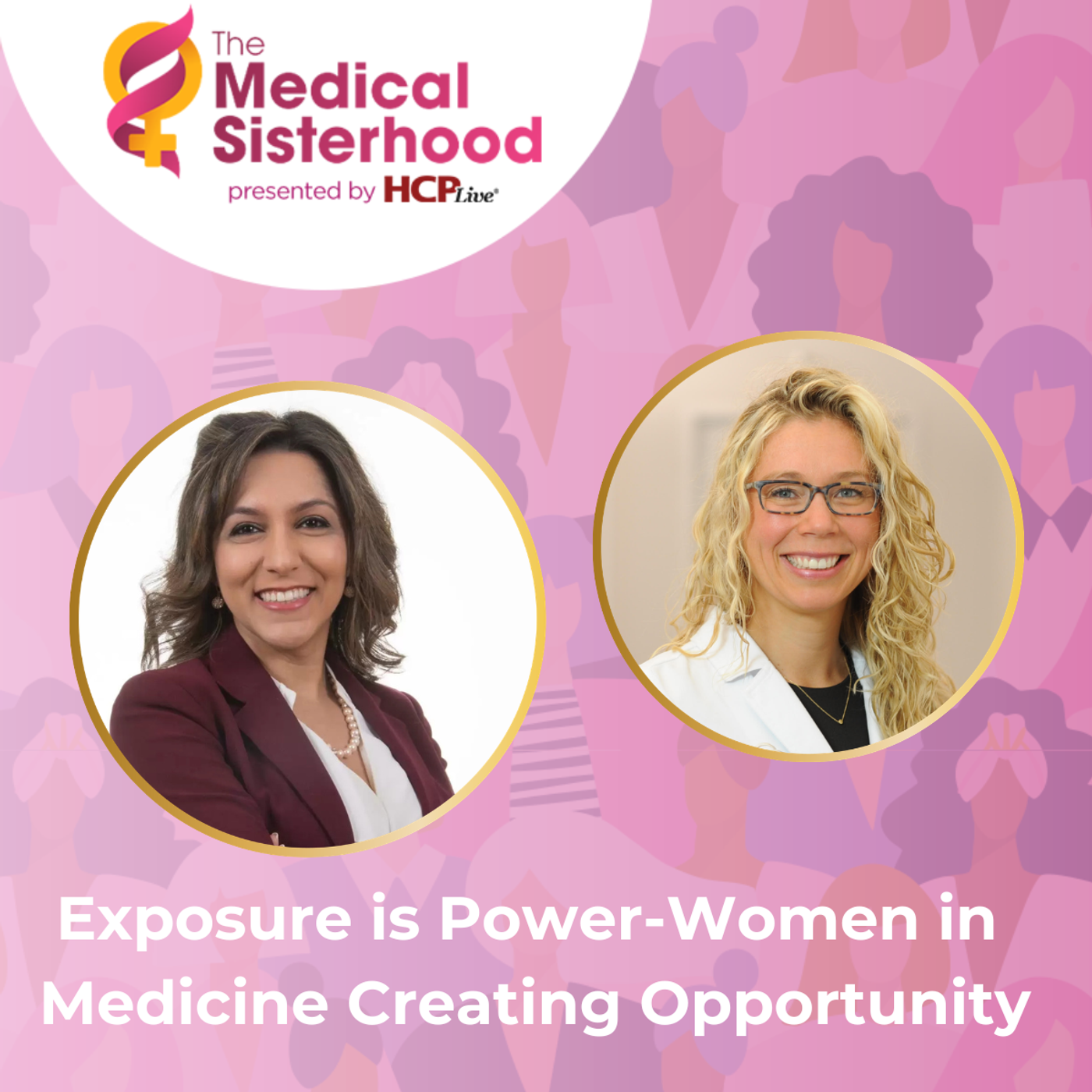
The Medical Sisterhood: Exposure is Power-Women in Medicine Creating Opportunity, With Elizabeth Kiracofe, MD
May 500:27:34Tap to summarizeIn the April episode of The Medical Sisterhood podcast, host Mona Shahriari, MD, assistant clinical professor of dermatology at the Yale University School of Medicine and the associate director of clinical trials at Central Connecticut Dermatology Research, is joined by Elizabeth A. Kiracofe, MD, a board-certified dermatologist and founder of Airia Comprehensive Dermatology, for a candid discussion centered on career evolution, entrepreneurship, and redefining success in medicine.Key Timestamps:0:00 Introduction of Dr. Kiracofe2:06 Career background4:40 What sparked the Airia Foundation's beginning?9:44 Helping patients with key issues12:08 Mentorship experiences19:19 Simple steps for clinicians to get involved in the community26:17 Final thoughts on women in leadershipWant to join The Medical Sisterhood community? Click here to join our LinkedIn Group!
Transcribe →The Medical Sisterhood: Exposure is Power-Women in Medicine Creating Opportunity, With Elizabeth Kiracofe MD
Apr 3000:27:34Tap to summarizeIn the latest episode of The Medical Sisterhood podcast, host Mona Shahriari, MD, assistant clinical professor of dermatology at the Yale University School of Medicine and the associate director of clinical trials at Central Connecticut Dermatology Research, is joined by Elizabeth A. Kiracofe, MD, a board-certified dermatologist and founder of Airia Comprehensive Dermatology, for a candid discussion centered on career evolution, entrepreneurship, and redefining success in medicine.Their conversation highlights the personal and professional inflection points that shape a physician’s path, particularly for women navigating leadership, ownership, and work-life integration. Key Timestamps:00:00 Introduction of Dr. Kiracofe02:06 Career background04:40 What sparked the Airia Foundation's beginning?09:44 Helping patients with key issues12:08 Mentorship experiences 19:19 Simple steps for clinicians to get involved in the community26:17 Final thoughts on women in leadershipWant to join The Medical Sisterhood community? Click here to join our LinkedIn Group!
Transcribe →
ABCs in Dermatology: Late Breaking Data Spotlight at AAD 2026
Apr 200:31:00Tap to summarizeFor dermatologists and the dermatology community, the American Academy of Dermatology (AAD) Annual Meeting has earned the reputation as a platform the next wave of practice-changing advances in the field. The 2026 AAD annual meeting served as a prime example of why, with more than a dozen phase 2 or phase 3 trials headlining the conference—showcasing new data in psoriasis, atopic dermatitis, and more.In this special edition episode of ABCs in Dermatology, hosts Chris Bunick, MD, PhD, of Yale School of Medicine, and Lindsay Ackerman, MD, of US Dermatology Partners, break down a trio of late-breaking trials from the meeting and share their perspective on additional data of note across multiple disease states.TOGETHER-PsA TrialOn March 28, 2026, Eli Lilly announced positive phase 3b results from the TOGETHER-PsA trial evaluating concomitant ixekizumab (Taltz) and tirzepatide (Zepbound) versus ixekizumab alone in adults with active psoriatic arthritis and obesity or overweight.In the randomized, open-label trial of 271 participants, the combination arm met the primary endpoint, ACR50 response plus ≥10% weight reduction at 36 weeks, in 31.7% of patients versus 0.8% with ixekizumab monotherapy, with improvements in disease activity, fatigue, physical function, and cardiometabolic markers also favoring the combination. Adverse events in the combination arm were generally mild to moderate and consistent with the established profiles of each agent, with nausea, diarrhea, and constipation among the most common.Eli Lilly indicated detailed findings will be discussed with regulators, though no submission timeline was disclosed.Part A of the Phase 2 APEX TrialOn March 23, 2026, Apogee Therapeutics announced positive 52-week maintenance data from Part A of the phase 2 APEX trial evaluating zumilokibart, an extended half-life anti-IL-13 monoclonal antibody, in adults with moderate-to-severe atopic dermatitis.Based on the trial's maintenance phase, EASI-75 response was maintained at week 52 in 75% and 85% of week 16 responders receiving every-3-month and every-6-month dosing, respectively, with deepening of response observed across lesional and itch endpoints in the full treated population through 52 weeks. Zumilokibart's extended half-life design supports dosing as infrequently as twice yearly, compared with up to 26 annual injections for currently available therapies, with a safety profile consistent with other agents in the IL-13 class.Part B 16-week induction data are expected in the second quarter of 2026, with phase 3 initiation in moderate-to-severe atopic dermatitis planned for the second half of 2026.LATITUDE Psoriasis Phase 3 StudiesOn March 28, 2026, Takeda announced positive phase 3 results from the Latitude PsO 3001 and 3002 trials evaluating zasocitinib, a once-daily oral selective TYK2 inhibitor, in adults with moderate-to-severe plaque psoriasis.In the randomized, double-blind, placebo- and active comparator-controlled trials, 71.4% and 69.2% of zasocitinib-treated patients achieved sPGA 0/1 at week 16 versus 10.7% and 12.6% with placebo and 32.1% and 29.7% with apremilast (P <.001), with PASI 75 responses observed as early as week 4 and more than 90% of week 40 responders maintaining response through week 60. The safety profile was consistent with phase 2b data, with upper respiratory tract infection, nasopharyngitis, and acne among the most common adverse events and no new safety signals were identified.Takeda plans to submit a New Drug Application to the FDA starting in fiscal year 2026.Relevant disclosures for Bunick include AbbVie, South Beach Symposium, Almirall, Apogee Therapeutics, Arcutis Biotherapeutics, Daiichi Sankyo, Eli Lilly, LEO Pharma, US, Novan, Novartis, Ortho Dermatologics, Palvella Therapeutics, Pfizer Inc., Sanofi, Sun Pharmaceutical Industries Ltd., Timber Pharmaceuticals, and UCB. Relevant disclosures for Ackerman include AbbVie, Alumis, Amgen, Arcutis, Beiersdorf, Boehringer Ingelheim, Bristol Myers Squibb, Dermavant, Galderma, L'Oréal, Novartis, Sun Pharmaceutical, and UCB.
Transcribe →
ABCs in Dermatology: Previewing the 2026 AAD Annual Meeting
Mar 2400:45:29Tap to summarizeThe 2026 American Academy of Dermatology (AAD) Annual Meeting convenes in Denver with a scientific agenda promising to showcase the latest advances and breakthroughs in dermatologic care. In this preview episode of ABCs in Dermatology, hosts Chris Bunick, MD, PhD, of Yale School of Medicine, and Lindsay Ackerman, MD, of US Dermatology Partners, survey the landscape ahead of the meeting and walk through the sessions each will be presenting on-site.HOST SESSIONS AT AAD 2026Session: Acne & Rosacea Date: Friday, March 27, 2026Session SummaryBunick reframes antibiotics in acne as anti-inflammatory agents rather than antimicrobials—a distinction he argues is clinically meaningful for patient adherence and prescribing confidence. The talk addresses antibiotic stewardship, the role of narrow-spectrum agents such as sarecycline in preserving gut microbiome integrity while retaining full anti-inflammatory efficacy, and the understudied pathophysiologic distinctions between teenage and adult female acne. Sarecycline's inability to cross the blood-brain barrier, minimal vestibular disturbance, and lowest resistance profile among tetracyclines are highlighted as precision-medicine advances entering the acne space.Session: Mechanism of Action, Safety & Systemic Inflammation in JAK InhibitionDate: Monday, March 30, 2026Session SummaryBunick presents a comprehensive reappraisal of JAK inhibitor safety and systemic inflammation, anchored in what he describes as a widespread misreading of the ORAL Surveillance study. Because the trial used an active comparator only—with no placebo arm—it cannot support conclusions about absolute cardiovascular risk for either tofacitinib or TNF-alpha inhibitors. The session will present transcriptomic evidence linking psoriasis and atopic dermatitis to shared atherosclerotic risk pathways, introduce his "diaper to diaper" hypothesis tracing systemic inflammation from growth stunting in pediatric AD to cardiovascular disease in adults, and close with a five-year comparative analysis of JAK inhibitor and IL-13-targeted safety data.Session: Gross & MicroscopicDate: Friday, March 27, 2026Title: Maintenance of IHS4 Response to Upadacitinib in Moderate-to-Severe Hidradenitis SuppurativaSession SummaryAckerman presents maintenance-of-response data for upadacitinib in moderate-to-severe HS using the IHS4 severity scoring system—extending previously published week-12 results to week 40 across patients achieving IHS4 55, 75, and 90 response thresholds. Durability is framed as the defining clinical imperative in HS: even patients without active lesions carry substantial anticipatory psychological burden between flares. Ackerman positions JAK1 inhibition as mechanistically well-suited to HS given its broad reach across the disease's heterogeneous cytokine architecture, and signals optimism for the emerging oral and adjuvant JAK inhibitor pipeline—including abrocitinib and povorcitinib—as the field moves beyond its current injectable-only approved options.
Transcribe →Introducing ABCs in Dermatology, with Lindsay Ackerman, MD, and Chris Bunick, MD, PhD
Mar 1600:43:48Tap to summarizeIn the inaugural episode, co-hosts Lindsay Ackerman, MD, of US Dermatology Partners, and Chris Bunick, MD, PhD, of Yale School of Medicine, introduced the podcast and the philosophy behind it.The series, titled Ackerman-Bunick Conversations in Dermatology, or ABCs in Dermatology for short, aims to translate complex and rapidly evolving clinical and scientific developments into practical insights for practicing clinicians. New episodes will be released monthly, with video available on HCPLive and audio distributed through Spotify and Apple Podcasts.The conversation began with each host reflecting on their path into dermatology. Ackerman described early exposure to cutaneous oncology research at the University of Pennsylvania, where she was drawn to the field’s range. Dermatology, she noted, uniquely spans infectious disease, malignancy, genetic disorders, and chronic inflammatory conditions. That breadth, combined with the opportunity to build long-term relationships with patients, helped shape her decision to pursue the specialty.Bunick traced his interest back to doctoral research in nucleotide excision repair, where his work on the XPC protein introduced him to the biology of non-melanoma skin cancers. A later clinical rotation, along with mentorship from a program director at Vanderbilt University School of Medicine, reinforced his decision to move from laboratory science into dermatology.A central theme of the episode was the growing importance of molecular literacy in everyday clinical practice. As therapeutic options expand, Bunick emphasized, clinicians increasingly need to understand and communicate the mechanisms behind treatment choices. Explaining the “why” behind a therapy, he noted, helps patients and families feel more confident and engaged in care. Ackerman discussed her focus on advancing medical dermatology, particularly through clinical trials involving rare or underserved diseases. Her work includes research in congenital ichthyosis, hidradenitis suppurativa, and other conditions that currently lack FDA-approved therapies. Both hosts described the current moment as one of rapid therapeutic progress, with biologic and targeted treatments reshaping outcomes for diseases that historically had limited options.The episode also addressed the doctor-patient relationship. Ackerman and Bunick stressed the value of genuine human connection in clinical care, noting that trust and clear communication can reduce patient isolation and improve engagement with treatment plans.Looking ahead, the hosts previewed upcoming topics for the series, including genodermatoses, women’s health in dermatology, and controversial or underexplored clinical questions. The next episode, a preview of the American Academy of Dermatology Annual Meeting, is scheduled for release on March 23.
Transcribe →
The Medical Sisterhood: Building Influence in Medicine as Women Physicians, With Nastasha Mensikovzka, MD, PhD
Mar 1300:24:25Tap to summarizeIn the March episode of The Medical Sisterhood podcast, host Mona Shahriari, MD, is joined by Natasha Mesinkovska, MD, PhD, a dermatologist and researcher at the University of California, Irvine School of Medicine Department of Dermatology, for a wide-ranging conversation on visibility, resilience, mentorship, and the art of commanding a room recorded in recognition of Women's History Month.Want to join The Medical Sisterhood community? Click here to join our LinkedIn Group!
Transcribe →
The Medical Sisterhood: Physician Mom Burnout & Mental Health Strategies, With Jennifer Hsiao, MD
Feb 2600:24:56Tap to summarizeIn the February episode of The Medical Sisterhood podcast, produced by HCPLive, hosts Mona Shahriari, MD, and guest Jennifer Hsiao, MD, discuss the invisible labor faced by female physicians, particularly mothers.They explore the mental checklists, calendar management, and the constant juggling of professional and personal responsibilities. Hsiao shares her experience as a dermatologist and mother of two, highlighting the challenges of maintaining work-life balance and the societal expectations placed on mothers.Want to join The Medical Sisterhood community? Click here to join our LinkedIn Group!
Transcribe →
The Medical Sisterhood: Advocacy and Systemic Change, With Kristi Hawley, DO
Jan 2600:20:20Tap to summarizeIn this first episode of The Medical Sisterhood from January 2026, the podcast opens with a candid and timely conversation about advocacy, autonomy, and the quiet breaking points many women physicians experience within modern medicine.Hosted by Mona Shahriari, MD, of Yale School of Medicine, the episode features Kristi B. Hawley, DO, founder and owner of The Derm Institute of West Michigan, whose journey as a dermatologist, practice owner, and physician advocate offers a powerful lens into the systemic challenges facing clinicians today.Together, Shahriari and Hawley reaffirm The Medical Sisterhood’s mission—to create space for honest dialogue, shared strength, and collective action among women physicians.Want to join The Medical Sisterhood community? Click here to join our LinkedIn Group!
Transcribe →