
Podcast
Heal Your Chronic Pelvic Pain
Hosted by Rachel Gofman, DPT · EN
The Heal Your Chronic Pelvic Pain Podcast helps you heal chronic pelvic pain through a proven mind-body approach. Hosted by Rachel Gofman, DPT – a pelvic pain coach and physical therapist who overcame years of her own pain — each episode gives you science-based tools and compassionate guidance to partner with your nervous system to heal symptoms and reclaim your life.
13episodes
Episodes
Newest firstAll episodes

Why Fun, Play, and Joy Are Essential for Healing (with Lauren Garchow, LCSW)
Mar 2600:53:40Tap to summarizeIf you’ve been approaching your healing like something to figure out, fix, or do perfectly… this episode is for you.In this conversation with psychotherapist and mind-body coach Lauren Garchow, we’re talking about something that doesn’t get nearly enough attention in the healing space: that fun, play, joy, and lightness are POWERFUL healing modalities.We explore why so many of us struggle to access these states (especially if you’re driven, analytical, or used to pushing through), how pressure builds in the body and contributes to symptoms, and why expanding your life is actually part of how you heal, not something you wait to experience once you’re symptom-free.This is a grounded, practical conversation that will likely shift how you think about “doing the work.”Together, We Cover:How play, joy, and lightness help regulate your nervous systemWhy fun can feel unsafe or inaccessible (and what to do about it)The difference between top-down vs bottom-up healingHow to start accessing joy when it feels completely out of reachWhy trying harder can actually make symptoms worseThe role of self-compassion and acceptance in healingHow community and co-regulation support your nervous systemWhat it looks like to expand your life while you healYou don’t have to wait until you’re symptom-free to start living your life.Even small moments of joy, presence, or lightness are doing something meaningful in your nervous system.This work isn’t about forcing yourself to feel good.It’s about slowly expanding your capacity to experience more of the good.If fun feels far away right now, start small:Listen to a song you love and notice how it feels in your bodyWatch something that makes you laugh (this counts)Spend time with someone who feels easy to be aroundStep outside and let your mind take a breakNotice even one second of something enjoyableEvery little bit counts. About Lauren:Lauren Garchow, LCSW, is a psychotherapist, mind-body coach, and speaker based in Los Angeles, CA. Her own chronic pain healing journey revealed the mind’s powerful ability to change and adapt, igniting a deep passion to support others in their mind-body healing.As the owner of Lauren G therapy, she focuses on helping women feel at home in their bodies and has guided numerous clients through diverse chronic symptom challenges, including pelvic pain. Her work connects physical symptoms with the broader context of a person’s life, including their experiences, relationships, and identity—empowering clients to explore their minds and bodies with curiosity and compassion.Lauren deeply values balance in her life. In order for her to show up whole-heartily in this work, she prioritizes having a full life outside of it. A key part of her healing journey was learning to have more FUN and lighten up on herself. She brings this perspective into her work, encouraging clients to cultivate play, creativity, and connection as part of their healing process.Website: www.laurengtherapy.comInstagram: @laurengarchowLinkedIn: Lauren Garchow Resources & UpcomingSomatic Tracking for Dizziness (Live on Curable)March 27 at 10 AM PST→ Join + get 6 weeks free:
Transcribe →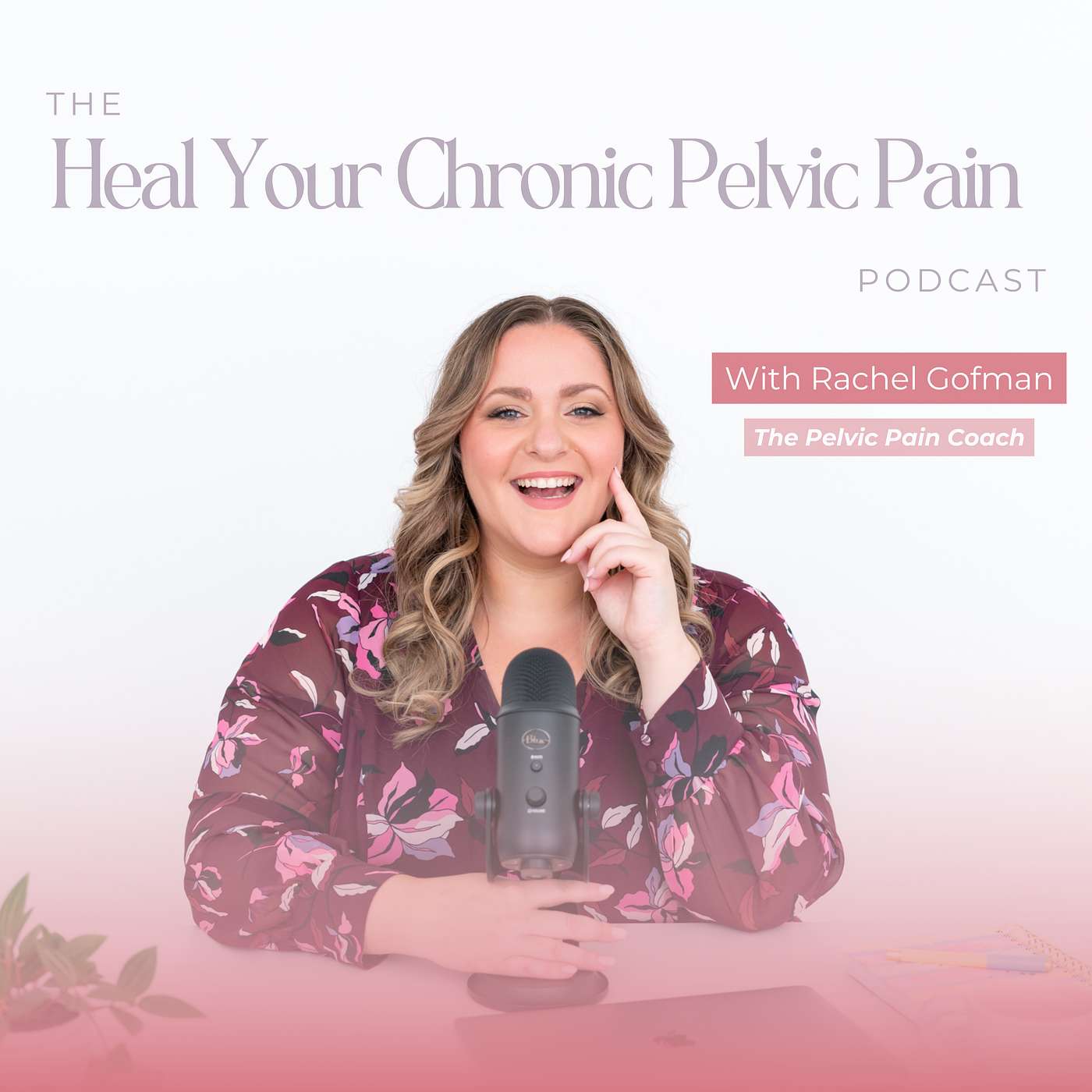
The Thoughts That Keep You Stuck vs. The Ones That Move You Forward
Mar 1900:15:39Tap to summarizeIn this episode, Rachel introduces a powerful framework:Stop Healing Thoughts vs. Keep Healing ThoughtsYou’ll learn how to identify the thoughts that pull you out of the process of healing, and how to gently shift into thoughts that help you stay in it long enough for healing to actually happen.In This Episode, You’ll Learn:Why your thoughts are not the problem, but how you relate to them isHow your nervous system state influences the thoughts you thinkWhat “Stop Healing Thoughts” are and how they keep you stuckWhat “Keep Healing Thoughts” are and how they support healingWhy healing doesn’t require perfect thinking, just staying in the workA simple practice to identify your own thought patterns and shift themYour Takeaway Practice:Take a few minutes and write down:Your Stop Healing Thoughts (What pulls you into fear, hopelessness, or quitting?)Your Keep Healing Thoughts (What helps you take your next step, even when it’s hard?)This awareness alone can change everything.Want Support Applying This Work?If you’re listening and thinking, “Okay, I get this… but how do I actually apply it to my symptoms and my life?”You don’t have to figure that out alone.Inside my Beyond Chronic Pelvic Pain Healing Program, I walk you through exactly how to do this work step-by-step, with guidance, structure, and support.You’ll learn how to:Understand your symptoms through a mind-body lensReduce fear and nervous system threatBuild safety in your bodyReturn to movement, intimacy, and lifeStay consistent in the work (even when your brain wants to spiral)✨ Learn more here
Transcribe →
Why Time (Alone) Doesn’t Heal Chronic Pelvic Pain
Mar 1200:25:33Tap to summarizeMany people living with chronic pelvic pain hold onto the hope that if they just wait long enough, their pain will eventually just go away. You rest. You avoid certain activities. You give it time.But months pass. Sometimes years. And the pain is still there.In this episode, Rachel explains why time alone doesn’t heal chronic pelvic pain, and what actually creates healing.If you've been stuck in the frustrating cycle of waiting and hoping things will improve on their own, this conversation will help you understand what’s really happening in your body and why a different approach is needed.Chronic pain isn’t simply a matter of tissues needing more time to recover. When chronic pelvic pain persists beyond normal healing timelines, it often means the nervous system has learned a protective pattern that continues to generate symptoms even when the body itself is safe.True healing happens when the nervous system begins to receive new signals of safety.In this episode, Rachel breaks down the three key areas where safety must be rebuilt in order to retrain the nervous system and move out of chronic pelvic pain.If you’ve been waiting for time to heal you, this episode will help you understand why that hasn’t worked and what can.And most importantly, it will remind you that healing is still possible.In This EpisodeWhy it’s completely normal to believe that time will heal chronic pelvic painThe difference between acute injury pain and chronic painWhy persistent symptoms often mean the nervous system has learned a protective patternHow waiting, resting, and avoiding can unintentionally reinforce pain pathwaysThe three types of safety your nervous system needs in order to healWhy healing chronic pelvic pain requires active nervous system retraining, not just timeMentioned in This EpisodeListen to the Understanding Pain Series (Episodes 2–6) for a deeper explanation of pain science and neuroplastic symptoms.Ready to Go Deeper?If you’re ready to stop waiting for your pain to go away and start actively retraining your nervous system, Rachel invites you to join her coaching program:Beyond Chronic Pelvic PainThis 4-month coaching container helps you:Understand what’s actually driving your symptomsRetrain your nervous system out of chronic painBuild safety in your body, yourself, and your lifeReturn to living a full and empowered life while you healThe program includes a structured curriculum plus weekly live coaching calls with Rachel for guidance and support as you apply this work to your own body and life.You can learn more here.Connect with RachelFollow me on Instagram: @thepelvicpaincoachGet Your Free Pain Flare Plan (download): https://thepelvicpaincoach/painflareplanDisclaimer: This podcast is for informational and educational purposes only and is not a substitute for medical advice, diagnosis, or treatment.
Transcribe →