← The Preamble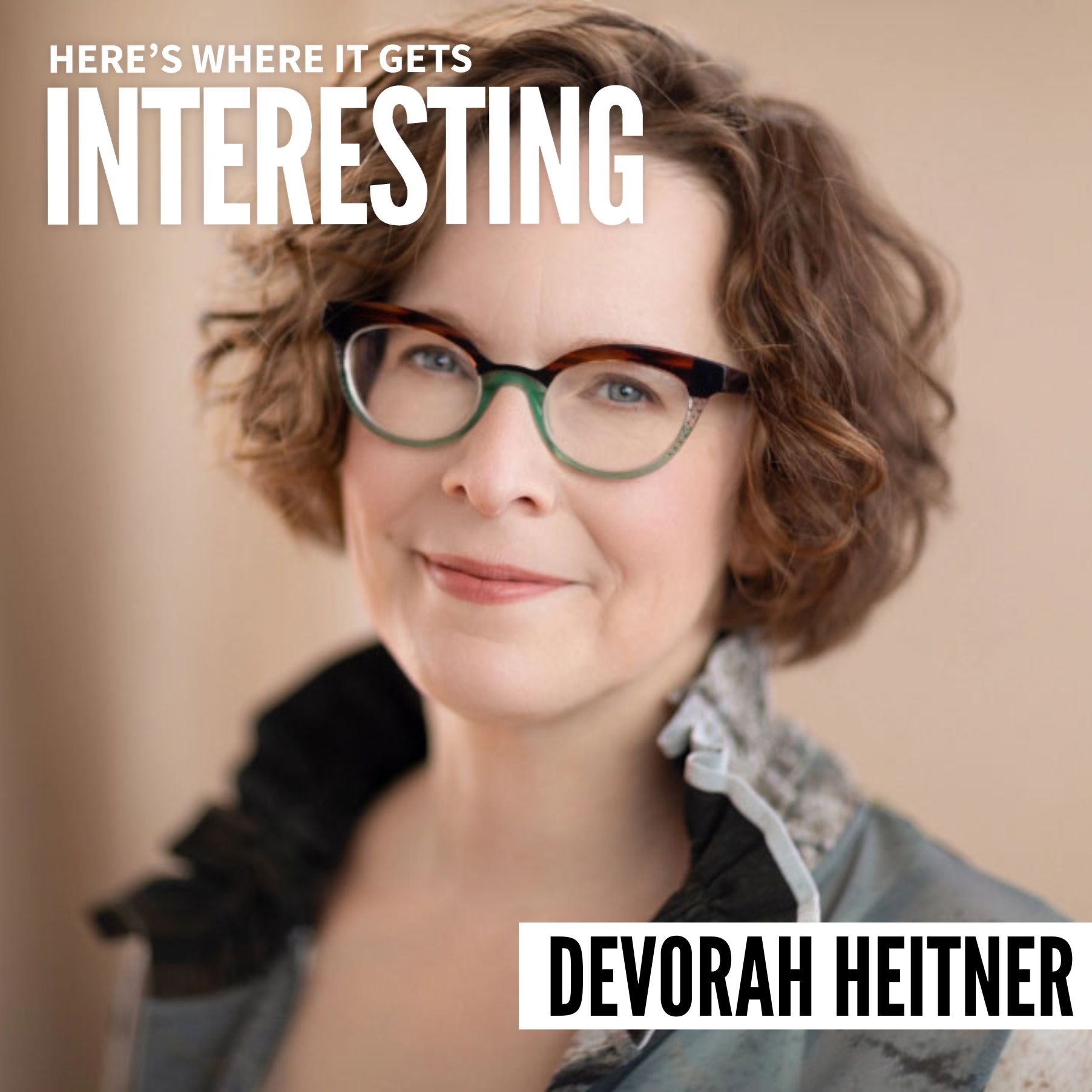
The Preamble
Growing Up In Public with Devorah Heitner
00:51:32
Sharon talks with Dr. Devorah Heitner about how parents, teachers, and mentors can support kids as they navigate the digital world.
Loading summary
Transcript55 lines
- [00:01]
Sharon McMahon
The beauty industry can feel very overwhelming. Walk into a makeup store and you already know what I'm talking about. 50 shade eyeshadow palettes, 300 different colors of pink lipstick and products that require like graduate school to master. Merit is the antidote to the overwhelming world of beauty. It is a minimalist beauty brand with a mission to simplify what it takes to feel beautiful. It's makeup you can live in. They focus on high performing, clean and effortless products. Their formulas are skin loving and designed to enhance your natural beauty rather than cover it up. I love their lipstick, the signature lip. It doesn't taste bad, it doesn't have a weird smell, it doesn't dry out your lips, it gives you the perfect wash of color and and your lips still feel hydrated and not caked in product. It's time to simplify your morning. Head to meritbeauty.com and get their signature makeup bag free with your first order. Life moves fast with work and kids and errands.
- [01:11]
Unknown Host
It just never stops.
- [01:13]
Sharon McMahon
And then somehow you're supposed to eat well in the middle of all of that. That's where great tasting Bavarian meats Lil Lander Snack sticks come in. They are naturally fermented, slow smoked for bold flavor, packed with 9 grams of protein and have zero sugar and zero carbs. It's a snack that keeps up with your day. Whether you're racing between meetings, school drop off or just trying to finish your to do list, take a moment to savor something delicious for you. And did we mention that they are portable? Like just toss them in your gym bag or your glove box, wherever you want to carry them. Pick up a pack today at your local grocer or stock up@bavarianmeats.com podcast Bavarian Meat Snack Sticks. Great taste, zero sugar. Hey friends, welcome. Delighted to have you with me today. And today's topic is one that I know so many of you struggle with, myself included. How do you raise children who are prepared to face the future, which is digital but are also protected from all of the garbage that's on the Internet. My guest is Dr. Devorah Heitner and we are talking about coming of age in a digital world. How to help kids kids thrive and survive. So let's dive in. I'm Sharon McMahon and here's where it gets interesting.
- [02:51]
Unknown Host
I am very excited to be joined by Devora Heitner today who has written a very interesting book about raising kids in the digital age, growing up in public. And even if you don't have young children, even if you don't have kids that are like approaching the age or currently have cell phones or access to the Internet, this is still a topic that impacts the culture at large because what kids are doing online actually matters to the entire country. And we're going to get into why that is. But I think this is a very, very timely and important conversation to have. So thank you so much for being here today.
- [03:28]
Dr. Devorah Heitner
I'm so excited to talk with you.
- [03:30]
Unknown Host
First of all, can you tell us a little bit more about your background, how you got interested in this topic? What made you feel like I need to write a book about what it means to grow up online today?
- [03:42]
Dr. Devorah Heitner
So I was a professor for years of media studies and I taught 18 to 22 year olds right as social media was becoming a thing. So I taught the first MySpace generation into when Facebook came out on campuses. And I was really mentored and taught about social media by my students, which is a great way to learn because they were the early adopters, they were the supposed digital natives, although I don't use that term as much anymore. And I really appreciated what I learned from them about what was fun and awesome about it and what was challenging. And then I used to teach a class called Kids Media Culture. I would have my 20 year old students interviewing third graders who literally could have been their siblings. It was not a full generation between the 9 year olds and the 19 year olds. And yet the 19 year olds were always stunned by what 9 year olds had access to. And that's when I recognized there's a lot going on here. So I also have my own Kid. In 2009, while I was teaching young people and all of my friends were asking these questions of like, should we share our babies on Facebook? Is that fair to them? Right. What should our kids privacy be in this world? So all of these questions have been swirling around for years. And then with my last book, Screenwise, I would travel to schools and often people found my talks really reassuring. A lot of my work is about breaking down the worry and fear that adults feel about young people's use of technology. But one of the fears that continued or they would still ask about is wait a minute. So I feel better about screen time. I get this now. I feel like I can mentor my kid. But what do we do about the fact that every dumb thought my middle schooler or high schooler has could be something that they're known for for the rest of their life? How do we deal with that? And parents would say this to me, I'm so glad that my high School years, even my college years aren't shared and searchable under my name and face. So how do I help my kid deal with this? Because this is a lot.
- [05:39]
Unknown Host
Yeah, it totally is. When you're 15, you first of all think most adults are dumb and that they don't know what they're talking about and that it's kind of like, okay, Boomer, roll eyes. You know, like, don't try to tell me what to do because you're old and lame. I know a lot of parents have felt that way from their kids, especially when you're trying to talk to them about technology where they definitely feel superior to you. So it becomes very, very difficult to just tell people, don't do that. You're going to regret that someday. Don't share that. Don't say that on Snapchat. Somebody's going to screenshot it. Don't put that on Instagram. You're going to wish you hadn't. Those kinds of statements often fall on the deaf ears of the adolescents whose brains are not fully formed, who don't understand the full repercussions of what they might be saying and doing. You know, like today, if I said, hey, Devorah, maybe don't share a picture of you doing keg stands online because it could impact your future job prospects. You might, now, as an adult woman, be like, I get that. I can see how that could make the rounds on the Internet. You are better able to grasp that the sort of potential future repercussions of your actions in ways that children often cannot. So that, I think, is an area. And I'm sure you hear this from parents of, like, how do I impart this urgency of, like, don't put that online in a way that kids will listen to.
- [07:14]
Dr. Devorah Heitner
Yeah, I think we want to be talking about it in a more positive way, because when we threaten kids, especially. Especially if we threaten them with external consequences, like, you won't get into a fancy college that's hard to get into if you post this thing in sixth grade, or you'll never get a job if you post this thing in 10th grade. First of all, that's not exactly accurate. And I think we undermine our credibility with young people when we tell them things that aren't true. You know, Princeton is not going to look at your sixth grade group text. They're not going to be able to figure out what your Snapchat handle was. And so I think we want to talk more with kids about how what we share should align with who we are and our character and how we want to be perceived, even right now, as opposed to what I think is a developmentally inappropriate practice of talking about way in the future, like talking about college admissions with an elementary schooler or an early middle schooler is not helpful. Again, it's not accurate. I actually worked in the admissions office when I was a grad student at Northwestern. We were not going back to middle school, social post and group text, or even frankly looking at high school posts. On the other hand, people in your actual life, whether that's your grandma, whether that's a mom in your community that might hire you to babysit your friend's younger sibling, and they're seeing your post because you're. You're friends with the older sibling, those people might see you and they might have ideas or judgments about you based on what you post. And I think it's only fair to let kids know that that's a reality and that you don't want to be taken the wrong way, you don't want to be misunderstood out of context. And frankly, that's really hard. I mean, I think for all of us adults who post in multiple contexts, the idea of being taken the wrong way or taken out of context feels very real and very familiar. And expecting kids to grasp that you're going to be seen in a different way on your group text or discord than you're going to be seen, you know, on your school account, that's a lot, frankly, to wrap your mind around when you're 11 or even 15. So I think we really want to be very clear with kids that the conversation is about character. And if something can cause harm to another person or a group of people, or if it could make you be misunderstood, or it's out of alignment with the kind of friend you are, the kind of teammate you are, then that's not something you should post. So it's really, we're really wanting to move the conversation from the threat of consequences to a conversation about character and alignment and being a good friend and at the baseline, not doing harm. Like if this post could cause harm, if this comment, if liking this thing could cause harm, then we don't do it.
- [09:53]
Unknown Host
What are some ways that parents can communicate to their kids? This notion, which I really appreciate this notion of, like what you say online needs to be in alignment with the character that you have and that you want the rest of the world to know that you have? I feel like in some ways that is a little bit of a nebulous concept of if the rubric is my Character is one of, you know, is as of high moral standing. This is the rubric. I have a good character. It can be difficult to know whether saying, you know, went shopping with my mom for back to school clothes. Like, how do you compare that to a person of high character? Do you know what I mean? Like it's kind of the, kind of a nebulous concept.
- [10:47]
Dr. Devorah Heitner
Well, that's why I think bottom line is don't cause harm because I agree. I mean, your kids want to be seen in a different way in the world than they probably want to be seen by you. And that starts younger than you might think. I mean, this is one of the reasons I encourage parents to ask before they share their kids photo online. Because even your fourth grader might want to be seen by his or her friends and classmates in a slightly different manner than they are seen at home. So I think the conversation, like if you're deciding about what to post, don't cause harm is a good baseline because you're right, I think character is nebulous. But if you're not causing harm, that really covers a lot of the things we definitely don't want our kids to post. It's true that your high schooler might want to be seen in a way that you don't want them to be seen. Maybe your high schooler doesn't want to be seen as super studious, even though they actually come home and hit the books regularly for three hours every night. Maybe that's not their public image they're trying to come across as cool and effortless. Maybe they even post about how they barely studied for the last test and they hope it goes okay. And you actually know that they put in some effort. But that's not a character flaw as much as it's. It's working through their identity. In high school, I think character is really about again, like if you're going to throw a friend under the bus or a group of people, or you're going to talk in a way that really crosses a line about a teacher. You can be cantankerous, you can be prickly online without having a negative character. People will see you in a different way. But I'm not saying we always have to only post nice things or every photo has to be a sunset. I think we can complain. We can be ourselves. I think we don't want to encourage our kids to have a personal brand. Actually, I think that is a real problem too because I think that's really narrowing and it puts our kids in this kind of capitalist framework that I don't want to be in. And I certainly don't want our children to be limited to where they have to express only what's perfect about themselves or make themselves look good, but not causing harm. And being in alignment with who we are is a conversation we can have. And we can talk about when we've seen people cross the line. We can talk about experiences we've had, whether it's at work or in our personal lives, where someone has posted on social in a way that's out of alignment or in a way where we understood them really differently. And we can also ask our kids to have you ever seen someone post where it seems very out of character for them or you met the person later, maybe after seeing the post? Because our kids often will know someone on social media before they even meet them and you're super surprised because they just were such a potty mouth online and then they're actually really nice and chill in person or something like that. Like those kinds of unalignments are really interesting. And getting our kids to just notice that is really helpful. And then asking them too, if they've seen anyone kind of cross the line into harm and what the strategies they have are. A lot of kids are being exposed to tricky situations even as young as 9, 10, 11, on a group text before they even get out there on social media. And as parents, we might be relieved that it's all on a group text because that is less public and searchable, frankly, under your kid's name. But it's still a place where people can be screenshot things can get brought to the principal's office. Right. So it starts at a really young age and our kids are accountable for what they say. So even asking if they've heard about someone who posted in a way that was harmful and how did they respond? Did they get out of the text? Did they reach out to that person? And then starting to brainstorm with our kids, what are your options? Maybe when other young people, other peers, are acting in ways that trouble you or worry you or make you feel concerned for the person they're talking about or anything like that you talk about.
- [14:31]
Unknown Host
In growing up in public, that you worry about kids crowdsourcing their personalities. And I wondered if you could explain what that means and why it concerns you.
- [14:45]
Dr. Devorah Heitner
The social accounts or the apps are designed to. To get us where we're the most human. All of us notice if new people follow us or if we get likes. Right? It's. I'm not immune to that. I don't think any adult on social media is immune to that. But adolescents are wired by where they are in their brain development to be especially sensitive to those social rewards. And kids are already noticing, oh, this part of me is making me more popular, or people like this part of me and maybe this other part of my personality or this other interest is something I'm quieter about because. Because maybe it's less socially rewarded or less socially accepted even. And so with social media, you can do these experiments where you can literally see, oh, if I blow dry my hair straight, more people like the photo than if I wear it naturally curly. Right? I mean, it can be as simple as just how we appear and noticing what people gravitate towards. Or it could be, you know, wow, I get a lot of attention when I talk about my mental health in this way. Or I get a lot of likes when I share this kind of content that coming back to the studios, example, maybe where I act like I don't work as hard in school, or I act like everything is easy and maybe that's not actually true. And we need, we need our kids to understand that not only do we not want them to crowdsource their personality, but that everyone is performing to a certain degree in social media. A friend of ours talks about, and I quote her in the book, that people crop the sadness out of their lives. They also crop the boredom out. Right? So this is why the apps like Bereal didn't do that. Well, no one actually wants to watch you emptying the dishwasher. You know, it turns out that most of life is kind of boring and people don't actually respond to those posts. So we need to help our kids know who they are and move away from being as dependent on likes and the follower count and the other very quantifiable feedback of social media. And we can do that by kind of laughing at ourselves. I mean, when my last book came out, and I'm sure I'll do this again, you know, I followed my Amazon ranking, which authors who are listening don't do that. We know that it's bad for you, your mental health, but we do it because it feels like love. It feel. It literally feels like this is quantified love. This algorithm is telling me exactly how much I matter and how much my words matter, how much my ideas matter. So if we do it again, of course teenagers are going to do it. So we want to help them not do it as much and not be as hooked on it as they often are. And a way to do that is making sure that they are contributing in their lives to our home, that they're doing chores around the house, they're walking the dog, they're helping their younger siblings with homework, they're helping in the community, helping your neighbor mow her lawn or bring in her groceries. Helping in your school, especially helping younger people, helping elders. Being useful is a huge antidote for being obsessed with your likes and your follower count because those things are such a quick hit of dopamine and then they go away so fast. We need to make sure our kids have lasting ways to understand themselves and that they have a sense of humor actually about the way social media quantifies all of this about them.
- [17:58]
Sharon McMahon
This episode of here's Where It Gets Interesting is brought to you by Alloy Women's Health Aging can be, let's be real. It can be crappy. You can have problems sleeping and you can have weight gain and brain fog and hot flashes. Menopause is inevitable, but it's also treatable. I recently learned that almost half of women went three plus years before seeking relief from menopause or perimenopausal symptoms. Why do people do that to themselves? That's because 43% of women reported that their doctors just never mention menopause hormone therapy as an option for treatment, and 40% more don't even know where to go for a solution. Alloy is fast accessible and their treatments actually work from full body relief to radiant skin. Alloy solutions are available by prescription, so you'll need to complete a short medical questionnaire and patient verification, and then you will design your treatment plan with the physician. You'll work with an expert to finalize a personalized plan tailored to your specific needs. And then once the approved aloe ships your prescription directly to your door with automatic refills. Join the 95% of women who tried aloe and saw relief in the first two weeks. Head to myalloid.com interesting and tell them all about your symptoms. And you'll get a fully customized treatment plan and you'll get $20 off your first order. Today, head to my a l l o y.com interesting and enter code interesting to get $20 off your first order.
- [19:34]
Major Garrett
I'm CBS News chief Washington correspondent Major Garrett, and you're invited to the takeout. No reservations required. Every weeknight, our podcast serves up a balanced menu of politics, policy and pop culture. The day's happenings with curiosity, informality and humor. Serious discussion. But we don't take ourselves too seriously. Follow and listen to the takeout with me. Major Garrett on the free Odyssey app or wherever you get your podcasts.
- [20:04]
Sharon McMahon
I've had moments in life where I felt completely overwhelmed and really could have used someone to talk to, but finding a therapist always felt like this sort of impossible puzzle. The waitlist and the costs and the Sorry, we don't take your insurance phone calls. That's why I think Rula is so helpful. Rula is on a mission to make high quality mental health care accessible and affordable for everyone. One they take most major insurance plan and sessions average just $15. That's huge. Rula doesn't just connect you with a therapist and then disappear. They actually stay with you throughout your journey. Every provider is carefully vetted and they work to ensure you are making real progress in your care. Getting started is simple. Answer a few questions about your preferences and Rula matches you with license in network therapists, often with appointments available as soon as the next day. Thousands have already trusted Rula to support them on their journey toward improved mental health and overall well being. Head on over to rula.com Interesting to get started. After you sign up they ask where you heard about them. Please support our show and tell them our show sent you. Go to r u l a.com Interesting and take the first step towards towards better mental health. Today you deserve quality care from someone who cares.
- [21:23]
Unknown Host
I don't know any parents who feel truly good about their children on social media. You try to shield your child from it by saying like it's bad for you. We're not going to do that until you're older. I, I can, I can see the negative repercussions and so I'm concerned about that. And we're not going to get you an Instagram account or, you know, whatever it is. I can then from experience tell you about the social exclusion that your child can then experience to the point where they are having group chats on Instagram that if your child is not on Instagram they cannot take part in. Where the, you know, sleepovers are planned and the, you know, like let's go to the movies are planned. And because your child is not on that platform, then they don't get invited to those things and the very real pain that that can cause your child from being isolated from a place where their peers are. No. Adolescents benefit from feeling completely socially isolated. I mean, like there's so much research about you need a friend, you need at least one good friend.
- [22:39]
Dr. Devorah Heitner
And the research shows us that some social media participation for many kids is helpful to their social experience and what we want to do instead of driving kids underground by forbidding everything is I would say, take a one at a time approach. Like ideally your kid isn't getting a new phone at 11 and getting 10 apps, for example, but maybe they really spend that year or two. And I'm not saying 11 is the right age. There is no right age. But we know that it's even younger for a lot of kids. If you look at the Pew center for Internet and American Life, there's a lot of 9 and 10 year olds out there with smartphones. They. So we want to make sure that they really get texting first and then maybe they add one social app whenever that is. And if their friends are there, we don't want to drive them underground to the point where they're going to get sneak and get an account we don't know about because then we can't support and mentor them. So ideally, instead of forbidding or just saying do whatever you want, I hope it's going to be okay. I didn't have this growing up, so I can't help at all. And I think a lot of parents do also throw up their hands. There's like the really anxious people who are forbidding and then there's the like people who throw up their hands. We have to take that middle ground of mentoring, of saying, okay, let's choose maybe one app that you're really going to lean into and learn about, but you're not going to use it overnight. You're not going to have unlimited and unrestricted access to it. You're going to, we're going to focus on physical and mental health by making sure you get your sleep. So ideally, that connected device maybe isn't in the bedroom overnight. And we're going to talk through maybe, you know, I've made a really strong case against surveilling our kids using apps and technology and growing up in public. But that doesn't mean no mentorship. That doesn't mean go swim in the deep end. And I'm not gonna do swimming lessons or have a lifeguard. We are gonna do the swimming lessons. And I expect that you'll come and talk with me if you run into these kinds of situations. And those situations could be serious. I mean, a lot of kids, especially girls, told me they're being sexually harassed on DMs, direct messages and Instagram. And we might think of it as like light sexual harassment. They weren't talking about, for example, someone who's threatening them or, you know, coming to their house or anything that they're just talking about getting gross notes from guys that they don't know, and that that was like an everyday occurrence. And I'm talking about girls who are 12, 13, 14 years old and older as well, getting these kinds of harassing, gross messages, sometimes with gross pictures. And that's something we absolutely need to talk to our kids about. We need to work with them on their account settings so it becomes a little bit less easy for them to experience that and make sure that they understand that that's not their fault. They didn't do anything to make that happen. And it's not okay for people to communicate that way. And we need to communicate with kids of all genders about consent, about communicating with people in a respectful way. But we do need to recognize that, yeah, these apps can expose our kids to a lot. And it's not wacky or, you know, overly paranoid of parents to be thoughtful and concerned about this stuff or. But the sleepovers and these other conversations. We want kids to learn how to do it. And keeping them away from it completely past a certain point does run the risk that they will go around us and do it without us knowing, and then we can't help them navigate it or that they will be really isolated. I have met kids who are kind of resisting this stuff, too, and making other choices and even going to their friends and being like, dude, I don't want to get on Saturn. It's adding onto Snapchat. It's taking away my privacy. Can we talk on text? You know, So I have talked to kids who are pushing back against the idea that everybody must have every app. But I think it's very important that we parents take a mentoring role. And that may mean learning about an app you've never heard of, like Discord or Snapchat or, you know, something that's less familiar. I'm guessing you've heard of them, but, you know, maybe it's less familiar to you. Or your kid, in some ways will be teaching you how the app works while you teach them how the social world works.
- [26:33]
Unknown Host
So it's less about prohibition and more about the preparation for how to interact in this setting, how to interact on social media, with whom to interact, what to do if something bad happens. Because to your point, your children will be accessing social media. Either you will know about it or you won't know about it, but they will be. And even if you feel like, oh, I didn't give them a phone, oh, guess what? It's not that hard to buy one from a friend who doesn't have who's not using it anymore.
- [27:12]
Dr. Devorah Heitner
I've met a lot of families where the kid has like a moldering old device from a parent that they're only using on wi Fi. And I've talked to parent, parents of kids who are using that to read on Kindle, all kinds of things that the parents weren't knowing about. So.
- [27:25]
Unknown Host
Yes, precisely. Yes. It is actually not that hard for your child to get a hold of a defunct device that their friend of their friend upgraded and so they have like an iPhone 11. Whoa, so sad. So disgusting. How could you have an iPhone 11 but that they can use on Wi fi surreptitiously? And the parents have absolutely zero idea.
- [27:46]
Dr. Devorah Heitner
Including their school device too. Their school device, most likely. And sometimes that can be a little harder to work around. I know a lot of schools try to ban things like TikTok, but. But the reality is kids are using their school device or they're even using Google Chat and some of the school sanctions spaces in order to chat with their classmates. And by the way, I'm not here to say that that's the wrong thing to do. I think it's innovative and thoughtful. We don't want kids doing it all day, every day in school instead of engaging with school. But kids using the school devices to chat with their classmates should be something we expect, frankly.
- [28:19]
Unknown Host
Right, Right. Yeah. And my point is that your perspective, which I think is a wise one, is that your children will access it. And so you either have the opportunity to either mentor them, guide them in how to use it appropriately, or they will figure it out on their own with no mentorship, no guidance, nobody to talk to if something goes wrong because they don't want to let you know that they have this device because they feel like you're going to be mad because you already told them they can't have it. So I'm not saying give cell phones to 4 year olds. That's not what I'm saying. My point is, is that if you are in, if your child is in middle school or high school, they are going to be accessing social media whether you want them to or not. And you can either have the opportunity to help prepare them for the experience or they will just do it on.
- [29:09]
Dr. Devorah Heitner
Their own a hundred percent. And I, I have to just add pornography to the list and say if we don't teach our kids about sex, they will Google it. And you do not want that to happen. You want to give them a good book about puberty when they're younger and good solid information about sex, sexuality, consent, and relationships when they're older. We absolutely don't want our kids getting their sex info from the Internet. I mean, there are some specifically good and positive sites like Scarlatine and other informative sites that I think are appropriate for kids and are designed for young people. But in general, I would start with books, because the Internet is adjacent to pornography, and it's just not where you want you. So if your kid is asking Alexa or asking Siri, really, any big questions in life at this point, take a deep breath and say, I'm so glad you asked. And that will buy you a moment to come up with the answer, because otherwise they are going to potentially Google something they can never unsee.
- [30:06]
Unknown Host
Such a good point. And to talk with them about what to do if something happens that they feel really uncomfortable with. Yeah, it's kind of like if you. If you say to your child, like, yes, you can go out on a date with that person, come home at a certain time, check in with me, and then you're. You would hope that you would have a good enough relationship with your child that if something bad happened, they went to somebody's house and there was drinking, and they weren't. They were not. You had had a conversation about, what do we do? We go somewhere for this drinking, Give me a call and I'll come get you. Whatever that conversation looks like. That is exactly the type of preparation we're talking about when we're talking about preparing to use social media, is that you can either be like, you're never leaving this house again. You stay in your bedroom till you're 18, or 35, nope, they're leaving. And you either have a chance to be there for them when they need you, or they're gonna just deal with everything on their own and deal with the repercussions of everything they experience on their own. Some of the trickier topics that children discuss amongst themselves and that they may be wanting to share on the Internet, sometimes they're things related to, like, their identity. What if they want to share aspects of their personal identity online that maybe a parent doesn't feel comfortable with or they feel like, don't put that on the Internet right now because your future employer might Google that. And in addition, you mentioned how kids are very, very afraid of being canceled, and they're very, very afraid of being ostracized or humiliated by what they put online. So you almost have these kind of two different concerns. One is, like, the child who shares too much, and one is a child who is paralyzed by fear. And everything is completely performative online. There's no authenticity about who they really are. So I wondered if you could talk a little bit more about that.
- [32:16]
Dr. Devorah Heitner
Yeah. So let me start with the idea of oversharing, because a lot of parents I cite in the book that Lurie Children's Hospital did a study, and a significant percentage of parents have worries that their kids will share too much about themselves online. And the ways kids are sharing in certain categories are really notable. And I would say the kids are on a front line of a cultural shift. They're sharing about mental health in ways that we never did. When I was a teenager in the 1990s, I saw a therapist in high school for depression. And I didn't even need to be told, Devorah, don't tell anyone you see a therapist. Because I lived in the culture. I got the memo. I didn't tell anyone. I would say to my friends, I had a shift at the library where I worked, or I just had to go. I didn't say, I'm going to therapy. I Now we live in a world where it's very conceivable and possible that a teenager might say, gotta bounce, I've got therapy. Or even, you know, I hear you, you're super stressed out. My therapist just taught me this breathing technique for anxiety. Do you want me to share it with you? Now, I am not here to say it is not okay for teens or anyone to keep it private if they see a therapist or use any other mental health supports. I think it's totally fine to be private. I'm just glad we live in a world where one option would be, gotta go. I have therapy at three and I think that's a great thing that the world is actually better because kids are sharing about mental health in ways that might make it possible for more of us to be open. And we look at situations like Simone Biles, you know, really coming out about mental health, about her ADHD in the wake of what happened in the last Olympics. And that was a really wonderful discussion about how open we can be about some of these things. Now kids are also sharing about neurodiversity, adhd, autism, dyslexia, learning disabilities, and differences. And I think again, we might fear the stigma because when we grew up, those things were very hush hush. If you got special education services, it was stigmatized. People didn't talk about it. Now kids will sometimes talk about their 504, their IEP with their friends or compare notes on different supports that they're Getting for neurodiversity or just what their identity feels like to them, what it feels like to go through the world with being differently wired, as my friend Debbie Reber uses that term. I think that's very important to acknowledge and celebrate that kids are challenging those stigmas and stereotypes. Again, a really vulnerable share might put your kid at risk, but kids tend to think pretty carefully about what they share and with whom. So I think it's important to recognize that, yes, your kid is on the front lines and it may be stressful for you and you may feel like, oh, they can't take this back. Someone could search this and find them. And at the same time, when kids are coming out about their ADHD or they're coming out about mental health needs and issues, they're also coming in to community. And this has been true for, I would say, an even longer time for LGBTQ folks, where coming out also means coming into community. And again, this may make parents very nervous, especially when kids use terms that for a lot of people our age, you know, might be unfamiliar, like pansexual, for example. So I think it's really important that we recognize that our kids are on the front lines of an important social change here with this level of sharing. It does make us nervous. But if there's a way we can talk about, hey, do you need support around this? How have people been, you could ask them, have you gotten a supportive response, Are there ways that I can support you since you've shared this? Have other people chosen to come to you privately or publicly since you shared this? These are really great questions to ask. And then if a kid is sharing in a way that feels too vulnerable and their mental health is at risk, then I would definitely sit down and hopefully that's a kid who's already getting some mental health support. So that might be a good three way conversation with parents, a therapist, and the teenager or tween about how to make sure that the sharing that the child is doing or the teen is doing is safe for them.
- [36:13]
Sharon McMahon
You know what I love about summer? Everything. The sun, the longer days, the energy, but not spending time stuck in the kitchen. That's why I'm all about Factor right now. Factor delivers fresh, never frozen meals that are ready in just two minutes. That means more time outside, more time with friends, and more time doing literally anything else besides cooking and cleaning. They've got 45 meals to choose from every week. So whether you're sticking to calorie smart keto protein plus or you just want something quick and delicious your coffee offered. I have had their Creamy Poblano chicken and the Chili Roasted Tofu, both packed with flavor and seriously satisfying. And let me tell you, these are fantastic if you have preteens or teenagers and you want to make sure that they are eating something healthy when you are too busy to cook. Factor isn't just for dinner by the way. They have breakfasts, lunches, snacks, even desserts to keep you going all day long month. If you want to enjoy more of summer without sacrificing good food, I recommend using Factor. Get started@factormeals.com hwigi 50 off that's here's where it gets interesting. 50 off and use code hwigi50off to get 50 off plus free shipping on your first box. That's code hwigi50off@factormeals.com hwigifian 50 off for 50 off plus free shipping factormeals.com hwigi50off you know that moment your kid casually mentions a big school project at bedtime the night before it's due? Yeah, I got four kids. I get it. And that is why I started using the Skylight Calendar. It's a sleek, beautifully designed digital design play that keeps your entire family schedule in one place and also off the fridge, the whiteboard, and the pile of sticky notes. With a family that has two busy parents and a multitude of children, being able to see everything at one glance has been a game changer. If your brain is already juggling a million things errands and birthdays, basketball practice, theater rehearsals, choir performances, bandwidth performances, even what's for dinner. Skylight Calendar is your new best friend. It syncs with Google, Apple, Outlook, you name it. So everything is in one customizable color coded view. You can assign each family member a color, you can track tours and grocery lists and even update everything on the go with the free Skylight app. This smart calendar comes in a 10 or 15 inch HD touchscreen and it's designed to actually make your life easier and your kitchen prettier. If you're not 100% thrilled in 120 days, you can return it, no questions asked. Right now, Skylight is offering our listeners $30 off their 15 inch calendars by going to skylightcal.com Sharon go to skylightcal.com sharon for $30 off your 15 inch calendar. That's Sky L I G H T C-A L.com Sharon.
- [39:26]
Unknown Host
I have always believed in the idea that learning shouldn't end.
- [39:30]
Sharon McMahon
When you're done with school, and Masterclass.
- [39:33]
Unknown Host
Has Totally delivered on that for me.
- [39:34]
Sharon McMahon
I got it originally thinking that I.
- [39:36]
Unknown Host
Just like check out one class, but.
- [39:38]
Sharon McMahon
Now it's become part of my routine. I took Chris Voss's class on negotiation.
- [39:43]
Unknown Host
And it really shifted how I thought about approaching difficult conversations both at work.
- [39:48]
Sharon McMahon
And in my personal life. It gave me actual strategies that I could implement right away. Masterclass is the only streaming platform where you can learn from over 200 of the world's best people like Martha Stewart, Malala and Neil Degrasse Tyson. And you can watch it anytime, anywhere.
- [40:08]
Unknown Host
On your phone, your computer, your smart.
- [40:09]
Sharon McMahon
TV and even in like podcast audio mode. For just $10 a month build annually, you get unlimited access to every single instructor and there's a 30 day money back guarantee. So if you are tired of the mindless scrolling binge watching the same TV shows, try something that actually feeds your brain. Our listeners always get great discounts on Masterclass of at least 15% off any annual membership. Go to masterclass.com Sharon to see masterclasses latest. Steal at least 15% off at masterclass.com Sharon.
- [40:44]
Dr. Devorah Heitner
All of this is a lot for us and I get that it's a big change to absorb, but I truly think we, we don't want to live in a world where kids can't share about their neurodiversity or their sexual orientation. We want to live in a world where they can and where it's safe to do so. It's a lot, I get it. In terms of being canceled or piled on or attacked. I think that that is a really a powerful worry. And this is more kids worrying about, oh, something I say, for example, in an attempt to be funny could be taken the wrong way. You know, like I said, this funny thing using a term maybe I don't really know or understand. And this happens a lot with middle schoolers because their sense of humor and the reach of these memes is so powerful. And a lot of times kids kind of understand why something's funny or why it's outrageous or problematic and they want that massive response that they're going to get. And I will say sometimes they don't recognize the harmful quality of what they've shared. You know, so in the book I talk about a young girl who shares a meme early in the COVID pandemic and didn't really recognize how xenophobic and problematic it was. And then her classmates understandably see the post, think of it as harmful, think of her differently and she moves forward and takes it down, but doesn't necessarily explain to people that she's learned from it. One of the things I talk about in the book is we need to have more of a process for dealing with these situations in the moment. What we don't want to do is 20 years later, find the meme, take it out of context from when it was shared, and just throw this person under the bus who hopefully has grown tremendously, maybe even in the months after they shared, let alone years, decades. So I'm not giving a free pass here. I'm not saying kids should just be able to share whatever they want, even if it's racist, misogynist, homophobic. If you cause harm, I believe you need to make restitution and do repair. But it needs to be as much as possible in the community and in the moment when it happens. So if you share something and you're using a slur, that needs to be addressed. But I do think we want to work toward a world where something someone shares when they're young is not coming back to them decades later. So whether that's the right to be forgotten, which young people have in Europe and the uk, whether that's better developmental understanding of what adolescence looks like and better repair process. Because I think one of the reasons that kids get really piled on when they share things that are so problematic is often the targeted community doesn't see that there's been any response. If I am a person of color at a school and someone posts something racist that makes my school experience less safe, I might share that in hopes that that person experiences a social consequence. Understandably, if I feel like nothing has been addressed, I think school communities in particular need to do a much better job of addressing things when they happen and also of seeing these incidents. Especially when kids post harmful things about a group of people, like, say, a racist post or a misogynist post. That needs to be taken very seriously, but it also needs to be taken seriously as evidence that there's a bigger problem. In other words, it's probably not just that kid. So if we focus all our outrage on the one kid who posts the slur, posts the bad video, and do not do anything to support the targeted community or to do a better job educating the entire community about why that slur is problematic and how much harm it's caused and where in history it comes from, then we're not doing our jobs. In other words, if we just take that 12 or 15 year old and throw them under the bus and say this person is so bad that they need to be permanently exiled socially from this Community. We can't believe that they said this thing. Well, where do they learn it? I don't know.
- [44:33]
Sharon McMahon
Right.
- [44:34]
Dr. Devorah Heitner
And we just act like it comes from isolation, it comes from nowhere. We make an example of them to feel better about ourselves. And so we need to take it as, this is the canary in the coal mine. And we have an issue here that we need to work on as a community. And we need to bring that kid who perpetrated this harm. And yes, they did perpetrate harm, and yes, they do need to do repair, but we don't need to play out and play out and play out the harm they caused. Instead, we need to pull them back into the community, help them learn and move forward, help them make repair, help the targeted community feel seen, help them move forward, ask them what they would like to see happen, what kind of education do they think people need and really knit back together as a community so that there isn't this feeling of nothing happened. I think what leads to people playing and playing these viral videos again and sharing them is that feeling of outrage and feeling like nothing is being done. And so if we can address and support people who have been targeted and harmed in a different way, I think we can, we can go much further.
- [45:38]
Unknown Host
What do you see as some of the biggest differences between Gen Z and Gen Alpha and their use of social media versus, like, Gen X and Millennials?
- [45:47]
Dr. Devorah Heitner
I do think these younger kids have so much facility with it. They've always been on it and they don't see as much difference between the IRL hangouts maybe, and they're not fighting to like go see their friends in person as much. So we may need to sort of nudge them in that direction just so they can balance those in person skills. I mean, I think especially the pandemic babies who spent a few years at home, like where I live, my kid was out of school for 18 months. That was sixth grade for him. But I think the kids for whom that was second, third and fourth grade may need to be taught a little bit of explicit, like, here's some recess and playground skills, right? Here's how you hang out in person. I think that's really important. And we, instead of disparaging these kids, you know, and think, oh, what's wrong with them? They don't know. Like, maybe they have been playing Roblox and that's been great. But we do need to help them learn these other skills and recognize that their facility with this stuff will also be good. Undoubtedly some of them will make the apps perhaps more Humane and thoughtful. When I work with kids in schools, I'll often ask them, like, what could you change about this app? Like, what would you change about Instagram or Discord or Snapchat or TikTok to make it better, maybe to make it less addictive, make it less problematic for mental health? How would you fix it? And so I'm hoping that these kids will fix it. Although I know we're putting a lot on these kids because they're also gotta fix the climate and other stuff. So it may not be fair. My Gen Z is like, hey, why don't you guys fix some stuff?
- [47:13]
Unknown Host
Why do we have to fix everything that you messed up?
- [47:15]
Dr. Devorah Heitner
I think that's a fair question. I think that's a fair question.
- [47:20]
Unknown Host
Just to sort of wrap this conversation up. You are not an advocate of excessive surveillance of your children online. And that doesn't mean like having a conversation and talking about which apps you're going to use. Now, you had mentioned earlier about like, let's try one app at a time. Let's talk about which apps are good for your mental health. It doesn't mean having no input in your child's digital life. But you do not think that parents should be going through everybody's text messages, going through Snapchat chats, going through all the Instagram DMs, reviewing all the likes. Why? Because there are a lot of people who feel like that is the way to keep your kids safe is to double check everything that they're doing.
- [48:12]
Dr. Devorah Heitner
If you monitor to the point that they have no place to go to talk to their friends privately about anything, including their feelings about you, which as an adolescent are going to go through some stormy moments, then I think that is likely to drive them underground or decrease the trust you feel. It's also going to be hard on your mental health to relive middle school or high school that way. So I think save some of that emotional energy for talking your kid through their first friend breakup or their first romantic breakup versus reading the texts between their first breakup. Right, like that. That's a little too much like you shouldn't be in there with the front row seat. And I especially think it's important never to covertly monitor kids. If you are monitoring, they should know that you're there and what you're looking for and what you need to see them doing and the skills they need to exhibit for you to back off and take less of that kind of intense role. It's going to be so much better what they tell you and the Trust that they give and the ways they can lean on you for emotional support, which all of our kids need. They need our love and emotional support. Even in the years when they seem to be pushing us away. That's incredibly powerful. So I wouldn't go snooping just on curiosity. And I definitely think covertly surveilling our kids puts them in a tricky situation. And what it puts you, you've painted yourself in a corner. What do you do with the information you find covertly? How do you talk to your kid about it? I think watching TV with your kids, for example, is a great way to bring up issues where you maybe you're watching a show and you know, like you might see Heartstopper, which this season has an eating disorder. And if that's a concern you have or you're just wondering if it's going on in your kid's friend group, you could say, have you ever worried about a friend around eating right if you're watching Friday Night Lights with your kids? Lots of opportunities to talk about substance use on that show and other choices that kids make. Wow, it looks like some kids parents are really even condoning teen drinking. Do you think, do you know anyone in your circles like that? What do you think about that? Do you think that's a lot of pressure on those kids that they have to have these parties? So there are a lot of ways into conversations with our kids that are less invasive and more likely to preserve the relationship than covert spying. And I also think that covert spying sometimes gives parents a false sense that they know what's going on. And actually truly observing your kids, seeing if they have friends that they're bringing around, do they have hobbies and interests that bring them joy? That's a better way of measuring how your kid is doing and their mental health than reading a bunch of things on the group text or on Discord or whatever, where you probably not even going to really understand what's going on. And you might think you know, but you might actually miss what that's right in front of you. I know the technology makes it possible to life 360 our kids, but we should really ask ourselves, is that increasing trust or decreasing it? And look at the ways that our parents trust in us. How did that work out? And did we ultimately come home? Did we ultimately do the right thing? Did we ultimately figure out how to handle tricky situations with friends, et cetera, where our parents weren't in that front row seat reading every message or hearing us on the phone every single conversation?
- [51:12]
Unknown Host
What would you like somebody who is listening to this to take away from your book when they have read the whole thing. What would your hope be that a parent or caregiver, teacher, a school administrator, whoever it is, what is your hope when they put down your book?
- [51:35]
Dr. Devorah Heitner
Radical empathy. Yeah, I mean, radical empathy. I want adults, whether they're teachers, parents, aunts and uncles, grandparents, to recognize that growing up in the digital age is really hard and that these kids are scrutinized in ways we never were. We had a lot of space to make our mistakes, clean up after ourselves, move forward, learn and move on. And the fact that we can see people at their worst moments isn't necessarily such a gift. And we should just really wrap our kids with so much empathy and so much support and especially again after these last few years, and work with them on how to stay true to themselves even in the face of all of this sharing and all of this comparison.
- [52:25]
Unknown Host
So much wisdom. And I really appreciate your work, I appreciate your time because I know this is a topic that everyone cares about. Again, even if you don't have young kids, this is a topic that impacts you. Because what kids are doing digitally, what they're doing online ultimately impacts the culture at large. It's going to impact in the next, starting in about the next 10 years, it's gonna start impacting public policy. When Gen Z starts graduating from college in large numbers, goes off into the workplace, starts getting elected to public office. These are conversations that actually are going to be impacting the lives of everyday Americans for decades to come. The Internet is not going anywhere. Social media is not going anywhere. And so these are conversations we need to have. The sooner we can have these conversations, the better chance we have of sort of getting our arms around the situation and offering our young people today the radical empathy that we would have needed, too, if we had grown up under the same conditions. Thank you so much for being here today.
- [53:37]
Dr. Devorah Heitner
Thank you.
- [53:39]
Sharon McMahon
You can find Devorah's book Growing up in Public wherever you buy your books.
- [53:43]
Unknown Host
If you buy from bookshop.org, you're supporting independent bookstores. You can also visit her website, Deborah Height, and get even more resources to.
- [53:53]
Sharon McMahon
Better understand some of the concepts that.
- [53:57]
Unknown Host
We talked about today.
- [53:59]
Sharon McMahon
Thank you so much for listening to. Here's where it gets interesting. If you enjoyed today's episode, would you consider sharing or subscribing to this show that helps podcasters out so much? I'm your host and executive producer, Sharon McMahon. Our supervising producer is Melanie Bow Parks, and our audio producer is Craig Thompson. We'll see you soon.