Podcast
The Preamble
Hosted by Sharon McMahon · EN
The world feels complicated. The Preamble is where it starts to make sense. Hosted by Sharon McMahon — known for making sense of complex issues — she and her guests dive deep into the stories and ideas driving our future, bringing clarity and honesty to every headline. If you want real insight, bold conversation, and answers that matter, this podcast is your must-listen. Hit play, and join the movement that will shape history.An Audacy Podcast.
133episodes
Episodes
Newest firstAll episodes
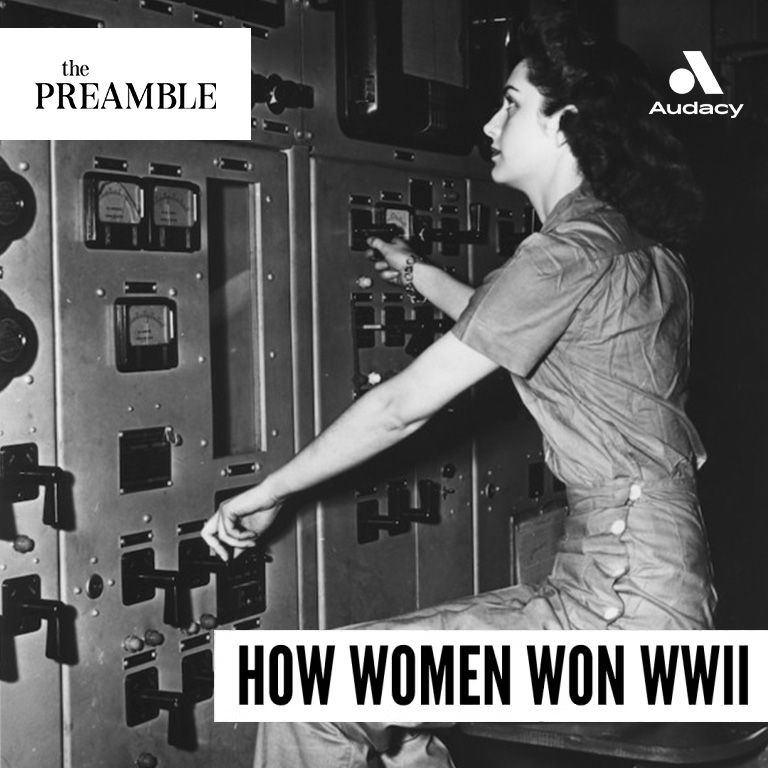
How Women Won WWII: The Booming Work of Women Scientists
6d ago00:31:46Summary readyIn a previous episode of our series, we had a conversation about the combined efforts of the Allied science community to beat Germany in the race to understand and build atomic weapons. It was a team effort, and you know what? We barely scratched the surface. Today, we’ll peek into the minds of some of the greatest women scientists during World War II.
Summary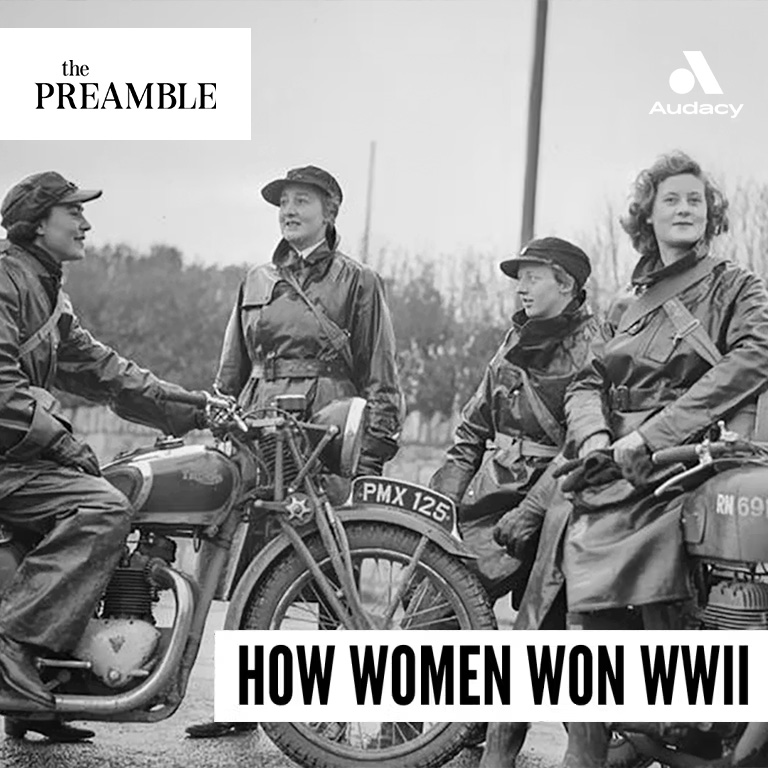
How Women Won WWII: British Wrens at War
2w ago00:29:14Summary readyLet’s head to Great Britain and learn about a military organization that recruited women into the war effort all across the country. Women volunteered in great numbers and, throughout the war, thousands of women participated. You might even call them…a flock.
Summary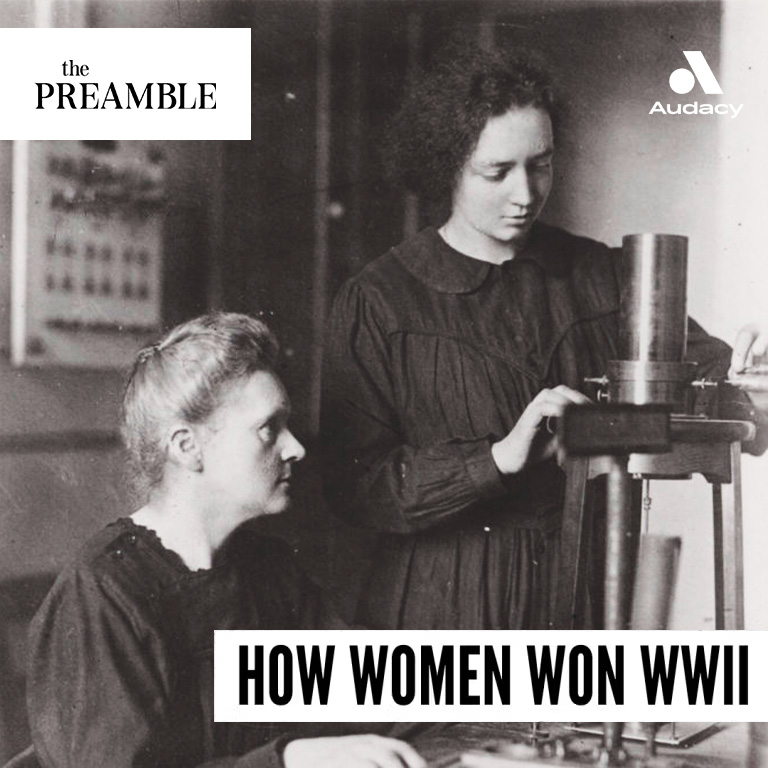
How Women Won WWII: By the Glow of Radium
3w ago00:34:08Summary readyHow did the United States successfully produce and detonate the first atomic bomb? That success happened through a combination of random events and intricately planned schemes that fed into the speeding train that was atomic technology. The U.S. pops up along those tracks, but the spark that would lead to the bomb began across the Atlantic.
Summary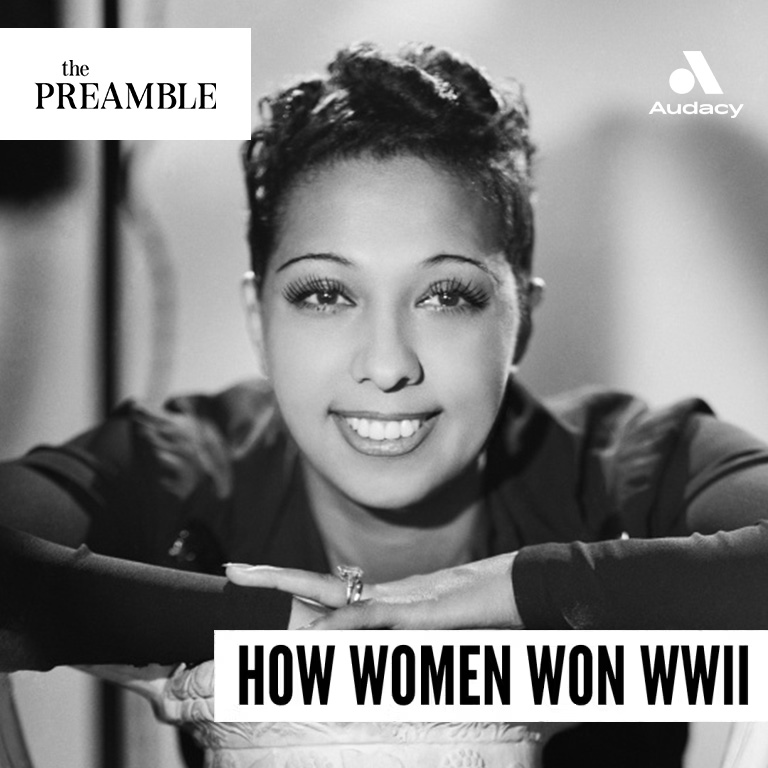
How Women Won WWII: A Starlette Spies for France with Josephine Baker
4w ago00:31:30Summary readyShe was a larger than life woman who utilized her fame and charm to secretly gather intel for the Allies during World War II. She put herself in danger, fought for freedom, saved countless lives… and she did it all while she shimmied her way across Europe in tiny sequined costumes. Join us while we learn about the one and only Josephine Baker.
Summary
How Women Won WWII: The Women of the Secret Cities
Jul 600:31:39Summary readyThe Manhattan Project. It was a top-secret program ran for three war-filled years and employed over 120 thousand people. Most of those people had no idea that they were working on one of the most powerful projects of all time: creating nuclear weapons.
Summary
How Women Won WWII: Rosie the Riveter Was Just the Beginning
Jun 2900:31:50Summary readyOver the next few weeks, we’ll explore the incredibly varied and complex roles women stepped into during World War II. No, they weren’t GIs. They didn’t land at the beach on Normandy on D-Day, or face military combat, but without a doubt, the roles they performed shaped the way the war was both fought and won.
Summary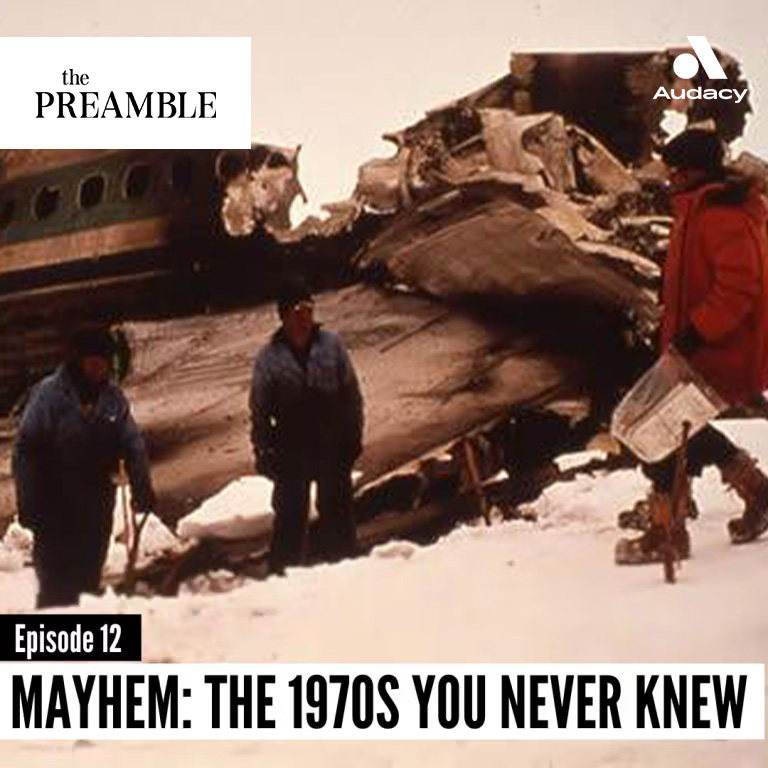
Mayhem: The 1970s You Never Knew, Episode 12
Jun 2200:34:14Summary readyIt was supposed to be a picturesque and luxurious sightseeing tour over Antarctica. One filled with wonder and awe, in a tour that had cultivated a reputation for giving passengers the “trip of a lifetime.” But what began as an adventurous flight near Mt. Erebus, the southernmost active volcano in the world, became one of New Zealand’s most catastrophic accidents. What really happened? And who was ultimately responsible? Meanwhile, President Carter had just lost the election to Ronald Regan, who announced the release of the hostages in Iran the same day he was inaugurated. Was this timing a coincidence, or did President Carter get a bad deal? Join us for the final episode of the series, Mayhem: The 1970s You Never Knew.
Summary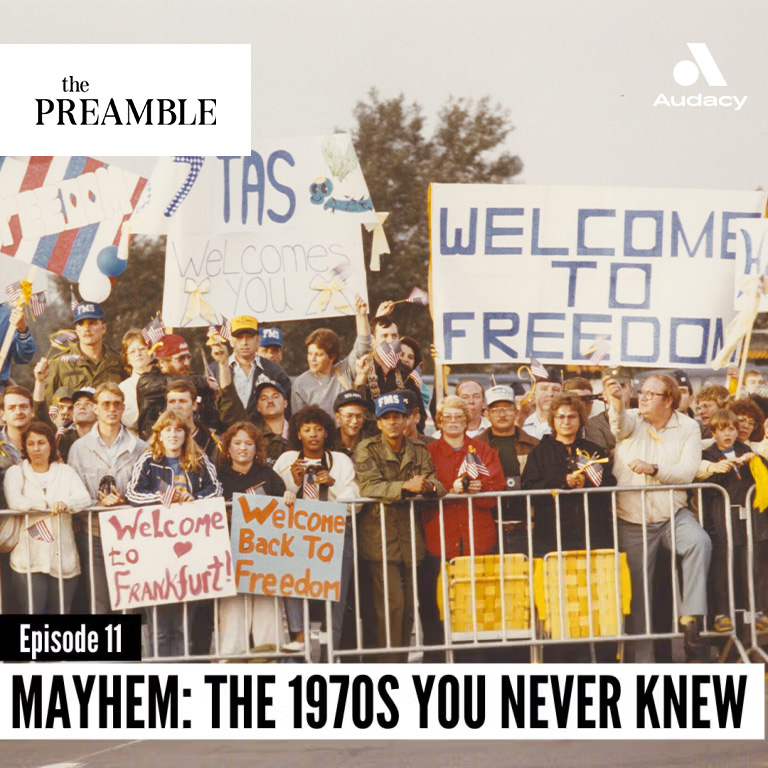
Mayhem: The 1970s You Never Knew, Episode 11
Jun 1500:38:01Summary ready“You are now leaving Iranian airspace!” It was a moment that dozens of hostages and their loved ones longed for with bated breath, for 444 days. Freedom. To be released, and returned home. The Iranian hostage crisis captured the attention of the world, but how did we get there? President Jimmy Carter was in Iran for a New Year’s celebration in 1978, and his infamous toast would have become a viral clip had it taken place today. Little did he know that days later, an Iranian newspaper article would set off months of cyclical rioting, protests, and ultimately the invasion of the U.S. Embassy in Tehran, with 66 Americans being taken hostage.
Summary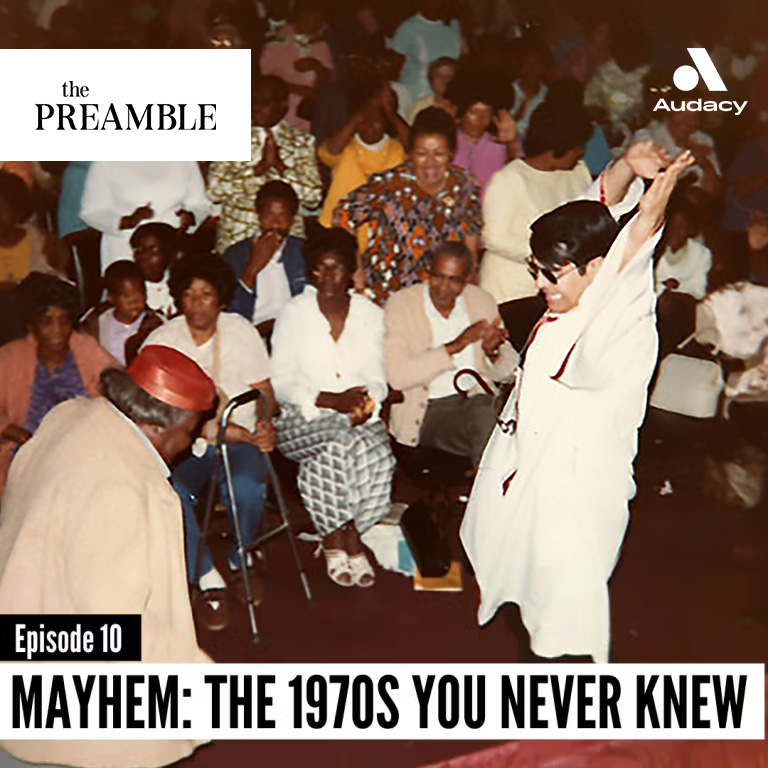
Mayhem: The 1970s You Never Knew, Episode 10
Jun 800:43:14Summary readyA religious leader with a raging drug addiction who led his following to a tragic end. A President with the hope of finding peace between Israel and Egypt. And a politician who was pivotal to the early LGBTQ+ rights movement, and lost his life in the process. Join us as we explore the stories of three men in 1978 who all had specific visions of the world, and the reality of those visions coming to fruition. If you’ve ever wondered where the term “Don’t drink the Kool-Aid” came from, or you want some context for what is happening in the Middle East, you’re in the right place. Content Warning: This episode contains subject matter that is not suitable for children.
Summary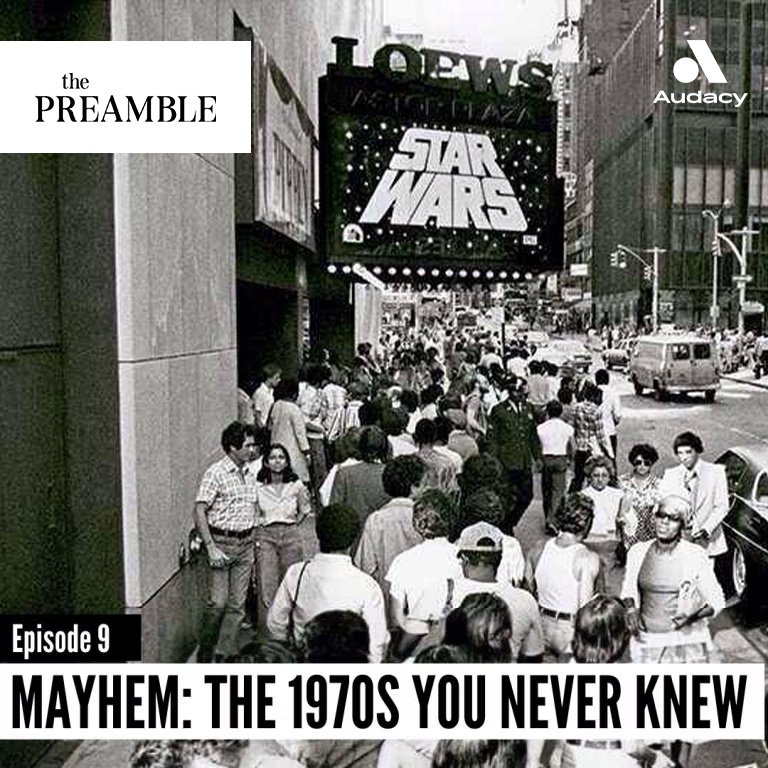
Mayhem: The 1970s You Never Knew, Episode 9
Jun 100:41:23Summary readyDid you know that Star Wars almost started a war in real life, over a sand crawler model? Would the film have been so wildly successful if someone else had been cast in the role of Han Solo, such as – let’s say – Christopher Walken? How would a band today be received if their drug use was so integral to their music, that they considered thanking their dealer in the liner notes? And let’s take that iPhone from your pocket and compare it to the speed of an Apple II computer in 1977, which was 3,000 times slower. Join us as we explore revolutionary cultural shifts in the late 70s, and how these phenomena have evolved in the last four decades.
Summary