
Podcast
Hidden History
Hosted by Ellis Tucci · EN
Hidden History is a bi-weekly podcast by Ellis Tucci that covers the unknown, and often intentionally hidden, parts of our history. Whether it's on the CIA’s secret armies, the Lavender Scare, or the end of history itself, Hidden History has you covered. Follow Hidden History on Twitter: https://twitter.com/HiddnHistoryPod or support the show on Patreon: https://www.patreon.com/hiddenhistorypod
11episodes
Episodes
Newest firstAll episodes
131: The Plot Against Democracy
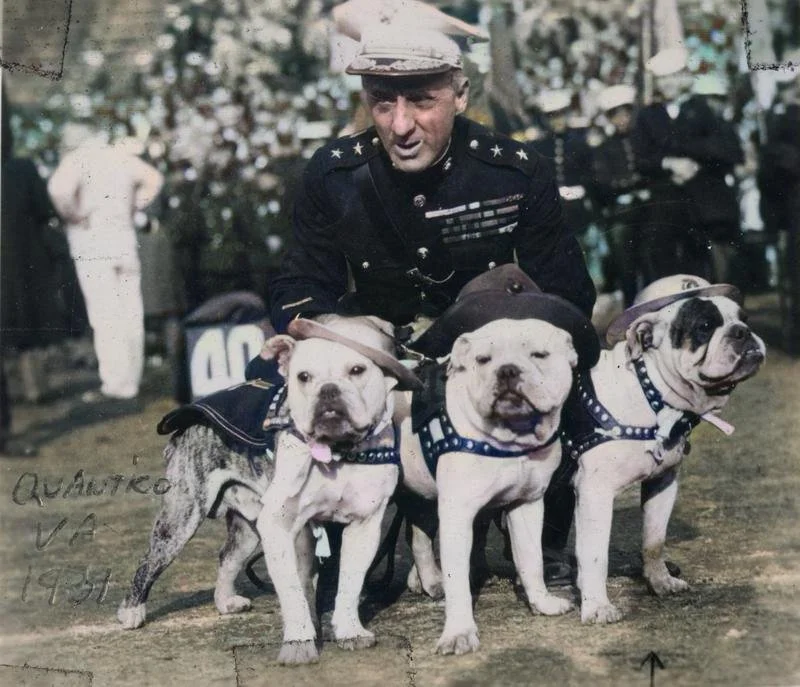
Dec 28, 202205:28:00Tap to summarizeIn July 1933, two mysterious men approached one of the most decorated soldiers in American history with what initially appeared to be a simple proposal. He didn’t know it at the time, but Major General Smedley Butler, whose prominent career mirrored the rise of the American Empire, was being recruited into a sordid plan to overthrow President Franklin Roosevelt, and bring fascism to the United States. In this episode, take a deep look at the rise and expansion of Imperial America, and the time we came within a hair’s breadth of losing democracy.Twitter: Link Patreon: LinkShirts and more: LinkSources and Further ReadingBooksThe Plot to Seize the White House, by Jules Archer: LinkGangsters of Capitalism: Smedley Butler, the Marines, and the Making and Breaking of America’s Empire, by Jonathan Katz: LinkMaverick Marine: General Smedley D. Butler and the Contradictions of American Military History: LinkWebsitesMcKinley and the Spanish-American War: LinkThe Signaling at Cuzco Well: LinkMarine Lieutenant Colonel Robert W. Huntington to Marine Colonel Charles Heywood, 6/17/1898: LinkBattle of Manila Bay, 1 May 1898: LinkTheodore Roosevelt, “The Strenuous Life” (10 April 1899): LinkTheodore Roosevelt: Confident Imperialist: LinkReview: Not so Benevolent Assimilation: The Philippine-American War: LinkMcKinley's Benevolent Assimilation Proclamation: LinkThe Insular Cases: A Comparative Historical Study of Puerto Rico, Hawai‘i, and the Philippines: LinkASKS GEN. BUTLER TO EXPLAIN SPEECH; Secretary Adams Calls for a Full Report on His References to Nicaraguan Policy. NAVY OFFICIALS SILENT Stimson Also Refuses Comment on the General's Reputed Remarks at Pittsburgh Dec. 5.: LinkMark Twain, To the Person Sitting in Darkness: LinkGunboat USS Petrel: LinkGunboat Callao: LinkThe Opium Wars in China: LinkYellow River Floods, Los Angeles Herald, Volume 26, Number 48, 17 November 1898: LinkGreat Flood of the Huang-Ho River: LinkWilhelm II: "Hun Speech" (1900): LinkMahan, a “Place in the Sun,” and Germany's Quest for Sea Power: LinkThe Liscum Bowl: LinkGeneral Jacob H. Smith & the Philippine War’s Samar Campaign: LinkThe Water Cure: LinkThe Lobby- The Creation of the Panama Canal, 1870-1914: LinkHepburn Suspects a Plot to Delay Building Canal: LinkBunau-Varilla, Russia, and the Panama Canal: LinkThe Strange Affair of the Taking of the Panama Canal Zone: LinkUSS Nashville (PG 7) and the Building of the Panama Canal: LinkA Roundtable on John M. Thompson, Great Power Rising: Theodore Roosevelt and the Politics of U.S. Foreign Policy: LinkThe New Japanese Treaty of Commerce and Navigation: LinkGentlemen’s Agreement of 1907-1908: LinkHemispheric Orientalism and the 1907 Pacific Coast Race Riots: LinkMuseum of the City of San Francisco, Japanese and Korean Exclusion League- 1906: LinkMerchants, Mining, and Concessions on Nicaragua's Mosquito Coast: Reassessing the American Presence, 1893-1912: LinkAmerican Policy in Nicaragua- Dawson Agreements—Brown Brothers Loan: LinkA Note on the Bryan-Chamorro Treaty and German Interest in a Nicaraguan Canal, 1914: LinkRiot at Cocoa Grove, Panama City, July 4, 1912: LinkThe Wilson Administration and Panama, 1913-1921: LinkThe Minister of the Netherlands to the Secretary of State- Determining Indemnities Owed to the United States by Panama: LinkCANAL IS OPENED BY WILSON'S FINGER; Gamboa Dike Blown Away as President in Washington Presses Button.: LinkU.S. ambassador plots against Mexican president, Feb. 16, 1913: <a href="https://www.politico.com/story/2019/02/16...
Transcribe →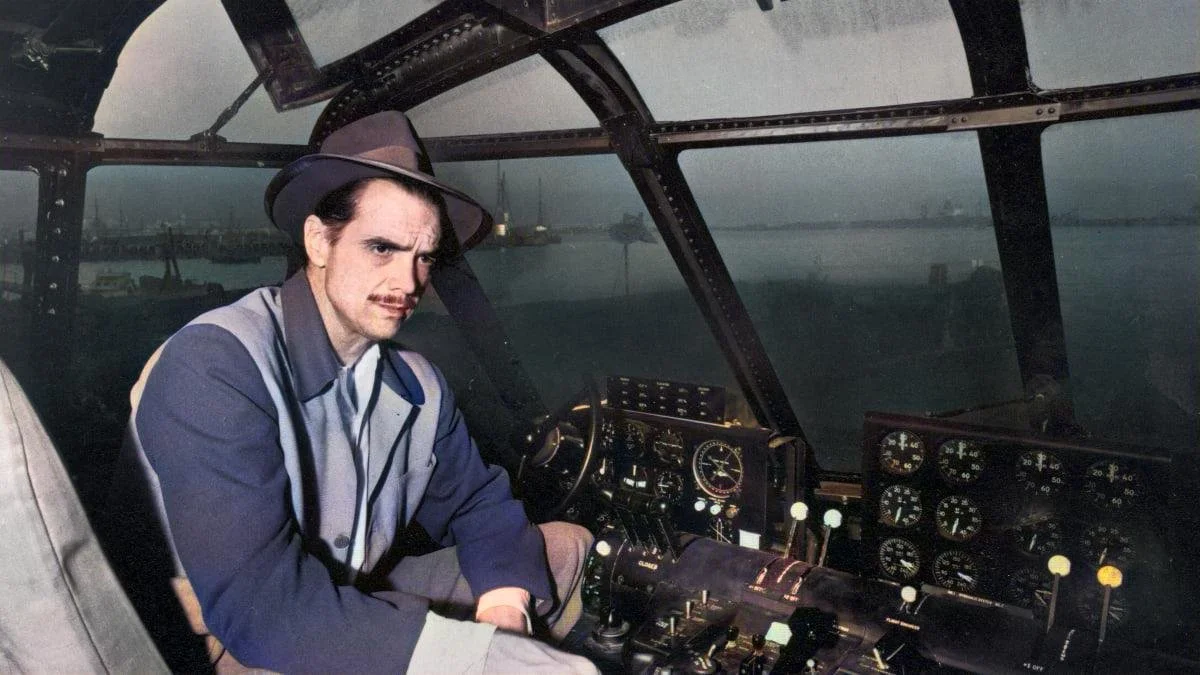
130: The Howard Hughes Blues
Jul 14, 202204:24:21Tap to summarizeOn April 5, 1976, the richest man in the world died of medical neglect on board a jet bound for Houston. At the time of his death, Howard Hughes had not been seen in public for nearly twenty years. With a massive fortune that enabled his worsening mental disorders, Hughes, once famous the world over, receded from the public eye, and for the last decades of his life, ruled a vast and often unsuccessful business empire confined entirely to his bed. In time the expansive and opaque system that Hughes engineered to ensure his own isolation grew out of his own control, and as he sat in his penthouse, seeing only seven people in fifteen years, an army of self serving executives made decisions on his affairs entirely without his knowledge. While Hughes seemed to lose money on every transaction, he made a lot of his employees and their friends very wealthy. This story is a tragedy- the tale of a man who was both created and destroyed thanks to his proximity to great wealth, culminating in his own death in conditions so deplorable his corpse had to be identified via fingerprint by the FBI. In his 70 years, Howard Hughes can certainly be said to have left a colorful mark on American history. This is that story.Twitter: Link Patreon: LinkShirts and more: LinkSources and Further ReadingBooksHoward Hughes: His Life and Madness: LinkHoward, the Amazing Mr. Hughes: LinkHughes: The Private Diaries, Memos and Letters: LinkHoward Hughes: Power, Paranoia, and Palace Intrigue, Revised and Expanded: LinkWebsitesHoward Hughes Lives: LinkA Peek Into the Mind of Howard Hughes: LinkThis Day in Aviation History, April 17, 1944: LinkHoward Hughes Memo Disclosed In Controversy Over Gift to Nixon: LinkThe Secret Memos of Howard Hughes: LinkThomas Quits Post As Chief of T.W.A.; Charles S. Thomas Resigns Post As Trans-World Airlines Chief: LinkHughes’ Neighbor Fed Up, Leaves Hotel in London: LinkHughes and 4 Associates Indicted in Air West Case: LinkHughes Estate Agrees to Pay Airline's Stockholders $30 Million: LinkPrize-Winning 'Muckraker' Jack Anderson Dies: LinkSUSPECT GIVES UP IN HUGHES THEFT: LinkHoward Hughes at the End: Contradictions in Accounts: LinkJury Divvies Howard Hughes' Fortune After an Heir Raid in Texas Court: LinkMusicHoward Hughes’ Blues, performed by John Hartford: Link
Transcribe →
129: RFK Must Die
May 15, 202200:53:52Tap to summarizeOn June 5, 1968, Robert Kennedy was gunned down in the back room of a hotel kitchen just minutes after it seemed he had secured the 1968 Democratic nomination for President. The man changed with, and sentenced to death for, Kennedy’s murder was a 24 year old Palestinian American named Sirhan Sirhan. From the very beginning, it was clear that something was wrong with official story. In this episode, we dive deep and reexamine the evidence of the case to determine who really killed Robert Kennedy.Twitter: Link Patreon: LinkShirts and more: LinkSources and Further ReadingWho Killed Robert Kennedy? | Al Jazeera World: LinkThe Second Gun: LinkJune 5, 1968: Robert F. Kennedy's last speech: LinkThe Bobby Kennedy assassination tape: Were 13 shots fired or only 8?: LinkPease, Lisa. A Lie Too Big to Fail: The Real History of the Assassination of Robert F. Kennedy. United States: Feral House, (n.d.).Did L.A. police and prosecutors bungle the Bobby Kennedy assassination?: LinkNew Evidence Implicates CIA, LAPD, FBI and Mafia as Plotters in Elaborate “Hit” Plan to Prevent RFK From Ever Reaching White House: LinkNew evidence challenges official picture of Kennedy shooting: LinkRFK Assassination Witness Denies Recanting ‘Polka Dot Dress’ Story: LinkMan gets 8-year sentence on weapons charge: LinkThe Robert Kennedy Assassination: Link
Transcribe →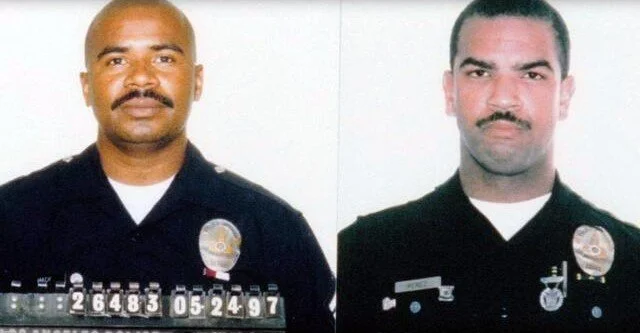
128: CRASH!
Apr 3, 202200:27:07Tap to summarizeHow did a shootout between two undercover cops on an LA freeway in 1997 lead to the discovery, and subsequent coverup, of one of the largest and most sinister networks of police crime and corruption in modern American History? Learn about Kevin Gaines, Suge Knight, Versace shirts, bank robberies, drug dealer cops, the Rampart Scandal, and more in this episode of Hidden History.Twitter: Link Patreon: LinkShirts and more: LinkSources and Further ReadingPBS, Rampart Scandal Timeline: LinkPBS, The Outcome Of Rampart Scandal Investigations: LinkThe Murder of the Notorious B.I.G.: LinkCop Shoot Cop: Link4 Officers Back Tales of Parties After Shootings: LinkRafael Perez’s Statement to the court: LinkMugshots: Rafael Perez - LAPD's Notorius Cop: LinkLAPD Detective Frank Lyga on Killing Police Officer Kevin Gaines: LinkEx-LAPD Officer Sentenced in Bank of America Robbery - Los Angeles Times: LinkEx-LAPD Officer Is Stabbed in Prison - Los Angeles Times: Link2nd-Oldest Barracks in U.S. Closes : Marines Won't Be Defending Maine Anymore - Los Angeles Times: LinkA Brief History of the Consent Decree: Link
Transcribe →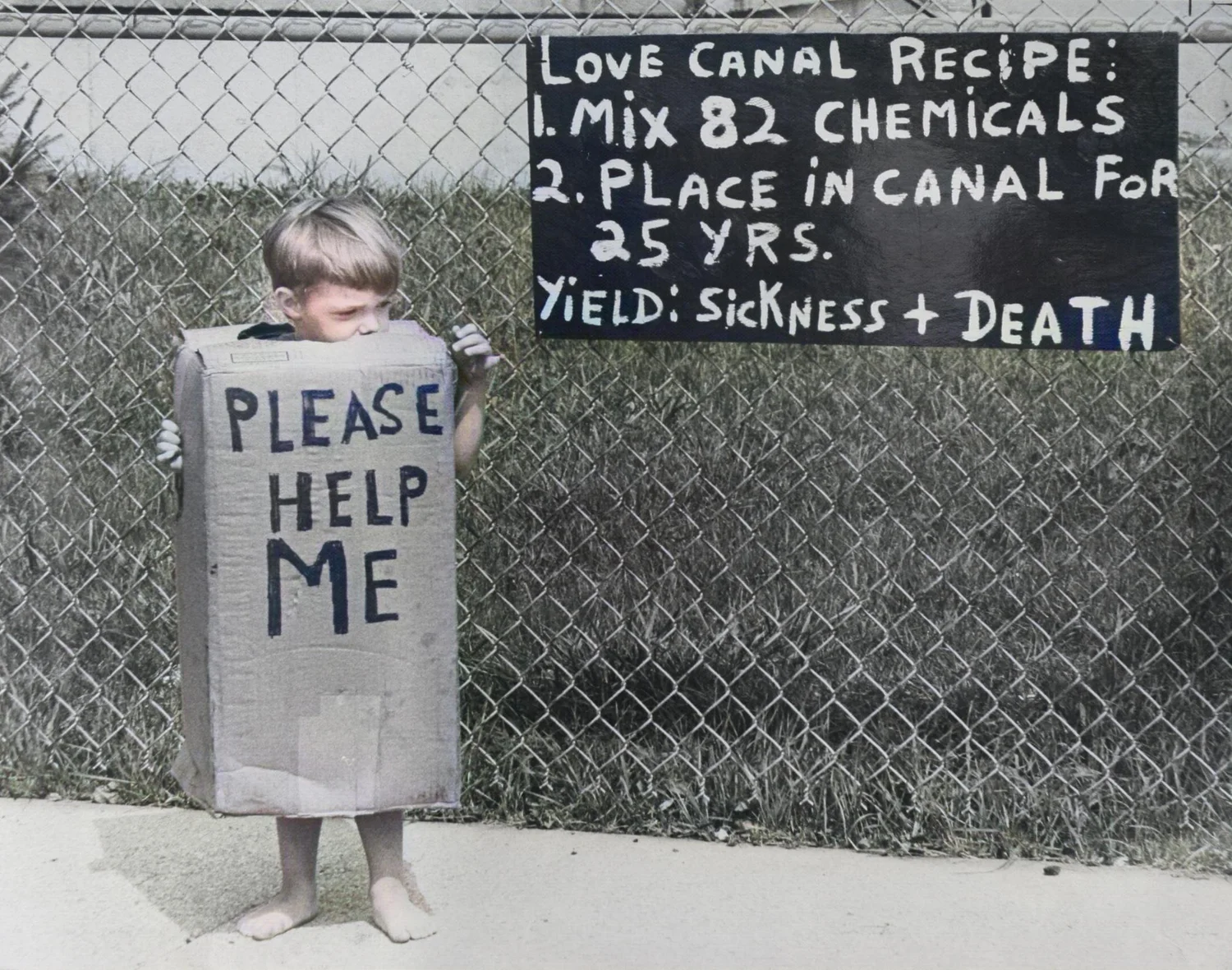
127: Love Canal
Mar 20, 202200:26:20Tap to summarizeWhat happens when your home is built on top of 20,000 tons of toxic chemical and radioactive waste? What about the park? The playground? Your child’s school? These questions were all too real for the residents of one sleepy Niagara Falls suburb, little they know they were in the fight of their lives. Learn more about the Love Canal disaster in this week’s episode.Twitter: Link Patreon: LinkShirts and more: LinkSources and Further ReadingMaking Love Canal: LinkLove Canal & Lois Gibbs 35 Years Later: LinkABC News Close-Up: The Killing Ground (1979): LinkResidents say Love Canal chemicals continue to make them sick: LinkA history of the Love Canal disaster, 1893 to 1998: LinkThere’s No Love Lost for Entrepreneur Who Envisioned Model City: LinkThe International Boundary Water Treaty: LinkLove Canal - Public Health Time Bomb: LinkLove Canal: A Special Report to the Governor & Legislature: April 1981: LinkLawsuits: Love Canal still oozes 35 years later: Link
Transcribe →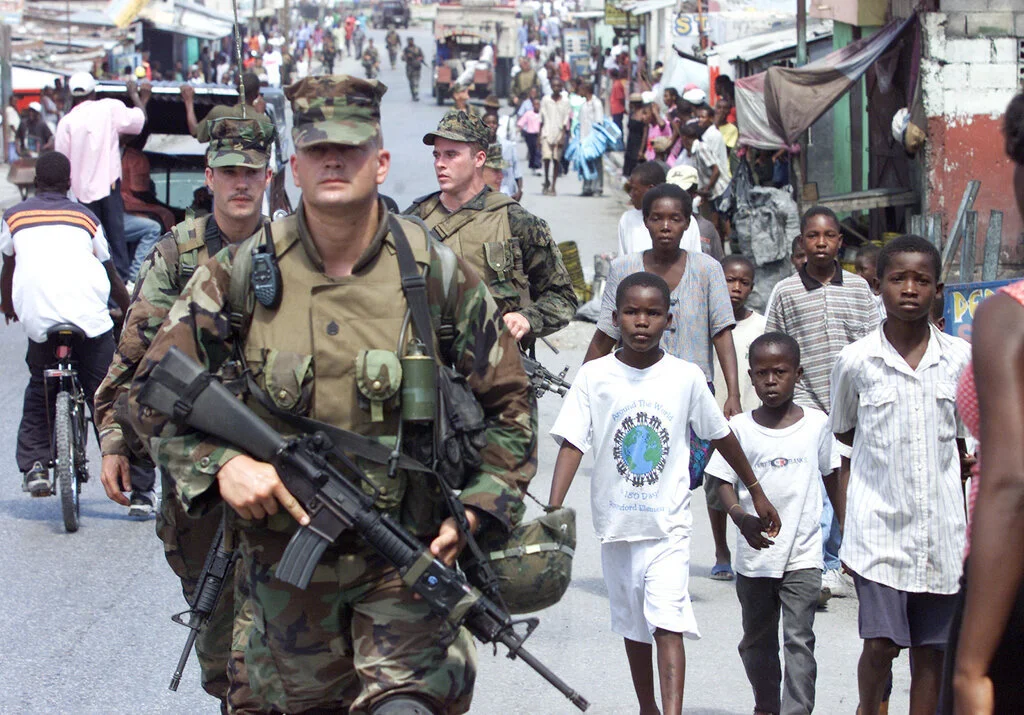
126: Operation Secure Tomorrow
Mar 6, 202200:17:13Tap to summarizeOn February 29, 2004, American troops landed in Haiti to depose the country’s first democratically elected president. Who was Jean-Bertrand Aristide, why was he overthrown by two (2) US-backed coups, and what role does it play in the context of greater US-Haiti relations?Twitter: Link Patreon: LinkShirts and more: LinkSources and Further ReadingLest we forget the Ottawa Initiative on Haiti: LinkNew documents detail how Canada helped plan 2004 coup d’état in Haiti: LinkThe other regime change: LinkA Haitian Leader of Paramilitaries Was Paid by C.I.A.: LinkReparation day: LinkAn Interview with Jean-Bertrand Aristide: LinkU.S. is Still Undermining Haiti: LinkBush’s man for Cuba author of the Haitian disaster: LinkHaiti Human Rights Investigation: November 11-21, 2004: LinkThe 2004 coup d’état in Haiti: Canada’s legacy: LinkAristide says U.S. deposed him in 'coup d'etat': LinkAristide accuses U.S. of forcing his ouster: LinkIn Haiti: LinkAn Interview with Robert Fatton: Link25 Years After 'Operation Uphold Democracy,' Experts Say the Oft-Forgotten U.S. Military Intervention Still Shapes Life in Haiti: Link
Transcribe →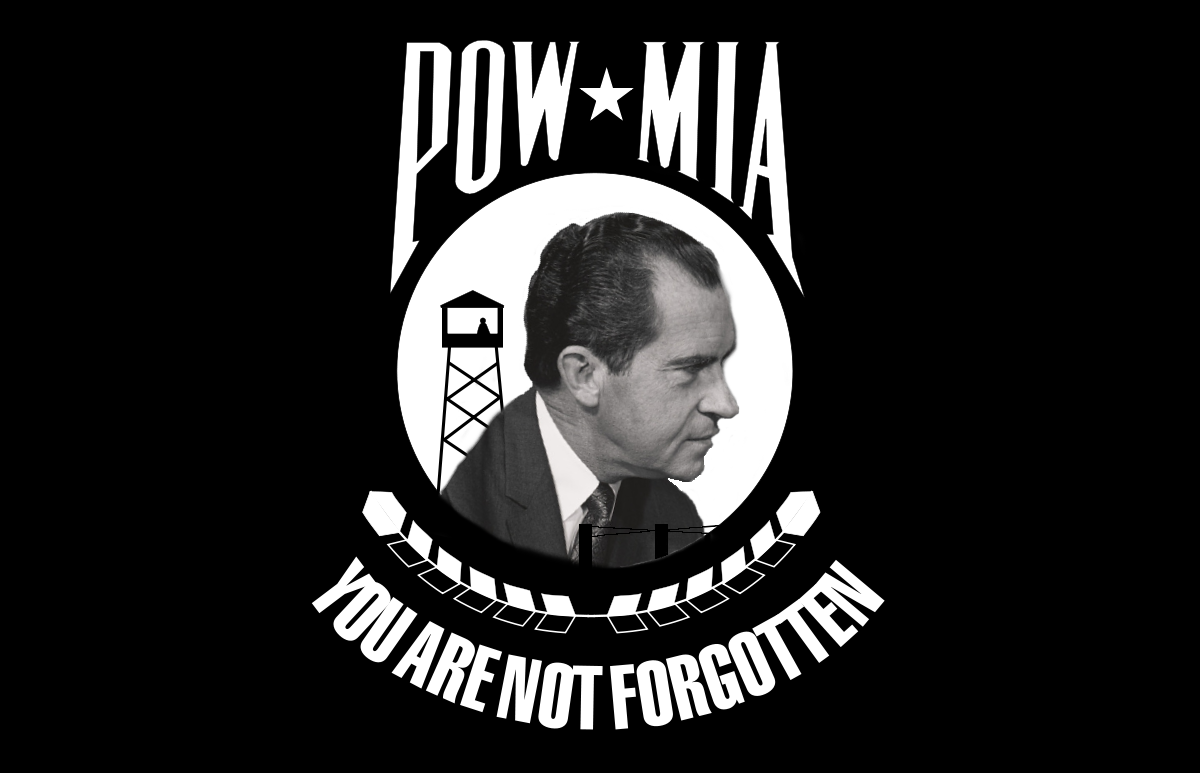
125: POW MIA
Feb 6, 202200:22:07Tap to summarizeYou’ve seen it- a black flag bearing the silhouette of a forlorn prisoner, emblazoned with the letters POW MIA. The enduring myth of the missing Vietnam POWs, symbolized by this flag, is a conspiracy theory that has persisted into the current day, but its roots can be traced back to the political schemes of Richard Nixon. What’s the story behind the POW MIA flag and the right wing mass movement that inspired it? Twitter: Link Patreon: LinkShirts and more: LinkSources and Further ReadingThe Enduring Cult of the Vietnam ‘Missing in Action’: LinkThe Story Behind the POW/MIA Flag: LinkThe Myth of the Lost POWs: LinkPrisoners of hope : exploiting the POW/MIA myth in America: LinkThe Vietnam myth that gave us all those ‘Rambo’ movies: LinkDefense POW/MIA Accounting Agency: LinkReview: Nixon as Madman: LinkVIETNAM: The Other Prisoners: LinkAmericans Missing In Southeast Asia, Final Report: LinkColonel Gritz's Dubious Mission: Link
Transcribe →
124: Church Rock
Jan 23, 202200:19:18Tap to summarizeOn July 16, 1976, the worst nuclear accident in American history- the second worst in the world- took place at a uranium mill in Navajo Nation. 94,000,000 gallons of nuclear sludge, and over 1000 tons of uranium tailings rushed into the Puerco River when an dam failed at the United Nuclear Corporation’s Church Rock Mine. Though the disaster poisoned thousands of Navajo people in the surrounding areas, contaminating hundreds of square miles with cancer causing radioactive waste, the victims were given $2000 each and left to die. UNC would go on to clean up just 1% of the spill, and to this day 85% of the radiation remains. What was the Church Rock Mill disaster, and why have you probably never heard of it?Twitter: Link Patreon: LinkShirts and more: LinkSources and Further ReadingNavajos Battle for Environmental Justice, Church Rock Spill: LinkForgotten nuclear accident in Church Rock: LinkRemembering the largest radioactive spill in U.S. history: LinkChurch Rock, America’s Forgotten Nuclear Disaster, Is Still Poisoning Navajo Lands 40 Years Later: LinkOn Poisoned Ground: LinkNavajo Nation: Cleaning Up Abandoned Uranium Mines: LinkUranium Processing: LinkA Brief History of: The Church Rock Uranium Mill Disaster (Short Documentary): LinkHow the US poisoned Navajo Nation: LinkUNC Resources At Odds With New Mexico Over Uranium: LinkNortheast Church Rock Mine: Link
Transcribe →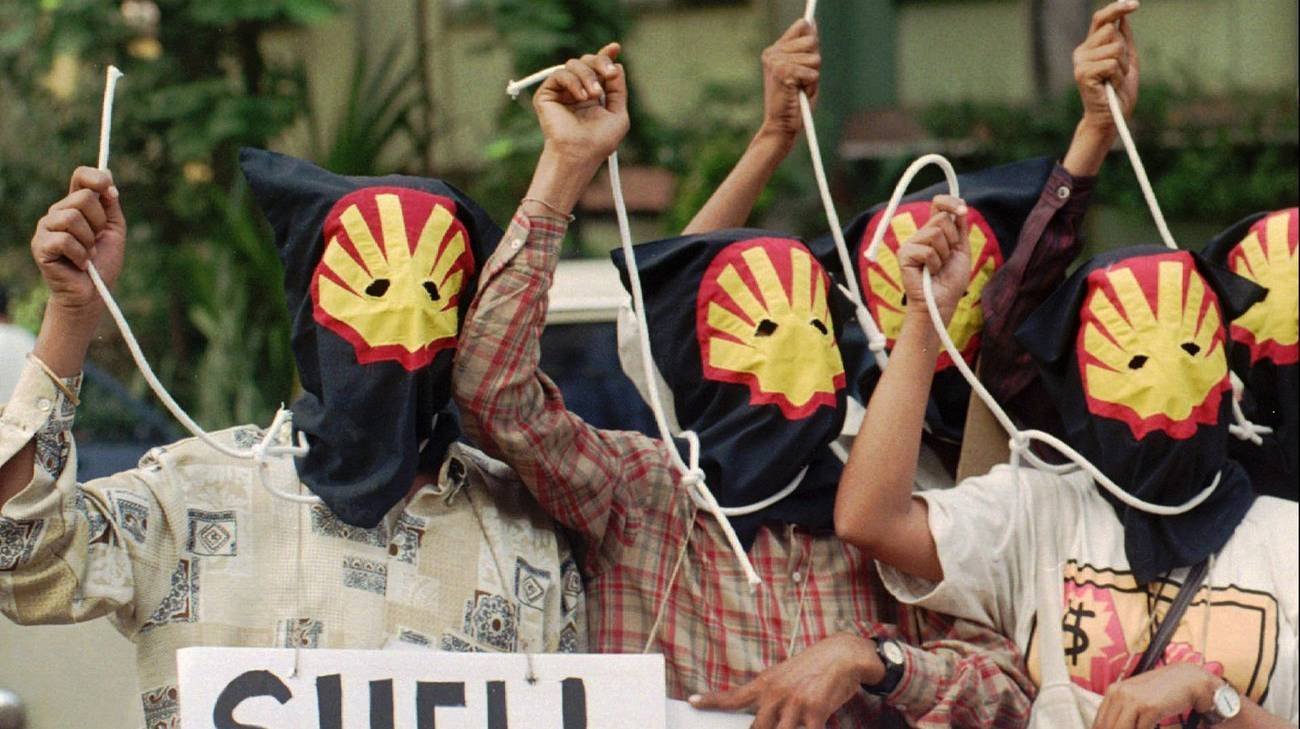
123: The Ogoni 9
Dec 6, 202100:19:57Tap to summarizeOn November 10, 1995, the government of Nigeria, at the urging of Royal Dutch Shell, executed nine environmental and indigenous rights activists known as the Ogoni 9. They had fought nonviolently to protect their ancestral home: a 400 square mile area of the Niger River Delta known as Ogoniland, which had been turned into hell on earth by decades of oil extraction. Who were the Ogoni 9, how did they fight back, and has there been any justice for these terrible crimes?Twitter: Link Patreon: LinkShirts and more: LinkNigeria: Ogoni 9 activists remembered 25 years on: LinkRemembering Nigeria’s Ogoni 9, Murdered for Their Organizing Against Shell: LinkNigeria: Shell complicit in the arbitrary executions of Ogoni Nine as writ served in Dutch court: LinkDutch court will hear widows' case against Shell over deaths of Ogoni Nine: LinkThe Case Against Shell: The Hanging of Ken Saro-Wiwa: LinkThe final Trial of Ken Saro-Wiwa: LinkFaces Of Africa Ken Saro-Wiwa: All For My People: LinkLong-term effects of oil spills in Bodo, Nigeria: LinkKen Saro-Wiwa / Movement for the Survival of the Ogoni People: LinkCleaning up Nigerian oil pollution could take 30 years, cost billions – UN: LinkOgoni Bill of Rights: LinkKen Saro-Wiwa trial proceedings to resume without adequate legal defense: LinkTHE KEN SARO-WIWA TRIAL: A JUDICIAL TRAVESTY THAT MADE NIGERIA A COMMONWEALTH PARIAH: LinkIt took five tries to hang Saro-Wiwa: LinkKen-Saro Wiwa Killer Judge Becomes Acting Chief Judge Of Nigeria: Link
Transcribe →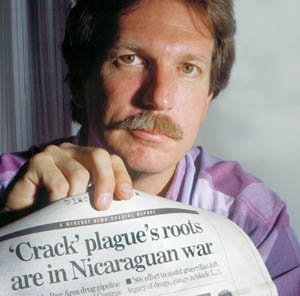
122: Dark Alliance
Nov 21, 202100:26:07Tap to summarizeIn August 1996, investigative reporter Gary Webb published a series of three articles that shined light on a vast network of international cocaine smuggling that had both caused to crack epidemic, and was sanctioned by the CIA. Though his reporting was meticulous and factual, major newspapers engaged in a massive campaign to discredit him and his work, culminating in Webb’s blacklisting from journalism followed by a tragic end. How was the CIA involved in the crack trade, what was Dark Alliance, and why was it suppressed? Find out in this episode.Twitter: Link Patreon: LinkShirts and more: LinkSources and Further ReadingSay Hello to Rick Ross: LinkDark Alliance, Part I, America's 'crack' plague has roots in Nicaragua war: LinkDark Alliance, Part II, Shadowy origins of 'crack' epidemic: LinkDark Alliance, Part III, War on drugs has unequal impact on black Americans: LinkHow the CIA Watched Over the Destruction of Gary Webb: LinkCIA-Contra Crack Cocaine Controversy, Chapter 2, Part I: LinkCIA Reading Room, Managing a Nightmare: CIA Public Affairs and the Drug Conspiracy Story: LinkGary Webb: In His Own Words (2002) | CIA Cocaine Dark Alliance: LinkFreeway Rick Ross Interview About CIA Involvement: LinkWritten in Pain: Link
Transcribe →