
Podcast
Highway 62
Hosted by Danny Thompson · EN
Highway 62, from Morongo Valley, up through Yucca Valley, Joshua Tree and finally Twenty Nine Palms, is home to an eclectic mix of businesses, people and stories. This weekly podcast hosted by Face to Face drummer and resident of Twenty Nine palms, Danny Thompson, brings you their stores and highlights what this famous stretch of desert road has to offer.
22episodes
Episodes
Newest firstAll episodes
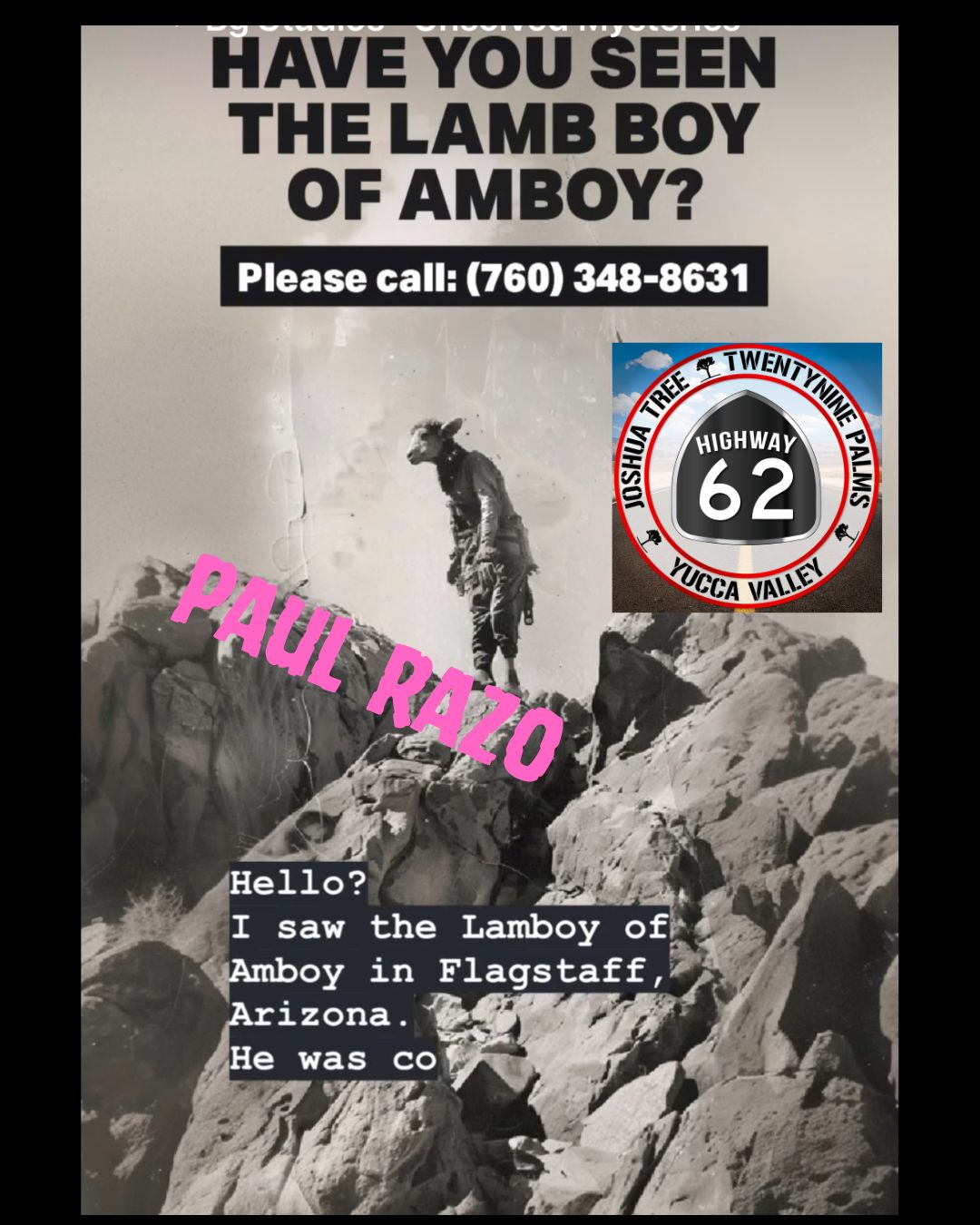
The Lamboy Of Amboy With Paul Razo
Aug 9, 202500:20:46Tap to summarizeSummary In this episode of the Highway 62 Podcast, host Danny Thompson interviews Paul Razo, a multifaceted entrepreneur and community leader in 29 Palms. Paul shares his journey from graphic design to user experience, his involvement in local charities, and his role in revitalizing the Historic Plaza. He discusses the Public Arts Advisory Committee's efforts to enhance the city's artistic landscape and introduces the quirky folklore of the Lamb Boy of Amboy, a creative project that has captured the community's imagination. The conversation highlights the importance of community events and the challenges faced in securing funding for local initiatives. https://www.thehistoricplaza.org/ https://www.instagram.com/mojavesaints/
Transcribe →Daniel Pyne and Brian Townsley- Twentynine Palms- The book
Aug 4, 202500:44:32Tap to summarizeSummary In this episode of the Highway 62 podcast, host Danny Thompson welcomes author Daniel Pyne and Brian Townsley to discuss their works, particularly focusing on Pyne's novel '29 Palms'. The conversation explores the journey of the book, the unique setting of 29 Palms, the role of small presses in modern publishing, and the impact of corporate influence on storytelling. They also touch on the importance of authenticity in storytelling, the upcoming 29 Palms Book Festival, and the evolution of serialized storytelling in television. Chapters 00:00 Introduction to the Guests and Their Works 02:41 Exploring '29 Palms' and Its Journey 08:12 Researching the Desert and Its Influence 10:15 The Unique Community of 29 Palms 14:51 The Role of Starlight Pulp and Indie Publishing 19:41 The Changing Landscape of Storytelling 27:44 The Success of Bosch and Authentic Storytelling 34:40 The 29 Palms Book Festival and Community Engagement
Transcribe →Moto Adventure Tours With George Gutenburg
Jul 24, 202500:20:06Tap to summarizeJoin Danny Thompson on the Highway 62 Podcast as he chats with George Gutenberg, the mastermind behind Moto Tour Adventures and Desert Motorcycle Rentals. Nestled between 29 Palms and Joshua Tree, George shares his journey from architectural photographer to motorcycle enthusiast, offering guided tours on electric mopeds through the stunning landscapes of Joshua Tree. Discover the thrill of two-wheel adventures, the unique experience of riding in nature, and how George's passion for motorcycles became a thriving business. Whether you're a local or a tourist, this episode is a must-listen for anyone looking to explore the open road. Tune in for an inspiring conversation about the freedom and mindfulness that comes with riding. https://motoadventuretours.com/contact-us Danny Thompson (00:01.422) All right, George Gutenberg, thanks so much for joining me here on the Highway 62 Podcast. How are you today? George Gutenberg (00:07.89) I'm doing great. Thanks for having me. Danny Thompson (00:09.87) Oh, my pleasure. And you are the owner. We're kind of talking about two businesses here along Highway 62. You're kind of right between 29 and Joshua Tree. You have Moto Tour Adventures and Desert Motorcycle Rentals. And, you know, I apologize to any of the listeners if we end up geeking out too much on this stuff because this is totally right up my alley motorcycles and bicycles. So. George Gutenberg (00:27.352) All right. Danny Thompson (00:37.574) We'll have to try to like limit ourselves from getting you know to down the rabbit hole of that stuff. But you know we'll talk about both of your businesses and all that good stuff. But you know first why you just tell us a little bit about yourself and you know how you came to be. George Gutenberg (00:37.782) Yeah. George Gutenberg (00:54.168) Well, that's a long story given how old I've gotten. But having said that, yeah, I've been a motorcycle rider my entire life, essentially, and always been a big part of me. It's the only way I know how to turn my head off is get onto a wheels and focus on what I'm doing. But yeah, so we started out as being a motorcycle rental company about, I guess, six years ago now, down in the valley in Palm Desert. and we got him to start doing some guided tours as well and then I came across these electric mopeds. about a year and a half ago or something like that, that are two-wheel drive. So they have a motor on each wheel. So they're really suitable for going off-highway, off-pavements. So we decided, know what, maybe we'll incorporate some of that into doing rentals or guided tours. So that's how we kind of came about and decided to get up on Highway 62. So we're a little closer to the park entrance and all that stuff. So that is what we're doing now. We're doing guided tours up in Joshua Tree in the park using the electric mopeds. Danny Thompson (02:01.101) Cool. George Gutenberg (02:01.529) big part of our business. Now that was really the focus when we came up to Joshua Tree itself. Danny Thompson (02:05.131) Yeah, are you from the area? What's your background prior to this? George Gutenberg (02:10.823) Well, I'm actually an architectural photographer by trade. So I retired from that a few years ago and decided, well, retirement is not for me. Never swung a golf club in my life, so I'm not about to start doing it now, right? So I wanted to do something that I kind of enjoyed, which obviously is them motorcycles. I had too many of them anyways, so I decided to get into the rental business and all that stuff. Danny Thompson (02:14.166) Okay. Danny Thompson (02:33.043) There's you can't have too many motorcycles. That's just not you always want another one. George Gutenberg (02:35.649) Well, I know that's kind of been my, yeah, that's what I've always kind of hid behind also. I don't know that it's really working that well, Danny Thompson (02:45.121) What's the, what is the first motorcycle you ever had? George Gutenberg (02:50.999) 1971 Harley-Davidson. Yeah. Danny Thompson (02:53.615) wow, okay. Did you start, were you riding dirt bikes as a kid or anything like that? George Gutenberg (03:00.651) I rode that dirt mopeds when I was a kid. Danny Thompson (03:03.597) And it was at again out. Are you from kind of the Southern California? OK. Gotcha. All right. Where in Sweden? Gotcha. OK, gotcha. I've played I play in a band. I've played a festival in Gothenburg. I'm not sure. I'm sure I'm saying it wrong, but yeah, loved it. Love Sweden. George Gutenberg (03:09.463) No, from Sweden originally. Yeah. But I've been here a very long time, so... Stockholm area. Yeah, yeah. George Gutenberg (03:28.363) huh. Yep. Yep. Mm-hmm. boy, is there ever. I'm very happy to be in sunshine and palm trees. The whole overcast and the six months of not seeing the sun doesn't work for me very well. Danny Thompson (03:33.069) Okay, awesome. Quite a difference in weather between Sweden and the high desert. Danny Thompson (03:41.842) Right. Yeah, that's always my struggle as well when I, you know, I tend to end up somehow get lucky and I visit, you know, when I was in Gothenburg, like it was a beautiful summer day, you know, and you always think about it that way. And then I go, okay, I know, you know, I've been to the UK and I've been to Europe when it's in the winter time and the sun's going down at three in the afternoon and I can't do it. You know? Yeah. So, George Gutenberg (03:58.092) Uh-huh. George Gutenberg (04:03.507) yeah. George Gutenberg (04:07.276) Yep. I hear you. I feel the same way. Danny Thompson (04:14.605) Tell us a little bit about the guided motorcycle tours that you were doing prior to the electric bikes. George Gutenberg (04:19.105) Mm-hmm. Yeah, we don't necessarily do long distance type of stuff, although, you know, if we do a custom tour for somebody that kind of dictates how long they want to be out, etc. But we have given ones that we do like, you know, going up to, you know, go and do the whole Joshua tree loop, for example, was really popular when we're operating out of Palm Desert. Same thing going up Highway 74, obviously up to Idlewild, etc. Everybody loved that. Who doesn't like Highway 74, right? Danny Thompson (04:32.684) Yeah. Danny Thompson (04:47.923) Okay, yeah, that's beautiful ride. Yeah. Yeah, yeah, yeah. George Gutenberg (04:52.215) And also we did a lot of Anza Marego that way out also through the Salton Sea, cetera, going around the whole big loop there. So, and there were people that wanted to go to Temecula. There's all kinds of places that people want to kind of go see, depending on where they're from. You know, a lot of people that we had have never been out on the West Coast. So they wanted to do all kinds of different things. So, but yeah, that's how it kind of started out getting in the guided tour thing. The guide that Danny Thompson (05:08.897) Yeah. Danny Thompson (05:18.753) Are those, do you stay, are they mostly on road tours or do you do like off road into the Mojave Desert type stuff or? George Gutenberg (05:22.357) Yeah, yes. Well, we do some of that. However, seems our experience has been a lot of people that are off-road riders that are not from California have no idea what sand is and how deep it is and how difficult it is to ride in. Danny Thompson (05:36.641) Yeah. Yeah. I was, that's exactly what I was thinking. George Gutenberg (05:44.471) Yeah, so we've had quite a few people that said, oh yeah, yeah, I can write in anything. And it turns out that's not necessarily the case. So they struggle a little bit. But yeah, we do some dual sports towards all of those things. Danny Thompson (05:51.094) Yeah. Gotcha. When I, when I moved out to this area, I, you know, I grew up in Chicago and I was living in Orange County for about 20 years. and then moved out here about four or five years ago. And when I first got out here, I just had my, my Triumph Tiger. And, know, that was my primary bike, but I quickly realized like, okay, I can't, I, I cannot ride, you know, I know there are guys that can ride the adventure bikes in the sand. George Gutenberg (06:12.139) Yeah. Danny Thompson (06:19.241) I can't do it very well, so I bought myself a little KLX 300. And I've thought about that. George Gutenberg (06:23.383) Uh huh. A lot easier. Danny Thompson (06:26.581) yeah, you know, put some really aggressive tires on there and I just, you know, just forced myself to just get out there and just kind of watched a bunch of videos and just started learning and, you know, getting better and better and better to now where I'm actually pretty darn comfortable in the sand. which, you know, certainly makes your ride so much more enjoyable, but you know, I'd thought about that with, you know, I had even thought about, you know, guiding some tours in the Mojave and stuff like that. Because I see so many adventure riding bikes, you know, coming down 62 when I'm at Starbucks or getting gas. And I think, man, you know, those guys are all kitted up. But I know that most of them are not going off the street on those bikes, you know. But then I always come back to this. What you just said, which is even if you provided them a smaller, you know, bike to do the ride on, most of most people, they're just going to struggle so much in that sand that it's. George Gutenberg (06:54.135) Mm-hmm. George Gutenberg (06:59.958) yes. yeah. Danny Thompson (07:21.751) probably not going to be very enjoyable for them and you know, potentially too many crashes and you know, and things like that. So...
Transcribe →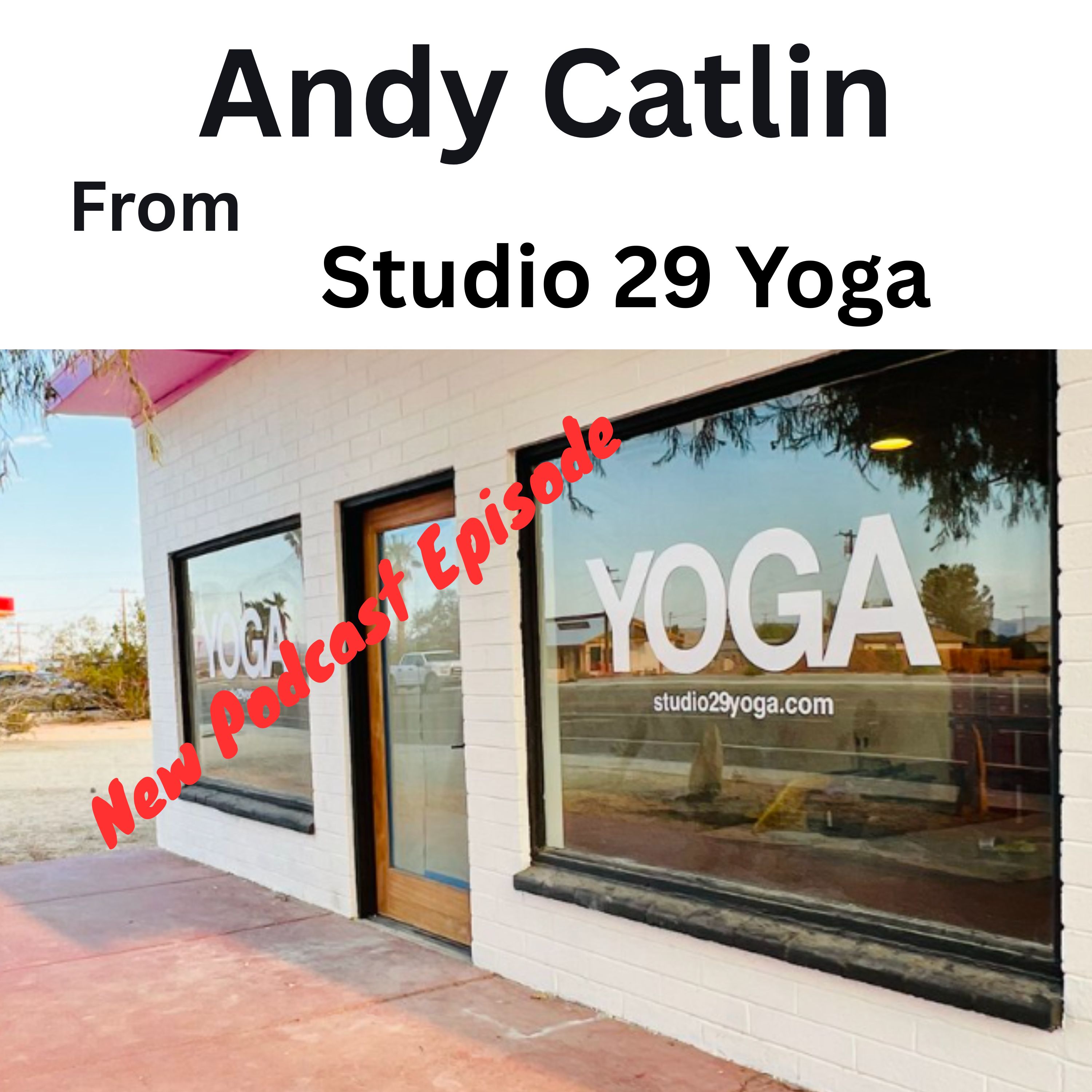
29 Yoga With Andy Catlin
Jul 16, 202500:23:40Tap to summarizeJoin us as we delve into the inspiring journey of Andy Catlin, the proud owner of Studio 29 Yoga. Discover how Andy's unique background and diverse experiences led him to embrace the world of yoga and ultimately own his own studio. From initial challenges to triumphant successes, Andy shares his personal story of transformation and the passion that drives him to create a welcoming space for all. Tune in to hear about the pivotal moments and lessons learned along the way. Andy's unique background and how it influenced his journey. The challenges and triumphs of owning a yoga studio. Insights into creating a welcoming and inclusive yoga space. Hashtags: #YogaJourney #Studio29Yoga #Inspiration Listen now and be inspired by Andy's story of passion and perseverance! https://www.instagram.com/studio29.yoga.pilates/
Transcribe →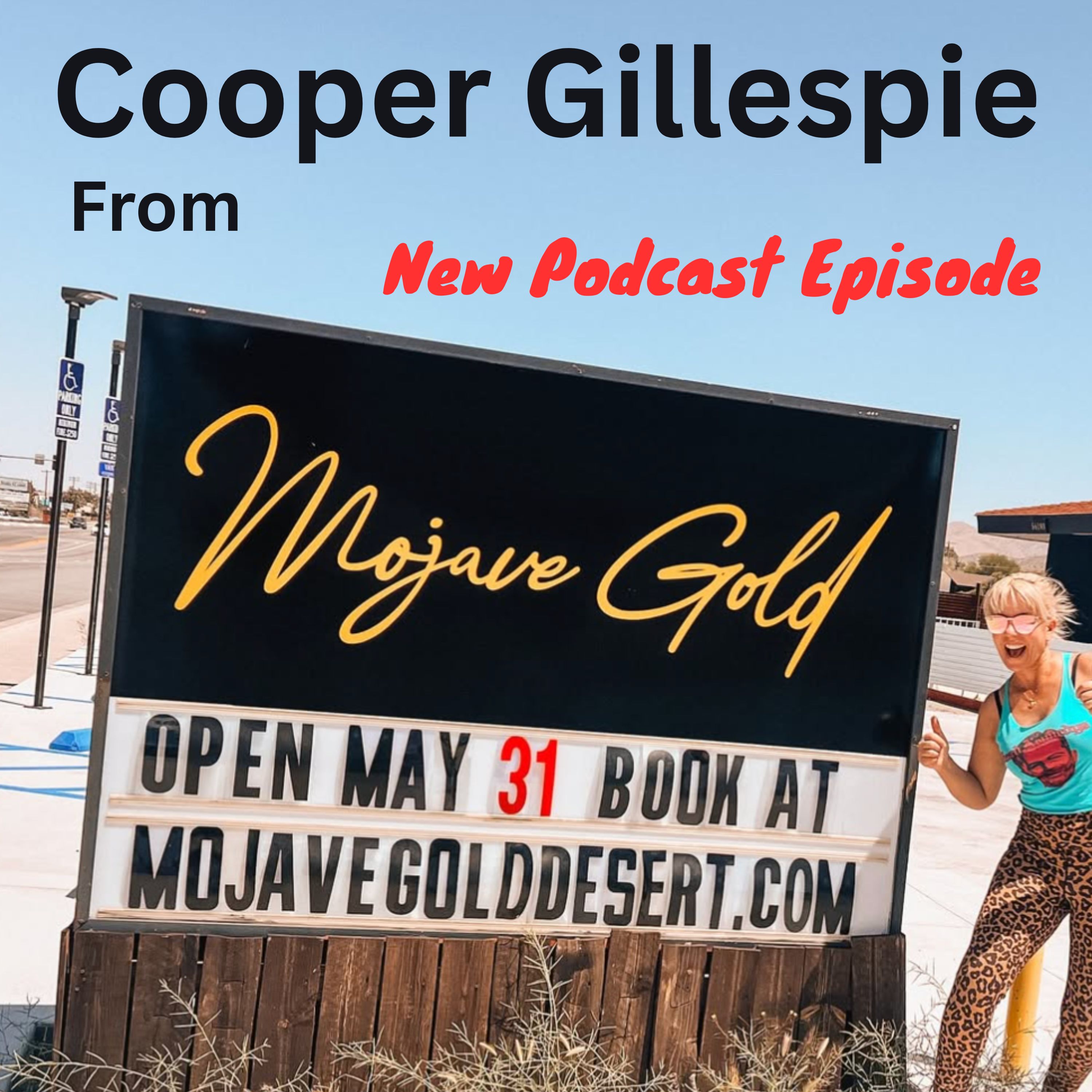
Mojave Gold with Cooper Gillespie
Jul 8, 202500:33:02Tap to summarizeSummary In this episode of the Highway 62 podcast, Danny Thompson interviews Cooper Gillespie from Mojave Gold, a new music venue, bar, and restaurant in Yucca Valley. They discuss the vision behind the venue, the talented team involved, the challenges of opening an independent venue, and the emphasis on creating a high-quality music experience. Cooper shares insights into the culinary offerings and the importance of community support for independent venues. https://www.instagram.com/mojavegolddesert/ Takeaways Mojave Gold aims to be a creative meeting place for the community. The team behind Mojave Gold has extensive experience in music and hospitality. Opening an independent venue requires significant capital and effort. Quality sound and lighting are crucial for a great music experience. The venue features a diverse range of events, from country nights to film screenings. Community support is vital for the success of independent venues. The menu focuses on locally sourced ingredients and caters to various dietary preferences. Mojave Gold is designed to provide a comfortable experience for both artists and patrons. The venue's capacity allows for intimate yet high-quality performances. The team is committed to creating a unique cultural experience in Yucca Valley. Danny Thompson (00:02.049) All right, Cooper Gillespie from Mojave Gold. Thanks so much for taking some time out to be on the Highway 62 podcast. How are you today? Cooper Gillespie (00:10.476) I'm wonderful, it's my pleasure to be here. Thanks for having me. Danny Thompson (00:13.664) I'm excited to talk to you. This project's right up my alley. So I was really excited that you guys could find time to do this as well, because I know you just opened. So Mojave Gold, new music venue, bar, restaurant in Yucca Valley. Give us just the basic, you know, kind of rundown of what it is, what you guys are doing, and like what the vision is for this project. Cooper Gillespie (00:38.604) Yeah. So we, we always drive by what was formerly the Abar and go, gosh, somebody's got to do something with that, you know, for about two years we did that. And then finally we were like, okay, we'll do it. And so our vision is really to create a beautiful meeting place for our community, for creatives, certainly for foodies, for people who love wine. mean, I remember when we moved to Yucca Valley. Danny Thompson (00:44.685) Right. Right? Mm-hmm. Danny Thompson (01:02.894) Yeah. Cooper Gillespie (01:05.326) about 10 years ago, you couldn't get a good bottle of wine even at Vons, you know? So, it's just that we wanted to create a space that feels really creative and where people can get good food, good meals, see a great show and just have a great experience. Danny Thompson (01:08.354) Wow, all right. Danny Thompson (01:22.07) Yeah, awesome. Sounds really exciting. I thought that same thing because I only moved out here, I guess I'm going on four years or something like that. yeah, I always thought that looked like a great location, really cool looking building and stuff. So I was really excited when I started to see like, you know, little glimmers of like, I think somebody's working on that place. This could be great, you know. So. Cooper Gillespie (01:42.786) Yeah, it was funny to see people on Facebook going, hey, what's going on over there? Anyone know what's happening over there? Danny Thompson (01:48.789) Yeah. Yeah. It's that it's kind of like a fun element that I like about being out in a little bit smaller, you know, community because, you know, I grew up in Chicago and I lived in Orange County for the last 20 years or whatever before coming up here. And it's like, you know, there's so much stuff that it's you don't notice little things like that. But I'm always you know, I'll go away for a week and when I come back, I'm looking at like, hey, is that something new going in over there and what's happening over here? And it's easy to see those things and it's, you know, I think you feel instantly more connected to it and supportive as well. Cooper Gillespie (02:26.689) Yeah, it's amazing how much our community has changed just in the 10 years I've lived here and I'm sure it's going to continue changing. there's just so many exciting shops and restaurants and happenings. I know that there's a lot of cool plans in the town. I don't know if you've seen the thing for the Aquatic Center, but Yucca Valley is coming up and there's a lot of stuff happening around here. Danny Thompson (02:45.358) You sent me a little document that had your bio as well as, you know, everybody involved in the club there. And we can't go through everybody because it's a pretty involved group there, but give us a little bit just a rundown of your background and then maybe we'll touch on some of the key elements of the other partners. Cooper Gillespie (03:11.511) Yeah, well, one of the amazing things about this opening this place was the synergy of the team. Everyone is an incredible, you know, A plus plus plus player in their own right. And we really got lucky in that way. So my background is I've been a musician for a long time. I was a touring musician. And of course I always worked in bars, you know, because bars you could work and then go on tour and then come back and work. Danny Thompson (03:37.112) Sure. Cooper Gillespie (03:37.882) And my husband too, Greg, is the GM and he was also a touring musician and worked in bars for a number of years. And then our partners, Dale and Brooklyn, come from more of the hospitality side of things, having owned Dive, which is a hotel in Palm Springs. And so together we just had this really unique blend of experience. But then we got so lucky when Liz Garrow, who's like a legendary booker, on to book the acts. Danny Thompson (04:04.364) Yeah. Cooper Gillespie (04:05.853) and then our chefs are world-class chefs. chef Brynn is, she came from workshop down in Palm Springs and she's up here and she just is bringing a whole new level of gastronomic delight to the high desert. Yeah. So we, got lucky because. Danny Thompson (04:17.463) Yeah. And also she's a drummer, I read, so that makes her extra cool right off the bat. Cooper Gillespie (04:23.15) Yeah. Yeah. We got a, we got a lot of a rhythm section here because Greg is a drummer. I'm a bass player. So rhythm section unite. Danny Thompson (04:29.806) All right. Yeah, that's cool. Yeah, you know, that was something that really struck me when I was reading through the bio there because, you know, it wasn't like, some people that, you know, know a little bit about music and bands and kind of wanted to, you know, you always hear about people, especially anybody who comes into Money. It's like, I'm going to open a restaurant or I want to own a bar. You know, you always hear people with those dreams. And as I'm reading through this, I'm like, okay, these are... talented and experienced serious business people and artists and chefs and like it's an A plus team. I was really impressed. Cooper Gillespie (05:12.717) Yeah, everyone has got an enormous amount. mean, we've all spent our entire adult lives in the business, both either in entertainment and or in hospitality. And so the amount of experience that we all have is really, really wonderful because we all know what we're doing. And I worked, I worked at places where people didn't know what they were doing, but I can confidently, yeah, I did. Danny Thompson (05:32.942) Yeah, we're gonna touch, that was something I wrote down here that we will touch base on as touring, you know, I'm still a touring musician. I just got back from Mexico this last weekend, you know, so yeah, we'll talk about the bad. Cooper Gillespie (05:37.657) Yeah. Cooper Gillespie (05:43.423) awesome! Cooper Gillespie (05:47.573) Yeah, yeah. Well, once you've experienced it, you're like, okay, now I definitely know what not to do. And so I think I've always said, like, if it can't happen with this team, I don't know who it could happen with, because we all really know what we're doing. I can say that with confidence. Danny Thompson (05:53.665) Yeah. Danny Thompson (06:03.031) Now you touch base on the Booker, the talent buyer, and that was something that really stuck out to me. Tell me a little bit more about her and some of the venues and stuff she used. Because was a pretty, going down the list, I'm like, yep, I know that place and that place and that place, and I've played there and I've played there. She's not a rookie. Cooper Gillespie (06:05.622) Yeah. Cooper Gillespie (06:21.676) Yeah. no. is like legit. She's like a legend. I mean, I don't say that term lightly, but in the booking world, especially in SoCal and the LA area, especially, she's definitely like a booking legend. mean, she is, you know, I don't want to say single-handedly, but almost single-handedly responsible for the incredible Silverlake music scene that we had back in the... Danny Thompson (06:46.101) Yeah. Wow. Cooper Gillespie (06:47.576) late 90s, early 2000s. She booked the Echo for a long time and did a lot of booking for Space Land Presents. She books at the Regent Theater. She's booked so many different festivals. I can't even name them all, you know, and she just has so much experience. And the thing I love about Liz is that she is not afraid to go out on a limb. She's not afraid to take chances on artists or to put together kind of eclectic Danny Thompson (06:51.213) Mm-hmm. Danny Thompson (06:58.69) Yeah. Cooper Gillespie (07:12.152) weird things that other bookers wouldn't even want to, you know, touch, you know, and I love that about her because she takes these chances and it makes, i...
Transcribe →
Dance Mojave with Jenn Henry and Melissa Daniels
Jun 16, 202500:33:02Tap to summarizeIn this episode of the Highway 62 Podcast, host Danny Thompson speaks with Melissa Daniels and Jenn Henry from Dance Mojave, a nonprofit performance collective dedicated to providing no-cost performance opportunities for dancers of all ages and skill levels. They discuss their journey in establishing the collective, the importance of inclusivity in dance, and the joy of community engagement through performances. The conversation also highlights their recent productions, including The Nutcracker and The Planets, and their aspirations for future events that reflect the local culture and ecology. Fundraising efforts and the significance of supporting local arts are also explored, emphasizing the collective's commitment to making dance accessible to everyone. https://www.instagram.com/dancemojave/ https://www.dancemojave.com/?fbclid=PAZXh0bgNhZW0CMTEAAacpsn_IApuzSFO34ezGM7sxzpM_cXe1zBAYp8d5jUlXbHeEpSG98JMlktnRyw_aem_KrkrwXx5QHyqsKodru0tVw takeaways Dance Mojave is a nonprofit performance collective. They provide no-cost performance opportunities for all ages. Inclusivity in dance is a core value of the organization. Community engagement is essential for their mission. Recent productions include The Nutcracker and The Planets. They aim to reflect local culture in their performances. Fundraising is crucial for their operations and productions. Dance can be a joyful experience for everyone, regardless of age. They offer various dance classes for different skill levels. The collective fosters a supportive environment for performers.
Transcribe →Joshua Tree Music Festival with Barnett English
Oct 1, 202400:29:07Tap to summarizeIn this conversation, Barnett English shares his journey from a music enthusiast to the founder of the Joshua Tree Music Festival. He discusses the unique aspects of his festival, including its intimate atmosphere, focus on emerging artists, and family-friendly environment. Barnett also addresses the challenges faced by the festival industry, especially in the wake of recent cancellations, and emphasizes the importance of shared experiences among attendees. The festival's diverse activities and workshops, along with its camping accommodations, contribute to a holistic experience for festival-goers. Vist the Website HERE Instagram HERE Follow The Highway 62 Instagram HERE Chapters 00:00 Introduction to Barnett English and the Joshua Tree Music Festival 03:05 Barnett's Journey into Music Festivals 05:58 The Unique Experience of Smaller Festivals 08:47 Artist Selection and Festival Philosophy 12:02 Challenges in the Festival Industry 15:03 The Importance of Shared Experiences 17:57 Family-Friendly Atmosphere at the Festival 20:56 Workshops and Activities Beyond Music 24:03 Logistics of Running a Biannual Festival 27:03 Camping and Accommodations at the Festival 29:55 Final Thoughts and Festival Highlights Barnett English (00:00.269) Yeah, it wouldn't be my first time. Danny (00:01.914) And so here we go. All right, Barnett English. Thank you so much for joining me here on the Highway 62 podcast. How are you today? Barnett English (00:12.377) Fabulous, best day of my life. Thanks for asking. Yeah. Danny (00:14.235) Every day, right? I love the background there. You got some really cool artwork going behind you. that you in the home office or? Barnett English (00:19.374) Hmm Yeah, world headquarters. It's our only headquarters. Yeah, yeah, some killer photos that friends have taken and trinkets and books. Things that inspire. Danny (00:33.838) Wonderful. Excellent. You are the founder, the creator of the Joshua Tree Music Festival. And I want to talk all about that and, you know, what's in store for this year. But first, I'd like to hear a little bit about your background prior to that and kind of how you found your way into starting a music festival. Barnett English (00:57.351) Yeah, that's a good question. Gosh, I've been a music junkie my whole life. So I started collecting albums when I was 10 years old. I'd get split albums with my brother and it Sears and Roebuck back in Louisville, Kentucky for five bucks an album. And then made hundreds and hundreds of mixed tapes and spent a really stupid amount of my earnings in my whole life on. Danny (01:12.044) Yeah. Barnett English (01:25.927) on records and CDs. So I've always loved music and then started a coffee business back in 93. Started selling coffee at music festivals. And so now 30 years later, I've been to over 1200 music festivals selling coffee. And the first one I went to back in 95, I saw some of my favorite bands and met these friends, people that are still friends today and had the most amazing time. Danny (01:34.815) okay. Barnett English (01:51.656) I walked away from that one going, you know, that's all I want to ever do is be at a music festival. This is, this is it. This has got it all, you know? And so here we are 30 years later and I'm still doing it. So I was going to coffee, selling coffee at these festivals. And then on a whim, I came to Joshua tree to the campground on Sun Fair road, the Joshua tree Lake campground, where we have the festival. There was a small didgeridoo gathering there. And so I came to sell coffee there and I drove in in the middle of the night and didn't see a thing and woke up in the morning and looked out and went, holy smokes, look at this view, know, looking at the national park and, you know, stars all, blinding stars at night. And then, so I mentioned to the folks that own the campground, said, hey, Sally, why don't you have a real music festival here, you know? And more than just didgeridoos, nothing against didgeridoos, but there are more instruments. Danny (02:29.23) Yeah. Danny (02:45.913) You should. Barnett English (02:47.689) So she said, you know, gosh, if you're so smart, why don't you do it yourself? And so she dared me. And so within six months, I'd moved to Joshua Tree, found a home and had our first music festival. And that was April of, April 9 through 11 of 2003, we had our first one. So, so I just fell in love with Joshua Tree instantly. Danny (03:05.324) Wow. Danny (03:09.579) It's, know, as you know, from just a little bit of, you know, chatting we had done, I'm a musician myself, so I'm used to, you know, from that musician side of going to big music festivals as a musician. You know, I've played Reading and Leeds and I just got back this weekend, this last weekend, we played Riot Fest in Chicago, which is a huge music festival. And I guess from my standpoint, when you say like, Barnett English (03:23.506) Yeah. Barnett English (03:32.349) Right. Danny (03:37.741) All she wanted to do was go to music. like what in your right mind made you think to go into the music festival business? Because it is it, you know, for people, you know, for fans that just go to watch the music. mean, obviously they see it's a big production and everything, but just what's going on behind the stages, the back end of it is is crazy. You know, I mean, did you know what you were getting into? Barnett English (03:43.708) right. Yeah. Barnett English (04:00.06) Madness. Yeah, yeah, absolutely. I no, luckily I was very stupid and naive. I never would have started it. You know, I thought what, hard could it be, right? Build a stage, get some bands to play, rent a port -a -let, sell a few tickets. And so yeah, I just went into it super naive, but you know, we always, I always started small and you know, never, never dreamt too big and. Danny (04:24.343) Yeah. Barnett English (04:27.671) you know, and never ran up a bill too big that I couldn't, pay back later, by selling some coffee. So, you know, we just built it slowly and organically and, you know, so ours is very different. mean, I've been to every single Coachella, you know, that's massive and, been to all kinds of vessels, big, small, green, purple, red. And I've just, I just always, my big takeaway is, I love the ones that are a little more small. You know, they're smaller. So like you and I, we'd run into each other. Danny (04:52.993) Yeah. Barnett English (04:56.683) 25 times over the course of 72 hours, having breakfast in the mornings, around the campfire at night, and as opposed to at the Riot Fest, if we dropped a pin and we're lucky to know how to do that, then maybe we could find each other. Danny (04:57.898) Yes. Right, right. Danny (05:09.408) Yeah, I mean, was a gargantuan gargantuan event. And, know, you've got the crossover of bands. So, you know, and there was people there from, you know, all kind of bands that weren't playing that they were just there, you know, to just hang out and stuff like that. And it was tough for even them to be like, I want to come see you guys, but I got to get over to this stage. You know, I want to see this band. And and I think my experience has been playing some smaller Barnett English (05:11.933) Yeah. Barnett English (05:17.736) Yeah. Barnett English (05:32.842) Yeah. Danny (05:38.878) festivals have been where I've had the most fun. All props to Riot Fest, though. you know, not that anyone from Riot Fest will hear this podcast probably, but that probably was the best run big festival we've ever played. Like everything was dialed and the sound and the production, you know, for for you as a band, you know, like playing in the band, there is nothing worse than going to a festival and Barnett English (05:44.544) Yeah. Barnett English (05:53.683) Yeah, cool. Barnett English (05:58.262) Nice. Danny (06:07.896) You know, a lot of times, too, if you're not like the main headline band, you know, you're probably not doing a sound check. You're still wanting to use in -ear monitors. And, you know, we bring our own in -ear monitor rig and, you know, 20 minute changeover. And sometimes it's like, you know, you got 20 minutes, you turn on your in -ears and you're like, I'm hearing, you know, whatever craziness. I did a whole festival recently with zero monitors, nothing in my ear and nothing on the stage because they couldn't get it hooked up. Barnett English (06:14.434) Yeah. Barnett English (06:22.796) That's crazy. Barnett English (06:33.583) my gosh. Danny (06:37.036) But Riot Fest, man, it was so pro. Like I turned on my in -ears and it was like, I'm like listening to a record right now. It was so good. So when it's good like that, it's really amazing. But most of the time it doesn't go like that for the musicians. And Barnett English (06:41.44) Yeah. Barnett English (06:47.691) Yeah, it's nice. Barnett English (06:55.246) Yeah, I go to a lot of the festivals and it's like that where they, you know, they just have unrealistic schedules and unrealistic change over times. And, know, so from the very beginning, we just always had two stages. we'd alternate from one stage to the other. So you have a full two hours to completely set up, check your in -ear monitors, make sure everything's sweet. And meanwhile, the crowd is all together at the other stage. And then when they finish, literally you just turn 90 degrees and you look, and then you start 15 minutes later. So. Danny...
Transcribe →29 Palms Queer Film Festival
Sep 10, 202400:18:48Tap to summarizeSummary Graham Kolbeins and Jonathan Andre Culliton, founders of the 29 Queer Film Fest, discuss their backgrounds as filmmakers and the inspiration behind the festival. They talk about the films being showcased, including world premieres and queer horror shorts. The festival is designed to create a space for queer stories and foster the filmmaking community in the high desert area. They also discuss the acceptance of the LGBTQ+ community in the area and the support they have received from local businesses and organizations. Visit the webiste HERE Chapters 00:00 Introduction and Background 04:10 Inception of the 29 Queer Film Fest 06:01 Film Highlights and Gala Events 08:35 Festival Schedule and Venues 11:31 Attending the Film Fest: Tips for Newcomers 13:46 Future Plans and Fostering the Filmmaking Community 15:01 Acceptance and Support in the High Desert 17:28 Closing Remarks and Event Details Danny (00:01.779) All right, Graham Cole Beans and Jonathan Andre Coliton. Coliton, thanks for being on the Highway 62 podcast. How are you guys today? Graham Kolbeins & Jonathan Andre Culliton (00:02.208) Yeah. Graham Kolbeins & Jonathan Andre Culliton (00:10.902) Thank you for having us. great. Yeah, we're doing good. Danny (00:16.915) Awesome. And you guys are the founders, right, of the first ever inaugural 29 Queer Film Fest that's happening in September the 20th and 22nd. Before we get into a little bit about the actual Film Fest and kind of what it's all about, give me just a brief little background on each of you. Graham Kolbeins & Jonathan Andre Culliton (00:24.214) Thank Graham Kolbeins & Jonathan Andre Culliton (00:40.758) Sure. So we're both filmmakers and I'll just start talking about myself. I'm mostly a documentary filmmaker though I've recently started doing some narrative filmmaking. I shot a short film here in 29 Palms in June called Outage that I'm currently in post -production on. Danny (00:50.707) Ha Graham Kolbeins & Jonathan Andre Culliton (01:07.688) I'm pretty deeply involved in film and when we came out here... Can I roll that back a little bit? Okay, great, I just lost my train of thought. Sorry. Yeah, so I'm a filmmaker, a videographer. Danny (01:20.669) Sure. I can edit anything too, it's fine. Graham Kolbeins & Jonathan Andre Culliton (01:33.654) and I'm a queer person in 29 palms and those all informed co -founding this festival. I'm also... Sorry? Where are you originally from? I was born in Vancouver, Canada. Danny (01:43.315) Where are you originally from? Danny (01:48.648) Where are you originally from? Danny (01:53.467) Okay. Right on. I love Vancouver. I was just, I was just in, I've been to Canada a lot lately. I was in Toronto last weekend and the weekend before I was in Edmonton. So I spent a lot of time in the Kenyatta. Graham Kolbeins & Jonathan Andre Culliton (01:57.504) Yeah, that's a great place. Graham Kolbeins & Jonathan Andre Culliton (02:06.143) I'm cool. Graham Kolbeins & Jonathan Andre Culliton (02:10.142) Nice. What were you doing in Toronto? Danny (02:13.043) I play in a band, so we're playing some festivals up there. But yeah, we do a lot of Canadian shows. Graham, what about you? Graham Kolbeins & Jonathan Andre Culliton (02:16.319) Awesome. Graham Kolbeins & Jonathan Andre Culliton (02:21.11) me? You mean Jonathan, yes. That's okay. No, I'm a born and bred Bostonian with all the details. But yeah, I'm also a filmmaker. Currently I'm rolling out a couple of films. Danny (02:24.967) Jonathan, I'm sorry, your buys are both Canadian. Graham Kolbeins & Jonathan Andre Culliton (02:43.542) Spookable which played at the Maryland Film Festival in frame 48 and is about to play at Prism 37. And then I have Will It Justice Drag Queen Private Eye which is showing, both of those films are showing actually at the 29 Queer Film Festival and that film stars Lady Shalane who is the premier high desert drag queen of our current timeline. Danny (03:12.083) Yeah, Yeah, she was one of my first guests on the podcast, like second or third episode ever. Right on. How did you guys how did you guys end up settling in the 29 Palms area? Graham Kolbeins & Jonathan Andre Culliton (03:13.462) Amazing. She's really special. Yeah, so I moved out here four years ago from Los Angeles. It was during the pandemic. I had lost work and I had always wanted to move to the high desert but never really thought that it was feasible. But in that moment an opportunity became available. A friend said, hey, I have a cabin that just opened up and I moved into that cabin in July 2020. And I've just loved living here ever since. Yeah, and then I followed Graham because I fell in love with them so I just followed. I just came out here to be closer to them. Danny (04:01.949) Right on. Danny (04:10.449) Very nice, very nice. So tell me about kind of the inception and the idea and how it came to be that you put this film festival together. Graham Kolbeins & Jonathan Andre Culliton (04:20.438) Yeah, well we both were mentees in Workshop 29, which was a program out of PAC, the Arts Council here. And we both were encouraged to do programming. They wanted people to think about all ages programming and programming for different identities basically. So we were encouraged to do some sort of event which isn't really natural to our filmmaking careers except for film festivals. know, that's sort of the place that Archive gathers. So we thought, you know, this is an opportunity not only to make an event here, which is the first of its kind here. but also to create a film festival from the perspective of being filmmakers who have been at film festivals and had varying experiences. And as you know, we have such a beautiful place to offer, but no movie theater here. the idea of sharing film... Danny (05:36.326) Yeah, right. Graham Kolbeins & Jonathan Andre Culliton (05:40.678) and making a place for it, a literal physical place where you can sit in a comfortable chair and watch it in a dark room as it's intended is something we thought was really special that we could give the entire community. Danny (06:01.023) on. Sounds great. What tell us a little bit about some of the films maybe I know there's quite a bit on the agenda there I read through the press release but maybe give us what you think is going to be a few of just sort of the highlights of the you know the Cup multi -day event. Graham Kolbeins & Jonathan Andre Culliton (06:16.182) Yeah, so we're showing 30 films over three days, including three feature films. Yeah, the features are sort of can't miss. You've got a world premiere of Poppy's Pregnant, which is the story of our friend, trans -MAC non -binary person getting pregnant. Then you've got People's Joker, already an iconic film from Vera Drew. And then we've got Off Ramp to Cabot Off, which is a film with a trans actor, but it's about juggalos, if you know anything about insane clown posse. So these are unusual queer stories. So the features are really can't miss to me. And then what else do we have? We have a queer horror program full of shorts from around the world. We have Danny (06:59.955) Yeah, yeah. Graham Kolbeins & Jonathan Andre Culliton (07:11.104) Bears, Lesbians, and Queers, My, which is an eclectic program with all kinds of different representation. And one of our other gala events is the premiere of Willa Justice Drag Queen Private Eye, along with a performance by Lady Shalane and Drag Bingo, which she does all around the high desert. And Free Eye Fall to Pizzas. Pizza. Danny (07:37.247) yeah. Give us a little bit of just kind of like the schedule, because I know there's different events. There's a couple different venues involved. I've attended a film festival. went to the Yucca Valley Film Festival this year. you know what, it's something that I'm really enjoying about living out in the area there is, I mean, first of all, when I moved out there, Graham Kolbeins & Jonathan Andre Culliton (08:04.115) It was. Danny (08:06.463) I just didn't expect there to be so much arts going on. know, even though I knew like other drummers and other musicians that had moved out to the area, but it's been so great to just kind of get involved with, you know, the community. And I think because it's a little bit smaller area, it's easier to attend these different events and, you know, versus like going to like a big film festival in Austin or in L .A. or, you know, any of those kind of things. So I'm really enjoying that. And Graham Kolbeins & Jonathan Andre Culliton (08:22.602) you Danny (08:34.451) If you've never been to a film festival, I mean, I've been a movie film fanatic ever since my cinema study class in high school in 1984 back in Chicago. And I never went to a film fest until I went to the Yucca Valley one this, this year, you know, so it's a really cool experience. And if you haven't been to one before, I would just really recommend people to, to check something like that out. But anyway, give us kind of a rundown. Where is it happening? Graham Kolbeins & Jonathan Andre Culliton (08:35.871) you Graham Kolbeins & Jonathan Andre Culliton (08:43.722) Thank you. Graham Kolbeins & Jonathan Andre Culliton (09:02.186) Anyway. Danny (09:04.347) a little rundown of like the schedule and how it all works. Graham Kolbeins & Jonathan Andre Culliton (09:07.51) Sure, yeah, to your point we're making it so it's like everything's within like 10 minutes of each other and that makes a really great film festival experience and in my experience so yeah we have theater 29 as the main hub of the festival 99 % of the...
Transcribe →
Patrick Hasson -Joshua Tree Artist
Aug 27, 202400:43:30Tap to summarizeSummary Patrick Hasson shares his journey from being a filmmaker to becoming a full-time artist. He talks about the frustrations of the film industry and how it led him to seek a change. He bought a house in Joshua Tree and transformed it into a colorful, vibrant space, which he rented out on Airbnb. This sparked his interest in painting, and he started creating abstract art using a dripping technique. He eventually ventured into portrait painting, focusing on desert rock musicians. Patrick Hasson is an artist who specializes in creating vibrant and unique portraits using a drip technique. He shares how he discovered this technique and how it has become his signature style. Patrick also talks about his series called Desert Dudes, where he painted portraits of desert rock musicians, and how it led to his first art show. He discusses the challenges he faced during the pandemic and his upcoming series called 1969, which pays homage to classic rock musicians. Patrick invites listeners to his upcoming art show and shares his journey as an artist. Patrick's Contact Instagram Here Patrick's link tree with all the important details about upcoming shows HERE Danny (00:01.369) All right, Patrick Hassan, welcome to the Highway 62 podcast. Thanks so much for taking some time out. How's everything going today? Patrick Hasson (00:10.988) Doing okay, man. It's getting a little cooler in the desert, so things are good. Danny (00:12.716) Awesome. Yes Yeah, I actually I'm down in Irvine for the summer here, but I was home Day before yesterday came came home for a day to check on the house and all that good stuff and definitely it was starting to feel a little bit better so looking forward to Looking forward to that. So you've got a great art show coming up that we are going to talk a little bit about but you've got a great story on you know, how you became a full -time artist and I want to hear all about that stuff. give us the, you know, the dime store tour. Patrick Hasson (00:49.57) Okay, I was a independent filmmaker for about 20 years from the East Coast. Eventually, like most people, made my way to LA 2002. Did, you know, did some films that I wrote and directed. I did a little comedy called Waiting, a horror film called Bloodshed, did some documentaries, but long story short, That's a tough business as anybody who's been in it. I think for me the most frustrating part of the world of film is film's a very expensive medium. And because of that, you usually need a lot of people to come on board, especially producers. So, you know, unless you're Quentin Tarantino, what happens is the art you're trying to make always gets compromised and Danny (01:46.072) Yeah. Patrick Hasson (01:47.084) Which is fine, but what happens, you know, as the budgets start to get bigger and the last film I did had a two million dollar budget, which was really cool, but the producer really kinda came on in the editing process and it just, it destroyed the film, so that was happening with me, you know, very frustrated with that world and I was an alcoholic and pretty... Danny (02:04.92) Mm Patrick Hasson (02:16.31) pretty bad drug addicts, it was kind of this perfect circle of wasn't happy with filmmaking, my life was out of control, and then there was a period there where I just, know, most of the times I would freelance as an editor to make money. At that time, I was editing adult films. I had cut for Digital Playground, Playboy, blah, blah, which is kind of a mind fuck, you know, like. Danny (02:32.014) Mm -hmm. Patrick Hasson (02:45.41) You know, some people hear that and they're like, that must be wonderful. And I'm like, trust me, there are things that you do not want to see eight hours a day, five days a week. So I just kind of felt it. Danny (02:57.293) Well, plus the amazing dialogue you've got to work around when you're editing. Patrick Hasson (03:01.557) my god. I mean, I actually shot a documentary about that world, which was cool, but I just, was done, so I checked into a rehab 2014 and I got out, you I was living in a shitty apartment in LA and I had somehow bought a house in Joshua Tree. I bought a little drug house. Danny (03:10.488) Yeah. Patrick Hasson (03:31.906) for 73 grand and the whole reason I started coming to Joshua Tree to kind of turn the story back is when I got to LA 2002 I'm reading the LA Weekly and on the cover was it was Josh Homme and Nick Oliveri from the Stone Age and I was like huh who's this? So I knew nothing about Desert Rock so always a big music fan read this article and it they talked about you know Chris Goss and Brant Bjork and Danny (03:46.275) Mm -hmm. Sure. Patrick Hasson (04:00.874) Mary O 'Lally and it talked about these generator parties and Kaius and all these desert bands and you know what really got me was like these guys were just kind of doing their own thing you know especially like a Danny (04:09.751) Hmm Danny (04:14.647) Yeah. Yeah, I've actually, I actually played with Nick a couple times. Yeah, I filled, I played drums in face to face as my full time band, but I filled in for the Dwarves a couple times. So I did a bunch of rehearsals with Nick. I don't think we did shows together, but he came down to my studio down at Costa Mesa and we did rehearsals for a pre -production stuff we were doing for a new Dwarves album. Patrick Hasson (04:20.939) Really? Patrick Hasson (04:29.218) Nice. Nice. Danny (04:44.343) that I was hoping to play on, but I was out on tour and then, you know, they always had Josh Freeze play on there and if you can get Josh to play on your record, you're gonna probably pick him over me anyway. But it was still really fun to hang out and work on those songs with him. Patrick Hasson (04:54.668) Yeah. Yeah. Patrick Hasson (05:00.864) Yeah, Nick's awesome. He was my neighbor for a while before I sold the Rainbow House, which is a whole nother story. But yeah, he's super cool guy. Love Nick. So, you know, I started coming to the desert and I don't know, I guess for some reason I thought I was gonna run into these guys and hang out, but I didn't. And I was never a musician. always... Danny (05:18.871) Yeah. Patrick Hasson (05:25.378) loved music and I was kind of in my head wanted to be a musician but I just I don't know it just never happened. So coming to Joshua Tree I just did that for years so living in LA I would come out to Joshua Tree and just hang in the park I didn't know anybody. So when my life was you know starting to fall apart in I guess it was like 2012 I started driving to the desert and one day I was like I wonder what a house costs out here and you know back then Danny (05:31.864) Mm -hmm. Danny (05:54.931) Right? Yeah. Patrick Hasson (05:55.042) houses were 60 grand, you know? So I was like, you know, I wasn't thinking, you know, totally straight, but I was like, wow, man, you know, if I bought a house out here, I'd have a place to die. I mean, that's kind of what I thought. I was just like, because living in LA, you know, I would envision myself being like 65 and little shit apartment, not getting hired and it. Danny (06:08.481) Yeah. Yeah. Patrick Hasson (06:18.752) I just, so I did it. bought it and then I got sober and then it was like, what am I gonna do with this house? So I started coming out to the desert and like I said, it was a drug house. So I would be there, you know, two in the morning, ba ba ba. You know, like what the fuck? And I would come and it was some guy like, hey man, is Bob here? I'm like, no, Bob. Bob's not here, and that happened a number of times. I was like, all right, I gotta change the mojo of this place. The house was covered shit brown, and I just was like, you know, I'm gonna paint it really bright, happy color so that people know this is not the drug house. So painted it bright orange, and then once you paint the outside bright orange and the inside's all crappy white, I just started painting, like one day was looking at a stop sign. Danny (06:50.359) Yeah. Danny (06:58.509) Mm -hmm. Patrick Hasson (07:14.114) was like, I'm gonna paint this room like, you know, red. And then I was looking outside and there was like a yellow flower. I'm like, I'm gonna paint the kitchen yellow. So then all of a sudden, I went to art school way back in the day and I remember the color wheel, you know, you got blue, yellow, red, your primary. So I painted the primaries and then the three, the two bedrooms and the bathroom, I painted the secondary which was orange, green and purple. Danny (07:27.628) Okay. Patrick Hasson (07:44.206) And, you know, it was amazing. I had turned this really horrible house into something, you know, bright and colorful. And again, I didn't know what I was going to do with it. My neighbors were like, what the fuck? know, at the time when I came to the desert, everything was, you know, brown and white. You know, there I don't remember seeing a whole lot of color. So. Danny (07:52.929) Yeah, yeah. Patrick Hasson (08:11.714) In fact, I had one neighbor, he was like really upset. He's like, dude, your house looks like Sesame Street. I'm like, what's wrong with that? You know, I like Sesame Street. So I just, I heard about Airbnb and I put it on Airbnb and that really changed my life because people started renting it. I called the house Rancho El Reposo. You know, this is 2014. You know, I was just like, wow. Danny (08:15.159) Yeah. Danny (08:19.444) Ha ha Danny (08:33.593) Wow. Patrick Hasson (08:41.154) I'm making money, so for two years, I'm going back and...
Transcribe →Nomadic Ceramics - Grace Alley - Making an impact with your small business
Aug 13, 202400:22:25Tap to summarizeSummary Grace Alley, owner of Nomadic Ceramics, shares her journey from corporate America to pursuing her passion for ceramics. She discusses the challenges and rewards of running a small business and the importance of connecting her art with a greater purpose. Grace also talks about her second location in Durango and her plans to create an eco collective. She emphasizes the value of personal interaction and offers classes for those interested in learning ceramics. Takeaways Combining passion with a small business can be challenging but rewarding. Creating an eco collective allows for collaboration and a greater purpose. Personal interaction and connection with customers is important for small businesses. Offering classes can be a way to share knowledge and engage with the community. Chapters 00:00 Introduction and Background 02:19 Transitioning from Hobby to Career 03:36 Opening a Shop at Art Queen 05:21 The Nomadic Ceramics Experience 07:15 Expanding to a Second Location in Durango 09:05 Creating an Eco Collective 10:27 Balancing Time Between Locations 12:17 Volunteering and Planting Trees in Ghana 13:37 Long-Distance Relationship and Waiting for a Visa 14:42 Durango's Cycling Community 16:22 Website and Online Presence 17:38 Traveling Between Joshua Tree and Durango 19:29 The Rewards and Challenges of Running a Small Business 21:04 Conclusion Instagram HERE visit the webiste HERE Danny (00:00.654) All right, Grace Alley, thank you so much for joining me here on the Highway 62 podcast. How are you today? Grace Alley (00:07.832) I'm good. are you today, Danny? Danny (00:09.453) Doing great. I'm down in Irvine here. I got to fly out Friday to go to Canada for a show for the weekend and staying down here a little bit during the summer just to, you know, enjoy a little bit less heat. So yeah, it's actually been good. So got the pool right out here and just living life. So, you know, you are the owner of Nomadic Ceramics and you have a location in 29 Palms and Grace Alley (00:24.984) Yeah. Yeah. Danny (00:37.152) Yes, also have a second location we're going to talk about in a little bit. But before we get kind of deep into, you know, the shops and what you're doing there and all that stuff, give us a little bit of your background and where you're from and, know, and how you kind of ended up doing what you're doing now. Grace Alley (00:53.269) Okay, yeah, I'm from Colorado. I was born and raised in Golden. group traveling and you know long story short it took me quite a while to graduate college. I kept coming in and out of college and traveling and that's where I first went to Africa and then I ended up in corporate America up in Seattle after college and that's where I started doing ceramics as a hobby. And I always was trying to figure out this balance between my passion and making a living. So I was trying my hand in corporate worlds. And that was a couple of years of a total disaster because I am definitely not meant for a conventional path. And I did everything you're supposed to do wrong times 100 in my corporate life. But luckily that's where it. sort of learned a little bit of business acumen and ceramics was always a hobby and it just sort of took over. I moved from Seattle down to Desert Hot Springs to work in Cannabis Corporate and that didn't work out either. So my hobby became my career, I guess, about a year and seven months ago. Danny (02:19.103) so pretty recent, okay. Grace Alley (02:21.227) It feels, it sounds very reasoned, but so much has happened. But the company I was working for in Desert Hot Springs dissolved and I was like, let me try my hand and see if I could turn this interest of mine, this passion of mine, ceramics, into something I could rely on to make money on. So I wasn't sure what I was gonna do and I just, I came up here and I started doing the pop -up markets at 29 Palms and... Danny (02:25.586) Yeah. Grace Alley (02:48.616) got to know the community really well through that. You're interfacing face to face with people every Saturday morning and you're out there with your ceramics and introducing yourself to the community. So I got to know people that way. It was such a great experience there. Danny (03:01.895) How did you originally get interested or get started doing ceramics? Grace Alley (03:07.134) I took two semesters of it in college and I shouldn't have been allowed in the class. I was an anthropology major and the art department only wants art majors. So I begged the professor to let me in and I said, this may change my life. Please let me in the class. And lo and behold, it did. So now I think I'm doing it for a living. It still hasn't sunk in, but... Danny (03:09.274) Okay. Danny (03:34.842) Hehehehe Grace Alley (03:36.105) The pop -up markets in 29 led to getting a little shop over at Art Queen. And Art Queen's right in the heart of Joshua Tree, as I'm a lot of your viewers and watchers know and listeners know. So I got super, super lucky and super blessed to get one of the little shed shops at Art Queen. And I still have that shop and I've had that shop for a year and three months now. Danny (03:44.675) Yeah. Danny (03:48.463) Sure. Danny (04:02.019) Gotcha. And Golden, Colorado, that's that's where the Coors plant is, right? OK, yeah. OK, I I've spent a lot of time in Colorado. Actually, I just got I was just in Denver to Wigan two weekends ago. And but when I was younger, my uncle, who was originally from Wisconsin, I grew up in Chicago, but my uncle went to school in Boulder. So we would come out and visit and. Grace Alley (04:06.418) That's right. Yeah, grew up across the street from Coors, actually. Danny (04:30.422) Yeah, I remember going up to Golden and going to the Coors factory and it had that smell, that brewing smell like every everywhere. Grace Alley (04:36.476) Yeah. Yeah, I grew up smelling that smell every single day. I love it, by the way. Danny (04:44.362) Yeah, I'm sure you get used to it and whatnot, but I love that area. It's beautiful. Beautiful out there. Grace Alley (04:52.003) is really beautiful. Colorado is an amazing place. There's plenty to do if you love doing things outside. And it's developed a lot and changed a lot since I was little. There's a lot of amazing microbreweries, amazing restaurants. now that I've opened my second shop in Durango, that's like the southwest corner. I had never gotten to explore Telluride, Silverton, Durango. It is so beautiful down there. Danny (04:54.709) Yeah. Danny (04:58.027) Yeah. Danny (05:17.649) Okay, yeah. Yeah, it sounds like it. Tell us a little bit about your shop that you have in Joshua Tree there. You know, what is it exactly you sell? What all do you do there? Grace Alley (05:31.27) I've always been unable to be a production potter, which means everything I make is a one -off or a small set or like something big and complex. luckily having the opportunity over at Art Queen afforded me the opportunity to be experimental in ceramics. It's harder to do that if you're just selling online or at pop -ups because you can't cultivate an audience plus you can't fail. You can't try things. Danny (05:39.524) Okay. Grace Alley (06:00.888) mess it up and have it not work out if you're always hustling and trying to get to markets and trying to get in front of your audience. So this is why I say I'm incredibly blessed to have the opportunity over at Art Queen. And that's what they're all about over there too. They're all about giving artists access to customers and access to a brick and mortar or a between. I have a little shed shop over there. It's affordable. It allows me to experiment and bring in things I never knew would sell. Danny (06:00.892) Mm -hmm. Danny (06:25.745) Mm Grace Alley (06:30.435) and see the reaction on people's faces when they want to consume these products. So it's been given me a lot of direction as an artist and a great foundation of clientele to build relationships with. Art Queen is an amazing place. I got it before and now it's been transitioned into new ownership. It's owned by a nonprofit now called AHA Projects and they are doing some massive renovations over there. Danny (06:42.681) Yeah. Danny (06:54.81) Okay. Grace Alley (06:59.172) And it is just so exciting. Everybody's so excited. It's under construction right now. If you're used to this area and you drive by, it looks really crazy right now. They've torn out everything and come fall it should be really nice to walk around in there. Danny (07:01.495) Awesome. Danny (07:15.858) Now, so you're primarily just selling ceramics that you create, not anything from any other creators, is that correct? Grace Alley (07:24.714) I used to just be me, but I actually have a couple people on my team now, some amazing and talented people who want to help out and want to see other things do and it gives me the opportunity to help them too. Danny (07:26.733) Mm -hmm. Okay. Danny (07:35.882) Yeah, gotcha. Okay, do you do classes or anything for people that want to learn how to do ceramics? Okay, great. Grace Alley (07:45.419) Yeah, I do classes. do things at people's Airbnbs where I'll come have a custom class for them. Sometimes an engagement party and the ladies want to get wild and make pinch pots. Other times it's people who want to do energy work and healing and all the things. So luckily with Clay you could do all the things. Danny (07:52.362) cool. Danny (08:03.297) Gotcha. Danny (08:06.838) Gotcha. And again, I mean,...
Transcribe →