Podcast
Hillsdale College Podcast Network Superfeed
Hosted by Hillsdale College · EN
Subscribe to receive every episode of every podcast on the Hillsdale College Podcast Network delivered directly to your device.
188episodes
Episodes
Newest firstAll episodes
Constitution 101: The Progressive Rejection of the Founding
Mar 400:42:42Summary readyOn this episode of The Hillsdale College Online Courses Podcast, Jeremiah and Juan discuss the progressive view of government before introducing Ronald J. Pestritto. The United States Constitution was designed to secure the natural rights proclaimed in the Declaration of Independence. Signed by Constitutional Convention delegates on September 17, 1787—Constitution Day—it was ratified by the American people and remains the most enduring and successful constitution in history. In this twelve-lecture course, students will examine the political theory of the American Founding and subsequent challenges to that theory throughout American history. Topics covered in this course include: the natural rights theory of the Founding, the meaning of the Declaration and the Constitution, the crisis of the Civil War, the Progressive rejection of the Founding, and the nature and form of modern liberalism. Progressives rejected the timeless principles of the American Founding and instead argued that the ends of government ought to be relative to historical circumstances. They viewed the Constitution as a “living” document, which could be transformed to meet the exigencies of the modern age.See omnystudio.com/listener for privacy information.
Summary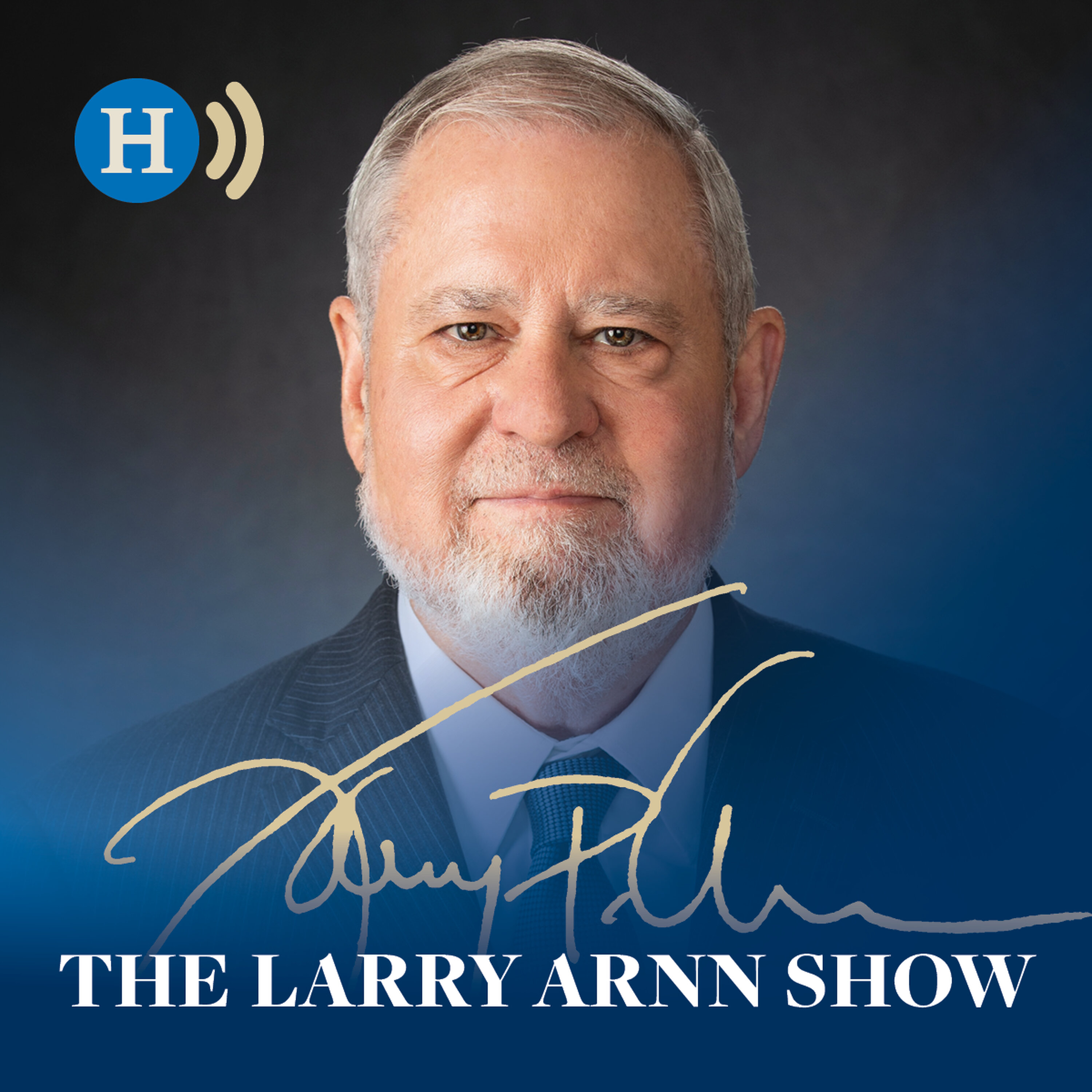
Charles Kesler: Can We Save the Republic?
Mar 300:53:40Summary readyIn this episode of The Larry Arnn Show, Hillsdale College President Larry P. Arnn interviews Charles R. Kesler, editor of the Claremont Review of Books and professor of government at Claremont McKenna College. The two discuss what we can learn from Cicero, the life and work of William F. Buckley Jr., and what the Trump presidency means for the future of the United States of America. This interview was conducted on February 2nd, 2026. Discover more at podcast.hillsdale.edu.See omnystudio.com/listener for privacy information.
Summary
The Politics of Shakespeare, Part Two
Mar 200:32:40Summary readyKhalil Habib, associate professor of politics at Hillsdale College, joins Hugh Hewitt on the Hillsdale Dialogues to continue a series on the politics of Shakespeare's historical plays. Release date: 02 March 2026See omnystudio.com/listener for privacy information.
Summary
The Primary Source You Can Hang on the Wall
Mar 200:24:54Summary readySonja Bindus, teacher support lead for Hillsdale College K-12 Education, joins host Scot Bertram to discuss teaching students how to appreciate art, learning from the artistic masters, and how to help students develop artistic skills. Learn more: https://k12.hillsdale.edu/See omnystudio.com/listener for privacy information.
Summary
How Reagan Liberated Grenada and Won the Cold War
Feb 2700:38:36Summary readyGuests: John Bachman & Nathan Herring Host Scot Bertram talks with John Bachman, host of John Bachman Now on Newsmax, about Ronald Reagan's successful invasion of Grenada and his new book Turning Point: How Reagan Liberated Grenada and Won the Cold War. And Nathan Herring, assistant professor of physics at Hillsdale College, discusses the life and accomplishments of physicist James Clerk Maxwell.See omnystudio.com/listener for privacy information.
Summary
Learning From Minnesota’s Somali Fraud Scandal
Feb 2500:16:32Summary readyJanuary 2026 | Volume 55, Issue 1 Learning From Minnesota’s Somali Fraud ScandalScott W. JohnsonPowerlineSee omnystudio.com/listener for privacy information.
Summary
Constitution 101: Secession and Civil War
Feb 2500:38:02Summary readyOn this episode of The Hillsdale College Online Courses Podcast, Jeremiah and Juan discuss executive authority and secession before introducing Kevin Portteus. The United States Constitution was designed to secure the natural rights proclaimed in the Declaration of Independence. Signed by Constitutional Convention delegates on September 17, 1787—Constitution Day—it was ratified by the American people and remains the most enduring and successful constitution in history. In this twelve-lecture course, students will examine the political theory of the American Founding and subsequent challenges to that theory throughout American history. Topics covered in this course include: the natural rights theory of the Founding, the meaning of the Declaration and the Constitution, the crisis of the Civil War, the Progressive rejection of the Founding, and the nature and form of modern liberalism. The South’s justification for secession was based on an erroneous reading of the Constitution. Whereas the South claimed a legal right to secede, Lincoln opposed what he called an illegal insurrection and sought to secure a “new birth of freedom” in America.See omnystudio.com/listener for privacy information.
Summary
Constitution 101: Slavery and the Roots of the Secession Crisis
Feb 1800:37:09Summary readyOn this episode of The Hillsdale College Online Courses Podcast, Jeremiah and Juan discuss whether or not the American Founding supported slavery before introducing Kevin Portteus. The United States Constitution was designed to secure the natural rights proclaimed in the Declaration of Independence. Signed by Constitutional Convention delegates on September 17, 1787—Constitution Day—it was ratified by the American people and remains the most enduring and successful constitution in history. In this twelve-lecture course, students will examine the political theory of the American Founding and subsequent challenges to that theory throughout American history. Topics covered in this course include: the natural rights theory of the Founding, the meaning of the Declaration and the Constitution, the crisis of the Civil War, the Progressive rejection of the Founding, and the nature and form of modern liberalism. Contrary to the Founders’ guiding principle of equality and their hopes for eventual abolition, slavery not only survived but spread and became entrenched in the South. Subsequently, a new ideology arose in defense of slavery, which rejected the principles of the Founding and fueled the sectional crisis that led to the Civil War.See omnystudio.com/listener for privacy information.
Summary
Applying Lessons from the Liberal Arts to Life-Long Learning
Feb 1500:18:14Summary readyKarissa Moschel (’20) talks about her time at Hillsdale as a French and History double major, and her current role as a science, English, and math teacher at Hadar Jewish Classical Academy in Austin, Texas.See omnystudio.com/listener for privacy information.
Summary
Constitution 101: Property, Morality, and Religion
Feb 1100:34:29Summary readyOn this episode of The Hillsdale College Online Courses Podcast, Jeremiah and Juan discuss whether or not the government should legislate morality before introducing Thomas West. The United States Constitution was designed to secure the natural rights proclaimed in the Declaration of Independence. Signed by Constitutional Convention delegates on September 17, 1787—Constitution Day—it was ratified by the American people and remains the most enduring and successful constitution in history. In this twelve-lecture course, students will examine the political theory of the American Founding and subsequent challenges to that theory throughout American history. Topics covered in this course include: the natural rights theory of the Founding, the meaning of the Declaration and the Constitution, the crisis of the Civil War, the Progressive rejection of the Founding, and the nature and form of modern liberalism. While the first purpose of government is to protect citizens from foreign and domestic threats, it must also undertake other essential actions in order to secure natural rights. These include the protection of property rights, the defense of religious liberty, and the promotion of the moral character necessary to sustain free government.See omnystudio.com/listener for privacy information.
Summary