Podcast
Hillsdale College Podcast Network Superfeed
Hosted by Hillsdale College · EN
Subscribe to receive every episode of every podcast on the Hillsdale College Podcast Network delivered directly to your device.
188episodes
Episodes
Newest firstAll episodes
Constitution 101: Consent of the Governed and the Separation of Powers
Feb 400:43:46Summary readyOn this episode of The Hillsdale College Online Courses Podcast, Jeremiah and Juan discuss the difference between democracy and republicanism before introducing Ronald J. Pestritto. The United States Constitution was designed to secure the natural rights proclaimed in the Declaration of Independence. Signed by Constitutional Convention delegates on September 17, 1787—Constitution Day—it was ratified by the American people and remains the most enduring and successful constitution in history. In this twelve-lecture course, students will examine the political theory of the American Founding and subsequent challenges to that theory throughout American history. Topics covered in this course include: the natural rights theory of the Founding, the meaning of the Declaration and the Constitution, the crisis of the Civil War, the Progressive rejection of the Founding, and the nature and form of modern liberalism. The Framers understood that the “latent causes of faction . . . are sown in the nature of man.” Consequently, the Constitution establishes a number of institutional mechanisms such as representation and separation of powers to control the effects of faction. In so doing, the Constitution improved upon previous models of republican government.See omnystudio.com/listener for privacy information.
Summary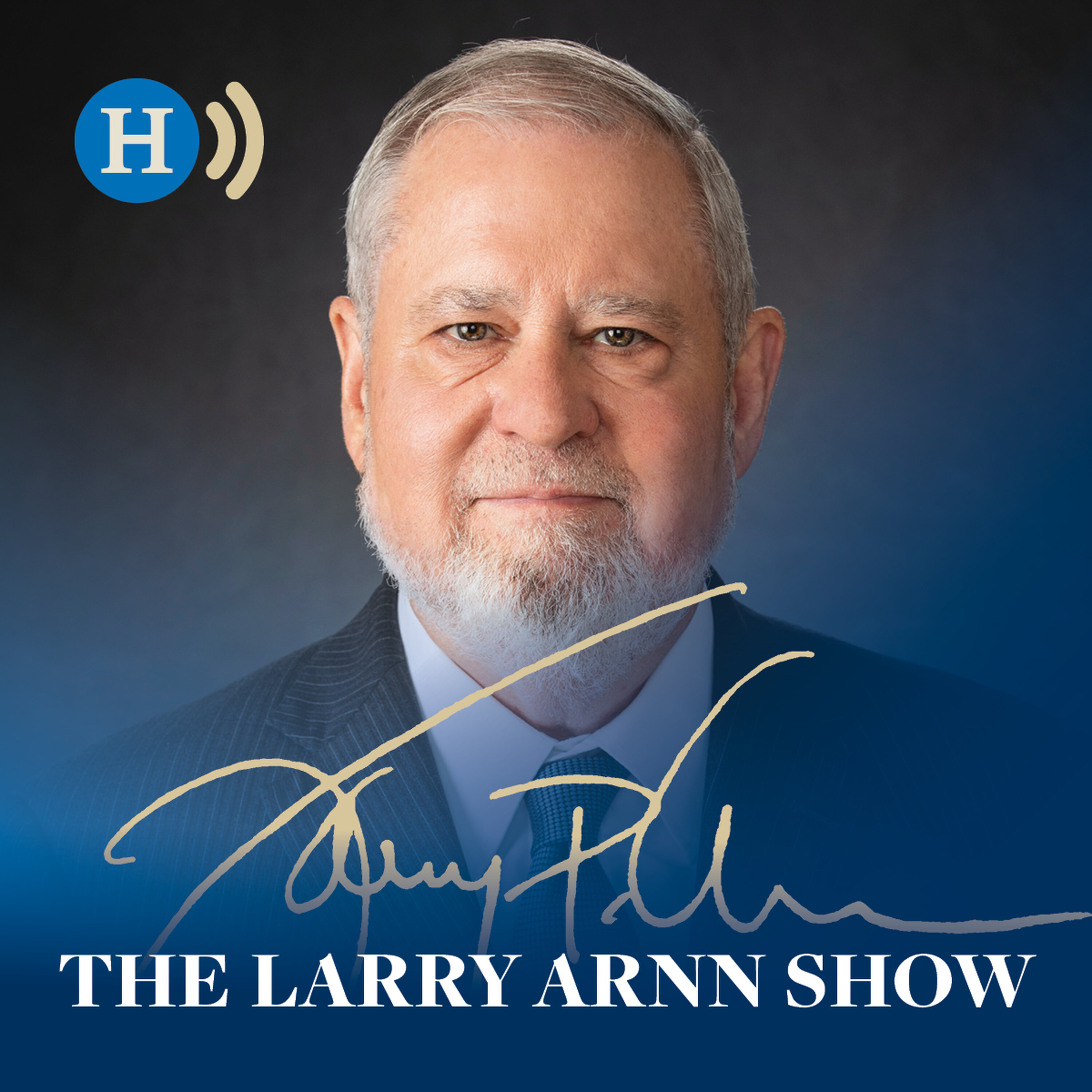
Jared Veldheer: From Hillsdale College to the NFL
Feb 300:49:10Summary readyIn this episode of The Larry Arnn Show, Hillsdale College President Larry P. Arnn interviews Jared Veldheer, Hillsdale College graduate and former NFL star. The two discuss Veldheer's journey from playing football at Hillsdale College to being drafted to the NFL, his many ventures as an entrepreneur, and his time as a contestant on the current season of Gordon Ramsey's reality cooking show Next Level Chef. This interview was conducted on January 27, 2025. Discover more at podcast.hillsdale.edu.See omnystudio.com/listener for privacy information.
Summary
Constitution 101: Majority Tyranny and the Necessity of the Union
Jan 2800:40:28Summary readyOn this episode of The Hillsdale College Online Courses Podcast, Jeremiah and Juan discuss how The Federalist influenced the Constitutional Convention before introducing Ronald J. Pestritto. The United States Constitution was designed to secure the natural rights proclaimed in the Declaration of Independence. Signed by Constitutional Convention delegates on September 17, 1787—Constitution Day—it was ratified by the American people and remains the most enduring and successful constitution in history. In this twelve-lecture course, students will examine the political theory of the American Founding and subsequent challenges to that theory throughout American history. Topics covered in this course include: the natural rights theory of the Founding, the meaning of the Declaration and the Constitution, the crisis of the Civil War, the Progressive rejection of the Founding, and the nature and form of modern liberalism. The Articles of Confederation was America’s first attempt at establishing a national union. However, in many of the states, unchecked legislative majorities frequently trampled on the natural rights of minorities and disregarded the nearly powerless federal government. This experience of unstable and unjust government led to calls for a firmer union.See omnystudio.com/listener for privacy information.
Summary
From Summer Research as a College Freshman to Working in the Emergency Room
Jan 2800:11:59Summary readyElizabeth Stovicek ('13) joins Beyond the Bubble to share her experience at Hillsdale as a Biology Major, Spanish Minor and her campus involvement, in addition to what her day looks like as she works in Emergency Medicine and Palliative Care. See omnystudio.com/listener for privacy information.
Summary
Constitution 101: Natural Rights and the American Revolution
Jan 2100:33:07Summary readyOn this episode of The Hillsdale College Online Courses Podcast, Jeremiah and Juan discuss how the concept of natural rights informed the American Founding before introducing Thomas G. West. The United States Constitution was designed to secure the natural rights proclaimed in the Declaration of Independence. Signed by Constitutional Convention delegates on September 17, 1787—Constitution Day—it was ratified by the American people and remains the most enduring and successful constitution in history. In this twelve-lecture course, students will examine the political theory of the American Founding and subsequent challenges to that theory throughout American history. Topics covered in this course include: the natural rights theory of the Founding, the meaning of the Declaration and the Constitution, the crisis of the Civil War, the Progressive rejection of the Founding, and the nature and form of modern liberalism. The principle of equality—which means no person may rule over another without his consent—is central to the political theory of the American Founding. Not only did it justify the Revolution, it also led to the creation of a government whose purpose is securing the natural rights of its citizens.See omnystudio.com/listener for privacy information.
Summary
The Dangers of Undermining U.S. Civil–Military Relations
Jan 2100:17:10Summary readyDecember 2025 | Volume 54, Issue 12The Dangers of Undermining U.S. Civil–Military RelationsMackubin Thomas OwensAuthor, U.S. Civil–Military Relations After 9/11: Renegotiating the Civil–Military BargainSee omnystudio.com/listener for privacy information.
Summary
Churchill’s The Second World War, Part Seventeen
Jan 1900:33:28Summary readyDr. Larry P. Arnn, President of Hillsdale College, joins Hugh Hewitt on the Hillsdale Dialogues to continue a series on The Second World War, Churchill's sprawling memoir and history of World War II in six volumes.Release date: 19 January 2025See omnystudio.com/listener for privacy information.
Summary
Constitution 101: The Theory of the Declaration and the Constitution
Jan 1400:38:20Summary readyOn this episode of The Hillsdale College Online Courses Podcast, Jeremiah and Juan introduce the course "Constitution 101". The United States Constitution was designed to secure the natural rights proclaimed in the Declaration of Independence. Signed by Constitutional Convention delegates on September 17, 1787—Constitution Day—it was ratified by the American people and remains the most enduring and successful constitution in history. In this twelve-lecture course, students will examine the political theory of the American Founding and subsequent challenges to that theory throughout American history. Topics covered in this course include: the natural rights theory of the Founding, the meaning of the Declaration and the Constitution, the crisis of the Civil War, the Progressive rejection of the Founding, and the nature and form of modern liberalism. The form of government prescribed by the Constitution is based on the timeless principles of the Declaration of Independence. These two documents establish the formal and final causes of the United States and make possible the freedom that is the birthright of all Americans.See omnystudio.com/listener for privacy information.
Summary
C.S. Lewis on Christianity: Heaven and Hell
Jan 700:39:09Summary readyOn this episode of The Hillsdale College Online Courses Podcast, Jeremiah and Juan discuss C.S. Lewis' explanation of hell before introducing Michael Ward. C.S. Lewis’s writings bring the great questions of the Christian faith to life. Through his imaginative and invigorating style, Lewis answers these questions in ways that are compelling to those outside Christianity and energizing to those within the Christian faith. C.S. Lewis writes that “we know much more about heaven than hell, for heaven is the home of humanity.” The Screwtape Letters and The Great Divorce vividly illustrate the meaning of this statement, as Lewis shows that heaven was prepared for humans to become most fully themselves, while hell is a place for those who have abolished their humanity.See omnystudio.com/listener for privacy information.
Summary
A Career in Law: Susan Payne Woodrow, ’62
Dec 1800:49:34Summary readySusan Payne Woodrow from the class of 1962 graduated as a math major. However, more than a decade after graduating from Hillsdale, she returned to school and completed her law degree. She has spent more than 48 years operating her own practice. Learn about her fascinating professional and personal experiences. ------ Informative. Inspirational. Uplifting. Those are the goals of the White and Blue podcast. We are here to tell the interesting stories of Hillsdale College alumni, who number more than 15,000 strong. Our guests will share about their time and experiences while on campus, and also the impact they have had on the world since graduating. What makes the Hillsdale College graduate unique? We will explore that question and more, including how alumni have impacted the past, present, and future of the College. Won’t you join us?See omnystudio.com/listener for privacy information.
Summary