
Podcast
Hope Cathedral
Hosted by Trevón Gross · EN
Listen to uplighting, hope-filled messages from Hope Cathedral.
Be sure to leave us a review and share the content to help lead others to live for Jesus!
About Hope Cathedral
Our mission is to lead people to live for Jesus. Our vision is for our partners to pursue God, discover purpose, build relationships, live free, and making a difference.
We are located in Jackson, New Jersey! We meet to corporately worship every Sunday at 8:30AM & 10:15AM!
Interested in visiting us? You can plan your visit today! - https://www.hopecathedral.com/plan-your-visit/
Visit our website for all things Hope - Hopecathedral.com
Connect with us on social media:
Facebook: https://www.facebook.com/hopecathedral
Instagram: https://www.instagram.com/hopecathedral
Youtube: https://www.youtube.com/@hopecathedral
53episodes
Episodes
Newest firstAll episodes
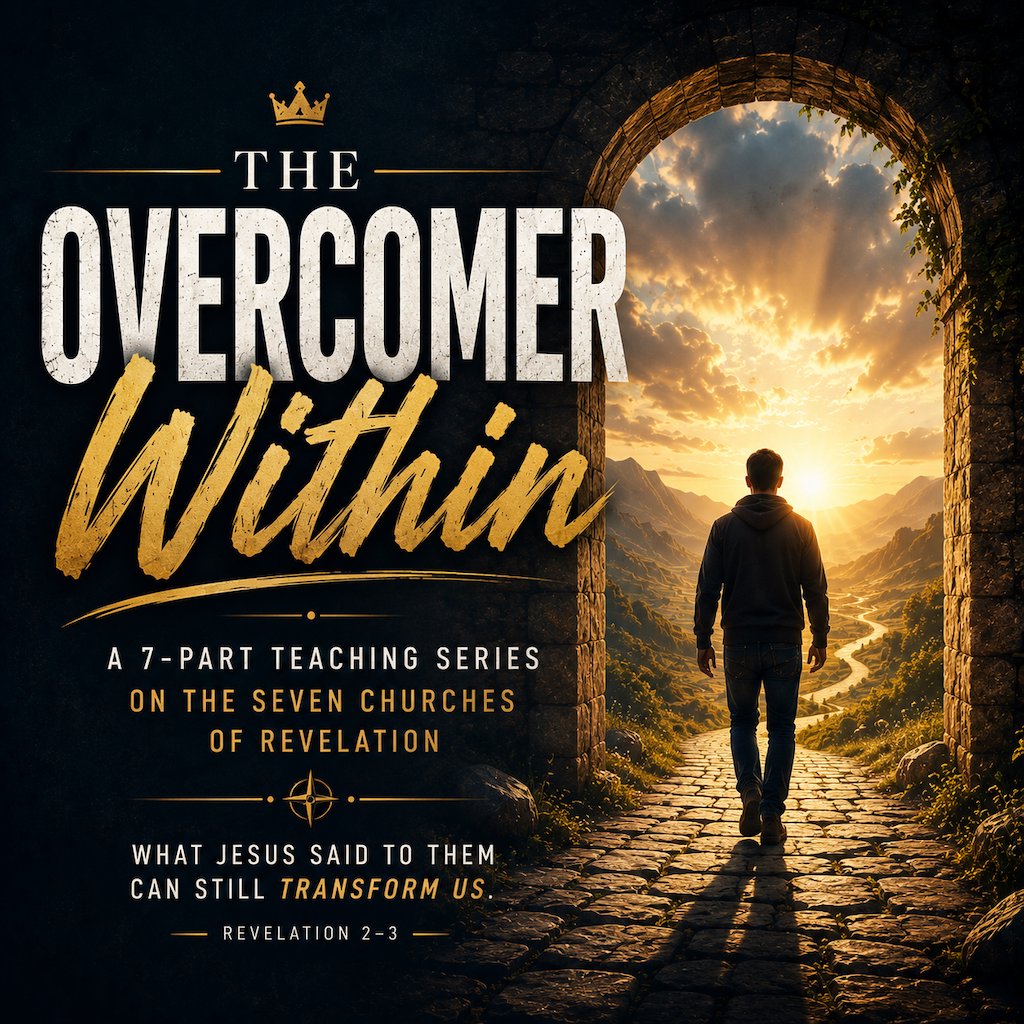
What Am I Tolerating?
2w ago00:32:43Tap to summarizeThe church at Pergamum never denied Christ publicly. They never abandoned worship. But Jesus still had one complaint: they were tolerating compromise from within. In this message from Revelation 2:12-17, Pastor Anitonio Rotimi shows why small compromises become big defeat, how obedience doesn't exempt you from storms, and why delayed repentance is its own quiet form of surrender. If you've ever excused something small because addressing it felt inconvenient, this message is for you.
Transcribe →What Are You Trusting?
3w ago00:37:37Tap to summarizeLife hurts, and when it does, something always steps in to fill the gap. In this message from Revelation 2:8-11, Minister Lynne Bradley unpacks Jesus's letter to the persecuted church in Smyrna, a congregation the world called poor but Heaven called rich. Discover why Jesus introduces Himself before He explains your suffering, how fearless faith carries you through trials with a beginning and an end, and why the crown of life outlasts every hard season.
Transcribe →Recover your First Love
4w ago00:39:46Tap to summarizeTranscribe →
Finding Joy
Jul 1200:33:44Tap to summarizeThis message centers on a powerful truth: joy isn't found in better circumstances—it's found in Jesus. Peter writes to believers who were suffering, persecuted, and scattered, yet instead of promising an easier life, he reminds them of what they already possess: a living hope, an eternal inheritance, and the joy that came the moment they received Christ. Joy isn't temporary happiness based on what's happening around us; it's an unshakable confidence in God's goodness and faithfulness. The sermon explains that joy doesn't disappear in suffering—it grows through it. Trials are not evidence that God has abandoned us but opportunities for our faith to be refined like gold. Just as Jesus endured the cross because of the joy set before Him, believers can endure present pain because they know God is using every trial to strengthen their faith, shape their character, and prepare them for His glory.Finally, joy is sustained by faith. Even when we cannot see God working, we choose to trust His promises over our feelings. Rather than chasing temporary happiness, we return to the unchanging truth that when we received Jesus, we received lasting joy. Our circumstances may change, but Christ never does, and because He is our living hope, our joy remains secure.
Transcribe →
End Where You Began
Jul 500:41:01Tap to summarizeBased on this sermon transcript, here's a polished social media caption:Prayer was never meant to be a wishlist—it was meant to be a conversation with the King.The Lord's Prayer reminds us that life isn't about building our own kingdom; it's about advancing God's. Before we ask God to bless our plans, we should first ask Him for His assignment.When we make God's priorities our priorities, He faithfully takes care of ours. Every day is an opportunity to surrender, serve, and give Him the glory He deserves."For Yours is the kingdom and the power and the glory forever. Amen."
Transcribe →From the Heart
Jun 2800:37:51Tap to summarizeThis message reminds us that God doesn't tempt His people to sin, but He does test them to reveal, refine, and strengthen their faith. The same circumstance can be used by God to mature us while the enemy tries to use it to draw us away from Him. Trials don't create what's in our hearts—they expose what's already there. That's why Jesus taught us to pray, "Lead us not into temptation, but deliver us from evil," acknowledging our daily need for God's guidance and strength.The sermon emphasizes that sincere intentions alone are not enough. Like Peter, we may believe we're strong until pressure reveals our weaknesses. Rather than relying on our own confidence, we are called to depend on the Father every day. A mature believer isn't someone who needs God less, but someone who recognizes their continual need for His direction, protection, and wisdom.Ultimately, our hope rests in God's faithfulness, not our own perfection. Though we will face tests, the Father promises to guide us, keep us, and deliver us. Jesus continually intercedes for His people, ensuring that our failures are never final. As we pray from the heart, we trust that God will sustain us through every trial, strengthen our faith, and lead us into the victory Christ has already secured.Subscribe to the Hope Cathedral channel to stream our latest messages, your favorite sermons from over the years, and much more.
Transcribe →Forgive us our Debts
Jun 2100:36:22Tap to summarizeThis message reminds us that the disciples didn't ask Jesus how to perform miracles—they asked Him how to pray. They recognized that His power, wisdom, and miracles flowed from His relationship with the Father through prayer. The message emphasizes that one of the greatest hindrances to prayer is unforgiveness. Just as a backpack becomes heavier the longer it's carried, unforgiveness becomes a weight that burdens our hearts, affects our spiritual lives, and can even impact our physical and emotional well-being.The sermon teaches that when we continually rehearse our hurts, we keep them alive. Instead of replaying offenses and telling the story over and over, we are called to release those who have wronged us and trust God with the outcome. Jesus illustrated this through the parable of the unforgiving servant, showing that because we have been forgiven such a great debt, we must extend that same grace to others.The practical application is clear: pray for those who hurt you, speak well of them, guard your heart, and refuse to carry the weight of bitterness. Forgiveness is not about excusing what happened; it's about freeing yourself from the burden of carrying the offense. When we release others, we position ourselves to walk in freedom and experience a deeper, more effective prayer life.
Transcribe →Forgive us our Debts
Jun 2100:36:22Tap to summarizeThis message reminds us that the disciples didn't ask Jesus how to perform miracles—they asked Him how to pray. They recognized that His power, wisdom, and miracles flowed from His relationship with the Father through prayer. The message emphasizes that one of the greatest hindrances to prayer is unforgiveness. Just as a backpack becomes heavier the longer it's carried, unforgiveness becomes a weight that burdens our hearts, affects our spiritual lives, and can even impact our physical and emotional well-being.The sermon teaches that when we continually rehearse our hurts, we keep them alive. Instead of replaying offenses and telling the story over and over, we are called to release those who have wronged us and trust God with the outcome. Jesus illustrated this through the parable of the unforgiving servant, showing that because we have been forgiven such a great debt, we must extend that same grace to others.The practical application is clear: pray for those who hurt you, speak well of them, guard your heart, and refuse to carry the weight of bitterness. Forgiveness is not about excusing what happened; it's about freeing yourself from the burden of carrying the offense. When we release others, we position ourselves to walk in freedom and experience a deeper, more effective prayer life.
Transcribe →Trust His Track Record
Jun 1400:32:31Tap to summarizePrayer is not just about getting your needs met—it’s about living on assignment. God is not a cosmic concierge taking requests; He is a sovereign King who has a purpose for your life. When we pray, we acknowledge our dependence on Him while embracing the role He has given us in advancing His Kingdom."You’re not here just to get your needs met. You’re here on assignment. God created you with purpose, and prayer aligns your life with His plan. Every prayer should remind us that we belong to His Kingdom and have a role to play in it."
Transcribe →Trust His Track Record
Jun 1400:32:31Tap to summarizePrayer is not just about getting your needs met—it’s about living on assignment. God is not a cosmic concierge taking requests; He is a sovereign King who has a purpose for your life. When we pray, we acknowledge our dependence on Him while embracing the role He has given us in advancing His Kingdom."You’re not here just to get your needs met. You’re here on assignment. God created you with purpose, and prayer aligns your life with His plan. Every prayer should remind us that we belong to His Kingdom and have a role to play in it."
Transcribe →