
Podcast
How I Doctor with Dr. Graham Walker
Hosted by Offcall · EN
I built MDCalc 20 years ago because I wanted to save myself and other doctors time and make it easy for them to integrate more evidence into their medical care. Now I’ve launched Offcall to tackle something even bigger: giving doctors back our autonomy — through salary and workload transparency. These ideas shouldn’t be radical…but here we are. I still practice emergency medicine, but I’ve spent my career breaking out of the cookie cutter version of “what a doctor looks like” or “what a doctor’s supposed to do.” That’s why I started How I Doctor: a podcast about the most creative and influential physicians and how they’re rewriting the job description. Medicine wasn’t built for creativity. But I think that’s exactly what it needs. If you’re looking for new role models, different stories, or just proof that fulfillment is still possible in this era of medicine — this show’s for you. Welcome to “How I Doctor,” where we’re bringing joy back to medicine.
If you enjoy the show, please hit the follow button! That will help us continue to bring you more great episodes every week. And don’t forget to sign up for Offcall. Join the growing movement!
Offcall: https://www.offcall.com/
LI: https://www.linkedin.com/company/joinoffcall
TikTok: https://www.tiktok.com/@offcalldotcom
IG: https://www.instagram.com/offcalldotcom/
31episodes
Episodes
Newest firstAll episodes

Dr. Jordan Shlain: Insurance Killed Primary Care, So I Built a Practice Without It
2w ago00:33:29Tap to summarizeDr. Jordan Shlain is an internist,= and founder of Private Medical, one of the longest-running concierge practices in the country, and a doctor who has spent 25 years arguing that primary care should never have been bundled into health insurance in the first place. His practice, and his writing on Substack at Don't Listen To Me, have made him one of concierge medicine's most direct voices, direct enough that the New England Journal of Medicine recently devoted a piece to asking whether his model has something to teach the rest of primary care.In this episode of How I Doctor, Dr. Graham Walker sits down with Jordan to trace the origin story back to when a canceled business meeting sent Jordan wandering into a hotel lobby, where he talked his way into becoming the on-call physician for the Mandarin Oriental. That accidental job became San Francisco On Call Medical Group, then Private Medical in 2002, and eventually a 25-year experiment in what happens when a doctor's incentives and a patient's health point in exactly the same direction.Jordan doesn't hedge. Insurance, he argues, is a financial hedge against catastrophic loss, not a mechanism for a doctor visit, and folding primary care into that system created most of the dysfunction physicians and patients feel today.Graham and Jordan get into the actual economics of membership-based primary care, why fee-for-service quietly rewards a patient staying sick, what trust really means when it's stripped down to a promise instead of a marketing term, and why Jordan believes AI will only help physicians if it restores their agency instead of adding another layer of control.What You'll LearnWhy Jordan argues insurance was never built for routine primary careThe real math behind a membership-based practiceHow a flat annual membership changes what a doctor is financially motivated to want for a patientThe real definition of trustJordan's prediction that 90 percent of healthcare could already move to email, text, and videoWhat Jordan would eliminate from healthcare tomorrow if he could🩺 Offcall is more than a platform — it’s a community. Join today!📝 For a full transcript of this episode click HERE🎧 Subscribe to receive new How I Doctor episodes directly in your feed here: https://episodes.fm/1767429315👨⚕️Follow Dr. Graham Walker onLinkedIn https://www.linkedin.com/in/graham-walker-md/IG https://www.instagram.com/ubergraham/Bluesky https://bsky.app/profile/drgrahamwalker.com✉️ Join our newsletter On/Offcall here https://offcall.beehiiv.com/subscribe🟧 Follow Offcall onLinkedIn https://www.linkedin.com/company/joinoffcall/IG https://www.instagram.com/offcalldotcom/TikTok https://www.tiktok.com/@offcalldotcom
Transcribe →
51 of the Top 100 Healthcare Companies Had a Physician Founder: Dr. David Lortscher Explains Why
3w ago00:30:17Tap to summarizeDr. David Lortscher is a dermatologist turned founder of Curology, one of the first companies to combine telehealth, prescription skincare, and a subscription model into something patients would actually use. He's also the author of a new book making a data backed case that should unsettle every hospital administrator who's ever doubted a physician founder: Why Doctors Win.In this episode of How I Doctor, Dr. Graham Walker sits down with David to trace his path from a dermatopathology fellowship waiting for him at UCLA to starting Curology, and then a decade later stepping back from the CEO seat. That gave him time to go looking for proof that his own success wasn't a fluke.What he found is that 51 of the top 100 healthcare companies founded in the last 40 years had a physician founder!Graham and David get into why the doctor plus engineer pairing keeps showing up in the biggest healthcare success stories, the blind spot that trips up even smart physician founders, and David's blunt rule for anyone gathering advice before making the leap: take the inputs, not the conclusions.What You'll LearnWhy physician founded healthcare companies outperform at roughly 3x the rate you'd expect from their overall representation among foundersThe doctor plus engineer combination that shows up in 7 of the 10 companies profiled in Why Doctors Win, and why it worksHow an MD behind your name changes the way you sell into a hospital, from the CMO's office up to the CEO and CFOThe most common blind spot physician founders hit: falling for the technology itself instead of the harder question of who will actually pay for itDavid's rule for gathering advice from as many people as possible while still keeping the final decision your own🩺 Offcall is more than a platform — it’s a community. Join today!📝 For a full transcript of this episode click HERE🎧 Subscribe to receive new How I Doctor episodes directly in your feed here: https://episodes.fm/1767429315👨⚕️Follow Dr. Graham Walker onLinkedIn https://www.linkedin.com/in/graham-walker-md/IG https://www.instagram.com/ubergraham/Bluesky https://bsky.app/profile/drgrahamwalker.com✉️ Join our newsletter On/Offcall here https://offcall.beehiiv.com/subscribe🟧 Follow Offcall onLinkedIn https://www.linkedin.com/company/joinoffcall/IG https://www.instagram.com/offcalldotcom/TikTok https://www.tiktok.com/@offcalldotcom
Transcribe →
What Does Good AI in Healthcare Look Like? CHAI CEO Brian Anderson Is Trying to Get Every Hospital in America to Agree
4w ago00:31:28Tap to summarizeDr. Brian Anderson is a pediatrician turned CEO of the Coalition for Health AI (CHAI), the organization behind the push to give every AI tool in your EHR something like a nutrition label: what it was trained on, who trained it, and where it might fail.In this episode of How I Doctor, Dr. Graham Walker sits down with Brian to trace his path from a Mass General exam room, where a clunky EHR rollout first pushed him toward building technology instead of just using it, to running a coalition of more than 3,000 organizations trying to agree on one deceptively hard question: what does good AI in healthcare actually look like.They also break two major pieces of news together, live on the show. OpenAI and Anthropic are donating thousands of AI licenses to public health agencies through CHAI, aimed at rebuilding trust in digital tools after decades of underinvestment. And CHAI is launching a health sector specific version of Anthropic's Project Glasswing, bringing serious cybersecurity firepower to the industry Brian calls the most attacked critical infrastructure in the country.Graham and Brian also get into what "human in the loop" should really mean for a working physician, why model cards solve procurement but not the fifteen-minute exam room, and what CHAI is doing to finally connect AI performance to real clinical outcomes.What You'll LearnWhat CHAI's model cards actually tell a physician, and the gap that still exists between hospital procurement and the exam roomThe details of CHAI's new partnership with OpenAI and Anthropic, and what it means for public health agencies gaining free access to Claude and ChatGPTWhy CHAI is bringing a health sector version of Anthropic's Project Glasswing to hospitals, the most attacked critical infrastructure sector in the countryHow CHAI plans to measure whether AI tools are actually improving patient outcomes, not just getting deployed🩺 Offcall is more than a platform — it’s a community. Join today!📝 For a full transcript of this episode click HERE🎧 Subscribe to receive new How I Doctor episodes directly in your feed here: https://episodes.fm/1767429315👨⚕️Follow Dr. Graham Walker onLinkedIn https://www.linkedin.com/in/graham-walker-md/IG https://www.instagram.com/ubergraham/Bluesky https://bsky.app/profile/drgrahamwalker.com✉️ Join our newsletter On/Offcall here https://offcall.beehiiv.com/subscribe🟧 Follow Offcall onLinkedIn https://www.linkedin.com/company/joinoffcall/IG https://www.instagram.com/offcalldotcom/TikTok https://www.tiktok.com/@offcalldotcom
Transcribe →Two Surgeons Explain Why U.S. Healthcare Is So Broken And Can't Be Reformed From Inside, from Wendy Dean's 43cc Podcast
Jul 900:39:02Tap to summarizeA few weeks ago, Graham sat down with Dr. Wendy Dean, co-founder of Moral Injury in Healthcare, for one of his favorite conversations this show has ever recorded. It's the kind of episode that changes how you talk about your own job. That's why this week, How I Doctor is doing something new: handing the feed over to Wendy's own show, 43cc, which she co-hosts with orthopedic surgeon Dr. Matt Ramsey. 43cc bills itself as informal, informative, and irreverent, and if this episode is representative, that's undersold. It's the conversation you'd have with a colleague after a brutal clinic day, if you let yourself say the quiet part out loud.In this episode, Wendy and Matt start from a real patient encounter, a $3,100 out-of-pocket shoulder MRI on a $6,500 deductible, and use it to walk through exactly how the system got this expensive and this hard to fix from the inside. They don't stop at diagnosing the problem. They name the specific legislative mechanism (a provision buried in the Affordable Care Act) that keeps physicians from building an alternative, and the bills currently in Congress trying to undo it.What You'll Learn in This Episode:Why one patient's $3,100 out of pocket MRI charge reveals exactly how high deductible plans are designed to work against patients, not for themThe real difference between concierge medicine and direct primary care, and why Wendy argues only one of them actually changes the underlying cost of careHow Section 6001 of the Affordable Care Act froze the growth of physician owned hospitals in 2010, and why reversing it has become one of the more promising paths to real competition in healthcareWhy employer sponsored health plans, not federal legislation, may be the most realistic lever for forcing change in how insurers and hospitals operateSubscribe to 43cc wherever you get your podcasts to hear more from Wendy Dean and Matt Ramsey. Full episode and show notes here: 43ccpodcast.com🩺 Offcall is more than a platform — it’s a community. Join today!📝 For a full transcript of this episode click HERE🎧 Subscribe to receive new How I Doctor episodes directly in your feed here: https://episodes.fm/1767429315👨⚕️Follow Dr. Graham Walker onLinkedIn https://www.linkedin.com/in/graham-walker-md/ IG https://www.instagram.com/ubergraham/ Bluesky https://bsky.app/profile/drgrahamwalker.com ✉️ Join our newsletter On/Offcall here https://offcall.beehiiv.com/subscribe 🟧 Follow Offcall on LinkedIn https://www.linkedin.com/company/joinoffcall/ IG https://www.instagram.com/offcalldotcom/ TikTok https://www.tiktok.com/@offcalldotcom
Transcribe →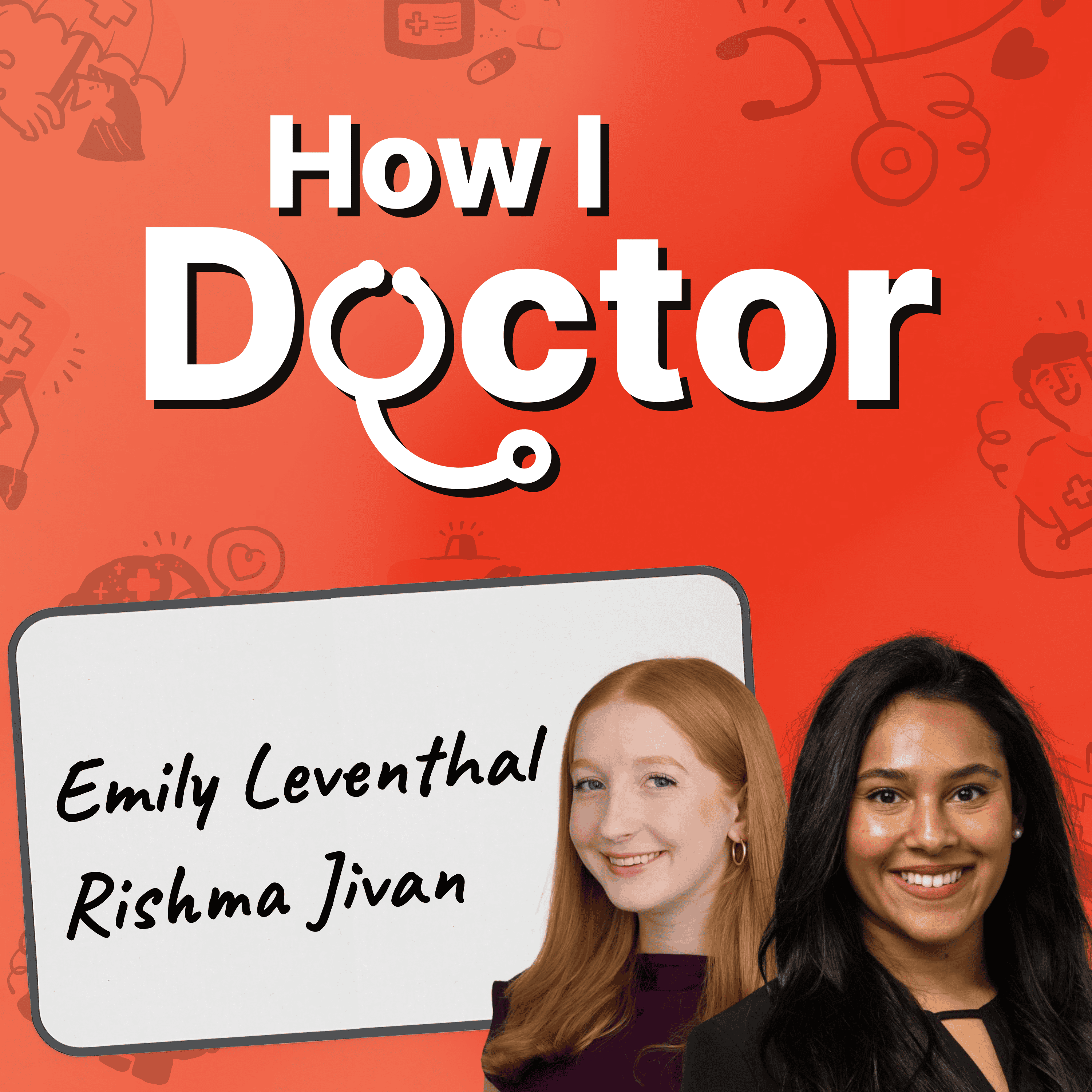
40+ Authors, 9 Specialties, and a Book Written by the Next Generation of Doctors: Emily Leventhal and Rishma Jivan on The Physician's Guide to AI From Offcall and MD+
Jul 200:35:42Tap to summarizeEmily Leventhal is a third-year MD-PhD student at the Icahn School of Medicine at Mount Sinai. Rishma Jivan is a fourth-year at Rush Medical College who spent years inside San Francisco health tech startups before going back to medical school. Together they co-led The Physician's Guide to AI, a nine-specialty e-book built with more than 40 physician authors, published in partnership with MD+.In this episode of How I Doctor, Dr. Graham Walker sits down with Emily and Rishma to find out what medical training actually looks like from inside the AI shift. What's really happening on rotations, in the hallways, and in the conversations students are having with attendings who don't always know what to make of it.They dig into the "hidden curriculum," the unwritten norms of medical training that AI is starting to help close for students who don't come from medical families, and why Rishma refuses to let herself trust an AI output without teaching herself to critique it first. Emily makes the case that AI won't just change how physicians practice, it will change which specialties students choose to go into at all. And both push back on the idea that relying on these tools is a shortcut, describing it instead as a discipline they're still building the rules for in real time.This isn't about students skipping the hard parts of training. It's about a generation building the habits and guardrails the rest of medicine hasn't caught up to yet.📖 Download The Physician's Guide to AI: https://www.amazon.com/dp/B0GY36B58ZWhat You'll LearnWhy every medical student is already using ChatGPT to prep for cases, and why that's different from the smaller group actually building AI tools.What the "hidden curriculum" is, and how AI is helping close that gap for students without a medical background in the family.How to guard against automation bias: the habit of verifying an AI output against its source before trusting a clinical recommendation.Why AI's impact on a specialty may become a real factor in how students choose where to train.🩺 Offcall is more than a platform — it’s a community. Join today!📝 For a full transcript of this episode click HERE🎧 Subscribe to receive new How I Doctor episodes directly in your feed here: https://episodes.fm/1767429315👨⚕️Follow Dr. Graham Walker onLinkedIn https://www.linkedin.com/in/graham-walker-md/IG https://www.instagram.com/ubergraham/Bluesky https://bsky.app/profile/drgrahamwalker.com✉️ Join our newsletter On/Offcall here https://offcall.beehiiv.com/subscribe🟧 Follow Offcall onLinkedIn https://www.linkedin.com/company/joinoffcall/IG https://www.instagram.com/offcalldotcom/TikTok https://www.tiktok.com/@offcalldotcom
Transcribe →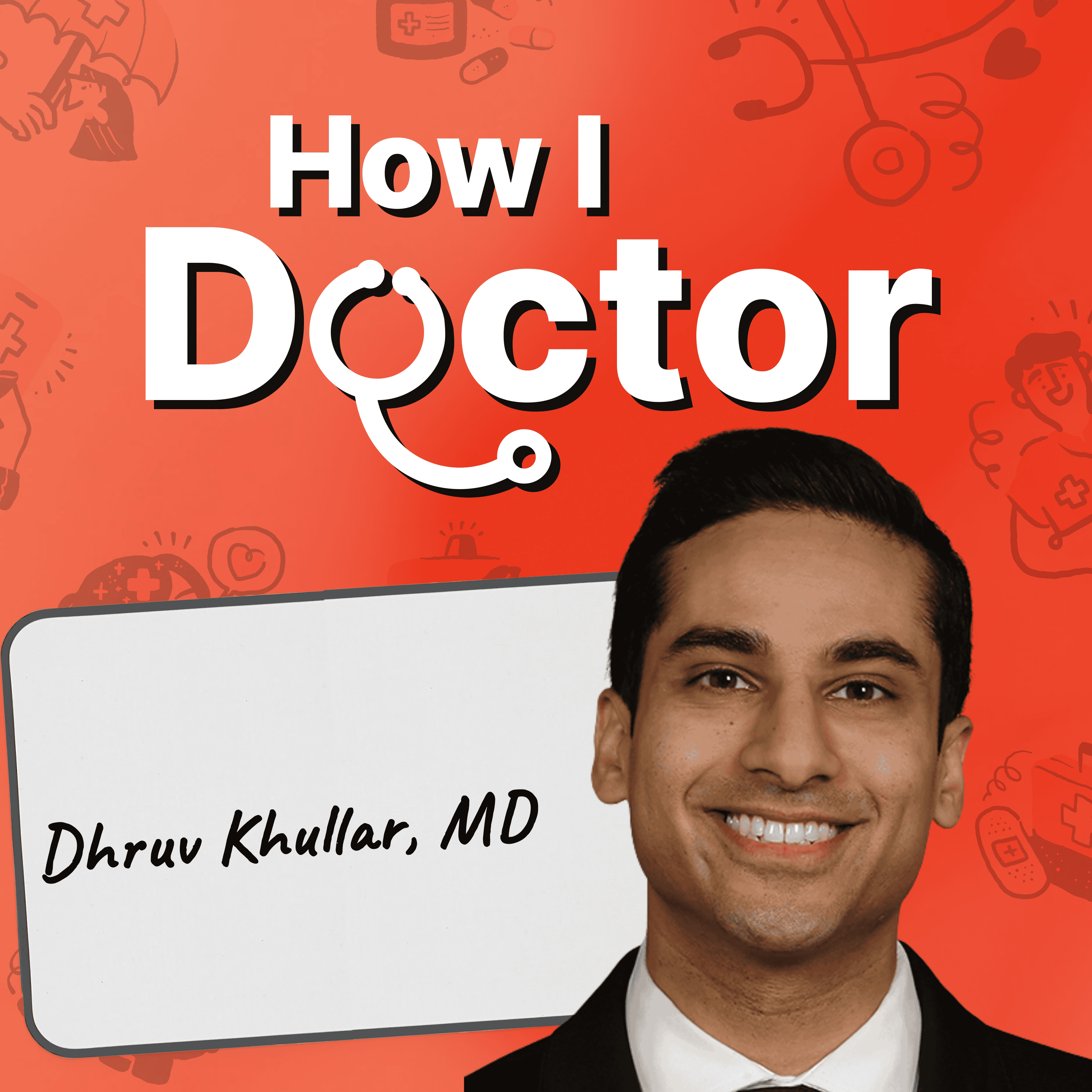
Your Patient Trusts ChatGPT More Than You Now: The New Yorker's Dr. Dhruv Khullar on Medical Authority in the Age of AI
Jun 2500:37:07Tap to summarizeDhruv Khullar is a hospitalist at New York Presbyterian, a health policy researcher at Weill Cornell, and a contributing writer to The New Yorker. That combination is rarer than it should be. Most physicians writing about medicine observe it from a remove. Dhruv rounds on patients in the morning, then sits down to report on what medicine is becoming for one of the most widely read publications in the country. What he writes carries clinical weight because he was just in the room.Over the past several years, Dhruv has reported at length on AI and its risks for clinical training, the structural forces reshaping the profession, and what he calls the Gilded Age of American medicine: dazzling innovation on the surface, structural rot underneath. That rot has a specific anatomy. Private equity now owns roughly 500 hospitals in the United States, and in some markets a single firm controls more than half of physician practices in a given specialty. Medicare Advantage insurers have turned risk-adjusted payment into a revenue strategy, systematically capturing diagnostic codes for conditions patients may not know they have and that no physician is treating, because sicker-looking patients generate more money. The value-based care revolution that many physicians believed in, Dhruv included, has not delivered on its promise. And all of it is happening while AI is simultaneously raising the ceiling of what medicine can do and quietly lowering the floor of what training physicians are being asked to do themselves.In this episode of How I Doctor, Graham sits down with Dhruv to get into what his reporting has actually uncovered and what it means for physicians living inside this moment. They talk about the difference between cognitive deskilling and cognitive foreclosure: the risk that medical trainees who turn to AI before doing the hard thinking themselves may never build the reasoning infrastructure that clinical judgment depends on. Dhruv describes watching an AI model called Cabot go head to head with one of the best diagnosticians he has ever trained alongside on a New England Journal CPC case, and nearly gasping when the machine finished in minutes. They also get into what happens to medical authority when a patient in your ER trusts ChatGPT over the physician standing in front of them, how Medicare Advantage is being gamed, and whether medicine can still be a calling after the system has spent years making it feel like a job.What You'll Learn in This Episode:Why cognitive foreclosure may be a bigger threat to physician training than cognitive deskillingWhat Dhruv witnessed when an AI went up against one of the best diagnosticians he has ever trained alongside, on one of medicine's hardest diagnostic case formats, and why it made him nearly gaspHow Medicare Advantage insurers have turned risk adjustment into a revenue strategy Why the most successful version of physician advocacy will be built around patient needs rather than professional statusWhether medicine can still be a calling after the system has spent years turning it into a job🩺 Offcall is more than a platform — it’s a community. Join today!📝 For a full transcript of this episode click HERE🎧 Subscribe to receive new How I Doctor episodes directly in your feed here: https://episodes.fm/1767429315👨⚕️Follow Dr. Graham Walker onLinkedIn https://www.linkedin.com/in/graham-walker-md/ IG https://www.instagram.com/ubergraham/ Bluesky https://bsky.app/profile/drgrahamwalker.com ✉️ Join our newsletter On/Offcall here https://offcall.beehiiv.com/subscribe 🟧 Follow Offcall on LinkedIn https://www.linkedin.com/company/joinoffcall/ IG https://www.instagram.com/offcalldotcom/ TikTok https://www.tiktok.com/@offcalldotcom
Transcribe →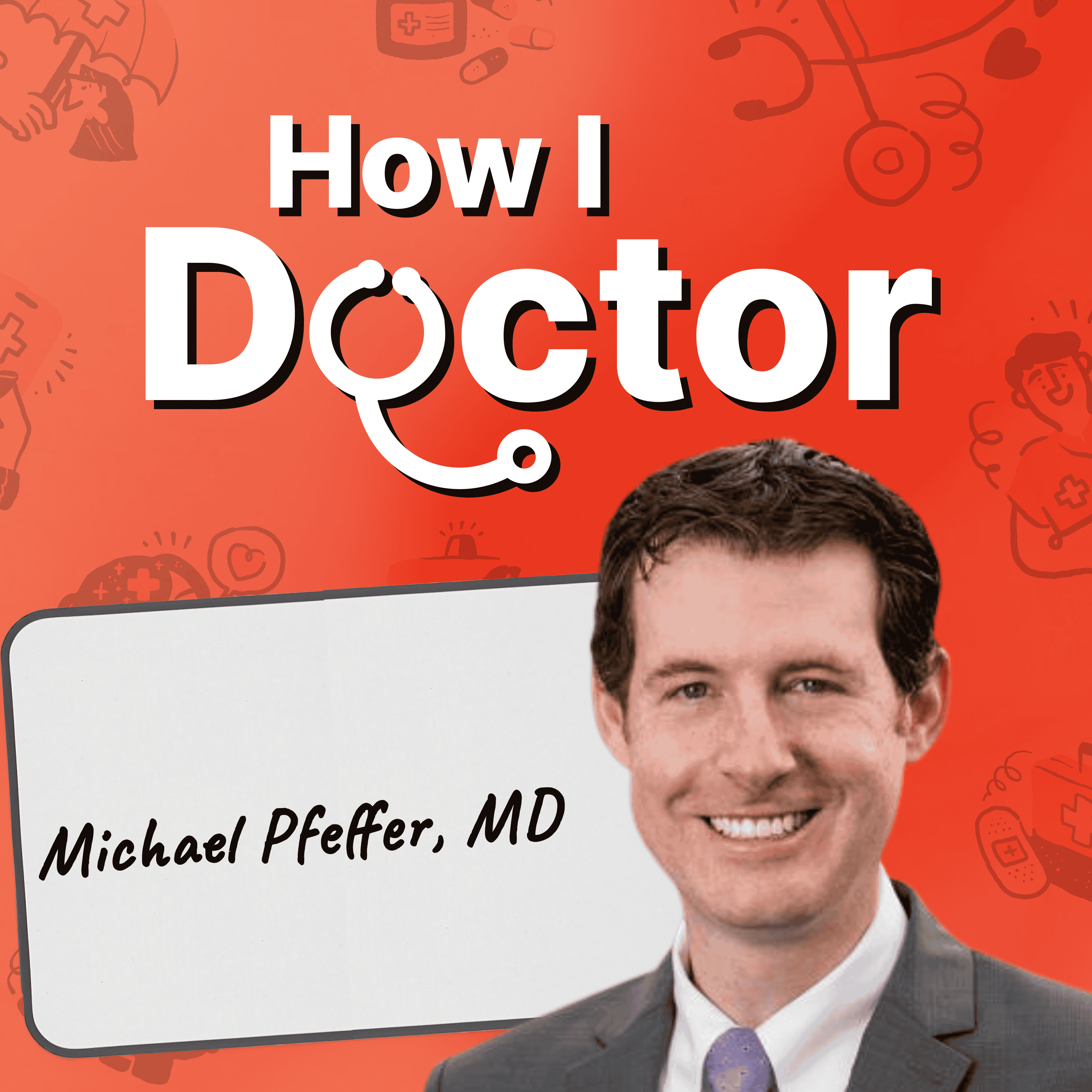
How Stanford Health Care Is Rethinking What AI Should Actually Do for Clinicians with CIO Dr. Michael Pfeffer
Jun 1800:35:03Tap to summarizeDr. Michael Pfeffer is Stanford Healthcare's Chief Information Officer and a practicing hospitalist, which means he builds AI tools in the morning and uses them on patients that afternoon. That combination is rarer than it should be, and it shapes everything about how he thinks.Stanford is one of the most AI-forward health systems in the country. It runs 1,500 software applications, has put generative AI into the hands of its clinicians through ambient documentation and a plain-language chart querying tool called ChatEHR, and has published the outcomes of all of it, including the parts that did not go as expected. Mike's argument is that none of that is the point. Healthcare spends three times more on AI than any other industry, and most of that investment is going toward automating processes that were broken to begin with. Digitizing the way medicine has always been done is not transformation. The real opportunity is redesigning what the encounter itself looks like, offloading guideline-driven busywork to agents that can own it, and building toward a world where the right test is ordered the first time and the right drug is prescribed before the patient leaves the room.In this episode of How I Doctor, Graham sits down with Mike to get into what Stanford has actually built, what the data shows, and what distinguishes a health system that deploys AI responsibly from one that just deploys it. They also get into clinical AI governance, how physicians interact with decision support versus how they should, whether the next generation of trainees is losing its curiosity or still has it, and what Mike's ideal AI-enabled hospital day actually looks like in five years.What You'll Learn in This Episode:What the difference between digitizing and transforming healthcare actually means in practiceWhy healthcare spending more on AI than any other industry may be a sign of lag, not leadershipHow Stanford uses the FURM framework to evaluate every AI applicationWhy the biggest mistake medicine could make with AI is buying a lot of it without understanding the value, and what responsible deployment actually requiresWhy Mike is less worried about AI deskilling the next generation of physicians than most and what he saw on rounds last week that gave him confidence🩺 Offcall is more than a platform — it’s a community. Join today!📝 For a full transcript of this episode click HERE🎧 Subscribe to receive new How I Doctor episodes directly in your feed here: https://episodes.fm/1767429315👨⚕️Follow Dr. Graham Walker onLinkedIn https://www.linkedin.com/in/graham-walker-md/IG https://www.instagram.com/ubergraham/Bluesky https://bsky.app/profile/drgrahamwalker.com✉️ Join our newsletter On/Offcall here https://offcall.beehiiv.com/subscribe🟧 Follow Offcall onLinkedIn https://www.linkedin.com/company/joinoffcall/IG https://www.instagram.com/offcalldotcom/TikTok https://www.tiktok.com/@offcalldotcom
Transcribe →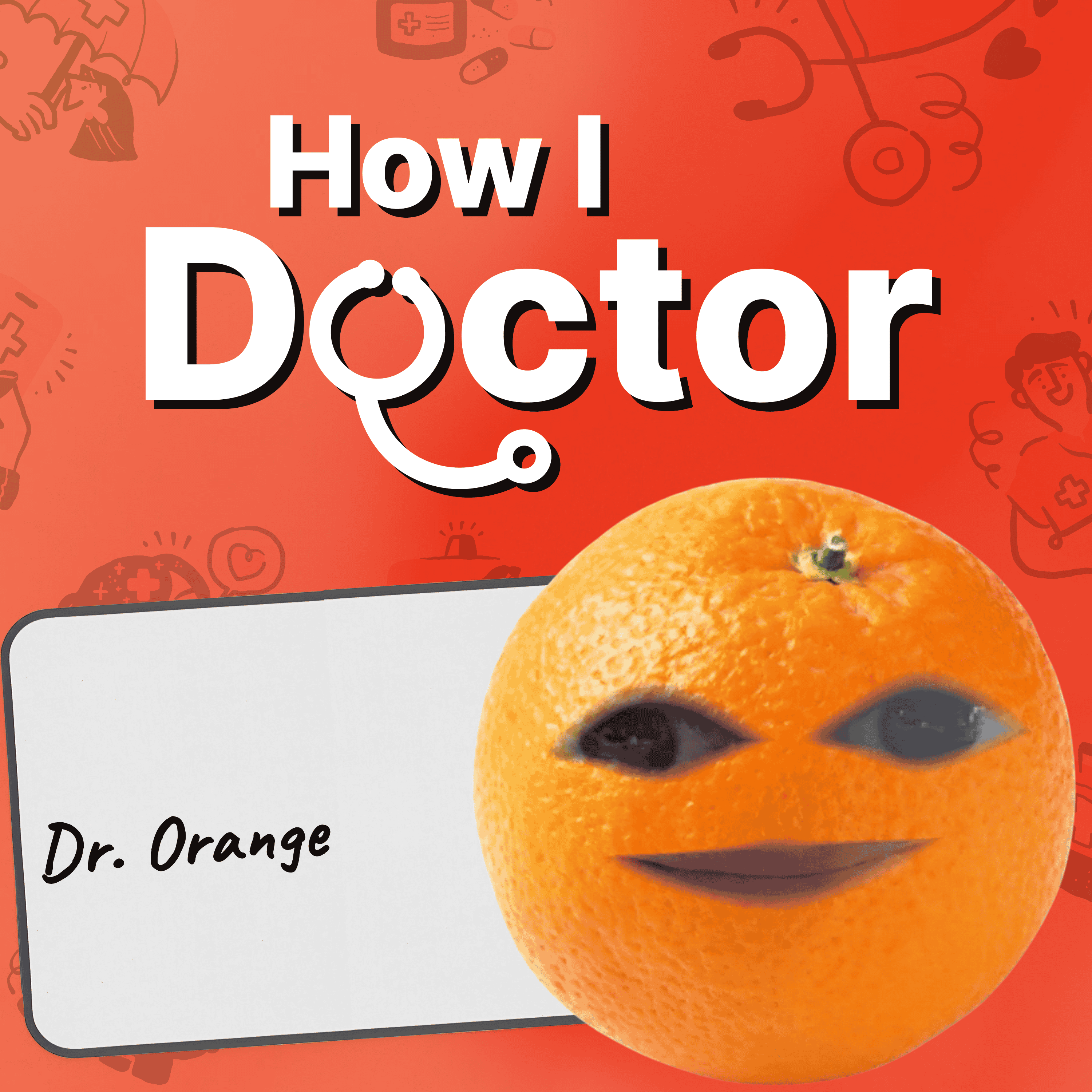
Meet the Doctor Who Went Anonymous to Say What the Rest of Us Can't: The Story of Dr. Orange
Jun 1100:34:09Tap to summarizeDr. Orange is a primary care physician, one year out of residency, practicing somewhere in the United States at a health system she can't name. She posts on TikTok as a talking orange, with her face obscured and her voice altered, because showing up as herself would cost her too much. Her employer might find out. Her patients might lose confidence in her. And after years of training and too much debt, she cannot afford either.What she says from behind that mask is not radical. It is what physicians say to each other in workrooms, in parking lots, in group texts that will never see the light of day. That the job is not what they signed up for. That the administrative burden is crushing. That corporate medicine has turned patient care into customer service. That they feel like children being managed by a system that owns them.She said it anyway. Thousands of people have found her.In this episode of How I Doctor, Dr. Graham Walker sits down with Dr. Orange for the most candid conversation about the state of medicine you will hear from a physician who is still inside it. They cover the financial trap that keeps early-career doctors locked in jobs they want to leave, the expectation gap that nobody warns you about before you become an attending, what would actually have to change for her to love her job, and why the anonymous fruit salad of healthcare workers she accidentally created online is one of the most honest signals medicine has produced in years.What You'll Learn in This Episode:Why physicians who speak honestly about hating their jobs risk their patients, their employers, and their careers, and what it says about medicine that anonymity is the only safe container for that conversationWhat the first year of attending life actually looks like when residency ends and the full weight of portal messages, non-clinical requirements, and production pressure lands all at onceHow student loan debt and restrictive contracts function as a structural trap that keeps early-career physicians in systems that are making them miserableWhy autonomy, not salary, may be the variable that determines whether the next generation of physicians stays in medicine at all🩺 Offcall is more than a platform — it’s a community. Join today!📝 For a full transcript of this episode click HERE🎧 Subscribe to receive new How I Doctor episodes directly in your feed here: https://episodes.fm/1767429315👨⚕️Follow Dr. Graham Walker onLinkedIn https://www.linkedin.com/in/graham-walker-md/ IG https://www.instagram.com/ubergraham/ Bluesky https://bsky.app/profile/drgrahamwalker.com ✉️ Join our newsletter On/Offcall here https://offcall.beehiiv.com/subscribe 🟧 Follow Offcall on LinkedIn https://www.linkedin.com/company/joinoffcall/ IG https://www.instagram.com/offcalldotcom/ TikTok https://www.tiktok.com/@offcalldotcom
Transcribe →
Moral Injury Is Why The Best Doctors Are Disappearing with Dr. Wendy Dean
Jun 400:35:54Tap to summarizeDr. Wendy Dean is a psychiatrist, author, and the co-founder of Moral Injury of Healthcare, a nonprofit dedicated to understanding and alleviating clinician distress. In 2018, she co-wrote a 500-word op-ed in STAT News that did something rare: it handed an entire profession the language for something most physicians had been carrying alone. The argument was simple and devastating.Physicians aren't burning out.That implies a personal failure of resilience. What's actually happening is moral injury, the damage that accumulates when you are repeatedly forced to act in ways that violate your own moral code.That piece started an international conversation that Wendy has been leading ever since, through her book "If I Betray These Words," her podcast 43cc, and her ongoing research and consulting work with health systems around the world.In this episode of How I Doctor, Dr. Graham Walker sits down with Wendy to go deep on what moral injury actually is, why getting the language right matters so much, and what a healthcare system that takes clinician distress seriously would actually need to look like. They cover AI's entry into an already fractured system, the EMR as a cautionary tale the profession is at risk of repeating, and the grief that comes with watching a profession you love get slowly hollowed out.What You'll Learn in This Episode:Why burnout and moral injury are distinct problems that require fundamentally different solutions, and why naming it correctly changes where responsibility sitsWhat it actually feels like to be morally injured, and why the absence of a bid to repair a betrayal is often where the real damage sets inHow physicians are trained to be independent thinkers and then placed in systems that give them no authority, no agency, and all of the responsibilityWhy Wendy believes AI is walking into the same trap as the EMR, and what the liability question nobody in health law has answered yet tells us about where this is headingWhat gives Wendy genuine hope that medicine gets to the other side, and why the grief physicians are carrying right now is also a signal that the fight is not over🩺 Offcall is more than a platform — it’s a community. Join today!📝 For a full transcript of this episode click HERE🎧 Subscribe to receive new How I Doctor episodes directly in your feed here: https://episodes.fm/1767429315👨⚕️Follow Dr. Graham Walker onLinkedIn https://www.linkedin.com/in/graham-walker-md/IG https://www.instagram.com/ubergraham/Bluesky https://bsky.app/profile/drgrahamwalker.com✉️ Join our newsletter On/Offcall here https://offcall.beehiiv.com/subscribe🟧 Follow Offcall onLinkedIn https://www.linkedin.com/company/joinoffcall/IG https://www.instagram.com/offcalldotcom/TikTok https://www.tiktok.com/@offcalldotcomMentioned in this episode:It's all coming togetherAbridge is hosting its first-ever Keynote, live from New York City and streaming globally for the Offcall community. Join Abridge CEO and Founder, Dr. Shiv Rao, for a presentation on the future of AI in healthcare. Register at https://events.abridge.com/keynote
Transcribe →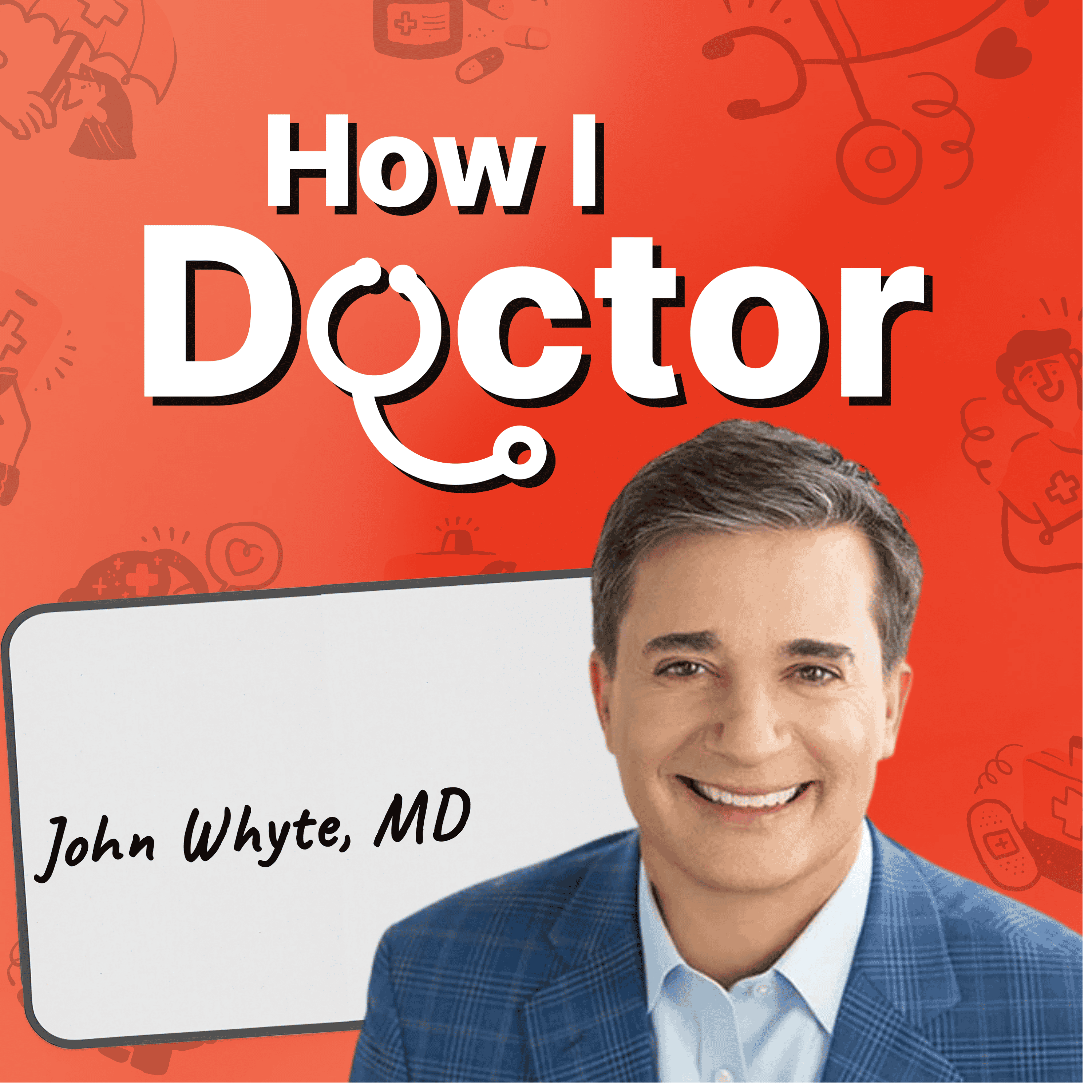
Now Is Not the Time for Silence. Dr. John Whyte on the AMA, AI, and the Stakes for Physicians Right Now
May 2800:31:36Tap to summarizeDr. John Whyte is a board-certified internist who has spent his career at the intersection of medicine, policy, media, and technology. He served at the FDA, built a reputation as one of medicine's most trusted public communicators at WebMD, and 10 months ago became CEO and Executive Vice President of the American Medical Association, the oldest and largest physician organization in the United States.Whyte came into the role with a candid assessment: the AMA had lost some of its relevance and impact, and needed to become a real force for physicians and patients in Washington again. He's now leading that effort at a moment when the profession is navigating burnout, prior authorization, scope creep, a rapidly shifting AI landscape, and a payment system that fails to make the case for what physicians actually contribute to patient safety and access.In this episode of How I Doctor, Dr. Graham Walker sits down with John to cover what the AMA is focused on right now and why, how AI is already reshaping the way physicians practice whether they're ready or not, and what it means that the efficiency gains from AI tools are largely flowing to health systems rather than back to physicians or patients. They also get into the harder question underneath all of it: who speaks for physicians when the stakes are this high, and what happens to the profession if physicians stay on the sidelines.What You'll Learn in This Episode:Why physician burnout remains at 40% across the profession and above 50% in emergency medicine and OB-GYN, and why the AMA believes it has to be solved at the systems levelHow AI adoption among physicians jumped from 38% to 81% in three years, and why that speed of uptake hasn't translated into more time with patientsWhy the real argument for physician payment is not compensation but patient safety and how the public narrative gets this wrongWhat the AMA is doing on prior authorization and scope creep, and why those are the two issues where physicians are most aligned across specialties🩺 Offcall is more than a platform — it’s a community. Join today!📝 For a full transcript of this episode click HERE🎧 Subscribe to receive new How I Doctor episodes directly in your feed here: https://episodes.fm/1767429315👨⚕️Follow Dr. Graham Walker onLinkedIn https://www.linkedin.com/in/graham-walker-md/ IG https://www.instagram.com/ubergraham/ Bluesky https://bsky.app/profile/drgrahamwalker.com ✉️ Join our newsletter On/Offcall here https://offcall.beehiiv.com/subscribe 🟧 Follow Offcall on LinkedIn https://www.linkedin.com/company/joinoffcall/ IG https://www.instagram.com/offcalldotcom/ TikTok https://www.tiktok.com/@offcalldotcom
Transcribe →