
Podcast
I Am Interchange
Hosted by Tate Chamberlin · EN
I Am Interchange immerses you in the world of adventure journalism, where we fearlessly explore the monumental global changes, inequalities, and urgent issues surrounding the UN Sustainable Development Goals. Through raw, unfiltered storytelling, we dive into the tension within these goals and share the stories from the front lines of systems change.
16episodes
Episodes
Newest firstAll episodes

First Nations Economic Compact
Dec 500:31:38Tap to summarizeTurtle Island. Before there were countries—before anyone called this land the United States, or Canada, or Mexico—this was Turtle Island. A continent of nations, overlapping territories, trade routes stretching farther than modern highways, and relationships thousands of years old. Today, that history is being carried forward by contemporary Indigenous leaders at Fort Mason—San Francisco's skyline in the backdrop, summit banners hanging over a conversation that reaches far beyond the city around it. This is the First Nations Economic Compact. You're in a conference room that usually sounds like quarterly forecasts, and suddenly Chief Redman is talking about an economic conversation older than all of that—older than the 1763 Royal Proclamation, older than colonial regulatory systems, older than the borders that now cut through nations whose trade routes once ran uninterrupted across the continent. Long before GDP, First Nations had their own economic indicators: ecological balance, kinship networks, sustainable yields, inter-nation reciprocity. Systems the Doctrine of Discovery tried to erase. Systems that survived genocide, forced relocations, and treaties—signed, coerced, or never signed at all. And yet: the nations remain. The economies remain. The knowledge remains. Here, leaders are talking about restoring ancient trade corridors, sharing resources through ancestral law, and building a bio-economy centered on stewardship and community resilience. While modern governments argue over tariffs and trade wars, First Nations are putting forward something older and more future-ready: a sovereign economic compact drawn from traditional trade logic and built for today's global market. "If someone doesn't want to deal with Canada or the United States… they can deal directly with First Nations," Chief Redman says. It isn't a request. It's a reminder. Suddenly, this summit doesn't sound like policy talk—it sounds like nations dusting themselves off and reintroducing themselves. Not as stakeholders. Not as interest groups. But as governments. This is what reconnection sounds like. What continuity sounds like. What a continent remembering itself sounds like. Tate Chamberlin is with Chief Redman. Stay with us. Music by Supaman
Transcribe →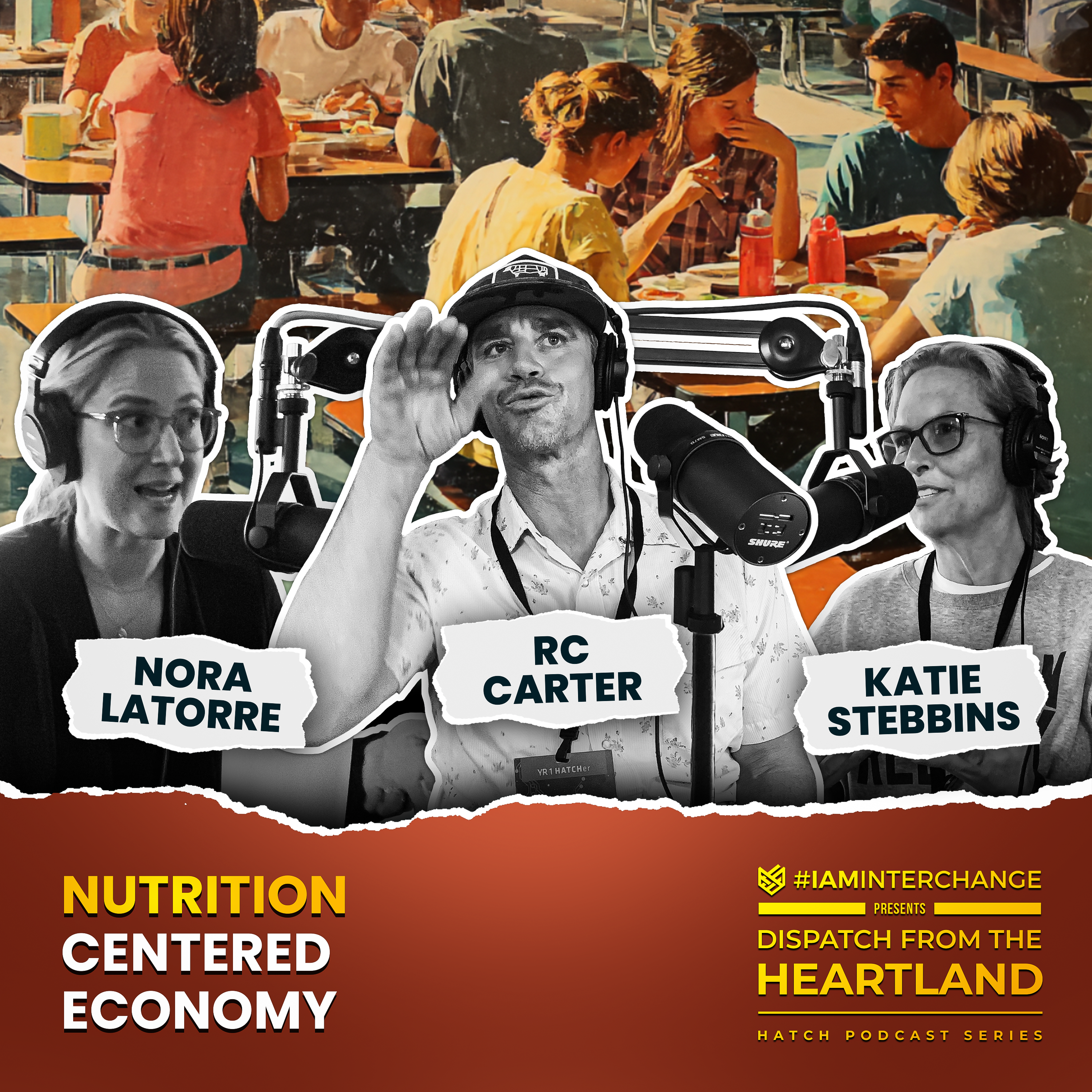
Nutrition Centered Economy
Nov 1900:59:11Tap to summarizeEvery town has one. A school. A cafeteria. A lunch line. And somewhere in that line, a kid is staring down a plastic tray of food that — for millions — might be the only real meal they get that day. We don't often think of it this way, but the school meal program is the largest restaurant chain in the United States. Seven billion meals a year. Forty million kids. Bigger than Subway. Bigger than McDonald's. Which makes it the biggest opportunity we have to change how we eat, how we grow food, and how we think about nourishment. When we let the system run on the cheapest, most processed calories, the cost shows up in hospital bills, chronic illness, and communities that can't afford to be healthy. In one of the richest countries in the world, eating clean, non-toxic food has somehow become a luxury. But it shouldn't be. Healthy food should be a right. So how did we get here? How did we build a system where the things that keep us healthy are the hardest to afford, while the things that make us sick are everywhere and cheap? Maybe it lives in the subsidies and programs meant to stabilize agriculture — systems that now keep us tied to old ideas of what food should look like. Take cattle ranching: once the backbone of rural life, now caught between an industrial model that demands scale and a regenerative one that demands patience — and risk. Four companies control most of the meat market, while the people who tend the land have the least power to change it. This episode, Tate Chamberlin talks with Nora Latorre, R.C. Carter, and Katie Stebbins — people working to shift the food system from the inside out. From how we feed our kids to how we nourish entire communities. Because we are what we eat. And maybe the way we feed our children is the clearest reflection of the future we're willing to build.
Transcribe →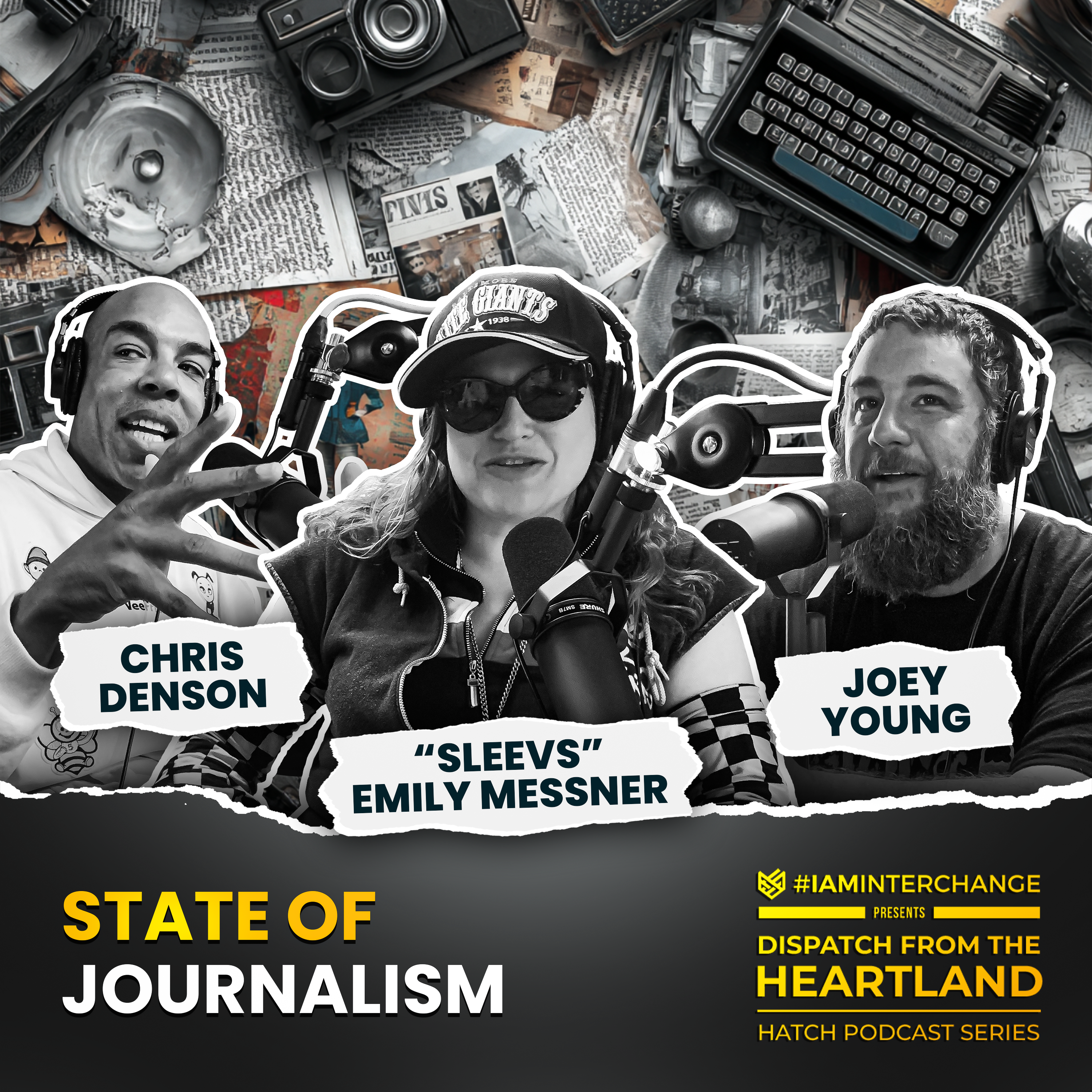
State of Journalism
Oct 3100:53:16Tap to summarizeOnce upon a time, journalism started with a letter nailed to a tree—or a door. Some declaration, some warning, some truth someone wanted heard. And people would gather in the square to listen. News wasn't just information; it was a shared experience. Then came the daily paper. Then the evening broadcast. News once a day—steady, dependable. Until it wasn't. Now it's constant. Twenty-four hours. Push notifications. Feeds that never stop refreshing. And somewhere in all that, we started to wonder—what's the difference between fact and opinion anymore? Between storytelling and spin? In this episode, Tate Chamberlin talks with "Sleevs" Emily Messner, Joey Young, and Chris Denson about the evolution of journalism—from editorial boards and ad sales to freelancers, podcasts, and algorithms. How we depict what's true, and whether journalism can still sustain itself. Because while we were putting this episode together, the press corps was literally packing up and leaving the Pentagon—a small headline that somehow says everything about where we are right now. So… is there a future in journalism? Or do we have to make one, even if there isn't? It's Dispatch from the Heartland, join us, won't you?
Transcribe →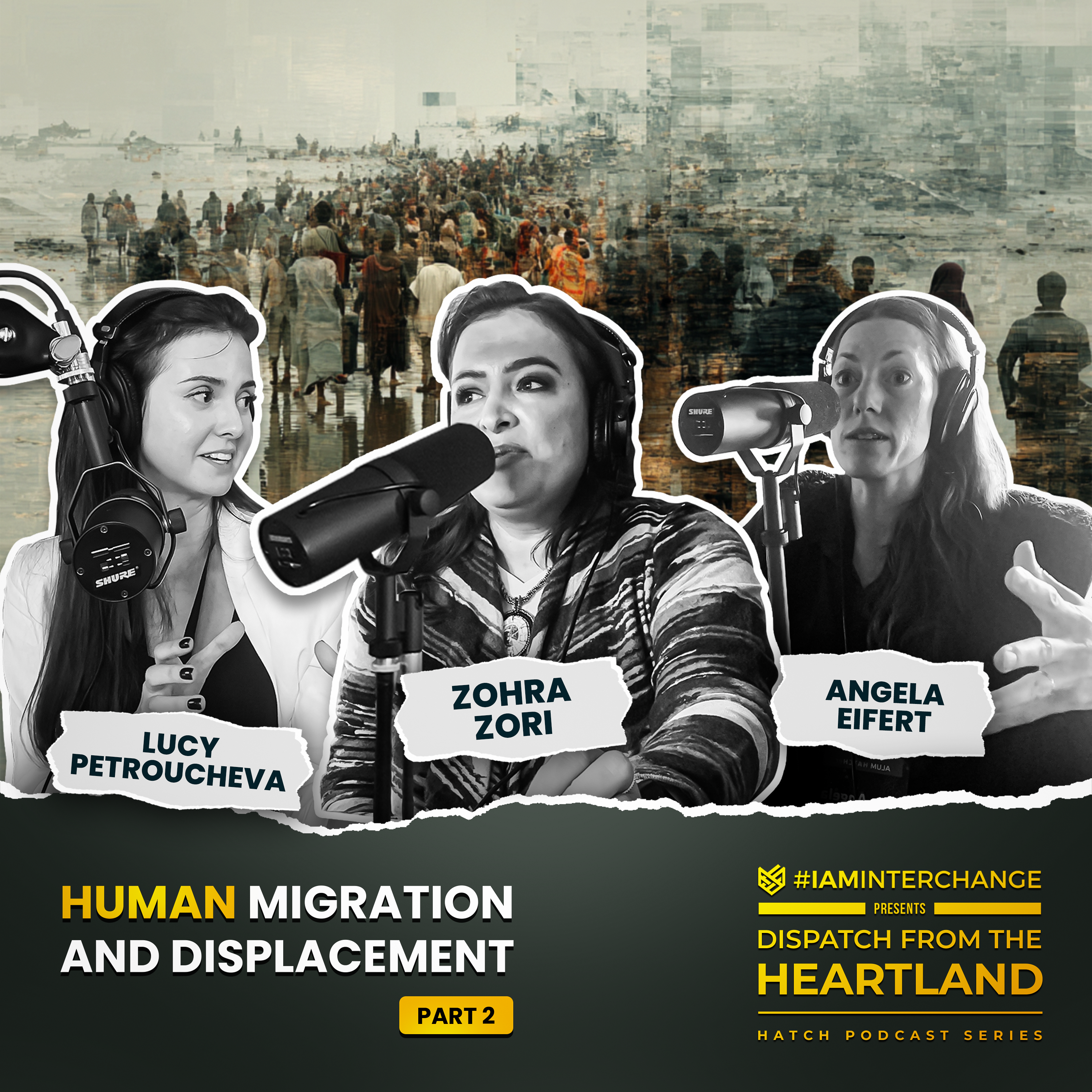
Human Migration and Displacement- Part Two
Sep 2900:58:55Tap to summarizeHere's the thing about leaving. Sometimes you plan it for years — a better job, an education, a shot at something bigger. Other times it happens overnight. Governments fall. Food disappears. You run. This episode of Dispatch from the Heartland is about human migration and displacement — one of the oldest patterns of our species. Moving for survival. Moving for hope. Moving because staying is no longer possible. It's trauma. It's hope. It's a blank page. In this episode, Tate Chamberlin sits down with Zohra Zori, Lucy Petroucheva, and Angela Eifert to talk about displacement, belonging, and the slow learning curve of new cultures. We'll look at the mistakes, the forgiveness, and the "othering" that happens when you're new. We'll talk about refugee camps that stretch on for years, the difference between sustainability and dependence, and the unspoken emotions you carry when you leave everything behind. This is a space for vulnerability. For beginning again. For understanding sovereignty even when choice has been stripped away. Because right now, families are uprooted. Cultures are colliding. Dreams are being carried across borders. And even in movement — even in loss — we hold on to the hope of a better life. This is Dispatch from the Heartland. Join us, won't you?
Transcribe →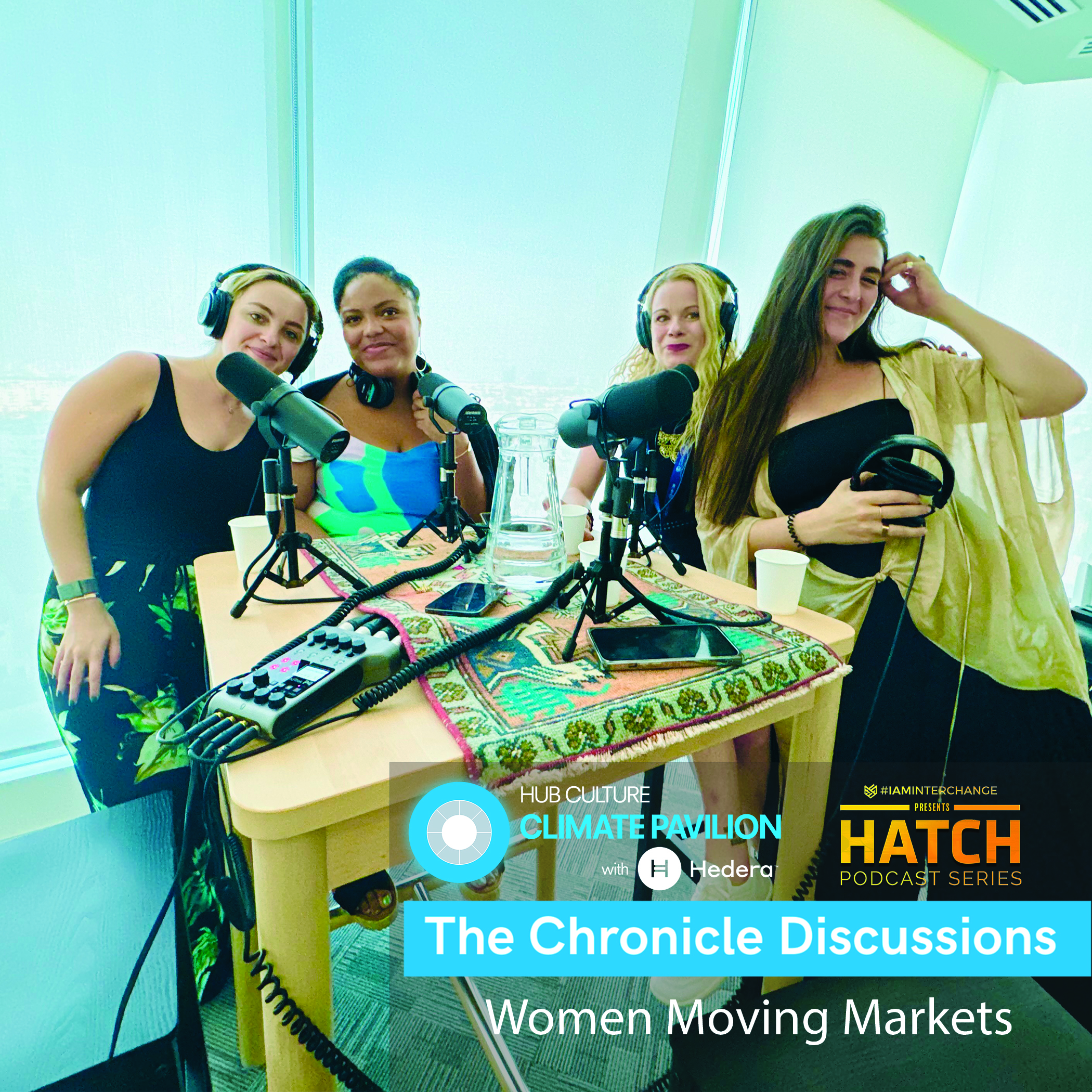
Women Moving Markets
Feb 13, 2024Tap to summarizeHub Culture presents The Chronicle Discussions: Women Moving Markets. Where we champion the remarkable women driving change in our markets and communities. Join us as we share the inspiring stories of these trailblazers, exploring their journeys through the corporate and government landscape, their deep-rooted commitment to sustainability and climate action, and their innovative approach to retrofitting existing infrastructure. From uplifting the human spirit in their work to fostering a supportive network, we'll dive into the diverse facets of their impact and the collective power of women in shaping our world for the better. Tune in as we celebrate these extraordinary leaders and the interconnectedness that drives their success. With introduction by Edie Lush, Executive Editor of Hub Culture, in conversation with Katie Hoffman, co-founder of Regeneration.VC, Chante Harris, co-founder of Women of Color Collective in Sustainability, Olivia Dell, Founding Partner of Nova Impact and executive director of The Cometa Collective and VC investor, and Edwina Daher, Masters Candidate in Sustainability Management at Columbia University. Stan Stalnaker and Tate Chamberlin host live from the Future Mobility Hub during COP28 in Dubai. Presented by Hub Culture, in sync with Hatch A Better World.
Transcribe →
Regenerative Agriculture
Apr 6, 2022Tap to summarizeIn this podcast, our host Tate Chamberlin is joined by Ryland Engelhart — co-founder and executive director of Kiss the Ground and producer of the September 2020 film by the same name — for a conversation about his HATCH accelerator lab, regenerative agriculture, the 2023 Farm Bill and Engelhart's multi-pronged mission to help save the planet. Next year, the 2023 Farm Bill — a package of legislation passed once every five years that outlines agricultural parameters around farming and food production — will once again define our path forward. Or back. Engelhart and many like him are particularly passionate about engaging public momentum around the bill because its reverberations have the power to revolutionize farming and food in America on a regenerative, sustainable platform, or to seal the fate of the planet and all the species reliant upon it. Co-creator of the documentary film May I Be Frank and co-owner of the groundbreaking Cafe Gratitude and Gracias Madre plant-based restaurants, Engelhart and his family live in Fillmore, California where they put intention into practice on their own 17-acre regenerative organic farm.
Transcribe →