
Podcast
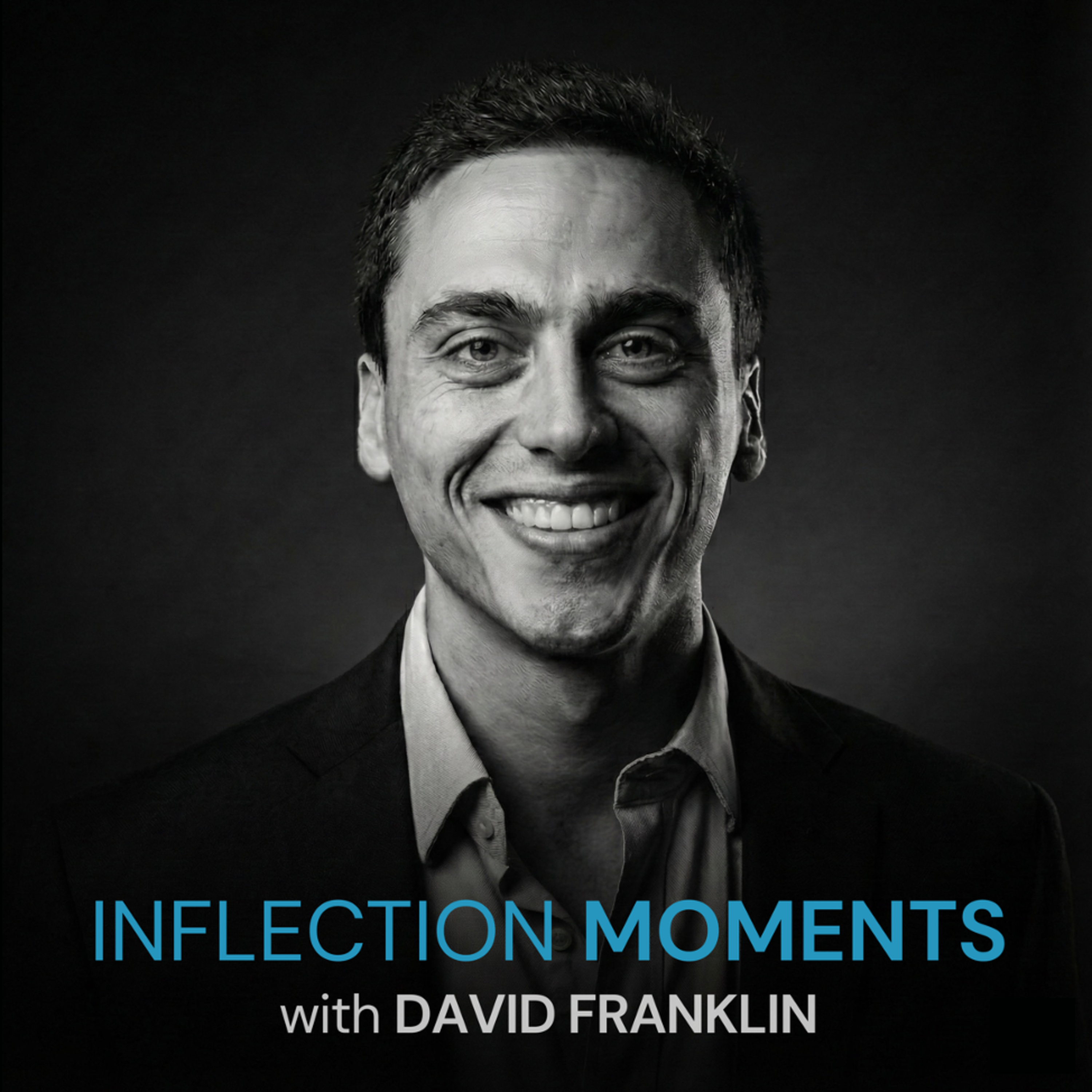
Inflection Moments
Hosted by David Franklin · EN
Inflection Moments studies the world’s most successful entrepreneurs through the lens of the pivotal turning points in their career. The podcast is brought to you by David Franklin, a 3x Founder and investor in early-stage companies. If you would like to see more from Inflection Moments, head to inflectionmoments.com for our newsletter and bonus resources.
24episodes
Episodes
Newest firstAll episodes
#30. Andy Grove: Only The Paranoid Survive
Apr 1300:54:18Tap to summarizeAndy Grove is the former CEO and chairman of Intel, the semiconductor company that powered the personal computer revolution and became one of the most important technology businesses of the twentieth century. His episode on Inflection Moments follows how a Hungarian refugee who survived Nazi occupation and Soviet repression becomes one of the most disciplined, intense, and consequential operators in business history.Grove’s story runs from fleeing Budapest and arriving in America with almost nothing, to helping build Intel alongside Robert Noyce and Gordon Moore, to making the brutal strategic call that defines his legacy: exiting memory chips and betting the company on microprocessors. He pairs that clarity with an operating philosophy built on paranoia, candor, and confrontation. These ideas that later shape generations of founders and executives through books like High Output Management and Only the Paranoid Survive.His story is worth studying because it shows what real strategic inflection-point leadership looks like when the stakes are existential and sentimentality is a liability. For founders, you’ll take away how to confront painful truths early, how to build systems for rigorous decision-making, and how to separate identity from strategy when a company must reinvent itself to survive. For investors and backers, Grove’s arc is a blueprint for recognizing leaders who can navigate category transitions not by protecting the past, but by dismantling it before the market does.Chapters(00:00) Introduction(03:07) Inflection Point #1: Surviving The Holocaust(09:48) Inflection Point #2: Swimming To Freedom(17:16) Inflection Point #3: Beating Motorola At Their Own Game(25:55) Inflection Point #4: Killing Your Darlings(34:53) Inflection Point #5: When Paranoia Isn't Enough(43:24) Common Threads(52:05) Closing RemarksConnectFollow our channels below if you're interested in insights, ideas, and lessons from the greatest entrepreneurs in history:Newsletter: www.inflectionmoments.comLinkedIn: linkedin.com/in/david-franklin8456/Spotify: https://open.spotify.com/show/0aqoOm53QLcOgyOkXFXNkO?si=a6474541e17f4db7Apple Podcasts: https://podcasts.apple.com/us/podcast/inflection-moments/id1841530808YouTube: @InflectionMomentsIf you're enjoying the episodes, make sure to like the video and subscribe to the channel so you never miss an episode.
Transcribe →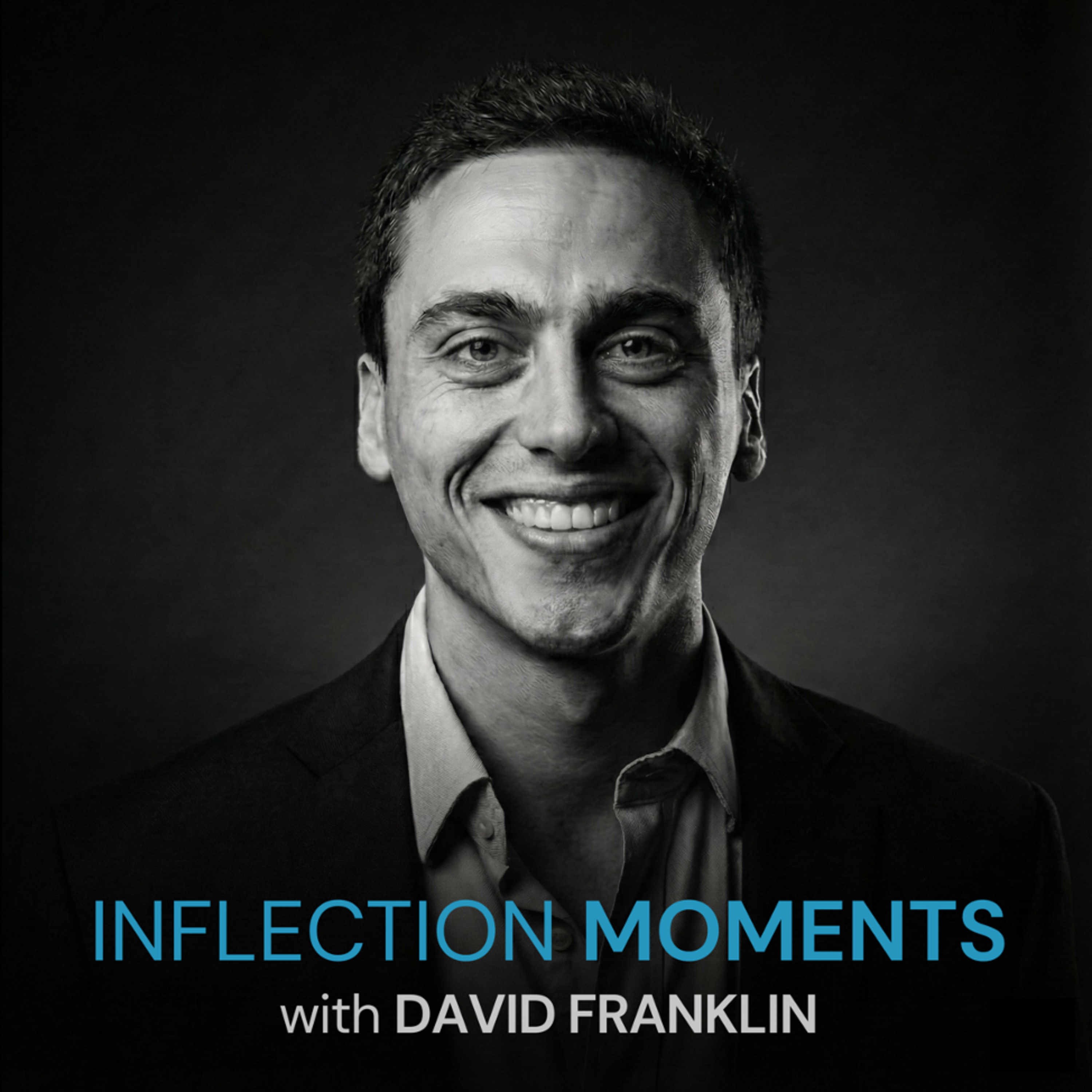
#29. Bernard Arnault: The Luxury Empire Builder
Apr 600:45:49Tap to summarizeBernard Arnault is the chairman and CEO of LVMH, the luxury conglomerate behind brands like Louis Vuitton, Dior, Tiffany & Co., and Moët Hennessy, and the man who assembled the most powerful portfolio in modern luxury. His episode on Inflection Moments follows how an engineer from a French construction family turns a distressed textile holding into a global empire by treating brands as compounding assets and creativity as a form of capital allocation.Arnault’s story runs from his takeover of Boussac, which owned Christian Dior, to decades of disciplined acquisitions, ruthless internal competition, and long-term stewardship across fashion, jewelry, wines, spirits, and beauty. What makes him different is that he doesn’t just buy brands. Instead, he protects their mythology, upgrades their distribution, installs elite operators, and compounds prestige without letting scarcity disappear.His story is worth studying because it shows what it looks like to build a holding company where taste, power, and financial discipline reinforce each other over decades. For founders, the takeaways include how to think about brand as an appreciating asset, how to balance creative freedom with operational control, and how to scale without collapsing exclusivity. For investors, Arnault’s arc is a masterclass in category leadership through portfolio construction, and proof that the right assets, held and managed correctly, can become more valuable precisely because they are not built for everyone.Chapters(00:00) Introduction(03:10) Inflection Point #1: The Real Estate Pivot(09:43) Inflection Point #2: The Boussac Acquisition(18:00) Inflection Point #3: Creating LVMH(24:32) Inflection Point #4: The Decentralized Management Style(31:28) Inflection Point #5: Long-term Vision(38:56) Common Threads(43:59) Closing RemarksConnectFollow our channels below if you're interested in insights, ideas, and lessons from the greatest entrepreneurs in history:Newsletter: www.inflectionmoments.comLinkedIn: linkedin.com/in/david-franklin8456/Spotify: https://open.spotify.com/show/0aqoOm53QLcOgyOkXFXNkO?si=a6474541e17f4db7Apple Podcasts: https://podcasts.apple.com/us/podcast/inflection-moments/id1841530808YouTube: @InflectionMomentsIf you're enjoying the episodes, make sure to like the video and subscribe to the channel so you never miss an episode.
Transcribe →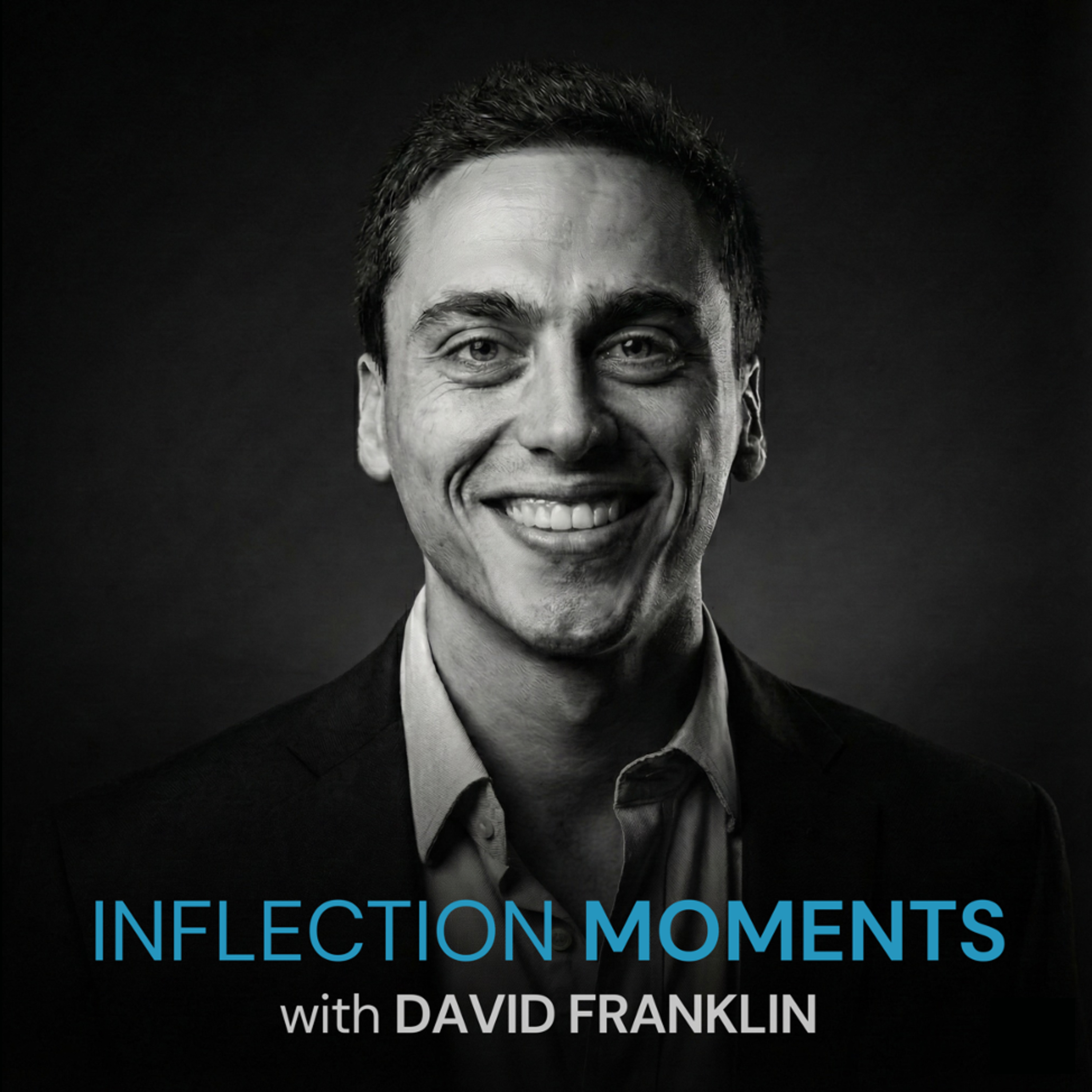
#28. Ingvar Kamprad: Efficiency as a Way of Life
Mar 3000:57:13Tap to summarizeIngvar Kamprad was the founder of IKEA, the furniture company that transformed how the world furnishes its homes by making design-driven living accessible to everyone. His episode on Inflection Moments explores how a farm boy from rural Sweden built a global retail phenomenon, which was anchored not by luxury or excess, but by radical efficiency, empathy for customers, and a deep belief in simplicity as the ultimate sophistication.Kamprad’s story runs from selling matches and fish as a teenager to founding IKEA in 1943 and pioneering the concept of flat-pack furniture: a design born from frustration when a table leg wouldn’t fit in a car. By reimagining the entire furniture supply chain (i.e. self-service warehouses, sleek Scandinavian design, and affordable pricing), he built a business that turned cost-cutting into a philosophy of empowerment. Even as IKEA expanded to dominate global markets, Kamprad lived modestly, drove an old Volvo, and reinforced the company’s values of thrift, humility, and functionality.His story is worth studying because it shows that innovation often comes from constraint, not abundance. For founders, the takeaways include how to turn practicality into brand identity, how to scale design thinking without elitism, and how to create operational systems that remain customer-centric across continents. For investors, Kamprad’s arc is a masterclass in sustainable growth, and the power of aligning product, culture, and mission so tightly that efficiency itself becomes a competitive moat.Chapters(00:00) Introduction(02:37) Inflection Point #1: The Foundation(12:11) Inflection Point #2: The Founding(19:53) Inflection Point #3: The Pivot(29:53) Inflection Point #4: The Flat-Pack(40:29) Inflection Point #5: The Boycott(47:23) Common Threads(54:14) Closing RemarksConnectFollow our channels below if you're interested in insights, ideas, and lessons from the greatest entrepreneurs in history:Newsletter: www.inflectionmoments.comLinkedIn: linkedin.com/in/david-franklin8456/Spotify: https://open.spotify.com/show/0aqoOm53QLcOgyOkXFXNkO?si=a6474541e17f4db7Apple Podcasts: https://podcasts.apple.com/us/podcast/inflection-moments/id1841530808YouTube: @InflectionMomentsIf you're enjoying the episodes, make sure to like the video and subscribe to the channel so you never miss an episode.
Transcribe →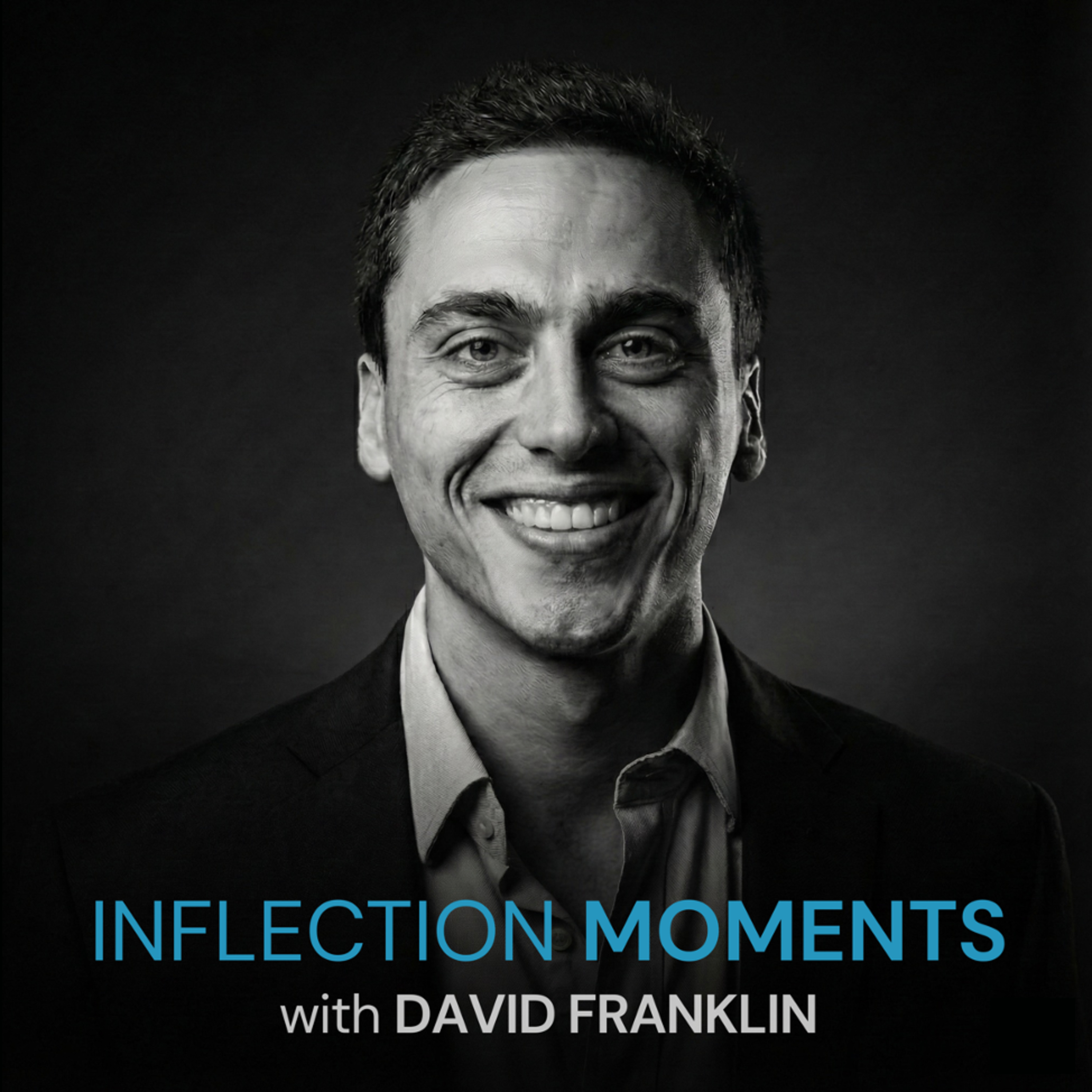
#27. Jeff Bezos: Day One
Mar 2300:57:21Tap to summarizeJeff Bezos is the founder and former CEO of Amazon, the company that began as an online bookstore and evolved into one of the most influential businesses on Earth, spanning e-commerce, cloud computing, logistics, and space exploration. His episode on Inflection Moments explores how a Princeton-trained engineer, walking away from a comfortable Wall Street career, built a company that redefined convenience, scale, and long-term thinking.Bezos’s story runs from driving cross-country to start Amazon in a Seattle garage, to surviving the dot-com crash, to architecting a relentless culture of experimentation rooted in the mantra “It’s always Day 1.” What began with books quickly expanded into the “everything store,” powered by customer obsession and an unflinching willingness to reinvest profits into infrastructure, logistics, and innovation, culminating in cloud computing’s breakthrough with AWS. Beyond technology, Bezos’s leadership style, which includes long-term thinking, operational rigor, and a tolerance for failure, turned Amazon into a blueprint for compounding scale through discipline and invention.His story is worth studying because it demonstrates the ultimate founder paradox: how to be both visionary and ruthlessly pragmatic at once. For founders, the takeaways include how to anchor decisions in customer value rather than competitors, how to think in decades instead of quarters, and how to use mechanisms (not slogans) to embed culture into execution. For investors, Bezos’s arc is the modern case study in compounding through reinvestment, proving that the greatest returns often accrue to those willing to look wrong for a very long time.Chapters(00:00) Introduction(04:17) Inflection Point #1: Regret Minimization(14:20) Inflection Point #2: Get Big Fast(22:30) Inflection Point #3: The Crash(32:23) Inflection Point #4: Prime(40:25) Inflection Point #5: AWS(47:17) Common Threads(54:29) Concluding RemarksConnectFollow our channels below if you're interested in insights, ideas, and lessons from the greatest entrepreneurs in history:Newsletter: www.inflectionmoments.comLinkedIn: linkedin.com/in/david-franklin8456/Spotify: https://open.spotify.com/show/0aqoOm53QLcOgyOkXFXNkO?si=a6474541e17f4db7Apple Podcasts: https://podcasts.apple.com/us/podcast/inflection-moments/id1841530808YouTube: @InflectionMomentsIf you're enjoying the episodes, make sure to like the video and subscribe to the channel so you never miss an episode.
Transcribe →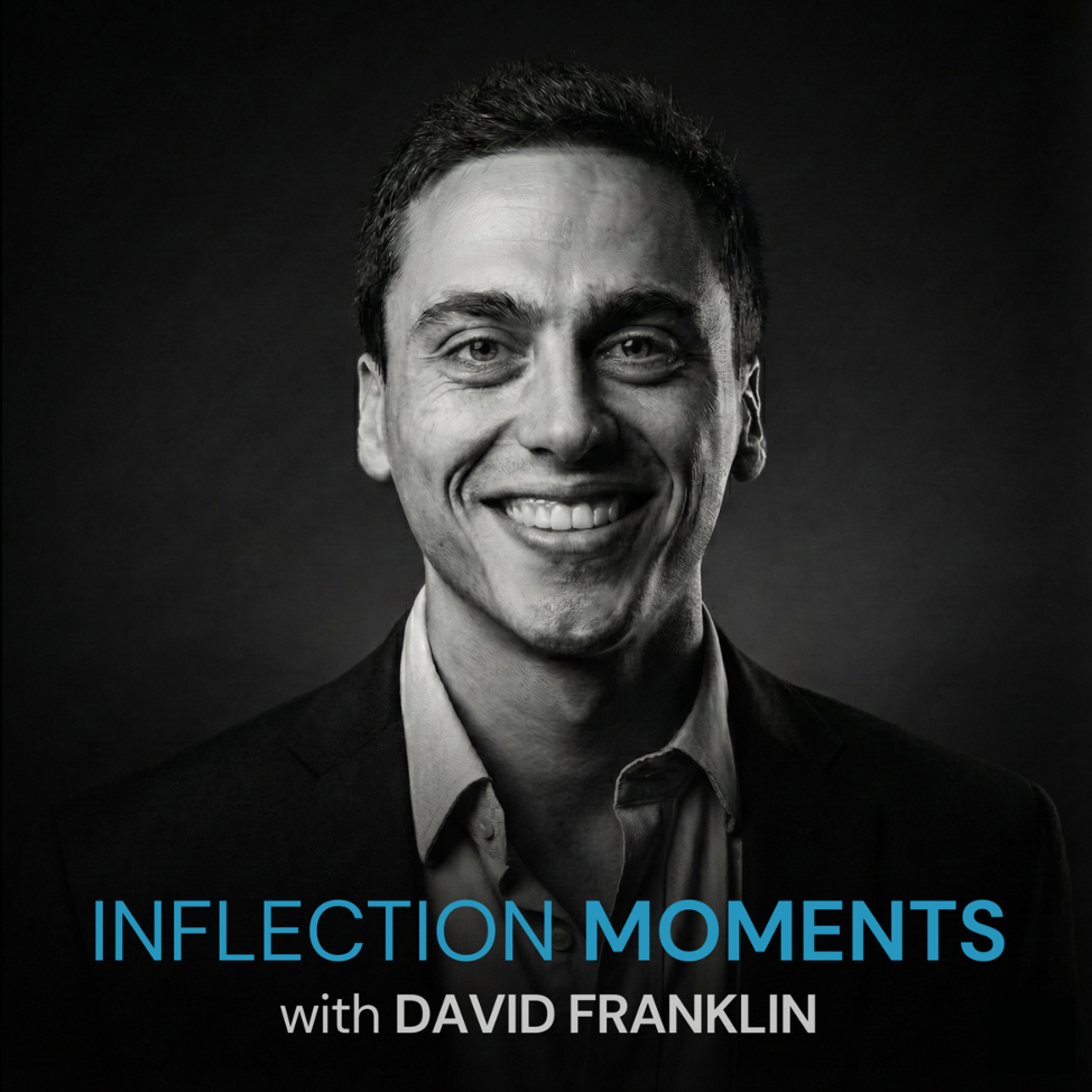
#26. Sam Walton: Building America's Store
Mar 1601:06:05Tap to summarizeSam Walton was the founder of Walmart, the retail juggernaut that transformed how America shops by making low prices and small-town accessibility the center of modern consumer life. His episode on Inflection Moments explores how a farm boy obsessed with efficiency and community, revolutionized global retail through relentless execution, data-driven discipline, and respect for customers’ wallets.Walton’s story runs from opening a single Ben Franklin variety store in Newport, Arkansas, to identifying the opportunity that others ignored: rural and suburban markets underserved by national chains. By combining small-town service with large-scale logistics, Walton built Walmart into a new kind of retailer: one that used distribution centers, technology, and supplier relationships to make “everyday low prices” both possible and profitable. His leadership style was frugal, hands-on, and deeply connected to employees, whom he treated as partners through profit-sharing and trust-based culture.His story is worth studying because it shows that generational businesses are often built on disciplined innovation. For founders, the takeaways include how to scale operational excellence without losing empathy, how to build systems that multiply savings instead of margins, and how to stay obsessed with customer value even at massive scale. For investors, Walton’s arc is a playbook in building durable competitive advantages: when cost leadership, culture, and logistics align, a company doesn’t just compete, it defines the market map for decades.Chapters(00:00) Introduction(03:10) Inflection Point #1: The Newport Failure(12:37) Inflection Point #2: The Bet on Rural Discount Stores(23:25) Inflection Point #3: Going Public and Investing in Technology(35:09) Inflection Point #4: The Culture of Ownership and Saturday Morning Meetings(46:41) Inflection Point #5: Creating New Formats - Sam's Club and Supercenter(55:59) Common Threads(01:04:04) Closing ThoughtsConnectFollow our channels below if you're interested in insights, ideas, and lessons from the greatest entrepreneurs in history:Newsletter: www.inflectionmoments.comLinkedIn: linkedin.com/in/david-franklin8456/Spotify: https://open.spotify.com/show/0aqoOm53QLcOgyOkXFXNkO?si=a6474541e17f4db7Apple Podcasts: https://podcasts.apple.com/us/podcast/inflection-moments/id1841530808YouTube: @InflectionMomentsIf you're enjoying the episodes, make sure to like the video and subscribe to the channel so you never miss an episode.
Transcribe →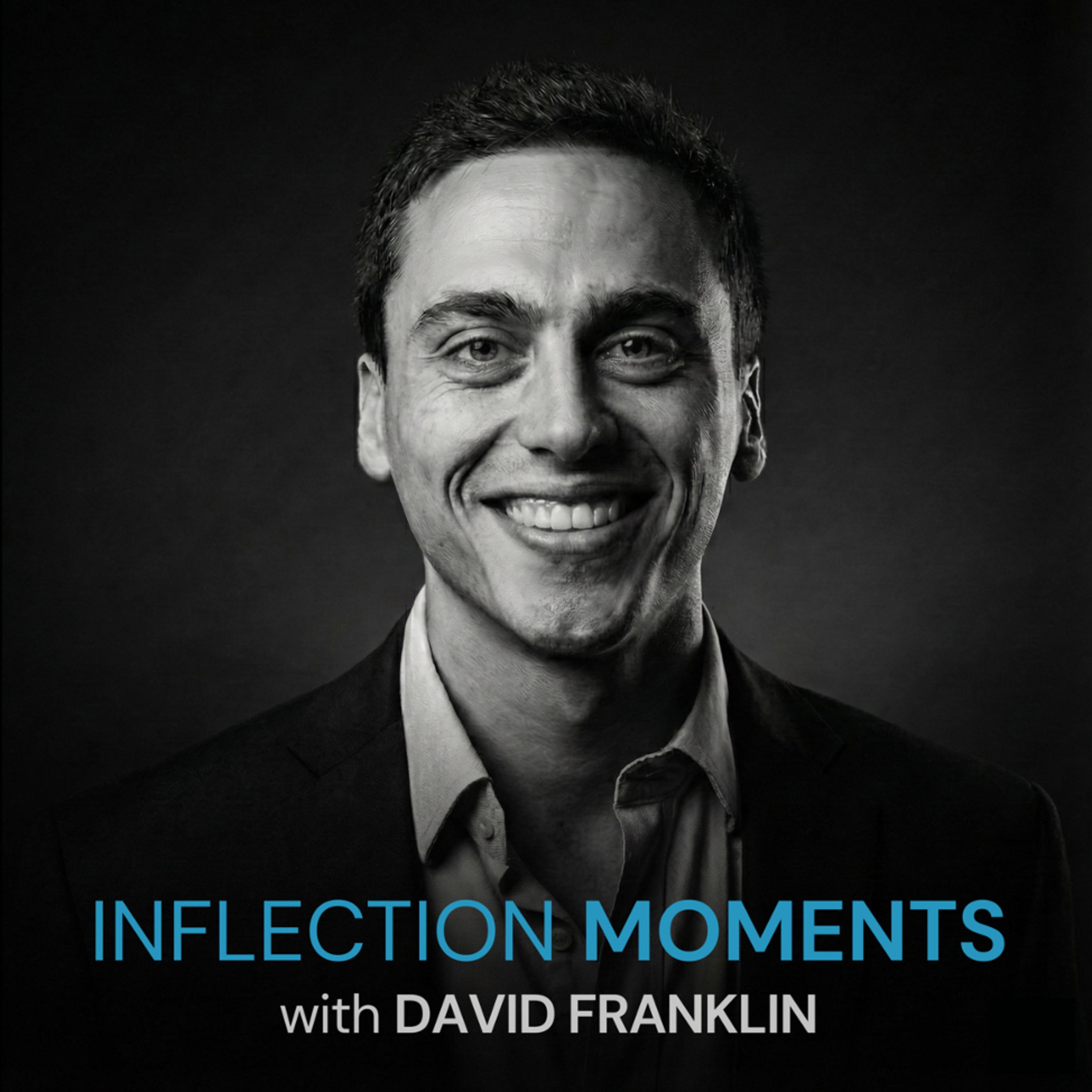
#25. Jim Sinegal: The Apprentice Who Became The Master
Mar 900:47:09Tap to summarizeJim Sinegal is the co-founder and longtime CEO of Costco, the membership-based retail giant built on the radical idea that doing right by employees and customers could be the most profitable business strategy of all time. His episode on Inflection Moments explores how a soft-spoken executive, mentored by industry pioneer Sol Price, quietly built one of the world’s most trusted and efficient companies, proving that ethics, loyalty, and scale can coexist.Sinegal’s story runs from his early days stocking shelves at FedMart, to co-founding Costco in 1983 with a mission to deliver “value so good it’s almost unfair.” Under his leadership, Costco became synonymous with low margins, high wages, and fanatical customer trust. While competitors raced to cut costs and push margins, Sinegal doubled down on efficiency, culture, and alignment, turning warehouse shopping into an experience millions love. Even as CEO, he answered his own phone, wore name tags like everyone else, and capped executive pay at a fraction of industry peers.This story is worth studying because it flips conventional corporate logic on its head. It shows that integrity can be a competitive advantage, not a compromise. For founders, the takeaways include how to embed fairness into the core of a business model, how to scale culture across thousands of employees, and how to turn customers into evangelists through transparency and consistency. For investors, Sinegal’s arc offers a blueprint for building trust, demonstrating that the most enduring returns often come from building companies that people are proud to work for, buy from, and believe in.Chapters(00:00) Introduction(03:48) Inflection Point #1: The Sol Price Apprenticeship(11:03) Inflection Point #2: The Founding of Costco(17:37) Inflection Point #3: The Merger And The Breakup(24:00) Inflection Point #4: The Private Label Revolution(30:50) Inflection Point #5: The War With Wall Street(37:40) Common Threads(45:14) Closing ThoughtsConnectFollow our channels below if you're interested in insights, ideas, and lessons from the greatest entrepreneurs in history:Newsletter: www.inflectionmoments.comLinkedIn: linkedin.com/in/david-franklin8456/Spotify: https://open.spotify.com/show/0aqoOm53QLcOgyOkXFXNkO?si=a6474541e17f4db7Apple Podcasts: https://podcasts.apple.com/us/podcast/inflection-moments/id1841530808YouTube: @InflectionMomentsIf you're enjoying the episodes, make sure to like the video and subscribe to the channel so you never miss an episode.
Transcribe →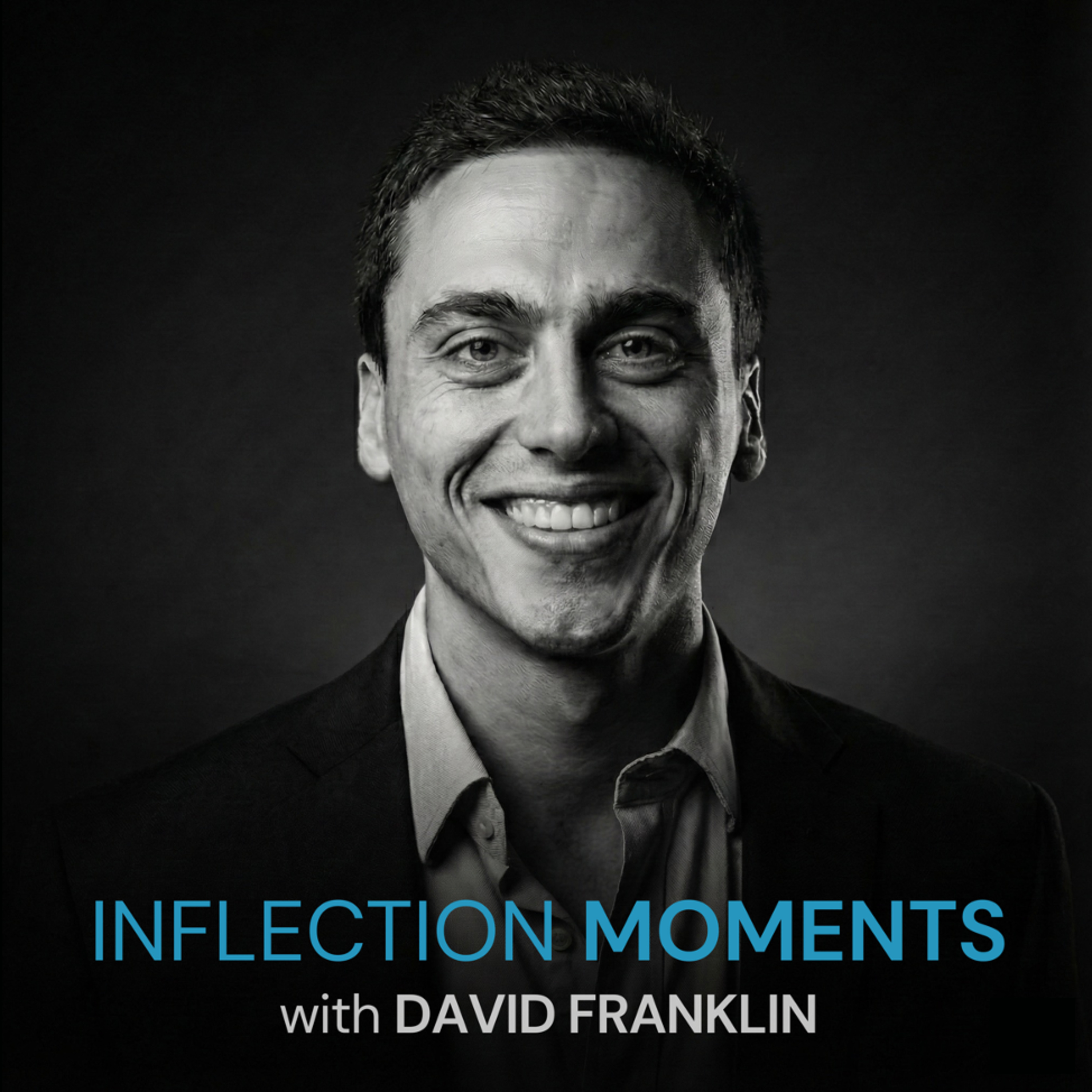
#24. Sol Price: The Man Who Reinvented Warehouse Retail
Mar 200:50:15Tap to summarizeSol Price was the founder of FedMart and Price Club, the pioneering membership-based warehouse retailer that ultimately became the blueprint for Costco and the entire warehouse club industry. His episode on Inflection Moments explores how a lawyer from San Diego, motivated by fairness and consumer value more than profit, quietly rewrote the rules of retail by proving that low margins, high trust, and scale could coexist sustainably.Price’s story runs from opening FedMart in 1954 as a discount store for government employees, to evolving the idea into Price Club in 1976: a wholesale model based on memberships, limited selection, and bulk purchasing. While the model looked counterintuitive to traditional retailers, it proved wildly effective by aligning incentives between business and customer: efficiency replaced advertising, and loyalty replaced short-term markup. Even after merging with Costco, Price’s ideas (e.g. treat employees well, respect customers’ intelligence, and run lean) became foundational to one of the most efficient and trusted retail empires in the world.His story is worth studying because it shows that innovation often comes from rethinking who you serve and how you make money, not what you sell. For founders, the takeaways include how to build enduring business models on transparency, operational simplicity, and earned trust. For investors, Price’s arc is a timeless study in quiet compounding: proof that moral clarity and long-term alignment can outperform flashier, short-term tactics, leaving a blueprint still followed decades later.Chapters(00:00) Introduction(04:15) Inflection Point #1: Breaking Into an Unknown Industry(15:14) Inflection Point #2: Getting Fired at 60(25:13) Inflection Point #3: Inventing a New Customer Relationship(31:53) Inflection Point #4: Facing Competition and Staying True(40:10) Common Threads(48:40) Closing ThoughtsConnectFollow our channels below if you're interested in insights, ideas, and lessons from the greatest entrepreneurs in history:Newsletter: www.inflectionmoments.comLinkedIn: linkedin.com/in/david-franklin8456/Spotify: https://open.spotify.com/show/0aqoOm53QLcOgyOkXFXNkO?si=a6474541e17f4db7Apple Podcasts: https://podcasts.apple.com/us/podcast/inflection-moments/id1841530808YouTube: @InflectionMomentsIf you're enjoying the episodes, make sure to like the video and subscribe to the channel so you never miss an episode.
Transcribe →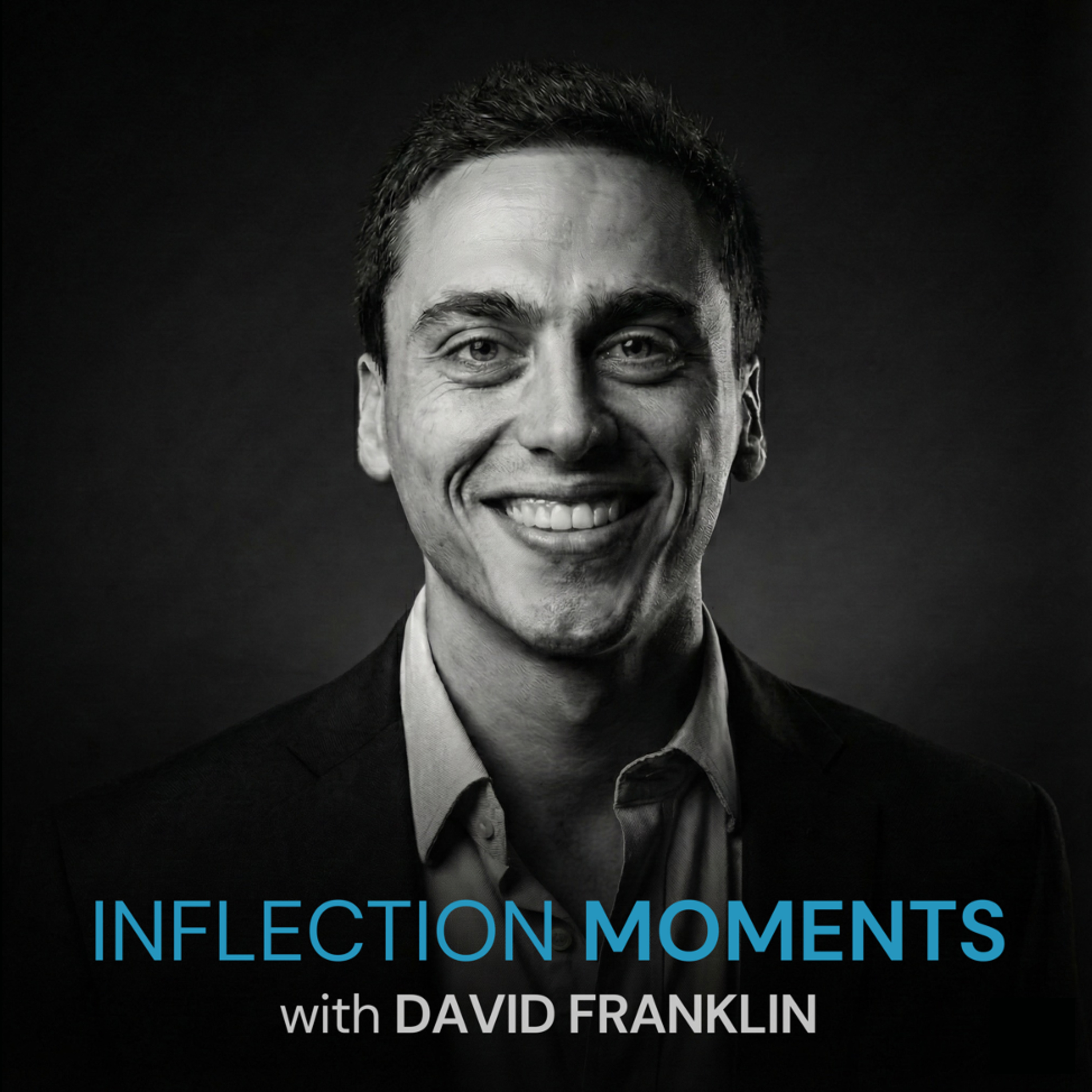
#23. Ray Kroc: The 52-Year-Old Salesman
Feb 2300:46:37Tap to summarizeRay Kroc is the entrepreneur who transformed McDonald’s from a single family-owned burger stand into one of the most recognized and profitable franchises in history. His episode on Inflection Moments explores how a 52-year-old milkshake machine salesman, who was long past the age when most people stop taking risks, seized a small concept and turned it into a global blueprint for operational excellence, scale, and consistency.Kroc’s story begins in the 1950s, when he visits the McDonald brothers’ restaurant in San Bernardino and becomes captivated by their “Speedee Service System” - a fast, highly efficient kitchen model unlike anything he’s seen before. Convincing them to let him franchise the idea, Kroc expands across the U.S. by enforcing strict standards, pioneering real estate ownership as leverage, and transforming McDonald’s from a roadside diner into a cultural institution. His relentless drive and cutthroat business instincts made him both controversial and iconic, turning a modest idea into a global food empire.His story is worth studying because it illustrates the power of execution over invention, and how the right operator can outscale any innovator. For founders, the takeaways include how to systemize excellence, how to balance brand consistency with local flexibility, and how to turn infrastructure into competitive advantage. For investors, Kroc’s arc is a timeless lesson in franchise economics, real estate strategy, and the mindset of a builder who refused to settle for incremental ambition when the opportunity was exponential.Chapters(00:00) Introduction(02:38) Inflection Point #1: The Vision in San Bernardino(11:09) Inflection Point #2: The First Franchise(18:51) Inflection Point #3: The Real Estate Revelation(25:07) Inflection Point #4: The Buyout of the McDonald Brothers(32:11) Inflection Point #5: Systematization Through Hamburger University(40:16) Common Threads(44:50) Closing ThoughtsConnectFollow our channels below if you're interested in insights, ideas, and lessons from the greatest entrepreneurs in history:Newsletter: www.inflectionmoments.comLinkedIn: linkedin.com/in/david-franklin8456/Spotify: https://open.spotify.com/show/0aqoOm53QLcOgyOkXFXNkO?si=a6474541e17f4db7Apple Podcasts: https://podcasts.apple.com/us/podcast/inflection-moments/id1841530808YouTube: @InflectionMomentsIf you're enjoying the episodes, make sure to like the video and subscribe to the channel so you never miss an episode.
Transcribe →
#22. Ralph Lauren: Dressing The American Dream
Feb 1600:41:14Tap to summarizeRalph Lauren is the founder and chief creative force behind Ralph Lauren Corporation, the fashion empire that transformed American style into a global lifestyle brand defined by aspiration, elegance, and identity. His episode on Inflection Moments explores how a Bronx-born tie salesman, with no formal design training, built one of the most enduring luxury brands in history. He did this by selling not just clothes, but a dream of classic Americana.Lauren’s story runs from designing wide, colorful ties under the Polo label in the late 1960s, to expanding into full menswear, womenswear, fragrances, home goods, and beyond. His genius wasn’t in chasing trends but in creating a timeless world his customers wanted to belong to, crafted around a singular vision of taste and storytelling. Even as fashion evolved, Lauren’s consistency and control over his brand’s narrative allowed him to scale globally without diluting its essence.His story is worth studying because it shows that powerful brands are built on identity and emotion, not just products. For founders, the takeaways include how to build a world, not a catalog, how to turn personal conviction into cultural currency, and how to lead with narrative clarity across decades of reinvention. For investors, Lauren’s arc is a masterclass in the compounding value of trust: when customers buy not what you make but who you are, your moat becomes timeless.Chapters(00:00) Introduction(03:26) Inflection Point #1: The Tie & The No(10:06) Inflection Point #2: The Polo Shirt & The Pony(16:13) Inflection Point #3: The Rhinelander Mansion(22:24) Inflection Point #4: The 1994 Crisis(27:25) Inflection Point #5: The IPO(32:46) Common Threads(38:20) Closing Thoughts ConnectFollow our channels below if you're interested in insights, ideas, and lessons from the greatest entrepreneurs in history:Newsletter: www.inflectionmoments.comLinkedIn: linkedin.com/in/david-franklin8456/Spotify: https://open.spotify.com/show/0aqoOm53QLcOgyOkXFXNkO?si=a6474541e17f4db7Apple Podcasts: https://podcasts.apple.com/us/podcast/inflection-moments/id1841530808YouTube: @InflectionMomentsIf you're enjoying the episodes, make sure to like the video and subscribe to the channel so you never miss an episode.
Transcribe →
#21. Jimmy Iovine: This Is Not About You
Feb 900:43:54Tap to summarizeJimmy Iovine is the co-founder of Interscope Records and Beats by Dre, and one of the most influential figures in the intersection of music, business, and culture. His episode on Inflection Moments explores how a Brooklyn-born recording engineer who started sweeping studio floors rose to shape four decades of popular music, then reinvented himself as a hardware and streaming visionary who changed how the world listens.Iovine’s story runs from engineering albums for legends like John Lennon and Bruce Springsteen, to producing megastars at Interscope Records, and later co-founding Beats Electronics with Dr. Dre in the mid-2000s. What began as an effort to restore sound quality and artistry to the digital era evolved into a $3 billion acquisition by Apple, where Iovine helped architect Apple Music’s strategic direction. Throughout, his career reflects a consistent throughline: seeing where art and commerce can coexist without compromise.This story is worth studying because it reveals what it means to think like both a creative and an operator: how to bridge artists and markets, storytellers and systems. For founders, the takeaways include how to identify untapped emotional whitespace in crowded industries, how to collaborate across disciplines without diluting vision, and how to leverage relationships to build platforms that outlast any single product. For founders and investors, Iovine’s arc offers a playbook for spotting the people who can translate cultural trends into scalable business models before the world even realizes what’s shifting.Chapters(00:00) Introduction(02:33) Inflection Point #1: I Want The Ball(09:03) Inflection Point #2: This Is Not About You(15:25) Inflection Point #3: Founding Interscope(22:39) Inflection Point #4: Betting on Dr. Dre(28:16) Inflection Point #5: Beats & the Apple Pivot(35:08) Common Threads(41:39) Closing ThoughtsConnectFollow our channels below if you're interested in insights, ideas, and lessons from the greatest entrepreneurs in history:Newsletter: www.inflectionmoments.comLinkedIn: linkedin.com/in/david-franklin8456/Spotify: https://open.spotify.com/show/0aqoOm53QLcOgyOkXFXNkO?si=a6474541e17f4db7Apple Podcasts: https://podcasts.apple.com/us/podcast/inflection-moments/id1841530808YouTube: @InflectionMomentsIf you're enjoying the episodes, make sure to like the video and subscribe to the channel so you never miss an episode.
Transcribe →