
Podcast
Inflection Moments
Hosted by David Franklin · EN
Inflection Moments studies the world’s most successful entrepreneurs through the lens of the pivotal turning points in their career. The podcast is brought to you by David Franklin, a 3x Founder and investor in early-stage companies. If you would like to see more from Inflection Moments, head to inflectionmoments.com for our newsletter and bonus resources.
24episodes
Episodes
Newest firstAll episodes
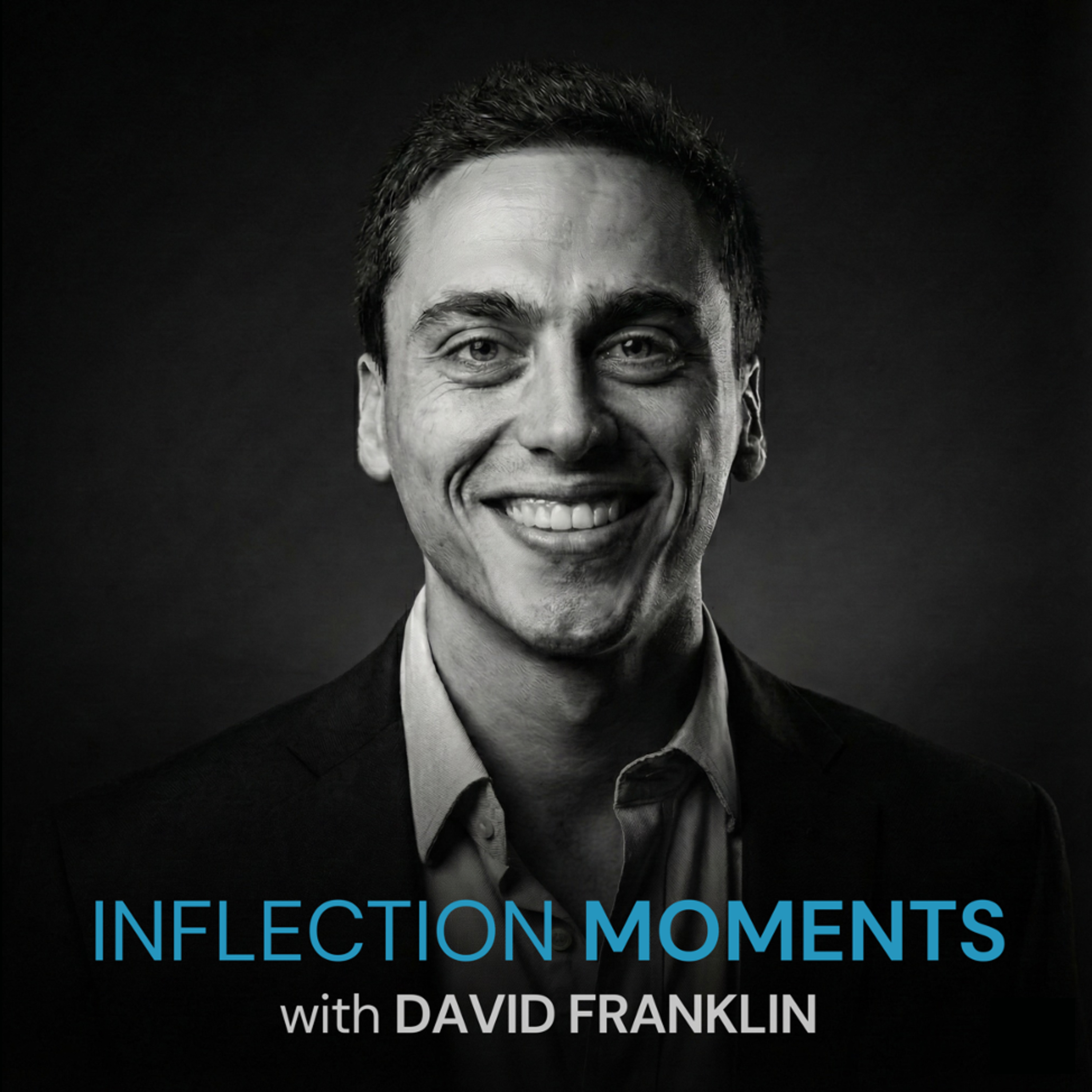
#20. Evan Spiegel: Rejecting $3B From Zuckerberg
Feb 201:03:51Tap to summarizeEvan Spiegel is the co-founder and CEO of Snap, the parent company of Snapchat, which redefined social media by putting ephemerality, authenticity, and creativity at the center of how people communicate. His episode on Inflection Moments traces how a Stanford design student, ridiculed for building a “disappearing photos app,” reshaped an entire generation’s approach to connection: prioritizing moments over permanence and intimacy over virality.Spiegel’s story runs from an early fascination with design and product psychology to the creation of Snapchat in his fraternity house with co-founders Bobby Murphy and Reggie Brown. After early backlash and controversy, he turned the skepticism into fuel, growing the app from a niche college tool into a platform that reached hundreds of millions of daily users. He consistently resisted imitation and short-term monetization pressure, from rejecting Facebook’s $3 billion acquisition offer to reinventing the business through AR lenses and Spectacles.His story is worth studying because it shows how conviction in a design philosophy can outlast market noise, allowing a founder to build not just a product but a new language of expression. For founders, the takeaways include how to build intuitive products that align with cultural shifts, how to survive being underestimated, and how to iterate fearlessly in public. For investors and backers, Spiegel’s arc is a window into the power of founder stubbornness: the balance between vision that changes the world and ego that can nearly burn it down. It’s a modern lesson in building enduring value from ephemeral ideas.Chapters(00:00) Introduction(02:42) Inflection Point #1: The Ousting of Reggie Brown(13:27) Inflection Point #2: Securing Lightspeed Funding(23:36) Inflection Point #3: Turning Down Facebook's $3B Offer(34:41) Inflection Point #4: Launching Snapchat Stories(42:42) Inflection Point #5: The Redesign Disaster(54:28) Common Threads(01:01:46) Closing ThoughtsConnectFollow our channels below if you're interested in insights, ideas, and lessons from the greatest entrepreneurs in history:Newsletter: www.inflectionmoments.comLinkedIn: linkedin.com/in/david-franklin8456/Spotify: https://open.spotify.com/show/0aqoOm53QLcOgyOkXFXNkO?si=5c7fc64ca22348e1Apple Podcasts: https://podcasts.apple.com/us/podcast/inflection-moments/id1841530808?i=1000743810616YouTube: @InflectionMomentsIf you're enjoying the episodes, make sure to like the video and subscribe to the channel so you never miss an episode.
Transcribe →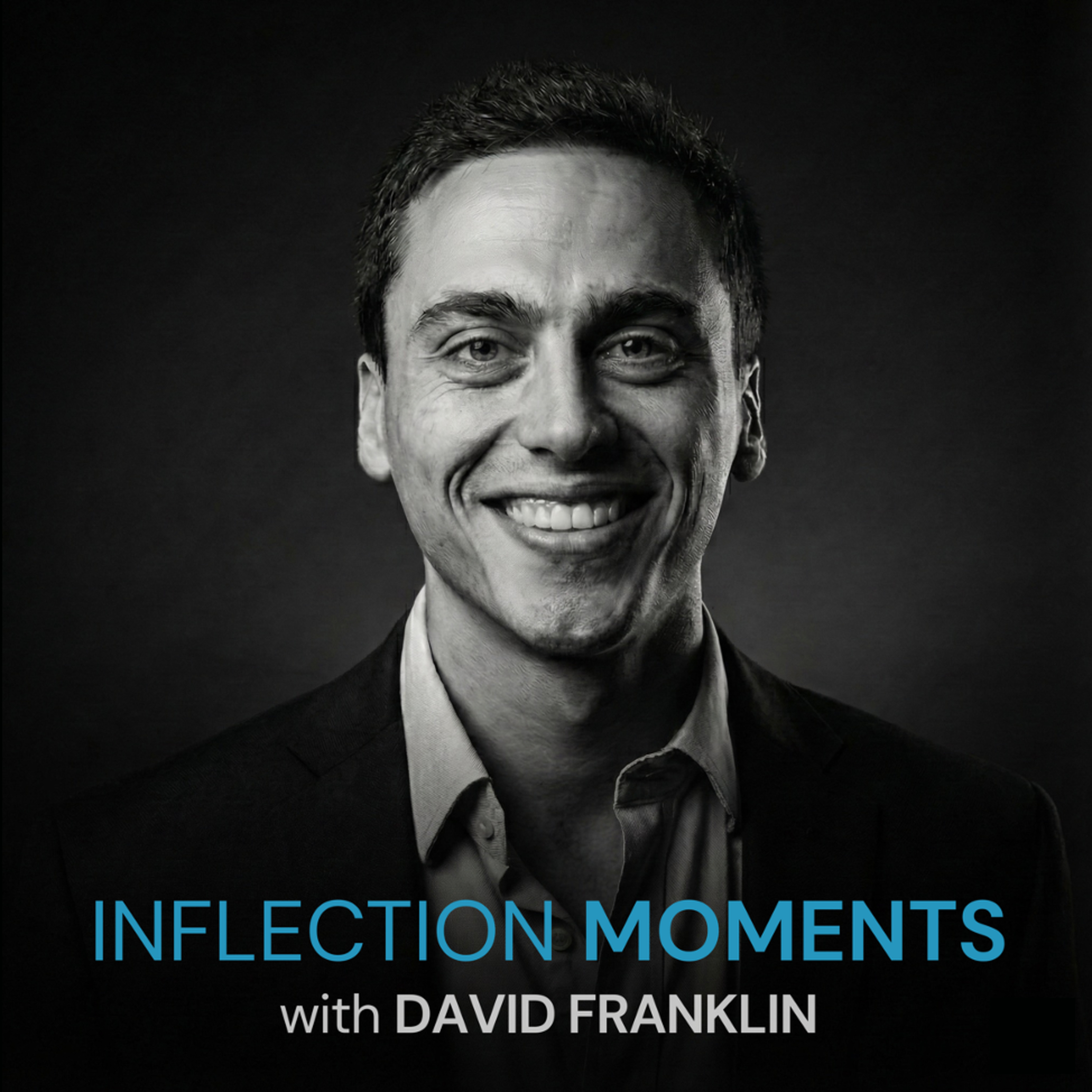
#19: Sara Blakely: The $5,000 Idea That Reshaped an Industry
Jan 2600:48:31Tap to summarizeSara Blakely is the founder of Spanx, the shapewear company she started with $5,000 in savings that went on to revolutionize women’s apparel and make her the world’s youngest self-made female billionaire. Her episode on Inflection Moments explores how an office supply saleswoman with no fashion or manufacturing background turned a personal frustration (unflattering undergarments) into a global powerhouse brand built on authenticity, humor, and unstoppable grit.Blakely’s story runs from selling fax machines door-to-door in Florida to cutting the feet off her pantyhose for a cleaner fit under white pants, leading to an idea she tirelessly pitched, patented, and prototyped herself before landing a deal with Neiman Marcus. Eventually, Oprah’s endorsement catapulted Spanx to fame, but Blakely sustained momentum through storytelling and a deep understanding of how real women feel in their clothes. Her focus on empowering customers, maintaining full ownership, and building a culture that laughs as hard as it hustles made Spanx a model for purpose-driven consumer innovation.Her story is worth studying because it proves that ingenuity, resilience, and empathy can outcompete industry experience or funding. For founders, the takeaways include how to identify a genuine, lived problem, how to prototype when you lack technical expertise, and how to turn humor and humanity into marketing superpowers. For founders and investors, Blakely’s journey demonstrates the asymmetric upside of backing unconventional founders: those who don’t fit the mold but redefine it through sheer clarity of vision and relentless optimism.Chapters(00:00) Introduction(03:31) Inflection Point #1: I'm In The Wrong Movie(09:32) Inflection Point #2: The Birth of Spanx(15:16) Inflection Point #3: Cracking the Hosiery Mills(22:47) Inflection Point #4: Landing Neiman Marcus(30:53) Inflection Point #5: Bootstrapping, Exit, and Reinvention(38:29) Common Threads(46:04) Closing ThoughtsConnectFollow our channels below if you're interested in insights, ideas, and lessons from the greatest entrepreneurs in history:Newsletter: www.inflectionmoments.comLinkedIn: linkedin.com/in/david-franklin8456/Spotify: https://open.spotify.com/show/0aqoOm53QLcOgyOkXFXNkO?si=5c7fc64ca22348e1Apple Podcasts: https://podcasts.apple.com/us/podcast/inflection-moments/id1841530808?i=1000743810616YouTube: @InflectionMomentsIf you're enjoying the episodes, make sure to like the video and subscribe to the channel so you never miss an episode.
Transcribe →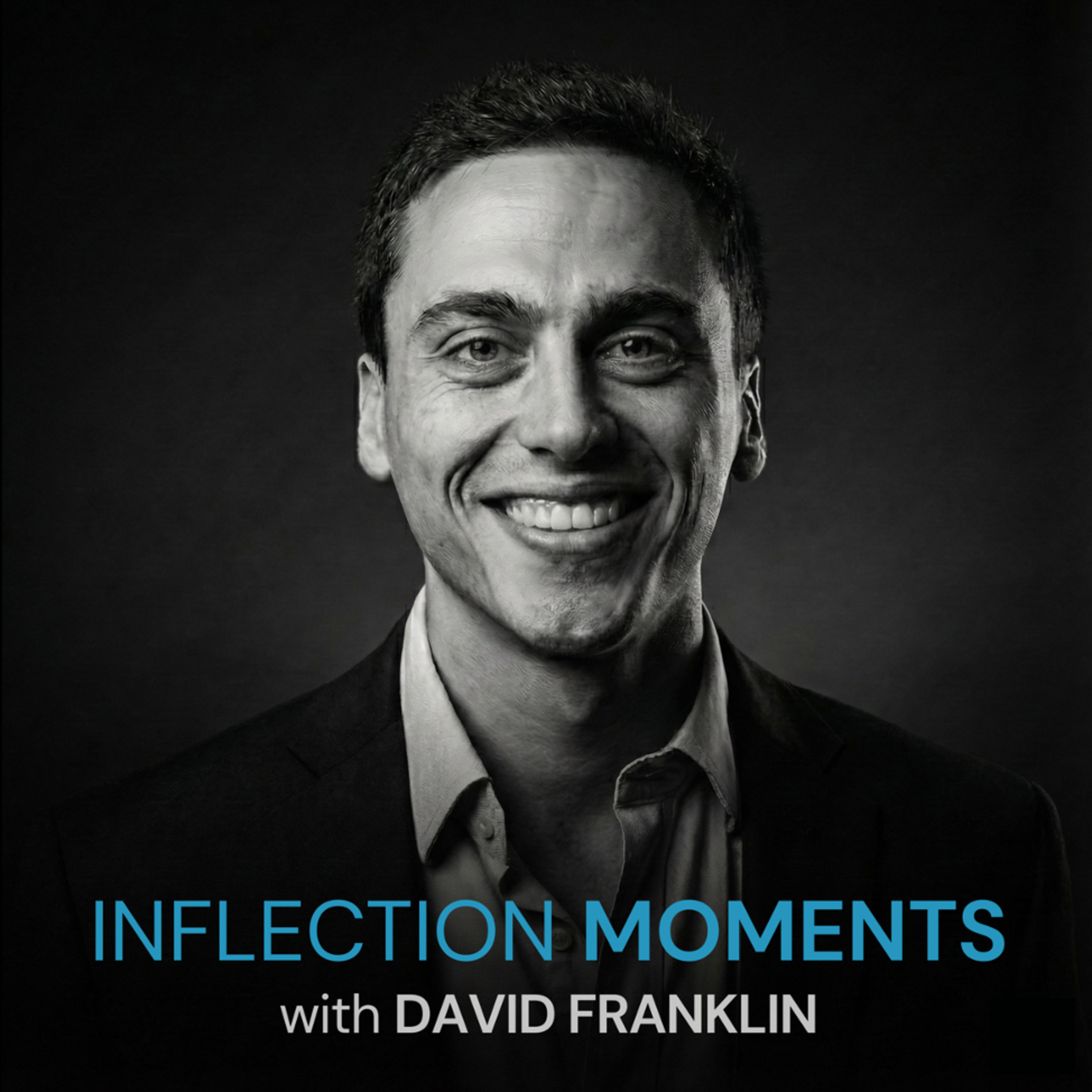
#18: Sir Richard Branson: The Rebel CEO
Jan 1900:49:23Tap to summarizeSir Richard Branson is the founder of the Virgin Group, a global conglomerate spanning music, aviation, telecom, and space travel, built from a mail-order record shop he started as a teenager. His episode on Inflection Moments explores how a dyslexic 16-year-old who dropped out of school became a world-renowned entrepreneur famous for turning industries upside down, and for betting big on brand, experience, and adventure.Branson’s story runs from launching Student magazine in the 1960s to creating Virgin Records, signing artists like the Sex Pistols, then expanding into new territories with Virgin Atlantic, Virgin Mobile, and Virgin Galactic. Each move follows a familiar pattern: challenge complacent incumbents, wrap superior service in personality, and build loyalty by making customers and employees feel part of something rebellious yet human. His daring stunts, from crossing the Atlantic in a hot air balloon to planning space tourism, reinforce his belief that business should be an adventure, not a spreadsheet exercise.This story is worth studying because it shows the power of brand elasticity: the ability to extend a shared identity and set of principles across wildly different industries without losing authenticity. For founders, the takeaways include how to scale a culture of boldness and empathy, how to pair risk-taking with resilience, and how to make brand purpose a profit engine rather than a slogan. For founders and investors, Branson’s arc is a reminder that charisma and vision, paired with disciplined execution, can create not just companies but brands that sell feelings as much as products.Chapters(00:00) Introduction(03:39) Inflection Point #1: The Student Magazine Gamble(13:57) Inflection Point #2: The Tubular Bells Bet(21:59) Inflection Point #3: The Virgin Atlantic Accident(29:43) Inflection Point #4: The Dirty Tricks War(36:59) Inflection Point #5: Selling His Child(42:04) Common Threads(47:06) Concluding ThoughtsConnectFollow our channels below if you're interested in insights, ideas, and lessons from the greatest entrepreneurs in history:Newsletter: www.inflectionmoments.comLinkedIn: linkedin.com/in/david-franklin8456/Spotify: https://open.spotify.com/show/0aqoOm53QLcOgyOkXFXNkO?si=5c7fc64ca22348e1Apple Podcasts: https://podcasts.apple.com/us/podcast/inflection-moments/id1841530808?i=1000743810616YouTube: @InflectionMomentsIf you're enjoying the episodes, make sure to like the video and subscribe to the channel so you never miss an episode.
Transcribe →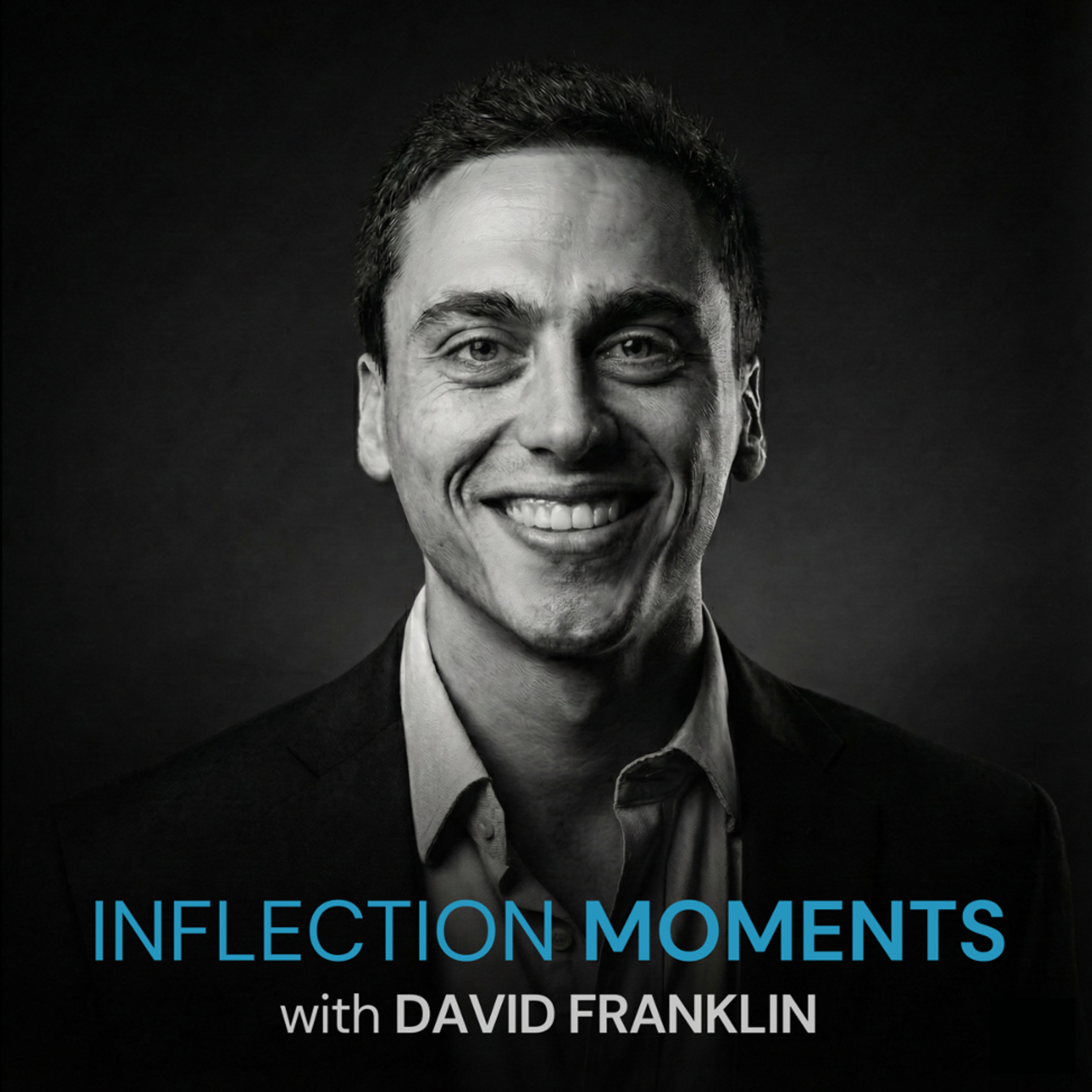
#17. Kylie Jenner: Building a Billion-Dollar Brand by 21
Jan 1200:50:00Tap to summarizeKylie Jenner is the founder of Kylie Cosmetics, the beauty brand that redefined direct-to-consumer marketing through social media and made her one of the youngest billionaires in the world. Her episode on Inflection Moments examines how a reality TV star turned her online following into an empire: using personal branding, scarcity-driven product drops, and digital storytelling to overturn how beauty products are created, distributed, and sold.Jenner’s story runs from growing up in the public eye on Keeping Up with the Kardashians, to quietly launching Kylie Lip Kits in 2015 with near-instant sellouts, to scaling the brand into a global phenomenon backed by Coty’s $600 million investment. Along the way, she plays both founder and influencer: blurring the line between celebrity marketing and authentic entrepreneurship, and building a template that countless creators have since tried to replicate.This story is worth studying because it shows how brand equity and audience connection can rival traditional capital or distribution when leveraged with precision and timing. For founders, the takeaways include how to turn personal authenticity into a product story, how to use digital channels to manufacture cultural moments, and how to operate at the intersection of brand and data. For investors, Jenner’s arc highlights the shift in modern consumer business models - from the power of mass media to the power of personal media - and how trust, scale, and profit can all emerge from a single person’s relationship with their audience.Chapters(00:00) Introduction(04:58) Inflection Point #1: Turning Insecurity Into Opportunity(12:21) Inflection Point #2: The First Launch(19:33) Inflection Point #3: The Shopify Partnership(26:22) Inflection Point #4: Going Into Retail with Ulta(32:52) Inflection Point #5: The Coty Deal(40:23) Common Threads(47:56) Closing ThoughtsConnectFollow our channels below if you're interested in insights, ideas, and lessons from the greatest entrepreneurs in history:Newsletter: www.inflectionmoments.comLinkedIn: linkedin.com/in/david-franklin8456/Spotify: https://open.spotify.com/show/0aqoOm53QLcOgyOkXFXNkO?si=5c7fc64ca22348e1Apple Podcasts: https://podcasts.apple.com/us/podcast/inflection-moments/id1841530808?i=1000743810616YouTube: @InflectionMomentsIf you're enjoying the episodes, make sure to like the video and subscribe to the channel so you never miss an episode.
Transcribe →