
Podcast
influencers!
Hosted by Influencers! by Micromobility Report · EN
Welcome to influencers!
The purpose of the series is to build awareness of micromobility and hear from some of the influencers who are making an impact in this rapidly growing industry.
Everyone that we speak to will be making a difference in some aspect of cycling or micromobilty. Some will be unsung heroes and others people that you might already know. Our motivation for creating influencers! is to play our part in advancing the causes of cycling and micromobility.
We hope you enjoy the series, please subscribe, leave a review and share influencers! with your friends.
11episodes
Episodes
Newest firstAll episodes
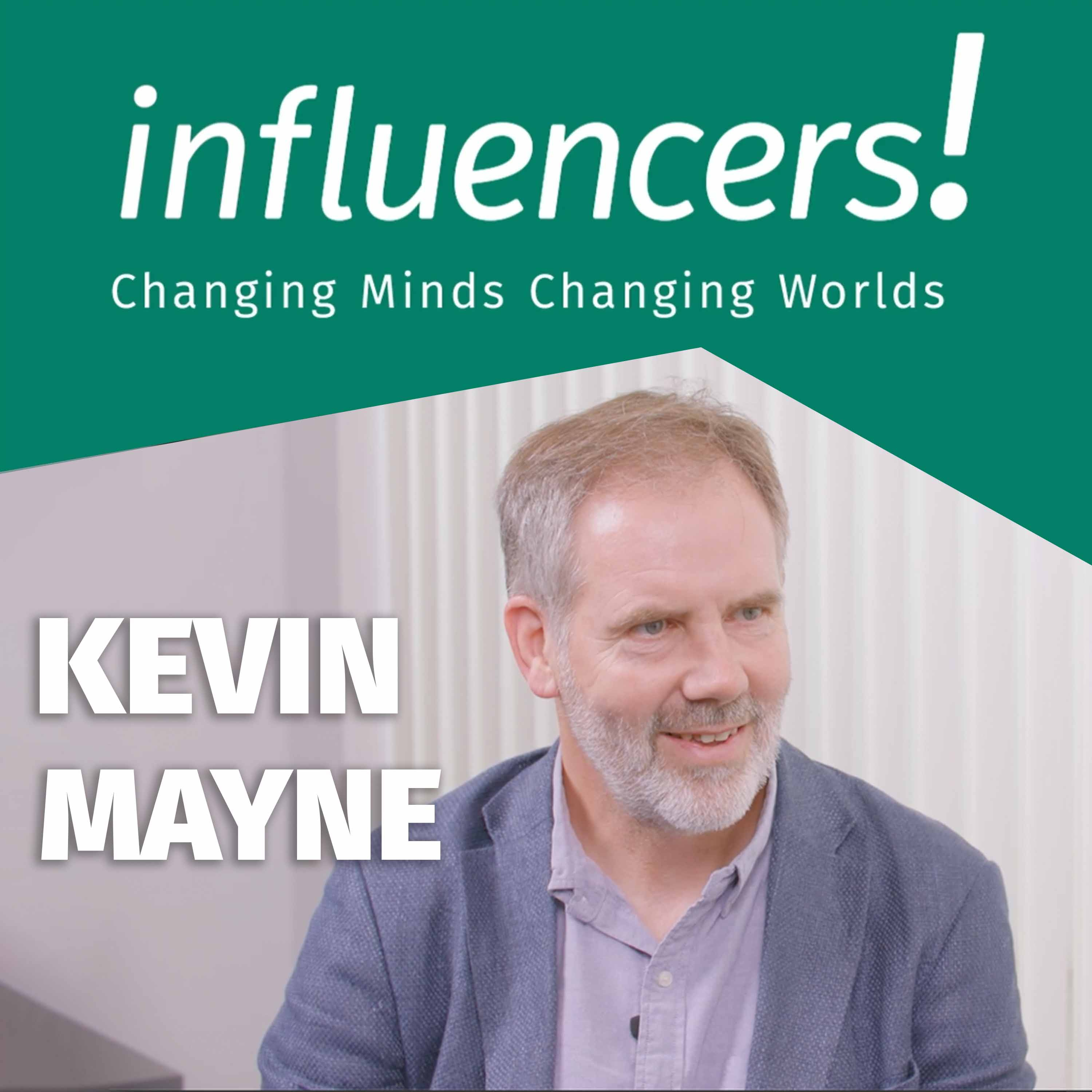
Kevin Mayne
Apr 12, 202300:35:54Tap to summarizeIn many fields we hear about someone who is an ‘overnight success’. But further research usually reveals that they’ve put in years of hard work before they seem to suddenly start kicking big goals. Kevin Mayne is a great example of this. After completing a science degree followed by an MBA, Kevin worked in the multinational corporate world for more than a decade before joining the national cycling charity, Cycling UK, as their CEO in 1998. Kevin has been working with quiet determination in the cycling advocacy field for the 25 years since then. Since 2019 Kevin has been CEO of Cycling Industries Europe. This dynamic global bicycle industry funded group has gradually helped to unlock billions of Euros for cycling infrastructure projects across Europe. But as Kevin foreshadows in this interview, the combined impacts of Covid and the Russian invasion of Ukraine have suddenly propelled he and his organisation from being considered by key European political leaders as a noisy annoyance to being taken seriously. Kevin and his team now have increased access and relationship with the most senior elected politicians and officials in the European Parliament and European Commission. This interview was recorded in 2022. Since then, Kevin and his team have made further progress towards historic, unprecedented new levels of European Union level support for cycling throughout Europe that will hopefully be announced during 2023. To watch the video version of this interview, visit the Micromobility Report website here: https://micromobilityreport.com.au/influencers/
Transcribe →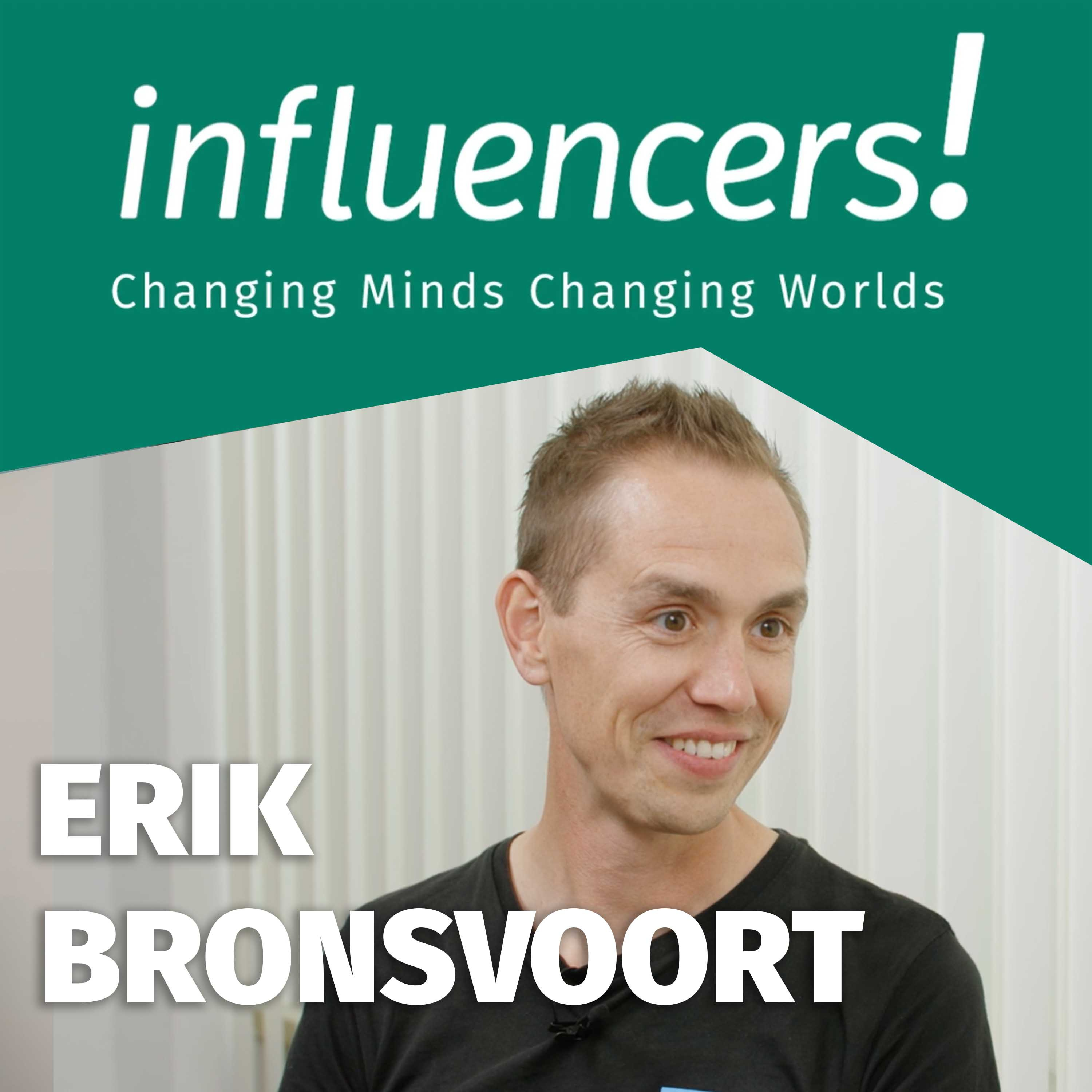
Erik Bronsvoort
Apr 4, 202300:27:50Tap to summarizeIt’s a hard truth that most of us don’t want to here, but just because we buy and ride a bicycle does not mean we couldn’t further reduce our environmental impact. Sure, bicycles have far lower environmental impacts than cars. They are typically about 100 times lighter, sometimes even more. In the case of e-bikes their battery is also typically about 100 times smaller than an electric car battery. But as you will here in this interview with Erik Bronsvoort, bicycles still take a lot of energy to manufacture and they’re harder to recycle than you might think. Erik is a global authority on this subject, having co-founded Circular Cycling and written a ground breaking book on the topic. The good news is that if manufacturers and consumers work together, there are solutions available. To watch the video version of this interview, visit the Micromobility Report website here: https://micromobilityreport.com.au/influencers/
Transcribe →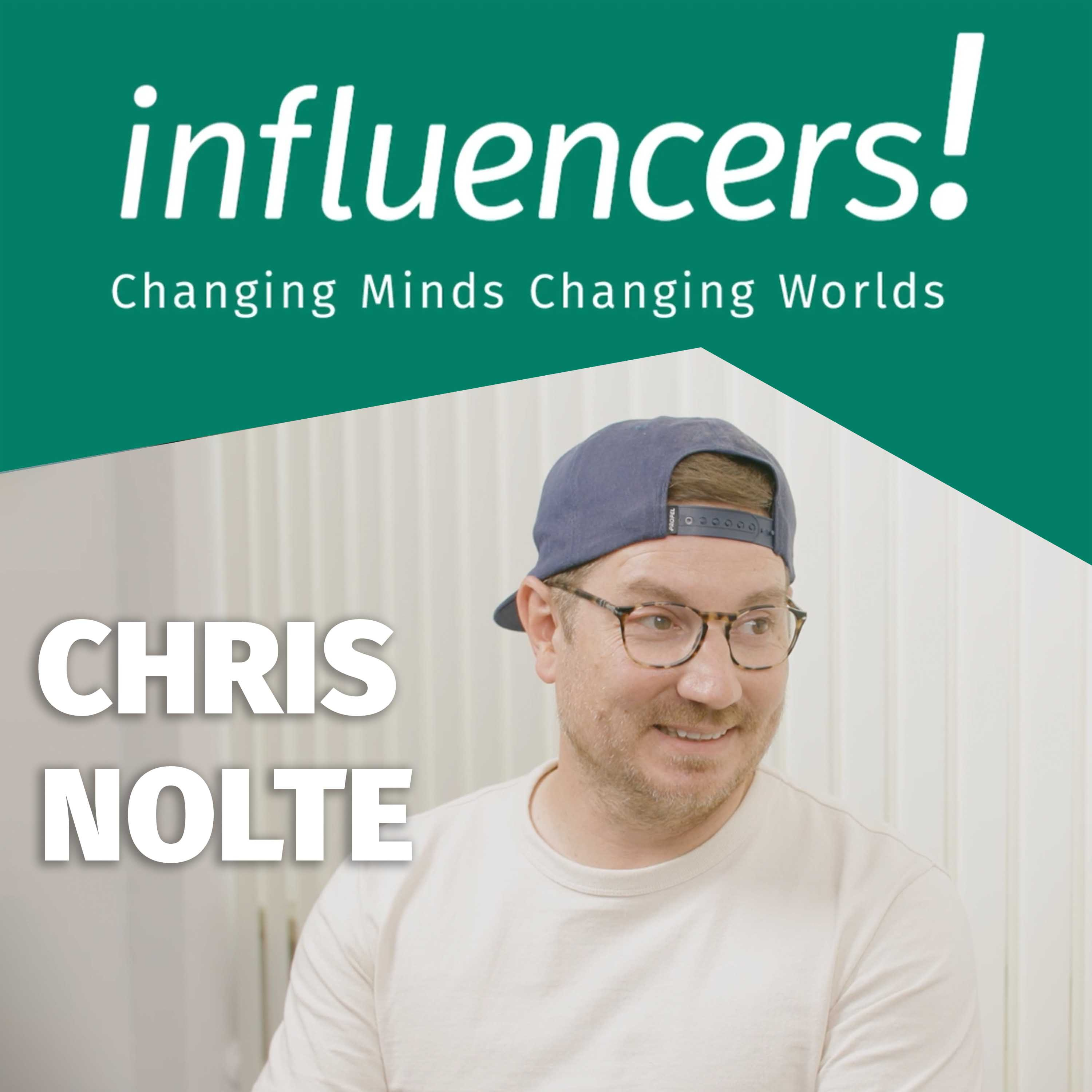
Chris Nolte
Mar 7, 202300:31:50Tap to summarizeChris Nolte is a very quiet spoken, humble guy – especially for an American! After enduring some life changing trauma in the Iraq war, Chris started questioning America’s oil based economic system and compromises that this led to. He became a pioneering retailer of e-bikes in the USA, a heinous crime that earned him a huge fine in New York City! But Chris fought city hall and eventually won this David vs Goliath battle. Over the years his Propel Bikes business has grown from the smallest possible start-up in to one of the USA’s largest e-bike retailers. Meanwhile Chris has built the incredibly popular Propel YouTube channel that is now his primary full time job, with over 54,000 subscribers and over 11 million views. To watch the video version of this interview, visit the Micromobility Report website.
Transcribe →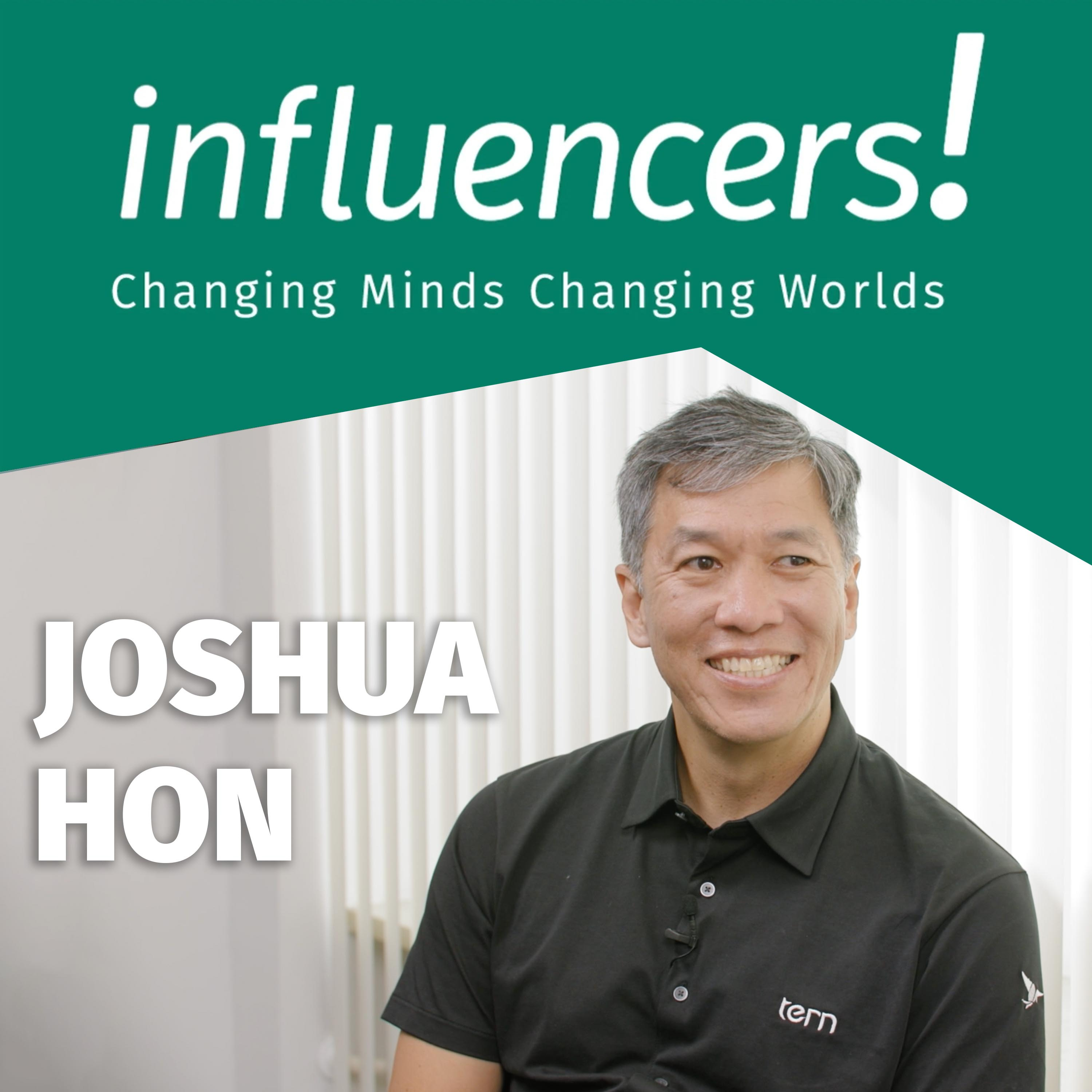
Joshua Hon
Dec 7, 202200:36:52Tap to summarizeJoshua Hon has decades of experience in the world of bicycle design and manufacture. His father Dr David Hon, founded Dahon (a shortened version of his name) which became a well- known, globally distributed folding bike brand. After working at Dahon for years, Joshua branched out and set up an entirely new company from scratch, Tern Bicycles. Initially Tern was best known for its own designs of folding bicycles, but then Joshua ‘bet the company’ on an ambitious project to create an entire new category of bicycle from scratch. The result was the Tern GSD, through which Joshua Hon can take credit for creating what is now a huge bicycle category, ‘compact cargo’. Although this bike has ‘inspired’, as Joshua diplomatically describes it, many very similar models from other brands, Tern has focused upon continued product innovation and development, which has resulted in huge growth for the still relatively new company. Throughout the journey, Joshua has developed a company with a strong culture of environmental sustainability and advocacy. It’s also a place where just about every team member regularly rides the products that they make, including Joshua. To watch the video version of this interview, visit the Micromobility Report website.
Transcribe →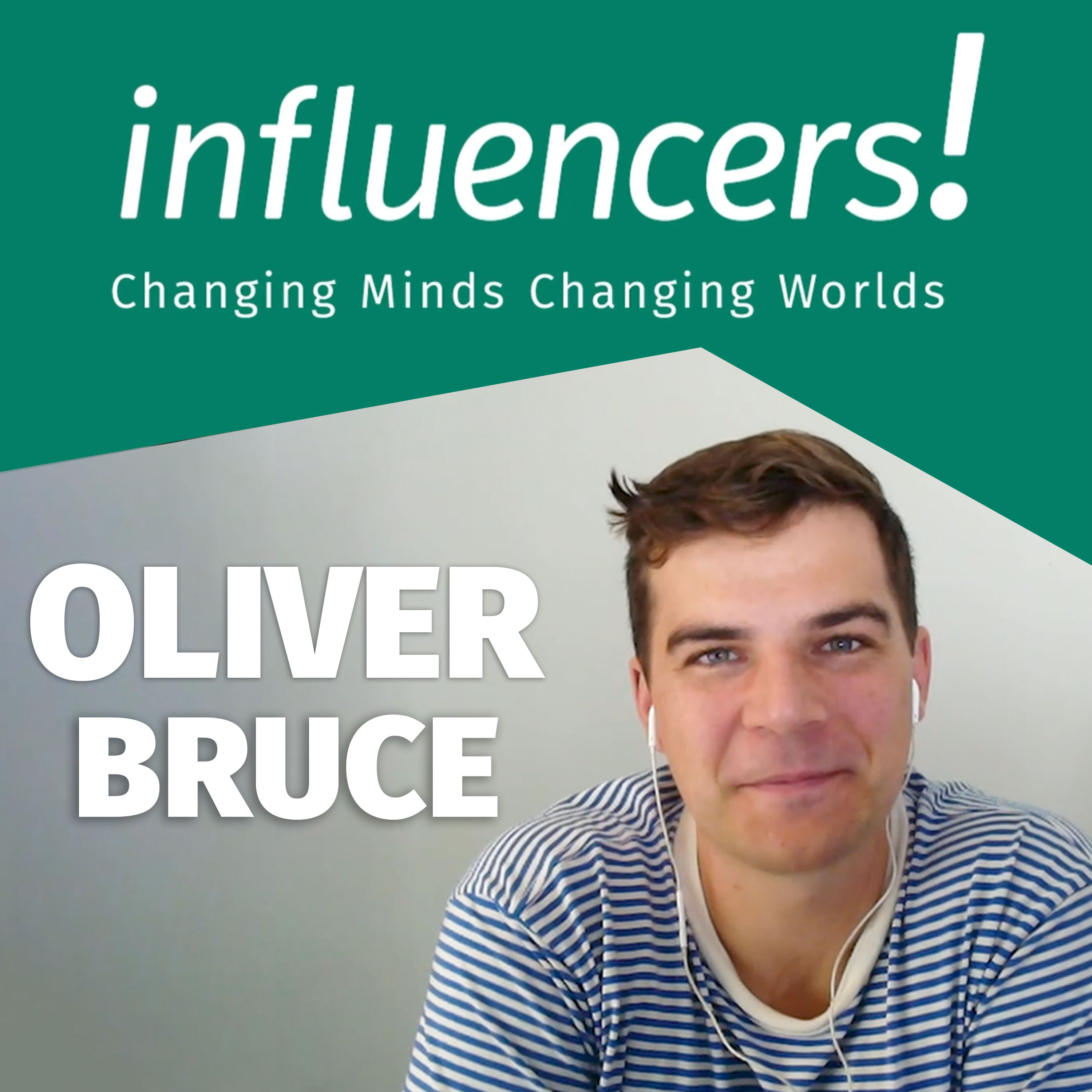
Oliver Bruce
Aug 31, 202200:40:23Tap to summarizeSome people seem to live on a higher plane than most of our routine suburban lives. If you look at Oliver Bruce’s resumé he certainly seems to qualify for that category. After an eclectic global education, Oliver has held a wide range of roles including strategic advisor, corporate manager and angel investor. He’s also one of a select group of Edmund Hillary Fellows in his native country of New Zealand and co-host of the influential Micromobility Podcast which he co-founded with the inventor of the term Micromobility, Horace Dediu. To watch the video version of this interview, visit the Micromobility Report website.
Transcribe →
Fiona Campbell
Jun 29, 202200:32:40Tap to summarizeAs you’ll soon discover, Fiona Campbell is quietly and calmly spoken and rather small in stature. She’s also quite happy to stay out of the limelight. But when it comes to being a true influencer, Fiona is a giant. I know that she’s highly respected by her colleagues and peers. But I suspect that even those that might be trying to block her progress and ideas also develop a grudging respect for the tenacity and sharp strategy that hides beneath her calm, quiet exterior. To watch the video version of this interview, visit the Micromobility Report website.
Transcribe →
Stephen Hodge
May 31, 202200:38:28Tap to summarizeInside Australia’s Federal Parliament, our elected members decide how to spend an annual budget that now exceeds half a trillion dollars. They also enact laws and make policy decisions that affect every aspect of our lives, including how we move around. There’s only one professional lobbyist inside these corridors of power whose role is to advocate for cycling. But fortunately, what the cycling community lacks in quantity, it makes up for with quality, as that sole lobbyist is Stephen Hodge. As you’ll see in more detail in this interview, Stephen’s involvement in cycling began as one of Australia’s top professional road cyclists, finishing 14 Grand Tours including 6 Tours de France, plus riding for Australia at the Olympics, Commonwealth Games and 10 World Championships. Returning to live in Australia after 13 years as a European-based professional cyclist, Stephen gradually became more interested and involved in cycling advocacy. Although his ‘second cycling career’ may not be quite so glamorous and high profile as the first, it’s possibly even more stellar and important. To watch the video version of this interview, visit the Micromobility Report website.
Transcribe →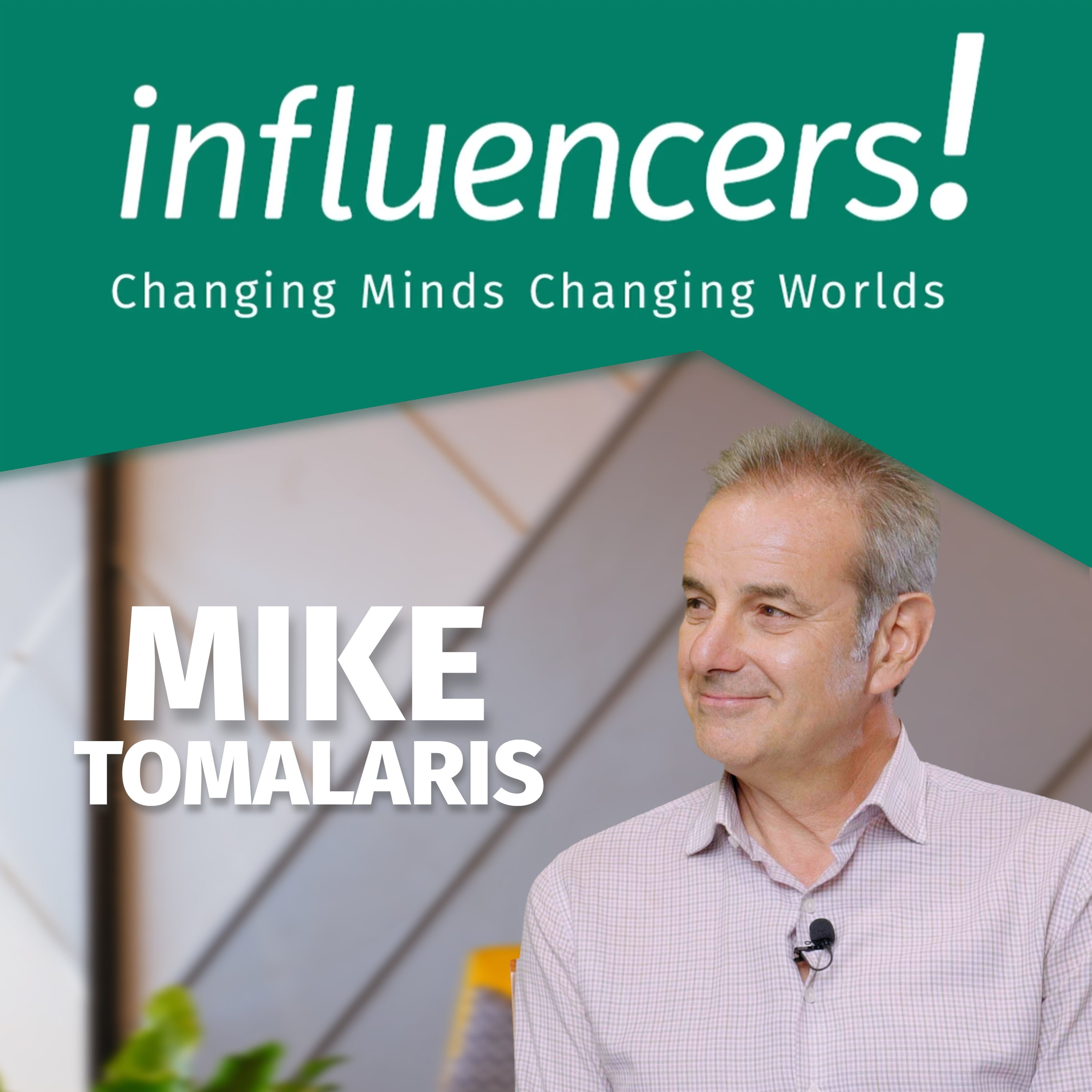
Mike Tomalaris
Apr 30, 202200:30:23Tap to summarizeMike Tomalaris is a household name for cycling fans throughout Australia. For decades he’s appeared on the screen on SBS-TV as a newsreader and sports commentator. But Mike’s face is most closely associated with the Tour de France. He began anchoring the SBS Tour de France coverage way back in the 1990’s. That came to an abrupt end in late 2021 when he was sacked by SBS in very shoddy circumstances that led both to a widespread public outcry and a dark time in Mike’s life. But his own active cycling journey and his riding buddies in particular, have helped him come through to a brighter place. Now Mike is enjoying new opportunities in cycling, becoming an ambassador to a leading cycling group and about to embark on a new career as a cycling tour guide. In this interview, you’ll hear plenty of high and also some lows of Mike’s cycling journey. To watch the video version of this interview, visit the Micromobility Report website.
Transcribe →
Lena Huda
Mar 31, 202200:34:48Tap to summarizeLena Huda has only lived in Australia for a couple of years so far, but has already had more influence here than many achieve in their lifetime. Despite being a busy mother of four young children spaced just two years apart in age, since arriving here, Lena has thrown herself into full-time advocacy work. She’s co-founded two organisations: 30 Please is asking for the speed limits on our local streets to be reduced to 30 kilometres per hour, Australia-wide. Safe Streets to School is advocating for a range of measures that will make it safer for our kids to walk or ride to school. In this episode, Lena explains her motivations and experiences, having grown up in Germany where she could walk and cycle independently from a young age. Despite her shock when arriving in Australia and seeing how unsafe conditions are here, she’s calmly set about changing her newly adopted homeland. To watch the video version of this interview, visit the Micromobility Report website.
Transcribe →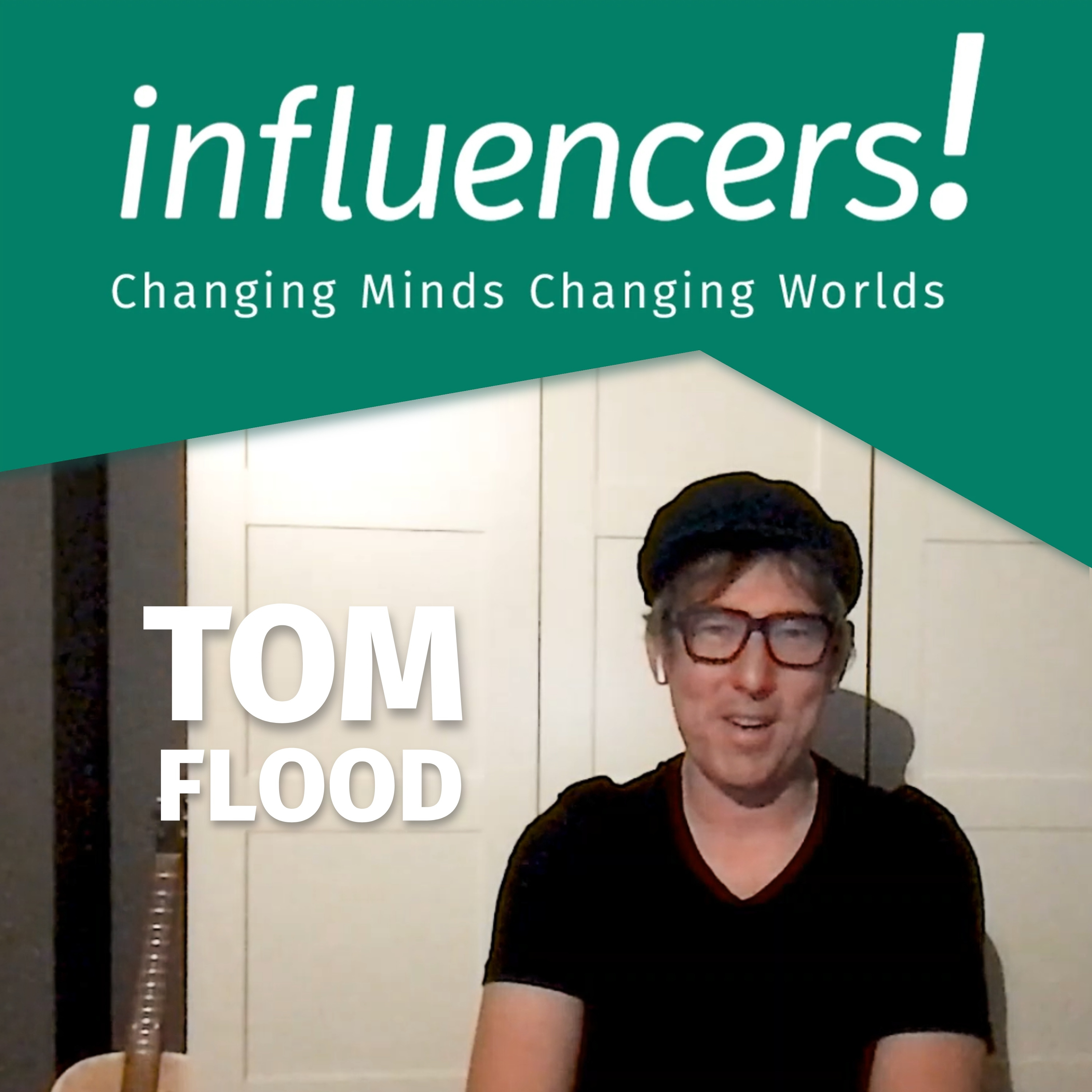
Tom Flood
Mar 1, 202200:37:50Tap to summarizeTom Flood lives in Hamilton, Ontario, Canada. He’s spent his career in the advertising industry as a ‘creative’. For years a large part of his work was creating campaigns for the auto industry, even though through much of this time he was commuting to work on a bicycle and facing a hostile environment caused by the very products he was helping to sell. But Tom’s epiphany only happened when he tried to ride his young boys to preschool. Suddenly he realised that our society has been perpetuating a myth that cars are a good thing for our cities, families and broader communities. Tom then began to use his considerable talents to create impactful images and videos to tell the story from a completely different perspective. In this episode, you’ll see ten stunning examples of his work and Tom will share the back stories behind the sometimes tragic motivations to produce each one. To watch the video version of this interview, visit the Micromobility Report website.
Transcribe →