
Podcast
Inside Reproductive Health Podcast
Hosted by Fertility Bridge · EN
Inside Reproductive Health is your source for information about the growing field of fertility. Inside Reproductive Health features an active blog and weekly interviews with leaders from the clinical, investment, patient relations, and pharmaceutical corners of reproductive medicine. Be sure to subscribe to our podcast and check back frequently for new content!
33episodes
Episodes
Newest firstAll episodes
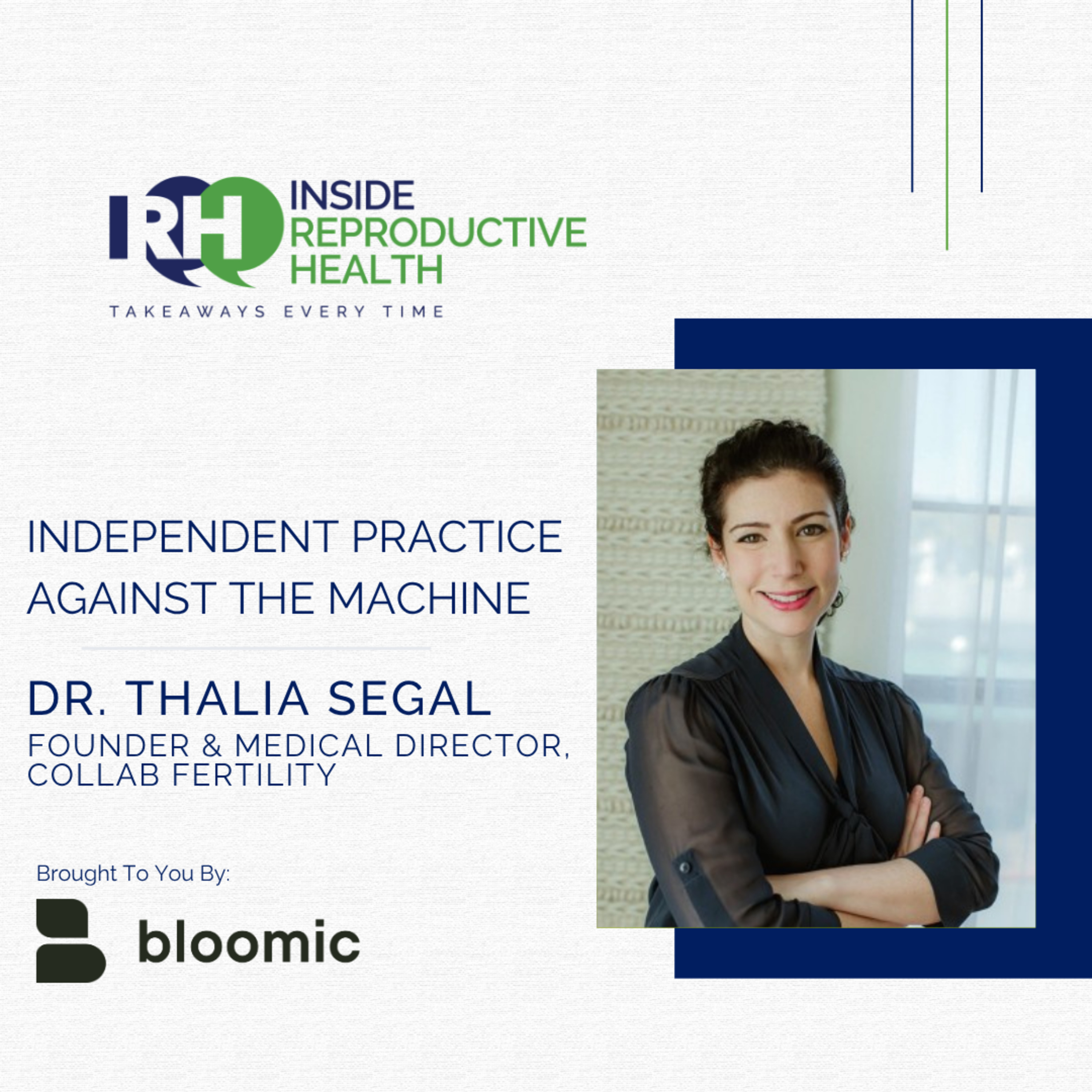
293 Independent REI Practice Against The Machine. Dr. Thalia Segal
3d ago00:51:27Tap to summarizeIs private practice making a comeback? More importantly, should it?After five years at UCSF, Dr. Thalia Segal left academic medicine to launch Collab Fertility in one of the most competitive fertility markets in the country. And she did it with no private equity and no venture capital. Just a vision for building the kind of practice she believes both physicians and patients deserve.We dive into:Why some fertility physicians are reconsidering private equity-backed practicesWhy Dr. Segal believes REIs should have greater oversight of the IVF labThe financial realities of running a 300-cycle practice (without outside investors)How she’s growing Collab Fertility and recruiting the next generation of REIsHer 21 headcount payroll and the operational challenges she’s encountered along the way
Transcribe →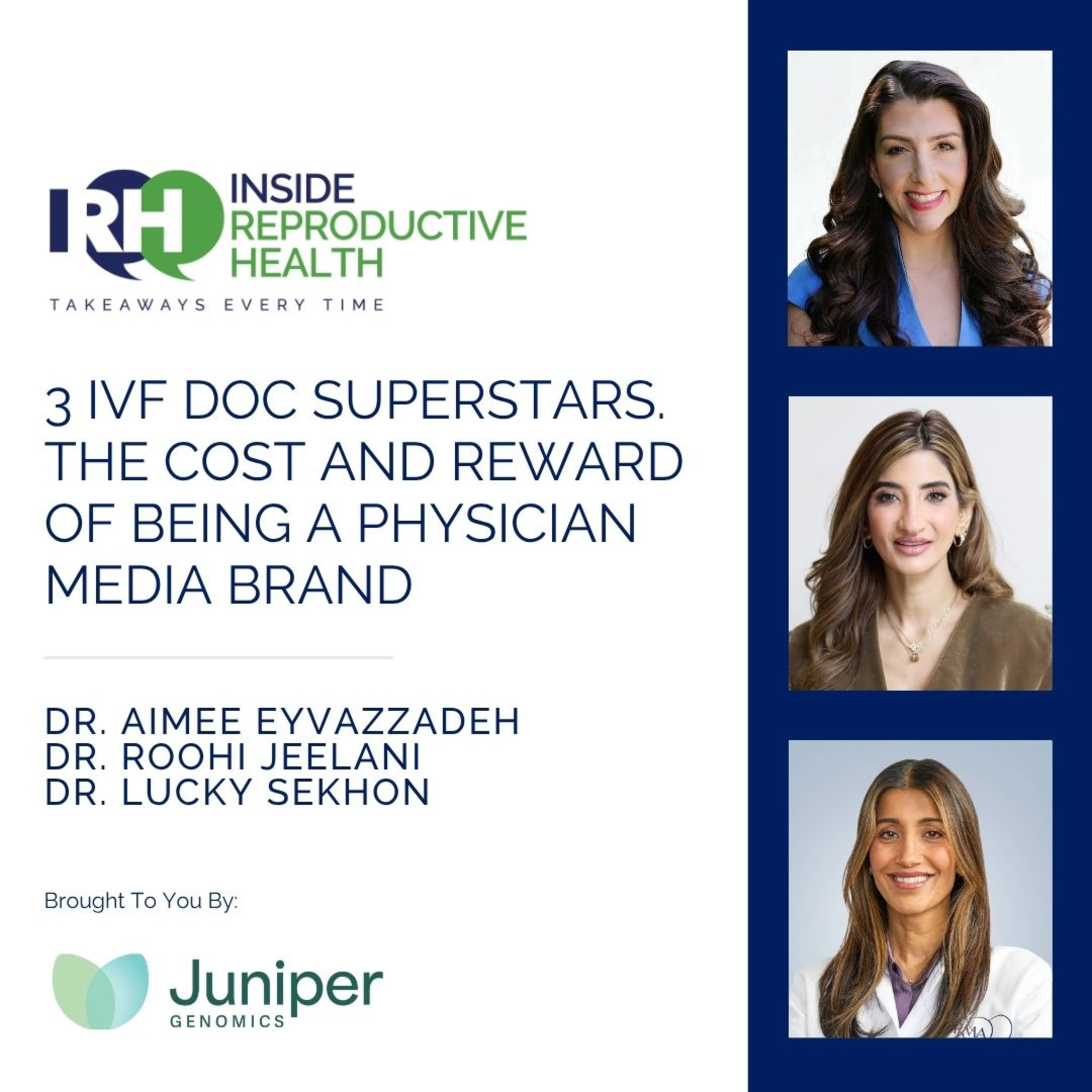
292 3 IVF Doc Superstars. The Cost and Reward of Being A Physician Media Brand. Drs. Aimee, Jeelani & Sekhon
1w ago00:49:47Tap to summarize3 fertility specialists have built massive digital brands with millions of collective followers.In this episode, Dr. Aimee Eyvazzadeh (The Egg Whisperer), Dr. Roohi Jeelani (CEO of Onto Health), and Dr. Lucky Sekhon (Partner at RMA New York) discuss how they embody the same raw talent but leverage their public profiles for very different aims.They dive into:How fertility physicians build celebrity-level digital brandsThe strategies behind maintaining a successful self-pay practicePursuing creative endeavors outside the clinic (like authoring a book)Scaling a clinic group and building a tech-enabled OB/GYN referral networkWhy Dr. Aimee added Juniper Genomics to her PGT roster
Transcribe →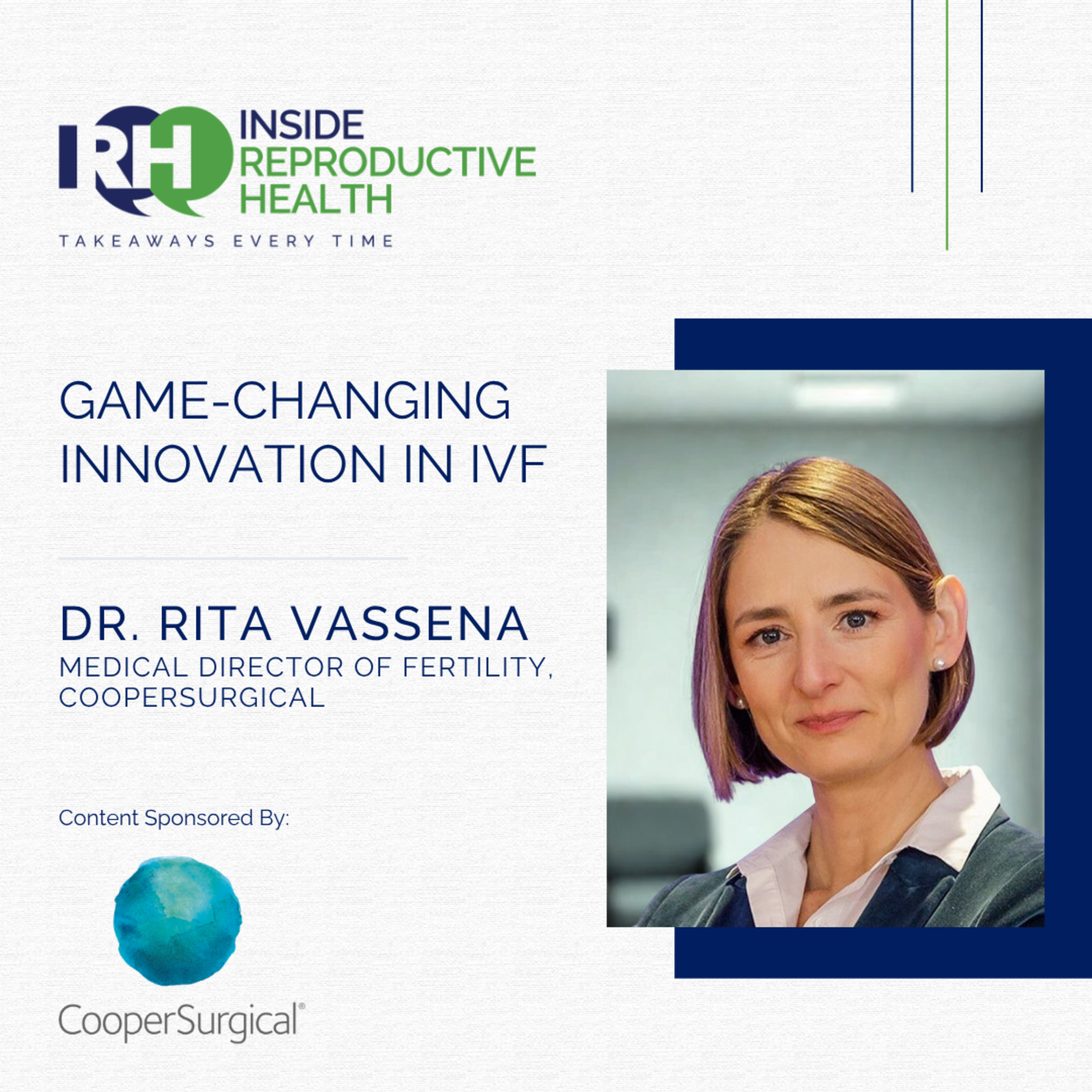
291 Game-Changing Innovation in IVF. Dr. Rita Vassena
Jul 500:45:32Tap to summarizeGame-changing innovation doesn’t happen by accident. It happens when the best minds in fertility are constantly testing, improving, and challenging what’s possible. We dive into this notion with Dr. Rita Vassena, Medical Director of Fertility at CooperSurgical. She spends her time visiting high-performing IVF labs around the world, identifying the technologies, processes, and ideas that are shaping the future of reproductive medicine. We discuss: What it will take to double IVF cycle output in the next five years How vitrification can be performed up to 90% faster CooperSurgical’s rapid blastocyst warming technology Emerging concepts that could reshape fertility treatment What leading lab directors are doing to maximize workflows and IVF supplies The next generation of fertility care is already taking shape - get a glimpse of what may be coming next.
Transcribe →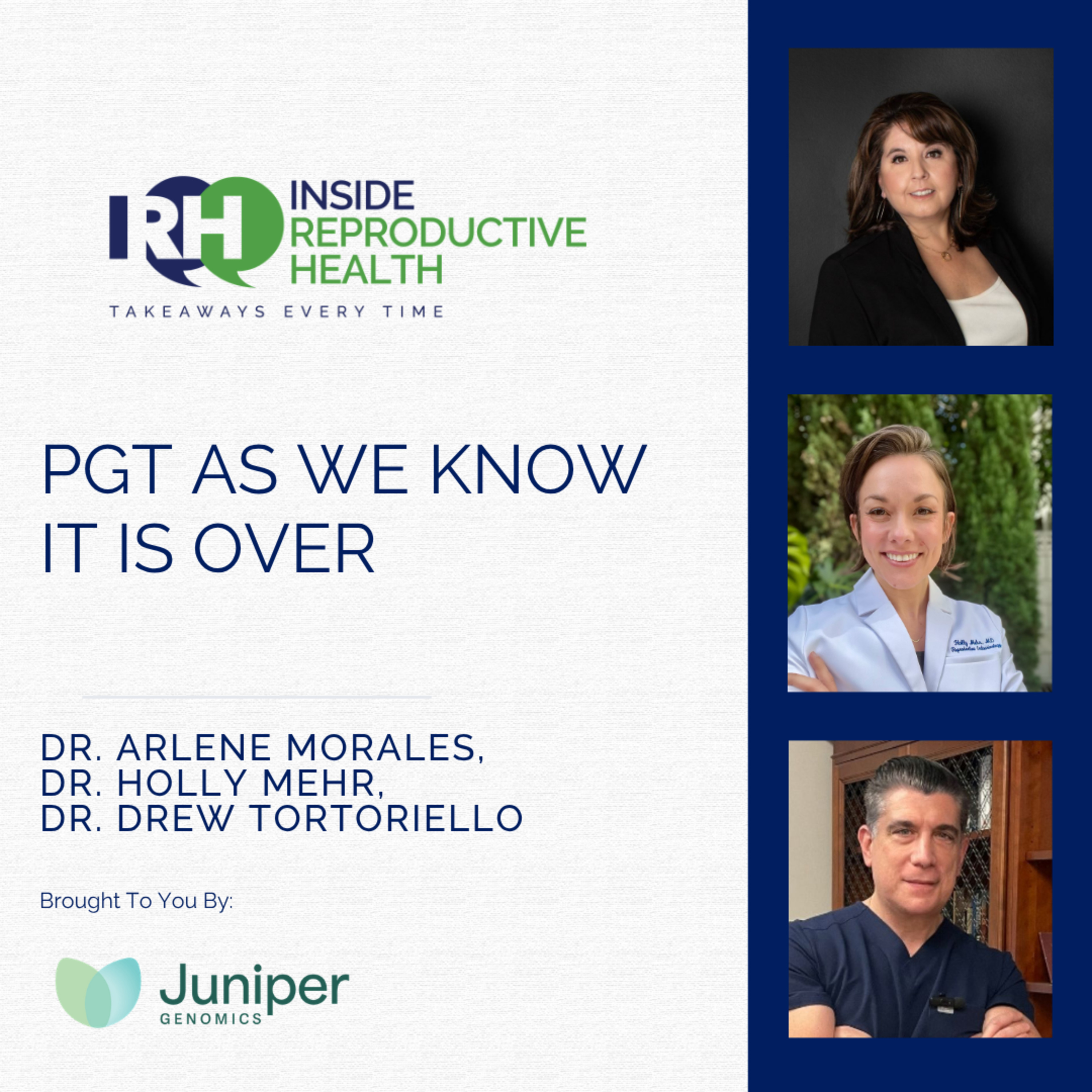
290 PGT As We Know It is Over. Drs. Arlene Morales, Holly Mehr & Drew Tortoriello
Jun 2800:49:48Tap to summarizeIs PGT as we know it coming to an end?Drs. Arlene Morales, Holly Mehr & Drew Tortoriello discuss what they see as the next evolution of PGT and why whole genome sequencing could reshape the future of embryo testing.They dive into:Why all PGT could include whole genome sequencing within five yearsConcerns about PGT-P and direct-to-consumer marketingWhat they want to hear from ASRM and other professional societies about genomicsWhat should be included in a large randomized controlled trial on PGTWhy they are cautiously optimistic about Juniper Genomics (And what makes PGT-G different)
Transcribe →
289 Become a Third Party IVF Powerhouse. Dr. Allison Bloom. Dr. Daniel Shapiro.
Jun 1400:44:08Tap to summarizeThird-party IVF is getting bigger, but are clinics actually getting better at it?Or are some efforts to streamline the process creating new risks for patients?Dr. Allison Bloom of Main Line Fertility and Dr. Daniel Shapiro of Reproductive Biology Associates (RBA) discuss what separates a clinic that offers third-party reproduction from one that truly excels at it.We dive into:The push to streamline third-party IVF (and where corners may be getting cut)The technology stack donor & surrogacy programs needThe gaps in today’s EMRs and what needs to changeEmerging trends around known donorsNew thinking on anonymous vs. de-identified donationOne thing each physician believes clinics should start (or stop) doing to become a third-party IVF powerhouseAs third-party reproduction becomes more common, the operational, ethical, and technological challenges become harder to ignore.
Transcribe →
288 We Examined Inception's Decision Making Process. Lindsey Rabaut. Kat Stillman. Vanessa Saenz-Smith.
Jun 700:53:59Tap to summarizeMore than half of IVF patients never complete treatment. Stress, finances, and relationship strain may play a role, but are fertility workflows optimized for cycles completed over families built also to blame?In this episode, leaders from Inception Fertility share how they’re using technology, workflow design, and operational strategy to improve the patient journey from first inquiry through graduation.What Inception uncovered by integrating their EMR with SalesforceInsights into no-shows and cancellations from patient data analysisWorkflow improvements being implemented across staff and physiciansHow to evaluate which solutions can scale network-wideThe build vs. buy debate around automation & moreHow much friction still exists in your patient journey, and where could better systems make the biggest difference?
Transcribe →
287 Exposed. Cyber Threats To Fertility Field. Chris Diamond & Jordan Spriegel
May 300:38:56Tap to summarizeCyber threats in fertility aren’t abstract, they're active and closer than most clinics think.And with AI lowering the barrier, even inexperienced actors can cause serious damage.In this episode of Inside Reproductive Health, One Stop IT experts Chris Diamond and Jordan Spriegel share what’s really happening and how fertility centers can respond.How cyber attackers infiltrate fertility and OBGYN systemsWhy these threats aren’t limited to large healthcare organizationsWhat clinics should be doing now to protect their systems and patientsThe right and wrong way to approach EMR migrationWhere AI is already being used in fertility practices todayHow prepared is your clinic for this level of threat?
Transcribe →
286 The Dread and Excitement of 4 Genetic Counselors. Andria Besser, Lauri Black, Rachel Donnell, Amber Kaplun
Apr 1900:50:01Tap to summarizeGenetic testing in IVF is only getting more complex and more common. REIs, you’re not supposed to do this alone, help is already here.We speak with four genetic counselors, Amber Kaplun, Rachel Donnell, Andria Besser, and Lauri Black, about how this works in practice.We dive into:How to embed genetic counselors into your workflowHow to free up REI time while improving patient experienceWhy access to genetic counselors isn’t as limited as it seemsHow third-party services like GeneScreen fit into clinical operationsTheir perspective on PGT-P vs. PGT-G (and where the field is heading)
Transcribe →
285 CCRM's Investments in 2027. Tracy Belsan
Apr 1200:54:26Tap to summarizeWhat is CCRM building toward, and how are they preparing for what comes next? As part of Unified Women’s Healthcare, CCRM is positioning for a future where “hub and spoke” becomes more than just a buzzword. Tracy Belsan, President of CCRM Fertility, joins the episode to share how they’re thinking about growth, operations, and the patient journey.We dive into:The KPIs CCRM focuses onThe operational barrier they removed (Moving patients into care faster)How technology is being implemented across the patient journeyCCRM’s approach to patient finance and access to careThe role of APPs and evolving clinical modelsWhat it takes to consolidate an entire network onto a single EMR by 2027
Transcribe →
284 Don't Get It Twisted. PGT-G Thwarts PGT-P In Battle for Embryo Genome Sequencing. Drs. Mili Thakur & Sasha Hakman
Apr 500:59:55Tap to summarizeA tale of two PGTs.One is making bold promises and headlines, the other is quietly gaining traction and relevance.Between PGT-P & PGT-G…what’s actually moving the needle?Dr. Mili Thakur of Genome Ally and Dr. Sasha Hakman of HRC Fertility break down what they’re seeing in real patients, especially when everything else has already failed.We dive into:The real difference between PGT-P and PGT-GWhy some genetic claims are under scrutinyWhere whole genome sequencing is actually helpingHow PGT-G may reduce repeated failed IVF cyclesWhether this can truly shorten time to pregnancy
Transcribe →