
Podcast
Institute for Government
Hosted by Institute for Government · EN
The leading think tank working to make UK government more effective.
Stay up to date with all of our commentary, analysis and events by visiting our website and subscribing to our newsletter.
21episodes
Episodes
Newest firstAll episodes
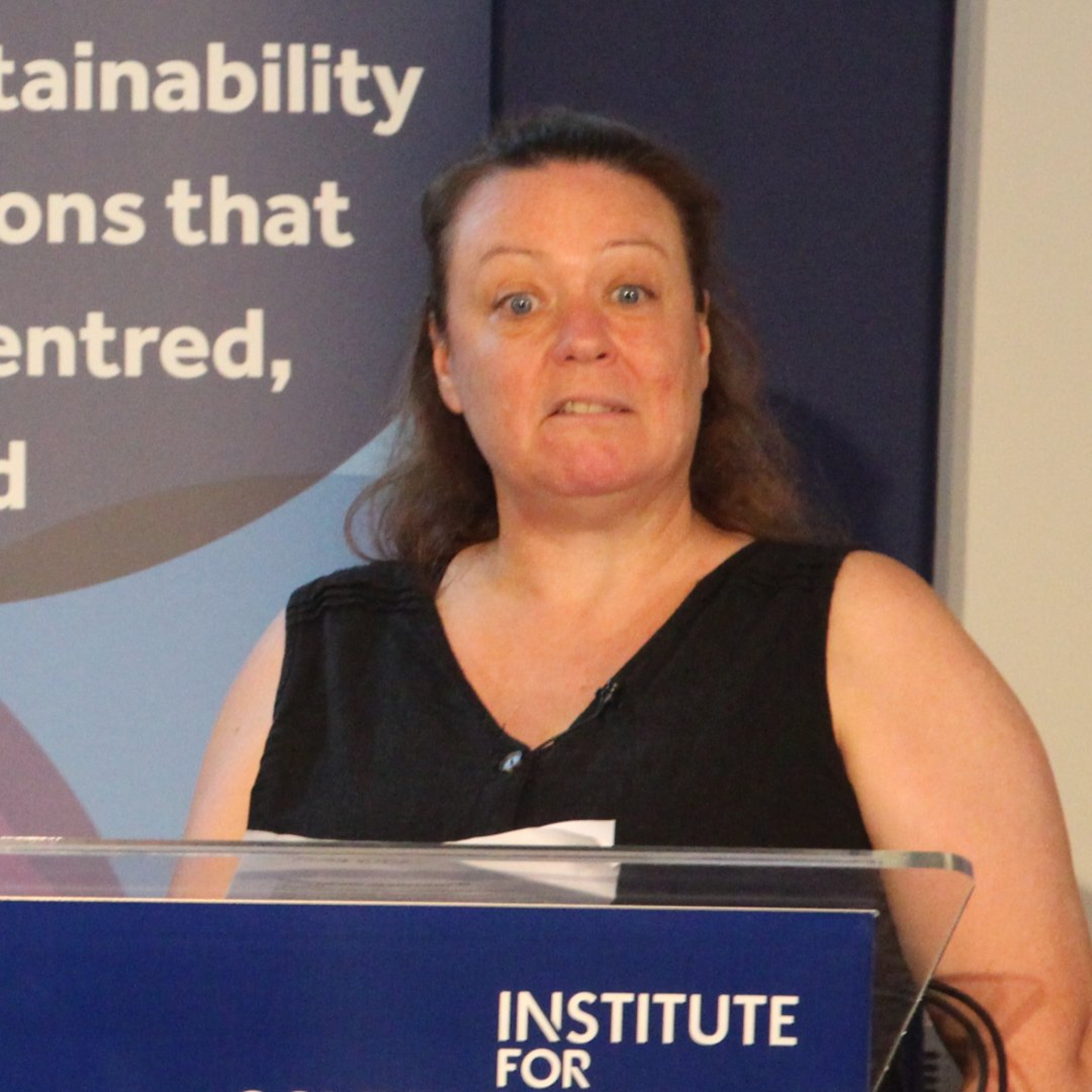
IfG DevoLab #6: How can mayors support a just climate transition?
3w ago01:36:21Tap to summarizeWe were at the Institute for Government for the sixth event in the IfG DevoLab series, held in partnership with the JUST Centre, at which speakers from three regions with devolved powers set out how mayors and strategic authorities can use their powers, funding and influence to support a just climate transition. The three case studies presented at IfG DevoLab #6 were: ‘The Local Net Zero Accelerator programme in the West Midlands’ by Barbara Leach, Programme Manager at West Midlands Combined Authority ‘Devolution and local power for communities in the North West of England’, by James Johnson, Head of Regional Programme at the North West Net Zero Hub ‘Place-based climate action in Yorkshire and the Humber - the Climate Commission model’, by Rosa Foster, Director at Yorkshire and Humber Climate Commission These speakers were joined by Professor Matthew Paterson, Deputy Director at the JUST Centre, for a broader discussion of the benefits of devolution and mayoral leadership for this agenda, how places are developing new ways of governing and new forms of participation to ensure that the climate transition is just, joined-up and reflects local needs, and what might be achieved by further devolution. This event was chaired by Akash Paun, Programme Director at the Institute for Government. The IfG DevoLab is dedicated to exploring the innovations enabled by devolution, learning from the results, and sharing the lessons so that places can take better decisions about how to use devolved powers and budgets. Insights from this discussion will inform a published policy briefing containing the three case studies and a synthesis of key lessons. We would like to thank the Centre for Joined-Up Sustainability Transformations (JUST) for kindly supporting this event.
Transcribe →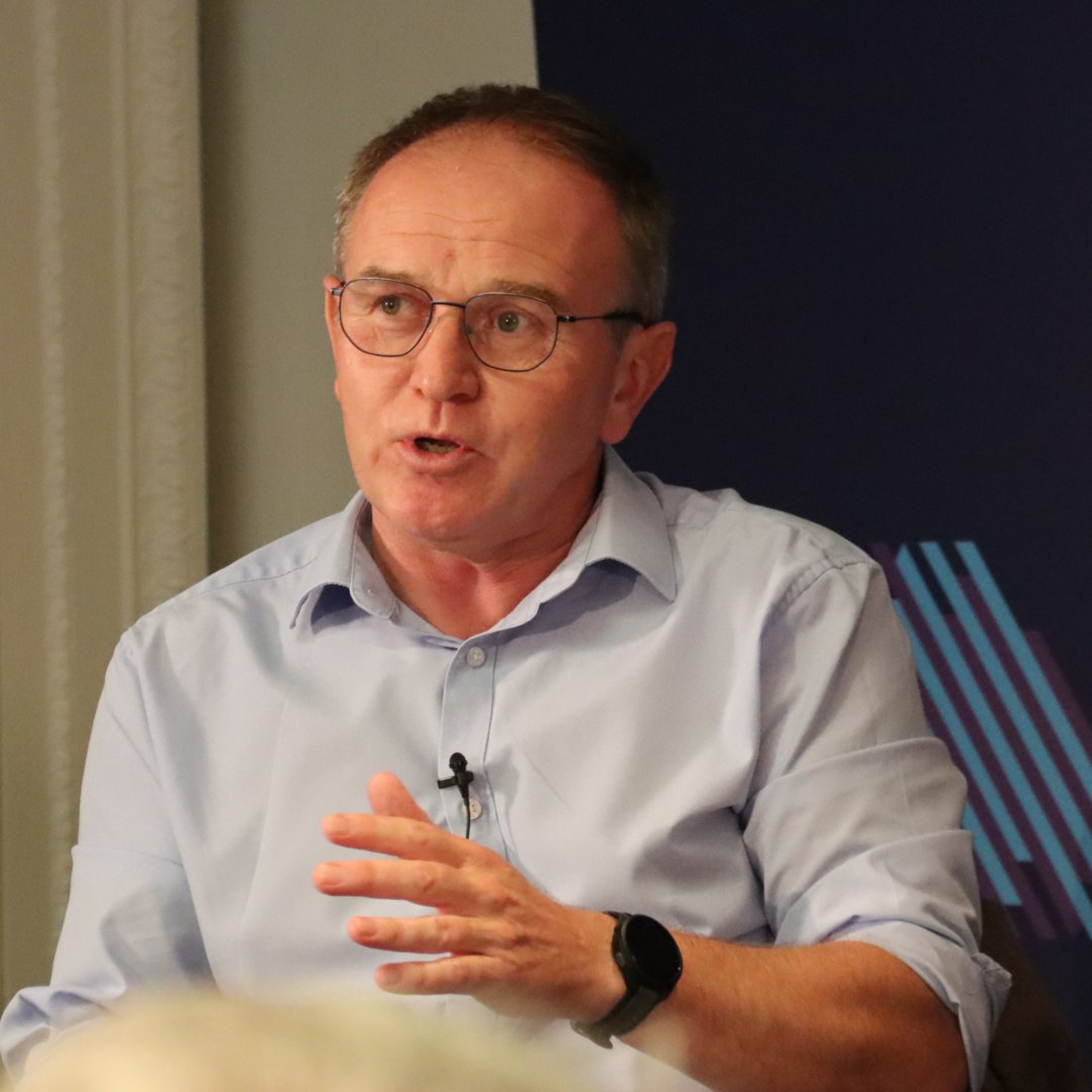
Creating a regulatory system that attracts investment
3w ago01:09:48Tap to summarizeThis event was part of the IfG's half-day conference, Regulation in a changing world: How to meet the needs of the future? Panellists discussed how the design of a regulatory system can best build investor confidence and encourage good long-term outcomes. Rt Hon George Eustice, former Secretary of State for Environment, Food and Rural Affairs (2020–22) Mark McAllister, Chair of Ofgem Stefanie Voelz, Senior Credit Officer at Moody’s This session was chaired by Giles Wilkes, Senior Fellow at the Institute for Government.
Transcribe →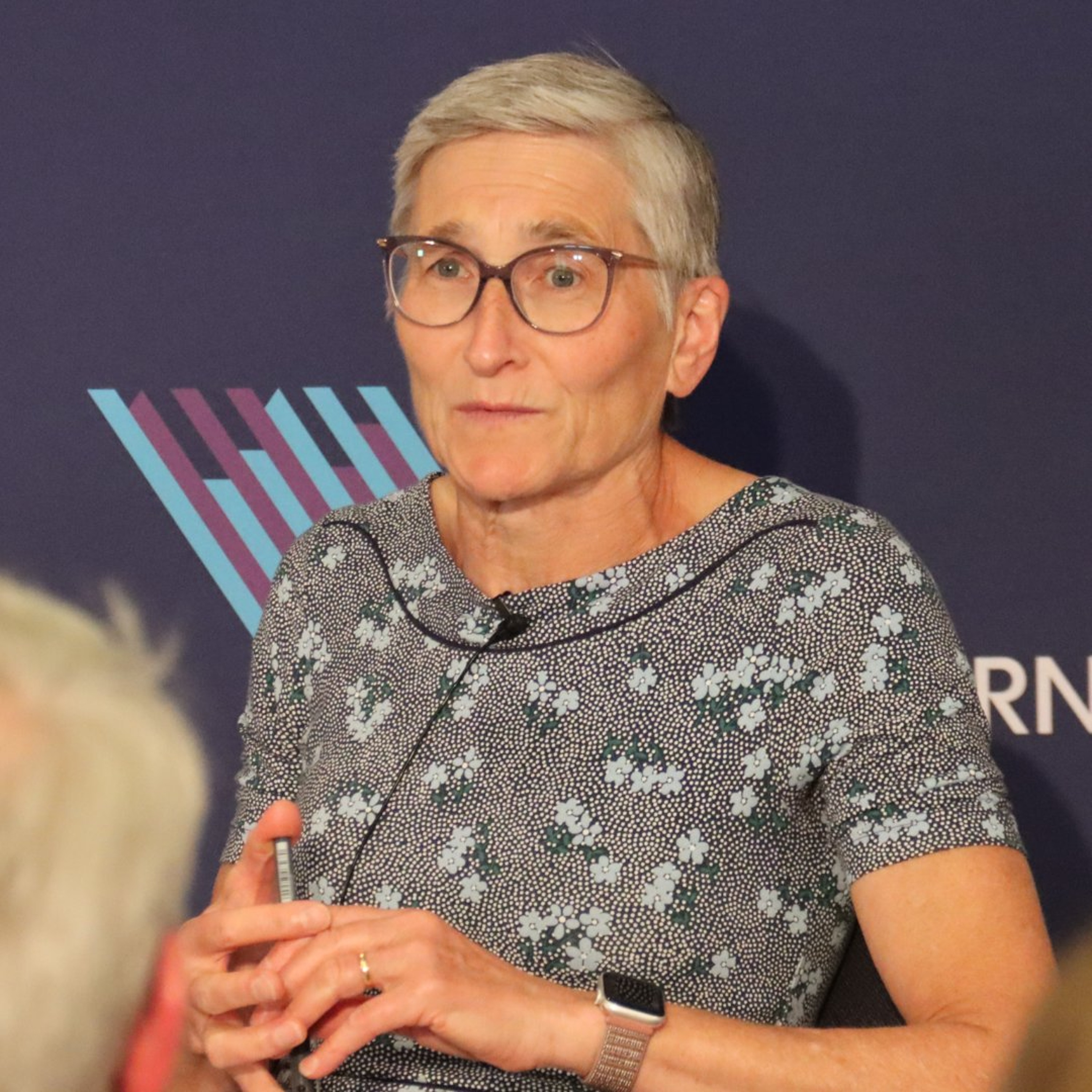
Delivering government policy through regulation
3w ago01:04:37Tap to summarizeThis event was part of the IfG's half-day conference, Regulation in a changing world: How to meet the needs of the future? An expert panel explored the purpose of regulation, and particularly its relationship to government policy. How can strategic direction from government, regulatory independence and consistency across sectors be balanced in a period of rapid change? Caleb Deeks, Director General for Competition, Markets and Regulatory Reform at the Department for Business and Trade Lord Michael Gove, Editor of The Spectator and former Secretary of State for Environment, Food and Rural Affairs (2017–19) Dame Clare Moriarty DCB, Chief Executive at Citizens’ Advice Natalie Prosser, Chief Executive Officer at the Office for Environmental Protection This session was chaired by Dr Matthew Gill, Programme Director at the Institute for Government.
Transcribe →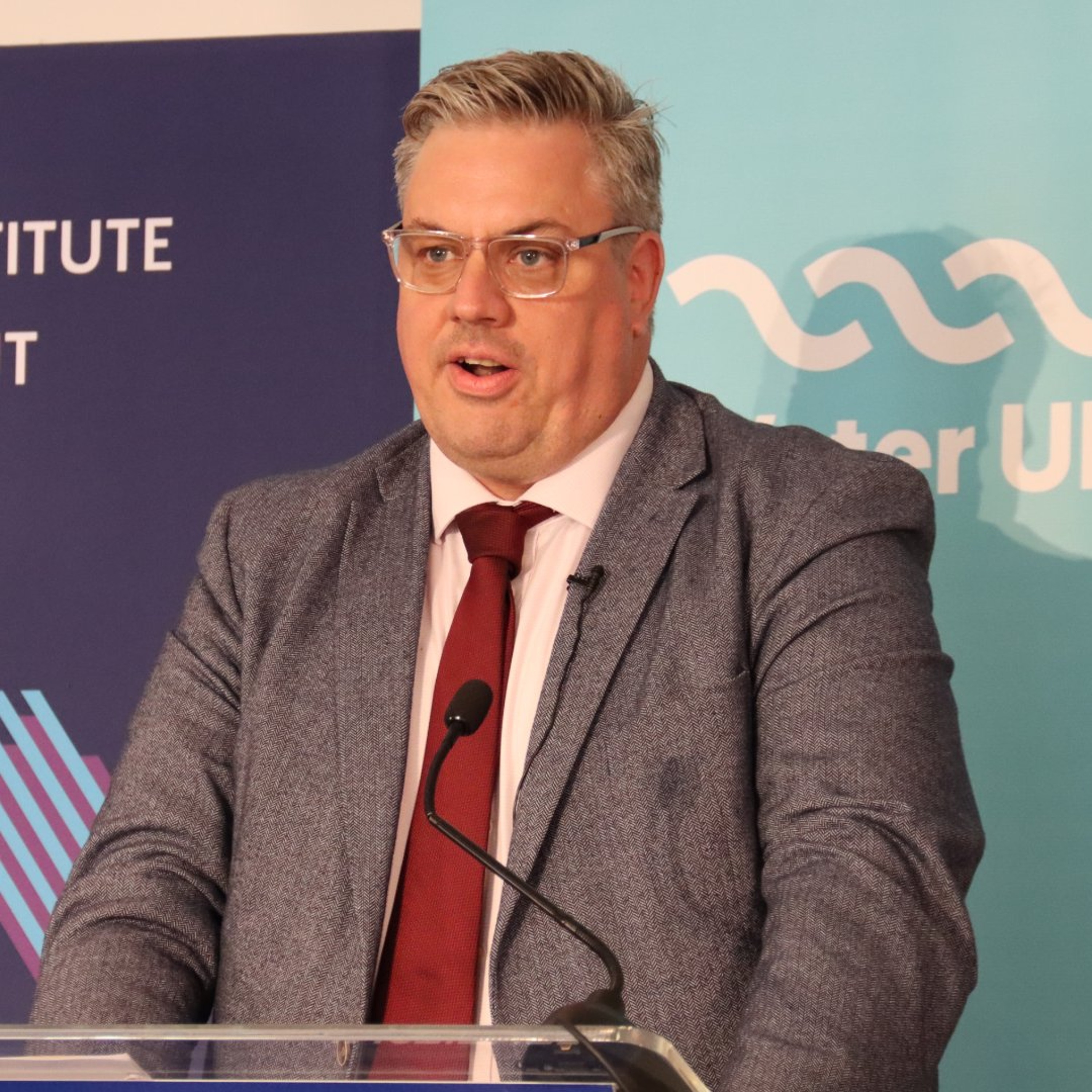
Welcome and keynote speech by Blair McDougall MP, Minister for Small Business and Economic Transformation
3w ago00:51:50Tap to summarizeThis event was part of the IfG's half-day conference, Regulation in a changing world: How to meet the needs of the future? Welcome Opening remarks from Dr Hannah White OBE, Director and CEO of the Institute for Government. The minister delivered a keynote speech, and was then in conversation with Jill Rutter, Senior Fellow at the Institute for Government and David Henderson, Chief Executive Officer of Water UK.
Transcribe →
In conversation with Sir Ed Davey MP, Leader of the Liberal Democrats
3w ago01:04:39Tap to summarizeThe IfG was pleased to welcome Sir Ed Davey MP, Leader of the Liberal Democrats, to set out his priorities for political and constitutional reform. In March, Ed Davey set out proposals for a “new Magna Carta” – a written constitution to safeguard fundamental British rights and freedoms. He expanded on those plans and talk about how the Liberal Democrats are continuing their campaign to secure proportional representation in the age of multi-party politics. And with Andy Burnham’s announcement of Number 10 North pushing devolution up the political agenda, Davey set out his approach to empowering councils and communities. Sir Ed Davey was in conversation with Dr Hannah White, CEO of the Institute for Government, and took part in an audience Q&A.
Transcribe →
In conversation with Richard Tice MP, Deputy Leader of Reform UK
Jul 700:46:46Tap to summarizeFollowing the May 2026 local and devolved UK elections, Reform UK is running over 20 local authorities, has two regional mayors, and is the second-largest party in the Welsh parliament. But how would a Reform UK government in Westminster approach complex challenges like rewiring the state, boosting public service productivity, and growing the British economy? On 7 July, the IfG welcomed Richard Tice MP, Reform UK’s Deputy Leader and the party’s business, trade and energy spokesman, to discuss Reform UK’s vision for government. What has the party learned from its experiences in local government across England? How would it approach relations between Westminster and devolved governments? And what policies would Reform UK prioritise if it wins the next general election – and what possible trade-offs would it face in government? Richard Tice was in conversation with Dr Hannah White, CEO of the Institute for Government.
Transcribe →
IfG DevoLab #5: How can mayors and local leaders create a shared vision for regional growth?
Jul 301:28:26Tap to summarizeThe IfG DevoLab is dedicated to exploring the innovations enabled by devolution, learning from the results, and sharing the lessons so that places can take better decisions about how to use devolved powers and budgets. We were in Sheffield for the fifth DevoLab event, where three speakers set out how mayors and local leaders can build and sustain a shared vision for growth across their regions. The three case studies presented at IfG DevoLab #5 were: ‘Developing a shared vision for growth in South Yorkshire’, by Kate Josephs CB, Chief Executive of Sheffield City Council ‘Corridors of Growth in a Polycentric City Region’, by Tony Reeves, Chief Executive of Wakefield Council ‘Delivering an inclusive growth strategy in the East Midlands’, by Damien Dacey, Executive Director of Strategy and Inclusive Growth at the East Midlands County Combined Authority The three speakers were joined by Pete Gladwell, Group Managing Director, Public Investment at L&G, for a broader discussion on how mayors can work effectively with partners across their region, build consensus around shared priorities, and sustain ambition as political contexts shift. This event was chaired by Dr Hannah White, Director and CEO of the Institute for Government. Insights from this discussion will inform a published policy briefing containing the three case studies and a synthesis of key lessons. The Institute for Government would like to thank L&G for its support for this event and for its wider support of the IfG DevoLab series.
Transcribe →
Integrating diplomacy and development: How does the Foreign Office set itself up for success?
Jul 201:07:25Tap to summarizeFive years on from the merger of the Foreign Office and the Department for International Development, this is a pivotal moment for the Foreign, Commonwealth and Development Office (FCDO). The government is managing the reduction in the international aid budget, the department is undergoing a major restructuring, and its permanent secretary was sacked by the prime minister. With fewer resources, evolving security threats and diplomatic challenges, the government should be seizing this moment to integrate diplomacy and development. Recent research from the HALO Trust and the Eleanor Crook Foundation has shown how modern conflict is increasingly interconnected with challenges such as food security and malnutrition – and that unless these and other pressures are addressed in a genuinely joined‑up way, the UK risks operating in siloes. But how joined up is diplomacy and development, and can the department both retain its leadership role in international development and protect the UK’s national interest? How should the Foreign Office approach these challenges when staff numbers are falling and its budget is shrinking? What principles should guide the merged department through this time of change? And what is the government’s overall approach to UK foreign policy and development and how is it seeking to achieve it aims? Drawing on the IfG’s existing and ongoing research and commentary on the FCDO and its predecessors, and a series of previous successful events on similar themes, this event explored these questions and more with an expert panel featuring: Major General James Cowan CBE DSO, Chief Executive Officer of the HALO Trust Stefan Dercon, Professor of Economic Policy at the Blavatnik School of Government Ben Judah, Writer, and Visiting Fellow at Chatham House Dame Emily Thornberry MP, Chair of the Foreign Affairs Select Committee This event was chaired by Hannah Keenan, Associate Director at the Institute for Government and there were opening remarks from Gemma Tumelty, Director of UK Advocacy at the Eleanor Crook Foundation. We would like to thank the HALO Trust and the Eleanor Crook Foundation for kindly supporting this event.
Transcribe →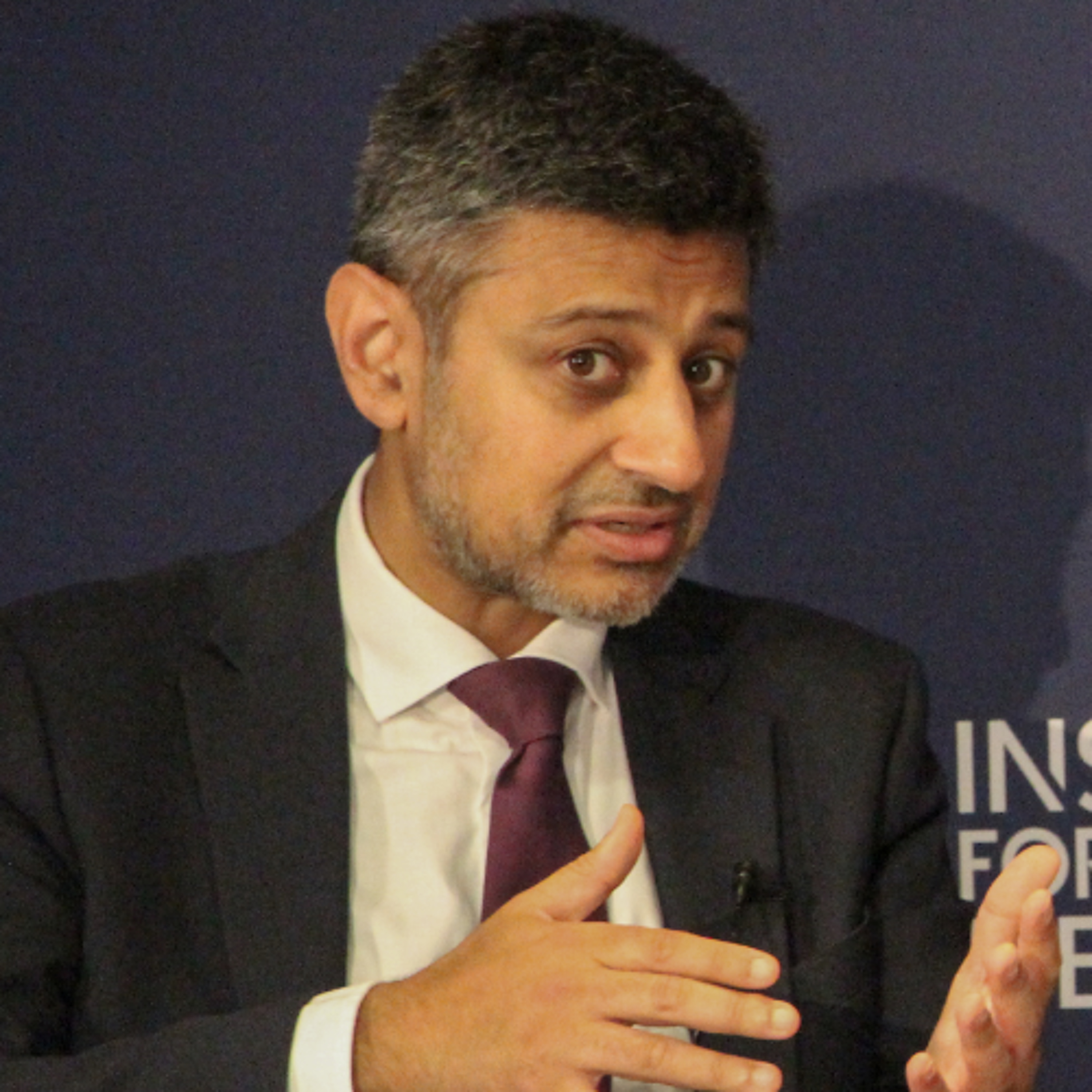
The NHS 10-year plan one year on: Is the government shifting the health service towards prevention?
Jul 101:04:30Tap to summarizeThe worthy aims of the NHS’s prevention shift include reducing childhood obesity, cutting the prevalence of smoking, and tackling harmful alcohol consumption. But previous Institute for Government work shows that shifting to prevention is incredibly difficult, with successive governments’ actions rarely meeting lofty rhetoric. So, one year on from the launch of the 10-year health plan, how much progress has the government made on its prevention goal? This event brought together a panel of experts to discuss the following questions: What has the government done to shift the NHS towards prevention since July 2025? How is the government assessing its own progress on this shift? What would demonstrate success in its eyes by the next election? Where has it made the most progress? Where has progress been slower? What does the NHS bill mean for the prospects of future progress? What are proving to be the particular stumbling blocks to implementation within the department, central government and local systems? What could the government do to push this agenda ahead faster? To explore these questions and more, this event brought together a panel featuring: Dr Zubir Ahmed MP, former Parliamentary Under-Secretary of State for Health Innovation and Safety Dr Jennifer Dixon DBE, Chief Executive of the Health Foundation Ravi Gurumurthy, Group Chief Executive Officer at Nesta Ian Walker, Executive Director of Policy, Information and Communications at Cancer Research UK The event was chaired by Stuart Hoddinott, Associate Director at the Institute for Government. We would like to thank Nesta for kindly supporting this event.
Transcribe →Andy Burnham: What to expect from the next prime minister?
Jun 3000:38:18Tap to summarizeAndy Burnham will surely become prime minister in a matter of weeks. But what kind of government would he lead and how can he prepare for the biggest job in British politics? As Burnham sets out his policy priorities, and with much speculation about the key appointments he will make to his top team, this webinar brought together leading IfG experts to explore the challenges awaiting the next prime minister – and the skills and he experience he will need for job. How can Burnham best use the time available to prepare for succeeding Keir Starmer as prime minister? What are the decisions that need to be taken before a transition of power? What do we know so far about the choices he could make on personnel and policies? And how will Burnham’s experiences of Mayor of Greater Manchester equip him for the job of prime minister? Sam Freedman, Senior Fellow at the Institute for Government Dr Catherine Haddon, Senior Fellow at the Institute for Government Akash Paun, Programme Director at the Institute for Government This event was chaired by Dr Hannah White, CEO of the Institute for Government.
Transcribe →