
Podcast
Institute for Government
Hosted by Institute for Government · EN
The leading think tank working to make UK government more effective.
Stay up to date with all of our commentary, analysis and events by visiting our website and subscribing to our newsletter.
22episodes
Episodes
Newest firstAll episodes
Andy Burnham: What to expect from the next prime minister?
Jun 3000:38:18Tap to summarizeAndy Burnham will surely become prime minister in a matter of weeks. But what kind of government would he lead and how can he prepare for the biggest job in British politics? As Burnham sets out his policy priorities, and with much speculation about the key appointments he will make to his top team, this webinar brought together leading IfG experts to explore the challenges awaiting the next prime minister – and the skills and he experience he will need for job. How can Burnham best use the time available to prepare for succeeding Keir Starmer as prime minister? What are the decisions that need to be taken before a transition of power? What do we know so far about the choices he could make on personnel and policies? And how will Burnham’s experiences of Mayor of Greater Manchester equip him for the job of prime minister? Sam Freedman, Senior Fellow at the Institute for Government Dr Catherine Haddon, Senior Fellow at the Institute for Government Akash Paun, Programme Director at the Institute for Government This event was chaired by Dr Hannah White, CEO of the Institute for Government.
Transcribe →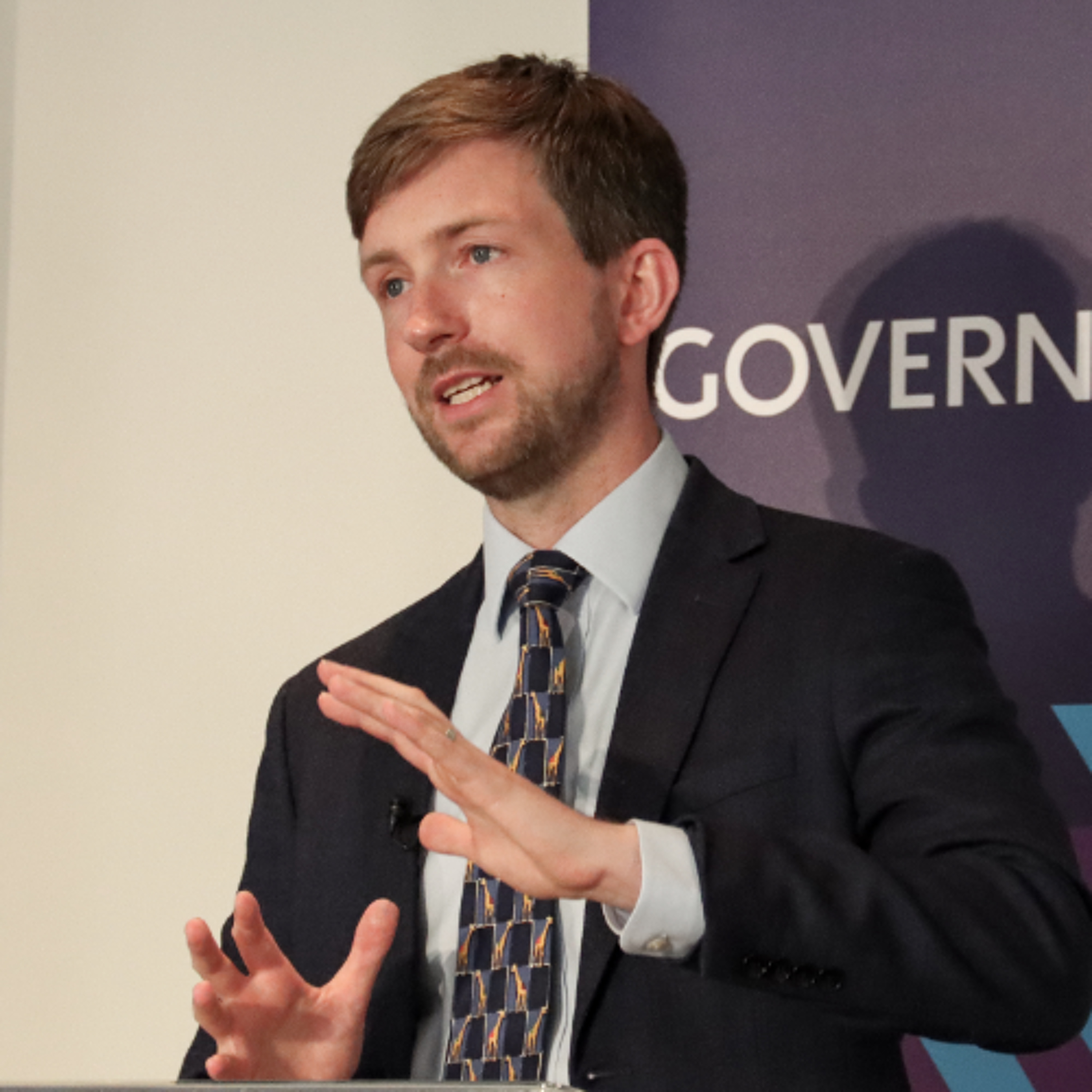
keynote-speech-ifg-dan-tomlinson
Jun 2900:56:48Tap to summarizeThe Institute for Government was pleased to welcome Dan Tomlinson MP, Exchequer Secretary to the Treasury, to share his experiences as the sole departmental minister for His Majesty’s Revenue and Customs – and set out his vision for transforming the department. What will the shift to “digital by default” mean for HMRC’s performance, culture and operating model? How can digital transformation improve customer service? And what have the minister’s 10 months in the role taught him about the way HMRC works and how it can be reformed? Following his keynote speech, Dan Tomlinson was in conversation with IfG Chief Economist Thomas Pope and took part in an audience Q&A.
Transcribe →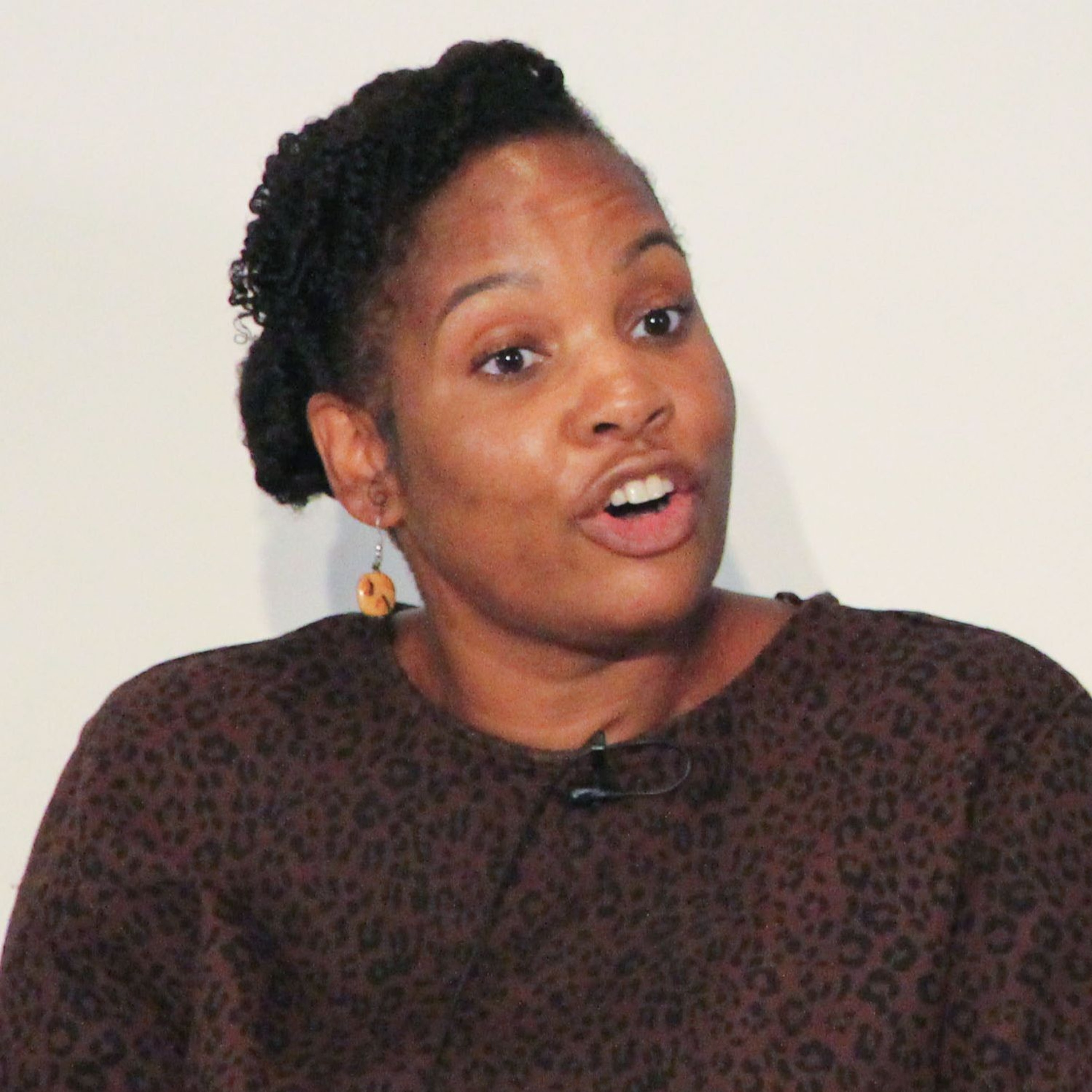
How can government close the early years attainment gap for boys from low-income families?
Jun 1800:57:39Tap to summarizeBoys from families living on low-incomes have been ‘left behind’ in early years policy making for decades. Nearly three in five boys from low-income families are not reaching a good level of development by the end of reception year, with long-term effects on their later educational attainment, job prospects, health and wellbeing. Two reports from the Institute for Government (IfG) – supported by Impact on Urban Health – set out how the government can ensure this group is not left behind in the implementation of its early years policy agenda over the next 12 months. Why have successive governments overlooked the needs of boys from low-income families? Where are promising models and practices already making a difference? What practical lessons do they offer central government as it works towards its target of 75% of five-year-olds being ‘school ready’ by 2028? To explore these questions and more, this event brought together a panel featuring: Claire Ainsley, Director of the Project on Center-Left Renewal and Senior Fellow at the Institute for Government Candice James BEM, Director of the Loughborough Community Centre Miriam Loxham, Senior Principal, Early Years and Family Help at the Greater Manchester Combined Authority Alistair Strathern MP, Member of Parliament for Hitchin and Co-chair of the Labour Group for Men and Boys Shaina Sangha, Researcher at the Institute for Government, started the event with a presentation of key findings from the reports. The event was chaired by Sophie Metcalfe, Senior Researcher at the Institute for Government. We would like to thank Impact on Urban Health for kindly supporting this event.
Transcribe →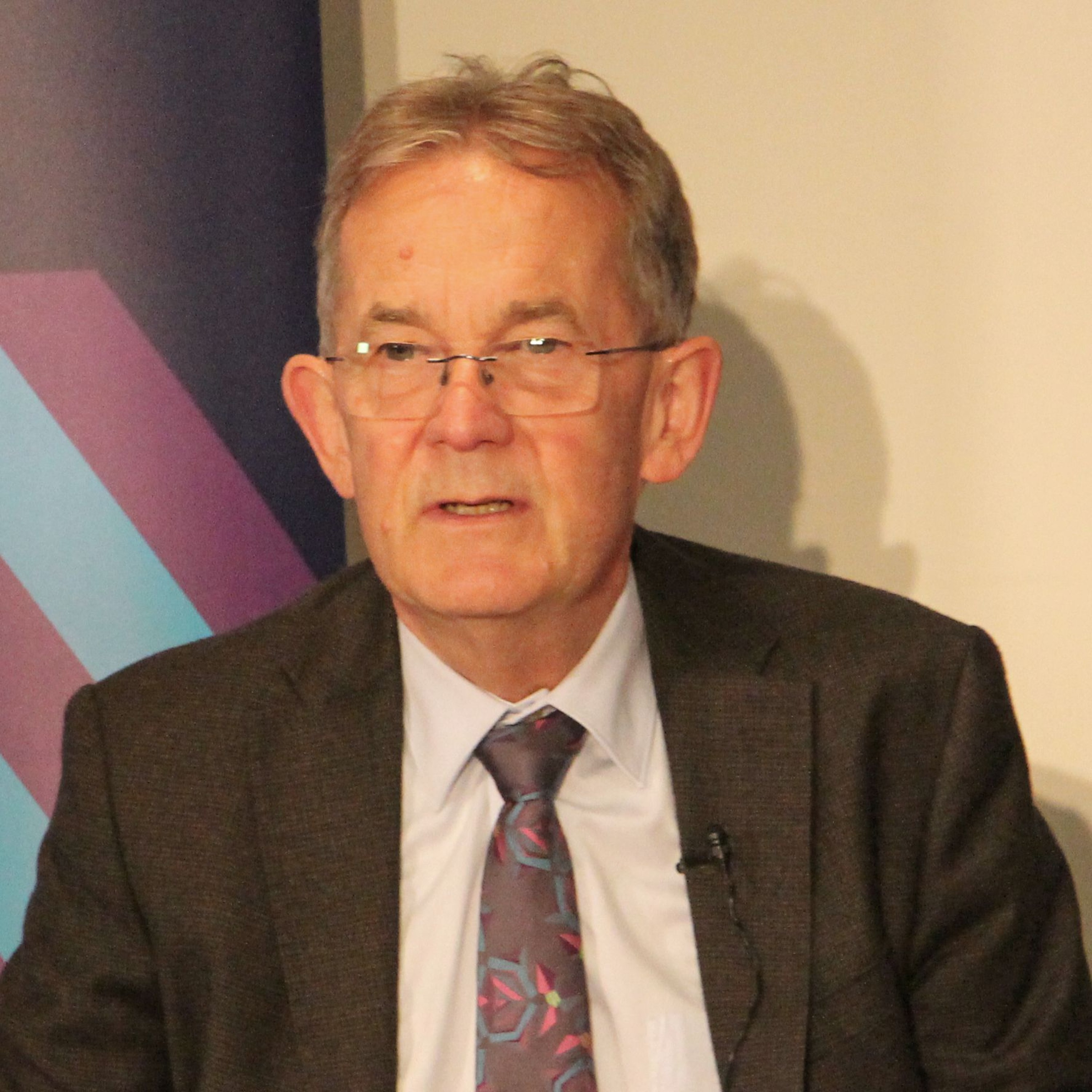
Lessons from Covid: How to avoid fraud in future crises?
Jun 1101:02:17Tap to summarizeThe Covid-19 pandemic saw the government spend hundreds of billions of pounds to buy PPE, keep businesses afloat and avoid mass redundancies. In the heat of this once-in-a-generation crisis, decisions were made that enabled widespread fraud by both individuals and organisations – leading to an estimated £10.9 billion of Covid-19 spending being lost to fraud and error. In December 2024, the chancellor appointed Tom Hayhoe as the Covid Counter-Fraud Commissioner to scrutinise Covid spending, explore how public funds could be recovered and make recommendations to prevent fraud in the future. So what could government have done differently to respond quickly to the pandemic while avoiding the vast scale of fraud? What should government do now to ensure there are more robust checks and balances ahead of the next crisis? How can departments and organisations better work together to prevent fraud across the public sector? And how will cultural and technological changes since the pandemic, including the growth of AI, impact the nature of public sector fraud and government’s ability to tackle it? To discuss this and more, the IfG brought together an expert panel, including: Dr Susan Hawley, Executive Director of Spotlight on Corruption Tom Hayhoe, Chair of the NHS Counter Fraud Authority and formerly the Covid Counter-Fraud Commissioner Joshua Reddaway, Director of Fraud and Propriety at the National Audit Office Rachael Tiffen, Director of Public Sector & Learning at Cifas The event was chaired by Tim Durrant, Programme Director at the Institute for Government.
Transcribe →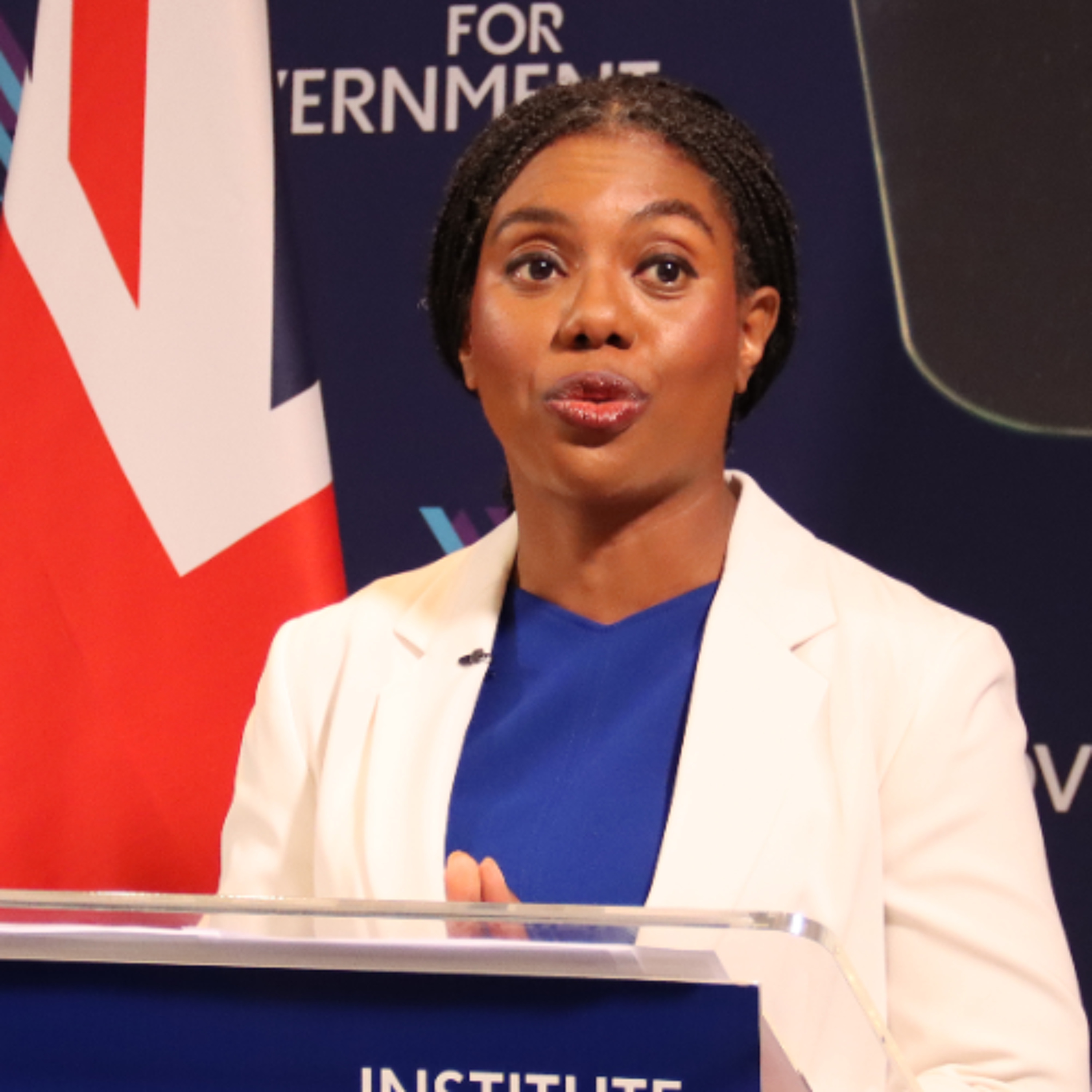
Rt Hon Kemi Badenoch MP: keynote speech
Jun 900:58:19Tap to summarizeThe Institute for Government was pleased to welcome Kemi Badenoch to give a keynote speech on Tuesday 9 June at 10:30am. Following her speech, the Leader of the Opposition was in conversation with Dr Hannah White, Director and CEO of the Institute for Government, and took part in a Q&A with the audience.
Transcribe →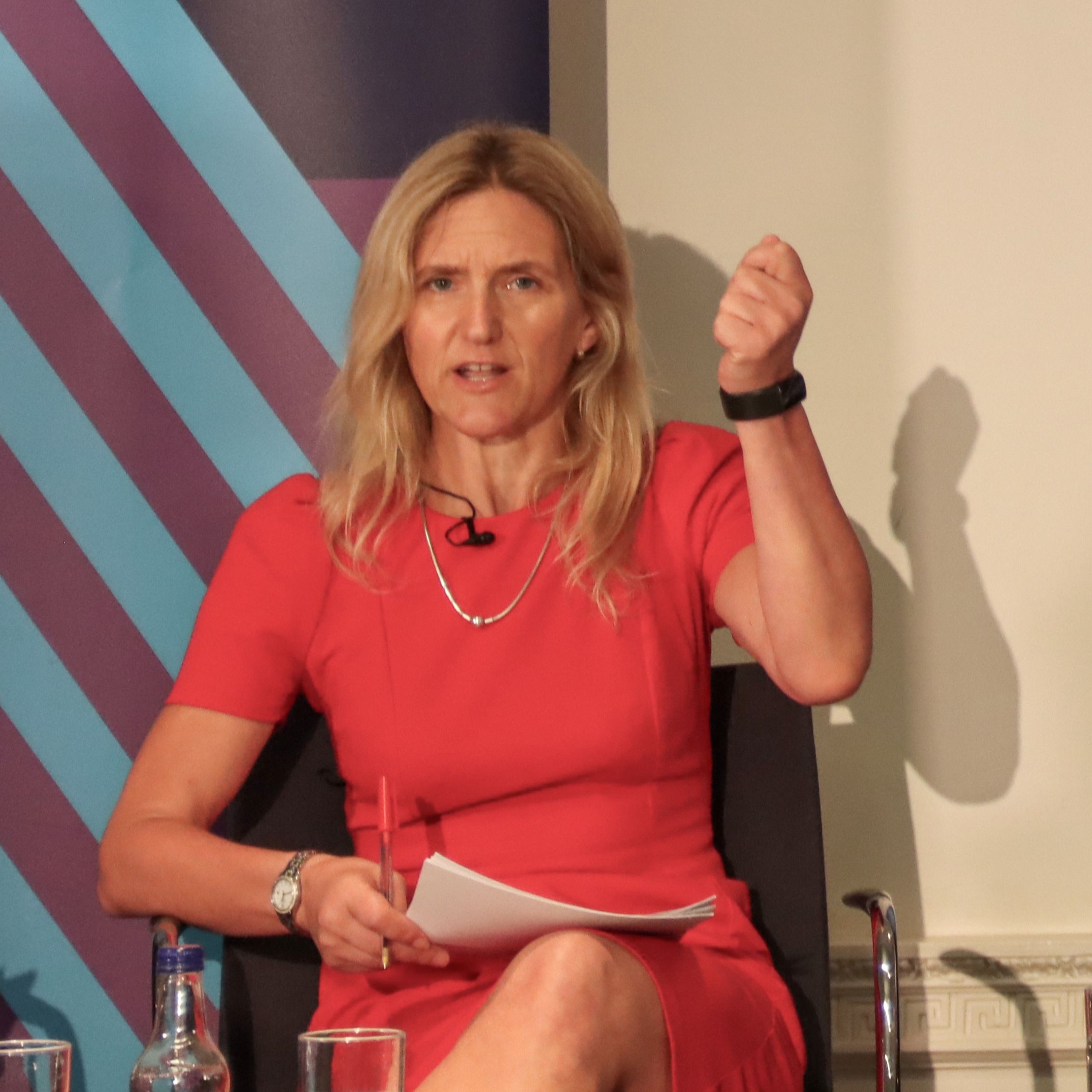
Are private members' bills a good way for MPs to decide on difficult policy
Jun 401:01:08Tap to summarizeAn expert panel drew on lessons from the recent assisted dying bill and other PMBs to consider how backbench MPs should approach complex issues. While historically major social reforms – such as decriminalising homosexuality or legalising abortion – have been introduced through private members’ bills (PMBs), most backbench attempts to legislate that do not begin with government support fail to make it onto the statute book. The Procedure Committee has undertaken extensive work and made proposals for reform, but the deficiencies of the PMB process remain largely hidden from public view. With the attempted passage of the Terminally Ill Adults (End of Life) Bill shining a spotlight on the PMB process, this Institute for Government event will explore the value and effectiveness of PMBs, and the wider role of backbenchers in shaping policy. Is the current process fit for purpose when it comes to issues that divide opinion and stir public debate? Are there other options that parliament should consider for backbench MPs to raise, debate and legislate on critical social issues? To discuss this and more, the IfG brought together an expert panel, including: Paul Brand, UK Editor at ITV News Dr Daniel Gover, Senior Lecturer in British Politics at Queen Mary University London Kim Leadbeater MP, sponsor of the Terminally Ill Adults (End of Life) Bill Luke Norbury, Parliamentary Counsel at the Cabinet Office The event was chaired by Dr Hannah White, Director and CEO of the Institute for Government.
Transcribe →Chaos returns to Westminster: What next for Keir Starmer and the government?
May 1900:59:43Tap to summarizeMinisterial resignations, letters of no confidence, and Andy Burnham’s determination to return to Westminster have rocked Keir Starmer’s premiership. Plenty of twists and turn await in the coming weeks, with the work of government continuing under a cloud of uncertainty. So how can a prime minister lead a government if their authority is being questioned by their own MPs? What would a Labour leadership contest mean for the way government operates? What is the impact of this volatility on the civil service and the government’s legislative programme? Do Wes Streeting’s accusations of Starmer’s lack of vision and direction stack up – and, if so, how should this or another PM approach the job in a different way? To discuss all these questions, and make sense of what a return to chaos means for British government, this expert IfG webinar featured: Dr Catherine Haddon, Senior Fellow at the Institute for Government Alex Thomas, Executive Director for Impact and Influence at the Institute for Government Giles Wilkes, Senior Fellow at the Institute for Government The event was chaired by Dr Hannah White, Director and CEO of the Institute for Government.
Transcribe →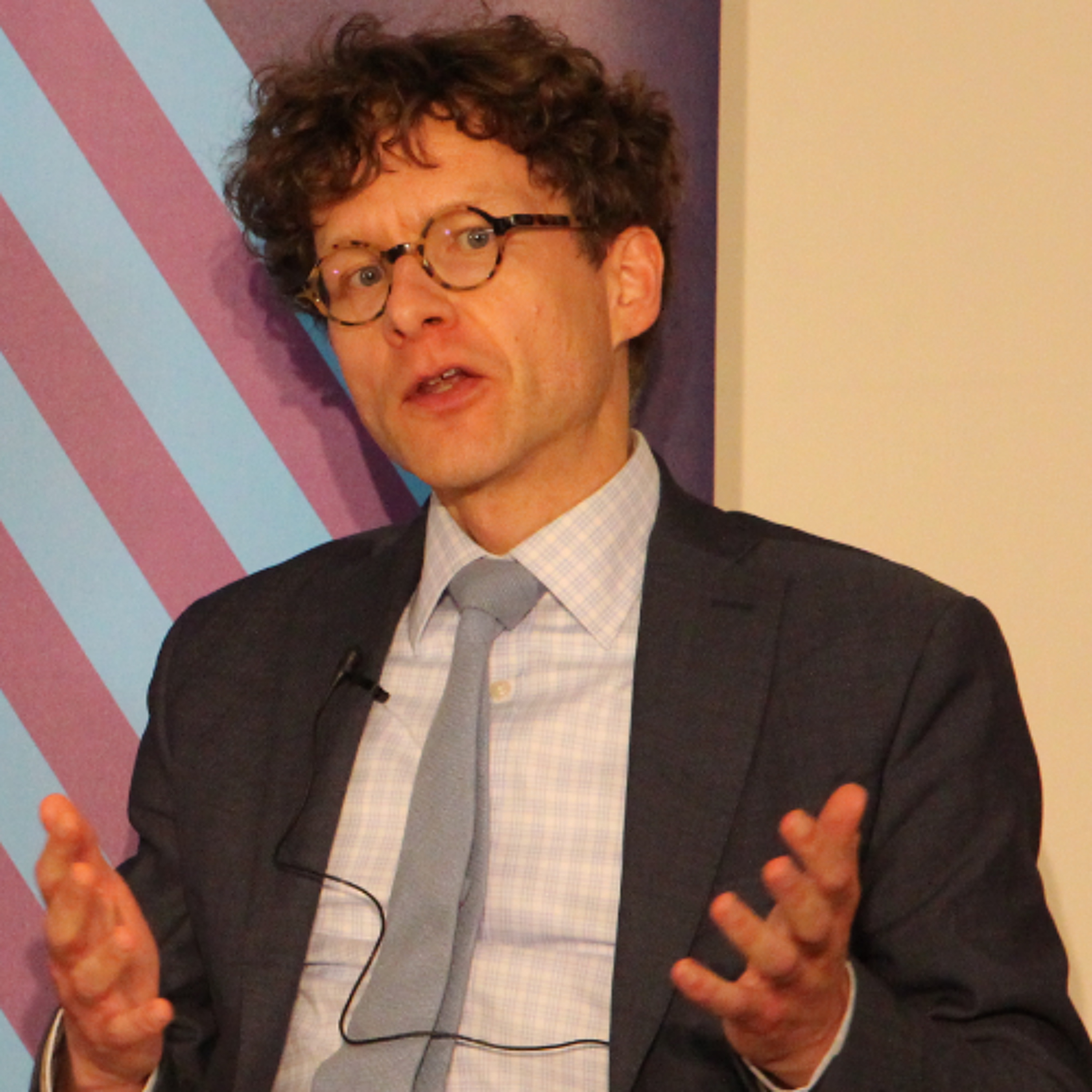
What does the elections bill mean for the next general election?
May 1901:06:18Tap to summarizeThe government has introduced the Representation of the People Bill to lower the voting age to 16, change how electoral rules are enforced and – potentially – introduce new restrictions on political donations. But embedding new processes for registering to vote, changing how electoral rules are enforced, and ensuring there is clear information for 16- and 17-year-olds will all take time – and affect the work of the Electoral Commission, local authorities, schools, civil society groups and others in the run-up to the next general election. So, what needs to happen after the Bill gets Royal Assent? How will the Bill change the remit of the Electoral Commission – and is the Commission prepared? What do local authorities need to do to get ready? What information will new voters need? And what needs to change culturally as well as administratively? To discuss all this and more, the IfG brought together an expert panel, including: Harriet Andrews, Director of The Politics Project John Pullinger, Chair of the Electoral Commission Prof. Alan Renwick, Director of the Constitution Unit at UCL Clare Sim, Head of Member Support at the Association of Electoral Administrators (joining remotely) The event was chaired by Dr Rebecca McKee, Senior Researcher at the Institute for Government.
Transcribe →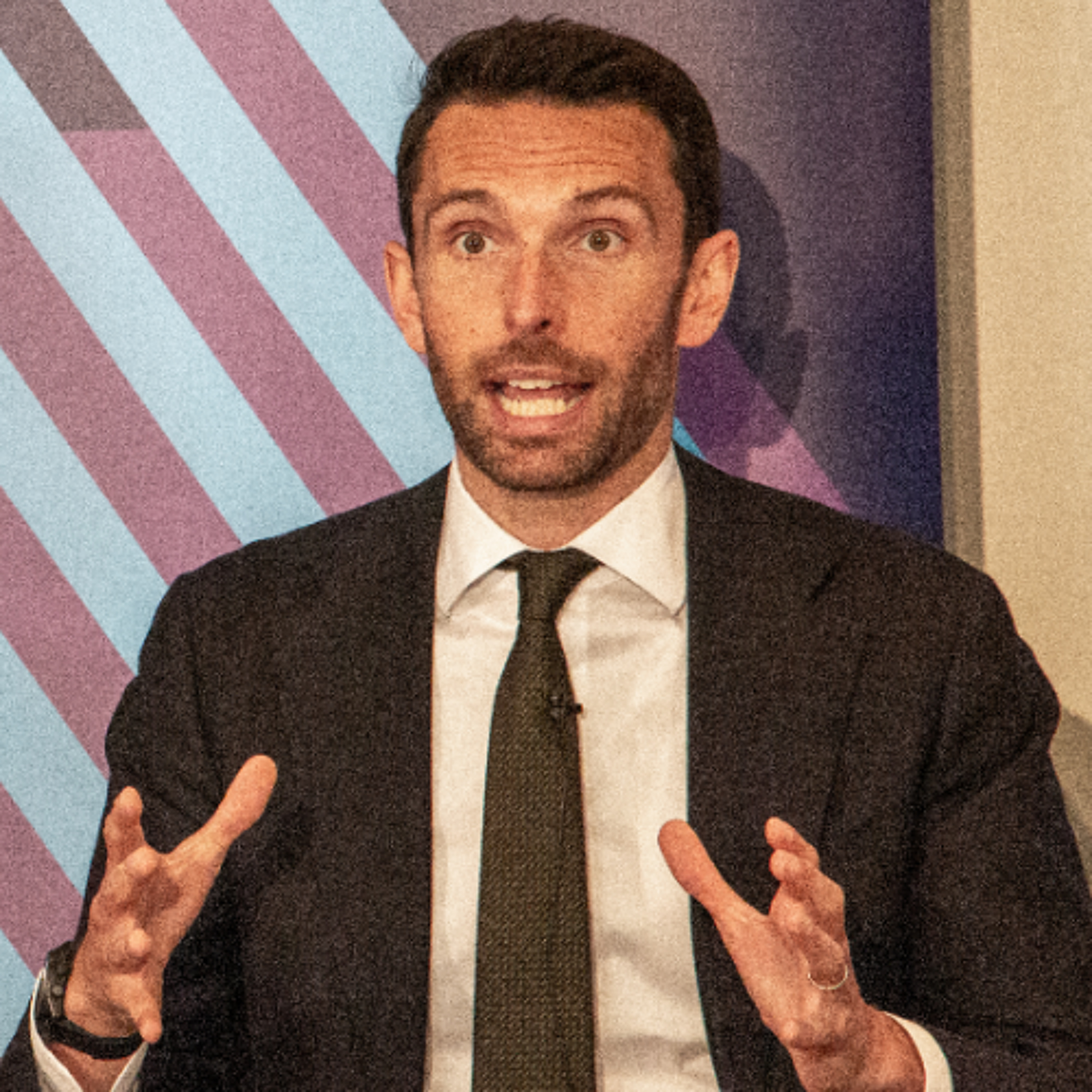
What does the Children’s Wellbeing and Schools Act mean for children’s social care?
May 1201:00:53Tap to summarizeThe children’s social care market is often described as “broken” – including by the government itself. Too many children end up in unsuitable settings, the quality of care varies sharply across the country, and costs have risen to levels that put severe pressure on local authority budgets. So, what does the Children’s Wellbeing and Schools Act, which has recently received Royal Assent, mean for the government’s programme to reform children’s social care? After a short presentation on new analysis from the Institute for Government, this event – featuring the Minister for Children and Families – examined how government can ensure its reforms are implemented effectively and deliver lasting improvements in children’s social care. To discuss all this and more, the IfG brought together an expert panel, including: Amber Dellar, Researcher at the Institute for Government Josh MacAlister OBE MP, Parliamentary Under-Secretary of State (Minister for Children and Families) at the Department for Education Rachael Wardell OBE, Immediate Past President of the Association of Directors of Children's Services This event was chaired by Stuart Hoddinott, Associate Director at the Institute for Government.
Transcribe →Local and devolved elections 2026: Who won, who lost and what next?
May 1101:06:48Tap to summarizeWith a crucial set of local and devolved elections taking place in England, Scotland and Wales on Thursday 7 May, the Institute for Government devolution team hosted an expert webinar the day after to discuss the results so far. What is the likely composition of the new governments in Edinburgh and Cardiff and what will be their policy priorities? What are the implications for UK-devolved relations? And what do election results in county councils, London boroughs, district and unitary authorities across England mean for the government’s local government reorganisation and devolution plans? To discuss these questions and more, including from the live online audience, were the IfG’s expert devolution and local government team: Matthew Fright, Senior Researcher for Devolution at the Institute for Government Megan Isaac, Research Assistant for Devolution at the Institute for Government Harriet Shaw, Researcher for Devolution at the Institute for Government This event was chaired by Akash Paun, Programme Director for Devolution at the Institute for Government.
Transcribe →