← The Dr. Leslie Show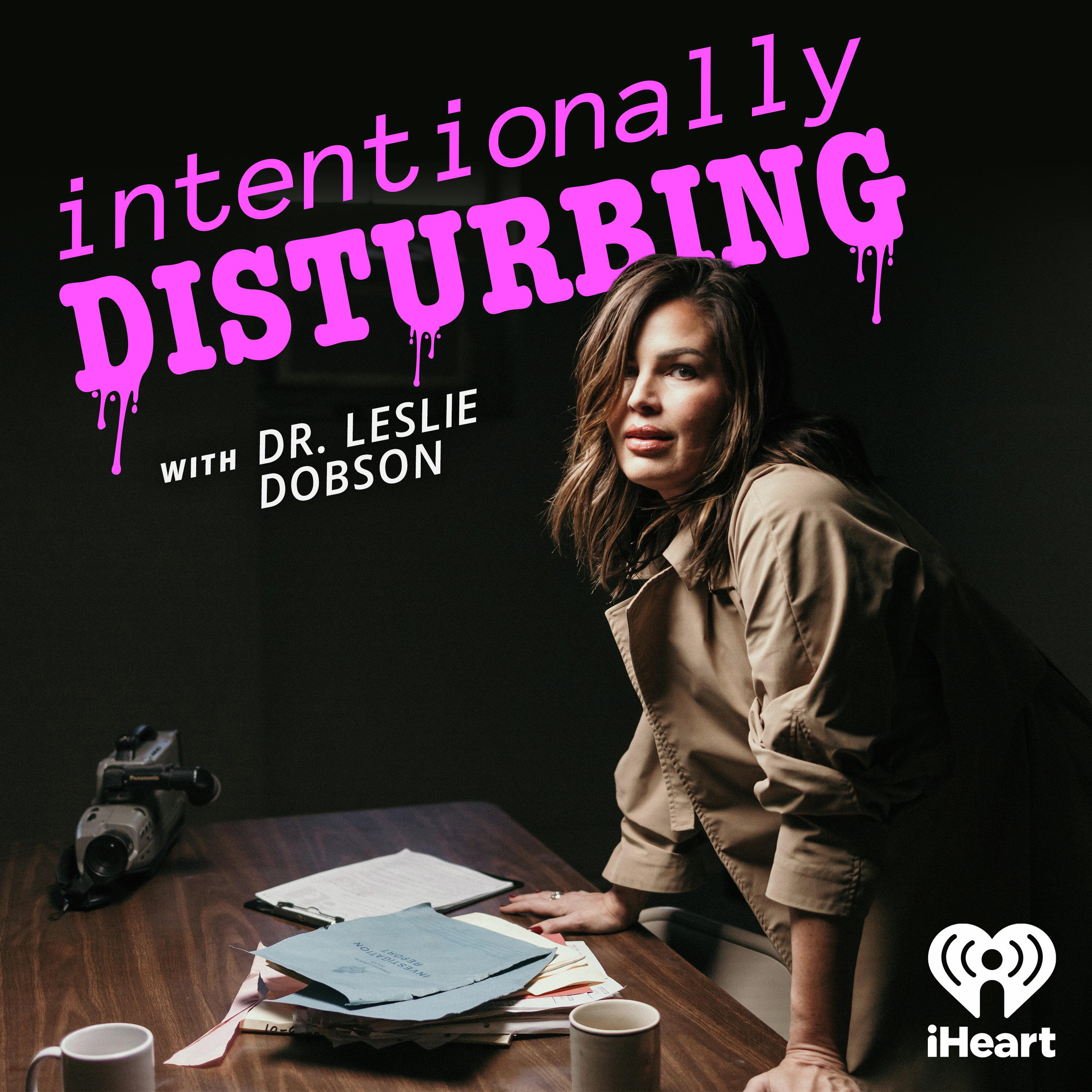
Loading summary
Transcript242 lines
- [00:00]
Host 1
This is an Iheart podcast.
- [00:05]
Host 2
Let's talk photos. Not just storing them, showcasing them. You've got images that matter, whether you're a photographer, a business updating your followers, or just someone who wants to share life's moments the right way. So why hand them over to Big Tech's one size fits all cloud? Big tech companies are the fast food of photo sharing. Quick, easy, but not exactly gourmet. And what about your data integrity check? Jalbum.net is the photo sharing solution that puts you in control. Want to host images on your own server? You can want a layout that actually reflects your brand or style. Jalbum's customizability is unmatched. And if you're a business sharing regular photo updates with your audience, this tool was built with you in mind. But don't just take our word for it. Over 230 million webpages have been created with Jalbum, and it's got stellar reviews on Trustpilot to prove it. So head to jalbum.net to download your free software and try it out. When you're ready to upgrade, use the code PODC for 20% off your photos, your layout, your rules. Jalbum.net.
- [01:05]
Host 3
So what happened to Chappaquiddick? Well, it really depends on who you talk to.
- [01:09]
Host 4
There are many versions of what happened in 1969 when a young Ted Kennedy drove a car into a pond and.
- [01:15]
Host 5
Left a woman behind to drown.
- [01:18]
Host 4
Chappaquiddick is a story of a tragic death and how the Kennedy machine took control. Every week we go behind the headlines and beyond the drama of America's royal family.
- [01:28]
Host 5
Listen to United States of Kennedy on the iHeartRadio app, Apple Podcasts, or wherever you get your podcasts.
- [01:38]
Host 6
Maybe you've heard that Stonewall was a riot, where queer people fought back against police, or that it's the reason pride is celebrated this time of year.
- [01:46]
Kara Robinson Chamberlain
It was one of the most liberating things that I have ever done.
- [01:50]
Host 6
Legend says Marsha P. Johnson threw the very first brick started banging on the.
- [01:55]
Kara Robinson Chamberlain
Door of the Stonewall like one.
- [01:56]
Host 1
Boom.
- [01:57]
Host 6
This week on Afterlives, we'll separate the truth from the myth in the life of Marsha P. Johnson. Listen to afterlives on the iHeartRadio app, Apple Podcasts, or wherever you get your podcasts from.
- [02:10]
Host 7
Iheart Podcast before social media, before cable news, there was Alan Byrd.
- [02:16]
Kara Robinson Chamberlain
He was the first and the original Shock Chuck, that scratchy, irreverent kind of way of talking to people and telling them that you're an idiot and I'm gonna hang up on you.
- [02:26]
Host 7
This is Live Wire, the loud life and shocking of Alan Berg.
- [02:30]
Kara Robinson Chamberlain
And he pointed to the Denver phone book and said, well, there are probably 2 million suspects.
- [02:35]
Host 7
Listen on the iHeartRadio app, Apple Podcasts, or wherever you get your podcasts.
- [02:49]
Host 1
Oh, hey, you're here. Welcome back to another episode of Intentionally Disturbing. Today, I have the honor of talking with Kara Robinson Chamberlain. Now, our interview is fun, and we talk a lot about how to, you know, be healthy, get through ptsd, sexual assault, how to protect our children. But what we don't talk about is what happened to Kara when she was 15. And so I want to give you a brief introduction to that. So when Kara was 15, she was watering her friend's plants outside. She had just had a slumber party at her best friend's house, and her friend went inside briefly to take a shower. In that short moment of time, a man came up to Kara and asked if her parents wanted some magazines. So he was testing her, and she said, you know, a young 15 year old, she's unaware it's 2002. She said, My parents aren't here. I'm at my friend's house. And her parents aren't here either. He got a little closer to her. He put a gun up to her neck, and he said, get in my car. He walked her into the car in which he had a plastic Tupperware bin. He said, get into the bin. And he closed the bin. He drove her for a while. She was aware it was maybe streets and highways, different speeds. He brought her into an apartment where he repeatedly raped her and held her captive for 18 hours. When he wanted to sleep, he tied her ankles and her wrists to the bed. She was amazing through this. She spent the time while being raped, while being held captive, while being drugged on anxiolytics. She spent the time memorizing the room, memorizing the serial number on the plastic tub she had been in, memorizing, you know, any products that he used that there was a brush with red hair on it. So maybe there was a wife. She analyzed everything, and she stayed aware. And there was a moment where she fell asleep. She woke up, he was still asleep. She was able to slip her hands out of one of the cuffs. She got a carabiner off her ankle, and she ran and she ran like hell. She found two men that took her to the police station, and in that, she was able to eventually find this rapist who turned out to be a serial killer and a serial rapist. As the Police honed in on him. As the police were to grab him, he shot his head off. And now we welcome Kara. Oh, hey.
- [05:37]
Kara Robinson Chamberlain
You'Re here. Did you see my. The T shirt that I got that?
- [05:42]
Host 1
No.
- [05:43]
Kara Robinson Chamberlain
So people on the Internet, as people on the Internet are known to do, have been making some heinous comments lately. And they're literally calling me fat. Very much not.
- [05:54]
Host 1
But why are they coming at you? They're coming at you. Why?
- [05:57]
Kara Robinson Chamberlain
Who knows? Because they're trolls on the Internet. And so, like, they're see there now I'm gonna hike. We're focused on it. So they are leaving comments on my run like a girl trend, saying, you look like you could probably use a little more running. So I got a shirt that says too fat to kidnap.
- [06:17]
Host 1
Oh, my gosh.
- [06:18]
Kara Robinson Chamberlain
I'm just gonna wear this. Like, this is just. This is my personality in a T shirt. And someone was like, you probably put again on it. And I was like, yeah, that would make it even better.
- [06:29]
Host 1
Did you. Are you selling it? Did you.
- [06:31]
Kara Robinson Chamberlain
No, no, it's from Amazon. It's like drop shipping from Amazon.
- [06:35]
Host 1
But I was like, somebody already made a shirt like that.
- [06:38]
Kara Robinson Chamberlain
Oh, there's multiple of them. Like my friend and my chiropractor, I was telling him about it and he was like, you should probably get this shirt. And I went and looked it up and bought it that same day. I was like, oh, this is exactly what I need because.
- [06:50]
Host 1
Oh, my word.
- [06:52]
Kara Robinson Chamberlain
Yeah. You think you can hurt my feelings? No, you can't. You cannot hurt my feelings. It's like, I will just make a joke out of it.
- [06:59]
Host 1
It's. The Internet can be so horrible. Like, it's so hard to weigh how wonderful it can be. But then especially on TikTok how people. It's just an. It's a nightmare.
- [07:13]
Kara Robinson Chamberlain
It's. It's the wild, wild west in some ways. Yeah. And I think people forget very often that there's an actual person behind there. And some people just exist to troll, I think. Right. And for me, my personality is if you're gonna come at me and you're gonna make those comments, you're doing that. This happens to me multiple times. Look at this.
- [07:33]
Host 1
Oh, this is like a new thing.
- [07:35]
Kara Robinson Chamberlain
Happens every single time accidentally because I talk with my hands. So. But my thing is, if you're going to come at me with those comments and you're going to spew hate at me, then you're doing that to other people who maybe can't handle, like, it doesn't affect me. But yeah, you're doing that to other people. And so I challenge people and I clap back at them. And I will forever do that because I feel like it's my duty. Like, so. Yeah, it just makes me laugh at this point. I'm like, this person called me fat. Like, what is wrong with people?
- [08:09]
Host 1
It sounds like you have, like this genuine innate fight in you, like your personality. I would love to do like a whole psychological assessment on your mind because I bet it is just so high performing.
- [08:25]
Kara Robinson Chamberlain
No, is. It's like, is it trauma or is it. Is it survival mechanism? Is it trauma or is it autism? I, you know, like, who knows? I think it's probably a little bit of all of the things.
- [08:37]
Host 1
Well, I was. So of course I like watched, you know, your story and everything because it's incredible. But how you describe what you did, you just, you describe it as your trauma response.
- [08:49]
Kara Robinson Chamberlain
Yeah.
- [08:50]
Host 1
When I was like, wait, the trauma comes after for me, right in the moment. You are like a Navy seal.
- [09:01]
Kara Robinson Chamberlain
Yeah. I think that so many people hear it and they think, I could never. But one of the things that was very interesting to me is I was on Marcus Luttrell's podcast, and so if people don't know who he is, he's the lone survivor. He has a crazy, amazing story of just being a badass, like, let's call it what it is. And I told my story and he was like, I'm just. I just don't even understand. Like, I don't think I could do that. I'm like, that's what people think when they hear your story, too. And I think that's what we all experience is we don't think that we're capable of those things. But human beings were created to survive. Like, we have a fight or flight. We have a survival mechanism that is within us that is going to pick and choose what it thinks is the most likely scenario for survival, and it's going to use those mechanisms that we have within us to get us to survive. And so it's like, I got really lucky that I picked some good ones, I guess.
- [10:03]
Host 1
But it's not luck. It's not luck. I mean, and I. Okay. Coming from a psychologist, you know, like, a lot of people suck. A lot of people are put in situations and they really do freeze. And they don't.
- [10:28]
Kara Robinson Chamberlain
They.
- [10:28]
Host 1
They don't have forward thought. They're. They're frozen in the moment.
- [10:32]
Kara Robinson Chamberlain
Right.
- [10:32]
Host 1
And they are victims and, and stay that way. Right. And your story, it was like you were empowered during it, after it, and you continued to do it for the world. Yeah, it's a uniqueness.
- [10:47]
Kara Robinson Chamberlain
Yeah, I, I, I will accept that. I will accept that. I think very often, like, it wasn't, it wasn't necessarily a conscious decision for me. I guess it was kind of like, no, this is the option. This is what we do. And I think I would classify my childhood before I was kidnapped in 2002 as a chaotic childhood. I think I very realistically have, I've not been undiagnosed, but pretty sure very likely have cptsd. And just due to, I think a lot of people that are, you know, my, my generation probably have similar upbringings where, like, our parents just weren't taught how to deal with their stuff. They weren't emotionally or even physically available because they were dealing with a lot of their own crap. And so I think that the coping mechanisms that I learned early on in life served me very, very well when I was kidnapped. So I learned dissociation far before June of 2002. That was a coping mechanism that I learned. I was always 13, going on 37, going on 30. And as anyone who is working in, in these fields can attest to, generally those children that are tiny little adults have to be tiny little adults. They are parentified. And so I think that I had a lot. I'm an only child, and so I think there was a lot of independence, dissociation, parentification, and just other things that I had to do to get through life that served me very well when I was put in a life or death situation.
- [12:39]
Host 1
Wow.
- [12:40]
Kara Robinson Chamberlain
Yeah, wow.
- [12:42]
Host 1
You use so many words where people are probably like, wait, wait, let's back it up.
- [12:46]
Kara Robinson Chamberlain
Let's go ahead.
- [12:46]
Host 1
I mean, so complex. Ptsd. I love that you're using that. I hate that it's not in the diagnostic manual. I think it needs to be. So, you know, ptsd, Post Traumatic Stress disorder. One event where you're going where you fear the loss of your life, someone loses their life, or there's an egregious, violent sexual act on you. That's criteria one for ptsd. It can happen. Once you get the diagnosis, you have intrusive thoughts, flashbacks. You avoid situations, avoid memories, nightmares. All the stuff we hear about in the movies is pretty accurate, but complex. PTSD is when you have ongoing traumas and you don't have the ability to ever get to a healing point of one. So they start to layer on each other. And it, for me, looks like a befuddled, you know, bowl of spaghetti we have to sort through in psychology.
- [13:39]
Kara Robinson Chamberlain
Yeah. And one of the things that was very helpful for me is I don't feel like I necessarily had a series of macro, gigantic traumas in my childhood. I feel like it was, it was more. It was definitely micro traumas, like tiny little things, but it was more of a lack of stability and emotional support around just life, like the life stuff that we have to deal with. You know, I look at my kids, I have an eleven year old, an eight and a half year old and a one year old. And I look at them and see how many things they're working through every single day. Where, whether it be societally with their, with their friends, whether it be here in our home pets, passing different things that are just normal life experiences and how we support and help them gain emotional intelligence and help them work through their feelings and name their feelings and process them. And those are things that many people in my generation did not get. And so you look at how that forms your attachment and you look at how that makes you not a securely attached person. And you learn no one's coming to save you, no one's coming to help you work through your feelings. And then you layer on difficult things that happen in stressful situations that. My house was a little more chaotic than I would have liked it to have been, obviously. But you just keep layering these things on and nothing ever gets dealt with. And so it creates this situation where I think a lot of people view it as. But my childhood wasn't bad. It wasn't. Why do I feel this way? Why do I have no memories of my childhood? Why is my childhood just this blank book? Like, I don't know. And it's. Because there just was not emotional memory encoding during that time. It was. It's very bizarre, but I think it was. I, like, it's weird to say it was for the best. Right. But if that had not happened, what I'm.
- [15:49]
Host 1
Isn't that wild to say? Like, I. My chaotic traumatic childhood allowed me to persevere through repeated raping and kidnapping by a serial killer.
- [16:00]
Kara Robinson Chamberlain
Right.
- [16:01]
Host 1
Who blew his head off. And then you helped bring closure to other families.
- [16:06]
Kara Robinson Chamberlain
Yeah. And even, even to take it a step further like that, you know, people are like, oh my God, I'm so sorry that that happened to you. I'm so sorry that you were kidnapped. And, and I'm like. But I'm not. Because in my mind, saying I'm sorry that happened means that I would be not thankful and cognizant of how that got me where I am today. I love my life. I have A beautiful life. I have beautiful children, I have an amazing husband. I'm in a wonderful community. I do a job that I am very, very passionate about and I love. And none of those things would have happened if I had not been kidnapped.
- [16:45]
Host 1
That's amazing.
- [16:46]
Kara Robinson Chamberlain
Yeah. So it's like, I think that's something that I always try to keep in perspective and I. I try to help people understand whenever they're going through their traumas. It's like, I'm not going to tell you everything happens for a reason, but I'm going to tell you if you're very intentional, you're very lucky, you're supported, that sometimes you can find purpose in your pain. And that's. That's what I'm doing here.
- [17:07]
Host 1
I love that. Purpose in your pain.
- [17:09]
Kara Robinson Chamberlain
Yeah.
- [17:09]
Host 1
Yeah, I love that. What do you do? Do you have PTSD symptoms still from it, or do you feel like you've kind of reached a level of like, this is so hopeful for people to hear, but yeah, a level of recovery. Like, I don't know if we'd put it on a percentage scale. Like, when was really bad. It was at a hundred percent. And yeah, you're progressing away from it.
- [17:32]
Kara Robinson Chamberlain
I. I actually love that you asked this question because it's something that I get asked a lot. Do you feel like you have PTSD in the traditional. And especially, like, if we're looking back at 2000, 2002, if we're looking at the diagnostic standards for PTSD, I would say no, I don't have PTSD. I don't have flashbacks. I don't feel like I ever did because it's. What, it's outside a month, two months? What is the window there?
- [18:01]
Host 1
Well, kind of starts within a month, but six months says we have a delayed onset, but I think it's all bullshit. We don't fit into. You don't fit into a book.
- [18:13]
Kara Robinson Chamberlain
I would say by those standards, I had some, you know, like some anxiety attacks out in public. I had some flashbacks and some nightmares, but they were all fairly quickly after. So as far as like a prolonged, like, actually diagnosable PTSD kind of thing, I would say no. But now, as we're seeing kind of the knowledge around PTSD change and we're looking at some of the newer diagnostic things that are working in, like, body flashbacks, that was not something that anyone had any knowledge of in 2002. I have to acknowledge, like, 2002, the response to my trauma was, oh, my God, you have to get therapy. And I was like, but talk there Like, EMDR wasn't really a thing. And I was like, I can talk about it. I don't need to go sit with a stranger and talk about it. Right. So very different then than it is now. But when we talk about, like, memory loss, I don't remember anything. Like. So we look at that.
- [19:17]
Host 1
Tell me about the body part, because I like the sexual trauma.
- [19:21]
Kara Robinson Chamberlain
Yeah. So for me, I. The biggest thing is I very heavily dissociated during my trauma. That was my previous coping mechanism. That was what I primarily used to get through this. So it looks like I don't actually have a lot of physical memories. I have what I would call a snapshot memory. And there's a handful of them. There's not a ton of this time. And so what that means is there's. There actually wasn't an emotional encoding during that time because I wasn't. I was checked out, so their emotions were not getting encoded. I worked with my therapist, and I was like, do I, like, do I need to try to uncover those emotions? She's like, you might not even have the actual emotions from that time because you were dissociated. But what I do experience is even though I wasn't processing and feeling emotions, my body was feeling things. And my. My biggest symptom that I still experience to this day, I haven't been able to fully get rid of is.
- [20:32]
Host 1
I.
- [20:32]
Kara Robinson Chamberlain
Can'T breathe very often. And that was probably the most traumatic part, was when my captor put me back in the container. He put the ball gag in my mouth, and he put the lid on the container, and I actually had an anxiety attack at that time. And in my head was, I can't breathe. I can't breathe. And so my body still remembers that, and I can't take a deep breath. To this day, I will notice, like, when I get stressed, like, I kind of lean in, I protect it, and I take very shallow breaths. And so I have to work to kind of open this up and take deep breaths. And I did EMDR around that, and it helped, but it still just kind of lingers. But a lot of people would be surprised to hear after something so traumatic, oh, you just. You just can't breathe. It. Oh, you just. You just don't feel any emotions and you can't breathe. So those things. There's a cat outside. So those symptoms, I guess, and the. Those symptoms and the lack of knowledge around what it can look like to actually, quote, be impacted by your trauma meant that for 15 years, I was like, I'm fine. I'm not impacted by my trauma. And I just kept telling myself that until I realized after the birth of my second child, I most probably had postpartum depression. And I recognized that I was apathetic. I had no feelings. And the only feeling that I felt with any sort of regularity was rage.
- [22:25]
Host 1
Oh, wow, okay.
- [22:26]
Kara Robinson Chamberlain
Yeah, I was just really pissed off all the time and felt like I was drowning. And I was like, this doesn't feel normal. And so I realized that when I was stressed, which I was at the time, my husband's working out of the country. He was gone two thirds of the year working. And I had two little kids, you know, two and a half and a newborn. And I can't imagine it was. Yeah, it was a tough time. And I realized that I wasn't feeling anything and that it was actually a conscious thing that I was doing because I had built this narrative in my mind that I'm fine, I'm not impacted. I'm strong. And so when feelings of overwhelm or even, you know, you're watching a commercial and it hits you in the feels, and you feel the tears start coming, I'm like, nope, stop, stop, stop, stop, stop, stop. Because I'm strong, I don't cry. And so I recognized that I was consciously doing that, and I began to just kind of, like, dismantle that. I would be like, okay, but you can feel things. It doesn't mean that you're not strong. So is in terms of, like, where are we on the healing journey? It's never really over, right? Like, we're constantly peeling back layers of our onion, but I think I can. Why? Why does the cat have to stay, like, trying to keep it where it doesn't have to edit as much out.
- [23:55]
Host 1
But, oh, it's so the mom life, though. We're ready for anything at any time.
- [24:00]
Kara Robinson Chamberlain
I told my husband, he doesn't understand, like, this world. And I'm like, well, here's the thing. Like, if the baby, like, throws herself on the ground and starts screaming bloody murder, I can just be like. And then pick it back up. But if. If we're talking about, you know, where am I on this healing journey in terms of, like, unhealed to healed, I would say we're doing pretty good. I would say, you know, we're 95%, but who knows what we're going to unpeel tomorrow? We might find a new moldy layer of the onion. And. Wow. Didn't know that was there.
- [24:33]
Host 1
We'll be right back after this break.
- [24:37]
Host 3
So what happened to Chappaquiddick? Well, it really depends on who you talk to.
- [24:41]
Host 4
There are many versions of what happened in 1969 when a young Ted Kennedy drove a car into a pond and.
- [24:47]
Host 5
Left a woman behind to drown.
- [24:50]
Host 3
There's a famous headline, I think, in the New York Daily News. It's teddy Escapes, Blonde drowns. And in a strange way, right, that sort of tells you the story really became about Ted's political future, Ted's political hopes. Will Ted become president?
- [25:05]
Host 4
Chappaquiddick is a story of a tragic death and how the Kennedy machine took control.
- [25:09]
Host 5
And he's not the only Kennedy to survive a scandal.
- [25:12]
Host 4
The Kennedys have lived through disgrace, affairs, violence, you name it. So is there a curse? Every week we go behind the headlines and beyond the drama of America's royal family.
- [25:23]
Host 5
Listen to United States of Kennedy on the iHeartRadio app, Apple Podcast, or wherever you get your podcast.
- [25:33]
Host 7
From. Iheart Podcasts, before social media, before the Internet, before cable news, there was Alan Berg.
- [25:40]
Alan Berg
You dig what I do. You have a need. Unfortunately, you have no sense of humor. That's why you can't ever enjoy this show, and that's why you're a loser.
- [25:48]
Kara Robinson Chamberlain
He was the first. First and the original shock jock. That scratchy, irreverent kind of way of talking to people.
- [25:55]
Alan Berg
You're as dumb as the rest. That's. I can't take anyone. I don't agree with you all the time. I don't want you to. I. I hope that you pick me apart.
- [26:01]
Host 7
His voice changed media. His death shocked the nation.
- [26:04]
Kara Robinson Chamberlain
And it makes me so angry that he got himself killed because he had a big mouth.
- [26:10]
Alan Berg
KOA morning talk show host Alan Berg reportedly was shot and killed tonight in downtown Denver.
- [26:14]
Kara Robinson Chamberlain
He pointed to the Denver phone book and said, well, There are probably 2 million suspects. This guy aggravated everybody.
- [26:21]
Host 7
From iheart podcasts, this is Live Wire. The loud life and shocking murder of Alan Berg. Listen on the iHeartRadio app, Apple Podcasts, or wherever you get your podcast.
- [26:33]
Host 6
Maybe you've heard that Stonewall was a riot where queer people fought back against police, or that it's the reason pride is celebrated this time of year.
- [26:43]
Kara Robinson Chamberlain
It was one of the most liberating things that I have ever done.
- [26:46]
Host 6
But did you know that before it went down in history, the Stonewall was a queer hangout run by the mafia.
- [26:53]
Kara Robinson Chamberlain
The voguing at Stonewall was unbelievable.
- [26:56]
Host 6
In the summer of 1969, it became the site that set off the modern movement for LGBTQ rights.
- [27:04]
Kara Robinson Chamberlain
Started banging on the door of The Stonewall. Like one. Boom, boom, boo.
- [27:09]
Host 6
Legend says Marsha P. Johnson, a mother in the fight for trans rights, threw the very first brick. She was really like, scrubbed out of that history. This week on Afterlives, we'll separate the truth from the myth in the life of Marsha P. Johnson. Listen to afterlives on the iHeartRadio app, Apple Podcasts, or wherever you get your podcasts.
- [27:32]
Host 8
How could a beautiful young first grade teacher be stabbed 20 times, including in the back, allegedly die of suicide? Yes, that was the medical examiner's official ruling. After a closed door meeting, he first named it a homicide. Why? What happened to Ellen Greenberg? A huge American miscarriage of justice. For an in depth look at the facts, see what happened to Ellen on Amazon. All proceeds to the national center for Missing and Exploited Children.
- [28:12]
Host 1
That's one question. Concern I have for you is, you know, as, as your kids get older and they start, you know, they may be somewhat of a trigger for you in the sense that you're seeing them get to the age of when this happened to you. And like, what I love is that you have this power and the support and this groundedness. And so, like, you're prepared.
- [28:41]
Kara Robinson Chamberlain
Yeah.
- [28:41]
Host 1
For the triggers, which means that then you are resilient and you get through them easier, faster, better, more, you know, complete.
- [28:51]
Kara Robinson Chamberlain
Yeah, yeah, that's. I hadn't really thought about, you know, moving forward especially. I feel like my daughter, I have two sons and then I have a daughter, she's the baby. And I'm like, I feel like just by her being born, literally just her existing has healed so many things in me that I didn't even know were broken, which is very often, I imagine this is very common with people who dissociate, that very often there are things inside of me that I don't recognize or even hurt until they heal. And her being born, her simply existing, she could turn into the worst child ever. I don't think she will. But like, just simply existing has changed who I am, changed how I approach myself, how I approach even my boys, how I approach other people, and has healed a lot in me that I really just didn't even realize was broken. It's like in real time re parenting myself by parenting a tiny version.
- [30:08]
Host 1
Isn't that incredible?
- [30:10]
Kara Robinson Chamberlain
It is, yeah.
- [30:10]
Host 1
I.
- [30:11]
Kara Robinson Chamberlain
So interesting that's happening with her as opposed to the boys. I didn't experience that with them. Yeah.
- [30:18]
Host 1
Have you heard of shadow work?
- [30:20]
Kara Robinson Chamberlain
I have, yeah. But I, I don't feel like, again, it's like, is it autism or is It. Dissociation. I don't know. Every time I've tried to, like, look at the shadow work stuff, I'm like, I don't know. Like, I don't know what I'm feeling. Like, name your emotion. I'm like, I don't. I don't know.
- [30:42]
Host 1
Like, see, I. I can't do it either, right? But what I can do, I know I'm like, I'm the psychologist who can't. Who struggles to have empathy anyways. But what I. What I can do is I can. I can picture myself at any age. And as my adult self, I can go back and just give her a hug, give her what she needed. And that to me, those are like these moments of strengthening. But what I love about you is you have your daughter to do that with. And, you know, like, you could, you could be emailing her, you know, you're not old enough right now to read this, but this is the lesson I want you to know.
- [31:25]
Kara Robinson Chamberlain
Oh, I'm gonna feel. Feels. I. Yeah, it's.
- [31:30]
Host 1
What about that?
- [31:32]
Kara Robinson Chamberlain
I. It's just, I don't. I think I'm realizing the more I heal that I'm actually a highly feeling person. I feel a lot of things, and I think it was just not safe to feel. And so everything makes me feel. Feels. Now I'm like, oh, can we not? But yeah, I. I saw something the other day, and it was talking about very often, as women who have any sort of trauma, a sign of, like, our healing can be how we start to love pink again. And I didn't even think of that because before she was born, you're never going to catch me, like, with a pink pen, with pink anything. My phone case is pink currently. And so I'm like, gravitating towards pink a lot. And it was like this reclaiming of our femininity that can happen a lot of the time as we heal. And I had never seen anything like that on the Internet. And I just thought, I like that. I. I like thinking about it that way. This idea of, like, getting your pink back, especially after you have kids, it's just like a slightly different take on it. And I was like, okay, I can. I can accept that. That's why I like pink now, because I'm like a blue person.
- [32:51]
Host 1
So you're gonna repaint your kitchen?
- [32:53]
Kara Robinson Chamberlain
I don't think I'll do that.
- [32:54]
Host 1
Right.
- [32:55]
Kara Robinson Chamberlain
You know, I'm still. I'm still like a turquoise, a teal, a big girl. But also, you know, I purposely picked out the pink phone Case and I pick out some, like, really cute girly stuff for my daughter, and it's like, oh, is this. Is this who I would have been? Okay. Are these parts of me that are being uncovered as I'm healing more? And it's just. I think it's kind of fun.
- [33:20]
Host 1
Yeah.
- [33:20]
Kara Robinson Chamberlain
Maybe that's just me getting older, too. Like, it's kind of fun to figure out who we are as we get older.
- [33:27]
Host 1
So, I mean, I love that. I love this topic of, you know, our kids can teach us. Our kids are. Without even trying, they're making us grow the fuck up. But how do you.
- [33:41]
Kara Robinson Chamberlain
I think every parent can understand when you say, like, I didn't get the kids that I wanted. I got the kids that I needed, because every single one of my children has leveled me up in some way that I didn't want to be leveled up in. And, yeah, I mean, from my first, he is probably like me. He feels so intensely, and I am so fiercely protective over that for him. And especially because he's a boy. Right. Like, how often do people tell boys, like, you can't cry? And then we have all these, you know, men that don't have feelings in our society. And so I'm fiercely protective over that for him. And then, like, my second is very, like, touchy feely, huggy. And I am not. I'm like, please don't. Please don't touch me. And. And then he has kind of, like, changed that. And he also was very much like, the impetus of my healing journey, even beginning. And then, you know, my daughter, I've already said, she's like, just existing is healing, like, baby me. And it's. Yeah, I. I think it's. It's a fine line to walk between raising our children and allowing them to heal parts of us. But if we're intentional, we can do it with grace. And I think it's so helpful for them to see that, too. Like, for kids to see us try to regulate our emotions, to work through healing, for us to, like, go through conflict and then have resolution on the other side. I think all of that is so important and makes them understand, like, life is not going to be easy for you. You're going to go through difficult things, and this is how we navigate them and. And know that I'm a safe place for those things.
- [35:30]
Host 1
Definitely. I. I love how you put that. Yeah. We are modeling how to be human right, to these little people who aren't quite there yet.
- [35:39]
Kara Robinson Chamberlain
Right. There's. There's so many times that I. I Think, like, I hold my kids to these really high standards and I kind of have to check myself sometimes and be like, they're still little. Like, how. Why do I expect things out of them that adults don't know how to do? Like, I expect them to regulate their emotions and not have meltdowns. How many grown ass men do I know that have a full on meltdown when they tell me I'm fat on the Internet and I'm like, you're fat? Like, there are so many grown adults who can't manage their emotions and yet we expect it of our children. I'm like, come on. Like, right? Like, I just need to check myself. Like, what is it triggering in me? I see them having these feelings and I'm like, no, no, you can't have those feelings because I'm not allowed to have those feelings. I wasn't allowed to do those things. And so it's like triggering something in me. And like, it's just, it's constantly learning. Like when I feel the rage of a thousand suns because of one little thing that they've done, I'm like, ooh, ooh, what did that, what did that touch in me?
- [36:45]
Host 1
And so how do you, how do you go about parenting? What is your. How vigilant are you? How paranoid are you? Oh, and you have the addition of your career. Right, Right. Where you and I both are probably a little over the top, but also it's not going to be our kid, so.
- [37:07]
Kara Robinson Chamberlain
Right. I know. I think, I think that I probably would have been one of those parents that was like, oh, that stuff happens, but it doesn't happen to me. It doesn't happen to my kids if this has not happened. So. But I also kind of raise like slightly free range kids. They're like borderline feral because I like, I encourage them to make choices and exercise their freedom. Now, obviously not for the baby, she doesn't have any reasoning capabilities, but for my boys, I allow them as much freedom and flexibility as we can. Because if they are going to make a mistake, if they are going to fall, if they are going to get hurt, which they are in their life. Right? Like, let's face it, our kids are gonna fail. They're gonna get hurt. Something bad's gonna happen to them.
- [38:02]
Host 1
Like, I can't handle it. I will die. Okay.
- [38:06]
Kara Robinson Chamberlain
That's what I think all the time. So. But the reality is, do you know anyone who has gotten through their life without something difficult happening? No, you don't. Everybody has difficult things. So I try to keep that in mind and recognize that, as I'm sure you know, the space between something difficult or something traumatic happening and having quote, trauma, that space is closed by your ability to cope with the difficult things that happen. So my kids are going to have difficult things that happen. And so my job as a mom is to give them coping mechanisms, to give them support and allow them to fall and mess up while they're here in my home and I can give them those tools. And now does that mean I'm careless and I have. It's like a free for all and they run the rooster. Hell no. Like, that is not what's happening here. We have protections and you know, like, my kids don't play Roblox or they have, you know, parental controls. They have. We do the gab watches because they want to go play in the woods, they want to ride their scooters around. You know, they want to do all of these things. And. And I think that kids need that stuff, especially at a certain age. Like we're 8 and 11. Like, she go. Go ride around the neighborhood. See you when the lights come on. I don't care.
- [39:28]
Host 1
But it sounds like you've also instilled in them this, this empowerment to protect themselves.
- [39:35]
Kara Robinson Chamberlain
I hope so. And I. I have a. Actually have a funny story to tell you that will. I. I always kind of question, you know, I think we all do. Like, what would happen, you know, if someone tried to take my kid? Right. Like, I don't think that that is the. I don't think that that's the big threat when we talk about, like, kids being hurt nowadays. But it still can happen, right? And so the place where we lived before we. Where we live now, it was 45 acres, several families that lived in this general area. All the kids, there's little pack of kids that run around, a bunch of boys. They called themselves the Wolf Pack. And they played like there was this big sand pile that they played in, and it was right beside where I worked out. And so I worked out in like a shop, had a gym in there, and I was working out, kind of had, you know, my headphones one. One ear off, and the kids were out there playing. And then that, that intuition kind of picked up. Something's going on. And I walked out and looked over at them. And what my intuition had picked up is I didn't hear them playing anymore and walked out and there was a, like, SUV parked in between the kids and me. And this is like, no one comes back here, right? Like you're. You don't belong here. What are you doing here? And so, you know, of course, I walked up. There's a man in it. I walked up, I said, hey, can I help you? He's like, oh, oh, yeah, sorry. I'm trying to meet someone about something on Marketplace. And I was like, all right, well, like, he's not here right now, so I'll let him know that you're. You know, that you're here, whatever. And so that all gets settled. Guy goes off. The boys all came to me after this. So my boys and then the other boys and they said. They said, Ms. Kara, one of the other little boys, Ms. Kara, do you know what we did? And I was like, no, what did you do? And he was like, so my son. He was like, I don't. I don't say his name. So I. I don't know how to tell the story with that. So they said that, son? Yeah, they said, my son saw this person come up, and he was like, that's a stranger. And he was like, everyone, get your pointy sticks. And so there's literally a pack of little boys with pointy sticks, like, Lord of the Flies standing there with their. Like, there's like, six of them with sharpened sticks staring this guy down. Like, stranger, defend the pack. Like, well, I guess they're gonna be okay.
- [42:11]
Host 1
Like, I love that. How did they learn that?
- [42:14]
Kara Robinson Chamberlain
I. I don't know. I guess it's just my son was kind of the oldest, and so he was inherently kind of the leader of the pack, and. And he is so intuitive. I mean, my. I can't do this job in my house. Like, my kids know my story to a. An age appropriate level, and so they're. They're aware of, you know, the fact that I was taken by a stranger from my friend's front yard. And so I think that they're. They kind of have a little bit of knowledge of that kind of thing, but I just. I was like, oh, my God. They had sharp sticks. And they were like, nobody's taken us, like, band together.
- [42:50]
Host 1
It's amazing.
- [42:52]
Kara Robinson Chamberlain
It's like, all right, y' all are good. Y' all are good.
- [42:54]
Host 1
Like, I was walking yesterday with my daughter. She's 8, and she held my hand, and because she. She doesn't really want to hold hands right now because, like, she's at that age where it's not cool anymore. But she held my hand, and she was like, mom, there's a 70% chance that this guy walking towards us is homeless. And I'm not quite sure. So I'm just letting you know. And I was like, 70%. Do you even know what percentages are like. I do your homework on chat GPT. I don't know.
- [43:22]
Kara Robinson Chamberlain
Right, right. Well, have you heard of the. You've. I'm sure you've heard of the gift of fear.
- [43:27]
Host 1
Oh, yes.
- [43:28]
Kara Robinson Chamberlain
Yeah.
- [43:29]
Host 1
And what's. What's the kid one called?
- [43:31]
Kara Robinson Chamberlain
I don't know. That's what I was going to talk about.
- [43:33]
Host 1
But it helps protect our. Protecting the gift. The original book is about you trusting your intuition and protecting yourself. Right. Especially as a woman. And he really throws out some hard stats that people don't like. And it's not his area of expertise in that he went to school, but he has been a PI and he's been in these incredible situations. And so I did his training actually, like, in Lake Arrowhead, California, for the weekend. I loved it. But then this book where he says how to be a parent and it's okay. These are things that are okay to teach your kids, which some of the book was, like, a little outlandish, but some I loved. Like, one thing I loved was, you know, what happens in an emergency when everyone's running through the front doors and they're leaving. And he says, you know, teach your kids to go through the back tech exit because that's where no one else is gonna go.
- [44:30]
Kara Robinson Chamberlain
Yeah. Or, like, he talks about things like. Like kind of allowing your kids to profile a little bit. And it's kind of like society doesn't really tell us that that's okay. But.
- [44:43]
Host 1
But it.
- [44:44]
Kara Robinson Chamberlain
Right. But also, I don't care. Like, that's what I tell. I tell, you know, people online all the time when they want to know, like, how do I keep myself safe? I'm like, I don't give a. If people think I'm nice. Like, if it comes down to I don't like the way that person looks, I can either hurt their feelings, or I can possibly make me and my children a victim. I don't give a. About that person's feelings. I'm never gonna see that person again. But if it. Like, if something within me is saying, I don't like that person, then. And, like, kids are born with these same intuitive powers that we often will be. Like, it's not politically correct to. To think that way or to act that way, but if something is telling them, like, your daughter, like, something about that guy was, like, feeling furtive to her. Right. And you would have been like, oh, honey, but he might just be down on his luck. Let's be nice to him. Right? Like, which. Absolutely. I think there's something to be said about that. But. But don't. But if.
- [45:48]
Host 1
But say it later.
- [45:49]
Kara Robinson Chamberlain
Right? Exactly.
- [45:51]
Host 1
Like what I tell her, like. And I. I've posted videos on this, and I've gotten so much hate on this. But I tell her to, you know, describe a homeless man, describe a dangerous man. Like, describe someone hallucinating. And a lot of the time she'll say, I look at their shoes. And it, like, it's really insightful for her to gauge people by the cleanliness of their shoes. And the hate I get is like, well, what if it's a construction worker? You've just taught her to, like, hate against the working professionals or blue collar. And I'm like, I don't care. I'll talk to her later about it. I'll be like, honey, that was kind of, you're a judgmental little bitch, but you're. You're safe.
- [46:28]
Kara Robinson Chamberlain
I like, yeah, I. I honestly don't care. And that's. That's the thing that I tell people. I think we as women, and this is the biggest lesson that I got from. So I am also. I know James Hamilton, who. He was the VP of Gavin de Becker and Associates. And so he worked very closely with Gavin, and I had him on my podcast. And so I've had multiple conversations with him about this. And it's like, the big thing that I tell people is it doesn't matter. We as women are taught, like, oh, you have to be nice. You can't hurt anybody's feelings. And he's like, screw that. He is, like, hurt people's feelings, like, it doesn't matter. And at the end of the day, especially if you're not going to see that person again, like, I just tell people all the time, like, listen to your intuition. Like, if something is saying making you feel uneasy, that means that your survival mechanism that is within your head, within your. Not even just your head, it's within your whole nervous system. Your whole body is picking up on something that you might not. And one of the things that James said is he was like, you know, people like to say, oh, my dog didn't like someone. My dog. And it's like, no, no, your dog is picking up on your cues that you aren't even recognizing. Like, your dog is smelling your fear. He's picking up on how your body behavior, like, your body language is changing, how your behavior is changing, and he is responding to that. And.
- [47:53]
Host 1
And I was like, yeah, like, that's that's incredible.
- [47:57]
Kara Robinson Chamberlain
Yeah, it's. It's so amazing. So that's the biggest thing. When people are like, how do you keep yourself safe? I'm like, listen to your freaking intuition. Don't walk down the street with your headphones on, looking at your phone like, stand up. Hold yourself up straight. Make eye contact with people. Don't. Don't make yourself an easy victim. Because generally someone is going to pick someone as a victim who looks easy. Like, if you look scrappy, you look like you're gonna fight somebody, they're probably not gonna pick you unless they're just like, full on sociopath. But most people are not, not going to pick the person that's going to remember their face, that's going to fight, that's paying attention. They want a victim of opportunity.
- [48:37]
Host 1
Right? Exactly. Like, let's get it done and get it over with.
- [48:40]
Kara Robinson Chamberlain
Hell, yeah.
- [48:41]
Host 1
I love that. And I think Even my son's 4 now, I teach him to scream. Like, we just practice screaming.
- [48:50]
Kara Robinson Chamberlain
I love it.
- [48:51]
Host 1
And I ask him when, you know, like Gavin de Becker would say, we go for walks. And I ask him, you know, who would you go to for help? And then we sit down and we talk about why. Why'd you pick that person?
- [49:02]
Kara Robinson Chamberlain
You're doing something.
- [49:03]
Host 1
And then we. We practice it too. Like, go up to this person and ask if you can borrow a pencil. And then he picks the person. And in his little. It's like, you know, practice from age, you know, from words. Right. But even before that, they're watching you. Yeah. I think it's incredible. And it's time for a break.
- [49:30]
Host 3
So what happened to Chappaquiddick? Well, it really depends on who you talk to.
- [49:34]
Host 4
There are many versions of what happened in 1969 when a young Ted Kennedy drove a car into a pond and.
- [49:41]
Host 5
Left a woman behind to drown.
- [49:43]
Host 3
There's a famous headline, I think, in the New York Daily News. It's Teddy Escapes Blonde Drowns. And in a strange way, right, that sort of tells you the story really became about ted's political future, Ted's political hopes. Will Ted become president?
- [49:58]
Host 4
Chappaquiddick is a story of a tragic death and how the Kennedy machine took control.
- [50:02]
Host 5
And he's not the only Kennedy to survive a scandal.
- [50:05]
Host 4
The Kennedys have lived through disgrace, affairs, violence, you name it. So is there a curse? Every week we go behind the headlines and beyond the drama of America's royal family.
- [50:16]
Host 5
Listen to United States of Kennedy on the iHeartRadio app, Apple Podcast, or wherever you get your podcast.
- [50:26]
Host 7
From. Iheart podcasts. Before social media, before the Internet, before cable news, there was Alan Berg.
- [50:34]
Alan Berg
You dig what I do. You have a need. Unfortunately, you have no sense of humor. That's why you can't ever enjoy this show. And that's why. Why you're a loser.
- [50:41]
Kara Robinson Chamberlain
He was the first and the original shock jock. That scratchy, irreverent kind of way of talking to people.
- [50:48]
Alan Berg
You're as dumb as the rest. That's. I can't take anyone. I don't agree with you all the time. I don't want you to. I. I hope that you pick me apart.
- [50:54]
Host 7
His voice changed media. His death shocked the nation.
- [50:58]
Kara Robinson Chamberlain
And it makes me so angry that he got himself killed because he had a big mouth.
- [51:03]
Alan Berg
KOA morning talk show host Alan Berg reportedly was shot and killed tonight in downtown Denver.
- [51:08]
Kara Robinson Chamberlain
He pointed to the Denver phone book and said, well, There are probably 2 million suspects. This guy aggravated everybody.
- [51:15]
Host 7
From iheart podcasts, this is Live Wire, the loud life and shocking murder of Alan Berg. Listen on the iHeartRadio app, Apple Podcasts, or wherever you get your podcasts.
- [51:26]
Host 6
Maybe you've heard that Stonewall was a riot where queer people fought back against police, or that it's the reason pride is celebrated this time of year.
- [51:36]
Kara Robinson Chamberlain
It was one of the most liberating things that I have ever done.
- [51:39]
Host 6
But did you know that before it went down in history, the Stonewall was a queer hangout run by the mafia.
- [51:46]
Kara Robinson Chamberlain
The voguing at Stonewall was unbelievable.
- [51:49]
Host 6
In the summer of 1969, it became the site that set off the modern movement for LGBTQ rights.
- [51:57]
Kara Robinson Chamberlain
Started banging on the door of the Stonewall like one boom, boom, boom.
- [52:02]
Host 6
Legend says Marsha P. Johnson, a mother in the fight for trans rights, threw the very first brick. She was really, like, scrubbed out of that history. This week on Afterlives, we'll separate the truth from the myth in the life of Marsha P. Johnson. Listen to afterlives on the iHeartRadio app, Apple Podcasts, or wherever you get your podcasts.
- [52:25]
Host 8
How could a beautiful young first grade teacher be stabbed 20 times, including in the back, allegedly die of suicide? Yes, that was the medical examiner's official ruling. After a closed door meeting, he first named it a homicide.
- [52:42]
Kara Robinson Chamberlain
Why?
- [52:43]
Host 8
What happened to Ellen Greenberg? A huge American miscarriage of justice. For an in depth look at the facts, see what happened to Ellen on Amazon. All proceeds to the national center for Missing and Exploited Children.
- [53:05]
Kara Robinson Chamberlain
We do this little game sometimes when we're waiting. I am very aware of trying to teach my kids. Also, like One of the things that a lot of us are not good about, which is, like, the ability to just wait somewhere without being on your device, being distracted. And so one of the things that we do that I more or less picked up from conversations with James is will be in a room. So the most recent time is we were at the vet. We're, you know, in the little waiting room with the cat. And I'm like, okay, look around the room. All right, close your eyes, and I'm going to ask you a question about the room. And so it just teaches them to notice things. So it's like, okay, how many windows are in the room? Okay, there's, you know, a bookcase over here. How many shelves are on it? Just different little things. And it teaches them to just be more aware of their surroundings. And, you know, and it's just. It's constant work. But if we're not learning these things ourself, like, if we're not paying attention to our surroundings, then how are we teaching our kids to do that? So I think that people need to recognize that when it comes to keeping our kids safe, that's something we can do. In terms of stranger danger now, the more real fear, I think, often is people that are close to you. It's usually like a known acquaintance that's going to harm children, unfortunately. And so that comes into, like, making me a safe space. So I can do everything that I can to make my kids safe. But. And I'm not going to be reckless. But still, sometimes stuff can happen. It could be another kid, right? Like, they could be at a play, playing with another kid, and then teaching, you know, proper anatomical terms, teaching that they can say no about their body. You know, like, one of my kids, I can't make him wear underwear. And it's like, you know, you need to understand that if you're wearing shorts during the summer, if you sit a certain way, somebody's going to see your stuff, like, and you're going to have to wash your shorts a lot more. But listen, if that's what your body feels good with, practice saying no. Like, practice saying no about your body. And then things like.
- [55:13]
Host 1
Things like what you did, though, with talking to them about, you know, looking into the. Memorizing the room and the areas of the room. I mean, that's what you did to save your own life, Right?
- [55:25]
Kara Robinson Chamberlain
How weird.
- [55:26]
Host 1
I mean, but I know.
- [55:28]
Kara Robinson Chamberlain
I didn't really think about connection, but, yeah, you.
- [55:30]
Host 1
I mean, that was. Somehow that became you at 15, right? That's incredible.
- [55:39]
Kara Robinson Chamberlain
I know. And where does that come from? I don't.
- [55:41]
Host 1
I think that's why I'm saying you, you have an amazing brain and I want to analyze it.
- [55:47]
Kara Robinson Chamberlain
I want to know all the things.
- [55:51]
Host 1
But now you, I mean, talk to me a bit about your profession now because I think you are just such a perfect fit for what you've chosen for life. Tell the world, like, where, where can they find you? Where can they love you?
- [56:08]
Kara Robinson Chamberlain
Social media. I am an unwilling. I am a captive of social media. I'm unwillingly being held captive by social media. No, most days I'm okay. Some days I don't like being there. So I'm everywhere on social media. Kara Robinson Chamberlain. My website is karaerobinsonchamberlin.com I do keynotes. I do a lot of advocacy work via social media. Just kind of like spreading knowledge and awareness and talking about the different dynamics of what it means to be a victim of a crime and then moving forward and share my experiences working in law enforcement. That's a lot of what I do in keynotes as well, is how do we support people? Because I had a variety of experiences where people treated me like a victim as opposed to a survivor. I had a lot of different perspectives of what that looks like. And really it's kind of simple, like how you do that. And so that's kind of like my day to day. I'm working on. I'm always working on things, projects and workbooks and books and TV shows and there's always. I'm always spinning some plates in the background.
- [57:20]
Host 1
I love that. Yeah, I love. So it's. Your story is incredible and where you've taken it is incredible, I think. So I have a question for you, and it's actually based on a video that I saw on social media yesterday where a professor asks a huge class, maybe like 150 students, if you or someone you know has been sexually assaulted, stand up. And the whole class stood up and they look like undergrads maybe. And then the professor asked if that person, if you or that person reported it. Stay standing. Everyone sat down.
- [58:07]
Kara Robinson Chamberlain
Isn't that heavy?
- [58:08]
Host 1
It was very heavy and I wasn't expecting it. But of course, you know, my algorithm is fucked because of all this content. I'm sure yours is too, but. But what, what is your message for someone who is either going to go to a friend who is sexually assaulted or someone who was sexually assaulted? You know, how can we, how can we be there for them?
- [58:33]
Kara Robinson Chamberlain
That's such a great question. And I think the first thing, the very Very first thing that we do is we believe them. That's it. You don't need to know why. You don't need to know. You don't. I think one of the things we often do by nature as humans is we want to try to understand why someone would victimize someone else. And so we might want to ask questions to try to help us understand how someone could be a perpetrator. But you don't need to ask the victim that. You don't need to ask those questions because it feels like you are blaming them very often. So you just need to show up and you need to start by believing. So you just need. And one of my pet peeves is when people say, I'm so sorry that happened, because I feel like I am then put in the place that I need to reassure that person, no, I'm fine. It's fine, I'm fine. So I almost prefer thank you for sharing that with me. Thank you for feeling safe enough to share that with me. It really sucks. That sucks. And then I think offering. Having ways that you can offer to help them, not let me know how I can help you. Let me know when I can help you. It's, can I. Can I buy you some groceries? Can I bring you a meal? Can I help you fill out your victim services forms? Can I be with you through the court process? Can I help you with your statement? Just very tangible things. And this is kind of applicable for anyone who's going through anything difficult. Honestly, it's just showing up, being there, and really kind of listening to what they're saying and sometimes what they're not saying, they need. Because so many people like Kara, you have to get therapy. You have to get therapy. And something my mother carries guilt about that she didn't make me go to therapy. And I said, no, you did the absolute right thing. Now, in 2002, there wasn't a handbook that said, when your child is a victim of sexual assault, here's what you do. Now, there probably are a million of them. But she listened to me. I said, I don't. I don't want to do therapy. Had she forced me, would have been a very difficult, different situation. It wouldn't have been effective. But she listened to what I was saying I needed in that moment. And I was like, I just need everyone to treat me normal again. I just. I don't want everybody walking on eggshells around me. And so I think it's believe them, be there. Be consistently there. When you say you're going to be There. Be there. Don't make promises you can't keep, and just do the tangible things. Just offer to do something and then just do it. I think those are the biggest things. And then I guess if you're someone who actually is walking through that, just recognize that healing is not a straightforward journey, and you're gonna. You're going to get through it. You can get through it. You've already done the hardest part. You've gotten through the actual situation, and it's not. It wasn't your fault. The thing that happened. It wasn't your fault. But the healing is your responsibility. No one's coming to save you. No one's going to heal you. Even if you go to therapy, the therapist is the counselor, the psychiatrist, the psychologist. They're just going to give you the tools to heal yourself. So understand, it's not fair. It absolutely is not fair. But you're responsible to heal yourself, and you're capable of it.
- [62:16]
Host 1
Show up for yourself because you can.
- [62:18]
Kara Robinson Chamberlain
Yeah, yeah. It's not easy, but, like, life is not easy. Like, I wish it was. But also, like, if you're eating ice cream all the time, eventually you're going to be like, I might need a steak. Right. Like, you kind of have to have, like, the good and the bad because you can't appreciate the good. If you don't have difficult times, then it's. You just. You can't appreciate as much. And, you know, the difficult things are what cause us to grow and become stronger. And so just recognize that you might one day find purpose in your pain.
- [62:55]
Host 1
I love that. That needs to be the T shirt you sell.
- [62:59]
Kara Robinson Chamberlain
Right? I know.
- [63:00]
Host 1
Purpose in pain. I have so many trademark it.
- [63:03]
Kara Robinson Chamberlain
I know, right? Well, I historically have kind of taglined everything not defined. And that's the working title of a book, if I have it, because it's like, you know, especially social media wants to pigeonhole you. Like, are you that girl that got kidnapped? I'm like, that was like, 22, 23 years ago. Like, can we talk about something else? Like, yeah, I'm a lot more than that. Like, I'm not defined by someone else's actions. I would like to be defined by what I've done after that.
- [63:31]
Host 1
Yeah. And I think that this hour shows exactly that in so many ways. Yeah. Incredible mother, survivor, advocate, teacher, leader.
- [63:46]
Kara Robinson Chamberlain
Just doing my best.
- [63:47]
Host 1
I mean, and even, like, just the cats are trying to get to you while you're.
- [63:53]
Kara Robinson Chamberlain
Someone's always trying to get to me. Everyone needs me all the time. Creatures, they don't want to touch me.
- [64:00]
Host 1
Exactly right? Did we say that?
- [64:03]
Kara Robinson Chamberlain
Do we say, I don't like being touched?
- [64:04]
Host 1
No, we don't follow Mel Robbins theory of let them. We don't let them just touch us.
- [64:10]
Kara Robinson Chamberlain
I need some body autonomy. Everyone's trying to, like, stick their hands in my armpits and my mouth and, like, ew.
- [64:16]
Host 1
Yep.
- [64:17]
Kara Robinson Chamberlain
Why do you all need to be inside? I say they all want to, like, like, inhale my exhales. I'm like, can we do some space?
- [64:24]
Host 1
Right. What does a mom want for Mother's Day?
- [64:27]
Kara Robinson Chamberlain
Like, just to be left the heck.
- [64:29]
Host 1
Alone for a little while, for no one to touch her who has ever been inside her. And that counts for the husband too.
- [64:38]
Kara Robinson Chamberlain
Although I was like, last year, for Mother's Day, everyone's like, what do you want to do? And I was like, I want to go to brunch, and then I want to go to the trampoline park. Like, I feel like this. The one place that will not be crowded on Mother's Day is probably the trampoline park, because everyone's, like, afraid they're gonna pee on themselves. I'm like, I'm good in that department. I just want to jump. I just want to have fun. So, you know, I. I want to not be touched. I want yummy food and coffee and to jump on a trampoline. My needs are minimal.
- [65:09]
Host 1
Good. I'm really grateful you took the time to do this and to talk to me.
- [65:14]
Kara Robinson Chamberlain
Yeah, of course.
- [65:16]
Host 1
It's been fun, but thank you.
- [65:18]
Kara Robinson Chamberlain
Of course. Of course. It's been great.
- [65:24]
Host 1
Thank you for watching another episode of Intentionally Disturbing. That was Kara. I think she is absolutely incredible. I love that today she bought a T shirt that said too fat to kidnap. She has an incredibly dark sense of humor, too, that we didn't get to fully see. But her experience is incredible and what she can teach you. I think you need to listen. And I'm so happy that she has social media platforms and that she is available for keynote speaking. She can empower you as a woman, as a man, and help you as a parent. And so I'm just really, really happy that you got a chance to watch that episode and hear us go back and forth about, you know, living our lives in 2025. See you next time on Intentionally Disturbing.
- [66:24]
Host 3
So what happened at Chappaquiddick? Well, it really depends on who you talk to.
- [66:28]
Host 4
There are many versions of what happened in 1969 when a young Ted Kennedy drove a car into a pond and.
- [66:34]
Host 5
Left a woman behind to drown.
- [66:37]
Host 4
Chappaquiddick is a story of a tragic death and how the Kennedy machine took control. Every week we go behind the headlines and beyond the drama of America's royal family.
- [66:47]
Host 5
Listen to United States of Kennedy on the iHeartRadio app, Apple Podcasts, or wherever you get your podcast.
- [66:57]
Host 6
Maybe you've heard that Stonewall was a riot where queer people fought back against police, or that it's the reason pride is celebrated this time of year.
- [67:05]
Kara Robinson Chamberlain
It was one of the most liberating things that I have ever done.
- [67:09]
Host 6
Legend says Marsha P. Johnson threw the very first brick, started banging on the.
- [67:14]
Kara Robinson Chamberlain
Door of the Stonewall like one.
- [67:15]
Host 1
Boom.
- [67:16]
Host 6
This week on Afterlives, we'll separate the truth from the myth in the life of Marsha P. Johnson. Listen to afterlives on the iHeartRadio app, Apple Podcasts, or wherever you get your podcasts from.
- [67:30]
Host 7
Iheart Podcast. Before social media, before cable news, there was Alan Byrd.
- [67:35]
Kara Robinson Chamberlain
He was the first and the original Shock Chuck. That scratchy, irreverent kind of way of talking to people and telling them that you're an idiot and I'm gonna hang up on you.
- [67:45]
Host 7
This is Live Wire. The loud life and shocking murder of Alan Berg.
- [67:49]
Kara Robinson Chamberlain
And he pointed to the Denver phone book and said, well, there are probably 2 million suspects.
- [67:54]
Host 7
Listen on the iHeartRadio app, Apple Podcasts, or wherever you get your podcasts.
- [68:00]
Host 8
How could a beautiful young first grade teacher be stabbed 20 times, including in the bat, allegedly die of suicide? Yes, that was the medical examiner's official ruling. After a closed door meeting, he first named it a homicide. Why? What happened to Ellen Greenberg? A huge American miscarriage of justice. For an in depth look at the facts, see what happened to Ellen on Amazon. All proceeds to the national center for Missing and Exploited Children.
- [68:39]
Host 1
This is an I Heart podcast.