
Podcast
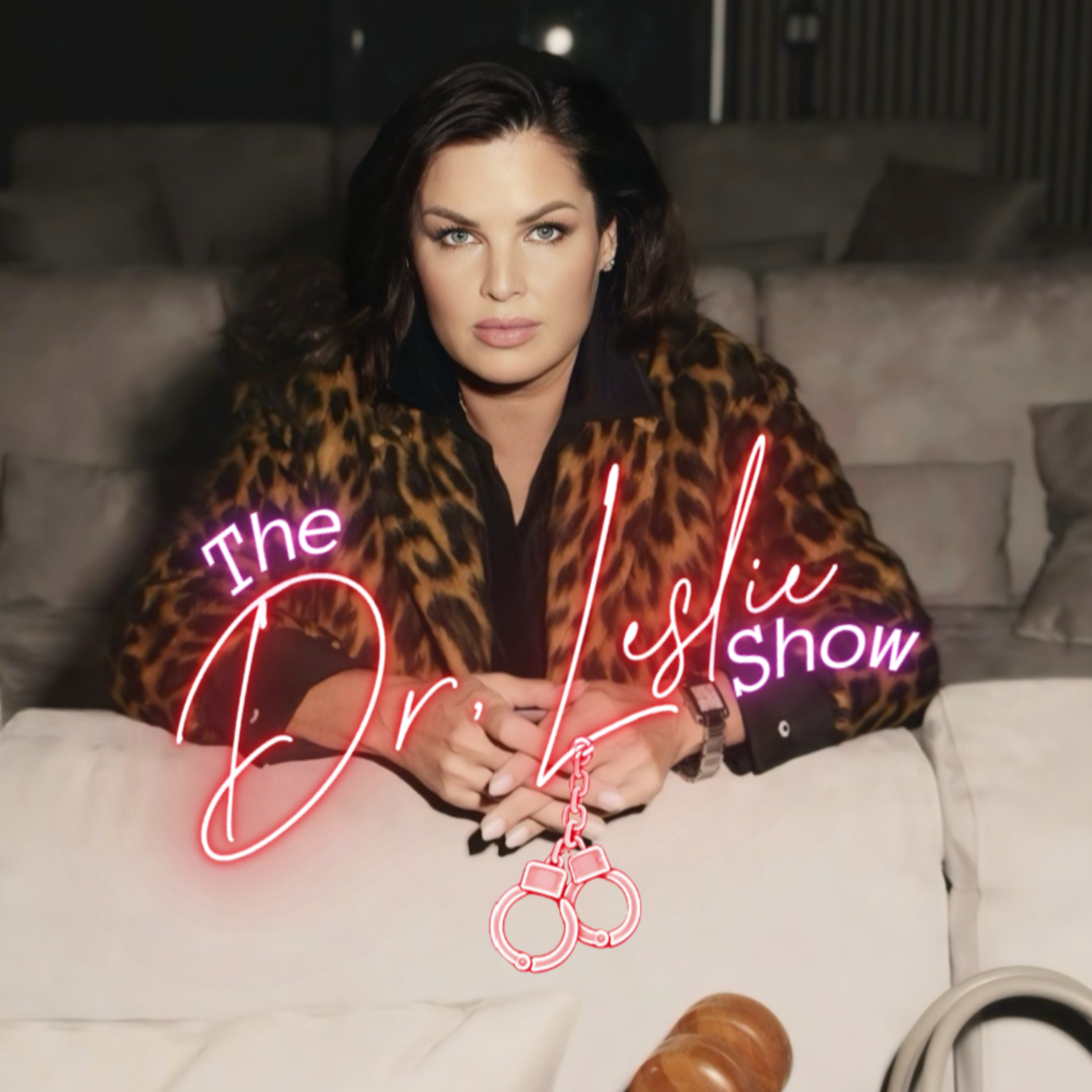
The Dr. Leslie Show
Hosted by Dr. Leslie Dobson · EN
This isn’t bedtime reading — it’s your favorite dose of chaos, crime, and dark comedy at humanity’s expense, all served with a heavy pour of sarcasm and satire.
Dr. Leslie takes you straight into the messiest media cases dominating the headlines — and dissects them down to their twisted core and exposes just how thin the line is between tragedy and entertainment… thinner than anyone wants to admit. After years as a forensic and clinical psychologist (and an impressively low tolerance for bullshit), Dr. Leslie is here to make sense of the madness… or at least make you laugh at it.
46episodes
Episodes
Newest firstAll episodes
Postpartum Psychosis: The Lindsay Clancy Case
Yesterday00:23:28Summary readyThe Lindsay Clancy trial is forcing the country to confront one of the most misunderstood psychiatric conditions: postpartum psychosis.In this episode, Dr. Leslie breaks down the psychology behind the case, the critical differences between postpartum depression and postpartum psychosis, and what the legal standard for Not Guilty by Reason of Insanity actually requires. She also explores how maternal mental health, medication, and the justice system intersect—and why understanding the science behind this tragedy matters far beyond a single courtroom.This is one of the most complex and emotionally charged cases in recent memory, and the conversation deserves facts, not assumptions.
SummaryMourning the loss of the relationship you thought you had
Jul 200:18:06Summary readyLeaving a toxic relationship often means grieving someone who never truly existed. In this episode, Dr. Leslie explores why survivors mourn the illusion created through manipulation and love bombing, why grief and relief can coexist, and how rebuilding your sense of reality is one of the most important steps in healing. If you've ever questioned your emotions after leaving, this episode is for you.
SummaryTwo Forensic Psychologists, One Marriage, Zero Filter
Jun 3000:35:28Summary readyAfter years of convincing, Dr. Leslie finally got her husband, Wes—a fellow clinical and forensic psychologist—on the podcast. In this special episode, they answer your questions about marriage, parenting, conflict, internet trolls, and what it's really like living with two forensic psychologists under one roof. It's insightful, unfiltered, unexpectedly funny... and yes, somehow the conversation ends with eyeballs being pulled out.
SummaryDV Relationship - Staying for the kids? It's harming them more than you know.
Jun 2700:23:11Summary readyMany people stay in abusive relationships believing it's better for the children to have both parents at home. But the science tells a very different story. In this episode, Dr. Leslie explores how witnessing domestic violence and coercive control can profoundly impact a child's developing brain, emotional health, and future relationships. Learn why safety—not simply keeping a family under one roof—is one of the greatest gifts you can give your children.
SummaryJust left a DV relationship? Here’s what to do next.
Jun 1100:40:23Summary readyLeaving an abusive or controlling relationship isn’t the end of the story—it’s the beginning of a difficult healing process. In this episode, Dr. Leslie explains why anxiety often increases after leaving, how your nervous system adapts to life after survival mode, and why grief and relief can exist at the same time.We also discuss practical safety planning, digital security, and the steps victims can take to protect themselves while rebuilding their lives. If you're navigating life after abuse—or supporting someone who is—this episode is for you.
SummaryHow to Identify Narcissistic RED FLAGS and GET OUT
Jun 400:36:34Summary readyI'm going to show you how to spot a narcissist, react to red flags and get out! I highlight how to spot a narcissist before they can manipulate you, emphasizing the importance of recognizing red flags early. Love bombing, gaslighting, minimization, cycle of tension, red flags, and how to safely leave.
SummaryUnderstanding Coercive Control & Manipulation in Relationships
May 2800:28:29Summary readyCoercive control isn’t always loud, violent, or obvious. Sometimes it looks like “love,” protection, jealousy, or concern — while slowly isolating, manipulating, and psychologically trapping a victim.In this episode, Dr. Leslie breaks down the hidden signs of coercive control, why victims are so often misunderstood, and how psychological manipulation can be more dangerous than physical violence itself.Using real-world and celebrity cases, this episode explores the power dynamics, emotional conditioning, and subtle tactics that keep victims stuck — and why society still struggles to recognize it in real time.
SummaryThe Psychology Behind Smear Campaigns: How They Shape Public Perception
May 2100:35:31Summary readySmear campaigns are rarely random...They are calculated psychological attacks designed to manipulate public perception, destroy credibility, and isolate a target through misinformation, outrage, and repetition.From fake accounts to strategic leaks and coordinated narratives, social media has made it easier than ever to turn suspicion into “truth” before facts ever catch up.As a forensic psychologist, I’ve seen how quickly people can be dehumanized when emotion overrides critical thinking.Stay aware.Question narratives.And remember: public opinion is often shaped long before evidence is fully understood.
SummaryUnderstanding the Psychology of Predators in Positions of Power from a Forensic Psychologist
May 1400:19:23Summary readyPredators don’t accidentally end up in positions of power. Many actively seek them out.Why? Access. Credibility. Control. Protection from scrutiny.Teachers, coaches, religious leaders, mentors — authority can become the perfect cover for manipulation when no one is paying attention.Stop teaching blind trust in authority. Start teaching situational awareness, boundaries, and critical thinking instead.The red flags are usually there long before the headlines are.— Dr. Leslie | Intentionally Disturbing
SummaryAnnie Elise & Epstein Files Part 2: They Got Away With It…Who's Protecting Them?
Mar 2201:16:31Summary readyThank you to Annie Elise for having me back to continue our conversation on Epstein.We’re diving deeper into the unfolding investigations surrounding the newly released files—going beyond the headlines and into the details that matter. Together, we break down the latest developments, unpack the unanswered questions, and examine what these revelations could mean moving forward.This is the inside look you don’t want to miss…
Summary