
Podcast
Iron Foundry by Terra API
Hosted by Kyriakos Eleftheriou · EN
Kyriakos Eleftheriou, the founder and CEO of Terra API speaks with some of the best founders and CEOs in the space of health and fitness, to learn how the best are building their businesses.
At TERRA API, we are on a mission to enable developers to connect and create solutions by using health data.
16episodes
Episodes
Newest firstAll episodes
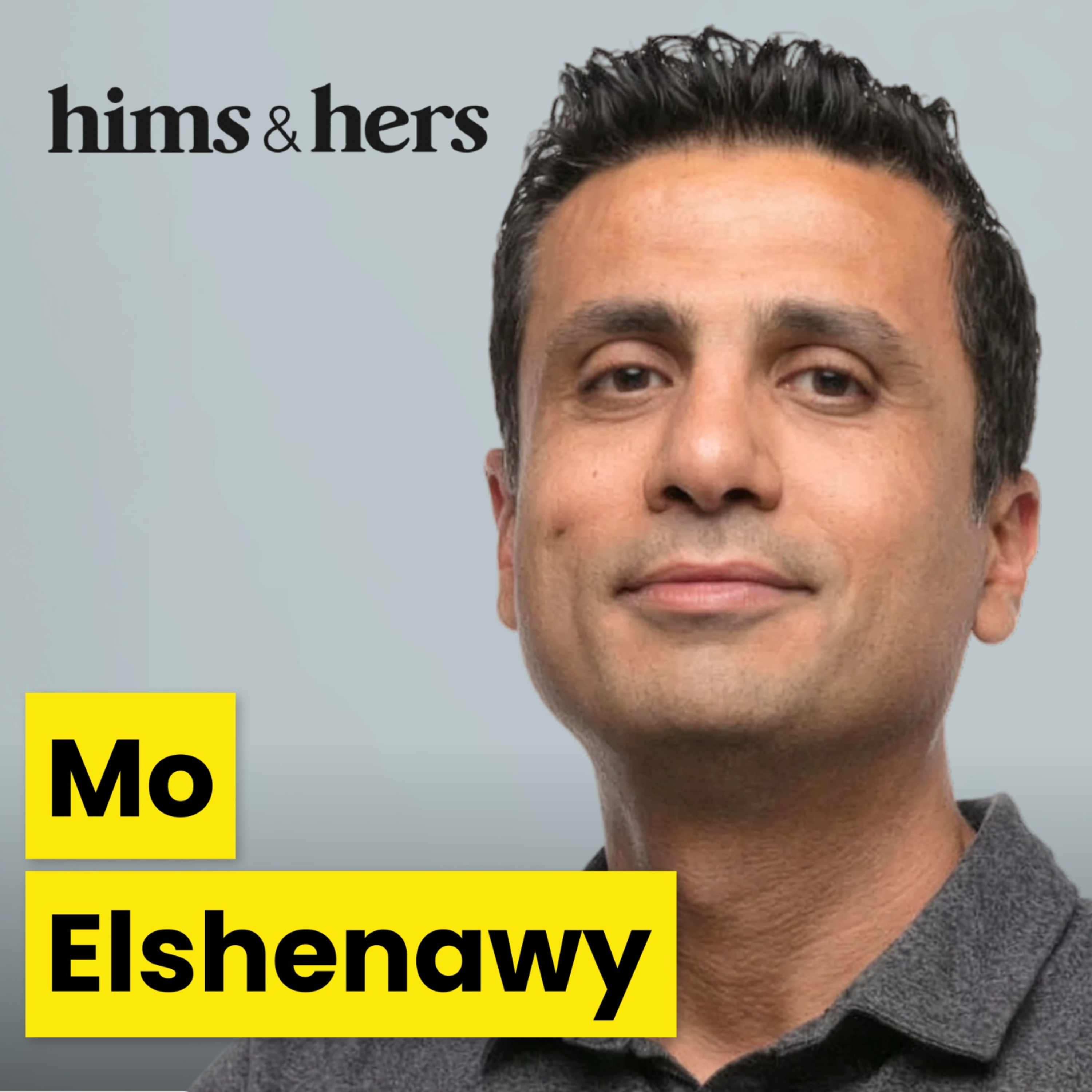
Hims & Hers CTO: Mo Elshenawy
6d ago00:58:33Tap to summarizeMo Elshenawy helped put driverless cars on San Francisco streets as President and CTO of Cruise.Now CTO of Hims & Hers, he joins Kyriakos to explain why rebuilding healthcare is harder.They discuss closed-loop healthcare, clinical guidelines as code, when AI should remain silent, and whether AI will replace doctors.Mo’s argument: models commoditize. Data and workflow compound.At 25:13, Mo introduces Hims & Hers’ new AI weight loss companion.CHAPTERS(00:00) The Chessboard That Started It All(02:22) AI Changed the Cost of Building(04:17) Healthcare Is Harder Than Self-Driving(06:13) Twice the Cost. 3.7 Fewer Years.(09:17) Conviction Before Driverless Worked(13:47) The Lunch That Changed His Career(15:25) Healthcare Is Actually Sick Care(18:03) Write Your Own Onboarding Plan(19:43) AI Without a Platform Is Demoware(23:06) Why OpenAI Can’t Close the Loop(25:13) Hims’ AI Weight Loss Announcement(28:42) Silence Is a Feature(31:53) Clinical Guidelines as Code(33:32) Most AI Benchmarks Are Theater(36:12) Models Commoditize. Workflow Compounds.(38:46) AI Will Not Replace Doctors(44:37) AI Makes Bad Engineers Worse(48:15) Healthcare Is Still Blockbuster(52:00) Is Hims Getting Into Peptides?(54:06) Concierge Care in Everyone’s Pocket(58:46) AI Destroys the Excuse Not to BuildMore episodes
Transcribe →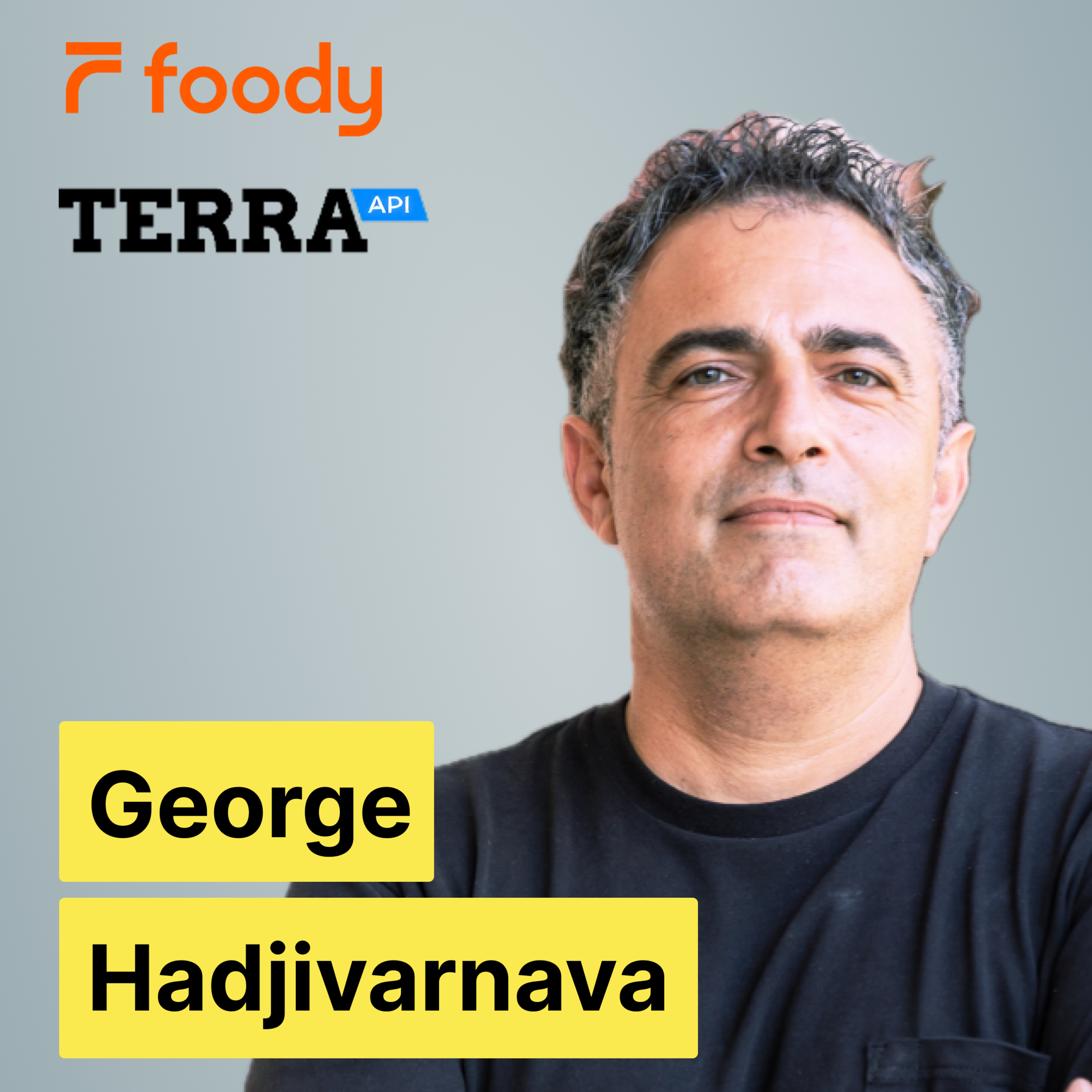
George Hadjivarnava: Founding Foody, and building AI at Terra
Jul 301:23:59Tap to summarizeGeorge Hadjivarnava co-founded Foody as CTO with no VC money, made it profitable in under 2 years, and sold it to Delivery Hero in the biggest tech acquisition in Cyprus.Scaling through COVID from restaurant menus to full supermarkets, total downtime: 45 minutes.Now he leads engineering strategy at Terra and he believes the next infrastructure layer won't be built for developers at all.Why in two years 90% of Terra's customers will be agents instead of developersWhy MCPs didn't invent anything new, and the missing layer that transfers intent instead of commandsWhy nothing performs well past 100k tokens despite 1M context windowsThe decision log: AI's most underrated asset inside a companyBootstrapping Foody from phone orders and cash payments to a national exitCompressing hiring from 3 weeks to 1 day with 30,000 applications a yearThe 24/7 AI health system: even a billionaire's team of doctors goes to sleep(0:00) Intro(1:30) Startup ecosystem in Cyprus: more incubators than startups(7:20) Why ecosystems compound(23:00) Flunking Imperial and building websites to pay rent(29:00) Foody's first version: phone orders, cash only(39:35) The Delivery Hero acquisition and COVID scaling(43:05) 45 minutes of total downtime(44:45) You can one-shot an app. You can't one-shot 100M users(50:25) Joining Terra(56:40) The missing agent layer: intent, not commands(1:02:50) The 24/7 AI health system(1:09:35) The 90% agents prediction(1:11:05) Hiring compressed from 3 weeks to 1 day(1:15:35) The decision log: building a company brain(1:19:10) Why 1M context windows are marketing(1:26:35) Three changes to become a real technology hub
Transcribe →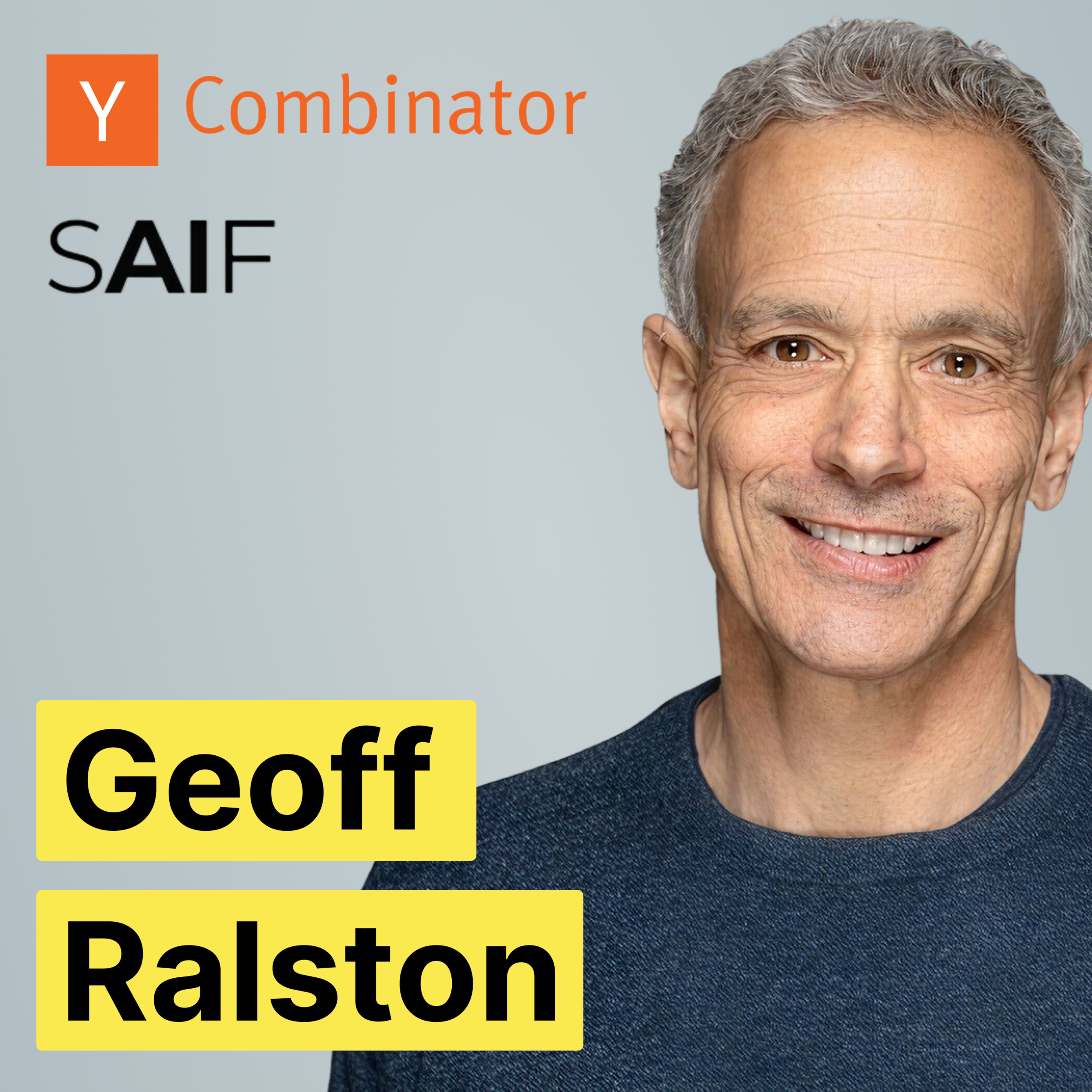
Former Y Combinator President | Geoff Ralston
Jun 101:06:25Tap to summarizeGeoff Ralston built Rocket Mail before Yahoo Mail existed, built Lala before Spotify worked in America, sat in Steve Jobs' living room to get an acquisition approved, and ran Y Combinator as President. Now he says the most important thing he's ever worked on is making sure AI doesn't kill us.In this episode with Kyriakos Eleftheriou, Geoff speaks about YC, SAIF, the Yahoo acquisition, and the top learnings after decades in silicon valley00:00 Introduction03:45 The $70K bet that built Sand Hill Road06:07 Early to every wave06:59 "The most important thing I've ever worked on"08:18 Timing is luck. Here's how to get lucky anyway10:46 Quitting HP the day he saw the Mosaic browser15:39 Paul Graham's "packets of cash" acquisition rule19:35 The Yahoo revolt that almost killed the deal33:45 Zuck killed Facebook Music in one sentence39:05 Why Steve Jobs offered him a job — and why he said no45:40 Running Y Combinator50:37 Steve Jobs' real superpower54:06 Why AI is more dangerous than people think01:01:15 Peter Thiel is wrong about competition01:03:31 Marc Andreessen is wrong about introspection--Full podcast and writeup → Geoff Ralston on early YC, AI risk, and why Thiel is wrong about competition
Transcribe →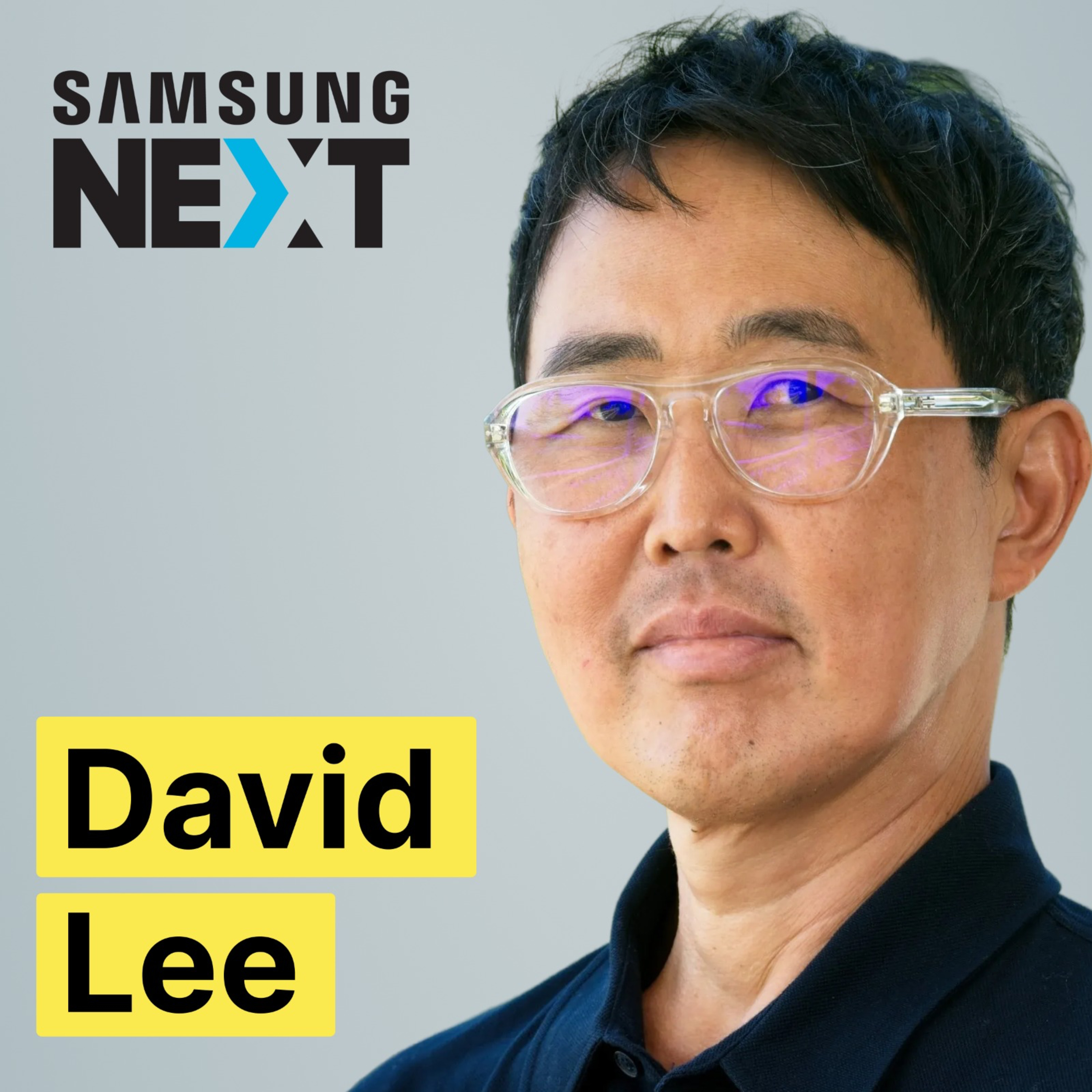
Head of Samsung Next: David Lee - Live in LA
May 100:42:49Tap to summarizeBy the age of 25, David Lee survived stage 4 lymphoma. Not only did he not let it stop him, he worked early in Google, became a partner at SV Angel during the Airbnb / Twitter / Dropbox / Snapchat era, and now leads Samsung Next. In the latest discussion with Kyriakos Eleftheriou in Los Angeles, they discussed:CHAPTERS(00:00) Introduction (02:30) Why digital health still hasn't had its "reusable rocket"(07:00) "Law school is coding for your mind"(08:30) How Elon, Dorsey and Belichick boil any problem down to 3 things(11:00) Telling Yo-Yo Ma from a college cellist — how to spot real talent(14:00) The NFL gets the #1 pick wrong 50% of the time — so how do you pick founders?(16:30) Most pro athletes are scared in big games(19:30) Without a killer product, you have no strategy(22:00) Vanity beats health — why no one wears the clunky device(29:00) Your kids will never do what you tell them — they copy what you do(32:30) Jensen Huang, Saturdays, and why the top person sets everything(37:30) The "red zone of intelligence" AI will never touch(38:30) Why the great fitness instructor gets paid more in the AI era(40:30) Why VC is the wrong financing model for the next decade(41:30) Mike Ovitz and CAA — the playbook for winning in AIFull podcast and writeup → David Lee on Samsung Next, picking founders, and building inside a giant
Transcribe →
Chief Growth Officer of HYROX: Douglas Gremmen
Apr 801:04:17Tap to summarize42,000 tickets for one New York event. 15,000 gym affiliates. $0 spent on influencers. HYROX CGO Douglas Gremmen joins Kyriakos, CEO of Terra API , at the Connected Health Summit in Stanford to talk through what actually drove that — and what didn't work.The US was their first market outside Germany and their hardest. Three years of losses. A single Lance Armstrong weekend changed the momentum — not because they paid him, but because he just turned up. The gym affiliate program started as inbounds with no structure; it's now the foundation of a bet to reach 100 million people. The CrossFit comparison gets a real answer, not a PR one.But the most interesting parts are the early decisions: rejecting the $2 race t-shirt, the photo package that created the organic flywheel, and a simple principle — invest in the event experience and don't run paid marketing.00:00 Welcome to Stanford01:46 Running HYROX at a Conference & the "Bubble" Moment03:48 The Sweaty Barrier to Participation Problem05:44 Douglas's Backstory: Sports Marketing & How HYROX Was Born08:59 From First Event in Hamburg to Leading Global Expansion10:29 Early Growth: The Van, T-Shirts, Red Bull & the Photo Flywheel12:36 Global Expansion: Japan, Brazil, India & Getting on the Calendar14:56 Why the US Was the Hardest Market to Crack17:28 Losing Money in America — Keeping Belief When the P&L Doesn't Work19:09 The Lance Armstrong New York Bet: $1M & 30M Impressions20:27 Influencers at HYROX: Always Organic, Never Paid21:52 Scaling to 42,000 Tickets: 9 Days of Racing Bigger Than NYC Marathon23:45 Building Operations: Christian Tutske's Eye for Detail25:39 Why Athletes Keep Coming Back: Community & Identity28:00 HYROX 365: From Events Company to 15,000-Gym Affiliate Business30:54 Accelerating Gym Growth: Big Box Operators & Chicken-and-Egg Dynamics34:27 HYROX as a Gym Retention Play: Coach Education & Member Stickiness36:49 Fragmented Gym Tech & the Data Opportunity38:23 HYROX vs. CrossFit: Honest Comparison & 1,500 Shared Affiliates43:10 The Pickleball Analogy: Low Barrier + Social + Price = Rocket Ship46:49 The Path to 100 Million People: Events, Gyms & Knowing Who Trains49:50 HYROX x Puma: Building a Fashion Brand & the First Dedicated Shoe54:14 Contrarian Take on the Future of Fitness: Back to Fundamentals56:35 Physical Events vs. Social Media: Why Credibility Is Harder to Fake59:11 Post-COVID Perfect Storm & Tickets Selling Out as the New Challenge01:01:09 Where Will HYROX Be in 5 Years? Formula One, Olympics 2032 & 100M PeopleFull podcast and writeup → Douglas Gremmen on selling 42,000 tickets in a day and scaling HYROX to 15,000 gyms
Transcribe →
CTO + Director of AI at Flo Health: Roman Bugaev + Vladislav Nedosekin
Mar 201:41:31Tap to summarizeIn the latest episode, Kyriakos Eleftheriou sat down with Roman Bugaev , CTO of Flo and Vlad Nedosekin Director of AI Platform, at the Terra API HQ in London, to discuss how they built the top health AI platform globally for women's health.CHAPTERS(0:00) Intro — Flo Health: From 20 People to 80 Million Users(1:02) How Flo became the fastest-growing health company in the world(1:48) Roman's early days: 20 employees, no revenue, product-market fit(3:15) How did you know the product was a hit?(3:25) The underserved women's health market — everyone was building Uber alternatives(4:31) First ML: neural networks for cycle and symptom prediction(5:31) Product evolution — from symptom tracking to AI-powered insights(5:38) Building chatbots inspired by how doctors ask questions(9:18) A/B testing at scale — Flo's custom experimentation platform(11:43) Engineering structure: autonomous two-pizza teams(13:51) Team mistakes — why separate mobile and backend teams failed(15:29) Scaling from 4 servers to 600 services and petabytes of data(17:53) "Whenever it's possible, we are NOT doing AI" (23:15) Why temperature data is critical for ovulation prediction(25:09) Why Flo is the most accurate period tracker — data diversity advantage(28:04) Competition: "We don't really have real competitors"(29:00) AI content creation — generating personalized medical articles(31:01) Hallucinations vs. conflicting medical sources(32:34) The three-person blind test: when AI disagrees with humans (35:10) AI is more consistent than clinicians — but biased against women (36:52) Fine-tuning open-source models on synthetic women's health data(38:25) User profile: the foundation of Flo's personalization(41:19) The digital avatar — your AI health twin that notices what you don't (43:09) AI router: like a GP triage system for language models (46:04) Router also controls tone of voice and remembers past conversations (47:29) "Evaluation, evaluation, evaluation" — how Flo picks models (48:40) Model stability: why proprietary model updates are dangerous for medical AI (51:01) Anonymous mode: privacy that enables AI instead of blocking it (53:49) On-device ML for the most sensitive health data(56:03) Cloudflare outage — "when everyone is down, you're allowed to be down"(56:58) Fine-tuning Llama 7B on Databricks — 10,000+ GPU hours per run(58:07) Training vs. inference cost breakdown(59:45) 100,000-token prompts: the hidden cost of medical AI (1:01:05) Build vs. buy: "Build your competitive advantage, buy everything else"(1:04:47) Value creation vs. value capture teams(1:07:04) The future: AI that knows you better than you know yourself(1:09:00) Time series models: the future of health prediction from wearables (1:10:38) Q&AFull podcast and writeup → Roman Bugaev and Vladislav Nedosekin on scaling Flo Health to 80M users and shipping AI in femtech
Transcribe →
Glovo and Yellow.vc co-founder, Sacha Michaud
Jan 1801:25:25Tap to summarizeIn this episode, Kyriakos Eleftheriou, Terra API CEO sits down with Sacha Michaud, co-founder of Glovo, one of the biggest tech successes in the European tech ecosystem,and Yellow.VC, an early-stage fundSacha shares the journey of building the on-demand delivery service from its inception in Barcelona to its expansion across 25 countries and a $2.3 billion acquisition. He discusses the initial challenges of fundraising, competing against larger companies, and the importance of passion and culture in building a successful team. Michaud reflects on the early days of Glovo, where they experimented with a simple app that allowed users to order anything from the city, leading to unexpected viral growth despite initial losses. He emphasizes the significance of adapting to market needs and the evolution of Glovo's business model over the years, particularly during the COVID-19 pandemic, which accelerated the demand for grocery delivery.Chapters00:00 Introduction02:29 The Birth of Glovo: From Idea to Launch05:59 Viral Growth and Initial Operations12:06 Realizing the Potential of Glovo21:39 Expanding into New Markets38:55 Navigating Competition and Strategic Decisions50:39 The $2.3B Acquisition55:00 Yellow, and investing in new startups01:04:11 AI and Future Trends in DeliveryFull podcast and writeup → Sacha Michaud on building Glovo into a $2B delivery giant and now backing founders at Yellow.vc
Transcribe →
Thriva CTO: Tom Livesey
Oct 2100:55:08Tap to summarizeIn this conversation, Kyriakos Eleftheriou is joined by Tom Livesey, CTO and co-founder of Thriva, who discusses the journey of his health tech company, which has transformed the way individuals monitor their health through innovative blood testing solutions. He shares insights on the challenges faced during the startup phase, the impact of COVID-19 on their operations, and the importance of consumer awareness in health diagnostics. Tom emphasizes the need for personalization in health insights and the role of technology in improving user experience. He also touches on the fundraising journey, navigating the NHS landscape, and the future of health tech.Chapters00:00 Intro02:44 Navigating the Challenges of Health Testing05:30 The Evolution of Thriva's Product Offering08:33 Fundraising Journey: From Startup to Success11:15 COVID-19: A Catalyst for Change14:11 The Future of Health Diagnostics16:53 Building a Sustainable Business Model19:29 Customer Acquisition and Marketing Strategies22:27 The Role of Technology in Health Monitoring24:56 The Impact of Consumer Awareness on Health27:32 The Next Decade: Predictions for Health Tech30:35 Addressing Consumer Anxiety in Health Testing33:15 The Importance of Personalization in Health Insights36:06 Navigating the NHS Landscape39:00 The Future of Home Testing and DiagnosticsFull podcast and writeup → Tom Livesey on going from a shed behind a hackle tree to 4M blood tests and powering the NHS
Transcribe →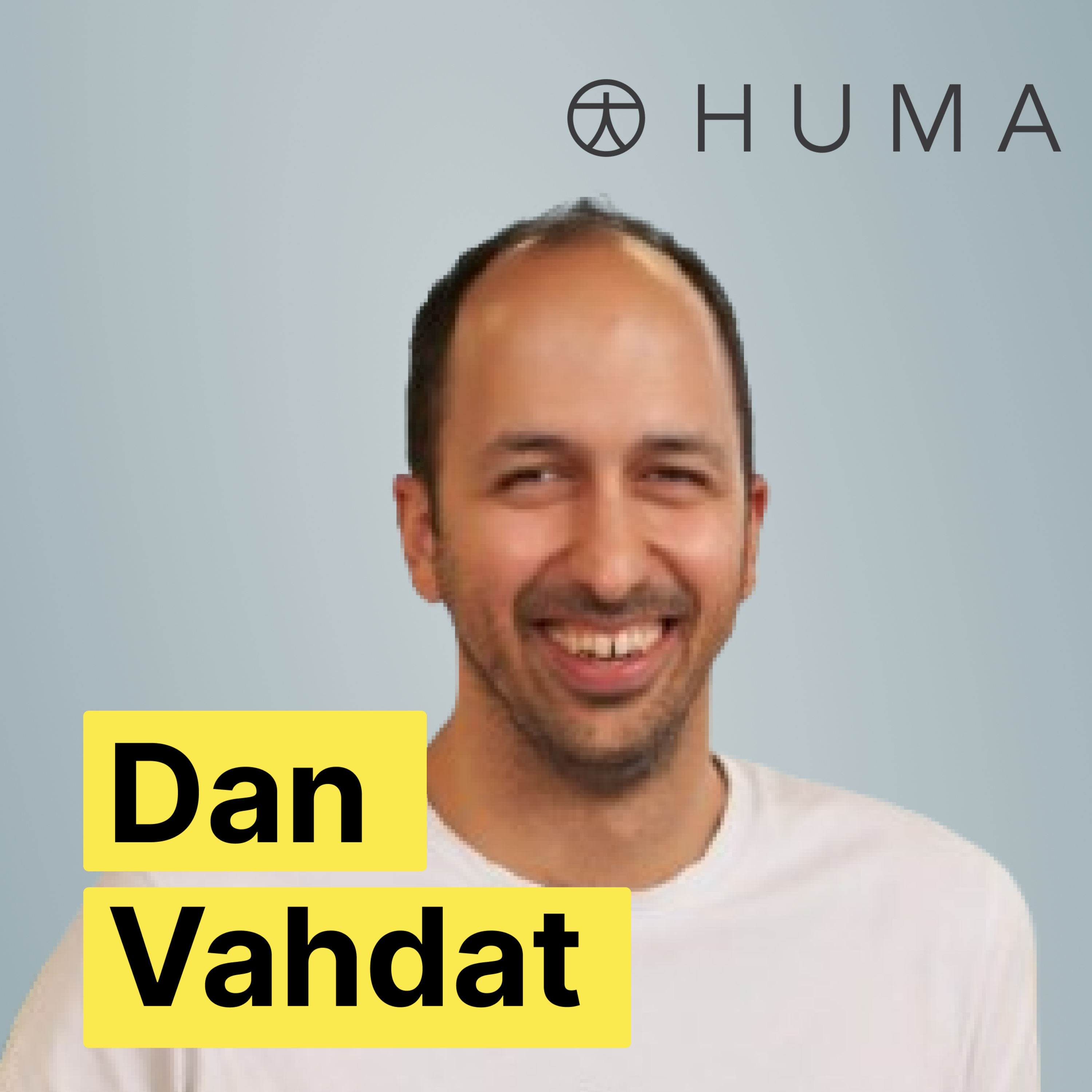
Huma CEO: Dan Vahdat
Sep 2101:37:06Tap to summarizeThe first Iranian entrepreneur to build a company worth over $1B in Europe, Dan Vahdat, founder of Huma, is joining Kyriakos Eleftheriou, founder of Terra APIThey discuss:00:00 - Intro02:10 - Communicating with @EmmanuelMacron and @kmitsotakis08:55 - Why are Greece and Persia not empires today13:40 - How the best people look like18:30 - Short-term vs long-term thinking24:27 - Dropping out of PhD26:57 - The first months of Huma32:00 - Early days32:27 - 'I never had the ego of being turned down'34:00 - First customers37:21 - How to price expensive contracts48:30 - Regulation as a moat59:10 - Raising $300m from partners instead of VC1:02:58 - AI1:06:00 - Storytelling advice1:09:55 - Running1:14:32 - Cyrus, Darius, and Achaemenid inspirations1:19:23 - The future
Transcribe →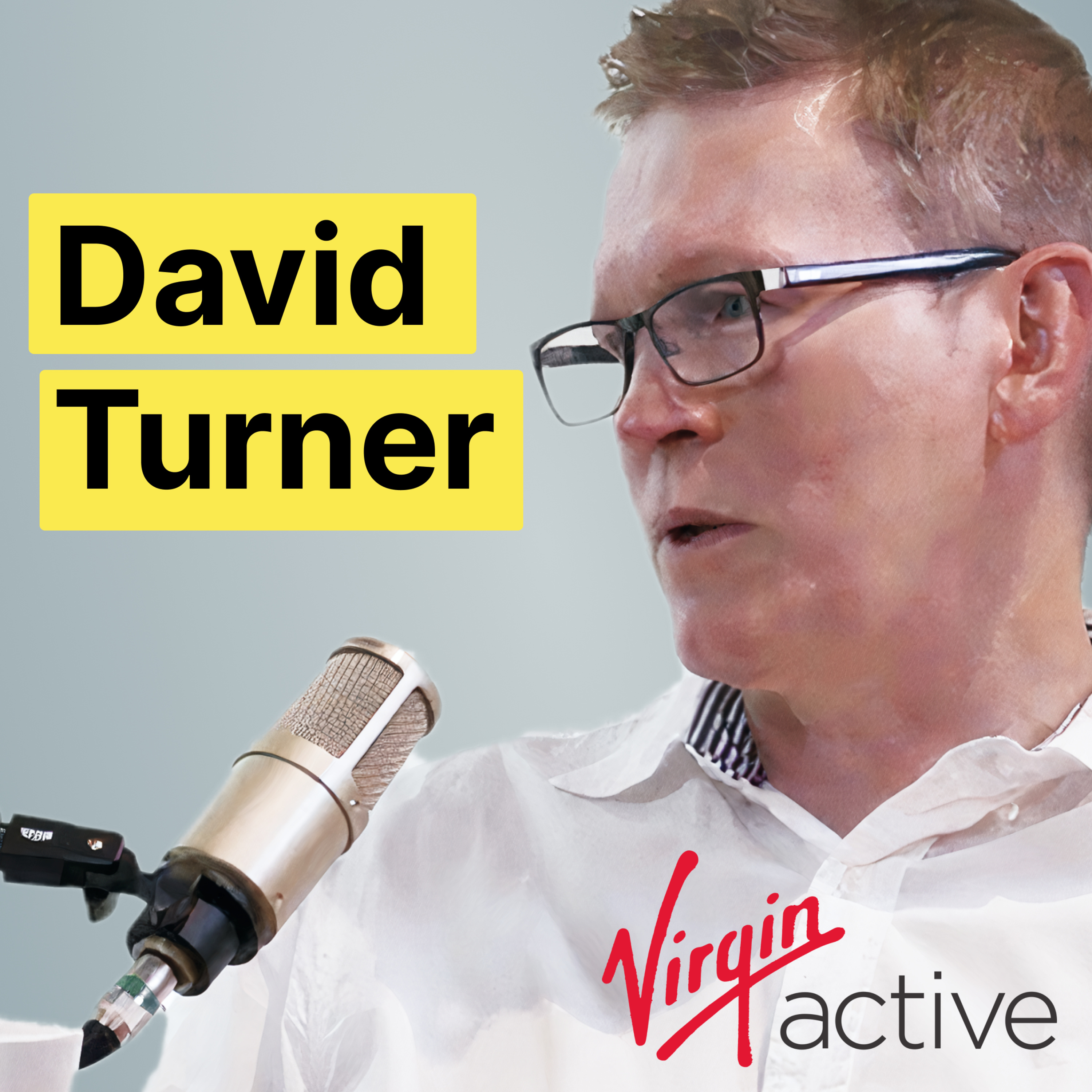
Virgin Active CTO: David Turner
Sep 500:59:40Summary readyDavid Turner is the Group CTO of Virgin Active, a global health brand with more than 230 fitness clubs across 8 countries. He previously led NHS tech during Covid.The host: Kyriakos More about Virgin Active00:00 - Intro01:26 - UK Tech05:33 - F1 telemetry vs fitness data07:33 - Betting + health data09:30 - Getting into software engineering13:51 - Inside NHS tech: joining mid-Covid chaos14:00 - Leading the NHS Covid digital response, 24/720:56 - Building national-scale testing tech24:49 - The real data engine behind the Covid travel pass26:00 - Virgin Active after NHS30:40 - Inside Virgin clubs tech33:40 - 360° member view41:40 - Rewards45:19 - Why true gym innovation came from outsiders54:40 - Advice to young engineers: fail fast, fail often58:17 - The future of health: your constant digital twin
Summary