
Podcast
It's Been a Minute
Hosted by NPR · EN
Want in on a secret? Your likes and dislikes didn't develop by accident. There are subtle and not-so-subtle forces around you, shaping what you think, how you act, and even who you think you are. Brittany Luse is here to break the spell and help you feel wiser in a society that makes things blurry.
THE BEST POP CULTURE PODCAST AWARD WINNER AT THE 2025 SIGNAL AWARDS
It’s Been A Minute with Brittany Luse is the best podcast for understanding what’s going on in culture right now, and helps you consume it smarter. From how politics influences pop culture to how identity influences tech or health, Brittany makes the picture clearer for you every Monday, Wednesday, and Friday.It’s Been A Minute reaches millions of people every week. Join the community and conversation today.
Support public media by joining NPR+ at plus.npr.org. You’ll get perks for over 25 NPR podcasts, including sponsor-free listening for It's Been A Minute.
THE BEST POP CULTURE PODCAST AWARD WINNER AT THE 2025 SIGNAL AWARDS
It’s Been A Minute with Brittany Luse is the best podcast for understanding what’s going on in culture right now, and helps you consume it smarter. From how politics influences pop culture to how identity influences tech or health, Brittany makes the picture clearer for you every Monday, Wednesday, and Friday.It’s Been A Minute reaches millions of people every week. Join the community and conversation today.
Support public media by joining NPR+ at plus.npr.org. You’ll get perks for over 25 NPR podcasts, including sponsor-free listening for It's Been A Minute.
143episodes
Episodes
Newest firstAll episodes
Are you a "high agency" person?
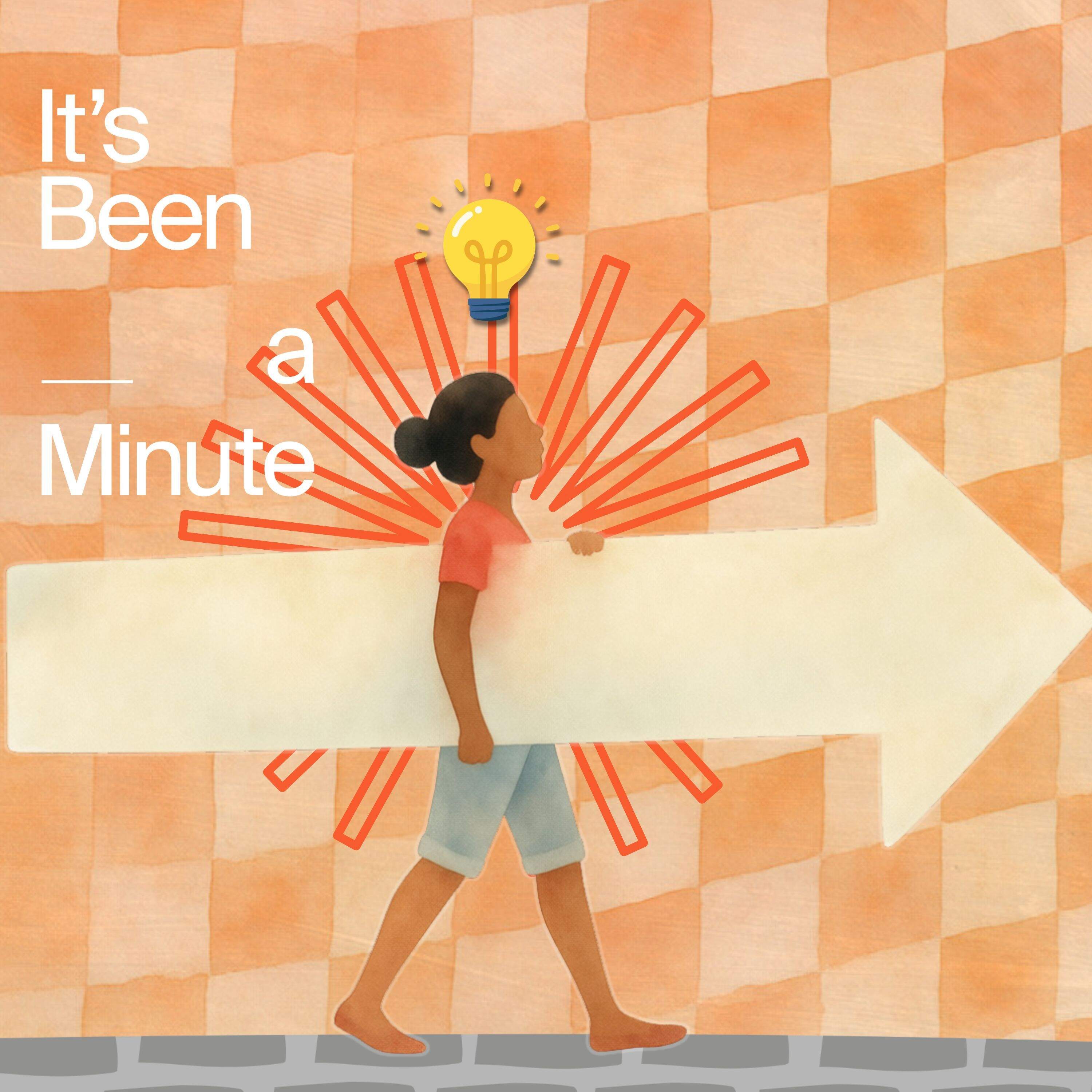
May 1800:21:27Tap to summarizeAre you a “high agency” person?The tech world has been buzzing about the benefits of being a “high agency” person: someone who doesn’t wait for permission to pursue their own agendas. And that idea has been trickling out into the wider culture - for instance, posts that say things like “you can just do things,” or “when you remember you have free will.” High agency's wider appeal speaks to some of our biggest anxieties and existential questions, like: do we have control over our lives? And what do we risk to achieve the things we want?Brittany is joined by Sophie Haigney, a journalist and critic who wrote about high agency for The New York Times, and Max Read, a journalist and editor of the Read Max newsletter, where he covers trends, tech, politics and culture.(00:00) Are you a "high agency" person?(03:09) High agency's appeal in Silicon Valley(06:33) High agency people vs. agentic AI(11:27) Do we really have control over our own lives?(14:11) High agency and the gambler's mindset(19:01) When high agency means logging offFor more episodes about agency in our modern world, check out:The joy of breaking up with dating appsThe high cost of getting food delivered.Make life harder (and better): Learn another language.Support Public Media. Join NPR Plus.Follow Brittany on Instagram: @bmluseFor handpicked podcast recommendations every week, subscribe to NPR’s Pod Club newsletter at npr.org/podclub.See pcm.adswizz.com for information about our collection and use of personal data for sponsorship and to manage your podcast sponsorship preferences.NPR Privacy Policy
Transcribe →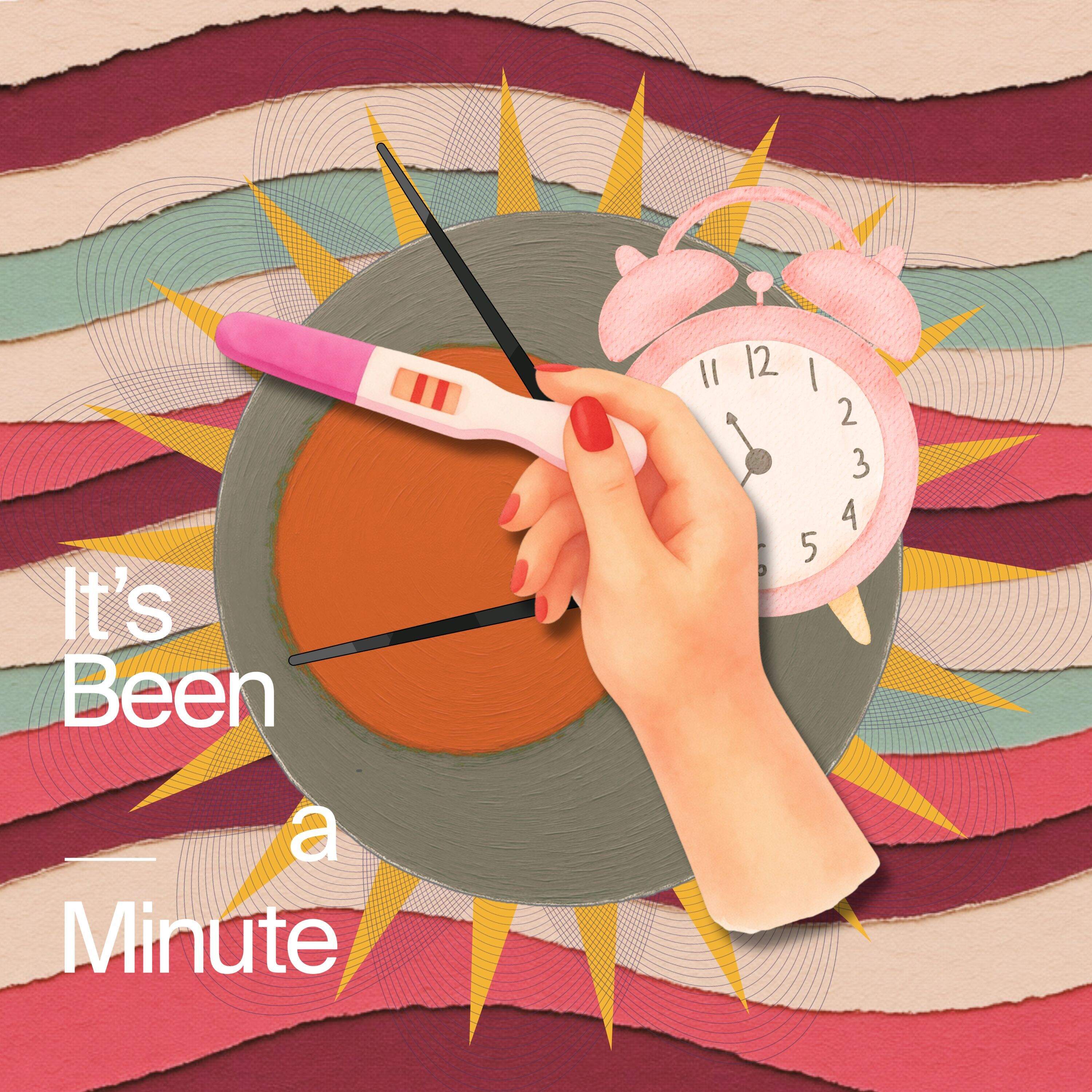
Is the 'biological clock' just one big scam?
May 1500:21:15Tap to summarizeHow does it feel to be called hostile?What about barren? Inhospitable? Geriatric? These are all words women over the age of 35 have heard in doctor's offices for decades to describe their reproductive health as they explore options for childbirth. The terminology has been changing, but for some, not quickly enough. When the culture is pushing for more humane ways to talk about women's bodies, how long will it take modern medicine to catch up? Brittany talks with Rachel E. Gross, author of Vagina Obscura: An Anatomical Voyage to understand what the use of these words reveal about our cultural expectations of pregnant people.Want more on the culture of women’s health? Check out these episodes:Sex is pleasurable. It should feel safe too.The key to thriving later in life: menopauseSupport Public Media. Join NPR Plus.Follow Brittany on Instagram: @bmluseFor handpicked podcast recommendations every week, subscribe to NPR’s Pod Club newsletter at npr.org/podclub.See pcm.adswizz.com for information about our collection and use of personal data for sponsorship and to manage your podcast sponsorship preferences.NPR Privacy Policy
Transcribe →
You can break the cycle of overthinking
May 1300:18:30Tap to summarizeIs social media giving you analysis paralysis? You’re not alone.In his new book, ‘Minor Black Figures,’ novelist Brandon Taylor explores this vicious cycle and what it does to our self-worth. His characters are artists hyperaware of how social media can make or break their careers - and how it affects the art they make too.In this episode, Brandon joins Brittany to talk through what it means to make art in a world of critics - online and off - and the beauty of giving yourself grace.This episode originally aired on October 15, 2025.Support Public Media. Join NPR Plus.Follow Brittany on Instagram: @bmluseFor handpicked podcast recommendations every week, subscribe to NPR’s Pod Club newsletter at npr.org/podclub.See pcm.adswizz.com for information about our collection and use of personal data for sponsorship and to manage your podcast sponsorship preferences.NPR Privacy Policy
Transcribe →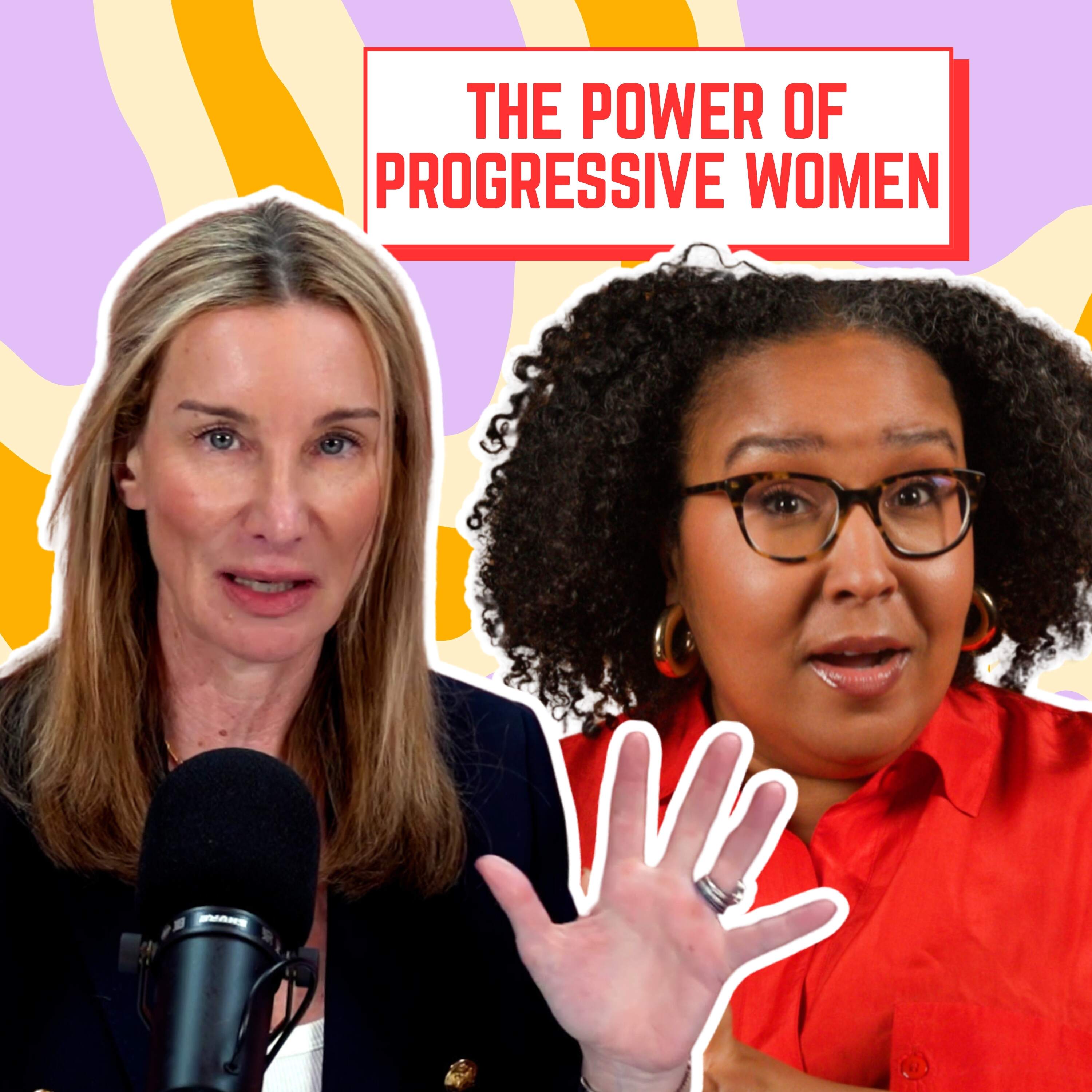
Progressive women are fed up & fighting back (feat. IHIP News)
May 1200:37:53Tap to summarizePolitical podcasting is said to be a men's game (and predominantly conservative). But two women stood up and said "I've had it!" Now they are revolutionizing political commentary in America.The hosts of the ‘I’ve Had It’ podcast: Jennifer Welch, a lifelong atheist, and Angie “Pumps” Sullivan, a former evangelical conservative, started their podcast to air petty grievances. But, as American politics got heated so did their podcast. Wine jokes became unfiltered takedowns of both Democrats and Republicans. In the process, they gained millions of followers and changed how the progressive media system works. And there's no slowing them down. Host Brittany Luse sits down with Jennifer and Angie to talk about the power women have for shaping politics, why women just can't let go of Trump, and how Democrats can actually listen to progressive women.(00:00) IHIP's success as an indictment of the Democratic party (03:16) Jennifer and Angie's personal political journey (10:30) White women leaving the right (15:11) Jennifer's journey to progressivism (20:45) Why IHIP's unfiltered approach resonates (25:00) Why Democrats like Jack Schlossberg seek out IHIP's platform (30:28) The importance of women's voices ahead of the midterms (35:03) Why we should pay attention to how women do their politicsSupport Public Media. Join NPR Plus.Follow Brittany on Instagram: @bmluseFor handpicked podcast recommendations every week, subscribe to NPR’s Pod Club newsletter at npr.org/podclub.See pcm.adswizz.com for information about our collection and use of personal data for sponsorship and to manage your podcast sponsorship preferences.NPR Privacy Policy
Transcribe →
Is your data getting colonized?
May 1100:28:13Tap to summarizeCan AI really do everything by itself?AI has impressed a lot of people with its output. But even though it’s sold as an autonomous, inhuman tool, there’s a lot of human work that goes into it. While that work does happen in the US, many AI laborers also live overseas – and get paid less to do it. Everything that goes into making AI function – from the data it feeds on to the labor that trains it – smacks of colonialism, according to some scholars and researchers. This has led to the emergence of the term "data colonialism." Is this comparison a fitting one, and what are the broader implications of data colonialism for society at large?First, Brittany chats with Sam Mallari, Network Content Strategy Manager on the NPR Member Partnership Team, about when she first noticed the human hands behind AI's work. Then, Brittany gets deeper into it with Regine Cabato, a freelance journalist based in the Philippines who’s written about AI laborers there for The Washington Post, and Ulises Mejias, professor at SUNY Oswego and co-author of the book Data Grab the New Colonialism of Big Tech and How to Fight Back.(00:00) Does AI really do everything by itself?(04:20) The human labor behind AI(06:46) The work conditions of overseas AI laborers(09:43) Why AI companies recruit some workers from the Global South(14:56) The narrative of AI's magic(18:04) Is AI shaped by colonialism?(24:53) Is an ethical generative AI possible?For more episodes about AI and modern life, check out:You might be suffering from AI brain fryMe and my partner don't see eye-to-eye about AI. Now what?The hard work of having "good taste"Support Public Media. Join NPR Plus.Follow Brittany on Instagram: @bmluseFor handpicked podcast recommendations every week, subscribe to NPR’s Pod Club newsletter at npr.org/podclub.See pcm.adswizz.com for information about our collection and use of personal data for sponsorship and to manage your podcast sponsorship preferences.NPR Privacy Policy
Transcribe →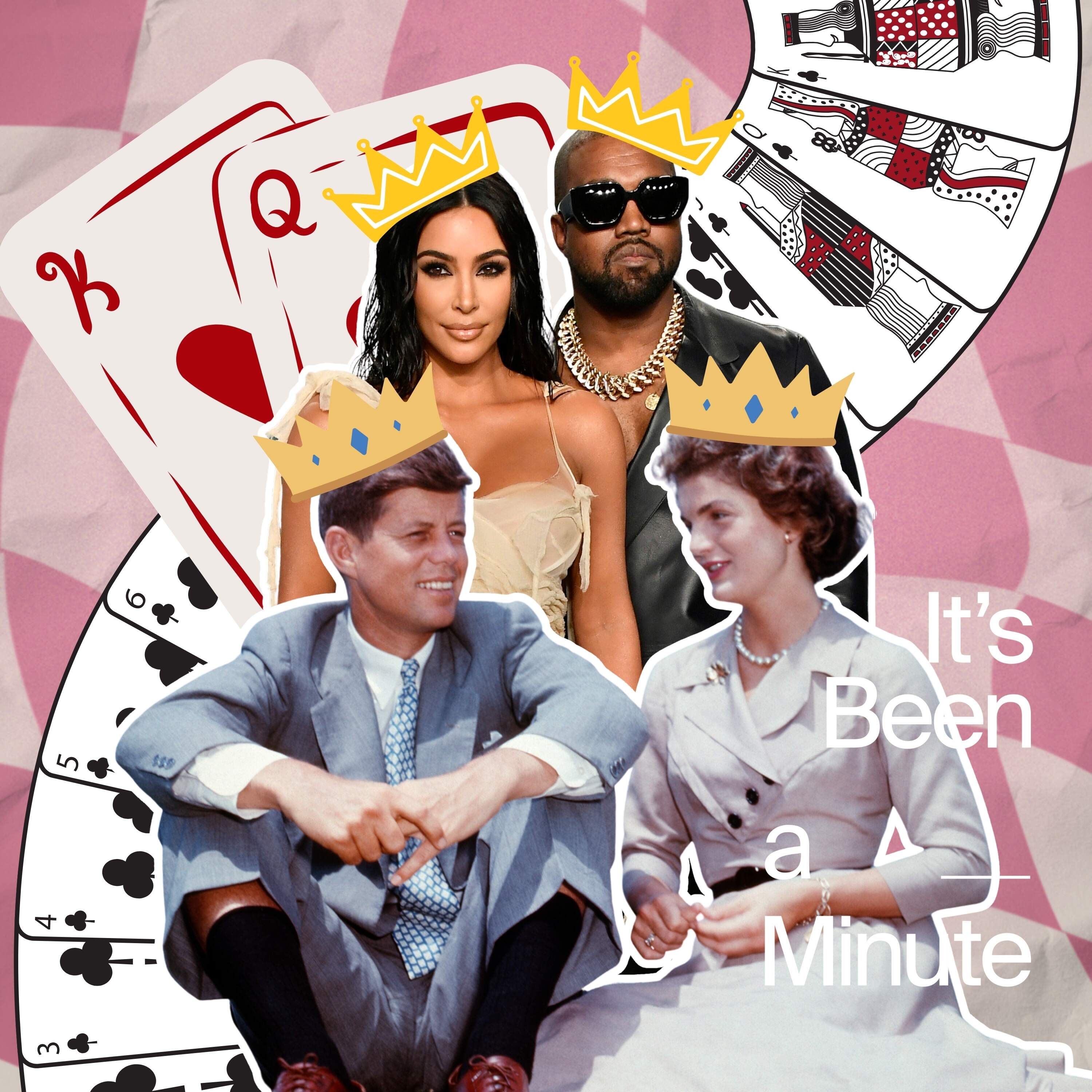
People say America doesn't have a monarchy. They're wrong.
May 800:23:02Tap to summarizeThe Kennedys are the first family that comes to mind when Americans consider homegrown, pseudo-royal dynasties. From Joe to John and Jackie, they have been elevated to a mythical cultural status. But is it possible that they share more in common with another prominent American family, the Kardashians? Today, Brittany is joined by MJ Corey, author of Dekonstructing the Kardashians: A New Media Manifesto, to find out how these two American 'royal' families share a cultural Krown.Want more about famous families and the narratives they spin? Check out these episodes:Inside the Michael Jackson legacy industrial complexMelania Trump’s multi-million dollar “infomercial”Support Public Media. Join NPR Plus.Follow Brittany on Instagram: @bmluseFor handpicked podcast recommendations every week, subscribe to NPR’s Pod Club newsletter at npr.org/podclub.See pcm.adswizz.com for information about our collection and use of personal data for sponsorship and to manage your podcast sponsorship preferences.NPR Privacy Policy
Transcribe →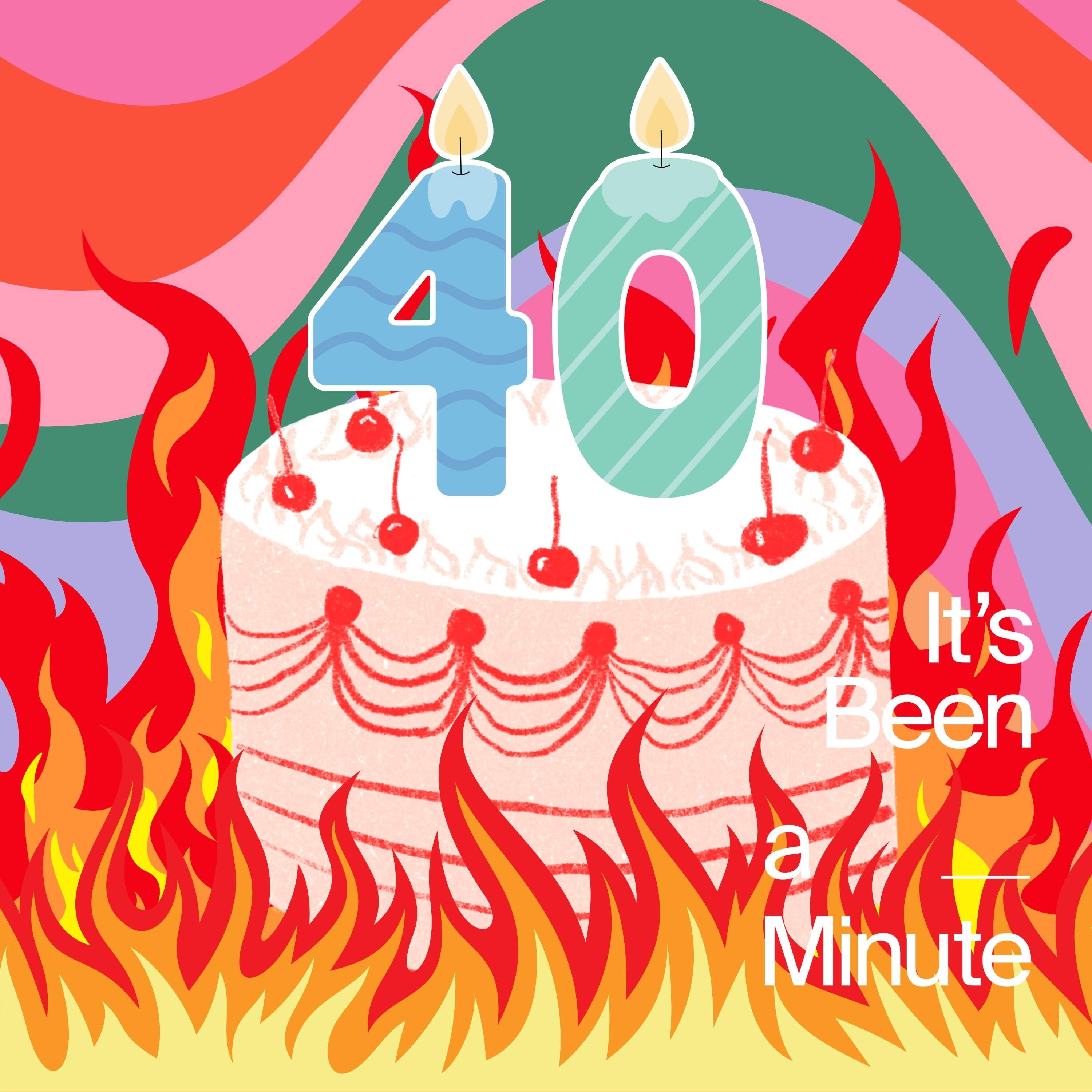
How to survive a millennial midlife crisis
May 600:17:03Tap to summarizeMany millennials either are already in their 40s or are staring them down. Are they having a midlife crisis?As this generation enters midlife, their lives look really different from their parents' lives: Millennials are more educated and have a higher median net worth, but the generation is also more unequal than previous generations, has higher debt and has lower rates of homeownership and marriage. How does that all shape what millennial midlife crises are starting to look like?Brittany finds out with Vox senior correspondent Alex Abad-Santos, who recently wrote an article about the millennial midlife crisis, and Sara Srygley, research associate at the Population Reference Bureau.This episode originally aired on June 20, 2025.For more episodes about the forces shaping Millennials’ lives, check out:You're not broken - the job market is.Enough is enough. Is it time to leave America?The ugly truth of America's expensive homesSupport Public Media. Join NPR Plus.Follow Brittany on Instagram: @bmluseFor handpicked podcast recommendations every week, subscribe to NPR’s Pod Club newsletter at npr.org/podclub.See pcm.adswizz.com for information about our collection and use of personal data for sponsorship and to manage your podcast sponsorship preferences.NPR Privacy Policy
Transcribe →
Was that the worst MET Gala ever?
May 500:28:10Tap to summarizeThe MET Gala 2026 was eclipsed by its own sponsors, making the event feel out of touch and out of fashion.Beyoncé made her first MET Gala appearance in ten years. Rihanna showed up (very late). And there were many incredible fashion moments: from Emma Chamberlain to Nicole Kidman to Lena Dunham. But the whole affair was overshadowed by the sponsorship of Jeff and Lauren Sánchez Bezos. Plus, other tech billionaires, Mark Zuckerberg and Sergey Brin, made their MET Gala debuts. All calling into question...what is this event (and art) really for?To get into it, NPR Music's Anamaria Sayre is joined by culture critic Marjon Carlos and culture writer Shelton Boyd-Griffith. Together they rate the best and worst of fashion's biggest night and explain why the MET Gala feels like it's in decline.Support Public Media. Join NPR Plus.Follow Brittany on Instagram: @bmluseFor handpicked podcast recommendations every week, subscribe to NPR’s Pod Club newsletter at npr.org/podclub.See pcm.adswizz.com for information about our collection and use of personal data for sponsorship and to manage your podcast sponsorship preferences.NPR Privacy Policy
Transcribe →
Tonight's MET Gala is the most controversial yet
May 400:17:38Tap to summarizeThe MET Gala 2026 is already off to a controversial start, and no one has even shown up yet.That's because Anna Wintour has been buddying up with a certain billionaire, Jeff Bezos, and his wife, Lauren Sánchez Bezos. The couple are the lead sponsors of this year's gala. To be clear, the wealthiest people have always been involved with fashion's biggest night, but this year some folks feels its more in the spotlight - at a time when many Americans feel like life is getting more and more unaffordable. Brittany is joined by culture critic Marjon Carlos and culture writer Shelton Boyd-Griffith to lay out the stakes of this year's MET Gala - from the billionaires to the best dressed.Support Public Media. Join NPR Plus.Follow Brittany on Instagram: @bmluseFor handpicked podcast recommendations every week, subscribe to NPR’s Pod Club newsletter at npr.org/podclub.See pcm.adswizz.com for information about our collection and use of personal data for sponsorship and to manage your podcast sponsorship preferences.NPR Privacy Policy
Transcribe →
Inside the Michael Jackson legacy industrial complex
May 100:26:13Tap to summarizeThe Jackson family and estate have joined forces to give us another biopic of Michael Jackson's life. Michael doesn't tell us anything new about the King of Pop, but it has had the biggest opening weekend of a music biopic ever. From Whitney Houston to Freddie Mercury, why do these posthumous biopics always seem to fall flat, and what do decades of Jackson family drama say about how we reckon with the complicated figures in pop culture and our own lives? Brittany talks with Aisha Harris, critic and co-host of NPR's Pop Culture Happy Hour, to find out.Want more deep dives on the legacies of pop culture icons? Check out these episodes:Jesse Jackson & the end of the civil rights superheroMarilyn Monroe was more than just 'Blonde'Support Public Media. Join NPR Plus.Follow Brittany on Instagram: @bmluseFor handpicked podcast recommendations every week, subscribe to NPR’s Pod Club newsletter at npr.org/podclub.See pcm.adswizz.com for information about our collection and use of personal data for sponsorship and to manage your podcast sponsorship preferences.NPR Privacy Policy
Transcribe →