Podcast
Jesus Alone is God
Hosted by Jesus Alone is God · EN
<ul>
<li> Email: hpaulsilas@hotmail.com</li>
<li> https://apostolicinternational.com/ </li>
<li> Statement of beliefs: https://apostolicinternational.com/statement-of-beliefs </li>
<li> Zoom meeting open for all - every Saturday at 19:00 CET </li>
<li> ID: 639 807 0890 </li>
<li> Password: OneGod </li>
<li> Link: https://us02web.zoom.us/j/6398070890?pwd=MlZxZWcwR3I0d3R1MmhDN0syaUx0Zz09 </li>
</ul>
31episodes
Episodes
Newest firstAll episodes

#134: Study What God has Made
Mar 2101:27:53Tap to summarizeEmail: hpaulsilas@hotmail.com https://apostolicinternational.com/ Statement of beliefs: https://apostolicinternational.com/statement-of-beliefs The sermon: https://apostolicinternational.com/sermons/STUDY_WHAT_GOD_HAS_MADE.pdf This sermon teaches that studying the world around us—both people and nature—is a meaningful way to know God more deeply, since He is the Creator of all things. Using the example of Daniel and his companions in Babylon, the message highlights that knowledge is valuable across cultures and boundaries. Though they were captives, their wisdom and learning elevated their status and earned respect from their captors. This demonstrates that knowledge is like a universal currency—it blesses both those who possess it and those who recognize it.The sermon emphasizes that knowledge cannot be taken away, even when everything else is lost. Daniel and his friends were stripped of their homeland and freedom, but their understanding, discipline, and devotion to God remained intact. Their example shows that a love for God combined with excellence in knowledge creates lasting influence.Studying creation—whether human behavior or the natural world—is ultimately a pursuit of understanding God Himself. As David reflected on the heavens in Psalm 8, observing creation leads to awe and deeper awareness of God’s majesty. Similarly, God granted Solomon extraordinary wisdom not only in spiritual matters but also in science, nature, and human behavior. Solomon became a model of a well-rounded thinker—demonstrating that divine wisdom can extend into every field of study.The sermon also presents knowledge as a “secret” revealed to those who fear God. When young believers pursue learning with reverence, God opens understanding to them. Biblical examples such as Moses, who was educated in Egypt and later used by God to write Scripture, and Luke, the educated physician who recorded parts of the New Testament, show that God values and uses educated individuals for His purposes.Finally, the message warns that in the last days knowledge will increase rapidly, making it even more essential for young Christians to seek wisdom from Christ. In a world overflowing with information, discernment rooted in God is crucial. Those who study both Scripture and creation with reverence will be equipped to navigate life wisely and serve God effectively.
Transcribe →
#133: Study the Word of God
Feb 101:23:23Tap to summarizeEmail: hpaulsilas@hotmail.com https://apostolicinternational.com/ Statement of beliefs: https://apostolicinternational.com/statement-of-beliefs The sermon: https://apostolicinternational.com/sermons/STUDY_THE_WORD_OF_GOD.pdf This sermon emphasizes the vital role of studying the Word of God in shaping a life that is pleasing to God, especially for the young. Drawing from 2 Timothy 2:15, the apostle Paul’s exhortation to Timothy highlights that the goal of study is not human approval but divine approval. Timothy, who was likely converted as a teenager, was encouraged to become a diligent student of Scripture so that he might rightly divide the word of truth and serve God without shame. This establishes a foundational principle: anyone who desires to be used by the Lord must be rooted in the disciplined study of God’s Word.The sermon explains that study begins with humility. To study is to admit personal inadequacy and a need for divine wisdom. King Solomon exemplifies this posture when, at only twenty years of age, he acknowledged his inability to lead God’s people and asked for an understanding heart. God’s wisdom is revealed to those who first recognize their limitations and seek instruction. Many adults later regret not acquiring wisdom earlier, realizing that much pain could have been avoided through godly understanding.Studying Scripture also functions as a safeguard against trouble. One cannot easily fall into gossip, idleness, or sin when occupied with purposeful learning. Paul’s instruction to the Thessalonians to “study to be quiet” shows that disciplined focus promotes order and spiritual maturity. Moreover, study develops self-control and discipline—qualities especially crucial for young people. Modern neurological insights confirm that adolescents are still developing the brain regions responsible for decision-making and impulse control, reinforcing the wisdom of grounding youth in Scripture.The sermon concludes by highlighting the profound benefits of studying God’s Word: clarity, peace, moral purity, and spiritual understanding. As Psalm 119 declares, God’s Word brings light, wisdom, and peace. Ultimately, studying Scripture cultivates humility, discipline, and wisdom unto salvation, equipping the young to live godly, stable, and fruitful lives before God.
Transcribe →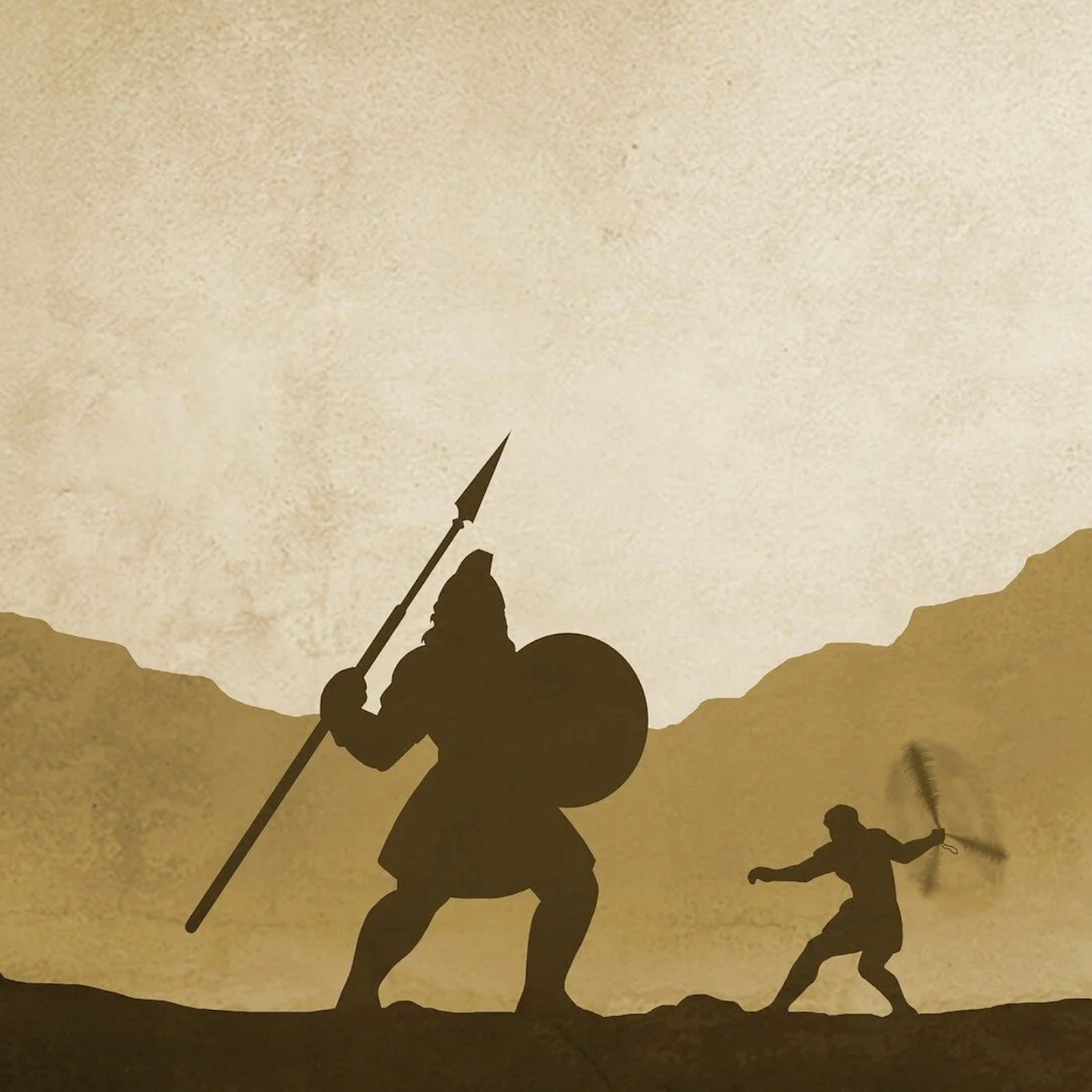
#132: David and Goliath
Feb 101:46:41Tap to summarizeEmail: hpaulsilas@hotmail.com https://apostolicinternational.com/ Statement of beliefs: https://apostolicinternational.com/statement-of-beliefs The sermon: https://apostolicinternational.com/sermons/DAVID_AND_GOLIATH.pdf This sermon presents the story of David and Goliath as a powerful reminder that God often uses the faith and wisdom of the young to awaken a forgetful generation. Though wisdom usually comes with age, David—likely only around sixteen years old—demonstrated a faith that surpassed that of Israel’s seasoned warriors. While the Philistine giant Goliath terrorized Israel for forty days, the adult soldiers were paralyzed by fear. David, however, acted from memory: he remembered what God had already done.David’s confidence was not reckless courage but faith forged through personal encounters with God’s power. As a shepherd in Bethlehem, he had already slain a lion and a bear by supernatural enablement. These experiences taught him that deliverance comes from God, not human strength. When David faced Goliath, he viewed the giant not through fear, but through the lens of past victories—just as God had delivered him before, He would do so again. While Israel forgot how God defeated giants through Caleb and Joshua, David remembered and acted.The sermon also highlights David’s wisdom in refusing Saul’s armor. David understood that victory must belong entirely to God. Wearing Saul’s armor could provoke jealousy, shift credit to human strength, or associate the victory with a backslidden king. Instead, David chose the simple attire of a shepherd, showing Israel that God saves not by sword or armor, but by humble faith. This moment became a living illustration of Psalm 23—God as the Shepherd protecting His flock in the valley of death.Ultimately, the sermon challenges young people to embrace who God has made them to be. God does not require borrowed identities, weapons, or approval from compromised leaders. He uses the young as they are—faithful, obedient, and dependent on His Spirit. The victory over Goliath declares a timeless truth: “Not by might, nor by power, but by my Spirit, saith the LORD.”
Transcribe →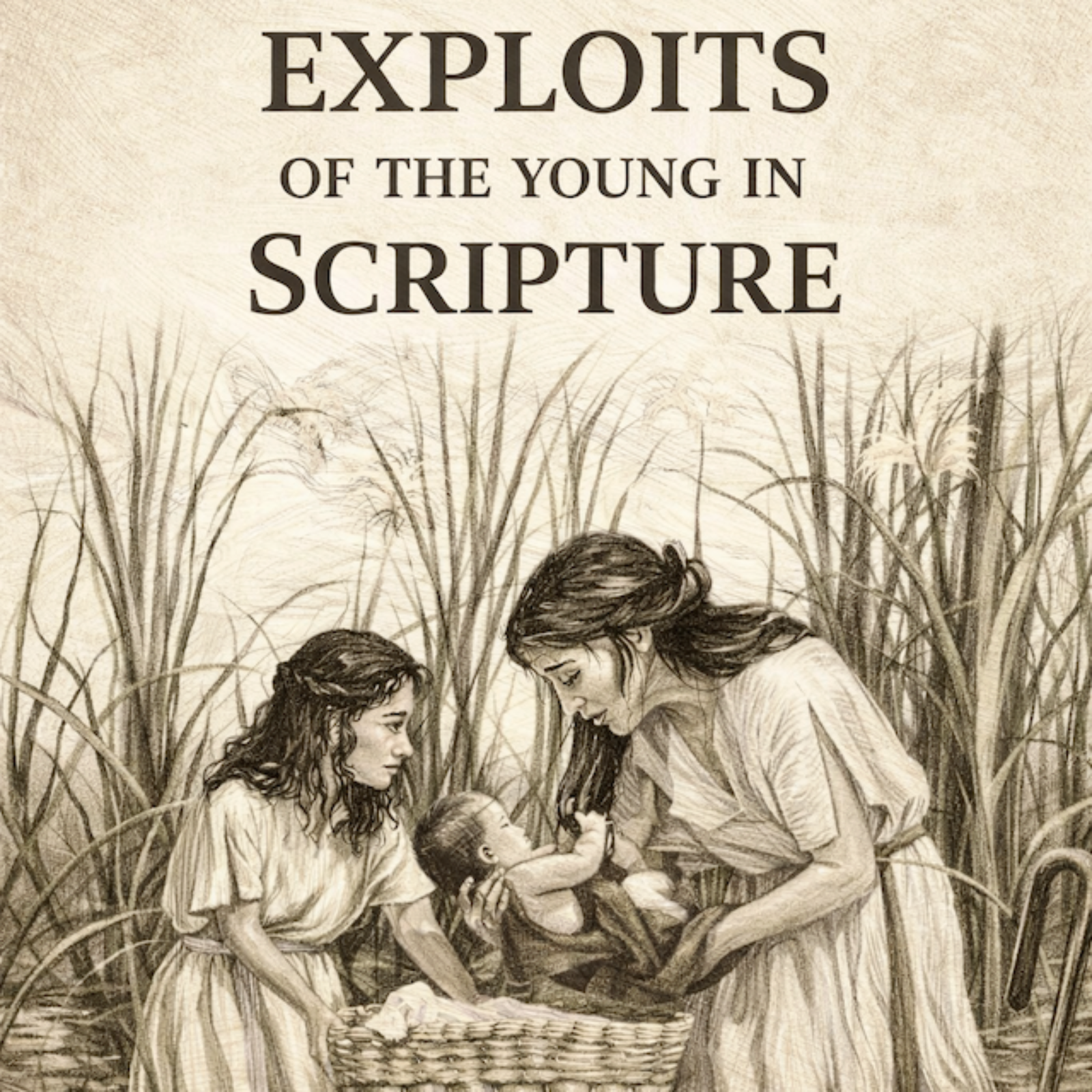
#131: Exploits of the Young in Scripture
Feb 101:30:17Tap to summarizeEmail: hpaulsilas@hotmail.comhttps://apostolicinternational.com/Statement of beliefs: https://apostolicinternational.com/statement-of-beliefsThe sermon: https://apostolicinternational.com/sermons/EXPLOITS_OF_THE_YOUNG_IN_SCRIPTURE.pdfThis sermon highlights the remarkable faith and courage of Miriam, demonstrating that God often accomplishes great purposes through the obedience of the young. Miriam, likely only ten to twelve years old, played a decisive role at a critical moment in Israel’s history by watching over her baby brother Moses as his ark floated on the Nile. While her parents rested in faith, Miriam acted in faith, positioning herself to intervene when the moment came. Her actions reveal spiritual maturity far beyond her years.Rather than being paralyzed by fear or emotion, Miriam showed calm wisdom and bold initiative. When Pharaoh’s daughter discovered the child, Miriam courageously approached her and suggested finding a Hebrew nurse—ensuring that Moses would be raised with the love of his own family while receiving protection and privilege in the royal household. This single, faith-filled decision preserved Moses’ life and ensured that he would grow up knowing his true identity and the promises of God.Miriam’s obedience produced lasting consequences. She became a key contributor to Israel’s deliverance long before Moses confronted Pharaoh or parted the Red Sea. Her faith ensured that Moses understood his heritage, which later empowered him to reject Egyptian identity and choose suffering with God’s people rather than the pleasures of sin. Miriam herself later emerged as a prophetess, leading Israel in worship after the Red Sea crossing—a moment made all the more meaningful because she had witnessed both Moses’ rescue and Egypt’s defeat.The sermon emphasizes that children should never be underestimated in God’s plan. Miriam’s example proves that faith, courage, and spiritual discernment are not limited by age. God Himself later honored her leadership, mentioning her alongside Moses and Aaron as one of Israel’s deliverers.Finally, the message underscores the importance of godly parents. The faith of Amram and Jochebed produced three powerful servants of God—Moses, Aaron, and Miriam—demonstrating that faithful parenting can shape the destiny of nations.
Transcribe →
#130: Wisdom Through the Scriptures
Feb 101:30:05Tap to summarizeEmail: hpaulsilas@hotmail.comhttps://apostolicinternational.com/Statement of beliefs: https://apostolicinternational.com/statement-of-beliefsThe sermon: https://apostolicinternational.com/sermons/WISDOM_THROUGH_THE_SCRIPTURES.pdfThis sermon emphasizes that while young people often lack life experience, they are not doomed to live unwisely. Scripture reveals that true wisdom does not depend solely on age or experience but can be acquired early through diligent engagement with the Word of God. Experience teaches through consequences, but God’s Word offers wisdom without requiring painful mistakes. This is why Scripture repeatedly urges believers—especially the young—to seek wisdom as the principal thing.Drawing from 2 Timothy 3:15, the sermon highlights that the Holy Scriptures are able to make a person “wise unto salvation through faith which is in Christ Jesus.” God, as the everlasting Father, provides instruction motivated by love and protection. Obedience to His Word leads to peace, longevity, and stability, offering guidance that shields the young from destructive decisions.King Josiah serves as a powerful example of early wisdom shaped by Scripture. Though he became king at just eight years old and had a wicked father, Josiah demonstrated a profound reverence for God’s Word. When the Book of the Law was discovered and read to him, his response—tearing his clothes and seeking the Lord—revealed a heart already tender toward God. His later reforms, including the destruction of idolatry and restoration of proper worship, show that deep familiarity with Scripture produces righteous action. Josiah’s success stemmed from his habit of inquiring of the Lord and aligning his life with God’s Word.The sermon also highlights Timothy, who benefited from a godly heritage through his mother and grandmother. Their faith shaped his character so deeply that Paul entrusted him with leadership, and there are even two books in the Bible named after him. Together, these examples demonstrate that young people can overcome lack of experience by immersing themselves in Scripture. God honors those who love, obey, and consult His Word from an early age, granting wisdom, direction, and lasting fruit.
Transcribe →
#129: God’s Claim on the Firstborn
Jan 1901:15:59Tap to summarizeEmail: hpaulsilas@hotmail.com https://apostolicinternational.com/ Statement of beliefs: https://apostolicinternational.com/statement-of-beliefs The sermon: https://apostolicinternational.com/sermons/GODS_CLAIM_ON_THE_FIRSTBORN.pdf This sermon explores the deep biblical significance of the firstborn and God’s rightful claim over the future of His people. In the ancient world, the firstborn represented strength, inheritance, leadership, and continuity. Nations invested their hopes and power in their firstborn children, which explains the severity of God’s warning to Pharaoh and the devastating judgment of Egypt’s firstborn. When God declared, “Israel is my son, even my firstborn,” He revealed both His covenantal love for Israel and His determination to free them from oppression.God’s judgment against Egypt was not arbitrary; it was a declaration that Egypt’s future would no longer dominate God’s people. The battle was not merely political but generational. God sought to claim the youth for Himself before corruption could shape them. Scripture consistently shows that the future of a nation depends on its young people. This is why Babylon targeted Judah’s best youth—Daniel and his companions—seeking to reshape their identity, faith, and loyalty. Their captivity stands as a tragic consequence of adult disobedience, where children bore the cost of their parents’ sin.The doctrine of the firstborn ultimately points to Jesus Christ. At Passover, a lamb died so that the firstborn might live. That lamb foreshadowed Christ, whose blood delivers humanity from death. Because the firstborn were spared by blood, God declared them His. Later, God substituted the tribe of Levi for the firstborn, reinforcing the principle of redemption rather than ownership by force.Jesus Himself is called the Firstborn, and believers belong to the “church of the firstborn.” The firstborn symbolizes the future, promise, and continuity of God’s plan. Having given His best—His Son—God now calls the youth to give their best to Him. Youth is a sacred offering, a clean slate upon which God desires to write His purposes. To give one’s youth to Christ is the greatest sacrifice and the strongest foundation for a godly future.
Transcribe →
#128: The Witch of Endor: Truth in the Wrong Place
Jan 1101:37:15Tap to summarizeEmail: hpaulsilas@hotmail.com https://apostolicinternational.com/ Statement of beliefs: https://apostolicinternational.com/statement-of-beliefs The sermon: https://apostolicinternational.com/sermons/THE_WITCH_OF_ENDOR_TRUTH_IN_THE_WRONG_PLACE.pdf This sermon presents a sobering warning about the danger of seeking guidance outside the will of God. Centered on King Saul’s visit to the medium of Endor in 1 Samuel 28, the sermon exposes how spiritual desperation, when unaccompanied by repentance, can drive a person toward forbidden and destructive sources of truth.Saul’s tragic descent began long before Endor. His pattern of partial obedience, fear of people, and rejection of God’s commands ultimately led to the departure of the Spirit of the Lord. By the time the Philistines threatened Israel, Saul was spiritually hollow. When he finally sought God, heaven was silent—not because God was cruel, but because Saul had consistently treated God as a last resort rather than Lord. Instead of humbling himself in repentance, Saul turned to the very occult practices God had explicitly condemned and that Saul himself had outlawed.The consultation at Endor reveals a chilling truth: the occult may provide information, but it never provides hope. Saul received confirmation of judgment, not deliverance. The appearance of Samuel served as divine judgment, not guidance, sealing Saul’s fate rather than rescuing him from it. Seeking truth in the wrong place led not to salvation, but to despair.The sermon then draws powerful parallels to modern “Endors”—astrology, psychics, tarot, false prophecy, and spiritual practices that bypass Scripture and the Holy Spirit. These practices are exposed as acts of idolatry and unbelief, inviting demonic deception rather than divine guidance. Scripture consistently warns that such practices provoke God’s anger and align people with darkness.Yet the message ends with hope. In Christ, believers have no need to fear the occult. Jesus has triumphed over all spiritual powers, offering true guidance, protection, and life. The lesson is clear: when God seems silent, the answer is repentance and trust—not forbidden shortcuts. We need not go to Endor; we are invited instead to the cross and the empty tomb, where truth, mercy, and life are found.
Transcribe →
#127: A Bible Study on Marriage: Foundations for a Godly Union
Dec 2101:52:10Tap to summarizeThis Bible study presents marriage as a divine covenant established by God, not a human invention or mere social contract. From the beginning, marriage was designed to reflect God’s purpose, order, and redemptive plan. Rooted in Genesis 1–2, marriage reveals equality in essence between man and woman—both created fully in God’s image—while affirming distinction in function. God declared that it was “not good” for man to be alone, establishing marriage as a partnership of companionship, strength, and shared purpose. The covenant formula of marriage is clear: a man must leave his parents, cleave to his wife in steadfast commitment, and become one flesh—forming a new, unified life together.\nThe New Testament deepens this foundation by revealing marriage as a living picture of Christ and the Church (Ephesians 5). The wife’s calling is one of respectful, voluntary submission that mirrors the Church’s devotion to Christ, while the husband’s calling is to love sacrificially, as Christ loved the Church and gave Himself for it. Biblical headship is defined not by dominance, but by service, self-giving, and responsibility shaped by the cross. Together, husband and wife proclaim the gospel through daily acts of love, respect, forgiveness, and faithfulness.\nThe atmosphere of a godly marriage is sustained by agape love—patient, kind, humble, forgiving, and enduring (1 Corinthians 13). Scripture emphasizes mutual honor, shared prayer, and spiritual unity, warning that marital discord can hinder communion with God (1 Peter 3:7). Marriage also sanctifies physical intimacy, which is to be honored and protected within the covenant (Hebrews 13:4).\nIn a fallen world, covenant-keeping requires intentional communication, continual forgiveness, and guarded unity. God Himself stands as witness to the marriage covenant and takes covenant faithfulness seriously (Malachi 2:14-16). Ultimately, a marriage built on obedience to God’s Word, empowered by grace, and centered on Christ will stand firm. When the Lord builds the house, the union becomes a testimony of His faithful love to a watching world.
Transcribe →
#126: The Proof of the Pierced Hands
Dec 2101:24:06Tap to summarizeEmail: hpaulsilas@hotmail.com https://apostolicinternational.com/ Statement of beliefs: https://apostolicinternational.com/statement-of-beliefs The sermon: https://apostolicinternational.com/sermons/THE_PROOF_OF_THE_PIERCED_HANDS.pdf “The Proof of the Pierced Hands” presents a profound and compassionate exploration of the apostle Thomas, moving beyond the shallow label of “Doubting Thomas” to reveal a disciple marked by fierce loyalty, realism, and deep grief. Long before his doubt, Thomas proved his devotion when he declared, “Let us also go, that we may die with him” (John 11:16). His faith was not weak—it was concrete, courageous, and willing to follow Jesus even unto death. Yet this same realism made the resurrection incomprehensible to him.When the risen Christ was announced, Thomas demanded proof—not out of rebellion, but out of a need for continuity. He did not ask merely to see Jesus alive; he asked to see and touch the wounds. This fixation reveals a deep theological truth: the risen Christ is forever the crucified Christ. The wounds are not erased by resurrection but carried into glory as eternal testimony to sacrificial love. For Thomas, the wounds authenticated identity—only the crucified Jesus could bear those marks.Eight days later, Jesus graciously meets Thomas at the exact point of his doubt, inviting him to touch His hands and side. Whether Thomas physically touched the wounds is not recorded; the invitation itself breaks him. His response—“My Lord and my God”—is the highest confession of Christ’s divinity in the Gospels. The tangible proof leads him to transcendent faith.Thomas’s story affirms that Christian faith is not blind irrationality but historically and physically grounded. God is not threatened by honest doubt and meets sincere seekers with grace. The sacraments echo Christ’s ongoing invitation to “reach hither.” Most importantly, the wounded Christ assures believers that suffering is not discarded but redeemed. Our wounds, like His, can become places where resurrected life is revealed. Thomas stands as a witness that honest doubt, brought to Christ, can lead to the deepest and most enduring faith.
Transcribe →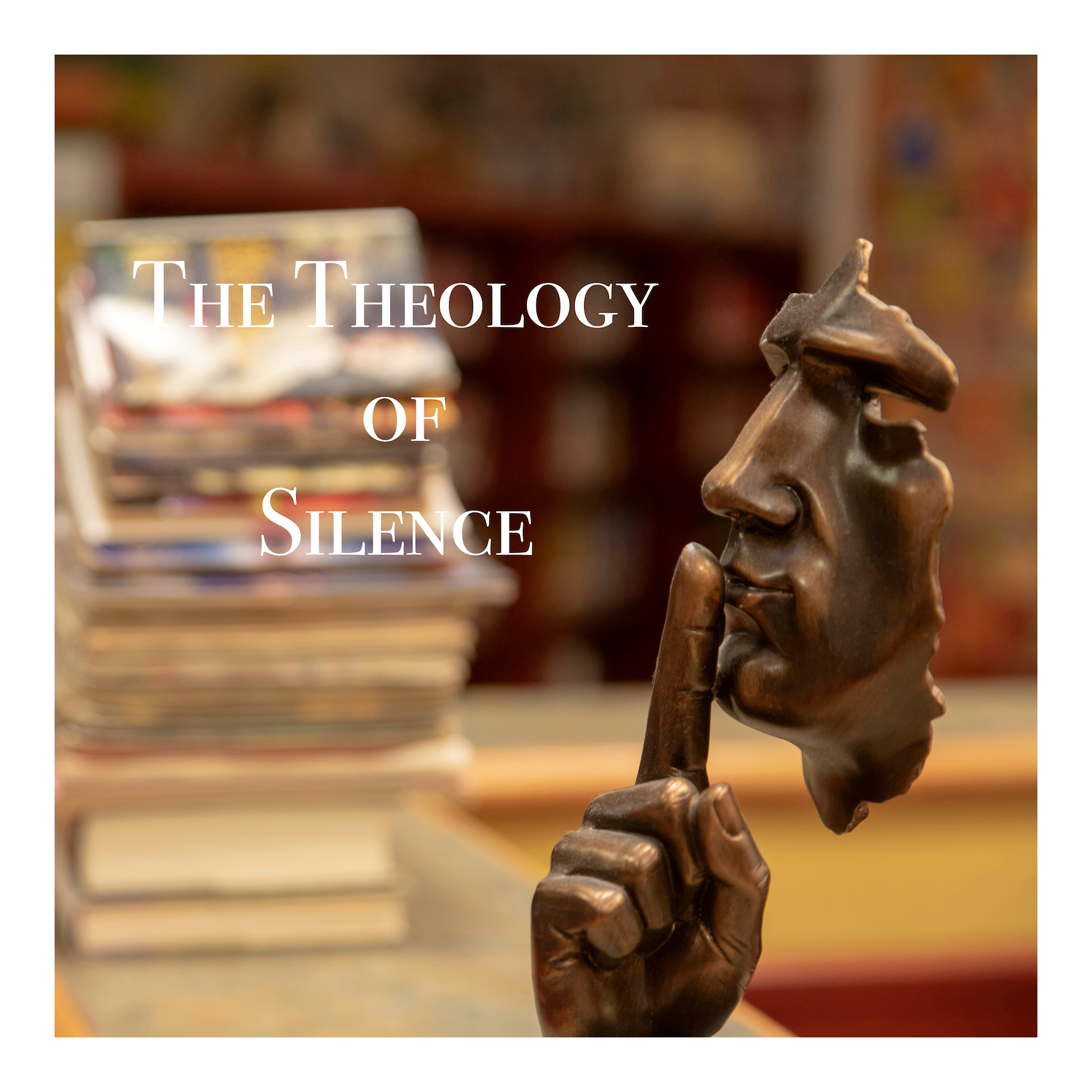
#125: The Theology of Silence
Dec 2101:36:37Tap to summarizeEmail: hpaulsilas@hotmail.com https://apostolicinternational.com/ Statement of beliefs: https://apostolicinternational.com/statement-of-beliefs The sermon: https://apostolicinternational.com/sermons/THE_THEOLOGY_OF_SILENCE.pdf “The Theology of Silence” explores the profound spiritual power of restraint, obedience, and quiet faith through the life of Joseph, the earthly guardian of Jesus. While the Christmas narrative is filled with angelic proclamations and prophetic songs, Joseph stands at the center without a single recorded word. His silence, however, is not emptiness—it is active righteousness expressed through mercy, listening, and obedience.Joseph’s crisis begins when Mary is found to be with child during their betrothal. Under the Law, he had the right to expose her publicly, yet as a “just man,” he chose compassion over condemnation, resolving to put her away privately. This reveals the first principle of divine silence: a silence that conceals rather than exposes, reflecting God’s own merciful character. Joseph absorbs potential shame himself in order to protect another, foreshadowing the heart of the gospel.The second principle emerges when God speaks to Joseph in a dream. Because Joseph did not fill his anguish with loud protest or self-justification, he was able to hear the voice of God clearly. His response is immediate and unquestioning obedience. He takes Mary as his wife, later flees to Egypt by night, and returns when instructed—each time without recorded complaint or debate. His silence becomes the soil in which divine guidance grows.Joseph’s life demonstrates that God often entrusts His greatest mysteries to those who do not need to explain themselves. The Son of God was placed into the hands of a quiet, faithful man who knew how to listen and act. This theology of silence aligns Joseph with biblical figures such as Moses, Elijah, and ultimately Jesus Himself, who stood silent before His accusers.In a noisy world obsessed with visibility and opinion, Joseph teaches that true spiritual power is found not in many words, but in humble obedience. Silence, when rooted in faith, becomes a vessel for God’s greatest work.
Transcribe →