Loading summary
Transcript36 lines
- [00:01]
Host 1
And then the next one has kind of got like. There's a redemptive quality to this one too. I mean, the idea of it is. Well, it reminds me of. You know, I can't help but think of Caroline. No. And then think about this song.
- [00:18]
Host 2
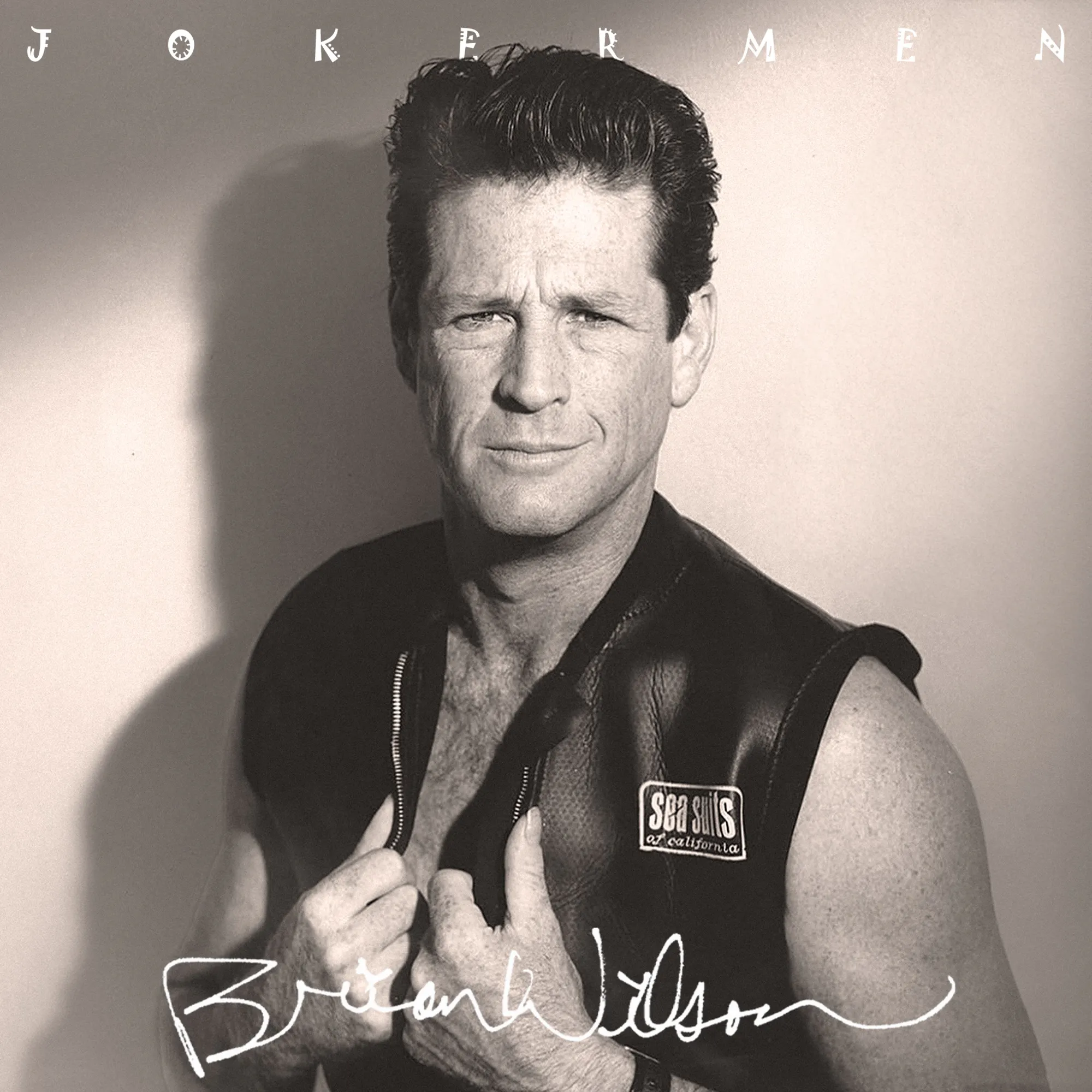
Well, yeah, I mean, this song is Baby, Let yout Hair Grow Long. Yeah. Is sort of a rejoinder to Caroline. No. I like to think of it as the third part in the Hair trilogy.
- [00:26]
Host 1
Right.
- [00:27]
Host 2
From Caroline. No. And this song.
- [00:29]
Host 1
She's going bald.
- [00:30]
Host 2
She's going bald. Of course. Exactly.
- [00:33]
Host 1
The Hair trilogy. And you know, there's another little side Sideways. There's another piece there. Trilogy in. In Friends. I convinced. I told your parents or like I convinced them not to make you cut off your hair.
- [00:51]
Host 2
Oh, right, right, right. Yeah, yeah.
- [00:54]
Host 1
Themes, themes and repeating motifs and themes.
- [00:57]
Host 2
Images. Exactly.
- [00:58]
Host 1
Images and themes.
- [00:59]
Host 2
This is why you listen to this podcast for the deep seated analysis of the hidden messages and meanings behind Brian Wilson songwriting. Yeah. I mean, Baby, let yout Hair Grow Long. We're back to the, you know, bopping you on the head with a hammer type. I think those synthesizers in particular. Do, do do do do do do do. Like that's maybe the most objectionable thing on this entire record.
- [01:28]
Guest or Performer
I wish you'd listen when I tell you now Baby, let your hair grow it's not too late to have another thing Baby, let your head go now your head in just the way you used to be.
- [02:10]
Host 2
I like, I love it at this point, but it's you. You really gotta meet this one where it's at, I think.
- [02:17]
Host 1
But it does have a lot of kind of classical Brian swings going on.
- [02:23]
Host 2
Yeah.
- [02:23]
Host 1
I mean, yeah, it's a bit over buffed. It's a bit like overly polished but you know, par for the course.
- [02:34]
Host 2
Yeah. Pretty much everything here.
- [02:35]
Host 1
It's not a bad song at all.
- [02:36]
Host 2
No. Let's see. We can hear from Brian on this one. There's a big long interview between him and David Leaf that I pulled a couple quotes from that came out of the kind of press packet for this album in 1988. David says, Baby, let your hair grow long also sounds like it was written with a strong point of view. Brian says it is, of course a sexual song. Oh, a song. A song about sexual ideas. At first when I wrote the melody, I thought maybe it should be a love song because it started sounding like a love song to me. And I tried a working lyric that had a lot to do with love and affection and that kind of thing. But I didn't like It. Most of the lyrics were romantic, but then I put in a couple sexual lines, and then I said, wait a minute, let's get rid of some of the love aspects, Romantic aspects of this song and put in more sexual lyrics.
- [03:25]
Host 1
Which are the sexual lyrics?
- [03:28]
Host 2
Your guess is as good as mine.
- [03:30]
Host 1
I mean, I'm trying to pull them up and I. I don't think I see any.
- [03:33]
Host 2
Maybe he's saying, like, you know, baby, let your hair grow long. Like, you know, don't shave your.
- [03:38]
Host 1
Don't shave your. Yeah, I think that. I mean, I. That is. That must be it. But I don't know that he's. He just never, like, made clear to anyone that, like, the. The hair is not. He's just like, yeah. You know that song I wrote? Pretty raunchy, huh? He's like, what do you mean, you know?
- [04:00]
Host 2
You know, I think that that might be it. I wish you'd listen when I tell you now Baby, let your hair grow long in my mind I can see just the way you used to be. Don't want girls who don't care about nothing and throw their lives away. You know, at some point in the past, she had a nice, nice, big garage.
- [04:17]
Host 1
All right, all right. I think that we don't care about nothing Throw their lives away. Ye.
- [04:25]
Host 2
David Leaf. Back to the interview. When I first heard this song, I thought of the end of Pet Sounds. When you sing where did all your long hair go? No, it's kind of like you're singing to that same thing. Do you feel that at all, or is it just my imagination? Brian says, no, it's still the same mood. That mood is sexual.
- [04:41]
Host 1
Wait, wait, are we retconning? Not we.
- [04:46]
Host 2
Brian Wilson is retconning Caroline Noe.
- [04:49]
Host 1
He's saying Caroline Noe is. Is about her bush is being horned up. Exactly that. Caroline knows it's about the pussy folks you shave. So is going bald now also part of this?
- [05:08]
Host 2
Okay, I'm just looking at more of this interview. Does hair symbolize something to you, Brian? Brian. It exemplifies beauty in a girl. David Leaf says. So you're saying Brian completes the thought. Make yourself beautiful again.
- [05:24]
Guest or Performer
There's no way I can help you. You gotta do it all by yourself. Now the one. Cause you don't give out nothing. And brother, like the way Rol.
- [05:50]
Host 1
Okay, and then. Classic. Classic Brian Wilson. Foreign. The very next thing we're going to talk about is a song called Little children.
- [05:59]
Host 2
Hey, little children, we're marching along Come. Hey, little tomboy, come sit on my.
- [06:04]
Host 1
Lap I mean, what, what, what? You gotta, you gotta just accept at this point that these are the, the autourist themes. These, these are the repeating ideas that come up all the time in Brian's music. Is the. The adult and the child forever. Forever. LinkedIn.