Loading summary
Transcript13 lines
- [00:00]
Host
It's one of those records that people just. It's an iconic record.
- [00:05]
Jason
You say that with some degree of sarcasm and irony in your voice, but I do actually think that there are shooters for this record, and I've actually seen some of them in our discord over the last week or two. There are.
- [00:15]
Host
You're absolutely right. I just want to be clear. It's just that that's where they are. They're in our discord. And I think you've seen most of them.
- [00:22]
Jason
That's true. Well, Jason, I'm thrilled to have you here because I think, honestly, you just, like, we traded emails about this, and you were just. And it wasn't even like he Love to come on and talk about Pet Sounds. Hey, I would love to come on and talk about Beach Boys. Love youe. It was, Hey, I would love to come on and talk the Beach Boys, Carl and the Passions. So tough. This was the one that you had in mind from the jump. Can you. I guess. Can you just contextualize where you're coming from on this classic 1972 album?
- [00:55]
Guest
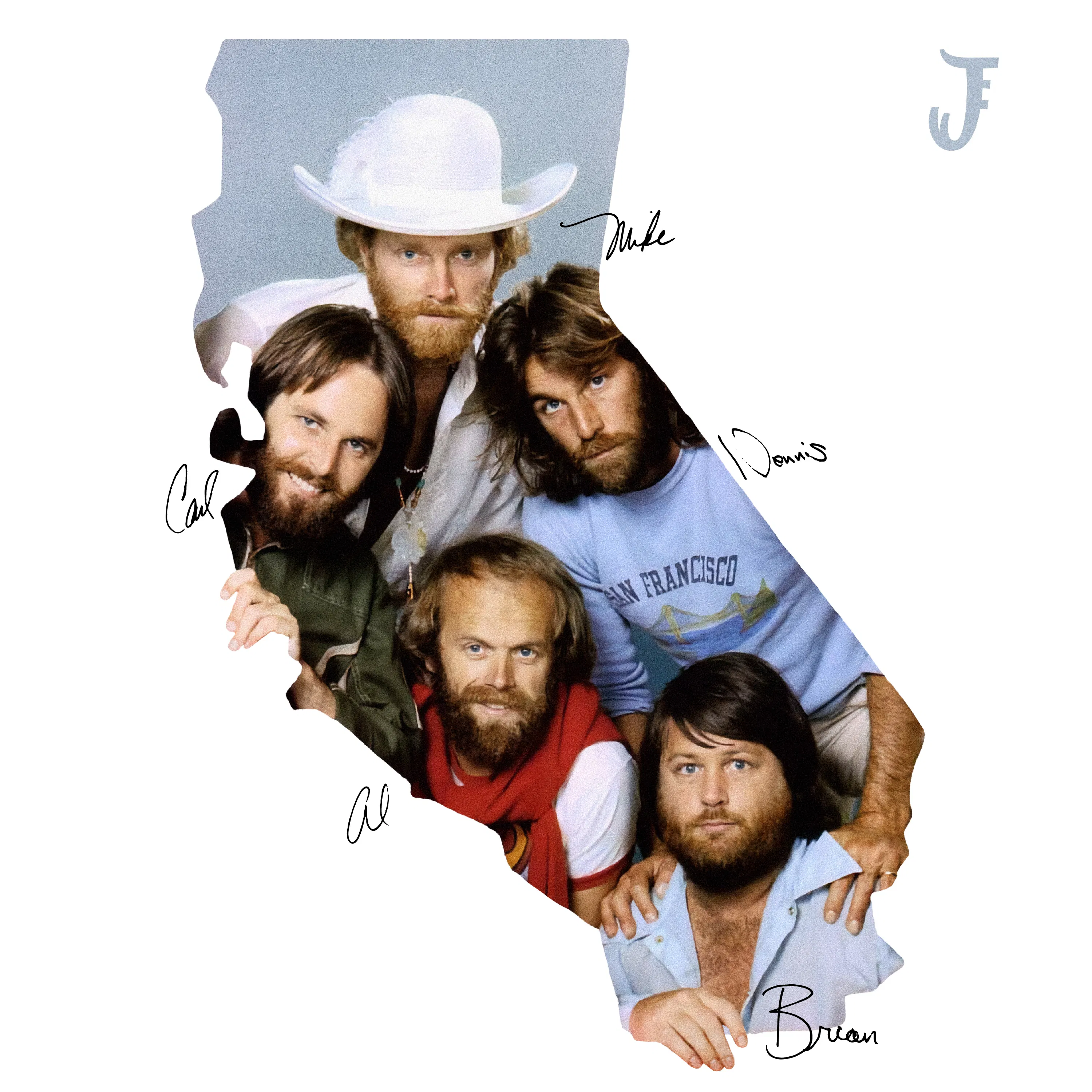
You guys. Yeah, you guys announced the Beach Boys series. And I think I sent that email the same day, you know, like, hey, I better hurry up and throw my hat in the ring for Carl and the Passions. So tough. I think I said if you. If you wanted to talk about this one or Dennis's album, Pacific Ocean Blue, but I would say that the context for me wanting to talk about Carl and the Passions is I love this album. I really like this album, or most of it. Most of this album, I think, is pretty great. And. And I got it when I first started collecting records, the. The copy that I picked up of Carlo and the Passions was I picked up the original pressing, which had Pet Sounds packaged on one side, Carl and the Passions on the other. And I was buying it for Pet Sounds absolutely, but didn't really know Carl and the Passions and couldn't even really fully. It took me a while to figure out why is this. Why is this like this? Why is Pet Sounds packaged with this other album? And is. Is Carl and the Fashions just the Beach Boys? But the more I listened, the more I. I came to greatly appreciate some of the. The moments on. On this record. And then I think that part of the reason why it's so fresh in my mind is over the last couple years, the Beach Boys have done a lot of cool archival compilations and releases. Ephemera, specifically sort of from the Surf's Up Carl and the Passions era. The sort of post Brian, Wilderness years, the wild and woolly Beach Boys years. And I think Carl and the Passions is a, at times pretty fitting showcase of what that band sounded like or one of the ways they sounded.
- [02:49]
Jason
Yeah, yes. What. What one of those bands sounded like, perhaps, because, I mean, Carl and the Passions is the great, you like, collusion collision of a whole variety of Beach Boys recording projects here. That's kind of the legend behind this album, is that, you know, whatever sort of teamwork and, you know, one mindedness they had in the Surf's up project had kind of fallen apart by this time, even though Surf's up did relatively well commercially and critically. And Carl and the Passions ends up being sort of pieced together by like, three separate kind of recording groups, one of which is Carl Wilson and the two new Beach Boys, who we'll talk about momentarily. Ricky Fatar and Blondie Chaplin. Then a second group being Dennis Wilson and Daryl Dragon, better known as Captain from Captain and the Tenille. And then the third, of course, being Mike and Al at this moment in time. And Brian is sort of just, you know, haunting the proceedings in the background here and there.
- [03:51]
Host
And we also lose one. We lost. We got a man down.
- [03:55]
Jason
That's right. We've also lost one. And I've got a little bit of context on that from our friend David Leaf, who tells us that the one member who never wanted to leave the band was let go. In the spring of 1972, an Earl Leaf gossip column noted that on the seventh anniversary of attaining his official status as a Beach Boy, guitar man, Bruce Johnston got the axe. Carl Wilson, Mike Love and Al Jardine voted unanimously to drop him from the group due to hostile vibes his life ways caused them. Bruce claims that he left the group by mutual consent. But regardless of how mutual the decision was, there was no question that it was Jack Riley, manager of the Beach Boys, who forced Bruce out of the group. So sayonara, Bruce. Nice to know ya. Maybe see you around again. Actually, we will see you around again, but he's kaput at this point in time.
- [04:46]
Host
That's a huge, huge blow to the Bruce heads out there. I know that's considered a day that lives in infamy. The day that the. What was. The harsh vibes.
- [05:00]
Jason
That's right. The day that Deirdre died.
- [05:02]
Host
Yeah, that's tough. That's. And it's kind of. I don't know, I was kind of, like, surprised at that. I didn't like to see Bruce go.
- [05:11]
Jason
I mean, honestly, I think the last couple proper records that we've talked about here. You know, we've gone all over the place over the last several months, but it's really been, you know, it was 2020, it was sunflower, it was Surf's Up. Now it's Carl and the Passions. Bruce has been one of the stars of the show on those records. You know, Deirdre, Tears in the Morning, obviously, Disney Girls, I think those are some of the great songs from the Beach Boys over that little chunk of time. And so not having them here, I mean, we have what we have on Growl and the Passions, and I think there's a lot to recommend it. But I think that kind of mockish sentimental note that comes up on a couple of the previous records is clearly, clearly absent on this one. Are you fans of those tunes, Jason?
- [05:54]
Guest
Yeah. I mean, especially Disney Girls. Disney Girls is one that I really like, and I think you're right. I mean, we certainly miss his sort of more like, overtly sentimental feel on this record. I don't want to get ahead of ourselves, but there are some absolutely syrupy, over the top, you know, moments on this record that I think might have been more effectively conveyed with Bruce still around, to be honest. But. But, yeah, no, I think he's, he's. He's missed on this one. But I do think that those two new Beach Boys you mentioned, I think, you know, Ricky and Blondie, I think. I think they bring. I think they bring a lot to the table. But, yeah, it's. It's a bummer to have Bruce gone for sure.