← Keeping It Real: Conversations with Jillian Michaels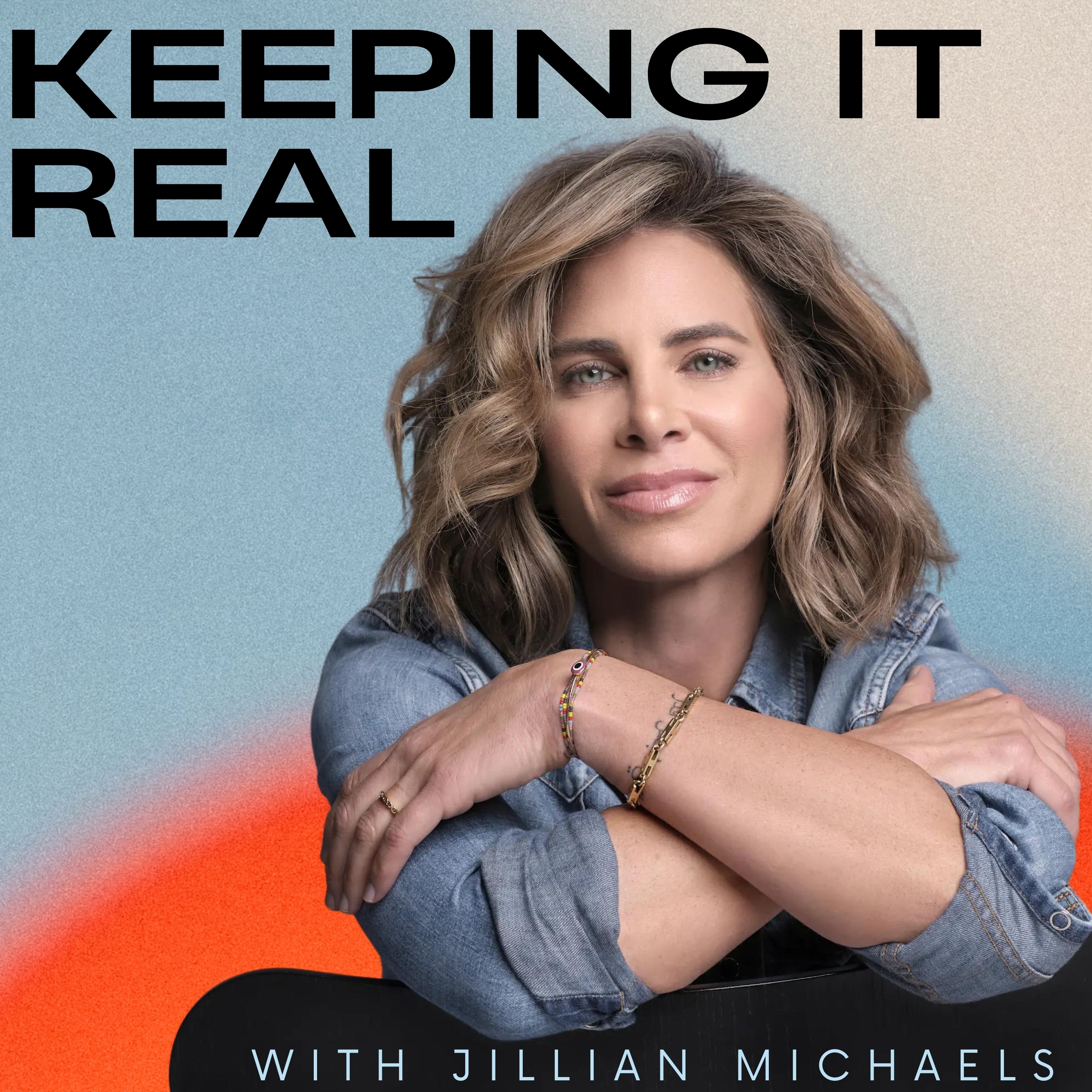
Keeping It Real: Conversations with Jillian Michaels
A Global Power Grab Is Happening-And It Starts With Food & Water!
01:10:33
Loading summary
Transcript205 lines
- [00:02]
A
Today we're pulling back the curtain on a global power struggle that's happening right under our noses.
- [00:08]
B
In the past, wars have been fought over oil. In the 21st century, wars will be.
- [00:13]
A
Fought over water, food, water, land. These aren't just basic resources anymore. They're building blocks of power. And in an era of escalating climate change and geopolitical tension, they've become the center of a high stakes game. Joining me is an extraordinary guest, Nate Halverson, Emmy award winning journalist and driving force behind the Grab, a jaw dropping documentary that exposes how governments and corporations are quietly seizing control of these essential resources worldwide.
- [00:46]
B
The largest ever purchase of an American company which essentially gave this Chinese meat processor one in four American pigs. So with one deal, they effectively purchased about one in four American pigs.
- [00:58]
A
Nate's investigative work revealed a shocking global playbook for dominance and survival.
- [01:04]
B
We're basically talking about using Russia's agricultural output and Ukraine's agricultural output to be, to make them almost a grain. OPEC.
- [01:14]
A
Today we're unpacking how these hidden dynamics impact all of us. So get ready to question everything you thought you knew about power, survival and the future of our planet. Let's dig in. Keeping It Real with Jillian Michaels. Nate.
- [01:35]
B
Yeah.
- [01:35]
A
Wow. Lot of questions for you. The documentary sent me spinning. I don't think I slept for five nights. So for the audience who has not yet seen the documentary, it's called the what's being Grabbed.
- [01:50]
B
Well, it's basically looking how, you know, powerful forces around the world are very focused on food and water, sort of for survival of their governments or for corporate profits in the 21st century and what the impact of that is both like right now, like what's happening right now, what people are saying is likely to play out in the future. The documentary opens up by saying we might, you know, the way that we're heading is not having enough food and water in huge regions of the world that are going to lead to destabilization of countries, right? And then you end up with mass migration and then you have mass migration of people into places that might themselves be fragile or holding on. And then those places become destabilized and then you have another place where people are migrating from, right? And you see the rise of political rhetoric in countries because of migration issues now. And there's a, there's a, a report, I have cable or a report from the State Department that says the number one reason that people were leaving Guatemala wasn't because of gangs or kidnappings, it was because people were hungry. People Are hungry. What do you do? What do you do if you are watching your kids not eat? Well, you know, in Guatemala, I think 50% of children are stunted because of malnutrition. What do you do as a parent? You know, I would do anything. Yes, right. And I went to Venezuela in 2017 because they were running out of food. And so people were literally starving. You know, people that had nine to five jobs. And I went down there and people were using WhatsApp and Twitter to try to find. And keep in mind that Venezuela was once one of the 20th, 20th wealthiest countries in the world. At that point, people were using WhatsApp and Twitter just to try to find food in grocery stores, but they couldn't find any. And so I was talking to doctors, I was talking to mechanics across the board. I unfortunately, I. I filmed a family whose parents had nine to five jobs digging through a dumpster with their kids because they couldn't find. That was 2017. What's happened since 2017? Millions of Venezuelans have left Venezuela. Right. People can hate whoever the leader is. They don't usually pick up all of their lives and put their children on their back and then go try to climb across the Dorian Gap or leave everything behind just because they don't like their political leader or because things have gotten a little bit more difficult. People take those huge measures when they're watching their kids go hungry or they themselves are going hungry.
- [04:28]
A
So when I first started watching it, I thought, well, okay, you know, some countries have these resources, other countries have those resources. So of course you would grow food elsewhere, have it shipped in. So it seemed very normal. Made perfect sense in the first five minutes. So let's talk about who's grabbing the land.
- [04:53]
B
Yeah, I mean, it's kind of a little bit across the board, but I think what we tried to pull back, you know, the veil on, is that countries, powerful countries, are increasingly worried about their ability to have enough water to grow enough food to feed their population.
- [05:09]
A
Which makes sense. Right. It all seems that's what you would.
- [05:13]
B
Want your leaders to do if you were in that country. Right. You know, and I think, you know, just sort of getting quickly into one detail here, it's when we use as humans about 60 to 70% of our water or even 70 to 80% of our water, just to grow food. Right. So you'll hear people say, like, oh, Nestle has gone in and they're going to be bottling this water and they're draining the aquifer. But let me just point out that the amount of water that we drink is 1/10 of 1% of the water that we use.
- [05:46]
A
Give me a minute. 1/10 of 1% of the water that.
- [05:51]
B
We use as humans is for drinking. So when you talk about somebody going into bottle water, you're really not talking about a significant amount of water. We use, you know, really about 70% of our water to grow food. So when you see a big farming conglomerate come into an area and start drilling wells to irrigate the land, now you're talking about real amounts of water. Huge. Billions and billions of gallons.
- [06:19]
A
You know what's interesting? I know about this a little bit because in California there are always droughts.
- [06:25]
B
Yeah.
- [06:25]
A
Fires, droughts, fires, droughts. There's gonna be water rations. Like these are things you've heard about in the state of California if you live there. Coming for a decade only to learn that almonds grown in California use something like almost 80% of the state's water.
- [06:44]
B
Yeah, almonds use a lot of water.
- [06:46]
A
And these bastards make campaign contributions because it's like, we'll get almonds out of California then. How about that? Yeah, but when you look into it, these big ag companies are making donations to the leaders of the state.
- [07:01]
B
Yeah.
- [07:02]
A
And that's why they exist in California is my understanding. But I never realized that this was a global problem impacting very marginalized and vulnerable communities.
- [07:14]
B
And you'll see that here in California too, where, where rural low income communities around these big farms are struggling even for drinking water. But, but in defense of the farmers too, you know, I'll say farming is really difficult. Right. Like year to year, you know, farmers struggle sometimes to pay the bills. And it is true that it's, we've entered an era where it's less like Willie Nelson's, you know, farmers of, of big conglomerates, large cor. But what's happening in California is that water is getting more expensive. Right. And so we, you know, California, the Central Valley, which is one of the biggest growing regions in the United States, right. They used to grow a lot of the tomatoes that we eat. And they still grow tomatoes, but they used to grow more.
- [08:04]
A
Okay.
- [08:04]
B
And to grow those tomatoes, they would be. Farmers would be paying something like $50 an acre foot. An acre foot is just like how much water it takes to cover one acre and one foot of water. It's just a measurement of water. Ok. And that price has been going up and the margins, the profit margins on tomato aren't very big. Right. And so as water gets more expensive, the price goes up and the Margins on tomatoes shrink. But you know what have really great margins? Almonds. Right. And so it's a safer bet for the farmer. As water prices go up, they can cover that expense with almonds or walnuts or pistachios. So it's both. The reality that these are corporations, some of them are owned and explicitly just to make profit. Right. And so that's part of the driver. Part of the other driver is the underlying economics where they're just making rational decisions on how to survive into the future. Because as water prices go up, they say, okay, so what can we grow? As prices go up, we can grow. Unfortunately, tomatoes take less water, almonds take more water. And so like prices is going up, but so is consumption.
- [09:17]
A
Right.
- [09:17]
B
And so you see how it becomes this vicious cycle.
- [09:21]
A
Yes, right, of course. So it starts out with the best intentions, which is what I find always when you begin to uncover something that has excessive corruption, it usually had very good intentions at inception. So you start out and you talking about China and Saudi Arabia. Right. And they, you know, Saudi Arabia's a desert, of course they would need food. They don't have water. And why, why China though? I couldn't really. China's got a ton of water, don't they? I don't get it. Why? Because the population's so big.
- [10:00]
B
Yeah. They've got about 6% of the world's freshwater supply and about 20% of the world's population. Oh, right. And the Gobi Desert is increasing in size and, and rainfall and droughts are becoming more sporadic as the climate becomes more unstable, as climate change kind of increases. Right, right. And so they're seeing those trend lines. And so then what do you do when you worry about increasing instability in food? And we saw this like 10 years ago when food prices shot up in like 2010, 2011.
- [10:33]
A
Right.
- [10:34]
B
Countries toppled. And, and so big countries like China see that and they think, well we, we can't necessarily trust the spot market. Right.
- [10:42]
A
Because that mean the spot market, it.
- [10:44]
B
Means like going out and buying food.
- [10:47]
A
Okay. Cuz yeah, that's what I would think they would do.
- [10:49]
B
Totally.
- [10:50]
A
Just in, wouldn't that be normal? Wouldn't that be great for global trade? Like, oh, we need your friggin soybeans and we'll get steak from Argentina. Like, wouldn't this be great?
- [11:00]
B
What happened was during that, that time period about 10 years ago, was that countries, as food prices shot up, big countries, big exporting countries, got worried about their own populations and so they, they stopped exporting food. And so if you're a food importer and all of a sudden the big food exporters go, wait a minute, we got to protect our own populations. We're not going to do it. Well, what? Money doesn't matter at that point. There's nothing to buy.
- [11:26]
A
God.
- [11:27]
B
And so you don't want to buy it on like the marketplace. You want to own it vertically all the way down to the farm and presumably whatever the water is that is being used on that farm. And so this is why you see sovereign wealth funds, state owned enterprises, or large corporations backed by their governments going in across the world to really seize up and control these supply lines vertically.
- [11:53]
A
Okay. Now I still wouldn't think twice. So my first question here is, when did this get your attention? Cause I'd be like, well, okay, smart. Like it still seems smart to me.
- [12:08]
B
Yeah.
- [12:08]
A
I was still, I gotta be 15, 20 minutes in and I still was like, okay, makes sense.
- [12:14]
B
Yeah, of course, sure. Yes.
- [12:16]
A
I mean, you know, we manufacture things elsewhere. Like, of course. When did this get your attention? And what stood out to you that you were like, huh, not good.
- [12:30]
B
Yeah, it was almost because people still.
- [12:31]
A
Are like, so I guarantee you, stick with us. It's about to get fucking crazy.
- [12:37]
B
I was the same look 10 years ago when I was asked to look at the largest ever Chinese purchase of an American company, which was Shuang Wei, China's largest meat company, buying Smithfield Foods, which is based in Virginia and is the world's largest pork company.
- [12:52]
A
Right.
- [12:52]
B
I knew nothing about food. I'd been covering organized crime before that.
- [12:57]
A
Oh, wow.
- [12:57]
B
Yeah. And so I went in and I thought for me it was going to just be like a one off story. Right. I was going to go, I was going to do it, I was going to investigate, I was going to gather the information, going to share it with the public and then I'd be on to the next topic. But in the course of learning about why, you know, the largest ever purchase of an American company, which essentially gave this, this, this Chinese meat processor one in four American pigs. So with one deal, they effectively purchased about 1 in 4American pigs.
- [13:27]
A
Pur 25% of the pork supply.
- [13:30]
B
Yeah.
- [13:31]
A
In America.
- [13:32]
B
Yeah. And so it's a, it's a significant big deal. It's a big deal.
- [13:35]
A
Okay.
- [13:36]
B
And, and, and so I started asking, you know, is it just to make money or is there something deeper there? And what I began to uncover was sort of what we were just talking about, which is that the Chinese government is concerned about its ability to feed its population. And so that could just be One country. Right. It could be one country with a big population and not particularly large water reserves. So I said, are other countries focused on this? And I began looking around, and sure enough, a lot of countries are deeply focused on this as they begin to see instability and increasing competition around food and water resources in the 21st century. And that's what brought me to Saudi Arabia. And the crazy thing about Saudi Arabia is everything. Yeah. I'm sorry, you mentioned it was a desert country. Right. But in the 90s, Saudi Arabia was the world's sixth largest exporter exporter of wheat, not oil, wheat. And it was because they were pumping the aquifers under the desert up onto the land and using it to water the desert and grow wheat and exporting it. But the thing is, with those ancient fossil aquifers like you have under deserts, they disappear after a while. And so in like 30 years, they pumped up water the size of Lake Erie that was forever gone. They effectively exported that water overseas to other countries.
- [14:59]
A
Wow.
- [14:59]
B
And there are literally springs that were mentioned in the Bible that had been there for 2,000 years. And as they pumped up those aquifers, those springs disappeared. And so it's got chills.
- [15:09]
A
That's crazy.
- [15:10]
B
Yeah. And so at some point in the 2000s, after, effectively, they had decimated this water supply king, then King Abdullah said, okay. He said to his companies, we, this is nuts. We have to now go overseas and begin to find our water supply. And that's the thing we're seeing is like this domino effect where countries increasingly are having to go to other places to take that water supply, and then they use the water supply wherever it is. So let's say it's in a state here in the US they'll use the water in that state to grow the food in that state, and then they ship the food back to wherever it is. Right. Because that's actually how you ship water. You don't fill up tankers full of water and ship them around the world. Totally ineffective. We're talking huge, huge volumes of water. Instead, you use those huge volumes of water to grow the food, and then you ship the food, which is like an encapsulation of water. Economists call it virtual water.
- [16:08]
A
So basically, they're siphoning off our water supply through the food.
- [16:13]
B
Through the food. Yep.
- [16:14]
A
Or other countries, not our other countries. Water supply. Some cases America, some cases Africa.
- [16:20]
B
Exactly.
- [16:21]
A
Okay.
- [16:21]
B
Yep.
- [16:22]
A
Now, the real question is, again, I'd say, okay, but what is happening in the areas where the land is being grabbed? So I want to start there where is it being grabbed? And what's happening where it's being grabbed? Because one would think, oh, if you're going into Zambia in Africa, you would surely be bringing jobs and infrastructure. One would think that. But that's not what happened. So where's it being grabbed? And what's happening where it's being grabbed?
- [17:00]
B
Well, this is a trend, really, we're seeing all over the world, right. And to be clear, like, when we say grabbing, you know, these deals are largely legal, right? Like, they're totally legal. The governments are letting it happen. It's happening here in the US and it's, you know, a long tradition of sort of neoliberal international trade, right? Where if one country's short on water, another country has water, you can effectively move water from one place to the next by exporting or importing food. That totally makes sense. The issue is that in certain areas. And now I'll use, like, Arizona as an example. So one of the places I found Saudi Arabia's largest dairy company was in the middle of nowhere, Arizona. Right. And so in 2015, about 10 years ago, I broke this story how Almerai, with the subsidiary Fundamante, had bought about. About 15 square miles of desert in Arizona. I mean, we're talking, like, saguaro cactuses, like Wiley Coyote, like, you know, cartoonish desert. And again, they were pumping up the water from underneath this ancient water and using it to irrigate. Same playbook to grow hay that they would then ship to Long beach, and then the hay would get shipped back to Saudi Arabia to feed the dairy cows there. And the issue is that that water, where they're pumping it up and using it, it will pretty much never come back. They don't get enough rainfall to ever refill those aquifers. And there's people that live there now. And so they were seeing their ground or are seeing their groundwater slowly declining, right? And at some point, you keep pumping it, that groundwater goes away because it's not really being replenished because it's a desert. And so the issue is, is that in some parts of the world, there is companies coming in and either. And in this case, tapping the water in a way that is not sustainable for the long term, the medium term, and, you know, increasingly even the short term. And so people are getting pushed off of their. Their land. They're essentially having their wealth potentially taken from them because a land or home without water is worthless. Pretty low value, right?
- [19:20]
A
Can you explain something to me? You know, Desantis has this whole thing about China Grabbing farmland in America. That's this.
- [19:31]
B
Well, I think. Yeah. So I broke this story like 10 years ago and I think at that point it was fairly. Wasn't particularly well known. Right. That this.
- [19:39]
A
I don't know that it is at all still.
- [19:41]
B
Yeah. I feel like now both the Democrats and the Republicans are pretty keyed up on this idea of foreign companies or countries coming in and focused on agriculture here. I feel like that part's waking up. What I. What I think isn't entirely still clear is like, what's driving it. Exactly.
- [20:03]
A
Right. Because I thought it's like, oh, they're buying land to spy on something, to be next door to something, or to do what you're talking about, to siphon off pork or water or food. Water, etc, what have you. But we still don't really know.
- [20:21]
B
No, no, I think we. It's pretty clear that countries are very focused on their national security. Right. And they have to be able to feed their people. You know, there's a political expression if, you know, when people are starving, they eat the government.
- [20:42]
A
Oh, yeah.
- [20:43]
B
And so you have uprisings, of course, you know.
- [20:46]
A
Yes.
- [20:46]
B
And so you need to make sure that you have the resources in place, the basic resources. Water, food for your population. That's like Paramount got it. And so these wealthy and smart and savvy countries are making sure that they're. They're investing in that future at a time when, you know, the forecasts are that we're going to have increasingly difficult times growing enough food and water to feed the global population.
- [21:13]
A
So I want to look at. There's a huge difference between Africa and America.
- [21:20]
B
Yeah.
- [21:21]
A
Now, we often see things that happen in the developing world that we think would never happen here in the States. And I did a show about human trafficking and you think, well, that doesn't happen in America, only to find out that a third of it's happening here. So. So in the film, and obviously people need to see the film, we can only highlight some of the key points. But in the film, when you were in Africa, you've got the locals being completely pushed off their land, like living on the streets in tents with nothing. So can you talk a little bit about how, because it's China, it's Saudi Arabia, it's Russia, how these countries are grabbing their land? Because then you'd think, well, in America that would never happen. We would never allow this to happen. So what are the differences in the grabs in the more vulnerable countries versus the grabs in America?
- [22:20]
B
Yeah, you know, you're totally right. So I'LL just speak first to the case that we showcase in the film, which is in Zambia, which is where, you know, really some western companies had come in. And in the one specific case you're citing these people that had been living on their ancestral land in their villages, you know, they'd been growing food for their own needs and to sell so they could pay for their kids to go to school. Right. You know, just classic farmer stuff. One day some bulldozers and flatbed trucks show up and they're told that they no longer own that land, that someone has bought it. And they're loaded up on a flatbed truck and driven to a forest and dumped there. And their homes are bulldozed and it's turned into like a Nebraska looking farm with central pivot irrigations and you know, of course the place where they're, they're dropped off, there's no ready access to water. Because if there was access to water.
- [23:17]
A
There, then somebody off the friggin land over there.
- [23:19]
B
Yes, and they'd be farming that. Right. And so, you know, now you have a situation where people don't have the basic necessities. Good access to water, good access to food, their shelter's been destroyed and so people begin to die. And those that don't, you know, often what happens is then the young, the young girls are required to walk kilometers, literally kilometers to go get water to bring back. So now they're not going to school. Right. Like there is just a real, there's.
- [23:46]
A
A real horrendous domino effect.
- [23:48]
B
Yes, over generations. Right. Because you're now also taking generational wealth from people. You know, how are they doing that though?
- [23:57]
A
Because the government is corrupt. So it's like, yeah, Joe Schmo, dictator in Ben Banana Republic is like, of course, yeah, you give me 5 million bucks, it's yours or whatever the heck it might be. You know, we've seen throughout history, whether it's diamonds or minerals like lithium and oil just being stolen from the rest of the world by the developed world, hence the village plunder. So is that how that's essentially occurring there? You get some corrupt little dictator who gets bought off and sells everybody out.
- [24:34]
B
You know, so when I use the word corruption, it's like a crime, right? And so I'm always like, unless it's been proven in court, I'm always difficult, especially when I'm talking about specific situations like that was a crime. This particular case. What I'll tell you is that number one, Zambia is actually a country of laws, right? And, and it has A pretty functioning judicial system. These, these. These folks that lived in this rural community, they don't speak English, is one of the common tongues. They. They speak lala, which is not a particularly common tongue. They don't have money to pay an attorney to get access to the court. So part of it is just like they don't actually have access to justice. Right. And that's happening in a lot of rural areas now. That community got really fortunate because, you know, Brigadier Sietema, this human rights attorney that we. We showcase in the film, himself a Zambian, born in rural Zambia. Born in. With not much fought, you know, I mean, really fought his way into, like, just like elementary school, all the way through high school. Kept pushing, got to college, ultimately went to Georgetown Law here in the United States. And rather than going back to Zambia or Africa to just make a bunch of money for himself, now is like, you know, this guy that had a very, you know, a law degree from Georgetown, he went back just to fight for the rural people who were being pushed off their land. And so now all of a sudden, these rural communities have a Georgetown lawyer on their side. Guess what? They win. And it's proven in court that their land was taken from them without due process, without the correct process. Right. And so how does that happen in the background? How are people getting around what they should have been doing? Is their money changing hands? Like, we're all adults here, right? Like, you know, you know, it can happen occasionally, errors happen, but when you see a systemic pattern of these types of behaviors. Gifts, you know, people talking, investors talking about giving people gifts to get lower prices, like, you, you. You get a sense of what's going on.
- [26:32]
A
I mean, of course I do. You see it in our own government, like campaign contributions, super PACs, lobbying. It's all the same game.
- [26:43]
B
Yeah. And so I'll say now you have that situation in Zambia, and then you go to somewhere like Arizona.
- [26:49]
A
I was just about to say this. What the hell is happening in Arizona?
- [26:52]
B
Yeah. So then you have these rural areas where they don't really have any regulatory framework to protect that rural water. And so it's almost a free for all in rural Arizona, or it has been, where if you buy the land, you can drill a well and pump as much water as you want.
- [27:12]
A
Oh, my God. So you might be over here, farm here, I buy this, but I drill all the way down and I can siphon off all your water because it's all connected underground. Doesn't matter where the property line is, obviously.
- [27:24]
B
And so a lot of who are.
- [27:25]
A
They buying this from, though? So like, let's say you are like, screw it, I'm out of Arizona. I'm buying your spot from you personally, and then I'm drilling in your land and siphoning off Jillian's land over there. Made you the bad guy. Hearing aids.
- [27:38]
B
Yeah.
- [27:38]
A
Nate sold his land happy to play bad guy.
- [27:41]
B
So yeah, like in the 80s, these were functioning farms because the groundwater table was much higher to the surface, right. The water wasn't very deep. And so there were farms there, melon farms. And then the water starts going down. And you know, for a lot of farmers, that becomes, becomes too expensive to pay the electricity to essentially suck that water to the surface. It's really expensive for the electricity because that's what those pumps use. And so those, a lot of that region that used to have these farms, when water was more abundant, you know, right under the ground, they'd gone away. This land was sitting there. But a lot of retirees from California, there's like, I talked to a nurse who retired from California. You know, she goes there because it is affordable. They can buy 15 acres in the desert. It's absolutely gorgeous. And they can afford to put in a $50,000 or $80,000 domestic well to tap into that water. And that'll last them their lifetime and their kids lifetime. But what happens then is these big farms can come in and not just pay for an $80,000 well, they can pay for a well that's like half a million or a million. And instead of going down 5 or 600ft, they can go down, you know, half a mile. And so pretty soon, you know, just.
- [28:56]
A
Rob everyone of the water.
- [28:57]
B
So these local folks, they can't pay a half a million dollars or probably, probably didn't pay that for their property, for a pump, right? And they can't pay a million dollars for a pump. So they eventually just. Water drops below what they can afford to access and there's no water.
- [29:11]
A
The netherland is worthless because you can't get water on it.
- [29:14]
B
This is the, this is the predicament that a lot of folks are facing. And then there's other consequences too. When the, when you draw down that much water, the land actually starts sinking like a deflating waterbed, right? And then the land begins to crack. You can create all kinds of issues in the infrastructure. So there's a lot of, a lot of problems that it, it creates. And that's where you see, then you have rural, low middle income folks in Arizona who are up against these very wealthy Corporations, they can have lawyers and can afford big pumps. And then you see the folks in Zambia who are up against these big, wealthy corporations that can afford lawyers, that can afford gifts. And, you know, and so you begin to see this plight very parallel. And I think that was one of the things. The director of the film, Gabriella Copperthwaite, who directed Blackfish, which was about SeaWorld, she just did this terrific job of saying, look, this is what people in Arizona are dealing with. This is what people in Zambia are dealing with. Our story is a shared story.
- [30:16]
A
I love that so much about it, too, because I don't mean to sound like a jerk, but I think what happens far away is far away.
- [30:23]
B
Yeah.
- [30:24]
A
And it's very. Again, not to draw a strange parallel, but, you know, everyone seems to be. Not everyone, but many people seem to be okay with, like, Russia, Ukraine, because we haven't lost one American. I'm like, but you lost, like, 600,000 Ukrainian kids.
- [30:42]
B
Yeah, like, that's so Russian kids.
- [30:43]
A
Yeah. Like, these are people's. These are people's. Son, husband, daughter, mother. Like, what? Like, people need to stop dying. It doesn't. It's biz. But since it's over there and you haven't lost one American, what a great way to, like, bankrupt the rupal or whatever. I actually don't understand it. I've tried to, you know, have different people explain it. It's obviously very complicated, but nevertheless, what doesn't happen at home, we can put up kind of a. A defense mechanism towards it and just desensitized to it because you don't know what to do. And it's not happening here, so it's not your problem, and you got bills to pay. But there are far more nefarious things at play here, and we haven't even touched on it because it's.
- [31:27]
B
We haven't even talked about the American cowboys in Russia.
- [31:29]
A
Yeah. So now I'm gonna, like. We're gonna go way deeper here to the people. You guys not being able to get into Zambia, getting blocked at the airport, having your phones tapp, email dumps. Like Blackwater. Being involved, like, special ops guarding the land. So this is the part right now. I was probably where everyone else is. I was like, okay, yeah, I'm gonna. You know, I don't eat that much meat and. Okay. And then I'm gonna vote for somebody that doesn't sell off our farmland. And I'm gonna pay closer attention to what Desantis is saying right up until, you know, your phones were tapped. And, like, you weren't permitted into Zambia. And your headshot was on the wall at the airport. So what the fuck, Nate? What the fuck, dude? What is going on? Why is, like, Eric Prince involved from Blackwater, who was a seal? And what is this?
- [32:28]
B
Yeah, I think it's all just evidence of how serious some of the most powerful people in the world are taking food and water issues. Right. I mean, why does this have to.
- [32:38]
A
Go like, so dark and deep? So if you could just give people a broader understanding of what I'm referencing, first off, like, what did you experience here? And then we can speculate as to why. But tell me. Tell everybody the details.
- [32:52]
B
Yeah, no, so we tried to go into Zambia. I had been to Zambia in 2017, and then we tried to go back to Zambia to show some of what had been happening more recently. And immediately upon landing, despite the fact that we had media credentials, business visas, all of our paperwork, when we landed, they pulled us aside and they put us in a detention room. And I think we waited there for six or eight hours. And at some point one, one of the team looked up and noticed that all of our names and passport numbers were on the wall, that they had been waiting for us and immediately detained us. And then. And then kick. Deported us, kicked us out of the country so that we couldn't look into this. And you know, what we had heard was that that was a decision made by Zambian intell.
- [33:37]
A
Under Zambian intelligence.
- [33:38]
B
Yeah. Under pressure from what other government or what other government, exactly? Well, it certainly wasn't the, you know, the low income villagers. Right. You know, like it takes a little bit of. Of political connection or wealth to be able to make something like that happen. And so it gets again at this idea that. And. And we had talked to an international journalism organization. As far as they knew, no other journalists had ever been deported from. Or kicked out of Zambia. And so that we're going in there to report on food and water, you know, not weapons, not drugs, not ivory. Smuggling. Food and water was so sensitive there that they kicked us out.
- [34:23]
A
Right, okay. And now can we talk a little bit about who is Eric Prince and what are private military corporations?
- [34:38]
B
Yeah, look, it was a surprise to me too. I was sitting at home and Erik Prince had gone on the Daily show with Jon Stewart. And Jon Stewart asked him about Blackwater, which of course was the company he created. Erik Prince, being a former Navy Seal, he created Blackwater to essentially have private security or private military corporation that the US Government used in the Iraq and Afghanistan war, both for logistics and security. And Eric Prince said, no, no, no, I'm out of that business. I sold it. I sold Blackwater. And John street said, so, what are you doing now? And he said, oh, I'm investing in Africa. You know, and of course, it was the usual stuff, you know, oil, minerals. But we actually got access to a large. A treasure trove of information about his endeavors there in Africa. And the biggest thing they were focused on was no longer oil. Right. It wasn't, you know, minerals. The biggest thing they were focused on was food, was agriculture. And what we began as we dug deeper, it was me and this incredible team to dig deeper, was that he was backed by a very powerful royal family from the Middle east. Because once again, you have countries that are very focused on food and water, essentially as the new oil of the 21st century. You know, it is. And Goldman Sachs, I'm pretty sure it was Goldman Sachs put out an investment paper that said the same thing. You know, water is the new oil. This is the commodity that's going to be the limiting agent for survival in the 21st century.
- [36:15]
A
Okay, hold on, though. Why a private military corporation, though? That's the thing. Like, okay, the Saudis need it. They need it for food. Okay, fine, we'll go hire what, a lawyer to purchase the land? A farming company to farm the land. Why are you hiring a private military corporation?
- [36:39]
B
Well, look, you're a fighter, right?
- [36:41]
A
Yeah.
- [36:42]
B
So you, you're living on a piece of land, you're raising your children there, you're feeding them with that land. Somebody comes with a bulldozer and kicks you off of your land, and now you're watching your kids struggle to survive and eat. What. What's your reaction? What do you do?
- [36:58]
A
You fight back.
- [37:00]
B
And so what happens now when you own a big farm and you have a big piece of land and the local population starts, you know, going on your land, either scouring for food or beginning to fight back. What do you need?
- [37:13]
A
He needs security to the tune of Navy SEALs, private military corporations.
- [37:22]
B
So these are, you know, this is in this information we got. They're talking about building, building security fences around their farms. You know, and, and I went to these areas before we were kicked out that last time. And, you know, I talked to the owners of these farms and, and, and that's what they said. They said, oh, that. You know, now people, you know, for a while we were letting them come onto the land and pick, you know, the food after we harvested, but now it's just, we're not even going to let them do that, and, and then you go and talk to the community and they're like, yeah, that used to be our land. That's where we grow our food. And now we can't grow anything. And so after they harvest, we'll go out there because we're really hungry and pick whatever. And now they won' do that. And you're like, oh, well, you can see why. And Brig, the attorney says it in the film, people never forget these land issues. And it can lead to people coming together and basically fighting back. And in some circumstances, those people can then be labeled terrorists. Right?
- [38:16]
A
Oh, Jesus. What does that mean? The reason I ask you that if they're labeled terrorists is because please tell me if I'm way off track here and if I am, I'll cut it. I Remember, remember Bill O'Reilly talking about how, and by the way, someone else who was censored with regard to health information also saying if you're labeled a terrorist domestically or labeling the Mexican cartels as terrorists, essentially when you label someone a terrorist, I guess you're taking away their rights or your, it's something about that you strip away their certain rights that they have or there's a certain level of force you can use.
- [38:55]
B
Yeah, this is really a question for a journalist that covers the judicial system, the US Judicial system, the dea. And but you know, my understanding, people can Google this to fact check it, but that being labeled a terrorist, you now can be, you're essentially going to get higher levels of charges against you more time. And I also think that then the, the government can probably be more intrusive in how they look at you. And I think the same is true if you're labele a gang member. You know, I had a friend who was a reporter that looked into being labeled a gang member. And it's sort of like once you get onto one of these databases where almost arbitrarily somebody goes, oh, Nate's in a gang. And now I get these gang enhancements, right? And now I'm going to do a lot more time. Whereas if I didn't, maybe I would just get like a slap on the wrist and I get, you know, an opportunity to be like, ah, God, I'm not gonna do that again. But now all of a sudden I'm in, you know, and so the, there are these issues that sort of exist and, and they probably exist because they're very useful and beneficial society in some cases. And then of course, we always, as the public have to make sure that they're not being overused or Abused, but specifically, you know, and so, and I think the, the issue is if I pull back to like food and water, you know, one of the things that somebody from the u. S. Intelligence community said to us is like, we've heard of Somali pirates, right?
- [40:14]
A
Yes.
- [40:15]
B
Because pirates is fun, right? Like, pirates is just like a capital captivating, scintillating idea. And that there are these Somali pirates of like old times out on the seas taking over. And so, you know, what was explained to me by this, you know, intelligence senior intelligence officer who used to be stationed in the northeast horn of Africa in Somalia was that, you know, Somali pirates didn't start by just going after these, you know, these large oil vessels for these huge million dollar ransoms. They started because they were, they were fishermen. And all of a sudden these international trawlers from China, from elsewhere were going into their area where it was supposed to be their waters and going in and just taken all the fish out. And so now these fishermen in these little villages didn't have anything to fish. And so they're like, well, we got to stop that. And so they sort of armed themselves as best they could and they started trying to attack the fishing boats and then maybe they would take one and then they were like, you have to pay us. And then that escalated because there was no fish left. Right. And so again, it was communities that were basically fighting back against an injustice that then grew into what might be labeled like a terrorist group or this ransom group or a cartel or an organized crime network work. But it started around them losing a key protein source, a key source of income, because other people from other countries wanted that food source and stole it from them.
- [41:36]
A
Why did your emails get hacked?
- [41:39]
B
Well, I can't say that they did for sure. What I'll tell you is that we were. This was, you know, and I think any journalist that is, is looking into to intelligence communities or high level sort of governments are concerned about that their communications could be eavesdropped on. Right? And so these were the precautions we were taking. We did reach out to some folks to say, because we had some strange occurrences to say, hey, are we looking okay? They ran us through. But like anything, part of that is now for journalists, unfortunately in the world is because it's happened so much where journalists, journalists communications are hacked. We now just have to live with that as part of our reporting playbook.
- [42:21]
A
Are you kidding?
- [42:22]
B
Yeah, it's the bummer. But I will say, you know, as an American journalist who's doing it though.
- [42:28]
A
Do you know, Nate, can you guess Is it these private military corporations? Is it other foreign governments?
- [42:36]
B
Yeah.
- [42:37]
A
Is it anyone?
- [42:38]
B
What we've seen reported out is that it's all of. Almost all of the above. It's. There's a. A software that the NSO group out of Israel has. Has licensed to gov governments. I believe Mexico was caught using it against journalists and human rights activists just south of here, you know, and so you. You know, and. And elsewhere in Africa. And of course, you know, the China has been. Has been, you know, accused or caught by the US Government now of accessing a lot of information. I think it. It's safe to say that. That, you know, as an individual journalist, I don't have the ability or the power to stop a savvy government, whether it's the US government or the Israeli government or the Chinese government from probably getting access to my devices. You know, like, you can take.
- [43:26]
A
Insane.
- [43:27]
B
Yeah, I think that. And so what you do is, and you see in the film is that we just keep things offline. Right. If you don't want people to hack in via the Internet. Internet to information, you just. Now you just keep it offline.
- [43:39]
A
I can't even imagine functioning that way.
- [43:42]
B
It is weird.
- [43:42]
A
Keep it offline.
- [43:43]
B
It's weird. Yeah.
- [43:45]
A
Okay. So. So few things I want to. I want to look at here. Sorry, I have quite a few questions.
- [43:51]
B
Yeah, Yeah, I love it.
- [43:52]
A
Guests show up.
- [43:53]
B
I'm not too discursive and going down too many.
- [43:55]
A
You're amazing. They show up. I'm like, all right, so I like my stack of, you know, shit. It's like, people are just, you know, I'm like, buckle up. Okay, here we go. All right, the U.S. government. Here's my question. Do you think our government is doing enough to regulate foreign ownership? Like, is there something that we should be doing that we should be? Because you talked about taking action and we did touch on this. But should this be a rule? Should this be a law, a federal law, that foreign actors, at least in our own country at the moment, you know, obviously we can't control what happens in Zambia and so on, but here, should we be raising awareness about this? Is there a petition, Nate?
- [44:41]
B
Like, yeah, look, I'll say that from the 10 years when I first started reporting on this, you know, I showed that the Chinese government was behind the takeover of one in four American pigs. Or when I broke the story about the Saudi farm in Arizona, there is a lot more attention on it now. Right? And so, like, for instance, in Arizona, just last week or the week before, the Arizona Democratic Attorney General sued the farm. And she did that with the help of the local politician who's in our film, Holly Irwin, who's a Republican. Right. And so what I've seen is Democrats and Republicans actually coming together on this issue. Miracle, right? Incredible. Right. I think all Americans, whatever political party you, you're affiliated with, you're just like, can we just see, can we see our government work?
- [45:29]
A
Surely this should be a bipartisan issue.
- [45:32]
B
That's what Holly always says.
- [45:33]
A
Ridiculous. But somehow they make bipartisan issues political footballs. And I mean, I am living proof, because health is now political football. It's absurd.
- [45:43]
B
You know, and so I think we, we all as Americans want to see government taking action. And I will say that since I first started reporting on this 10 years ago, there seems to be now a lot of government awareness of the issue. You've talked about DeSantis talking about Senator Stabenow who's retiring. She was focused on it. You know, I mean, the Attorney General in Arizona, Chris May's the Governor, Holly Irwin, like, I've seen a lot more tension. But here's the bigger thing. So in the film we have Vice President Harris saying, you know, in the past, wars have been fought over oil. In the 21st century, wars will be fought over water. And in 2017, in, in President Trump, Trump's first term, he came out with a global water strategy and he has a quote opening it up that says there, there might not be anything more important to the next generation. Maybe says there is nothing more important to the next generation than water. So he's seeing the same intel. Right. And so you have Trump and Harris both keying in on the importance of water. Right. And so I see the, that high level awareness, this. But unlike what I've seen in terms of action now being taken to better regulate food and water resources in the US and how they're used. I haven't seen the government taking concrete actions to prevent some of the more catastrophic forecasts that are out there. Like, and, and it's difficult because it, it can't just be, because we're talking about a global issue. It can't just be the U.S. government, unfortunately, you know, it's really going to take a global consensus. And so we talk about our frustration and not see domestic politicians coming together and solving what I think a lot of Americans view as big problems. And now you're talking about global politicians having to come together and solve big problems. And, and I don't know. And unfortunately they're rampant. So, you know, we've been talking Just about water scarcity in certain regions that can then lead to food scarcity in.
- [47:46]
A
Certain regions and siphon off generational wealth on top of it. Destroy the land in its wake with manure pits and, you know, land that's sinking totally.
- [47:57]
B
We haven't even talked about soil degradation. We haven't talked. There was just an article in the New York Times this summer about a farm in Michigan that was using sewer sludge as its fertilizer, which we've used manure for fertilizer for a long, a long time. And many people that are, are environmentally focused and new and focused on nutrition want to use fertile manure fertilizer instead of petrochemicals. Right. Because you can actually build health in the soil. Healthy soils lead to higher nutrition levels in food, is my understanding.
- [48:31]
A
Well, what happens is when you over farm the soil, Right. The plants get the nutrients from the soil.
- [48:38]
B
Yes.
- [48:38]
A
So what happens is they, they, you're right, they suck all the nutrients out of the soil. And if you don't regenerate the soil, then it's just depleted. And then they use chemical fertilizers like people know as miracle grow, which are heavily toxic and then run off in the ocean and then create an overabundance of plankton and then create hypoxia in the fish. Then you get dead zones.
- [48:56]
B
Yes.
- [48:58]
A
That like manages.
- [48:59]
B
And it's all food. It's all based around all food.
- [49:01]
A
Yeah, yeah.
- [49:02]
B
And. And so we've talked about scarcity of water. Water. But now there's this article that came out in the New York Times in August that they were using sewer sludge on this in farms across Michigan and across the US and they tested the PFAS levels on this farm, which are forever chemicals. And the chemical. There was so much PFAS that the state had to shut down the farm. And according to the article, the state basically then said we're not going to test other farms in part because we're concerned that they would also all be covered, be shut down and we can't lose that food supply. So we're already talking about in the future, issues around having enough food because of droughts, because of floods, both can create food problems. And then we're now talking about things like, you know, chemical burden. Yeah. And so like not, you know, again, understanding that we all have only so much capacity to deal with this much doom and gloom. But these are issues that more than, I think, foreign acquisition of US farmland land, which I've now seen get a bit of attention. I, I mean, Michigan in According to New York Times article, basically said we're going to not test other farms because we're afraid of the results. That to me isn't the best solution. Not that I want to tell people what the good solution is. But like as somebody that loves information.
- [50:23]
A
Hanging fruit though, to the tune of we spend since 1995 to 2022 a half of a trillion dollars in subsidies, American taxpayer dollars that go to the big farms which are buying the genetically engineered seeds and all those chemicals from the Monsantos and the Cargills and the Conagras. If you redirected those tax subsidies, you could literally provide every American with, with three organic meals a day grown in regenerative soil. Or instead of addressing the systemic issues of addictive ultra processed foods which are subsidized in programs like snap Supplemental Nutrition Assistance Program, or I think it's like women and children, which is like a, another food aid program or school lunches to the tune of I don't think like $400 billion a year same thing. If you redirected those funds away towards healthy foods. And that's again, that's what I am hoping that health advocates can play a role in. But it's like we're just all the money's going to all the problems. So that a handful of people, I just had a Senator Johnson on the other day, he's like a handful of people get rich off a river of nickels and dimes and it costs the rest of us trillions of dollars. And in some cases our lives like it's just needs to be. People need to wake up and be pissed about it. And the demand change.
- [52:10]
B
Yeah. And so that's sort of like when I'm talking then about foreign acquisition of American farmland, I'm like, that seems like people are away there. The reason I focused on those is because I wanted Americans to see that other countries are taking food and water supplies in the future very seriously. Right. And, but that's probably, you know, Saudi Arabia buying land. It's important for La Paz county in Arizona, Smithfield Foods. It's important for people that live around those manure lagoons and maybe future pork supplies. But it's that food and water are really important and is our government, government focused on those issues? Everything you just said are all part of the same issue, right?
- [52:51]
A
Yes.
- [52:52]
B
And, and, and so like, do we have enough food? Is the food that we have actually nutritious? Right. Is it, is it, does it have endocrine disruptors that science is increasingly showing isn't healthy for us. Right. No. Now the government says no level of PFAS is healthy for us. Right. Is our food have pfas. Right. And where is that coming. Coming from? And so, like, places.
- [53:15]
A
That's the problem.
- [53:16]
B
If, if the world doesn't come together to figure out how to feed people nutritiously, it's going to be a really big problem. And so this is why I'm like, yeah, you know, it's good that people are focused on other countries coming in here and the grabbing food and water and thinking about what the impact is going to be. But America is a, is a, an agricultural superpower. We have a lot of water, we have a lot of land. Land. Right. Other places don't. What we need to worry about is what happens when Mexico City runs out of water. You know, like that potential. What does that look like? Right, right. What does it look like when another country like Venezuela all of a sudden can't feed? Like, you know, and what happens, I think I read it's called the Global Trends Report that the National Intelligence Council gives every four years to the incoming president. I think it was President Trump's first term in 2016. He got one in said, can't. If it was like half a billion people could be moving through Africa just because of, you know, in part large part because of food and water issues.
- [54:16]
A
Wow.
- [54:17]
B
And so you're, you're talking about huge, huge numbers. And, and these are the things that I'm hoping that the public focuses on, you know, for the 21st century does.
- [54:27]
A
Touch all of us in one way or another.
- [54:30]
B
And Goldman Sachs says it's a huge issue. The intelligence community says it's a huge issue issue. The Saudi Arabian government is helping its companies come here and, and get water. The Chinese government is helping its largest meat company come here. Like, all, like all the evidence is there for the public to take this seriously, you know, and you just named off a whole litany of reasons the public should be taking it seriously. And now this stuff about PFAs, you know, covering farms. Like, I hope that the public is getting the message that the time to take water and food resources very seriously here and elsewhere in the world. World is like right now. If you don't begin to figure out how to feed the world's population, pretty soon you're going to be dealing with the world's wars.
- [55:15]
A
Did I forget anything?
- [55:18]
B
No. I mean, we went over a bunch of stuff. Obviously, you know, the Ukraine, Russia, the, the, the Ukraine significance as, you know, the breadbasket of Europe.
- [55:28]
A
Talk about that. I Do know about that. And could you, you explain what's gone on there?
- [55:35]
B
Yeah, well, you know, I think when Russia first invaded Ukraine, there was a lot of like, oh, Putin's a big man, he's a strong man. He just wants to make his mark. You know, he just views this historical, has this, you know, sort of nostalgic view of Russia and Ukraine being part of it and some of that might all be true. I think what was missed in the conversation was that Ukraine is the breadbasket of Europe, you know, and it's not just that it's the breadbasket of Europe, it's that Russia and Putin, you know, we have a thing in the film about these American cowboys. I'm talking like, you know, shit kicking, spur wearing, leather chap, you know, laden cowboys from New Mexico, Nebraska who are in Russia. They're in Russia, you know, surrounded by these like babushkas in the middle of nowhere, rural, because they're training Russians to be cows, cowboys. Because Putin is focused on turning Russia into an agricultural superpower. You know, the, the head of the largest cattle company in Russia told me when I sat down with them in, in, in Bryansk that this, this came from Putin that the belief is, is that in the future Russia will help feed all of the world because it has a tremendous amount of land, but it also has as huge amounts of water. Right. And as their growing season gets longer because the, the, the, the climate's warming, they'll have more days to grow food, which is going to make them even more powerful. Right. And, and before Ukraine had really turned to the west when it was still more aligned with Russia, their leadership and Russia's leadership were basically talking about using Russia's agricultural output and Ukraine's agricultural output to be, to make them almost a grain opec. Right. And so when Ukraine turned to the west, now all of a sudden you have the breadbasket of Europe aligning no longer with Russia, but aligning with the West. And for historical context, when Hitler and Nazi Germany, Germany went on their conquest and they looked east towards Russia, one of the, the first thing really that Hitler focused on was getting hold of Ukraine because Hitler believed that Germany had lost the First World War because they were starved out. Right? And so he, he said that we will not be starved out like we were in World War I. And then they developed, the Nazis developed what they called the hunger Plan, which was to go in and take over Ukraine and use its food supply that had been going into Russia to starve Russians. They planned on starving 37 million people, millions of people. And so, you know, it's possible that Putin isn't aware that the Nazis really intended to defeat Russia by starving them, but it seems unlikely. Right. And so the fact that the Nazis went right into Ukraine to feed their soul soldiers and to ultimately try to starve the. The Russians out. Right. Like, that's not lost. Like, that's a. Ukraine is an incredibly important strategic asset because other than Iowa, which probably has the most fertile soil in the world, Ukraine has the second most fertile soil in the world. It's incredible soil. Right. And it's the breadbasket of that region. And so that asset is not lost on Putin both in terms of what he will get if he takes control of Ukraine, and also what he potentially loses and a weakness if Ukraine and its food supply is devoted to the west and can be used against him. Right.
- [59:24]
A
Correct me if I'm wrong. I've heard Kennedy talk about this, that when we send over billions to Ukraine, that it's not, hey, here's billions. It's a low. And they have subsequently had to auction off their assets. And already at the time when he was to. I had heard him speak about this, it was over a third of that land in the breadbasket had been sold off to Monsanto and Cargill and conagra.
- [59:57]
B
That I'm not familiar with. But I think it worked. You know, people can Google it, and if it's been reported out, you know, and it can be verified true.
- [60:06]
A
And it was all kind of part and parcel of the players involved from the military industrial complex. They get paid for the bomb. They drop the bomb. Great. Okay. Oh, and then you've got these certain monster corporations that have $400 billion contracts to go in and rebuild and then capture the resources.
- [60:27]
B
Well, I mean, that's Ukraine's primary export. Ukraine. Ukraine's, you know, really economy is based around agriculture, you know, and so it's certainly true, from what I've seen reported and what I've reported, that prior to the war, that land that had been, you know, because I, as Ukraine sort of came out of the Soviet era, you know, people, they were kind of smaller parcels of land, and through, you know, corruption and intimidation, those. Those land was being increasingly consolidated, dated. And then who ultimately ended up with it? You know, folks favorable to the east, folks to the west, you were seeing that play out, you know, and so even when Russia went into Ukraine, one of the first things they did was bomb the grain silos. They took tractors from Ukraine and moved them north. You know, one of Putin's, you Know, sort of oligarchs or close associates now as far as the land that had been part of Ukraine. And so whatever side you're talking about.
- [61:33]
A
I think they both suck.
- [61:34]
B
They recognize exactly the power of agriculture.
- [61:38]
A
If there was one message, one thing that you would want to say that you want people to take away. And I know you said a lot, but like one thing that's the most important, what do you think that would be?
- [61:55]
B
Oh, watch the film.
- [61:58]
A
I did it for you.
- [61:58]
B
Yeah, yeah, Honestly, watch the film. You know, like, it's so hard because there's so much information and people spend a bunch of time making that information compact and accessible.
- [62:09]
A
Yeah.
- [62:10]
B
And then I would say to folks, you know, I'm an investigative journalist. There are a lot fewer investigative journalists today than there once were. I think there's like a third as many newspaper reports, no, two thirds as many newspapers reporters. Right. And so we just, as a public have access to less information. Right. And so, you know, it's important to have many people pulling out information because it's the same reason you throw a football, you spiral it, right. Because nothing's perfect, you know, and so when you spiral a football, the imperfections in the football are essentially smoothed out, right. And so instead of flopping through the air, it goes in a nice little laser or beam. And when you have multiple people kind of covering the same thing, you know, their perspectives, their faults, their strengths are sort of ironed out and you end up with better information. And I think right now the American public doesn't have particularly, we don't have as robust of information as we did 20 years ago. As the general public, the wealthy have access to incredible information. Because if I wanted to, I could quit being an investigative journalist and I could quadruple my salary, if not more, by going and collecting information just for the wealthy so that they could trade on it, so they could make decisions on it. But right now I'm giving it to the public, Right? But there's fewer of me doing this because there's not just various reasons, but primarily because the revenue model changed. And so I work at this place called center for Investigative Reporting, that's a non profit newsroom. And there's fewer and fewer places like the center for Investigative Reporting that are really putting out work that the public can just take and have access to really high caliber information.
- [63:55]
A
Oh, my God, I've never even thought about that.
- [64:01]
B
Because we talk about income disparity, right? What we don't talk about is information disparity. And I think we're At a point right now in human history where there's never been greater information disparity, maybe since, like, you know, the Bible was translated to English. English. Right. Like, we, we have people that can. They can basically look at your behavioral profile based on what websites you visit, you know, what your credit card purchases have been like. They can get pretty granular on how people live their lives, where they go, where your regular habits are. Like, this stuff's all being aggregated. Right. And so the amount of information that people with, with, with access to it can have is incredible. The amount of information I think the public is currently getting is less. Right. And so there's this huge information disparity. And I don't think we're tackling it. And I don't think the public has quite caught on yet that they're much less informed than 20 years ago.
- [65:00]
A
But it looks like this. It's kind of like. I imagine it's sort of going to sound to you like what it sounds like to me when people talk about red number 40. I'm like, oh, my gosh, that's. That's like. I don't even think that's the tip of the iceberg. It's like a random fact that was meant to illustrate a much bigger problem.
- [65:17]
B
Yeah.
- [65:18]
A
And we think of it as follows, and I'm speaking for the general public, but this is, this is the sort of parting line that's out there in the zeitgeist of, well, we've lost faith in the legacy media because they're partisan and, and they're either ideologically captured or they are beholden to their advertisers, which are, you know, big corporations. I don't need to name them for the, you know, reasons, but nevertheless. So your commercials are bracketed by advertisements. And it isn't so you buy necessarily what's in the advertisement, but it's so these big companies control the narrative that you see in the media. Media. But no one's really understanding how profitable and potent information is because we just don't have the knowledge. And when you explain like, oh, we know everything the person does, everything they watch, everything they do, everything they buy, all of their behaviors. On top of. I have started to see information about artificial intelligence. I don't know if you have seen. You should. This is a great show. Mark Andreeze on Rogan, where he's talking about what they're doing with artificial intelligence. And they're basically saying, don't even bother trying to develop it because we're not going to allow you this is going to be in the hands of a few and there's going to be a cartel here and we're going to control these handful of AI models which will know everything and have all of the information. And it's in the hands of just a small group of people. People. And that is arguably going to be one of the most valuable resources is the information.
- [67:02]
B
Yeah, yeah, yeah. And so how does the public begin to coalesce around trying to level that playing field? And obviously I, you know, self interest here, but I think investigative journalism is one of those areas, you know, and I don't disagree. Like my. One of my mentors is Lowell Bergman, who Al Pacino portrayed in the Insider. Right. Because Lowell went in and he helped get information out of the tobacco companies that showed that the tobacco companies knew that cigarettes were. Were carcino. Carcinogens and addictive. Right. And he had a heck of a time trying to get that story out, you know, via a traditional media organization. It's chronicled in the movie. It's chronicled. You know, he's talked about it. And so Lowell started a nonprofit newsroom center for Investigative Reporting. So one of the co founders. And you know, I think this is a way, way that the public can engage. Now there's a lot of huge challenges AI the public is facing. The amount of information disparity, the fact that even among those things, we're looking at food and water issues. Like there's great challenges, you know, but we're an incredible species. We've gotten this far. And, and I have hope that if we engage, we'll. We'll keep going.
- [68:18]
A
Where do we get more? Tell me where we get the center for Investigative Reporting. Is it a sub stack? Is it an Instagram? Where is all this stuff? How do we find you?
- [68:26]
B
Totally. Yeah, no, you can find me in center for Investigative Reporting.
- [68:29]
A
Website or.
- [68:30]
B
Yeah, yeah, Cir. We have a website. We have a radio show called Reveal that goes out on NPR station. We got a magazine and of course we do. We do documentaries. Like we did Victim Suspect, that was on Netflix. We did the Grab, which is on Hulu. We're continuing to do that stuff. I mean, I talked about the p. In. In. In farms. I am now working with another investigative journal journalist who really looked at how toxic chemicals are. Are ending up in. In fashion. And I'm working with her. And actually a woman whose wealth is like the scion of a Hong Kong financial fortune who wants to also bring how toxic chemicals, pfas, endocrine disruptors, are getting into fashion to bring that to light to the public. Right. And, and, and so we're gonna, we're gonna work hard to make those stories accessible, possible, and, you know, and then we're going to have to deal with the hurdles, like the fact that the big streamers want to do true crime or they want to do biopics, and, you know, they don't want to do what they will call these socially conscientious films, which I call vitally important. Right, right. And so how does the public demand that, you know, they don't just get 20 new different types of true crimes on Netflix, but they also get documentaries that are gonna really make us a more vital society. How do we ask? Because right now, those types of projects aren't really getting greenlit. And so. Yeah, but fortunately, there are non profits like mine that continue to push forward and try to get this stuff out there.
- [70:04]
A
Nate Halverson, thank you for being here.
- [70:06]
B
Oh, you couldn't meet. Thank you so much for having me.
- [70:08]
A
I. I look forward to these. Well, I don't. I'm terrified of our continued conversations, but I intend to and to happen.
- [70:16]
B
Thank you so much.
- [70:17]
A
Everything will be in the show notes. Guys, we got this. We got this. Thank you so much for watching. If you enjoy the podcast, please, like, comment, subscribe and share and make sure to let me know what guests you want to see on in the future.