
Podcast
Know Your Enemy
Hosted by Matthew Sitman · EN
A leftist's guide to the conservative movement, one podcast episode at a time, with co-hosts Matthew Sitman and Sam Adler-Bell.
48episodes
Episodes
Newest firstAll episodes
UNLOCKED: Tucker Carlson and the Anti-Israel Right (w/ Peter Beinart)
1w ago00:58:00Tap to summarizeThis episode originally aired June 15, 2026 on Patreon — we're unlocking it for the rest of you. Author and Jewish Currents editor-at-large Peter Beinart returns to "Know Your Enemy" to discuss Tucker Carlson's newfound anti-Israel politics, their connection to his broader nationalist project, and how the left should think about right-wing anti-zionism. Sources: Peter Beinart, "What Tucker Carlson Means When He Talks About Israel," New York Times, April 28, 2026 — "Progressives Must Not Give Tucker Carlson a Pass," The Beinart Notebook, May 11, 2026 — Being Jewish After the Destruction of Gaza: A Reckoning, (2025) Daniel G. Hummel, The Rise and Fall of Dispensationalism (2023) "Tyler Oliveira: Exposing Somali Welfare Abuse, Republican Hypocrisy & the Group You Can’t Criticize," The Tucker Carlson Show, May 8, 2026 Will Alden, "The Many Equivocations of Curt Mills," Jewish Currents, April 16, 2026.
Transcribe →
The Platner Ordeal (w/ Dorothy Fortenberry) [Teaser]
2w ago00:04:59Tap to summarizeListen to the rest of this premium episode by subscribing at patreon.com/knowyourenemy. Matt and Sam are joined by their great friend Dorothy Fortenberry to discuss the debacle of Graham Platner: the Maine Democratic Senate nominee who was forced to drop out amid allegations of rape. We compare notes about our evolving estimations of Platner, his appeal, and his scandals; uncover the gendered fantasies involved in his rise and fall; and game out what lessons can be learned from this experience — for the left and for the Democratic Party. Dorothy is an essayist, playwright, and TV writer/producer, including four seasons on “The Handmaid’s Tale.” In previous appearances, she's discussed #Resistance moms, art and climate change, and Trump's women-hating cabinet. A new show she worked on, “Nocturne,” is coming out on Apple TV in October. This episode was edited and produced by Colin Wambsgans (Jesse is on vacation). Further reading: Jessica Piper & Adam Wren, "Woman who dated Graham Platner says he sexually assaulted her," Politico, July 6, 2026. Katie Gluck & Lisa Lerer, "Several Women Who Dated Graham Platner Recall 'Unsettling' Behavior," NYTimes, June 4, 2026. Lisa Lerer, Katie Gluck, & Michael Kruse, "‘A Slow-Rolling Disaster’: Inside the Implosion of the Platner Campaign," NYTimes, Jul 8, 2026. Will Steakin & Chris Sommerfeldt, "‘Professional malpractice’: The Platner fallout engulfs the operatives who made him," Politico, July 7, 2026. Dorothy Fortenberry, "Can’t Fight This Feeling Anymore," Commonweal, Nov 5, 2020. — "One of Those Serious Women," Commonweal, Apr 29, 2019. Moira Donegan, "Why was the pundit class so quick do defend Graham Platner," The Guardian, Jul 10, 2026. Rebecca Traister, "What Women Saw in Graham Platner," New York Magazine, July 9, 2026.
Transcribe →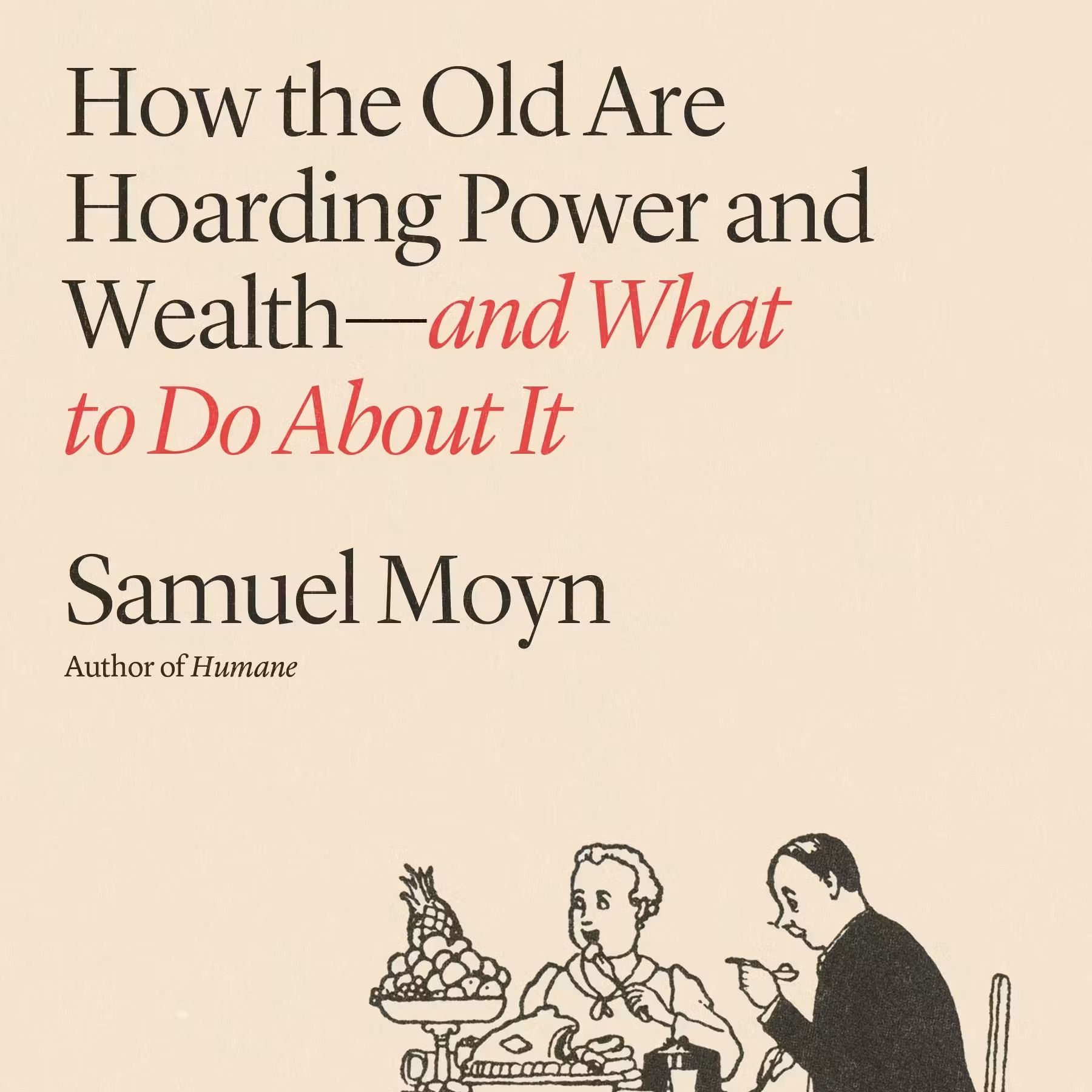
Gerontocracy in America (w/ Sam Moyn)
3w ago01:08:33Tap to summarizeLindsey Graham's death last week at 71 was as remarkable for the senator's relative "youth" as its possible political and electoral consequences, so much so that it actually prompted conspiracy theories about the precise nature of his passing. Meanwhile, 84-year old Mitch McConnell's status as among the living remains shrouded in mystery, and former president 83-year old former president Joe Biden announced that his memoir would be published in November via his cadaver-esque presence in a promotional video. In short, everywhere we look the signs of our decline into a sclerotic gerontocracy are present, and perhaps no one has approached this problem as comprehensively as Samuel Moyn in his new book, Gerontocracy in America: How the Old Are Hoarding Power and Wealth—and What to Do About It. In this episode we talk with Sam about the historical precedents for our gerontocracy; the nature, extent, and causes of it; why his book is not an attack on the elderly; and possibilities for creatively rewriting our society's intergenerational contract; and more. Sources: Samuel Moyn, Gerontocracy in America: How the Old Are Hoarding Power and Wealth—and What to Do About It (2026) Thomas Jefferson, Letter to James Madison, Sept 6, 1789 James Madison, Federalist 49, Feb 5, 1788 James Ceaser, "The Constitution: Sweet as Honey," First Things, Sept 20, 2009 Alexis de Tocqueville, Democracy in America (1835) ...and don't forget to subscribe to Know Your Enemy on Patreon for access to all of our bonus episodes!
Transcribe →
Why Patriotism [Teaser]
4w ago00:11:34Tap to summarizeListen to the rest of this premium episode by subscribing at patreon.com/knowyourenemy. This conversation is something of a follow-up to our last episode on Garry Wills's Lincoln at Gettysburg: The Words That Remade America. We begin by "providing receipts" for the views of prominent midcentury conservative intellectuals (Willmoore Kendall, Russell Kirk, and Mel Bradford, to name a few) about the Declaration, equality, and Lincoln, then take a step back to discuss what their quarrel with Lincoln, Harry Jaffa, Garry Wills, and other partisans of equality might reveal about the nature of the American founding and the shape of our country's history. After all that—and more—we consider NYC Mayor Zohran Mamdani's July 3 speech celebrating America's 250th anniversary and the promise and perils of leftwing patriotism. Listen again: "Lincoln at Gettysburg," Know Your Enemy, July 6, 2026 Sources: Zohran Mamdani, "Remarks as Prepared: Mayor Mamdani Delivers Address Marking America’s 250th Birthday," July 3, 2026 Garry Wills, Lincoln at Gettysburg: The Words That Remade America (1992) Abraham Lincoln, "Letter to Joshua Speed," Aug 24, 1855 — Speech at Chicago, Illinois, July 10, 1858 — Message to Congress, July 4, 1861 Alexander H. Stephens, "Corner Stone Speech," March 21, 1861 James Madison, "Federalist no. 39," Jan 16, 1788 Thomas Jefferson, Letter to Roger Weightman, June 24, 1826 Willmoore Kendall & George W. Carey, The Basic Symbols of the American Political Tradition (1970) George W. Carey, In Defense of the Constitution (1997) Russell Kirk, The Roots of American Order (1974) — John Randolph of Roanoke: A Study in American Politics (1951) Harry V. Jaffa, A New Birth of Freedom: Abraham Lincoln and the Coming of the Civil War (2000) George W. Bush, Second Inaugural Address, Jan 20, 2005
Transcribe →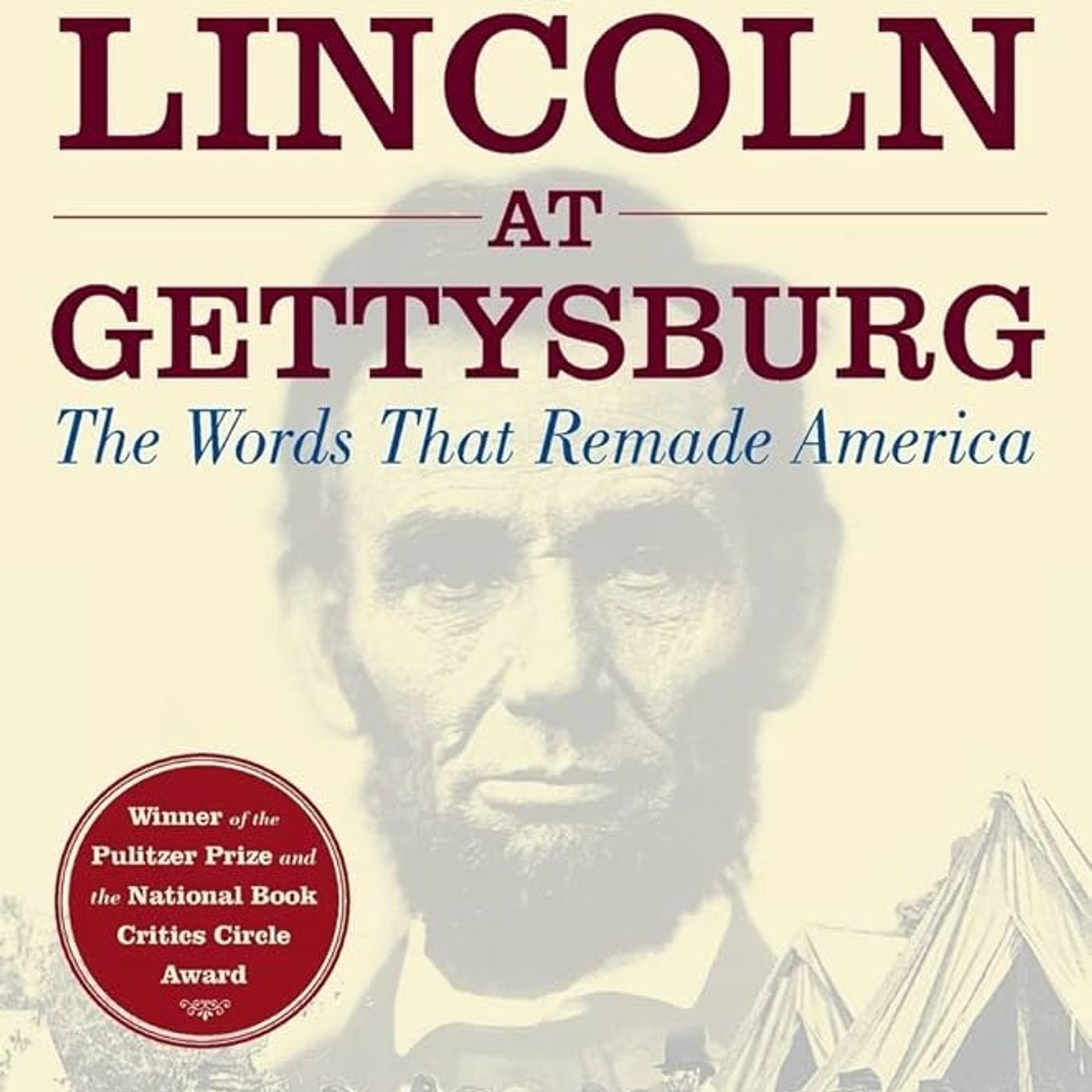
Lincoln at Gettysburg: The Words That Remade America
Jul 601:31:09Tap to summarizeWe're ringing in the 250th anniversary of the United States with an episode on Garry Wills's superb, Pulitzer Prize-winning 1992 book, Lincoln at Gettysburg: The Words That Remade the America. It's central argument is that Abraham Lincoln succeeded in revolutionizing how Americans thought of the founding of their country, especially the Declaration of Independence, with the Gettysburg Address—a revolution not just in "thought" but in "style," one that placed the Declaration's assertion of equality at the very center of our political tradition. The book is one that only Garry Wills could have written, with his PhD in Classics allowing him to compare Lincoln's "funeral oration" to that of Pericles, with his long meditation on the American presidency and leadership preparing him to grasp the enormity of the task Lincoln set himself, and with his time at National Review in his youth helping him understand why the American right never forgave Lincoln for succeeding. We discuss all this and more in our conversation about one of our favorite writer's very best books. Tickets for Sam's events: Tuesday with Tad Devine / Thursday with Dan Denvir. Previous KYE episodes on Garry Wills: Nixon Agonistes The Kennedy Imprisonment (w/ Jeet Heer) Bomb Power (w/ Madeleine Baker) Sources: Garry Wills, Lincoln at Gettysburg: The Words That Remade America (1992) — Bomb Power: The Modern Presidency and the National Security State (2010) — "Martin Luther King Is Still on the Case!" Esquire, Aug 1, 1968 — "The Blind Teach Us to See," Boston Globe, Aug 20, 1970 Abraham Lincoln, "Letter to Joshua Speed," Aug 24, 1855 Harry V. Jaffa, Crisis of the House Divided: An Interpretation of the Issues in the Lincoln-Douglas Debates (1959) Russell Kirk, The Roots of American Order (1974) Willmoore Kendall and George W. Carey, The Basic Symbols of the American Political Tradition (1970) ...and don't forget to subscribe to Know Your Enemy on Patreon for access to all of our bonus episodes!
Transcribe →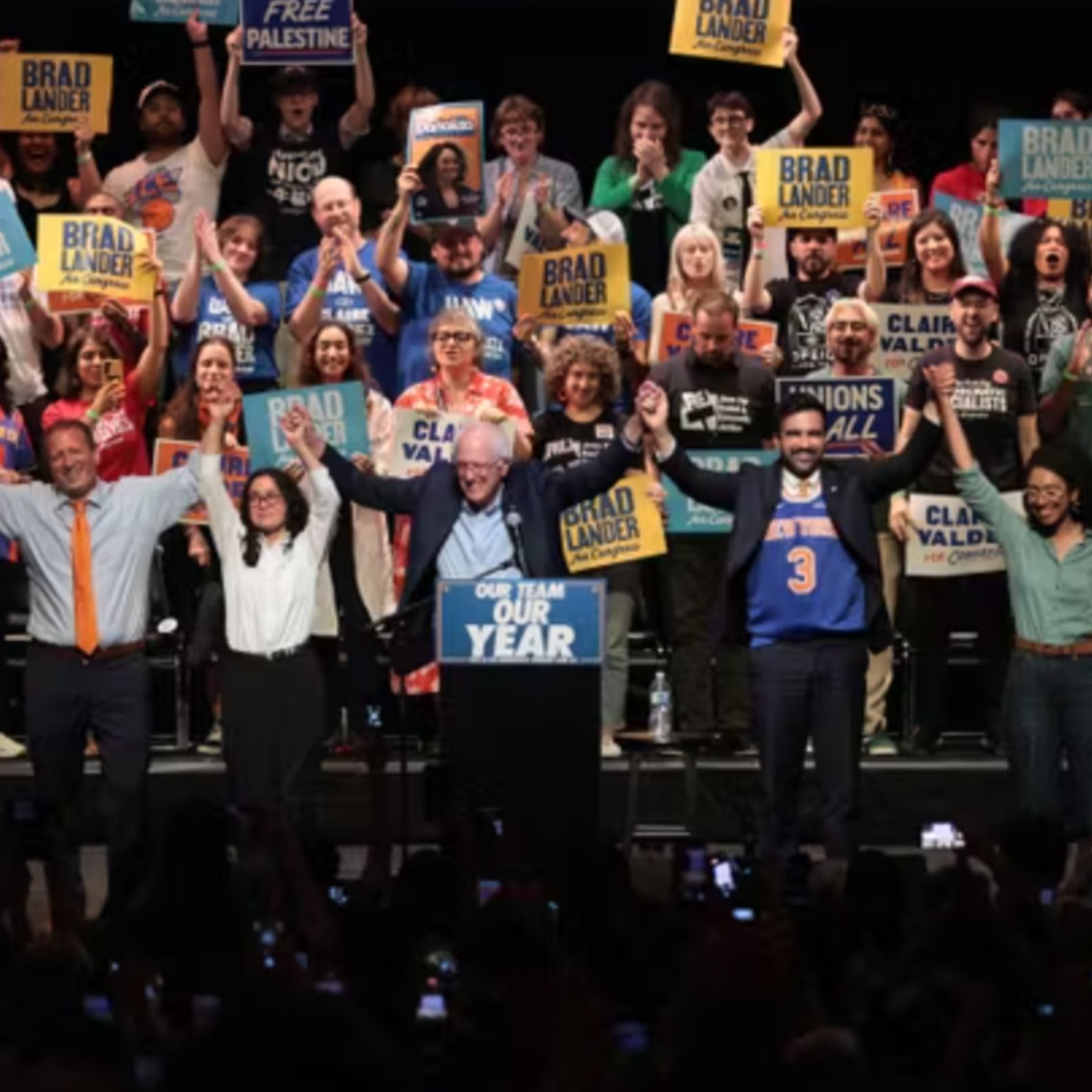
The Left Ascendant in New York City [Teaser]
Jun 2900:02:47Tap to summarizeListen to the rest of this premium episode by subscribing at patreon.com/knowyourenemy. In this episode we break down the results from last week's Democratic primaries in New York City, which saw candidates aligned with the Democratic Socialists of America prevail in key congressional races (as well as downballot in local and state races). We break down what happened, review the deranged responses from both the right and centrist Democrats, the place of Israel/Palestine in these contests (and the ludicrous if expected charges of anti-semitism that followed), and consider what it might mean for the left in the age of Trump—however much longer that lasts—and more. Sources: Peruse all the results from the NYC Democratic primary at the New York Times. Noah Rothman, "The DSA Is a Hate Group, and What It Hates Is America," National Review, June 24, 2026 — "The Hostile Takeover of the Democratic Party That Everyone but the Democrats Saw Coming," National Review, June 25, 2026 Brianna Lyman, "Socialist Primary Wins Prove Mass Migration Remakes America," The Federalist, June 25, 2026 Jonah Goldberg, "Crazy Begets Crazy in New York City," The Dispatch, June 24, 2026 Michael Luciano, "'I'm Done, I'm Not in That F*cking Political Party':James Carville Freaks Out After Progressives Win Big in Democratic Primaries," Mediaite, June 24, 2026 Elizabeth Kim, "'You're next': The Black and Latino New Yorkers Feeling Burned by Mamdani's Primary Sweep," Gothamist, June 24, 2026 Michael Lange, “DSA vs. WFP,” The Narrative Wars, May 18, 2026
Transcribe →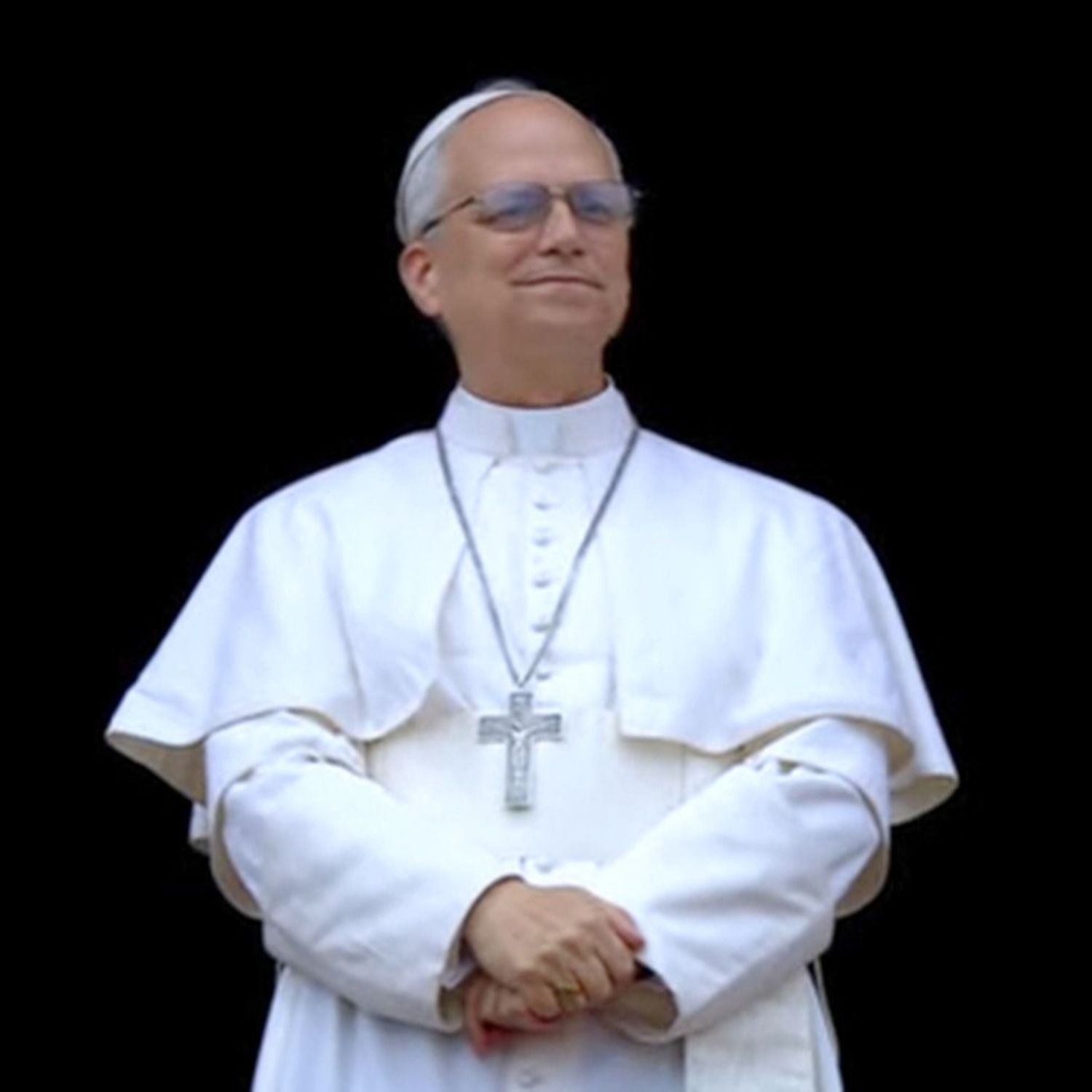
Pope Leo XIV's 'Magnifica humanitas' (w/ Jack Hanson)
Jun 2201:36:38Tap to summarizeAs promised, here is our episode about Pope Leo XIV's recent encyclical, Magnifica humanitas, in which he brings to bear Catholic social teaching on the perils of artificial intelligence and what they reveal about what it really means to be human being. It's a distinctly Augustinian reading of our nature and destiny, marked not just by Leo's attention to our limits as flawed and fallible creatures, but the joy and hope found by living into them—which, finally, becomes his plea to see life from the perspective of the lowly, the downcast, the abandoned. To help us explain such a rich document, we had on our friend Jack Hanson, one of the most perceptive American writers on the Catholic Church. We tease out the connections between this Leo's first and encyclical and that of his namesake Leo XIII's Rerum novarum, an intervention on behalf of working people during the industrial and considered the origin of Catholic social teaching; Leo's "Augustinianism"; the encyclical's critique of artificial intelligence and what that has to do with its account of what really makes us human; and more. Sources: Pope Leo XIV, Magnifica humanitas, May 15, 2026 Pope Leo XIII, Rerum Novarum, May 15, 1891 Jack Hanson, "A Serious Man: The Militant Mysticism of Charles Péguy," Commonweal, May 3, 2021 – “The Heresy of Americanism,” The Drift, Jun 10, 2025. Michael Oakeshott, "The Tower of Babel" in On History and Other Essays (1983) Reinhold Niebuhr, "The Tower of Babel" in Beyond Tragedy: Essays on the Christian Interpretation of History (1937) Donna Haraway, “A Cyborg Manifesto,” (1985) ...and don't forget to subscribe to Know Your Enemy on Patreon for access to all of our bonus episodes!
Transcribe →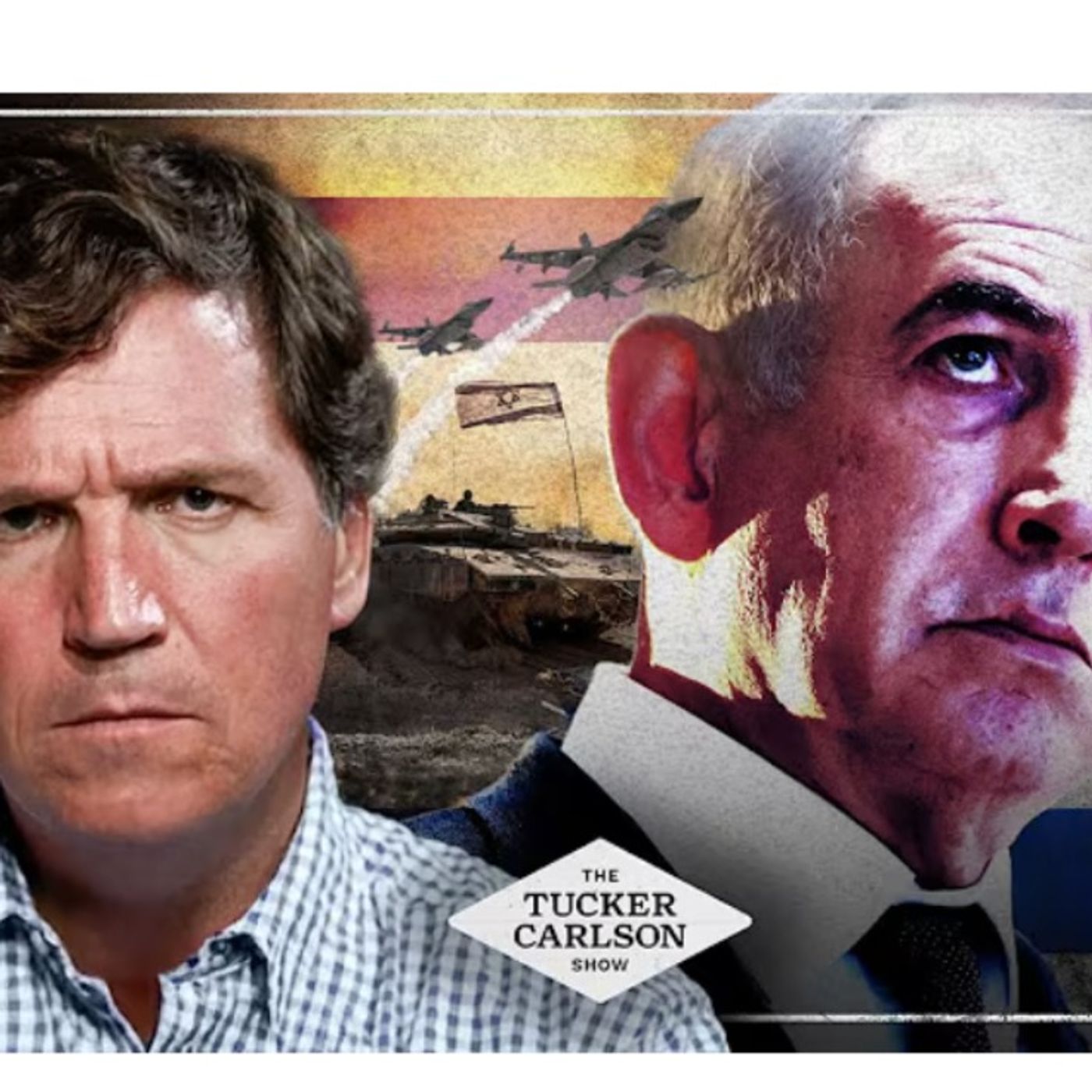
Tucker Carlson and the Anti-Israel Right (w/ Peter Beinart) [Teaser]
Jun 1500:03:46Tap to summarizeListen to the rest of this premium episode by subscribing at patreon.com/knowyourenemy. Author and Jewish Currents editor-at-large Peter Beinart returns to "Know Your Enemy" to discuss Tucker Carlson's newfound anti-Israel politics, their connection to his broader nationalist project, and how the left should think about right-wing anti-zionism. Sources: Peter Beinart, "What Tucker Carlson Means When He Talks About Israel," New York Times, April 28, 2026 — "Progressives Must Not Give Tucker Carlson a Pass," The Beinart Notebook, May 11, 2026 — Being Jewish After the Destruction of Gaza: A Reckoning, (2025) Daniel G. Hummel, The Rise and Fall of Dispensationalism (2023) "Tyler Oliveira: Exposing Somali Welfare Abuse, Republican Hypocrisy & the Group You Can’t Criticize," The Tucker Carlson Show, May 8, 2026 Will Alden, "The Many Equivocations of Curt Mills," Jewish Currents, April 16, 2026.
Transcribe →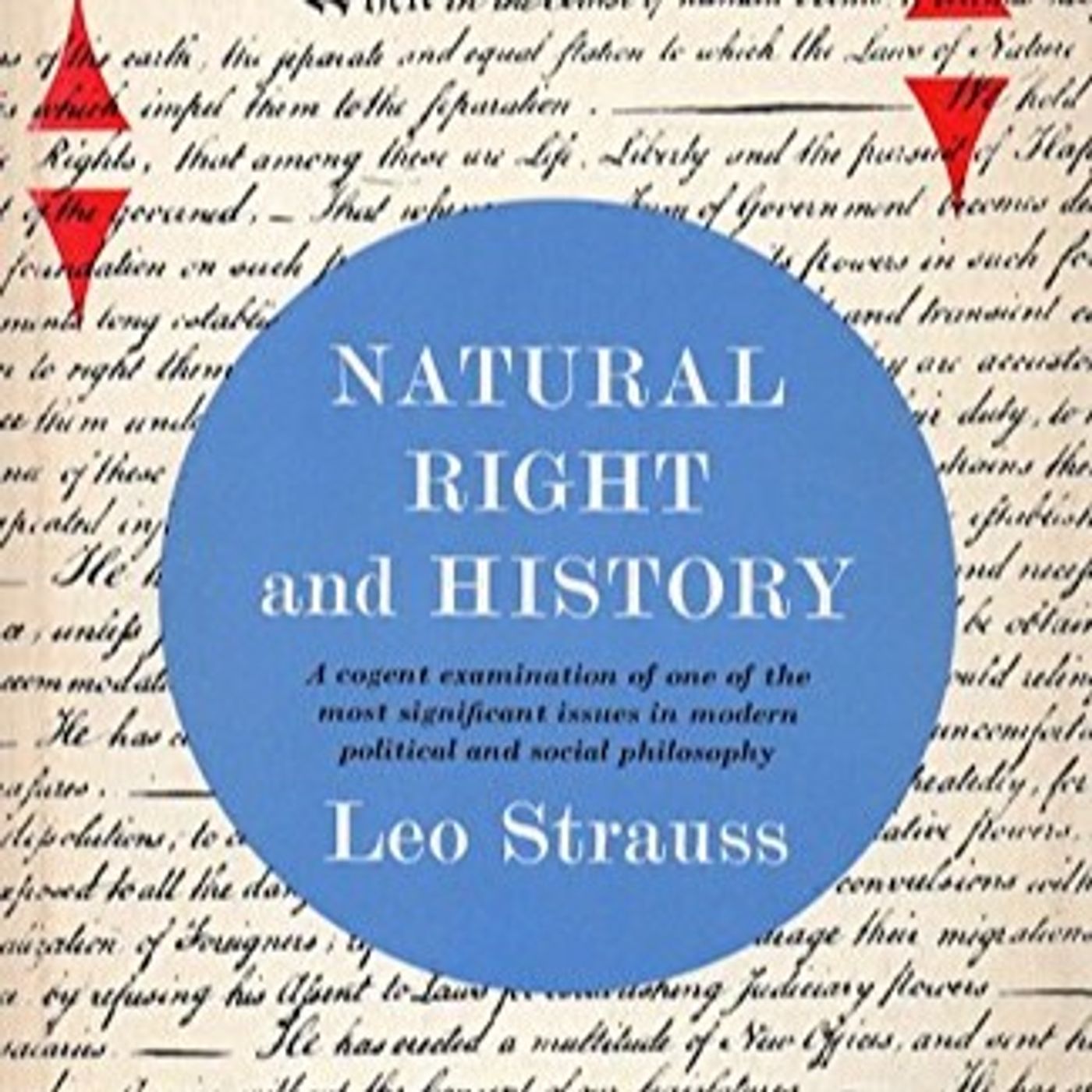
Leo Strauss's Natural Right and History (w/ Matt Dinan)
Jun 902:26:00Tap to summarizePull up a chair and pour yourself a drink! For the third installment in our occasional series on important conservative books, or important books written by or embraced by conservatives, we take up Leo Strauss's Natural Right and History, based on his 1949 Walgreen Lectures at the University of Chicago (where he taught for two decades) and published in 1953. To help us, we called on our friend Matt Dinan, a political theorist who's associate professor in the Great Books Program at St. Thomas University in New Brunswick, Canada. If you've listened to previous episodes and wanted us to go deeper on Leo Strauss, the German-Jewish political philosopher who came to the United States after fleeing Nazism, "Straussianism," and what they might have to do with American conservatism and our present political moment, here you go. After offering some background on Strauss and the context of Natural Right and History's publication, we discuss Strauss's patriotic appeal to Americans in the book's introduction, walk listeners through the chapters that follow (explaining what "natural right" is and why it's paired with "history" in the title along the way), and close out by exploring Strauss's ambiguous relationship to American conservatism—and more! Sources: Leo Strauss, Natural Right and History (1953) — On Tyranny (1963) — Spinoza's Critique of Religion (1965) Harry V. Jaffa, Thomism and Aristotelianism: A Study of the Commentary by Thomas Aquinas on the Nicomachean Ethics (1952) James W. Ceaser, "The American Context of Leo Strauss's Natural Right and History," Perspectives on Political Science, Spring 2008 Richard Velkley, Heidegger, Strauss, and the Premises of Philosophy: On Original Forgetting (2011) — "On the Roots of Rationalism: Strauss's 'Natural Right and History' as Response to Heidegger," The Review of Politics, Spring 2008 ...and don't forget to subscribe to Know Your Enemy on Patreon for access to all of our bonus episodes!
Transcribe →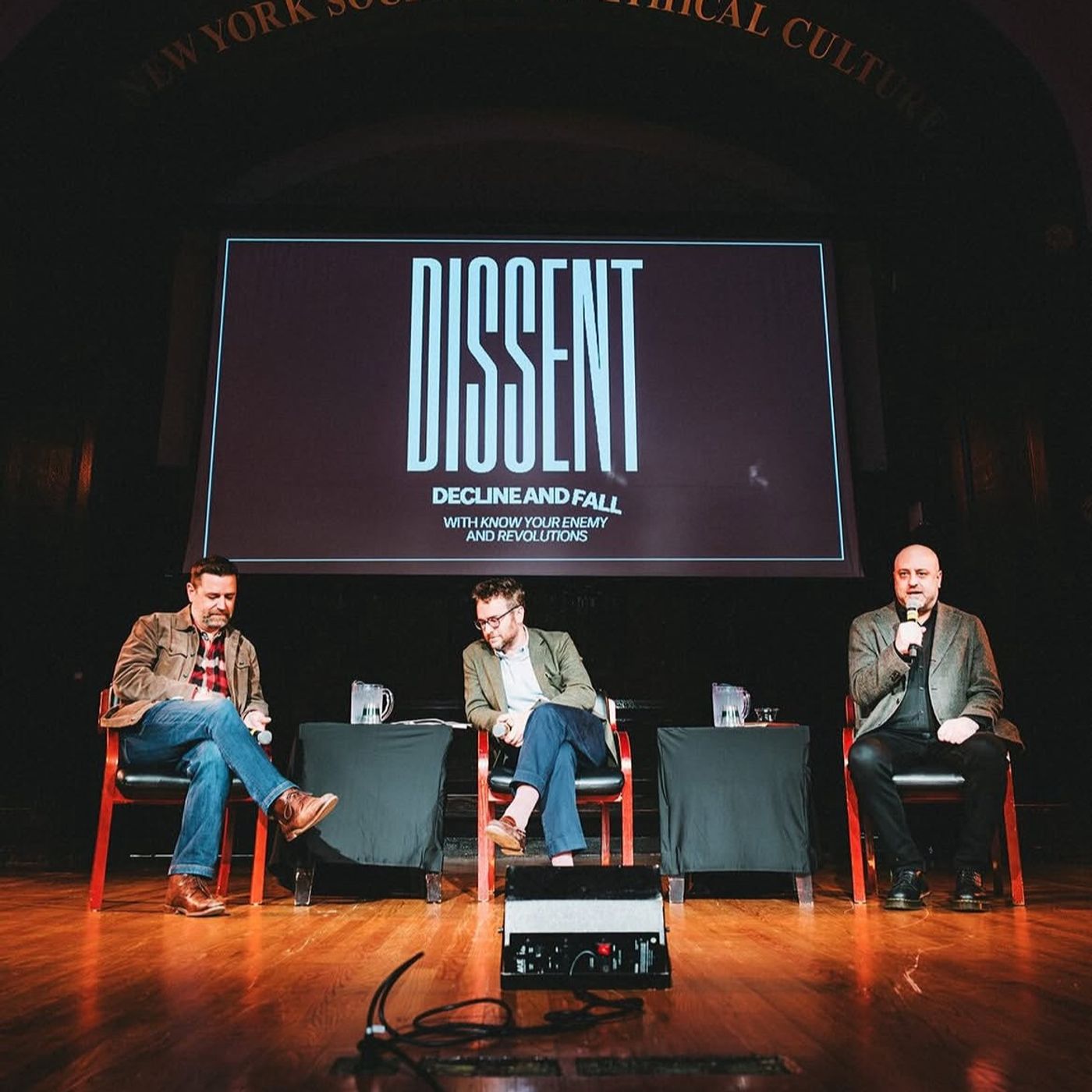
Know Your Enemy, Live! (w/ Mike Duncan) [Teaser]
Jun 100:03:52Tap to summarizeListen to the rest of this premium episode by subscribing at patreon.com/knowyourenemy. Last month, on May 14th, we were joined by nearly 800 listeners in New York City for the first ever Know Your Enemy live show, "Decline and Fall." The event was a fundraiser for Dissent, so we called in the big guns, our great friend Mike Duncan, to join us on stage. Many KYE listeners will be familiar with Mike, the brilliant and prolific host of the Revolutions and, especially relevant for the purposes of this conversation, History of Rome podcasts. We discuss how the right talks about decline, their hilariously ignorant invocations of Rome, our very symptomatic obsession with political decline and dissolution, the power of nostalgia and declension narrative—and then answer audience questions! Thank you again to everyone who joined us in person, to Mike Duncan, to Patrick Iber and Rosalie Ryan and everyone at Dissent, to our intrepid producer Jesse Brenneman (who was able to fly in from Montana to join us), to listeners near and far who so generously continue to support Know Your Enemy! Donate to Dissent here. Photo credit: Jack Califano Sources: For quotes from conservatives about Rome's decline: Reagan, Nixon, Buchanan, Vance Mike Duncan, The Storm Before the Storm: The Beginning of the End of the Roman Republic (2017) James J. Walsh, The Thirteenth, Greatest of Centuries (1907) Michael Oakeshott, Rationalism in Politics and Other Essays (1962) Kate Wagner, "Fear of a Breakdown," Late Review, May 11, 2026. D.W. Winnicott, "Fear of a Breakdown," Intl. Review of Psychoanalysis, (1974)
Transcribe →