
Podcast
La Guerra Grande
Hosted by Andrea Basso · IT
Tra il 1914 e il 1918 l'umanità assistette al conflitto più titanico della sua storia fino ad allora. Milioni di persone vennero inghiottite in un tritacarne senza precedenti, e ne uscirono cambiate per sempre, mentre altre non ne uscirono affatto.
A cura di Andrea Basso
A cura di Andrea Basso
25episodes
Episodes
Newest firstAll episodes
Ep. 71: Svietaja Rus: La Russia in guerra
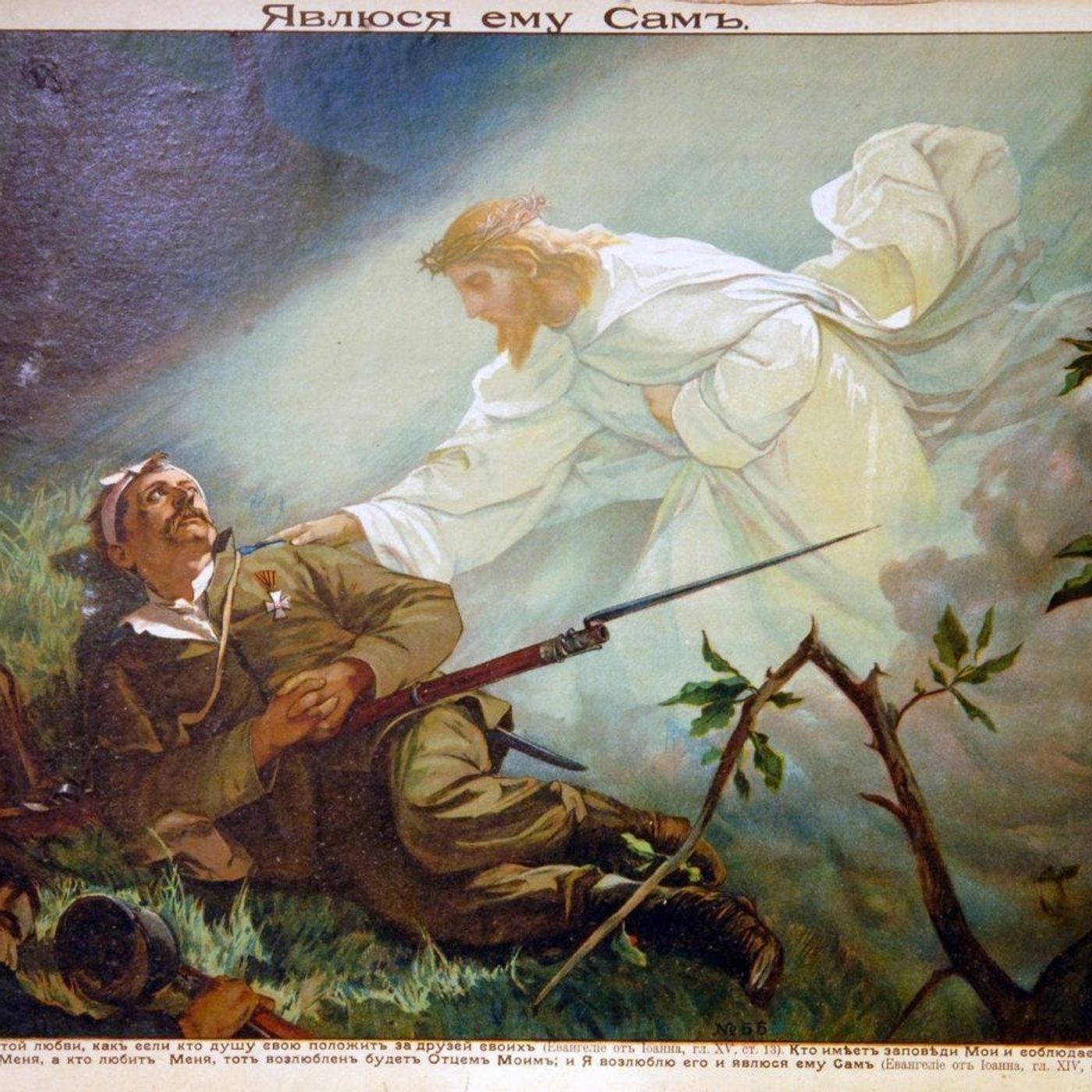
1w ago00:41:22Tap to summarizeIn questo episodio vedremo come di fatto la Russia abbia vissuto il conflitto del 1914 in due mondi radicalmente diversi, ovvero quello della città e quello della campagna. Nella parte finale invece analizzeremo le situazioni di Serbia, Montenegro e Giappone.Seguimi su Instagram: @laguerragrande_podcastSe vuoi contribuire con una donazione sul conto PayPal: podcastlaguerragrande@gmail.comO con un abbonamento Patreon: https://www.patreon.com/libraryScritto e condotto da Andrea BassoMontaggio e audio: Andrea BassoFonti dell'episodio:Ivan Basenko, The “German Intrigue” as an Element of the Anti-Ukrainian Campaign: A Case Study of Kyiv’s Russian Language Press, 1914-18, East/West: Journal of Ukrainian Studies 5, 2018Mile Bjelajac, Serbia, 1914-1918 Online, 2015John Bushnell, Russian Peasants and Soldiers during World War I: Home and Front Interacting: Russian Studies in History 56, 2017Isao Chiba, Making Sense of the War (Japan), 1914-1918 Online, 2022Cloé Drieu, Turkestan, 1914-1918 Online, 2016Matteo Ermacora, Civilian Morale, 1914-1918 Online, 2015Peter Gatrell, Poor Russia, poor show: mobilising a backward economy for war, 1914–1917, The Economics of World War I, 2005Mark Harrison, Russia’s Home Front, 1914-1922: The Economy, 2012Radoslav Raspopović, Montenegro, 1914-1918 Online, 2014Klaus Richter, Baltic States and Finland, 1914-1918 Online, 2014 Piotr Szlanta, Poland, 1914-1918 Online, 2014In copertina: manifesto propagandistico russo del 1914, che rappresenta Gesù che si rivela a un soldato morente.
Transcribe →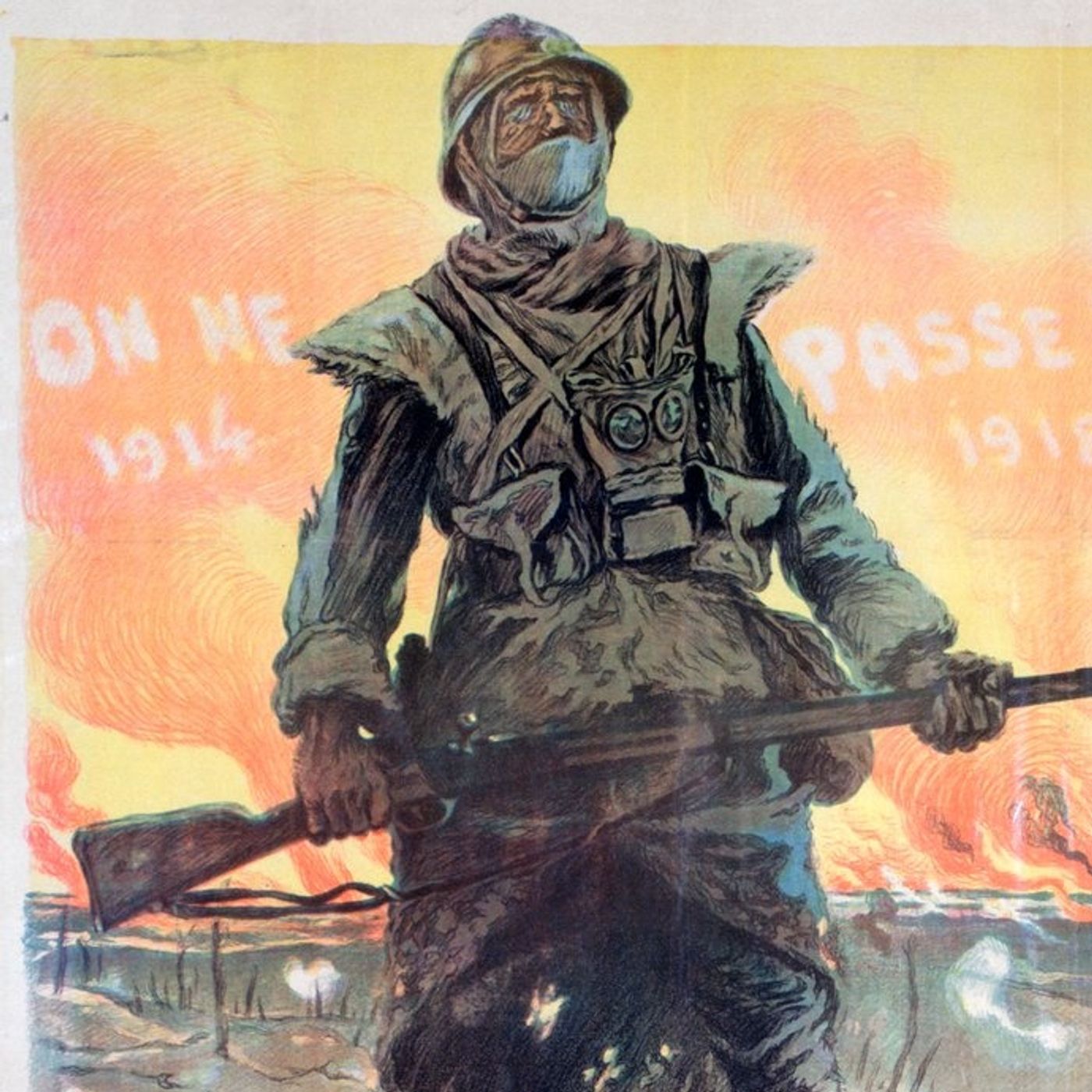
Ep. 70: L'arrière: Francia e Belgio in guerra
May 3101:24:02Tap to summarizeIn questo episodio ci concentriamo sulle opinione pubbliche della Francia e del Belgio, nonché dell'impatto sociale, economico e culturale che il conflitto ha avuto nei loro imperi coloniali.Seguimi su Instagram: @laguerragrande_podcastSe vuoi contribuire con una donazione sul conto PayPal: podcastlaguerragrande@gmail.comO con un abbonamento Patreon: https://www.patreon.com/libraryScritto e condotto da Andrea BassoMontaggio e audio: Andrea BassoFonti dell'episodio:C. M. Andrew, A. S. Kanya-Forstner, France, Africa, and the First World War, The Journal of African History 19, 1978Lancelot Arzel, Fighting on the Equator. War Violence and Colonial Experiences among Congolese Troops during World War I, Journal of Belgian History 48, 2018Robert Colonna d'Istria, Histoire de la Corse: Des origines à nos jours, Éditions Tallandier, 2019Cédric Condon, La guerre de tous les français, ECPAD, 2018Joël Cornette, Histoire de la Bretagne et des Bretons, Le Seuil, 2008Patrick Daum, Les bretons dans la guerre de 1914-1918, Histoire par l'image, 2016Guillaume Davranche, Mai 1913: Débuts de mutineries dans les casernes, Commission Journal, 2013Chantal Dhennin-Lalart, Les fronts intérieurs d’août 1914 à novembre 1918: les civils occupés, évacués et réfugiés, Ravages et héritages de la Grande Guerre, Presses universitaires de Rennes, 2021Michel Dumoulin, L'Entrée dans le XXe Siècle, 1905–1918, Nouvelle Histoire de Belgique, Le Cri édition, 2010Sylvain Gregori, Une captivité insulaire. Prisonniers de guerre et internés civils en Corse 1914-1918 , Cahiers de la Méditerranée, 81, 2010Didier Guyvarc'h, La Bretagne dans la guerre de 1914-1918: un quotidien bouleversé, Bécédia, 2017Richard Fogarty, Tirailleurs Sénégalais, 1914-1918 Online, 2016La Corse, région la plus meurtrie par la Première Guerre mondiale… vraiment?, France3, 2016La Grande Guerre des Auvergnats, 2015Amandine Lauro, 'To our Colonial Troops, Greetings from the Far-Away Homeland'. Race, security and (Inter-)Imperial Anxieties in the Discussion on Colonial Troops in World War one Belgium, Journal of Belgian History 48, 2018Arnaud Leonard, Centenary (Madagascar), 1914-1918 Online, 2021Branden Little, Commission for Relief in Belgium (CRB), 1914-1918 Online, 2014Jean-Luc Mastin, Organization of War Economies (France), 1914-1918 Online, 2023Jean-Marie Mayeur, Panorama historique, Histoire de la langue française 1880-1914, CNRS Éditions, 1999Indiana Neidell, French North Africa in World War 1 I THE GREAT WAR Special, The Great War, 2018Enika Ngongo, The forgotten. African Soldiers and Porters of the Belgian Colonial Forces in the First World War, Journal of Belgian History 48, 2018George N. Njung, West Africa, 1914-1918 Online, 2024 Daniele Notaro, I Tirailleurs indochinois nella Grande GuerraSébastien Ottavi, “Ce vaste massacre fait notre orgueil, mais nous permet de parler haut.” Les Corses et l’impôt du sang, autour de 1914-1918, Minorités, identités régionales et nationales en guerre, Presses universitaires de Rennes, 2017Deborah Paci, Francesco Guerri e il movimento irredentista còrso in Italia, Corse et Toscane aux époques moderne et contemporaine, Études corses, 2014Michael Pesek, Force Publique, 1914-1918 Online, 2017Ronan Richard, Les Bretons et la Grande Guerre, Annales de Bretagne et des Pays de l’Ouest 121, 2014Ian Sumner, French Poilu 1914–18, Osprey, 2009Claire Thi Liên Trân, Indochina, 1914-1918 Online, 2022 Larissa Wegner, Occupation during the War (Belgium and France), 1914-1918 Online, 2014H. P. Willmott, La Prima Guerra Mondiale, DK, 2006In copertina: poster di propaganda francese "On ne passe pas", di Maurice Neumont, 1918.
Transcribe →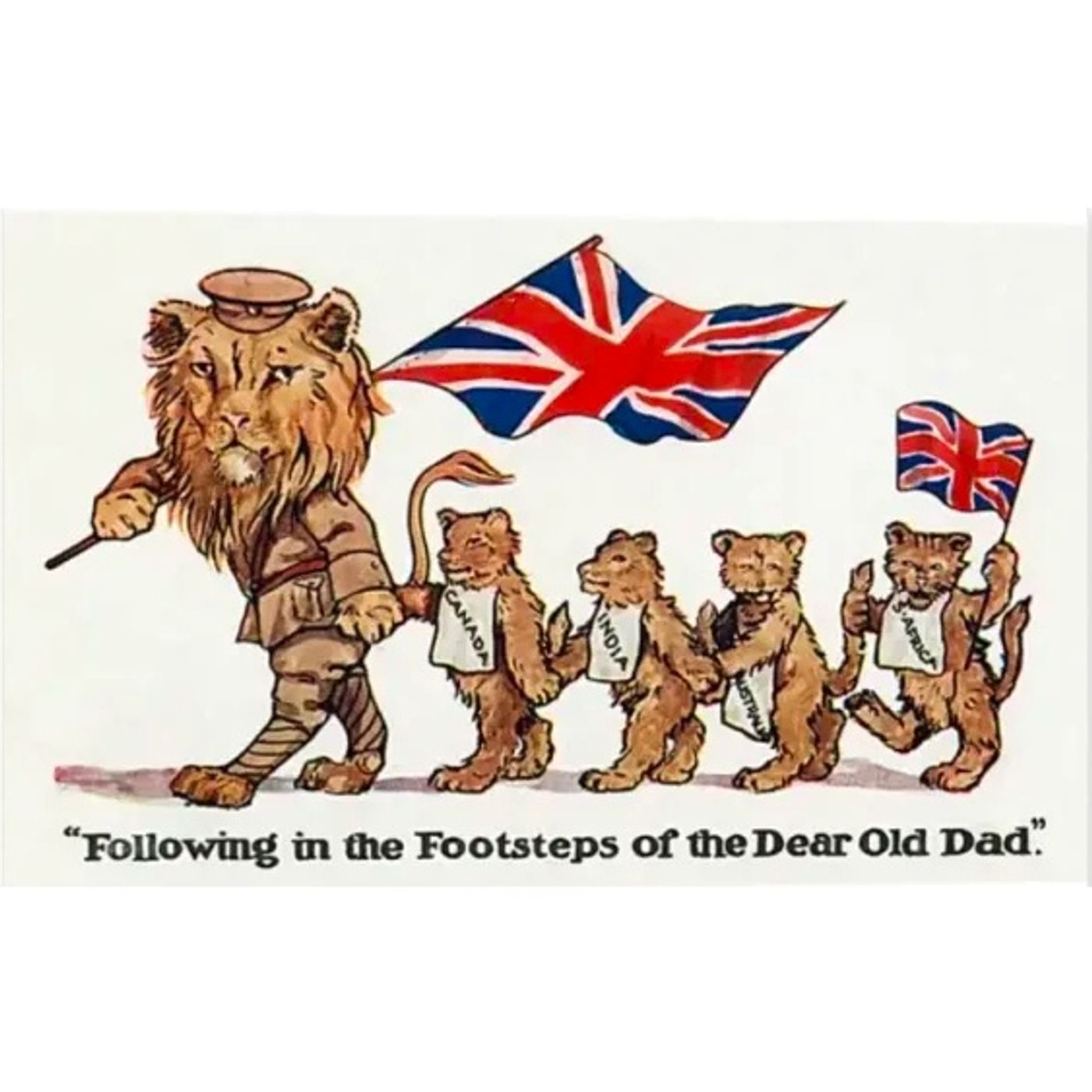
Ep. 69: Homefront: l'Impero Britannico in guerra
Apr 1201:14:11Tap to summarizeIn questo episodio ci concentriamo su come il conflitto sia stato percepito e vissuto dalle opinioni pubbliche dell'Impero Britannico. Attraverso una prospettiva britannica, indiana, africana, australiana, neozelandese, canadese, e caraibica cercheremo di comprendere come i governi abbiano costruito il loro consenso alla guerra e come l'impero più grande della storia abbia risposto alla chiamata.Seguimi su Instagram: @laguerragrande_podcastSe vuoi contribuire con una donazione sul conto PayPal: podcastlaguerragrande@gmail.comO con un abbonamento Patreon: https://www.patreon.com/libraryScritto e condotto da Andrea BassoMontaggio e audio: Andrea BassoFonti dell'episodio:Carl Benn, Mohawks on the Nile: Natives Among the Canadian Voyageurs in Egypt, 1884–1885, Dundurn, 2009Black Canadians in uniform, Government of Canada, 2026British West Indies Regiment, National Army MuseumMihir Bose, The Magic of Indian Cricket: Cricket and Society in IndiaDavid Chandler, The Oxford History of the British Army, Oxford University Press, 1996Norman Clothier, Black valour: the South African Native Labour Contingent, 1916-1918, and the sinking of the Mendi, University of Natal Press, 1987Oliver Coates, Beyond Anonymity: Nigerian Participation in World War One Commemoration: 1919–1939, The Journal of Imperial and Commonwealth History 53, 2025Adam Crerar, Ontario and the Great War, Canada and the First World War: Essays in Honour of Robert Craig Brown, University of Toronto Press, 2005John Davies, Nigel Jenkins, Menna Baines, Peredur Lynch, The Welsh Academy Encyclopaedia of Wales, University of Wales Press, 2008Department of Veterans' Affairs, Internment camps in Australia during World War I, DVA Anzac Portal, 2021Nándor F. Dreisziger, Ethnic Armies: Polyethnic Armed Forces from the Time of the Habsburgs to the Age of the Superpowers, Wilfrid Laurier University Press, 1990Gerhard Fischer, ‘Negative integration’ and an Australian road to modernity: Interpreting the Australian homefront experience in World War I, Australian Historical Studies 26, 1995David Fitzpatrick, Politics and Irish Life, 1913–1921: Provincial Experience of War and Revolution, Cork University Press, 1998Jack Lawrence Granatstein, Canada, 1914-1918 Online, 2018Thomas Hennessey, Dividing Ireland, World War I and Partition, Ireland in 1914, Routledge Press, 1998How The West Indies Helped The War Effort In The First World War, Imperial War MuseumE.A. James, British Regiments 1914–18, Samson Books, 1978Keith Jeffery, The British Army and the Crisis of Empire, 1918–22, Manchester University Press, 1986Michael King, Te Puea: A Biography, Hodder and Stoughton, 1977Kitchener mayor notes 100th year of name change, CBC, 1/9/2016Norman Leach, Passchendaele: Canada's Triumph and Tragedy on the Fields of Flanders: an Illustrated History, Coteau Books, 2008Joe Harris Lunn, War Losses (Africa), 1914-1918 Online, 2015Stuart Macintyre, The Oxford History of Australia: Volume 4: 1901–42, the Succeeding Age, Oxford University Press, 1986James K. Matthews, World War I and the Rise of African Nationalism: Nigerian Veterans as Catalysts of Change, The Journal of Modern African Studies 20, 1982Ian McGibbon, The Shaping of New Zealand's War Effort, August–October 1914, New Zealand's Great War: New Zealand, the Allies & the First World War, Exisle Publishing, 2007Jairus Omuteche, World War 1 and Colonialism in Kenya: Perspectives through Historiography and Literary Imaginaries, Eastern African Literary and Cultural Studies 10, 2024Panikos Payani, Prisoners of Britain: German Civilian and Combatant Internees During the First World War, Manchester University Press, 2013Panikos Payani, Enemy in our Midst: Germans in Britain during the First World War, Bloomsbury, 2014Christopher S. Rose, Egypt, 1914-1918 Online, 2024T. C. Smout, A Century of The Scottish People, 1830–1950, Collins 1986Statistics of the Military Effort of the British Empire during the Great War. 1914–1920, His Majesty's Stationery Office, 1922Robert J. Talbot, 'It would be best to leave us alone': First Nations Responses to the Canadian War Effort, Journal of Canadian Studies 45, 2011The Story Of The British West Indies Regiment In The First World War, Imperial War MuseumJames W. G. Walker, Race and Recruitment in World War I, Vancouver Island University, 2001H. P. Willmott, La Prima Guerra Mondiale, DK, 2006WW1 From an Indian Perspective, Imperial War Museums, 2025In copertina: cartolina propagandista britannica pubblicata nel 1916. La Gran Bretagna, il leone, conduce i propri cuccioli, ovvero Canada, India, Australia e Sudafrica. © Mary Evans / Grenville Collins Postcard Collection.
Transcribe →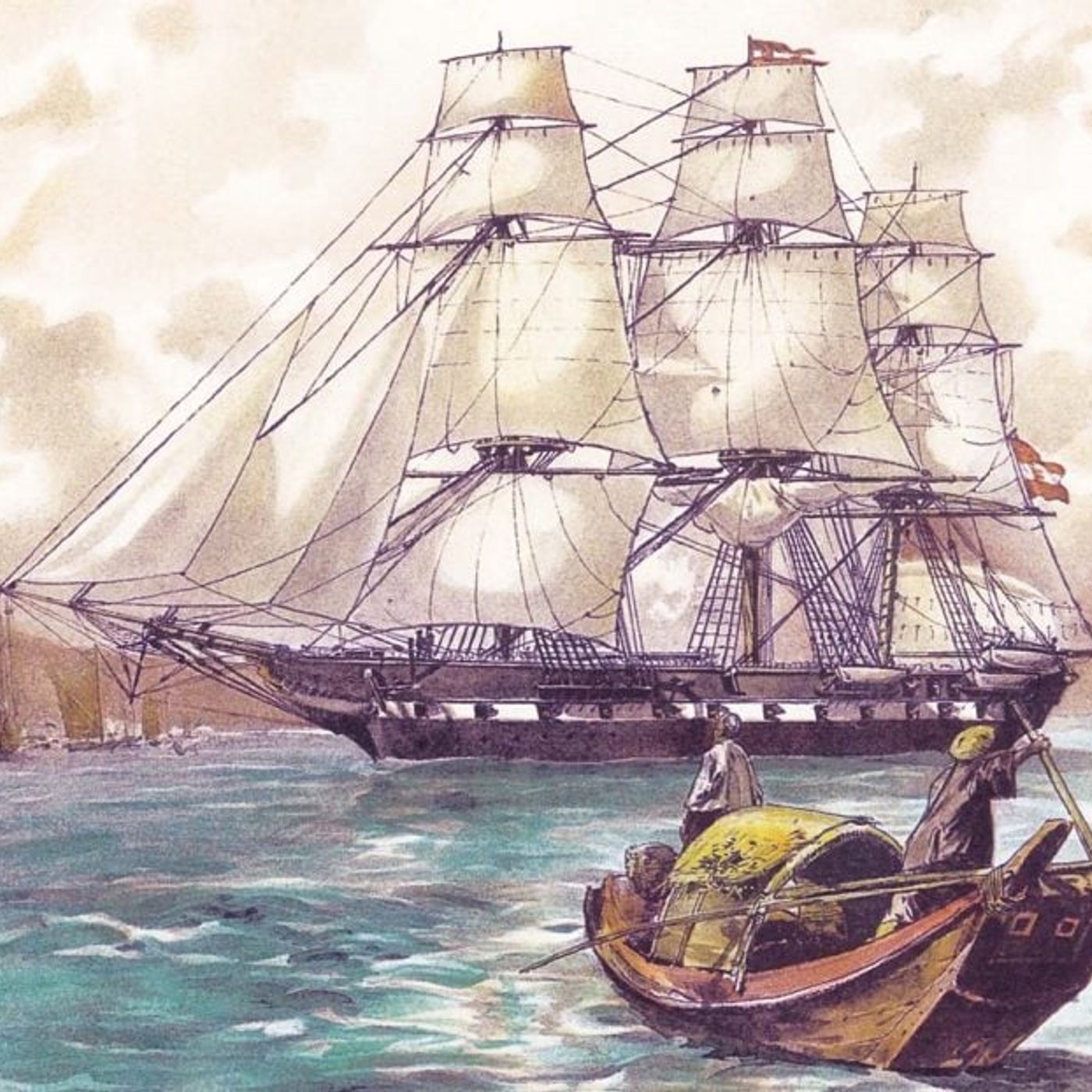
(SPECIALE) La Imperial-Regia Marina Austroungarica, con Ginevra e Marco Zelaschi (INTERVISTA)
Mar 3101:18:36Tap to summarizeATTENZIONE! L'intervista è stata registrata dal vivo, quindi l'audio in alcuni punti potrebbe non essere dei migliori.In questo episodio speciale ho avuto il piacere di fare qualche domanda alla dott. ssa Ginevra Zelaschi, ricercatrice presso il Centro di Studi Storici di Rovigno, e col dott. Marco Zelaschi. Due fratelli accomunati da una grande passione per la Marina Austroungarica, con i quali abbiamo attraversato due secoli della storia di questa ben poco conosciuta componente delle forze armate austroungariche.In copertina: La fregata SMS Novara nel corso del suo giro del mondo (1857-1859).
Transcribe →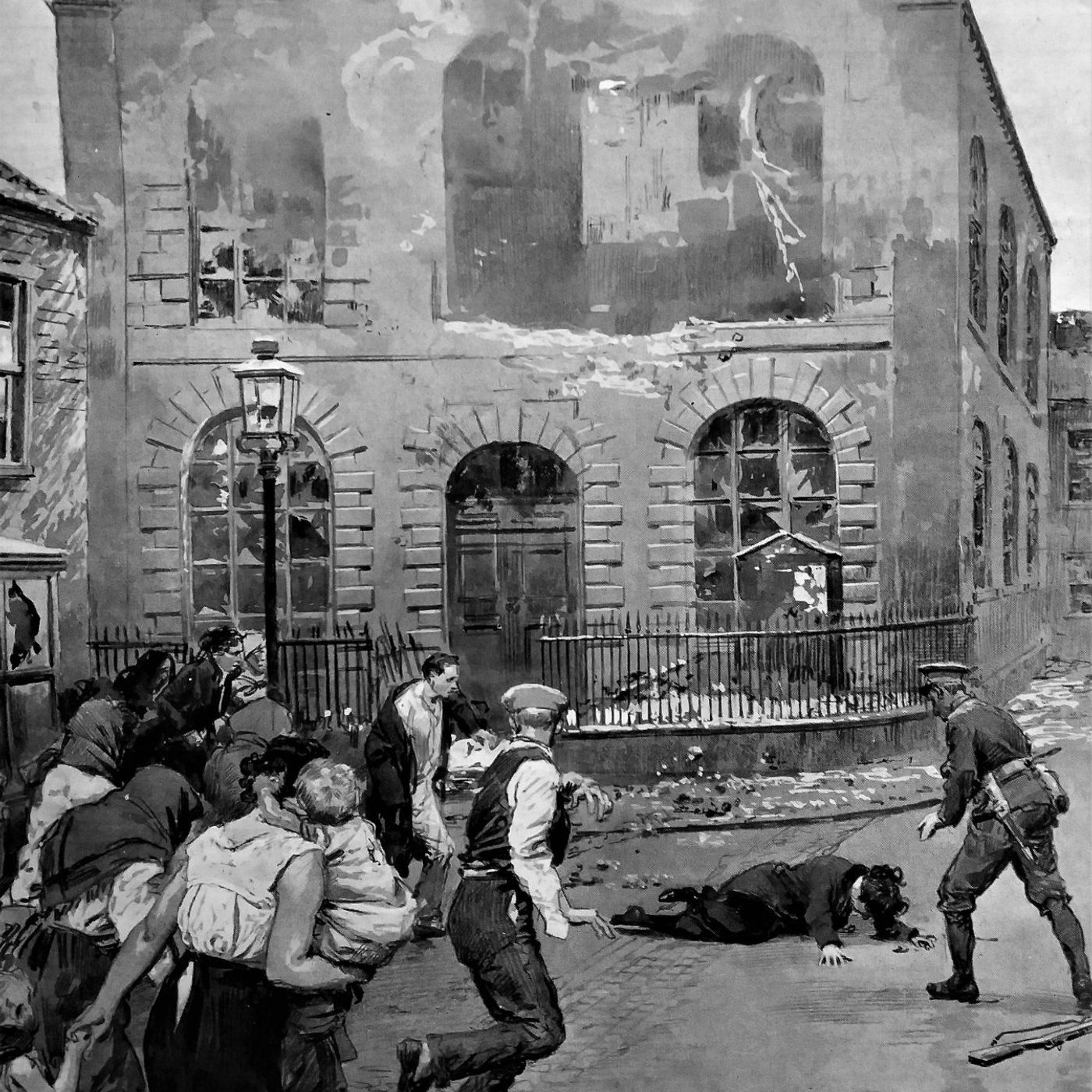
Ep. 68 La vicenda del Karlsruhe e la guerra nel mare del Nord (6 agosto 1914 - 1 gennaio 1915)
Feb 800:51:18Tap to summarizeUn singolo incrociatore tedesco porta scompiglio nei Caraibi, per poi sparire misteriosamente. Nel Mare del Nord, la guerra colpisce con crudeltà anche i civili, su suolo britannico. Seguimi su Instagram: @laguerragrande_podcastSe vuoi contribuire con una donazione sul conto PayPal: podcastlaguerragrande@gmail.comO con un abbonamento Patreon: https://www.patreon.com/libraryScritto e condotto da Andrea BassoMontaggio e audio: Andrea BassoFonti dell'episodio:Stuart Ball, Cristopher Wright, H.M.S. Bulwark, Warship International 21International Naval Research Organization, 1984C. Barnes, D. James, Shorts Aircraft since 1900, Putnam, 1989M. B. Barrass, Air Vice Marshal Charles Humphrey Kingsman Edmonds, Air of Authority – A History of RAF Organisation, 2016Geoffrey Bennett, Naval Battles of the First World War, Pen & Sword Military Classics, 2005J. Bourne, Who's Who in World War One, Psychology Press, 2001J. Bruce, The Short Seaplanes: Historic Military Aircraft, Flight 70, 1956Winston Churchill, The World Crisis, 1911–1914, Thornton Butterworth, 1923Churchill Papers, Reference code: CHAR 13/60/22, 7/2/1915J. S. Corbett, Naval Operations, History of the Great War Based on Official Documents by Direction of the Historical Section of the Committee of Imperial Defence, Imperial War Museum and Naval & military Press, Longmans, 1929Cuxhaven Raid, The Times, 19/2/1915James W. Garner, Some Questions of International Law in the European War, American Journal of International Law 9, 1915Hans Hildebrand, Albert Röhr, Hans Otto Steinmetz, Die Deutschen Kriegsschiffe: Biographien – ein Spiegel der Marinegeschichte von 1815 bis zur Gegenwart, Mundus Verlag, 1993Home Waters—Part II.: September and October 1914, Naval Staff Monographs Vol. XI, The Naval Staff, Training and Staff Duties Division, 1924It is Magnificent but it is not War, The Indipendent, 28/12/1914M. Karau, Wielding the Dagger, Praeger, 2003Timothy Kutta, Cuxhaven Raid – Britain's Bold Strike From the Sea, HistoryNet, 2006Norman Litchfield, The Territorial Artillery 1908–1988 (Their Lineage, Uniforms and Badges), Sherwood Press, 1992R. Massie, Castles of Steel: Britain, Germany, and the Winning of the Great War at Sea, Jonathan Cape, 2004 Dwight Messimer, Find and Destroy: Antisubmarine Warfare in World War I, Naval Institute Press, 2001Georges Ohnet, Journal d’un Bourgeois de Paris Pendant la Guerre de 1914, 1914E. Osborne, Cruisers and Battle Cruisers: An Illustrated History of Their Impact (Weapons and Warfare), ABC-CLIO, 2004Thobias Philbin, Admiral von Hipper: The Inconvenient Hero, Grüner Publishing Co, 1982Prison for Yorck’s captain, The New York Times, 28/12/1914V. E. Tarrant, Jutland: The German Perspective, Cassell Military Paperbacks, 1995Spencer Tucker, Priscilla Mary Roberts, Encyclopedia of World War I, ABC-CLIO, 2001Hugo von Waldeyer-Hartz, Admiral Von Hipper, Rich & Cowe, 1933 In copertina: civili in fuga ad Hartlepool, Hartlepool Museum Service.
Transcribe →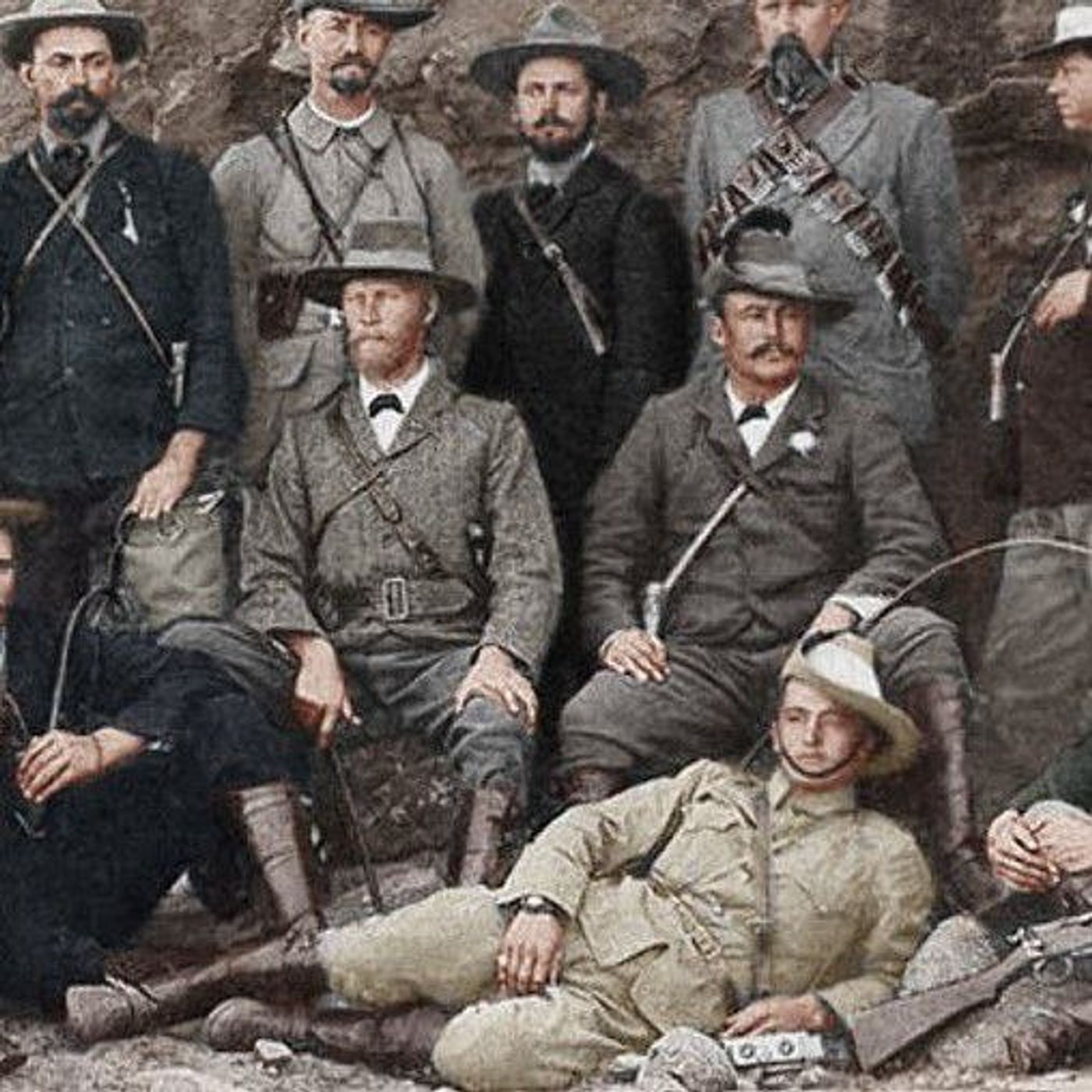
Ep. 67: La fine della rivolta boera in Sudafrica (13 ottobre 1914 - 4 febbraio 1915)
Jan 1101:00:08Tap to summarizeLe forze tedesche in Namibia si ritrovano a combattere non solo contro i Sudafricani, ma anche contro i Portoghesi, presenti in Angola. Nel frattempo la rivolta afrikaner viene rapidamente sedata dalle forze rimaste fedeli al governo.Seguimi su Instagram: @laguerragrande_podcastSe vuoi contribuire con una donazione sul conto PayPal: podcastlaguerragrande@gmail.comO con un abbonamento Patreon: https://www.patreon.com/libraryScritto e condotto da Andrea BassoMontaggio e audio: Andrea BassoFonti dell'episodio:Max Ewald Baericke, Naulila. Erinnerungen eines Zeitgenossen, Gesellschaft für Wissenschaftliche Entwicklung und Museum Swakopmund, Südwestafrika/Namibia, 1981Jurgens Johannes Britz, Genl S G (Manie) Maritz se aandeel aan die rebellie van 1914 – 1915, University of Pretoria, 1979Augusto Casimiro, Naulila: 1914, Seara Nova, 1922Hugh Chisholm, Beyers, Christian Frederick, Encyclopædia Britannica, 1922Peter Dickens, The Nazification of the Afrikaner Right, The Observation Post, 2023Peter Dickens, What about Jopie?, The Observation Post, 2024Leonor Faber-Jonker, Rivers of Blood and Rivers of Money. The Cambridge World History of Genocide, Cambridge University Press, 2023L. Fraga, Do intervencionismo ao sidonismo: os dois segmentos da política de guerra na 1a República, 1916–1918, Universidade de Coimbra, 2010Hermann Giliomee, The Afrikaners: Biography of a People, Hurst, 2003Ken Gillings, World War 1 comes to the Northern Cape, The Genealogical Society of South Africa, 2023Hans Schultze-Jena, Namibiana, 2013John Higginson, A Glass Brimming Over: The Failed 1914 Rebellion in Rustenburg and Marico, Collective Violence and the Agrarian Origins of South African Apartheid, 1900–1948, Cambridge University Press, 2014Kemp, Jan Christoffel Greyling, Dictionary of South African Biography, Human Sciences Research Council, 1981Diogo Matias, As operações militares de manutenção do Império Português em África: Uma visão sobre as tácticas usadas na perspectiva da doutrina actual, 2010Ana Mira, Actas das Sessões Secretas da Câmara dos Deputados e do Senado da República sobre a participação de Portugal na I Grande Guerra, Assembleia da Republica, 2002Robert Murray, The doctor and the rebels. The diary of Dr Charles Molteno Murray in the Boer Rebellion of 1914, Military History Journal 14, The South African Military History Society, 2008Robert Murray, The War Diaries of Dr Charles Molteno 'Kenah' Murray, The Boer Rebellion in South Africa: November 1914 – February 1915, 2012Hamish Paterson, First Allied Victory. The South African campaign in German South-West Africa, 1914-1915, Military History Journal 13, The South African Military History SocietyJoão Manuel Rocha, Angola – a frente esquecida, Publico, 31/08/2014Philip Sampson, The Capture of De Wet : the South African Rebellion, 1914, Edward Arnold, 1915M. Van Schoor, Generaal J.C.G. Kemp en die epiese woestyntog, Protea Boekhuis, 2006Adriaan Snyman, Stem Van 'n Profeet, Hugenote Publikasies, 1993A. C. Stern, Von Heydebreck, Joachim, Dictionary of South African Biography, Human Sciences Research Council, 1987Hew Strachan, The First World War: Volume I: To Arms, Oxford University Press, 2003Frikkie Wallis, News Journal: facts and notes over 1000 years, Human & Rousseau, 2000A. R. Willcox, Great river: the story of the Orange River, Drakensberg Publications, 1986Jakob Zollmann, Naulila 1914. World War I in Angola and International Law, Studien zur Geschichte des Völkerrechts 35, 2016In copertina: fotografia ricolorizzata da Johnny B., risalente al tempo della seconda guerra angloboera del 1899-1902. Al centro di un kommando sono seduti a sinistra Jan Smuts e a destra Manie Maritz. 12 anni dopo, nel corso della rivolta boera, i due ex commilitoni si sarebbero trovati su schieramenti opposti.
Transcribe →
Ep. 66: La guerra in Africa e la battaglia delle api (Settembre 1914 - Aprile 1915)
Dec 2301:10:41Tap to summarizeLe forze tedesche in Camerun e in Tanzania offrono una resistenza inaspettata agli invasori. In questo ultimo scenario, uno dei migliori comandanti dell'intero conflitto dimostra di che pasta è fatto, respingendo una forza d'invasione otto volte superiore alla sua... con l'aiuto di alcune api.Seguimi su Instagram: @laguerragrande_podcastSe vuoi contribuire con una donazione sul conto PayPal: podcastlaguerragrande@gmail.comO con un abbonamento Patreon: https://www.patreon.com/libraryScritto e condotto da Andrea BassoMontaggio e audio: Andrea BassoFonti dell'episodio:David Burg, Purcell Edward, Almanac of World War I, University of Kentucky, 1998Der Raubzug Gegen Unsere Kolonien, Der Täglichen Rundschau, 1915Charles Dobell, United Kingdom War Office Cameroons Campaign Army Despatch, 1916Golf Dornseif, Kameruner Endkampf Um Die Festung Moraberg, 2010Byron Farwell, The Great War in Africa, 1914–1918, Norton & Company, 1989Fighting in British East Africa: an officer’s story – archive, 1915, The Guardian, 15/1/2020Edwin Hoyt, Guerilla: Colonel von Lettow-Vorbeck and Germany's East African Empire, Macmillan Publishing Co., 1981Charles Miller, Battle for the Bundu: The First World War in German East Africa, Macmillan Publishing Co., 1974Herbert O'Neill, The War in Africa and the Far East, Longmans, 1918George Ndakwena Njung, Soldiers of their own. Honor, violence, resistance and conscription in colonial Cameroon during the First World War, University of Michigan, 2016Dan Robinson, The Cameroon Diary of Arthur Lees 1914-1915, Mandaras, 2010Edward Paice, Tip & Run - The Untold Tragedy of the Great War in Africa, Weidenfeld & Nicolson, 2007Francis Reynolds, Allen Churchill, Francis Miller, The Cameroons, The Story of the Great War, 1916Brahma Singh, History of Jammu and Kashmir Rifles, 1820-1956: The State Force Background, Lancer International, 1990David Smith, The East Africa Campaign 1914-18, 2022Hew Strachan, To Arms. The First World War, Oxford University Press, 2001Hew Strachan, The First World War in Africa, Oxford University Press, 2004Ian Sumner, The Indian Army 1914–1947, Osprey Publishing, 1947Michael Vogel, The Hungry War: German East Africa in World War I, Warfare History, 2006In copertina: Dal Bundesarchiv, una foto di Walther Dobbertin, uno dei fotografi più attivi nell'Africa Orientale Tedesca. Ritrae un gruppo di ascari germanici impegnato in un'azione, probabilmente una esercitazione. Alcuni sostengono invece che la foto sia stata scattata proprio durante la battaglia di Tanga.
Transcribe →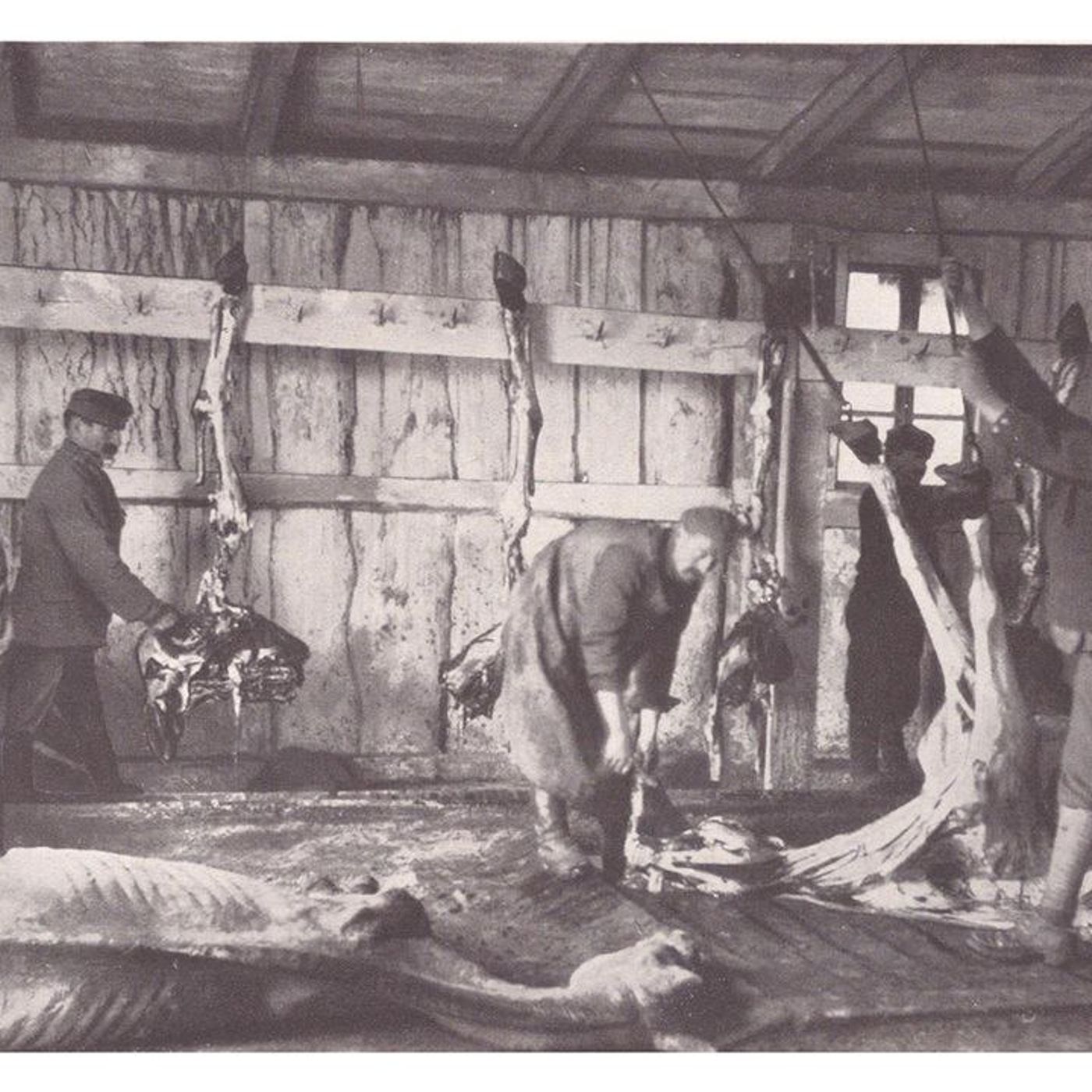
Ep. 65: L'ultimo Natale di Przemyśl (1 dicembre 1914 - 15 gennaio 1915)
Nov 1701:00:33Tap to summarizeIn Galizia e in Polonia centrale, le ultime offensive degli Imperi Centrali per il 1914 si arrestano di fronte alle difese russe. A Przemyśl la situazione peggiora settimana dopo settimana, risvegliando nell'uomo il suo lato peggiore.Seguimi su Instagram: @laguerragrande_podcastSe vuoi contribuire con una donazione sul conto PayPal: podcastlaguerragrande@gmail.comScritto e condotto da Andrea BassoMontaggio e audio: Andrea BassoFonti dell'episodio:Prit Buttar, Collision of Empires, The War on the Eastern Front in 1914, Osprey Publishing, 2016Peter Hart, La grande storia della Prima Guerra Mondiale, Newton & Compton, 2013Max Hastings, Catastrophe 1914: Europe Goes To War, Collins, 2013Józef Kozioł, Straceńców los, czyli o legionistach spod Łowczówka, 1998Sergei Nelipovich, Lodz campaign 1914, Kvadriga, 2021Alexander Watson, Il grande assedio di Przemysl, 1914. Storia di una battaglia dimenticata, Rizzoli, 2021In copertina: la macellazione dei cavalli di Przemyśl, nell'inverno 1914-1915.
Transcribe →
Ep. 64: Natale insanguinato (17 novembre 1914 - 19 gennaio 1915)
Nov 201:19:02Tap to summarizeMentre la flotta ottomana e quella russa si contendono il Mar Nero, Enver Pascià guida una grande offensiva sul Caucaso, destinata però ad avere una fine catastrofica. Sul fronte occidentale invece, i Tedeschi e gli Alleati sono allo stremo, e nonostante ciò combattono ad oltranza. Perfino degli Italiani si uniscono ai combattimenti. Mentre su tutta la linea si continua a combattere, in alcuni settori del fronte le armi tacciono, almeno il giorno di Natale.Seguimi su Instagram: @laguerragrande_podcastSe vuoi contribuire con una donazione sul conto PayPal: podcastlaguerragrande@gmail.comScritto e condotto da Andrea BassoMontaggio e audio: Andrea BassoFonti dell'episodio:W. Allen, Paul Muratoff, Caucasian Battlefields, 1953Tony Ashworth, Trench Warfare 1914–1918: The Live-and-Let-Live System, Pan, 2000Nurhan Aydın, Sarikamish Operation, 2015Bruce Bairnsfather, Bullets & billets, Project Gutenberg, 2004Terri Blom Crocker, The Christmas Truce: Myth, Memory, and the First World War, University Press of Kentucky, 2015David Brown, Remembering a Victory For Human Kindness – WWI's Puzzling, Poignant Christmas Truce, The Washington Post, 25 dicembre 2004Malcolm Brown, Shirley Seaton, Christmas Truce: The Western Front December 1914, Pan, 1994Alfonso Cavasino, Danni nella Marsica, all'Aquila, nell'Umbria e nel Lazio, Radar Abruzzo XX, 1991Marco Cuzzi, Sui campi di Borgogna. I volontari garibaldini nelle Argonne (1914-1915), Biblion, 2015Mike Dash, The Story of the WWI Christmas Truce, The Smithsonian 23 dicembre 2011Jacques Derogy, Resistance and Revenge, Transaction Publishers, 1986R. A. Doughty, Pyrrhic victory: French Strategy and Operations in the Great War, Belknap Press, 2005J. Edmonds, G. Wynne, Military Operations France and Belgium, 1915: Winter 1915: Battle of Neuve Chapelle: Battles of Ypres, History of the Great War Based on Official Documents by Direction of the Historical Section of the Committee of Imperial Defence, Macmillan, 1995Toby Ewin, Naval Interrogations of PoWs in the Black Sea War, 1914 and 1916, The Mariner’s Mirror 108, 2022Festeggiato il 110 compleanno del Cavaliere di Vittorio Veneto Lazzaro Ponticelli, ANA, 2008Felix Guse, Hakkı Akoğuz, Battles on the Caucasian Front in the First World War, 2007Paul Halpern, A Naval History of World War I, Naval Institute Press, 2012Peter Hart, La grande storia della Prima Guerra Mondiale, Newton & Compton, 2013Max Hastings, Catastrophe 1914: Europe Goes To War, Collins, 2013Harry Howard, 'The Tommies are my brothers': Unseen diaries of German soldiers recounting the WWI Christmas Day truce in 1914 shed new light on ceasefire as they write about exchanging gifts and singing 'beautiful' carols, Daily Mail, 1 ottobre 2021Italy and France. The heroic death of Bruno Garibaldi, Fitzwilliam Museum, 2015Steve McLaughlin, Action off Cape Sarych, 1998 Vincent O'Hara, Clash of Fleets, Naval Institute Press, 2017Arslan Ozan, The Black Sea and the Great War, the naval forces and operations of the ottoman and russian empires, New Europe College Yearbook, 2015Yavuz Özdemir, Sarıkamış Harekatı, Historia YayıneviReceives News of Second Death While Funeral Services are Being Held, Anderson Daily Intelligencer, 7 gennaio 1915Ali İhsan Sabis, Harp Hatıralarım Birinci Dünya Harbi, 1990J. Sheldon, The German Army on the Western Front 1915, Pen and Sword Military, 2012Gary Staff, German Battlecruisers of World War One: Their Design, Construction and Operations, Naval Institute Press, 2014Spencer Tucker, Priscilla Roberts, World War One, ABC-CLIO, 2005Tunnelling Companies of the Royal Engineers (underground warfare), The long, long trailThomas Vinciguerra, The Truce of Christmas, 1914, The New York Times, 25 dicembre 2005Stanley Weintraub, Silent Night: The Story of the World War I Christmas truce, Pocket, 2001In copertina: i fratelli Garibaldi in uniforme francese, arruolati nel 4° reggimento di marcia della Legione Straniera. Da sinistra a destra: Costante, caduto il 5 gennaio 1915 in località Four-de-Paris, Ricciotti, Giuseppe, Sante, Bruno, caduto il 26 dicembre 1914 in località Bois de Bolante, ed Ezio.
Transcribe →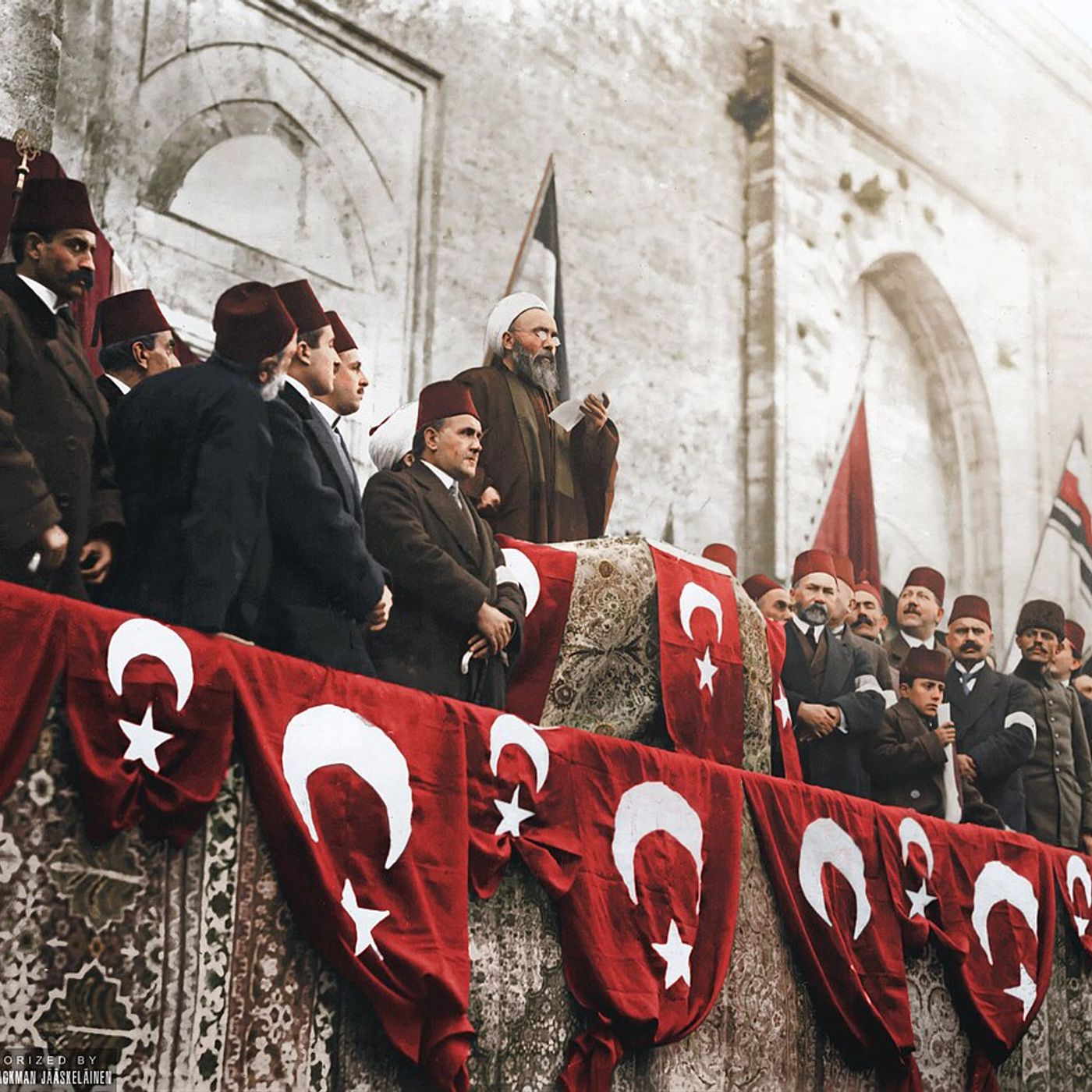
Ep. 63: Nel nome di Allah, il Compassionevole, il Misericordioso (1 novembre - 9 dicembre 1914)
Oct 501:02:35Tap to summarizeL'Impero Ottomano comincia le sue azioni militari contro la Russia e il Regno Unito. La preparazione militare della Sublime Porta lascia però a desiderare.Seguimi su Instagram: @laguerragrande_podcastSe vuoi contribuire con una donazione sul conto PayPal: podcastlaguerragrande@gmail.comScritto e condotto da Andrea BassoMontaggio e audio: Andrea BassoFonti dell'episodio:Taner Akçam, The Young Turks' Crime against Humanity: The Armenian Genocide and Ethnic Cleansing in the Ottoman Empire, Princeton University Press, 2012Handan Nezir Akmese, The Birth of Modern Turkey: The Ottoman Military and the March to WWI, IB Tauris, 2005W. Allen, Paul Muratoff, Caucasian Battlefields, 1953Cecil Aspinall-Oglander, Military Operations Gallipoli: Inception of the Campaign to May 1915, History of the Great War Based on Official Documents by Direction of the Historical Section of the Committee of Imperial Defence, HeinemannArthur Barker, The Bastard War: The Mesopotamian Campaign of 1914-1918, Dial Press, 1967Arthur Barker, The First Iraq War—1914-1918: Britain's Mesopotamian Campaign, Enigma Books, 2013Les Carlyon, Gallipoli, Macmillan, 2001S. Cohen, The genesis of the British campaign in Mesopotamia, 1914, Middle Eastern Studies XII, 1976Early battles in Mesopotamia (Basra and Qurna, 1914), The long, long trailDavid Fromkin, A Peace to End All Peace: The Fall of the Ottoman Empire and the Creation of the Modern Middle East, Henry Holt and Company, 2010Peter Hart, La grande storia della Prima Guerra Mondiale, Newton & Compton, 2013Eugene Hinterhoff, The Campaign in Armenia, Marshall Cavendish Corporation, 1982Richard Hovannisian, The Armenian People from Ancient to Modern Times, 2004Jihad, TreccaniÜmit Kurt, A Rescuer, an Enigma and a Génocidaire: Cemal Pasha, The End of the Ottomans: The Genocide of 1915 and the Politics of Turkish Nationalism, Bloomsbury PublishingTilman Lüdke, Jihad, Holy War (Ottoman Empire), 1914-1918 Online, 2018Tigran Martirosyan, Caucasus Front, 1914-1918 Online, 2023Frederick McKenzie, The Defence of India, The Great War: The Standard History of the All-Europe ConflictRam Narain Mehra, Aden and Yemen 1905-1919, Agam Prakasham, 1988Odile Moreau, Pre-war Military Planning (Ottoman Empire), 1914-1918 Online, 2018George Morton-Jack, The Indian Army on the Western Front, Cambridge University Press, 2015David Nicolle, The Ottomans: Empire of Faith, Thalamus Publishing, 2008Garegin Pasdermadjian, Aram Torossian, Why Armenia Should be Free: Armenia's Role in the Present War, Hairenik Pub, 1918Eugene Rogan, The Fall of the Ottomans: The Great War in the Middle East, Hachette, 2015Massimo Sciarretta, Attilio Monaco (1858-1932). Un console italiano a Erzerum durante i massacri hamidiani, Rassegna Armenisti Italiani, XIII, Padus-Araxes, 2012B. Slot, Mubarak Al-Sabah: Founder of Modern Kuwait 1896–1915, Arabian Publishing Charles Townshend, Desert Hell, The British Invasion of Mesopotamia, Harvard University Press, 2011Şuhnaz Yilmaz, An Ottoman Warrior Abroad: Enver Paşa as an Expatriate, Middle Eastern Studies 35, 1999Șuhnaz Yılmaz, Revisiting Networks and Narratives: Enver Pasha's Pan-Islamic and Pan-Turkic Quest, Subversives and Mavericks in the Muslim Mediterranean: A Subaltern History, University of Texas Press, 2016Earl Wavell, The Palestine Campaigns, A Short History of the British Army, Constable & Co, 1968Erik Zürcher, Macedonians in Anatolia: The Importance of the Macedonian Roots of the Unionists for their Policies in Anatolia after 1914, Middle Eastern Studies 50, 2014Erik Zürcher, The young turk legacy and nation building, Bloomsbury Publishing, 2014In copertina: la proclamazione della jihad da parte di Haydar Efendi nella moschea Fatih di Costantinopoli, il 14 novembre del 1914. La ricolorizzazione è di Julius Backmann Jääskeläinen.
Transcribe →