
Podcast
Law Enforcement Talk: True Crime and Trauma Stories
Hosted by John "Jay" Wiley, Bleav · EN
True Crime with a twist. By and from those that have been there. Crime stories from those that investigated crimes and caught criminals. Also victims of crimes tell about their experience. Plus trauma stories, by those that have been through it. Often crime based, but not always, people talk about the trauma, how it impacted them and how they built their lives after. Law Enforcement Talk: True Crime and Trauma Stories Radio Show and
It is a True Crime Show, a Law Enforcement Officer Show and a Human Interest show all in one. Get a glimpse of life behind the badge, investigations of true crimes, violence they encounter and experience. Law enforcement officers, first responders, military veterans, victims of crime and their families tell their stories of the trauma they experienced mostly regarding True Crime incidents. They also talk about how they built their new lives they wanted afterwards. While many people think the show is about Law Enforcement Training, or Law Enforcement specific topis, it is not, think of True Crime Podcasts with a twist.
The Law Enforcement Talk Show goes to radio first. Therefore it is required that I use a clock for the length of segments. You've probably seen on television news interviews that they have a hard break. It's the same with radio. The stations have to be able to program in their commercials, news, weather, traffic reports etc. These are called avails, they are NOT Optional. Every guest knows about and is informed of the length of the segments and that I will interrupt them if needed to go to the break. The interviews are recorded and the guests know that the segments must be in a certain length and it is required and they get to tell their stories to millions of people for free.
The bi-weekly podcast version of the syndicated Law Enforcement Talk Radio Show, with numerous affiliate US Radio Stations, broadcasting once a week to millions of people.
The show host, John "Jay" Wiley, is a radio DJ and Retired Baltimore Police Sergeant. The show started as a podcast, before being recruited by terrestrial AM-FM radio stations and has been in continuous operation since March of 2017. You can reach him at jay@letradio.com.
Background song Hurricane used by permission from the band Dark Horse Flyer, get more information about them and their music on their website.
You can follow us and connect on social media, if you are in the Clubhouse Drop In Audio App make sure you follow our club LET Radio and Podcast. You can also find and follow the host of the show John J Wiley on the Clubhouse Drop In Audio Chat program.
Be sure to check out our website.
Like and follow our facebook page. Our Twitter account. Also on Instagram.
137episodes
Episodes
Newest firstAll episodes

How He Keeps a Good Mood in Spite of Severe Health Challenges
Today00:40:59Summary readyHow He Keeps a Good Mood in Spite of Severe Health Challenges: A Retired Juvenile Officer’s Inspiring Story. How does someone keep a good mood after receiving one devastating medical diagnosis after another? Retired California Juvenile Hall Officer Tyrone “Ty” Armstrong Sr. has faced a disabling injury, congestive heart failure, cancer, nightmares, and anxiety, but he refuses to let illness define his life. The Law Enforcement Talk Radio Show and Podcast social media like their Facebook , Instagram , LinkedIn , Medium and other social media platforms. For Tyrone “Ty” Armstrong Sr., the answer is found in purpose, creativity, faith in the future, and a determination to keep contributing, even when his body makes every day more difficult. The Podcast is available for free on the Law Enforcement Talk Radio Show and Podcast website, also on Apple Podcasts, Spotify, YouTube, iHeartradio and most major podcast platforms. #LawEnforcementTalk #Free #Podcast #Radio Armstrong is a retired Juvenile Hall Officer from California who was forced to leave his career because of a serious foot injury. Retirement, however, was only the beginning of a series of life-altering health battles. Supporting articles about this and much more from Law Enforcement Talk Radio Show and Podcast in platforms like Medium , Blogspot and Linkedin. He was hospitalized with congestive heart failure. His heart function reportedly dropped to approximately 15 percent. Then doctors discovered myelofibrosis, a rare form of bone marrow cancer. The illnesses changed his physical abilities, interrupted his career, and contributed to nightmares and anxiety. Yet Armstrong continues to search for reasons to smile, create, and connect with other people. His remarkable story is featured on the Law Enforcement Talk Radio Show and Podcast, available on Apple Podcasts, Spotify, YouTube, and other major podcast platforms. Additional content from the interview is shared on Facebook and Instagram. How He Keeps a Good Mood in Spite of Severe Health Challenges: A Retired Juvenile Officer’s Inspiring Story. He shares the full story as a guest on the Law Enforcement Talk Radio Show and Podcast, available on Apple, Spotify, YouTube, and other major podcast platforms. The interview is also featured across Facebook and Instagram. The conversation explores the challenges of working inside a Juvenile Hall facility, the health crisis that transformed Armstrong’s life, and how he keeps a good mood in spite of severe health problems. The Difficult Work of a Juvenile Hall Officer Most people understand that police officers, corrections officers, and firefighters work in dangerous environments. The challenges faced by Juvenile Hall Officers, however, frequently receive far less public attention. Juvenile detention facilities house young people who may be accused or convicted of serious crimes. Some have histories involving violence, gangs, drugs, unstable homes, neglect, or abuse. Others struggle with mental health conditions, anger, fear, and distrust of authority. Juvenile officers must maintain security while working with young people whose lives may already be moving in a dangerous direction. The job requires vigilance, patience, communication skills, emotional control, and the ability to respond quickly when a situation turns violent. Officers may have to break up fights, enforce rules, identify manipulation, prevent escapes, and protect detainees from one another. How He Keeps a Good Mood in Spite of Severe Health Challenges: A Retired Juvenile Officer’s Inspiring Story. The episode is available across major platforms including their website, Apple Podcasts, Spotify, YouTube, with highlights shared across their Facebook, Instagram, and LinkedIn profiles. At the same time, the work is not exclusively about discipline. A Juvenile Hall Officer may also become one of the few stable adults in a young person’s life. A firm but respectful conversation can sometimes influence a teenager long after that person leaves custody. Armstrong experienced those competing responsibilities firsthand during his career in California. He understood the importance of safety and authority, but he also recognized that the young people inside the facility were not necessarily beyond hope. His work demanded physical stamina and emotional resilience. When a foot injury forced him into retirement, he lost more than employment. He also lost the routine, responsibilities, professional identity, and sense of purpose connected to his career. The transition would have been difficult under any circumstances. The severe medical problems that followed made it even more challenging. Hospitalized With Congestive Heart Failure Armstrong’s life changed dramatically when he developed congestive heart failure and required hospitalization. Congestive heart failure, commonly abbreviated as CHF, is a chronic condition in which the heart cannot pump blood as efficiently as the body needs. When the heart’s pumping ability weakens, blood and fluid can back up in the lungs and other tissues. How He Keeps a Good Mood in Spite of Severe Health Challenges: A Retired Juvenile Officer’s Inspiring Story. Available for free on the Law Enforcement Talk Radio Show and Podcast website, also on Apple Podcasts, Spotify, Youtube and most major Podcast networks. The condition can cause: Shortness of breath during ordinary activities Difficulty breathing while lying flat Swelling in the feet, ankles, legs, or abdomen Persistent fatigue and lack of energy Rapid weight gain caused by fluid retention Coughing or wheezing Reduced ability to exercise or complete daily tasks Heart failure can have several underlying causes, including coronary artery disease, previous heart attacks, high blood pressure, heart valve disease, cardiomyopathy, diabetes, and obesity. Treatment may include medication, dietary changes, carefully monitored physical activity, implanted medical devices, and frequent evaluation by medical professionals. The treatment plan depends on the individual patient’s condition and the cause and severity of the heart failure. For Armstrong, the diagnosis was especially frightening because his heart was reportedly functioning at approximately 15 percent. A number that low can transform even routine activities into exhausting challenges. Walking, climbing stairs, getting dressed, or completing household tasks may require far more effort than before. The person must also live with the knowledge that the heart, an organ that never gets to take a break, is severely weakened. Many people would understandably respond with despair. Armstrong chose to focus on what he could still accomplish. That decision did not erase the seriousness of his illness. It did not mean he ignored fear, anxiety, or physical limitations. Instead, he began searching for a new way to create meaning within the boundaries imposed by his health. How He Keeps a Good Mood in Spite of Severe Health Challenges: A Retired Juvenile Officer’s Inspiring Story. The Podcast is available for free on the Law Enforcement Talk Radio Show and Podcast website, also on Apple Podcasts, Spotify, YouTube, iHeartradio and most major podcast platforms. Another Devastating Diagnosis: Myelofibrosis After experiencing congestive heart failure, Armstrong received another life-changing diagnosis: myelofibrosis. Myelofibrosis is a rare form of bone marrow cancer. It disrupts the body’s normal production of blood cells and can cause extensive scarring within the bone marrow. The disease may lead to severe fatigue, weakness, anemia, an enlarged spleen, bone pain, abnormal bleeding, and a greater vulnerability to infections. The experience can share certain symptoms or blood-related complications with other serious disorders, although it is a distinct medical condition. For Armstrong, the cancer diagnosis arrived on top of an already dangerous heart condition. He was no longer dealing with one isolated medical problem. He was living with multiple severe health conditions that could affect his strength, energy, mobility, independence, and future. The emotional consequences were significant. Armstrong began experiencing nightmares and anxiety. These symptoms became part of his life alongside the physical illnesses. Serious medical diagnoses can create a persistent sense of uncertainty. A patient may worry about the next test, the next appointment, the next treatment, or an unexpected change in symptoms. Even on relatively good days, the fear of what might happen next can remain in the background. Armstrong acknowledges those struggles. His positive outlook is not based on pretending everything is fine. His story is powerful because his optimism exists alongside pain, fear, and uncertainty. How He Keeps a Good Mood in Spite of Severe Health Problems Armstrong cannot control every aspect of his medical condition, but he can decide where to direct his attention and energy. He keeps moving forward by concentrating on creativity, service, and the possibility of building something valuable for other people. Rather than viewing retirement and illness as the end of his productive life, Armstrong embraced web development. At 64 years old, he began using technology to create a new mission. How He Keeps a Good Mood in Spite of Severe Health Challenges: A Retired Juvenile Officer’s Inspiring Story. The Law Enforcement Talk Radio Show and Podcast continues bringing list...
Summary
Denied Medical Care After a Firefighter
4d ago00:40:19Summary readyDenied Medical Care After a Firefighter’s Line-of-Duty Injuries: It Happens More Often Than You Think. Retired St. Paul Fire Captain Tom Bever dedicated his career to protecting people during their most frightening moments. When homes and businesses were burning, he ran toward the danger. When lives and property were threatened, he accepted the risks that came with wearing the uniform. The Podcast is available for free on the Law Enforcement Talk Radio Show and Podcast website, also on Apple Podcasts, Spotify, YouTube, iHeartradio and most major podcast platforms. #LawEnforcementTalk #Free #Podcast #Radio But after Bever suffered serious line-of-duty injuries while fighting a commercial fire, he said the system he trusted to care for him became another battle, one that eventually cost him his career, his health, his financial security, and his family’s home. The Law Enforcement Talk Radio Show and Podcast social media like their Facebook , Instagram , LinkedIn , Medium and other social media platforms. Bever’s experience raises a troubling question: What happens when a firefighter gets injured while protecting the public but is denied the medical care needed to recover? Supporting articles about this and much more from Law Enforcement Talk Radio Show and Podcast in platforms like Medium , Blogspot and Linkedin. Denied medical care following a firefighter’s line-of-duty injuries happens more often than many people think. Bever’s heartbreaking story reveals the physical, emotional, and financial consequences that can follow when necessary treatment is delayed, disputed, or classified as “elective.” Today, the former captain lives with extensive nerve damage after undergoing surgeries on his shoulder, hip, and both knees. He medically retired from the St. Paul Fire Department in 2024, ending the career he loved after approximately 12 years of service. Tom Bever shares the full story as a guest on the Law Enforcement Talk Radio Show and Podcast, available on Apple, Spotify, YouTube, and other major podcast platforms. The interview is also featured across Facebook and Instagram. A Firefighter Injured in the Line of Duty Bever’s life changed in March 2020, during the early and uncertain days of the COVID-19 pandemic. He was working at a commercial fire in St. Paul, Minnesota, when icy conditions caused him to fall from a ladder. Bever was serving in a command role on the fireground, and despite being injured around midnight, he remained at the scene and continued working until the end of his shift at 8 a.m. Denied Medical Care After a Firefighter’s Line-of-Duty Injuries: It Happens More Often Than You Think. The episode is available across major platforms including their website, Apple Podcasts, Spotify, YouTube, with highlights shared across their Facebook, Instagram, and LinkedIn profiles. “We were fighting a commercial fire, and I fell from the ladder. It was icy,” Bever recalled. “I was working the Delta Division as command, and I wasn’t able to leave the fire, so I got hurt around midnight and worked the rest of my shift until 8 a.m.” His decision to remain at the fire reflected the commitment found throughout the first-responder community. Firefighters are trained to complete the mission, protect their crews, and serve the public, even when they are hurt. Unfortunately, Bever could not have known how serious his injuries were or how difficult it would become to obtain treatment. After finishing his shift, he attempted to seek emergency medical care. Under ordinary circumstances, a firefighter injured in a fall would expect to be evaluated promptly, especially when the accident happened during an active fire. Instead, Bever said he encountered another obstacle. Turned Away From the Emergency Room Bever initially wanted to visit one of the hospitals close to St. Paul. However, hospitals were operating under COVID-era restrictions and diversions. He eventually traveled to an emergency room in Woodbury, still wearing his firefighting clothing and carrying the unmistakable smell of smoke from the commercial fire. Available for free on the Law Enforcement Talk Radio Show and Podcast website, also on Apple Podcasts, Spotify, Youtube and most major Podcast networks. “I wanted to go to the closest hospital. We had lots of them in St. Paul, but unfortunately, because of COVID, they were on divert,” he explained. “So I ended up going to a Woodbury emergency room, and when I got there, I still had my jumpsuit and smelled of smoke and fire, and they turned me away.” For Bever, the rejection was difficult to comprehend. He had been injured while serving the public and arrived directly from a fire scene, yet he said he could not receive the immediate evaluation he needed. Denied Medical Care After a Firefighter’s Line-of-Duty Injuries: It Happens More Often Than You Think. “I was kind of shocked by that,” he said. “So I had to call my chief and explain what was happening.” According to Bever, his chief intervened and contacted the medical facility. “He called and told them, ‘Hey, this guy literally just got hurt in the line of duty. You need to help him,’” Bever recalled. That initial struggle to obtain medical attention foreshadowed what he said would become years of disputes, delays, denials, surgeries, chronic pain, and financial hardship. Serious Injuries That Went Undiagnosed and Untreated A fall from a ladder can cause damage throughout the body, particularly when a firefighter is wearing heavy protective equipment. The effects may involve the shoulders, hips, knees, back, head, and nervous system. Bever said multiple serious injuries were not properly diagnosed and treated following the accident. In the years after the fall, he underwent four surgeries involving his shoulder, hip, and both knees. He continues to live with significant nerve damage. The Podcast is available for free on the Law Enforcement Talk Radio Show and Podcast website, also on Apple Podcasts, Spotify, YouTube, iHeartradio and most major podcast platforms. His doctors reportedly determined that the surgeries were medically necessary. Bever said, however, that officials classified the procedures as “elective,” creating barriers within the workers’ compensation process. “Over the past four years, I’ve had four surgeries and had to fight tirelessly for the medical care I was promised, only to be met with constant obstacles and denials,” he said. “Even though my injuries were sustained in the line of duty and my doctors said the surgeries were necessary, state officials labeled them ‘elective,’ and my workers’ comp claims were denied.” For Bever, these were not optional procedures chosen for convenience. They were attempts to repair injuries he said occurred while fighting a fire and serving the citizens of St. Paul. Denied Medical Care After a Firefighter’s Line-of-Duty Injuries: It Happens More Often Than You Think. The dispute ultimately left Bever and his family facing overwhelming medical bills. “This left my family and me responsible for the overwhelming medical debt from injuries I sustained while protecting others,” he said. The Loss of a Firefighting Career Being a firefighter is rarely viewed as simply a job. For many, it becomes a calling, a community, and a central part of their identity. Firefighters train together, eat together, respond to emergencies together, and depend upon one another in dangerous and unpredictable conditions. When injuries abruptly end that career, the loss can extend far beyond a paycheck. Bever retired in 2024 because the cumulative damage prevented him from continuing to serve. His retirement brought an end to approximately 12 years with the St. Paul Fire Department, including service as a captain. The Law Enforcement Talk Radio Show and Podcast continues bringing listeners real conversations from the front lines of crime, policing, trauma, survival, and healing. “This has been the most difficult challenge I have ever faced,” Bever said. “The loss of a career I loved, and the city I thought would take care of me, has put my family in financial ruin.” His statement captures the sense of betrayal that can arise when injured first responders believe the agencies or systems they served have abandoned them. The badge, rank, fire station, camaraderie, and daily mission can disappear almost overnight. Yet the injuries, medical appointments, insurance disputes, and household bills remain. “It’s a weight that’s hard to put into words,” Bever said. Fighting Three Battles at Once Physical recovery is demanding under the best circumstances. It becomes far more difficult when an injured person is also battling the loss of a career and the possibility of financial collapse. Bever described his struggle as a war ...
Summary
Police Save Kidnapping Victim
1w ago00:39:15Summary readyPolice Save Kidnapping Victim: The Investigation, Several Arrests, and a Deadly Armed Standoff. Kidnappings may be relatively rare in many parts of the United States, but when they occur, they can quickly become some of the most complicated and dangerous cases police officers investigate. The Law Enforcement Talk Radio Show and Podcast social media like their Facebook , Instagram , LinkedIn , Medium and other social media platforms. For Brian Brady, retired Chief of Police for the Novato Police Department in California, one such investigation began with a violent attack at a tennis club. It developed into the kidnapping of a woman, an intensive police investigation, and several arrests. The Podcast is available for free on the Law Enforcement Talk Radio Show and Podcast website, also on Apple Podcasts, Spotify, YouTube, iHeartradio and most major podcast platforms. #LawEnforcementTalk #Free #Podcast #Radio Brady shares the remarkable case, along with stories from his extensive law enforcement career, during an interview on the Law Enforcement Talk Radio Show and Podcast. The episode is available on Apple, Spotify, YouTube, and other major Podcast platforms. It is also promoted across Facebook, Instagram, LinkedIn, and additional social media outlets. Supporting articles about this and much more from Law Enforcement Talk Radio Show and Podcast in platforms like Medium , Blogspot and Linkedin. The conversation explores the rescue of a kidnapping victim, the painstaking investigation that followed, and an unrelated barricade involving a mentally disturbed armed man. It also examines Brady’s transition from police chief to corporate security executive and True Crime author. A Violent Kidnapping involving a California Tennis Club Management Couple The kidnapping case involved the attack of a married couple that managed a tennis club. What should have been an ordinary day suddenly turned into a nightmare when strangers confronted the couple. The husband was reportedly pistol-whipped, and his wife was abducted. The attackers were armed, violent, and willing to use force. Police were confronted with two immediate priorities: locating the kidnapped woman before she could be seriously injured or killed and identifying the people responsible for the crime. Police Save Kidnapping Victim: The Investigation, Several Arrests, and a Deadly Armed Standoff. The conversation is available on the Law Enforcement Talk Radio Show and Podcast website, Facebook, Instagram, YouTube, Apple Podcasts, Spotify, iHeartRadio, and most other major podcast platforms, where audiences continue discovering firsthand accounts from those who have lived them. “When a person is taken at gunpoint, every minute matters,” Brady explains during the interview. “The first concern is always the safety of the victim. At the same time, investigators have to begin preserving evidence and identifying everyone who may have been involved.” Unlike many kidnapping cases in which the victim and offender know one another, this case involved strangers. That created additional investigative challenges because there was no immediately obvious relationship or personal dispute pointing police toward a suspect. The victim had disappeared, her husband had been violently assaulted, and investigators had limited time to determine where she had been taken. Police Save the Kidnapping Victim The police response ultimately produced the result everyone had hoped for: officers found and rescued the kidnapped woman. Her safe recovery, however, did not end the case. Once the victim was protected, the focus shifted toward determining exactly what had happened, identifying every participant, and gathering enough evidence to support criminal charges. Brady describes police work as a process that frequently continues long after the most visible danger has passed. The public may see the rescue or initial arrest, but investigators must then reconstruct the crime in a way that will withstand scrutiny in court. The episode is available across major platforms including their website, Apple Podcasts, Spotify, YouTube, with highlights shared across their Facebook, Instagram, and LinkedIn profiles. “The rescue is the moment everyone remembers,” Brady says. “But the investigation is what holds the entire case together.” Detectives needed to examine the original crime scene, document the assault on the husband, interview the victims and witnesses, and trace the movements of the kidnappers. They also had to determine whether additional people had helped plan or carry out the crime. Investigators could not afford to assume that the first person identified was the only offender. Kidnappings can involve drivers, lookouts, planners, and others who knowingly assist before, during, or after the abduction. The detailed investigation eventually resulted in several arrests. Three people were reportedly taken into custody in connection with the kidnapping. The Investigation and Several Arrests A successful kidnapping prosecution requires more than suspicion. Investigators must establish the role played by each alleged offender and connect that person to the crime through reliable evidence. Police Save Kidnapping Victim: The Investigation, Several Arrests, and a Deadly Armed Standoff. Available for free on the Law Enforcement Talk Radio Show and Podcast website, also on Apple Podcasts, Spotify, Youtube and most major Podcast networks. That evidence may include witness statements, physical evidence, photographs, surveillance footage, telephone records, vehicle information, fingerprints, forensic findings, and statements made by the suspects. Although Brady does not reveal every sensitive detail of the case, he emphasizes the importance of patience and coordination. “Complex cases are built one fact at a time,” he explains. “Investigators have to follow the evidence wherever it leads and avoid becoming locked into a theory too early.” Police also must consider whether the crime crosses jurisdictional boundaries. If a victim is transported across state lines or other circumstances bring the offense under federal jurisdiction, federal kidnapping statutes may apply. Under 18 U.S. Code § 1201, kidnapping can become a serious federal offense carrying severe penalties. California also has its own kidnapping laws and sentencing provisions. The precise charges depend on the facts, including whether a weapon was used, whether the victim suffered bodily harm, how the victim was moved or confined, and whether ransom, robbery, or another crime was involved. In the tennis club case, the violent assault, armed abduction, rescue, and eventual arrests illustrate why kidnapping investigations demand immediate action followed by methodical detective work. The case also demonstrates the emotional strain placed on victims. The physical rescue may occur within hours, but the psychological effects can last for years. When a Barricade Turned Deadly The kidnapping investigation was not the only critical incident Brady encountered during his law enforcement career. Earlier in his career, he tested for a police captain’s position and was hired in Farmington, New Mexico. While serving there, he became involved in a dangerous call involving an armed, mentally disturbed man. The Podcast is available for free on the Law Enforcement Talk Radio Show and Podcast website, also on Apple Podcasts, Spotify, YouTube, iHeartradio and most major podcast platforms. The incident reportedly began when the man lost control and set his own residence on fire. As flames spread, the emergency became both a fire scene and an armed barricade. Police officers, firefighters, and tactical personnel faced an almost impossible situation. They had to contain the fire, protect neighboring residents, and attempt to prevent the armed man from harming himself or anyone else. Responders wanted to bring the incident to a peaceful conclusion. According to Brady, officers considered using a fire hose to disable or disorient the man without using deadly force. It was an unusual strategy, but the circumstances were anything but ordinary. “They were searching for every reasonable option that might end the confrontation without someone dying,” Brady recalls. “The goal was to create an opportunity to take him into custody safely.” The plan changed when the suspect returned carrying a gun. At that moment, the threat was no longer theoretical. An armed man was confronting police during an active fire and barricade situation. A SWAT officer ultimately shot and killed him. Extraordinary Efforts to Avoid Deadly Force Officer-involved shootings are often judged through short video clips, incomplete reports, or information released before an investigation is finished. Brady’s account shows how much may occur before an officer fires a ...
Summary
Skills Learned in Police Work That Transferred to Business
2w ago00:42:51Summary readySkills Learned in Police Work That Transferred to Business: and the Realities of Starting Over. Special Episode. What happens when the career a person believed would define the rest of his life ends in a single day? For John “Jay” Wiley, that question was not hypothetical. The Podcast is available for free on the Law Enforcement Talk Radio Show and Podcast website, also on Apple Podcasts, Spotify, YouTube, iHeartradio and most major podcast platforms. #LawEnforcementTalk #Free #Podcast #Radio This is a special episode where John "Jay" Wiley is a guest on The INNER Estate Podcast. The Law Enforcement Talk Radio Show and Podcast social media like their Facebook , Instagram , LinkedIn , Medium and other social media platforms. Wiley was serving as a Baltimore Police Sergeant when line-of-duty injuries, from an act of violence while on duty, forced him into medical retirement. He did not leave policing because he had discovered an exciting new career opportunity or carefully designed a retirement plan. His law enforcement career ended because his injuries made continuing impossible. Supporting articles about this and much more from Law Enforcement Talk Radio Show and Podcast in platforms like Medium , Blogspot and Linkedin. The sudden change affected his health, income, identity, confidence, and sense of direction. Yet that painful ending eventually became the beginning of an entirely new life. Today, Wiley is the host of the nationally syndicated Law Enforcement Talk Radio Show and Podcast. The program is carried by 148 affiliate AM and FM radio stations across the United States, reaching markets with a combined population of approximately 48 million. Skills Learned in Police Work That Transferred to Business: and the Realities of Starting Over. Special Episode. His story demonstrates how skills learned in police work can transfer to business, broadcasting, sales, leadership, interviewing, and digital media. More importantly, it reveals the realities of starting over when the future looks nothing like the life a person originally planned. The conversation is available on the Law Enforcement Talk Radio Show and Podcast website, Facebook, Instagram, YouTube, Apple Podcasts, Spotify, iHeartRadio, and most other major podcast platforms, where audiences continue discovering firsthand accounts from those who have lived them. When Line-of-Duty Injuries Ended His Police Career Police work is more than a job for many officers. It becomes part of their identity. The badge represents authority and responsibility, but it also represents membership in a close professional community. Officers develop routines, relationships, and a sense of purpose built around protecting others. When injuries forced Wiley into medical retirement, he gained far more than a reduced paycheck. He lost the career he expected to continue. He lost the familiar structure of police work and the identity he had developed as a Baltimore Police Sergeant. That kind of transition can be difficult for people outside law enforcement to understand. Friends may see retirement as freedom, but forced medical retirement can feel more like something valuable was taken away. Skills Learned in Police Work That Transferred to Business: and the Realities of Starting Over. Special Episode. The episode is available across major platforms including their website, Apple Podcasts, Spotify, YouTube, with highlights shared across their Facebook, Instagram, and LinkedIn profiles. Wiley confronted a difficult reality: the career that had helped define him was over, but he still had to determine what came next. His experience raises a question faced by many injured police officers, military veterans, first responders, and professionals whose careers end unexpectedly: “Who are you when you can no longer do the job that became part of your identity?” Finding an answer required Wiley to separate his abilities from his former title. He was no longer working as a police sergeant, but he had not lost the experience, judgment, communication skills, discipline, and resilience developed during his years in law enforcement. The Realities of Starting Over Starting over is often presented as an inspiring adventure. The reality is usually far less glamorous. Reinvention can involve financial uncertainty, damaged confidence, unfamiliar technology, rejection, and the uncomfortable experience of becoming a beginner again. Skills Learned in Police Work That Transferred to Business: and the Realities of Starting Over. Special Episode. Available for free on the Law Enforcement Talk Radio Show and Podcast website, also on Apple Podcasts, Spotify, Youtube and most major Podcast networks. Wiley had already reached a position of leadership within the Baltimore Police Department. After medical retirement, he had to enter new industries where his former rank did not automatically establish his value. He had to learn new systems, expectations, and professional language. He also had to prove that his police experience could benefit employers and audiences outside law enforcement. That required humility. Starting over did not mean abandoning everything he learned as a police officer. It meant discovering how those skills could be applied in a completely different setting. Wiley’s journey illustrates a truth that many people eventually confront: “A career can end without a person’s value ending with it.” Why He Moved Into Sales After Law Enforcement After leaving police work, Wiley moved into sales. At first glance, law enforcement and sales might appear to have very little in common. One involves enforcing laws and responding to emergencies, while the other involves understanding customers and presenting solutions. But successful police officers and successful sales professionals rely on many of the same abilities. Both must communicate with people from different backgrounds. Both must quickly evaluate personalities and situations. Both must ask effective questions, listen carefully, recognize concerns, and establish trust. Skills Learned in Police Work That Transferred to Business: and the Realities of Starting Over. Special Episode. The Podcast is available for free on the Law Enforcement Talk Radio Show and Podcast website, also on Apple Podcasts, Spotify, YouTube, iHeartradio and most major podcast platforms. Police work taught Wiley to speak with people during some of the most stressful moments of their lives. He learned how tone, timing, body language, and word choice could change the direction of an encounter. Those lessons transferred naturally into business. Sales was not simply about talking. It was about listening closely enough to understand what another person actually needed. Wiley discovered that some of the most valuable skills learned in police work had little to do with arrests or criminal investigations. They involved human behavior. “The ability to listen can be more valuable than the ability to speak.” That principle served him in sales and later became essential to his work as a radio host and podcast interviewer. Communication Skills Police Officers Bring Into Business Police officers regularly interact with victims, suspects, witnesses, attorneys, business owners, medical personnel, families, and members of the public. Each conversation requires a different approach. An officer may need to calm an angry person, comfort a grieving parent, question a reluctant witness, explain a complicated procedure, or persuade someone to make a safer decision. That work develops communication skills that can transfer to nearly every business environment. Former officers may bring strengths such as: Active listening Conflict management Clear verbal communication Emotional control Situational awareness Rapid decision-making Leadership under pressure Team coordination Detailed documentation Public speaking Interviewing and questioning Recognizing nonverbal communication These abilities can be valuable in sales, security consulting, management, customer service, media, training, and entrepreneurship. Skills Learned in Police Work That Transferred to Business: and the Realities of Starting Over. Special Episode. The Law Enforcement Talk Radio Show and Podcast continues bringing listeners real conversations from the front lines of crime, policing, trauma, survival, and healing. Wiley’s success demonstrates why former police officers should not limit themselves to jobs that look like traditional law enforcement. The title may change, but the underlying skills remain valuable. Beginning a Broadcasting Career at Age 44 Wiley began working in radio broadcasting at age 44.<...
Summary
The Truth About Drug Raids and Police Working Undercover
2w ago00:40:21Summary readyThe Truth About Drug Raids and Police Working Undercover: What Can Go Wrong in Seconds. A carefully planned police operation can descend into chaos in a matter of seconds. Retired Akron, Ohio, police officer Timothy Dimoff knows that reality firsthand. The Law Enforcement Talk Radio Show and Podcast social media like their Facebook , Instagram , LinkedIn , Medium and other social media platforms. During his law enforcement career, he worked undercover narcotics investigations and participated in dangerous drug raids alongside SWAT teams. The Podcast is available for free on the Law Enforcement Talk Radio Show and Podcast website, also on Apple Podcasts, Spotify, YouTube, iHeartradio and most major podcast platforms. #LawEnforcementTalk #Free #Podcast #Radio During one operation, a distraction device, commonly called a flash-bang or percussion grenade, was reportedly deployed incorrectly. In the confusion that followed, Dimoff was injured. Supporting articles about this and much more from Law Enforcement Talk Radio Show and Podcast in platforms like Medium , Blogspot and Linkedin. His experience offers a rare look behind the badge at the risks of undercover police work, the unpredictable nature of drug raids, and the major changes that have made modern search-warrant operations more methodical and focused on safety. The Truth About Drug Raids and Police Working Undercover: What Can Go Wrong in Seconds. Dimoff shares his remarkable story on the Law Enforcement Talk Radio Show and Podcast, available through Apple, Spotify, YouTube, Facebook, Instagram, and other social media platforms. What Are Drug Raids? The phrase “drug raid” is commonly used to describe a police operation designed to search a location for illegal drugs, weapons, evidence, or wanted suspects. In legal and law enforcement settings, these operations may be called search-warrant executions or search-and-seizure operations. Before officers can legally search most private properties, investigators generally must gather evidence, prepare an affidavit, and present their findings to a judge. If the Court determines that probable cause exists, a search warrant may be issued. The Truth About Drug Raids and Police Working Undercover: What Can Go Wrong in Seconds. Executing that warrant, however, can be the most dangerous part of the investigation. The conversation is available on the Law Enforcement Talk Radio Show and Podcast website, Facebook, Instagram, YouTube, Apple Podcasts, Spotify, iHeartRadio, and most other major podcast platforms, where audiences continue discovering firsthand accounts from those who have lived them. Officers may have little reliable information about what awaits them inside the location. Potential risks can include: Armed suspects Barricaded doors Surveillance cameras Guard dogs Hidden weapons Fortified entry points Innocent family members or children Suspects attempting to destroy evidence Bystanders who do not understand what is happening Even after extensive planning, no officer can predict exactly how the people inside will respond when police arrive. Dimoff’s experience demonstrates why these operations demand training, discipline, communication, and careful coordination. The Reality of Police Working Undercover Undercover narcotics work is far different from the polished version often portrayed on television. The Truth About Drug Raids and Police Working Undercover: What Can Go Wrong in Seconds. The episode is available across major platforms including their website, Apple Podcasts, Spotify, YouTube, with highlights shared across their Facebook, Instagram, and LinkedIn profiles. Police officers working undercover may enter unpredictable environments without a visible uniform, marked patrol vehicle, or the immediate protection that normally identifies them as law enforcement officers. They may meet suspected drug dealers, make controlled purchases, gather intelligence, identify criminal organizations, and help build cases that eventually lead to arrests and Court proceedings. The danger is constant. One mistake, unexpected question, or suspicious reaction can expose an undercover officer’s identity. If that happens, the officer may be surrounded by dangerous suspects with no obvious way out. For undercover officers, every conversation requires focus. Every movement may be watched. Every exit must be considered. Dimoff speaks about this demanding side of police work and the pressure officers experience while investigating narcotics crimes. His firsthand account goes beyond the dramatic images often seen on social media and reveals how quickly a seemingly controlled operation can become life-threatening. The Drug Raid That Injured Him While serving with the Akron Police Department in Ohio, Dimoff participated in narcotics operations involving SWAT personnel. During one drug raid, officers used a percussion grenade as part of the tactical entry. These devices are designed to create a sudden burst of light and sound, temporarily distracting or disorienting people inside a location. The Truth About Drug Raids and Police Working Undercover: What Can Go Wrong in Seconds. Available for free on the Law Enforcement Talk Radio Show and Podcast website, also on Apple Podcasts, Spotify, Youtube and most major Podcast networks. They are not toys, and they are not harmless. If a flash-bang is deployed in the wrong location, bounces unexpectedly, or lands too close to an officer or civilian, it can cause serious injuries. The enclosed environment of a house or apartment can make its effects even more intense. During the operation Dimoff describes, the device was misdirected. He was injured in the confusion and physical struggle that followed. His story illustrates an uncomfortable truth about drug raids: even when trained officers and SWAT teams are present, something can still go wrong. A device can land in an unintended place. A suspect can respond unexpectedly. An officer can lose sight of another team member. A room can contain hazards that were not visible during surveillance. Plans matter, but conditions can change instantly. Why Police Use Flash-Bang Devices Flash-bang devices are intended to create a temporary tactical advantage during high-risk operations. The sudden light and explosive sound may distract occupants long enough for officers to enter, locate threats, and gain control of the scene. Their purpose is generally to reduce a suspect’s ability to attack officers, reach a weapon, escape, or destroy evidence. However, the use of these devices requires sound judgment. Before deployment, tactical teams may consider: The seriousness of the suspected crime Whether firearms are believed to be present The suspect’s criminal and violent history The presence of children or vulnerable adults The physical design of the building Available intelligence about the occupants The possibility of fire or other environmental hazards Whether less dangerous alternatives are available Dimoff’s injury underscores why proper placement, timing, training, and communication are essential. The Truth About Drug Raids and Police Working Undercover: What Can Go Wrong in Seconds. The Podcast is available for free on the Law Enforcement Talk Radio Show and Podcast website, also on Apple Podcasts, Spotify, YouTube, iHeartradio and most major podcast platforms. The device is only one part of the operation. The safety of officers, suspects, families, and neighbors depends on the entire team understanding the plan and responding correctly when circumstances change. Drug Raids Have Changed Since the 1980s According to Dimoff, drug raids have evolved considerably since the 1980s. Earlier operations often involved different levels of training, equipment, intelligence, and tactical coordination. Over time, police agencies learned from injuries, fatalities, lawsuits, Court decisions, and reviews of operations that did not go as planned. Modern search-warrant executions are generally more deliberate and methodical. Depending on the agency and the level of risk, planning may include surveillance, threat assessments, photographs, diagrams, medical support, designated assignments, and detailed briefings. Officers may study: The number and identities of occupants Known weapons Criminal histories Possible escape routes Nearby homes and businesses The location of children Surveillance systems Dogs or other animals Doors, windows, fences, and other obstacles The safest time and method of approach Teams may also establish contingency plans in case the primary entry method fails. These improvements cannot eliminate every danger, b...
Summary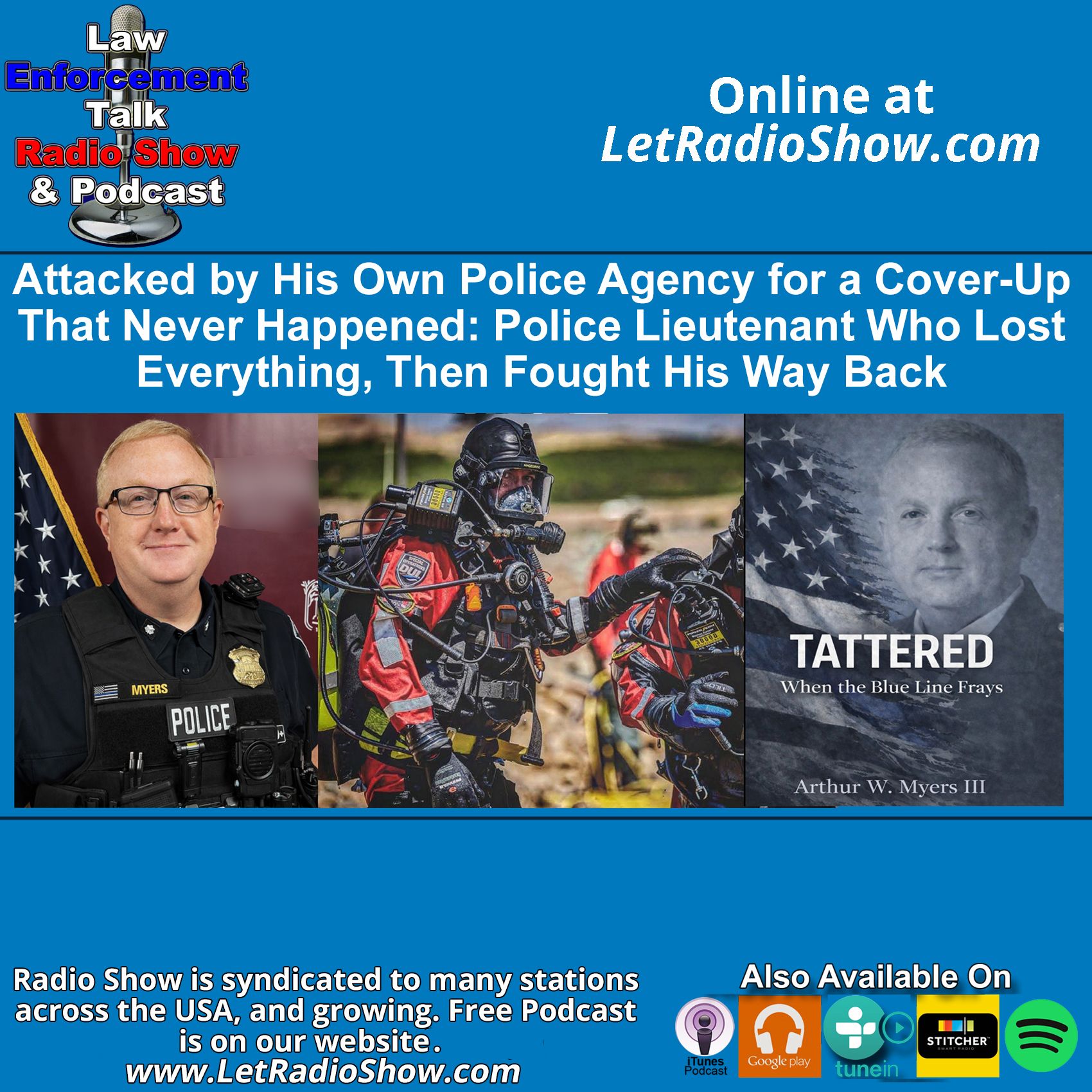
Attacked by His Own Police Agency for a Cover-Up That Never Happened
3w ago00:39:22Summary readyAttacked by His Own Police Agency for a Cover-Up That Never Happened: A Police Lieutenant Who Lost Everything, Then Fought His Way Back. A career built over decades can be destroyed in a matter of seconds. For many people, the greatest threat to a police officer comes from violent criminals. The Podcast is available for free on the Law Enforcement Talk Radio Show and Podcast website, also on Apple Podcasts, Spotify, YouTube, iHeartradio and most major podcast platforms. #LawEnforcementTalk #Free #Podcast #Radio Former Charleston Police Lieutenant Arthur "Rusty" Myers learned that sometimes the greatest threat comes from within the very organization an officer has dedicated a lifetime to serving. The Law Enforcement Talk Radio Show and Podcast social media like their Facebook , Instagram , LinkedIn , Medium and other social media platforms. Accused of participating in a cover-up that he says never happened, Myers watched his reputation, career, and identity collapse almost overnight. Supporting articles about this and much more from Law Enforcement Talk Radio Show and Podcast in platforms like Medium , Blogspot and Linkedin. Yet years later, every charge against him was gone, his law enforcement certification was fully reinstated by the state, and another police agency immediately hired him. He left that agency and was eventually promoting him to Deputy Chief of Police. His remarkable story is shared during an emotional interview on the Law Enforcement Talk Radio Show and Podcast website, also available on Facebook, Instagram, YouTube, Apple Podcasts, Spotify, and across social media platforms where audiences continue following compelling stories from the front lines of policing. Attacked by His Own Police Agency for a Cover-Up That Never Happened: A Police Lieutenant Who Lost Everything, Then Fought His Way Back. The conversation is available on the Law Enforcement Talk Radio Show and Podcast website, Facebook, Instagram, YouTube, Apple Podcasts, Spotify, iHeartRadio, and most other major podcast platforms, where audiences continue discovering firsthand accounts from those who have lived them. A Foot Pursuit That Changed Everything The incident that altered Myers' life appeared routine at first. While serving as a lieutenant with the Charleston Police Department, several officers became involved in a foot pursuit. Myers responded to assist his officers as supervisors routinely do. Within days, however, the focus shifted away from the arrest itself. Investigators alleged that Myers had participated in covering up officers' use of force. He was charged with filing a false police report. The accusations stunned the veteran officer. A career built on leadership, ethics, and officer development suddenly became overshadowed by allegations that challenged everything he had spent decades building. The episode is available across major platforms including their website, Apple Podcasts, Spotify, YouTube, with highlights shared across their Facebook, Instagram, and LinkedIn profiles. When Your Own Agency Turns Against You For police officers, the badge often represents more than employment. It becomes identity. Purpose. Family. Myers describes how administrative leave quickly turned into isolation. The officers he once supervised disappeared from his daily life. The camaraderie vanished. The uncertainty became overwhelming. In his book "Tattered: When the Blue Line Frays," Myers writes about the devastating emotional impact that follows when an officer becomes the subject of an investigation. Attacked by His Own Police Agency for a Cover-Up That Never Happened: A Police Lieutenant Who Lost Everything, Then Fought His Way Back. Available for free on the Law Enforcement Talk Radio Show and Podcast website, also on Apple Podcasts, Spotify, Youtube and most major Podcast networks. "Administrative leave becomes isolation. Silence replaces camaraderie." The investigation wasn't simply about criminal allegations. It became a battle for his reputation, career, and future. Cleared... But Never Given His Career Back Eventually, Myers fought the accusations before the state board responsible for his law enforcement certification. According to Myers, prosecutors presented no case. The charges were dropped. His law enforcement license was fully reinstated. Legally, his name had been cleared. But despite that vindication, the Charleston Police Department never brought him back. The Podcast is available for free on the Law Enforcement Talk Radio Show and Podcast website, also on Apple Podcasts, Spotify, YouTube, iHeartradio and most major podcast platforms. For many officers, being cleared would represent the end of a painful chapter. For Myers, it marked the beginning of another. From Fired Officer to Internal Affairs Detective Instead of leaving law enforcement, Myers chose to continue serving. Almost immediately after his vindication, another South Carolina police agency hired him. Ironically, one of his new assignments became serving as an Internal Affairs Detective, the very type of investigator whose work had dramatically affected his own life. Attacked by His Own Police Agency for a Cover-Up That Never Happened: A Police Lieutenant Who Lost Everything, Then Fought His Way Back. The Law Enforcement Talk Radio Show and Podcast continues bringing listeners real conversations from the front lines of crime, policing, trauma, survival, and healing. His career continued to grow. Today, Myers serves as Deputy Chief of Police at a South Carolina university Department of Public Safety, proving that one agency's decision did not define his future. Turning Pain Into Purpose Rather than allowing bitterness to consume him, Myers transformed his experience into leadership lessons. His memoir, "Tattered: When the Blue Line Frays," explores far more than one controversial investigation. It examines: Institutional betrayal. Leadership during crisis. Officer wellness. Professional accountability. Mental health. Faith. Resilience. Rebuilding purpose after devastating loss. The book has resonated with police officers, supervisors, and leaders who understand how quickly careers can change. A Career Dedicated to Leadership Long before his public controversy, Myers built an impressive law enforcement career spanning more than three decades. A graduate of The Citadel and holder of a Master's degree in Biblical Studies from Liberty University, he served in virtually every level of policing. Attacked by His Own Police Agency for a Cover-Up That Never Happened: A Police Lieutenant Who Lost Everything, Then Fought His Way Back. Supporting articles about this and much more from Law Enforcement Talk Radio Show and Podcast in platforms like Medium , Blogspot and Linkedin. As Training Commander for the Charleston Police Department, he instructed officers on: Ethics Leadership Procedural Justice Professional Accountability Use-of-Force Review Officer Development Later, while serving with the Summerville Police Department, he became the Internal Affairs Inspector and created an innovative police leadership program designed to educate officers from rookie patrol officers to police chiefs. Today, his mission extends beyond policing. He advocates for stronger leadership, healthier police organizations, and honest conversations surrounding officer wellness and institutional responsibility. When the Uniform Comes Off Perhaps the most powerful question Myers asks isn't about policing. It's about identity. Who are you after everything you've built disappears? For officers forced into retirement... Wrongfully accused... Terminated... Or publicly criticized... That question becomes deeply personal. Myers believes resilience begins by understanding that a career can end, but purpose does not. More Than One Story In addition to Tattered, Myers is also the author of "Confession of Justus: A Tale of the Christ," a historical fiction novel following the Roman centurion traditionally associated with the crucifixion of Jesus Christ. Attacked by His Own Police Agency for a Cover-Up That Never Happened: A Police Lieutenant Who Lost Everything, Then Fought His Way Back. The episod...
Summary
Hunting A Serial Killer in Canada: Retired Toronto Police Talks
3w ago00:39:49Summary readyHunting A Serial Killer in Canada: Retired Toronto Police Talks About the Case That Shocked a Nation. From tracking one of Canada's most notorious serial killers to leading the heartbreaking investigation into the murder of an eight-year-old child, retired Toronto Police homicide detective Hank Idsinga spent three decades confronting humanity at its darkest. The Law Enforcement Talk Radio Show and Podcast social media like their Facebook , Instagram , LinkedIn , Medium and other social media platforms. Every homicide detective knows that one case can define a career. The Podcast is available for free on the Law Enforcement Talk Radio Show and Podcast website, also on Apple Podcasts, Spotify, YouTube, iHeartradio and most major podcast platforms. #LawEnforcementTalk #Free #Podcast #Radio For Hank Idsinga, there were several. Supporting articles about this and much more from Law Enforcement Talk Radio Show and Podcast in platforms like Medium , Blogspot and Linkedin. As a Retired Homicide investigator with the Toronto Police Service, Idsinga became one of Canada's most respected detectives. During a remarkable 30-year career, he investigated countless murders, managed some of the country's highest-profile homicide investigations, and ultimately became the Major Case Manager responsible for one of the largest murder investigations in Canadian history. The conversation is available on the Law Enforcement Talk Radio Show and Podcast website, Facebook, Instagram, YouTube, Apple Podcasts, Spotify, iHeartRadio, and most other major podcast platforms, where audiences continue discovering firsthand accounts from those who have lived them. Today, Idsinga joins the Law Enforcement Talk Radio Show and Podcast to discuss Hunting A Serial Killer in Canada, the emotional realities of homicide investigations, and the experiences that inspired his #1 National Bestselling Book, The High Road: Confessions of a Homicide Cop. The compelling interview is available on the Law Enforcement Talk Radio Show and Podcast Website, Facebook, Instagram, YouTube, Apple Podcasts, Spotify, iHeartradio and other major Podcast platforms, where audiences continue discovering extraordinary stories from the people behind the badge. Hunting A Serial Killer in Canada: Retired Toronto Police Talks About the Case That Shocked a Nation. A Childhood Promise Became a Lifelong Mission Some careers begin with opportunity. Hank Idsinga's began with tragedy. When he was just ten years old, he learned that his grandfather had been murdered during the Holocaust by the Nazis in World War II. That revelation changed his life forever. "From the age of ten, I knew I wanted to become a homicide detective." Rather than simply dream about police work, Idsinga dedicated himself to achieving that goal. Throughout his youth, he prepared for a career in law enforcement, eventually joining the Toronto Police Service. The episode is available across major platforms including their website, Apple Podcasts, Spotify, YouTube, with highlights shared across their Facebook, Instagram, and LinkedIn profiles. What began with patrol assignments eventually led him into homicide investigations, where his remarkable memory, analytical skills, compassion, and determination quickly earned the respect of fellow detectives and supervisors alike. Finding Answers for Families During Their Worst Moments Hollywood often portrays homicide detectives as emotionless investigators driven only by evidence. Reality is far different. Idsinga explains that homicide detectives do much more than process crime scenes and interview suspects. They also become the people responsible for delivering devastating news to grieving families. One moment they may be chasing a dangerous suspect. The next, they're standing on a family's front porch explaining that someone they love will never come home. "You have to investigate the crime, but you also have to care for the people left behind." That balance between relentless investigation and genuine compassion became one of the defining characteristics of Idsinga's career. Available for free on the Law Enforcement Talk Radio Show and Podcast website, also on Apple Podcasts, Spotify, Youtube and most major Podcast networks. Hunting a Serial Killer Who Terrorized Toronto Perhaps no investigation better demonstrates the complexity of modern homicide investigations than the hunt for one of Toronto's most notorious serial killers. Hunting A Serial Killer in Canada: Retired Toronto Police Talks About the Case That Shocked a Nation. Between 2010 and 2017, eight men, most with connections to Toronto's Gay Village, vanished. At first, the disappearances appeared unrelated. As investigators dug deeper, disturbing patterns began to emerge. The investigation quickly expanded into the largest homicide investigation in Toronto Police Service history. Multiple agencies joined the effort, including: Toronto Police Service (TPS) Ontario Provincial Police (OPP) Royal Canadian Mounted Police (RCMP) Numerous regional law enforcement partners Multiple specialized task forces As the Major Case Manager, Hank Idsinga coordinated an extraordinarily complex investigation involving hundreds of investigators, forensic experts, analysts, intelligence officers, and partner agencies. The pressure was immense. The community demanded answers. Families desperately wanted their loved ones found. The media closely followed every development. The Investigation That Finally Solved the Murders Years of painstaking investigative work eventually led detectives to Bruce McArthur, a self-employed landscaper. The Podcast is available for free on the Law Enforcement Talk Radio Show and Podcast website, also on Apple Podcasts, Spotify, YouTube, iHeartradio and most major podcast platforms. Investigators uncovered horrifying evidence. The remains of several victims had been concealed inside large planter boxes located on properties where McArthur had worked. McArthur ultimately pleaded guilty to eight counts of first-degree murder. He received a sentence of life imprisonment with no eligibility for parole for 25 years. For investigators, however, the arrest represented more than solving a case. It provided long-awaited answers for grieving families and brought an end to years of fear within Toronto's community. "Every victim deserved answers. Every family deserved the truth." Standing Before the Cameras Throughout the serial killer investigation, Hank Idsinga became the public face of the case. That responsibility required more than investigative skill. It required calm leadership. Every news conference carried enormous significance. Families were listening. The public wanted reassurance. Reporters demanded updates. Criticism surrounding aspects of the investigation intensified as the case unfolded, but Idsinga consistently appeared composed, compassionate, and professional while communicating difficult developments to the public. Hunting A Serial Killer in Canada: Retired Toronto Police Talks About the Case That Shocked a Nation. The Law Enforcement Talk Radio Show and Podcast continues bringing listeners real conversations from the front lines of crime, policing, trauma, survival, and healing. His ability to balance transparency with investigative integrity earned widespread respect throughout Canada. The Murder of an Eight-Year-Old Child While serial murder investigations receive national headlines, some of the most emotionally devastating cases involve children. Idsinga also served as the lead investigator in the murder of an eight-year-old child, a case that tested every investigator involved. Few crimes affect detectives more profoundly than those involving children. The emotional weight follows investigators long after the evidence has been processed and the courtroom proceedings conclude. "Child homicide investigations stay with you forever." Those cases remind detectives why every decision matters and why justice requires both determination and extraordinary attention to detail. What It Takes to Solve Homicides Television often portrays homicide investigations as quick breakthroughs driven by dramatic confessions. Idsinga explains that reality is far more methodical. Successful investigations depend upon countless hours of: Crime scene analysis Witness interviews Forensic science Intelligence gathering Surveillance Digital evidence Interagency cooperation Persistence Sometimes one overlooked detail changes everything. Som...
Summary
Her Life After Surviving Extreme Domestic Violence
4w ago00:40:21Summary readyHer Life After Surviving Extreme Domestic Violence: How Trained Personal Protection Dogs Helped Her. She truly believed she was going to die. On December 16, 2019, Kelly Sutliff's life changed forever. The Podcast is available for free on the Law Enforcement Talk Radio Show and Podcast website, also on Apple Podcasts, Spotify, YouTube, iHeartradio and most major podcast platforms. #LawEnforcementTalk #Free #Podcast #Radio What began as another terrifying encounter with an abusive husband became a violent attack that nearly ended her life. She was strangled, beaten, thrown against walls, and held at knifepoint inside the home she once believed was a place of safety. The Law Enforcement Talk Radio Show and Podcast social media like their Facebook , Instagram , LinkedIn , Medium and other social media platforms. By the time the attack ended, blood stained the walls, priceless family heirlooms had been destroyed, more than $60,000 in damage had been inflicted on her home, and Kelly was left wondering whether she would ever feel safe again. Supporting articles about this and much more from Law Enforcement Talk Radio Show and Podcast in platforms like Medium , Blogspot and Linkedin. Instead of allowing that horrific night to define her future, Kelly transformed unimaginable trauma into a mission that is now helping survivors across America. Her remarkable journey is the focus of a powerful interview on the Law Enforcement Talk Radio Show and Podcast website, available on Facebook, Instagram, YouTube, Apple Podcasts, Spotify, iHeartradio and other major Podcast and Social Media platforms. Her Life After Surviving Extreme Domestic Violence: How Trained Personal Protection Dogs Helped Her. "I Am Going To Die" For Kelly, the memories remain crystal clear. "December 16, 2019 was the date of the domestic violence attack. I can still vividly remember thinking and feeling... I am going to die." The violence wasn't spontaneous. Looking back, Kelly believes the abuse had been carefully built through manipulation, deception, coercive control, and isolation. The conversation is available on the Law Enforcement Talk Radio Show and Podcast website, Facebook, Instagram, YouTube, Apple Podcasts, Spotify, iHeartRadio, and most other major podcast platforms, where audiences continue discovering firsthand accounts from those who have lived them. She says her husband destroyed treasured belongings connected to her late parents while forcing her to watch. Her beloved dog was also threatened. "He could kill my dog right in front of me," she recalls thinking. The attack escalated into strangulation, physical assault, and eventually a knife pressed against her throat. Her head crashed into sheetrock, leaving holes in the wall. Blood covered parts of the home. When the violence finally stopped, Kelly was alive, but emotionally shattered. Discovering She Wasn't His First Victim After escaping the relationship, Kelly uncovered an alarming pattern. The episode is available across major platforms including their website, Apple Podcasts, Spotify, YouTube, with highlights shared across their Facebook, Instagram, and LinkedIn profiles. She learned her former husband had allegedly assaulted three previous wives. The revelation changed everything. She realized the abuse had never been about her. Instead, she believes she had been intentionally targeted by someone seeking power and control. "I now know he pursued me with the intent to abuse me. He married me with the intent to control me." Those realizations became part of a much larger healing process. Her Life After Surviving Extreme Domestic Violence: How Trained Personal Protection Dogs Helped Her. Available for free on the Law Enforcement Talk Radio Show and Podcast website, also on Apple Podcasts, Spotify, Youtube and most major Podcast networks. The Abuse Didn't End After The Assault Many people believe domestic violence ends once a victim leaves. Kelly says that couldn't be further from the truth. She describes months of fear that continued through court proceedings. Physical stalking. Virtual stalking. Constant anxiety. Sleepless nights. She says she repeatedly sought protection through the criminal justice and family court systems, only to encounter frustration and disappointment. "I experienced firsthand what so many survivors know too well: a system that is deeply broken." For Kelly, surviving the attack was only the beginning. The challenge became learning how to live again. Domestic Violence Is A National Crisis Kelly's story reflects a much larger reality. According to national research, domestic violence affects millions of Americans every year. Although women experience severe intimate partner violence at disproportionately higher rates, men also become victims. The Podcast is available for free on the Law Enforcement Talk Radio Show and Podcast website, also on Apple Podcasts, Spotify, YouTube, iHeartradio and most major podcast platforms. Domestic violence crosses every social, economic, racial, and geographic boundary. It includes physical violence, emotional abuse, coercive control, stalking, threats, intimidation, financial abuse, and psychological manipulation. Her Life After Surviving Extreme Domestic Violence: How Trained Personal Protection Dogs Helped Her. For many survivors, leaving the relationship is often the most dangerous time. The Dog That Changed Everything Everything began changing on August 6, 2020. That was the day Kelly met Stella. Not just any dog. A professionally trained German Shepherd personal protection dog. These highly specialized canines often cost anywhere from $15,000 to well over $175,000, depending on their level of executive or family protection training, obedience, experience, and age. Her Life After Surviving Extreme Domestic Violence: How Trained Personal Protection Dogs Helped Her. The Law Enforcement Talk Radio Show and Podcast continues bringing listeners real conversations from the front lines of crime, policing, trauma, survival, and healing. Kelly remembers every second. "The trainer brought her out, and she sat down right beside me." Then something happened. As Kelly gently stroked Stella's back, a stranger approached. Without command, Stella calmly placed one paw across Kelly's ankle. It was a simple gesture. Yet Kelly instantly understood its meaning. "I've got you now." That single moment changed her life. "In that moment, I felt something I hadn't felt in a long time: safety." Not temporary comfort. Real safety. For the first time since the attack, fear began losing its grip. Healing Through Protection Dog Training Kelly soon discovered Stella offered far more than physical security. Supporting articles about this and much more from Law Enforcement Talk Radio Show and Podcast in platforms like Medium , Blogspot and Linkedin. The daily training created structure. Discipline. Routine. Trust. Confidence. Instead of living in survival mode, Kelly slowly began reconnecting with life. She started leaving the house again. She spent time with friends. She laughed. She smiled. She trusted people again. Most importantly, she stopped seeing herself only as a victim. "The positive impact my dogs and their training have had on me as a survivor of domestic violence has been profound. It has healed me." A New Purpose Emerges Kelly's journey didn't stop with Stella. She later welcomed another German Shepherd named Luca. Unlike Stella, Luca entered her life as an eight-week-old puppy. Kelly trained him in Schutzhund, the internationally recognized working-dog sport centered on obedience, tracking, and protection. Her Life After Surviving Extreme Domestic Violence: How Trained Personal Protection Dogs Helped Her. The episode is available across major platforms including their website, Apple Podcasts, Spotify, YouTube, with highlights shared across their Facebook, Instagram, and LinkedIn profiles. Watching Luca earn his first title became another milestone in Kelly's own recovery. As the dogs grew stronger... So did she. Protection training became more than a hobby. It became therapy. Confidence. Purpose. Freedom. From Survivor To Founder Kelly realized countless domestic violence survivors were living exactly as she once had. Terrified. Isolated. Powerless. Many desperately wanted protection but simply couldn't afford professionally trained personal protection dogs. That realization inspired Kelly to establish Kelly's K9's, Tails of Courage. The nonprofit helps restore b...
Summary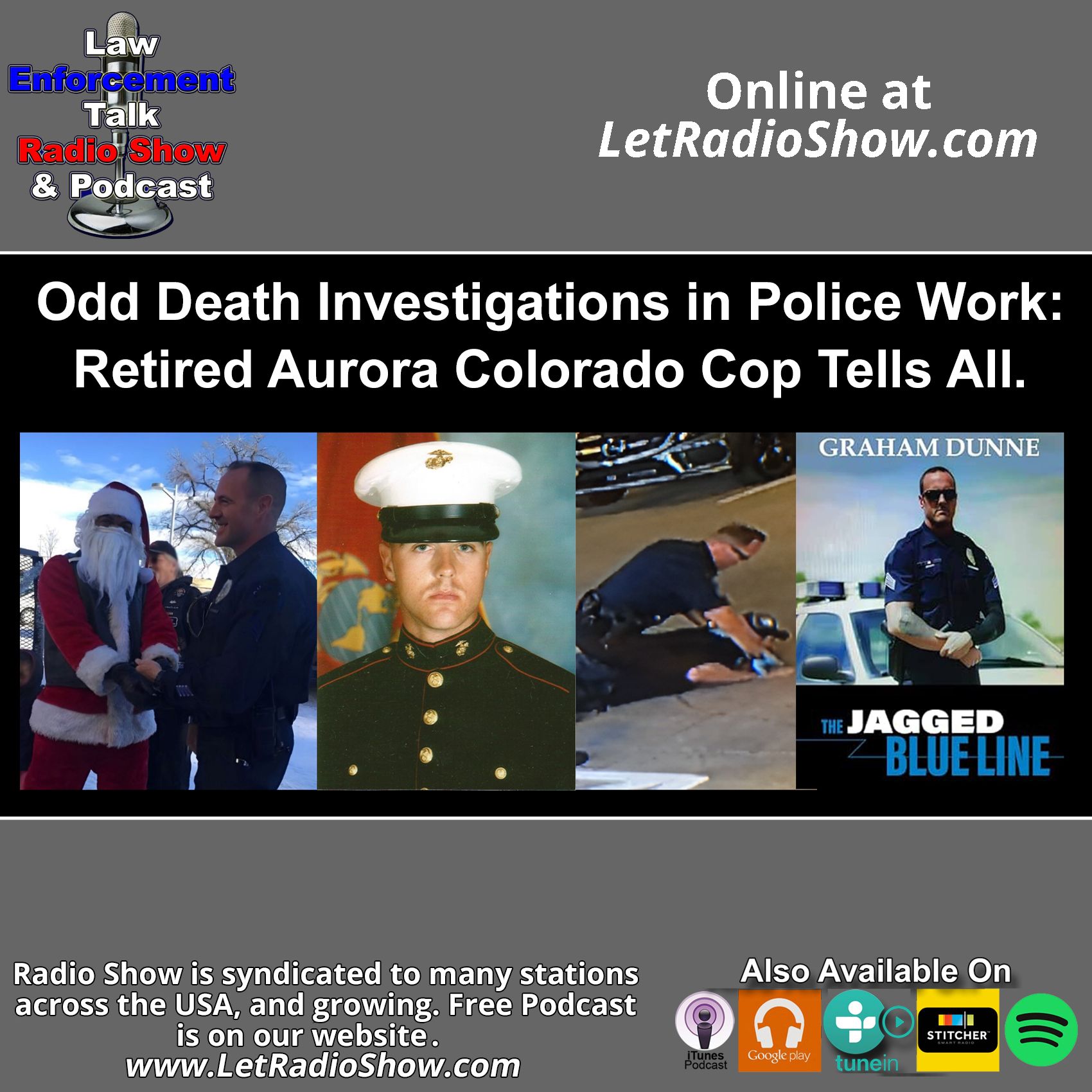
Odd Death Investigations in Police Work
4w ago00:39:28Summary readyOdd Death Investigations in Police Work: Retired Aurora Colorado Cop Tells All. What really happens when police officers respond to the dead? Television crime dramas make death investigations appear clean, methodical, and wrapped up within an hour. The Law Enforcement Talk Radio Show and Podcast social media like their Facebook , Instagram , LinkedIn , Medium and other social media platforms. Retired Aurora, Colorado Police Sergeant Graham Dunne says the reality couldn't be further from the truth. The Podcast is available for free on the Law Enforcement Talk Radio Show and Podcast website, also on Apple Podcasts, Spotify, YouTube, iHeartradio and most major podcast platforms. #LawEnforcementTalk #Free #Podcast #Radio Behind every suspicious death, unattended death, apparent suicide, or homicide scene is a police officer forced to witness things that most people will never experience. Some cases become murder investigations. Others reveal tragic accidents or natural causes. But every one leaves an impression. Supporting articles about this and much more from Law Enforcement Talk Radio Show and Podcast in platforms like Medium , Blogspot and Linkedin. During an unforgettable interview on the Law Enforcement Talk Radio Show and Podcast, Dunne shares stories from nearly three decades in policing, including bizarre and disturbing death investigations that continue to stay with him years after retirement. Odd Death Investigations in Police Work: Retired Aurora Colorado Cop Tells All. The conversation is available on the Law Enforcement Talk Radio Show and Podcast website, Facebook, Instagram, YouTube, Apple Podcasts, Spotify, iHeartRadio, and most other major podcast platforms, where audiences continue discovering firsthand accounts from those who have lived the realities behind the badge. A Career Unlike Many Police Officers Dunne retired after 27 years with the Aurora Police Department in Colorado. Before becoming a police officer, he served in the United States Marine Corps. His law enforcement career would eventually include assignments as a patrol officer, SWAT operator, SWAT sniper, firearms instructor, academy instructor, field training officer, patrol supervisor, and Colorado POST subject matter expert. The episode is available across major platforms including their website, Apple Podcasts, Spotify, YouTube, with highlights shared across their Facebook, Instagram, and LinkedIn profiles. He also chaired Colorado's POST curriculum committee, helping shape the training of future law enforcement officers across the state. His distinguished career earned him the Police Medal of Honor, the Distinguished Service Cross, multiple lifesaving awards, and numerous commendations for bravery and leadership. Odd Death Investigations in Police Work: Retired Aurora Colorado Cop Tells All. Yet despite his impressive résumé, Dunne says some of the most unforgettable moments didn't happen during SWAT operations or gunfights. They happened while standing over the dead. Available for free on the Law Enforcement Talk Radio Show and Podcast website, also on Apple Podcasts, Spotify, Youtube and most major Podcast networks. Odd Death Investigations in Police Work Are More Common Than People Think As a patrol supervisor, Dunne estimates he investigated approximately 400 death scenes throughout his career. Some were expected. Many were not. Some initially appeared suspicious before detectives determined no crime had occurred. Others looked routine until evidence revealed a homicide. "Every death scene tells a story," Dunne explains. "But sometimes that story isn't what anyone expected." One investigation involved an unusual homicide connected to an individual living a voluntary sexual bondage lifestyle, a case unlike anything most officers will ever encounter. Dunne discusses how investigators must set aside personal opinions and focus entirely on evidence, facts, and professionalism regardless of the circumstances surrounding a victim's death. Odd Death Investigations in Police Work: Retired Aurora Colorado Cop Tells All. The Podcast is available for free on the Law Enforcement Talk Radio Show and Podcast website, also on Apple Podcasts, Spotify, YouTube, iHeartradio and most major podcast platforms. The Reality Most People Never Hear About Television rarely prepares viewers for what officers actually experience inside homes, apartments, hotel rooms, or abandoned buildings. Death changes everything. The sights. The smells. The silence. Even the body's natural biological processes continue after life ends. Dunne candidly explains that officers frequently encounter postmortem bodily functions that surprise even seasoned investigators. The Law Enforcement Talk Radio Show and Podcast continues bringing listeners real conversations from the front lines of crime, policing, trauma, survival, and healing. "It's something nobody prepares you for," he says. Those realities become just another part of the job. But only on the surface. "They Steal a Part of Your Humanity" After hundreds of death investigations, Dunne believes every officer pays an emotional price. Some scenes involve elderly people who died alone. Others involve children. Some involve violent crime. Others simply reveal heartbreaking loneliness. "You don't walk away unchanged," Dunne says. "Those scenes steal a part of your humanity." It's a sentiment familiar to many first responders. The public often remembers the dramatic arrests and high-speed pursuits. Police officers remember the faces. The families. The smells that unexpectedly return years later. The quiet moments standing beside someone whose story has just ended. From SWAT Sniper to Patrol Sergeant Although death investigations left a lasting impact, they represented only one chapter of Dunne's remarkable career. Odd Death Investigations in Police Work: Retired Aurora Colorado Cop Tells All. He spent eight years on the Aurora Police Department SWAT Team as both an operator and sniper, worked countless violent crime investigations, responded to officer-involved shootings, pursued dangerous suspects, and trained generations of officers. Supporting articles about this and much more from Law Enforcement Talk Radio Show and Podcast in platforms like Medium , Blogspot and Linkedin. Following retirement, he founded Ragnar Tactical, providing firearms instruction, tactical medicine, active shooter response training, and executive protection education for law enforcement, military personnel, and civilians. He also serves as an expert witness involving firearms, edged weapons, and self-defense cases. The Book: The Jagged Blue Line Many of Dunne's experiences are chronicled in his acclaimed Book, The Jagged Blue Line. Rather than presenting Hollywood versions of policing, the memoir delivers authentic stories from a career spent chasing violent offenders, investigating bizarre deaths, surviving lawsuits, responding to shootings, engaging in high-speed pursuits, and witnessing humanity at both its best and worst. As Dunne writes, police officers assigned to large cities are given "a ticket to the greatest show on earth." Sometimes those stories are exciting. Sometimes tragic. Sometimes unbelievable. Often they're stranger than fiction. Readers quickly discover why The Jagged Blue Line has resonated with both law enforcement professionals and civilians interested in understanding what life behind the badge is truly like. Odd Death Investigations in Police Work: Retired Aurora Colorado Cop Tells All. The episode is available across major platforms including their website, Apple Podcasts, Spotify, YouTube, with highlights shared across their Facebook, Instagram, and LinkedIn profiles. Why These Stories Matter The public rarely sees what happens after emergency vehicles leave. Death investigations aren't simply evidence collection. They're emotional experiences carried by police officers long after reports are completed. Dunne hopes sharing these stories helps bridge the gap between communities and the officers sworn to protect them. His interview offers an honest, sometimes humorous, and often sobering look at the hidden realities of policing that most people never witness. For anyone interested in Odd Death Investigations In Police Work, the experiences of a retired Aurora Colorado Cop, or the compelling stories fo...
Summary
Police Sergeant Injured In Vicious Assault With A Car
Jul 800:39:07Summary readyPolice Sergeant Injured In Vicious Assault With A Car. The Flawed Retirement Process. Most people assume that when a police officer suffers catastrophic injuries protecting the public, the system they faithfully served will protect them in return. The Podcast is available for free on the Law Enforcement Talk Radio Show and Podcast website, also on Apple Podcasts, Spotify, YouTube, iHeartradio and most major podcast platforms. #LawEnforcementTalk #Free #Podcast #Radio Retired Lowell, Massachusetts Police Sergeant Vincent Fernandez says that isn't always what happens. The Law Enforcement Talk Radio Show and Podcast social media like their Facebook , Instagram , LinkedIn , Medium and other social media platforms. His story isn't simply about surviving a violent criminal attack. Supporting articles about this and much more from Law Enforcement Talk Radio Show and Podcast in platforms like Medium , Blogspot and Linkedin. It's about surviving what came afterward. During a powerful interview on the Law Enforcement Talk Radio Show and Podcast, Fernandez describes the horrific assault that permanently changed his life, the devastating toll it took on his health, and why he believes Massachusetts' retirement system continues to fail many catastrophically injured first responders. The emotional conversation is available on their website, Facebook, Instagram, YouTube, Apple Podcasts, Spotify and iHeartradio, where listeners continue discovering stories that reveal the realities behind the badge. Police Sergeant Injured In Vicious Assault With A Car. The Flawed Retirement Process. A Routine Response Became a Life-Changing Assault In 2016, Lowell Patrol Sergeant Vincent Fernandez responded to what appeared to be another dangerous call. The episode is available across major platforms including their website, Apple Podcasts, Spotify, YouTube, with highlights shared across their Facebook, Instagram, and LinkedIn profiles. It quickly became something far worse. A fleeing felon used a vehicle as a weapon. As Fernandez attempted to stop the suspect, his arm became trapped on the windshield. "The windshield wiper broke, it flung me from the car. I landed on the cobblestones," Fernandez recalled. He wasn't simply knocked down. He was dragged approximately 150 feet along Middle Street before being violently thrown onto the roadway. The suspect was later charged with attempted murder. Although Fernandez survived, the attack permanently altered every aspect of his future. Available for free on the Law Enforcement Talk Radio Show and Podcast website, also on Apple Podcasts, Spotify, Youtube and most major Podcast networks. Seven Spine Surgeries and a Traumatic Brain Injury Many people imagine recovery as returning to work after months of rehabilitation. That never happened. Fernandez suffered catastrophic spinal injuries and a traumatic brain injury that ultimately required seven spinal surgeries. Police Sergeant Injured In Vicious Assault With A Car. The Flawed Retirement Process. The neurological injuries affected far more than his physical strength. They changed everyday life. One memory still overwhelms him. "I don't know if she remembers it but one day my daughter had to help me tie my shoes and I couldn't read," Fernandez said through tears. The Podcast is available for free on the Law Enforcement Talk Radio Show and Podcast website, also on Apple Podcasts, Spotify, YouTube, iHeartradio and most major podcast platforms. Those words illustrate something many people never consider. Traumatic brain injuries don't just affect police careers. They affect marriages. They affect children. They affect every ordinary moment families once took for granted. The Hidden Costs of Police Trauma When Fernandez was injured, his children were only ten and six years old. Instead of planning family vacations or school activities, his family found themselves navigating surgeries, rehabilitation, specialists, prescriptions, insurance claims, and financial uncertainty. Police Sergeant Injured In Vicious Assault With A Car. The Flawed Retirement Process. The Law Enforcement Talk Radio Show and Podcast continues bringing listeners real conversations from the front lines of crime, policing, trauma, survival, and healing. "We incurred tens of thousands of dollars in personal costs to pay for co-pays and deductibles and out of pocket costs and I could barely function, let alone help my family," Fernandez explained. Like countless injured officers across America, the physical injuries were only one part of the struggle. The financial burden became another. The Flawed Retirement Process Fernandez medically retired with approximately 72 percent of his salary. While many people might assume that sounds adequate, he argues it falls dramatically short for officers whose careers ended because they were violently assaulted while protecting their communities. Medical retirement often arrives alongside enormous medical expenses, specialized treatments, adaptive equipment, neurological care, ongoing rehabilitation, and permanent disabilities. Police Sergeant Injured In Vicious Assault With A Car. The Flawed Retirement Process. Listen to this powerful episode of the Law Enforcement Talk Radio Show and Podcast, available on Facebook, Instagram, YouTube, Apple Podcasts, Spotify, LinkedIn, and most major podcast platforms. For Fernandez, retirement wasn't the end of the fight. It became another battle entirely. He believes the retirement system left him, and many others, behind. Fighting for Other Injured First Responders Rather than quietly accepting the outcome, Fernandez has become an advocate. He has joined other catastrophically injured Massachusetts first responders in seeking legislative changes that would provide 100 percent pension compensation. Massachusetts expanded retirement benefits in 2024 for some catastrophically injured first responders, allowing eligible officers to receive 100 percent of their base salary. Police Sergeant Injured In Vicious Assault With A Car. The Flawed Retirement Process. However, officers like Fernandez, whose injuries occurred before that law was passed, currently do not qualify. Instead, they must pursue individual legislation. Fernandez argues that catastrophic injuries shouldn't be treated differently simply because of the calendar. The episode is available across major platforms including their website, Apple Podcasts, Spotify, YouTube, with highlights shared across their Facebook, Instagram, and LinkedIn profiles. To him, the sacrifice remains exactly the same. Beyond the Badge The interview isn't only about pensions. It's about what happens after public attention disappears. Police officers routinely accept risks that most citizens will never face. They understand they may be injured. They understand they may never return home. What many don't expect is feeling forgotten after making those sacrifices. Fernandez's story raises difficult questions about how communities support officers whose careers end through violence while protecting others. Police Sergeant Injured In Vicious Assault With A Car. The Flawed Retirement Process. A Story Every Community Should Hear The conversation with Vincent Fernandez goes beyond policing. It's about resilience. It's about family. It's about recovery. And it's about asking whether those who suffer catastrophic injuries protecting their communities deserve lifelong security instead of lifelong uncertainty. Available for free on the Law Enforcement Talk Radio Show and Podcast website, also on Apple Podcasts, Spotify, Youtube and most major Podcast networks. His powerful interview serves as a reminder that surviving the assault isn't always the hardest part. Sometimes the hardest battle begins after the emergency lights disappear. Listen to this compelling episode of the Law Enforcement Talk Radio Show and Podcast on Facebook, Instagram, YouTube, Apple Podcasts, and Spotify, iHeartradio and discover why Vincent Fernandez continues fighting, not only for himself, but for every catastrophically injured first responder who believes the system should never forget those who sacrificed everything. You can contact John J. “Jay” Wiley by email at Jay@letradio.com , or learn more about him on their website . Find a wide variety of great podcasts online at The Podcast Zone Facebook Page , look for the one ...
Summary